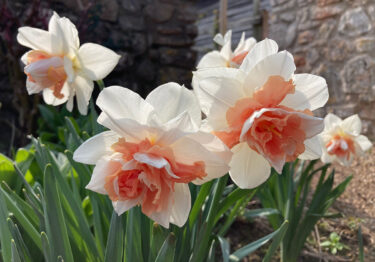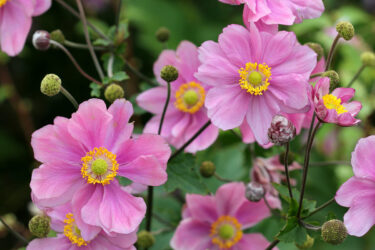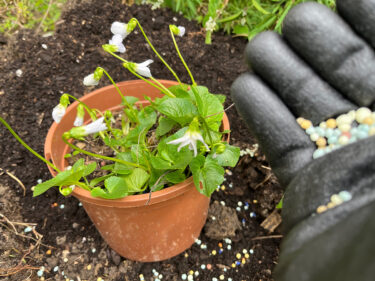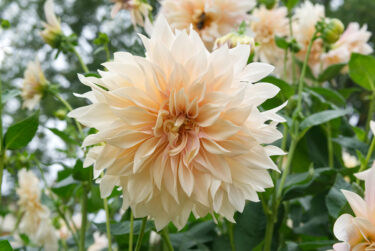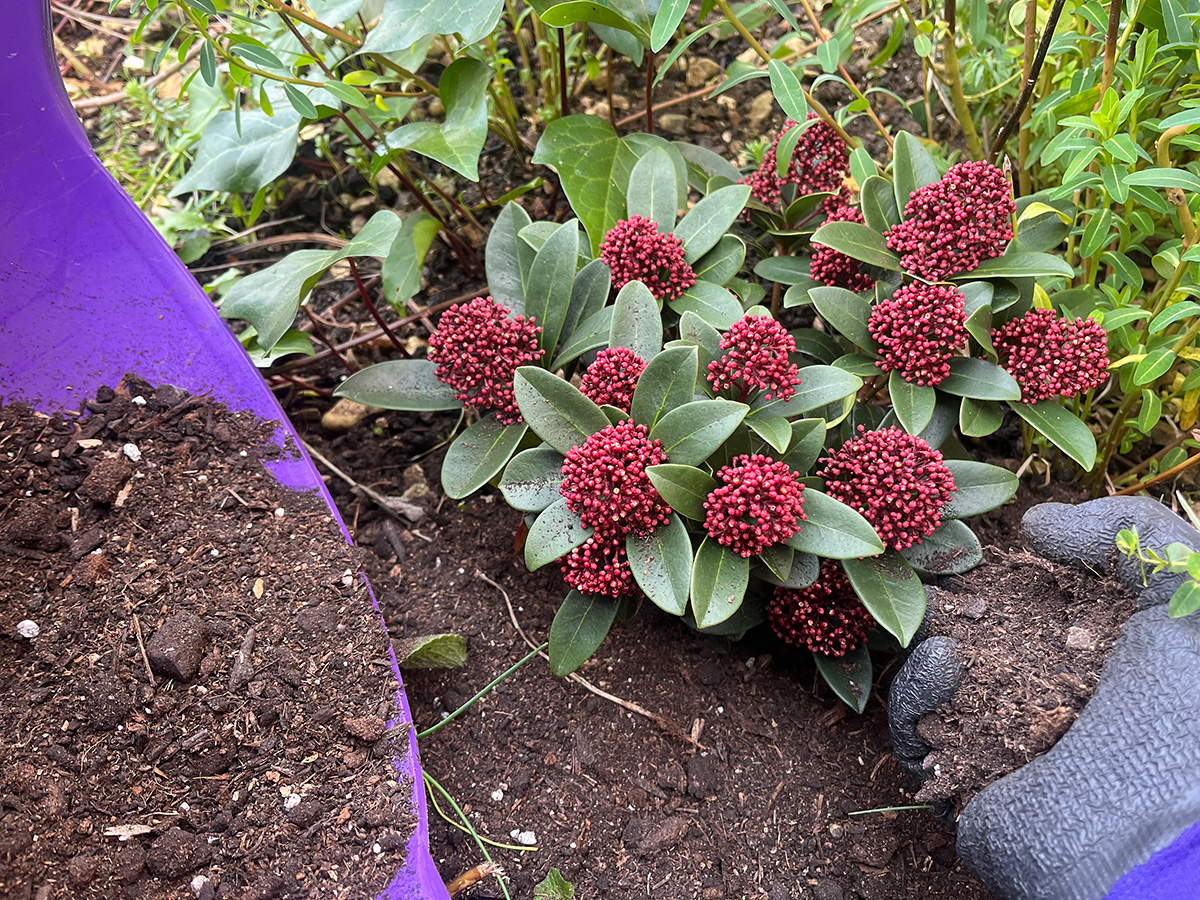
Remember, remember, the fireworks of November! No, not those colourful explosions in the night sky that are so common this month, but the colourful, explosive stars of the autumn and winter garden! If your garden is lacking in autumn and winter colour, then now’s the time to do something about it and get planting. Plants you simply can’t do without at this time of year include dogwoods, witch hazels, mahonias, winter-flowering viburnums, shrubby honeysuckles, elaeagnus and hellebores.
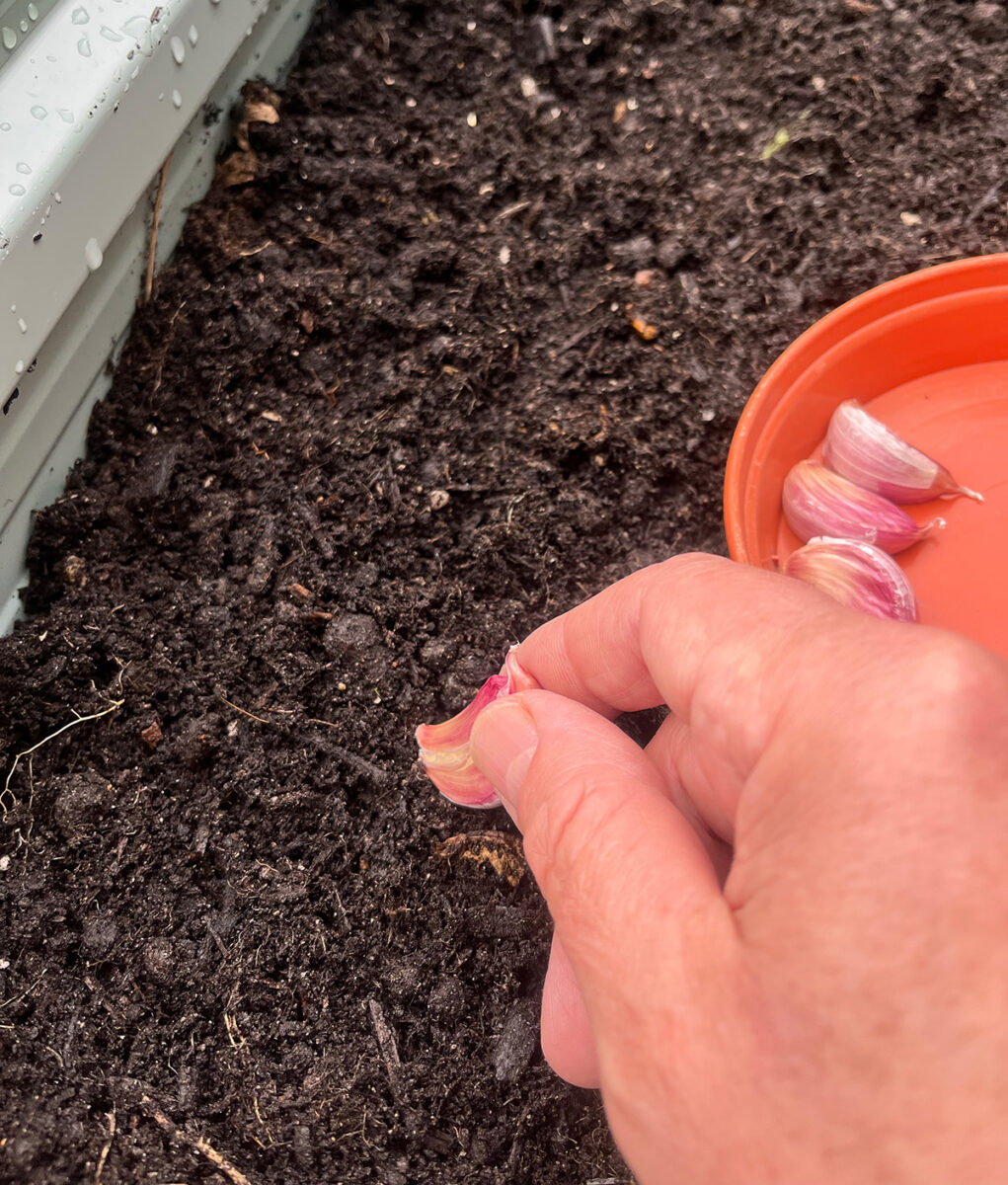
One job I always look forward to this month is planting garlic cloves. Always buy garlic bulbs that are designed for replanting from a seed supplier or garlic specialist, rather than those you buy to eat from the supermarket or greengrocer – they won’t do well – and check that the varieties are suitable for autumn planting.
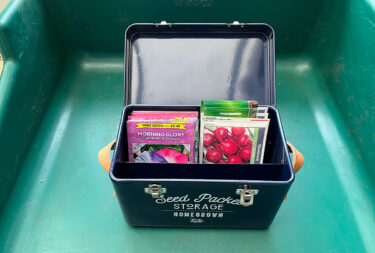
It’s also the time of year when I empty the shed of all my used small pots and plug trays, get a big bucket of hot bleachy water and sterilise them all, ready for seed sowing and propagation next spring. Yes, I do need to get out more! But any pathogens hanging on can affect the quality of seedlings and young plants produced and, having spent a lot of money on seeds, I want to make sure everything gets off to the best possible start in life.
Plant of the month – colourful-stemmed dogwoods
During late autumn and into winter, our gardens can start to look a tad dull and we’re always on the lookout for something to brighten them up, add structure and bring us some much-needed joy. Plants with colourful and/or interesting stems are one of the winter gems, and dogwoods stand head and shoulders above all others, coming into their own once their leaves drop in autumn to reveal their stand-out stems.
Not to be confused with flowering dogwoods, these varieties of Cornus alba, C. sericea and C. sanguineaare are mainly grown for their bare winter stems that come in a surprisingly wide range of colours. But that’s not to say that they’re just a one-season wonder.
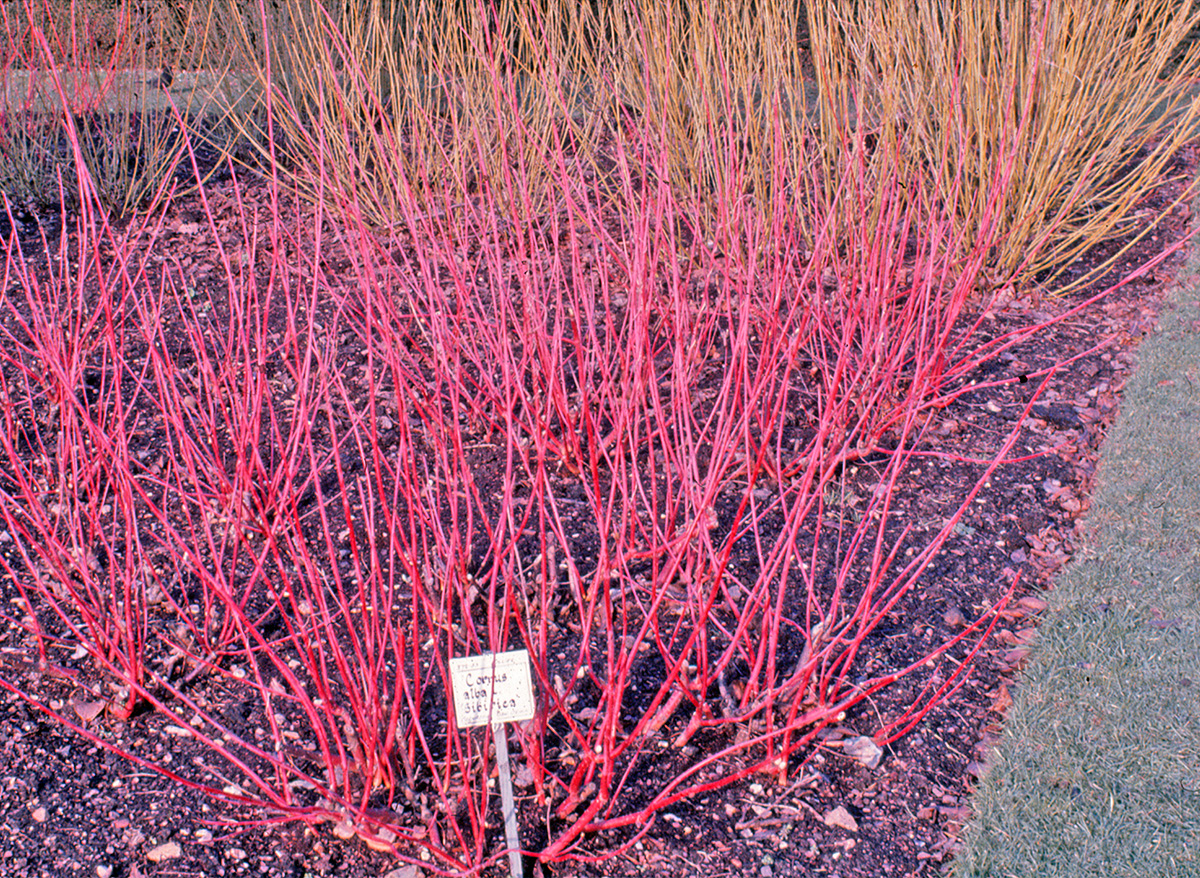
Those with red stems tend to be the most popular and, personally, I think the best one is Cornus alba ‘Sibirica’ (Siberian dogwood), which features vivid, coral-red stems that stand out brilliantly. Cornus alba ‘Kesselringii’ produces unusual deep red-purple stems that turn almost black during the colder months. Cornus sericea ‘Flaviramea’ produces thickets of bright yellow-green stems that glow in the winter sunlight. Cornus sanguinea ‘Midwinter Fire’ is a very popular variety that, as its name suggests, displays a gorgeous gradient of glowing yellow, orange, and fiery red on younger shoots. Lesser known Cornus sanguinea ‘Anny’s Winter Orange’ is just as beautiful with stems showing bright orange bases fading into red tips.
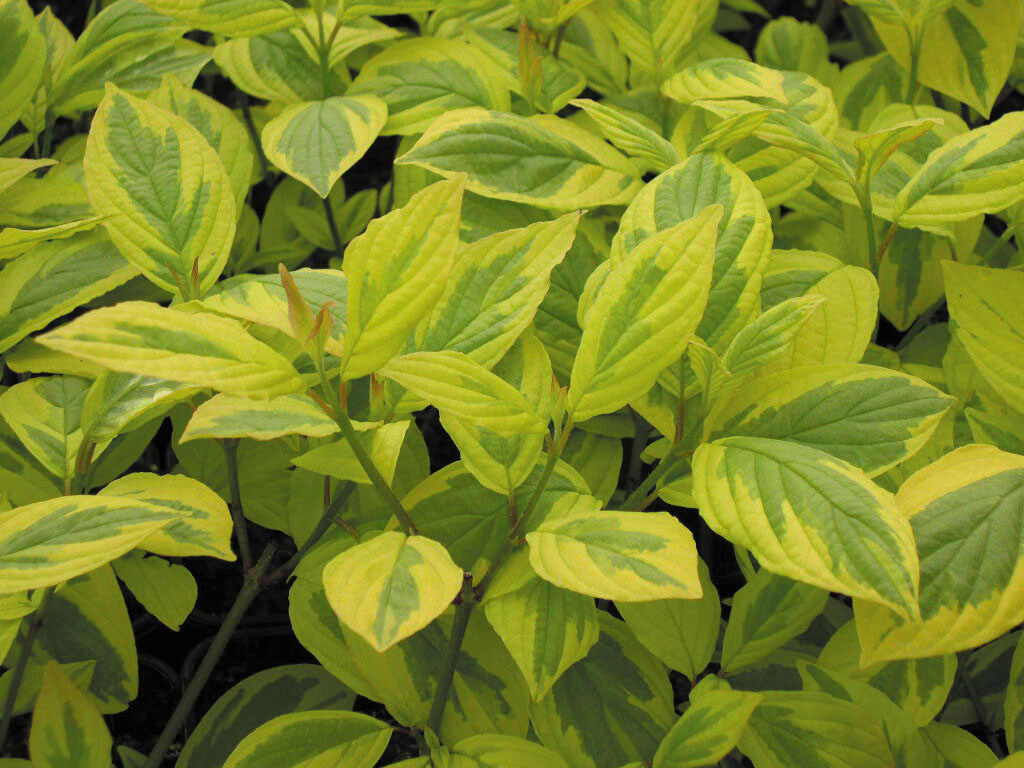
But, as I said, dogwoods aren’t just for winter. Many have attractive foliage in spring and summer that takes on autumn hints once temperatures start to drop. For instance, Cornus sericea ‘Hedgerows Gold’ features bright golden-yellow margins surrounding green centres, fading to creamy-white with age, before turning pink and red in autumn. Cornus alba ‘Elegantissima’ has grey-green leaves with crisp creamy-white or silver margins, while Cornus alba ‘Spaethii’ bears striking yellow-margined leaves that drop in autumn to reveal the vivid crimson winter stems.
Then there are the small clusters of creamy-white flowers that bloom in late spring to early summer, which are followed by small white-to-blue-tinged berries.
Where to grow
Plant dogwoods in an open, sunny position to get the brightest stems during the winter months; give them at least six hours of direct sunlight daily. While dogwoods tolerate partial shade, deep shade leads to weaker growth and duller winter stem tones. They prefer moist, fertile soil and tolerate damp conditions well, but dislike extremely dry ground.
Position them where low seasonal winter sunlight strikes the bare stems directly, making their vibrant colours glow. And plant them in front of dark backdrops like evergreen hedges (such as yew) or dark fences so the bright stems really stand out. Avoid red-brick walls where red and orange stems will disappear into the background.
How to care for it
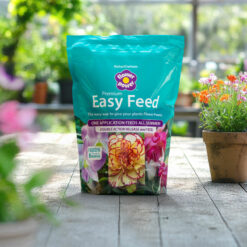
Mulch around the plant annually in spring and ideally add a slow-release or controlled-release feed (such as Easy Feed) at the same time. Once established, they are unlikely to need regular watering, except in prolonged dry periods or during drought to keep the soil consistently moist.
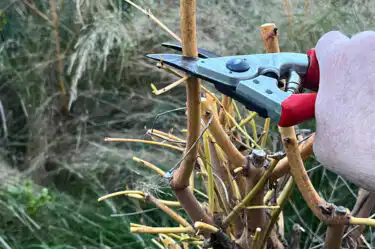
For the best stem colours, cut back all stems hard to within 5-7cm from the ground in spring (March-April) every year. This yearly process (called coppicing) encourages a flush of fresh, brightly coloured shoots for the following winter.
Be creative – you don’t always have to rely on plants
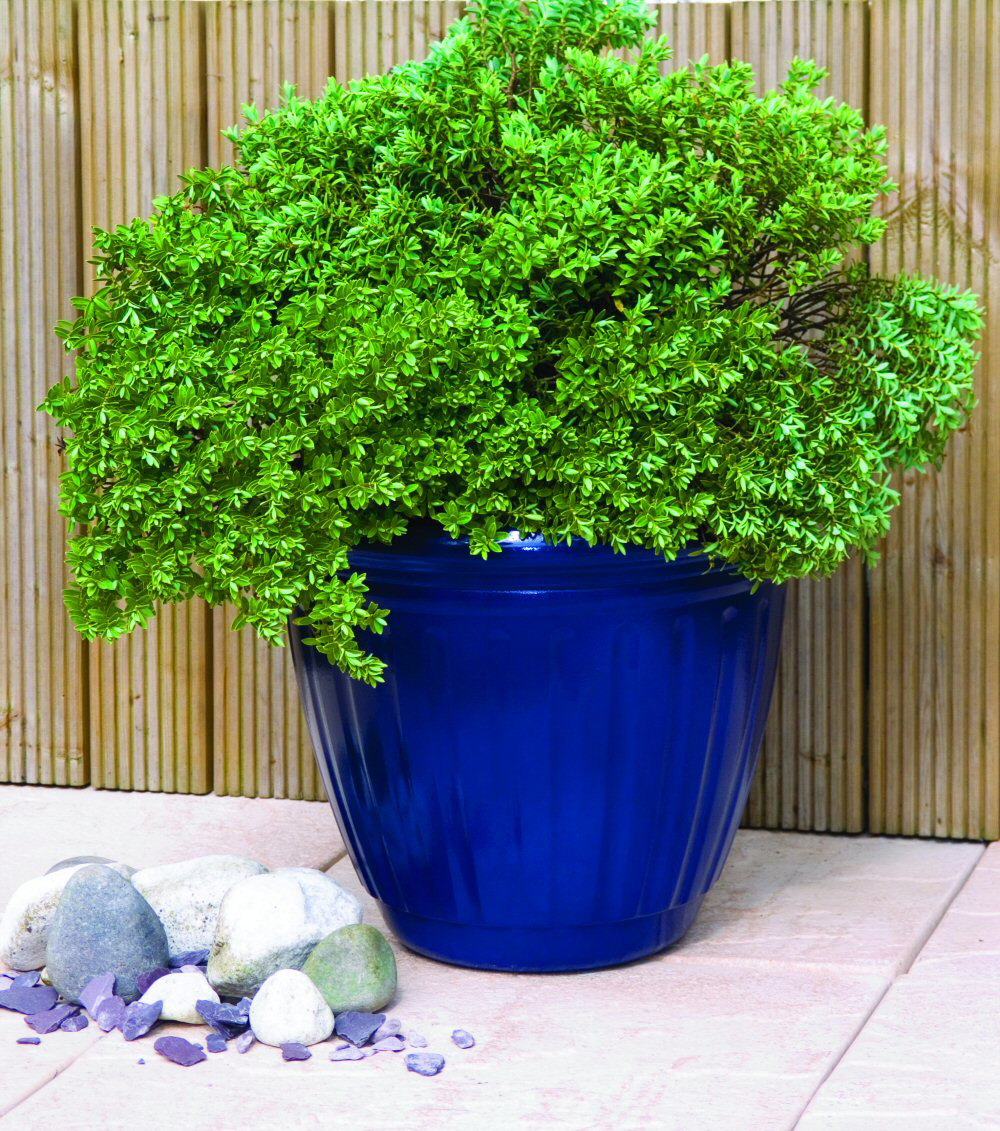
Of course we love plants for the colour, structure and interest they bring to our gardens. But there are times and places – maybe during winter, maybe in extremely dry or shady positions where little will grow reliably – when they can’t provide the wow factor that we’re really after. But don’t fret, this doesn’t mean you have to give up and put up with a lacklustre display. Simply think outside the box and bulk up the colour and interest with other items that can supplement your plants.
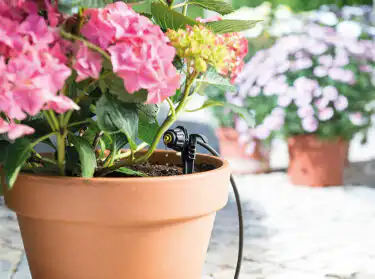
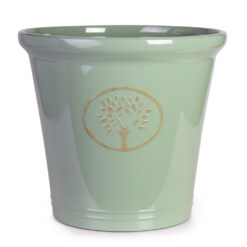
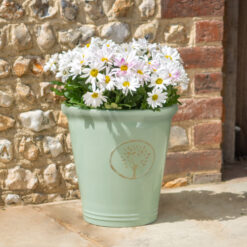
One of the easiest and most reliable ways of adding that something extra special is to use colourful containers and even sculptures. Luckily, these days plastic containers come in a rainbow of colours, and many suppliers are using recycled plastic to create their works of art. Glazed stone, terracotta and earthenware containers are similarly available in a lovely selection of beautiful glazes. Containers also come in a fabulous array and selection of different shapes, sizes and styles, often beautifully decorated.
Another great advantage of growing plants in containers is that they overcome any problems you have with regards to your soil – wet, dry, poor or alkaline if you want to grow acid-loving/lime-hating/ericaceous plants – as long as you use a good potting compost.
Already have some “traditional”, dare I say “boring”, containers? No problem! There are now numerous paints and stains that you can use to colour your container more-or-less any colour you fancy, whether they’re wood, plastic, metal or terracotta.
So, go on, transform your containers and big up the colour in your garden
This month’s myth busting – digging is not always for victory!
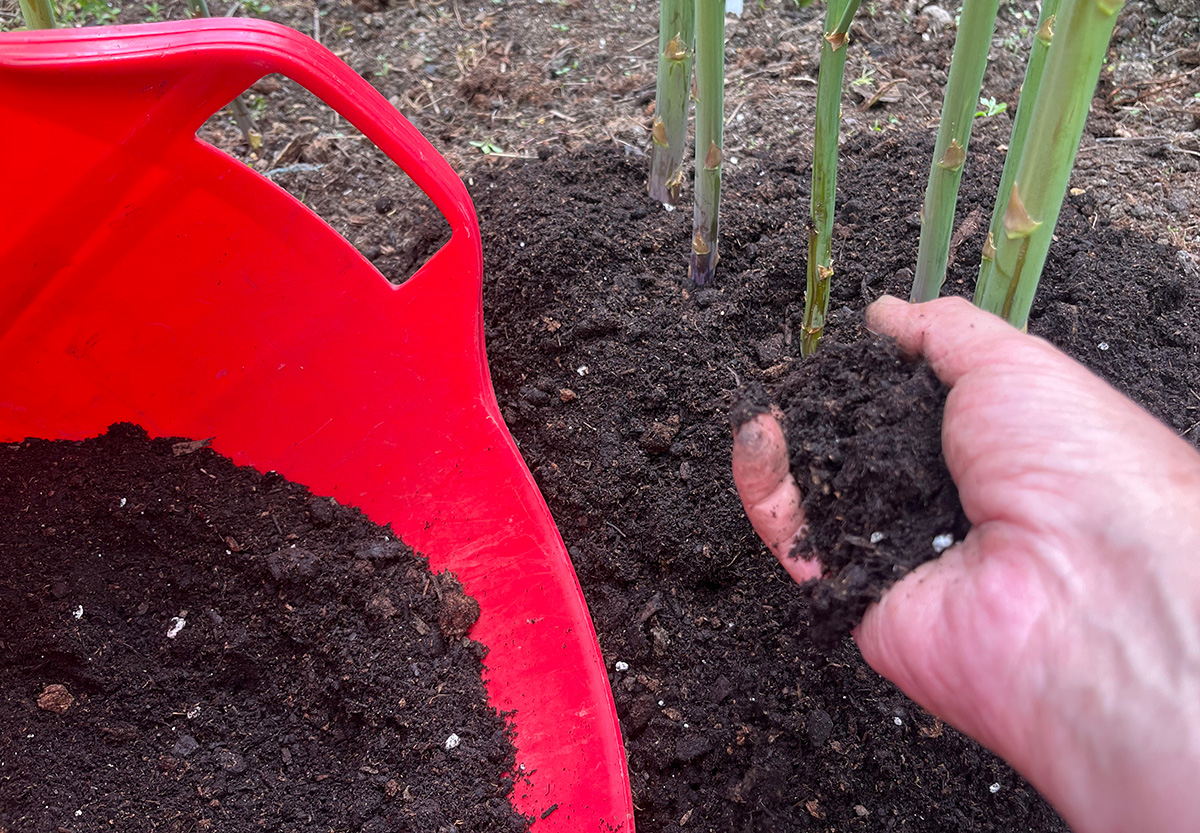
Back in the day, we would routinely dig over our soils in autumn and winter, especially if we were dealing with clay soil; the winter wet and cold could help break down the large clods into more manageable pieces.
Now, the trend is for no-dig gardening. Not only is this better for your back, but it’s also better for your soil. To see the main advantages of no-dig gardening, have a look at my article on the Richard Jackson Garden website.
Now don’t get me wrong, I’m a big fan of no-dig gardening, and use it almost religiously in my veg garden and annual borders where I’m sowing seeds, but there are times and places where I think digging is a good idea. The main one being when you are planting trees, shrubs, herbaceous and other plants, especially if you are on soils at either end of the spectrum – heavy clay or light, sandy soils. Personally, I think it’s important to improve the soil in the planting area to a good depth, especially with climate change in mind, so that the roots can go down deep into the soil and establish nice and quickly. Where I’ve planted shrubs with the no-dig mantra, they haven’t grown well and during droughts, heatwaves and hosepipe bans, even withered away. So, my practice is “rarely dig”!
But this is followed up by mulching the soil. I use fine-grade materials, such as compost or composted bark, rather than bigger, lumpier products like bark chips. These can be used by the essential friendly soil bacteria and fungi, as well as earthworms. Plus, they break down quicker, adding vital humus to the soil.
Dig, no-dig or rarely dig? What’s your preference?
Timely tasks
Here are two jobs you really should get on with this month.
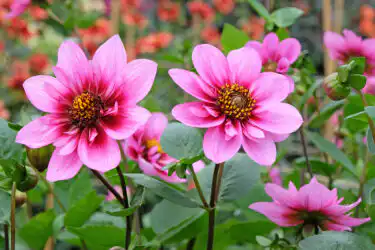
Look after dahlia tubers
When the first frosts have blackened the foliage of dahlias, it’s time to decide what to do with the tubers over winter. Don’t do anything before the foliage turns black. The blackening signals the plant to direct its final nutrients into the tubers, and some gardeners leave the tubers in the ground for a week or two after this so the tubers can firm up and complete their maturation process.
Some people, especially those living in mild areas, simply leave the tubers in the ground, covering them and the soil around them with a 15-20cm thick protective layer of straw, compost or bark chips. This can be a bit of a risk, depending on the severity of the winter weather, and how deeply cold and frost penetrates into the soil. If the tubers become frozen they will die. Dahlia tubers in pots are even more susceptible to cold and should certainly be overwintered in a frost-free structure.
To be on the safe side, it pays dividends to lift the tubers.
Start by cutting down the stems to 10-15cm from soil level. Then lift the tubers with a garden fork, taking care not to damage them. Clear away as much of the adhering soil as possible. Don’t forget to tie a label around one of the stems with the name of the variety.
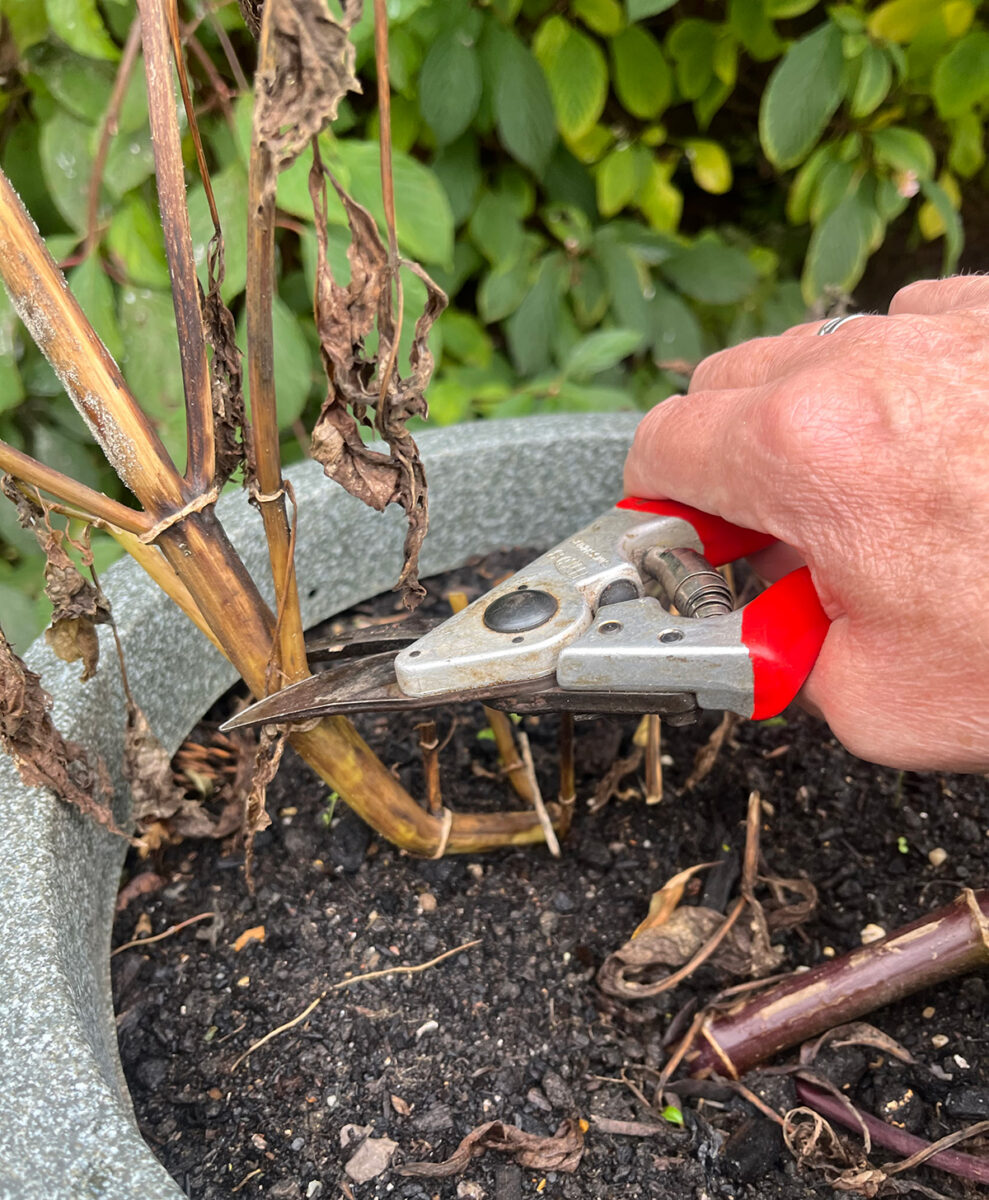
Stand the tubers upside down in a dry, airy, frost-free place for a few days to allow excess moisture to drain from the stems. More soil may have dried and can be easily removed.
Then pack the tubers in boxes or crates filled with just-moist compost, coir, sand or similar material. Make sure the packing material is kept clear of the crown (where the stems join the tuber) or rots may set in. Keep them in a frost-free but cool place over winter, and check them regularly to ensure they don’t dry out and shrivel up, and for any signs of rots or other diseases.
While I’m at it…
The tubers of large-flowered begonias will also need winter protection from cold conditions, and there’s a video on the Richard Jackson Garden website to show you what to do.
Protect tender border plants
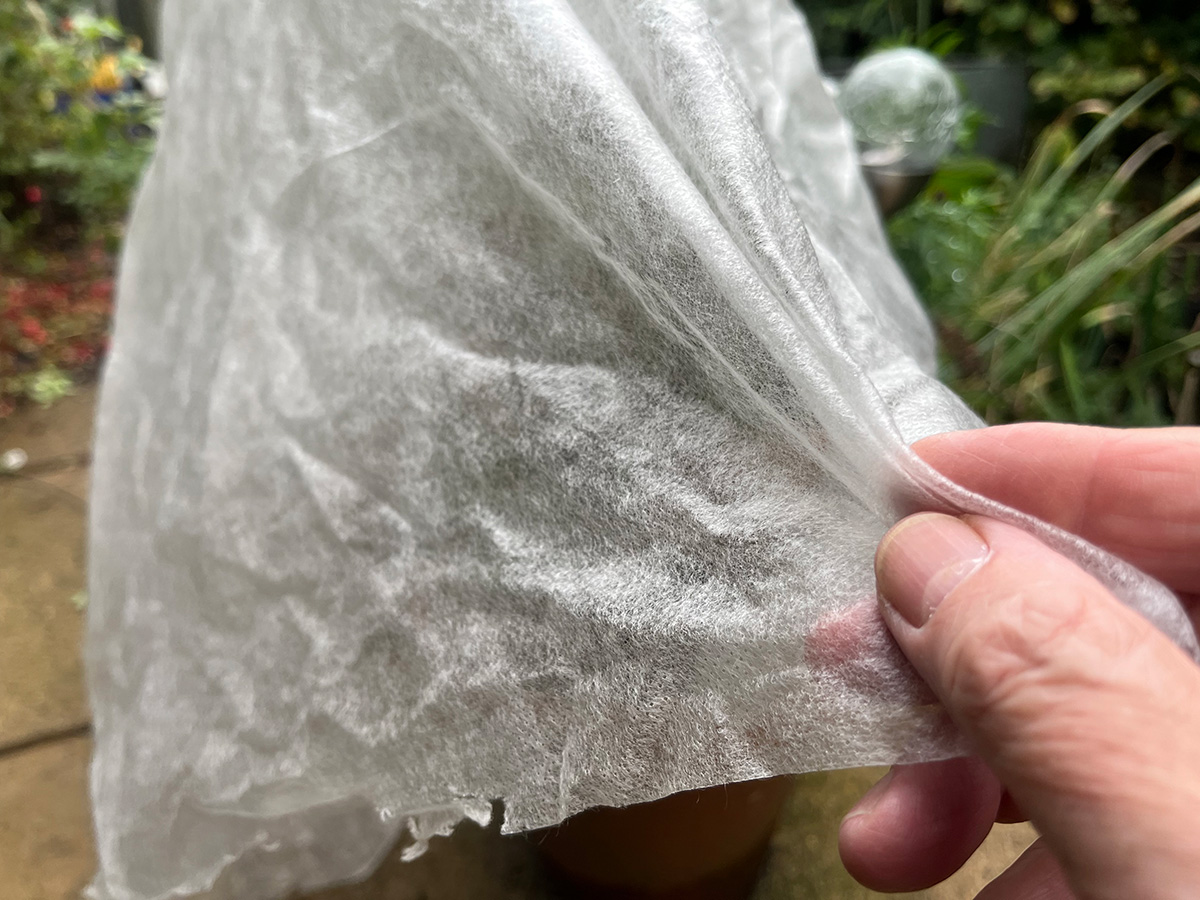
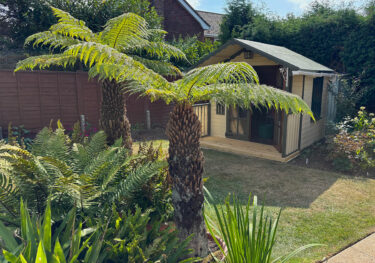
Many exotic and tender plants need some form of protection from freezing cold temperatures. Good examples include cordylines, figs, bananas and even phormiums and so-called ‘hardy’ palms.
Vulnerable plants can be protected with an enclosure made from windbreak netting lined with horticultural fleece and/or bubblewrap. Even draping the plants with a layer of well-secured horticultural fleece can provide lots of protection.
Not-so-hardy wall shrubs are insulated by spreading a sheet of fine-mesh netting over them and stuffing it with insulating material, such as straw or dry leaves.
With cordylines, gather together all the leaves into an upright position and tie together with string. In severe weather wrap straw or similar around the leaves and hold in place with fleece. The protection should be removed during mild spells, or the growing tip may rot and die.
As the roots of these plants are also susceptible to penetrating frosts, cover the soil around them with a 7.5-12.5cm deep mulch of bark chippings or similar.