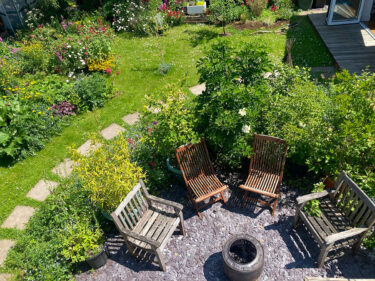
“Flaming” June – the first month of summer and now we should be able to reliably look forward to long, warm days with plenty of sunshine – and truly enjoy our gardens to their full potential. Relaxing, eating and dining outdoors and even enjoying a sneaky breakfast or just a warming or cooling drink on the patio.
Of course, all this warmth does mean one thing – plants will start to need more water, which means regular watering. The UK’s 2026 summer forecasts point toward a very warm and potentially record-hot year, with drier-than-average conditions and an increased risk of extreme heat. So, be prepared!
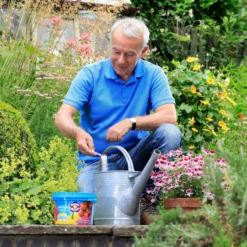
A good, long soak once a week, rather than a daily little and often approach is far better for most plants, although that doesn’t apply to containers, which need more regular watering to prevent the compost drying out. Thorough watering of plants in the ground ensures they put their roots down into the soil, making them less drought susceptible.
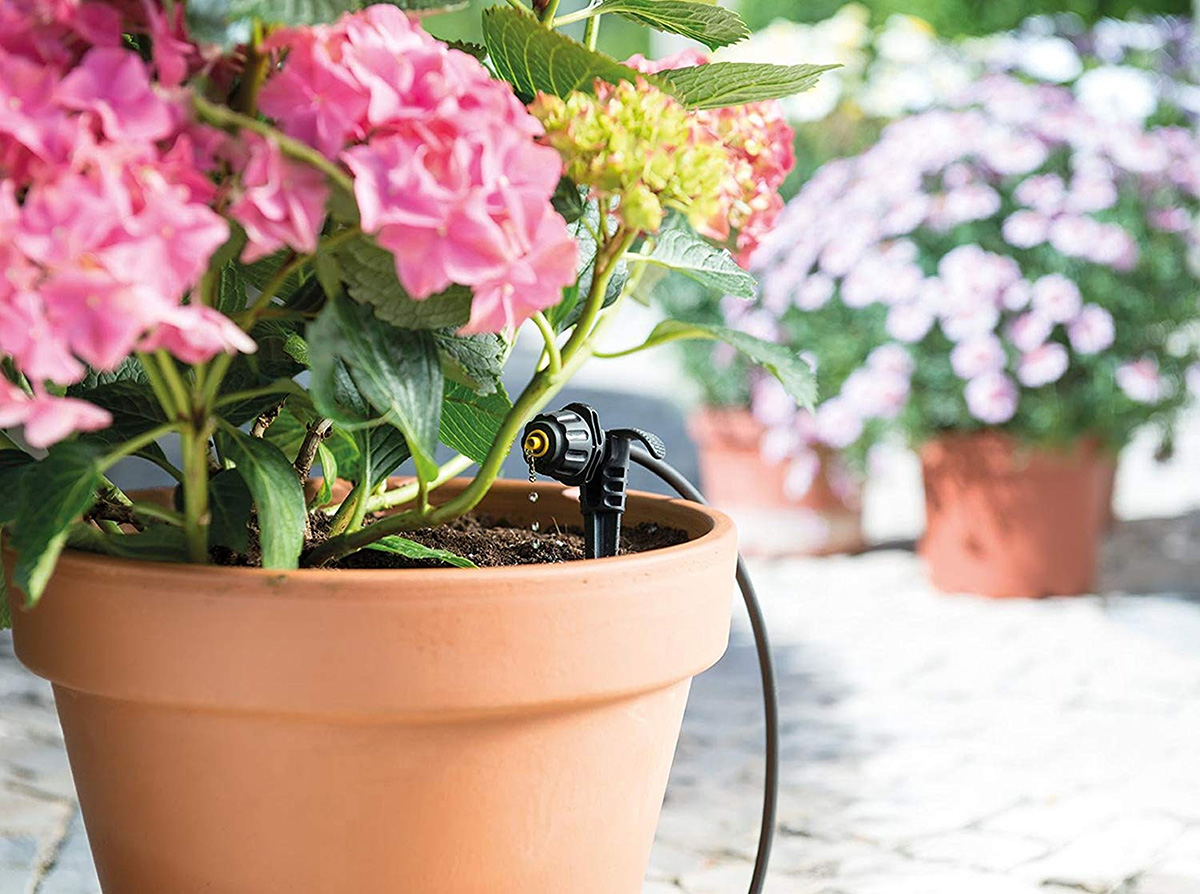
Want to reduce the amount of time you spend watering? Then install a drip irrigation system. If used wisely, drip irrigation is the most efficient way to water, uses less water than a watering can or hosepipe and, if there is a hosepipe ban, most water authorities do not include drip irrigation systems in the ban, and you can continue to use them; but do check with yours first.
Plant of the month: Philadelphus
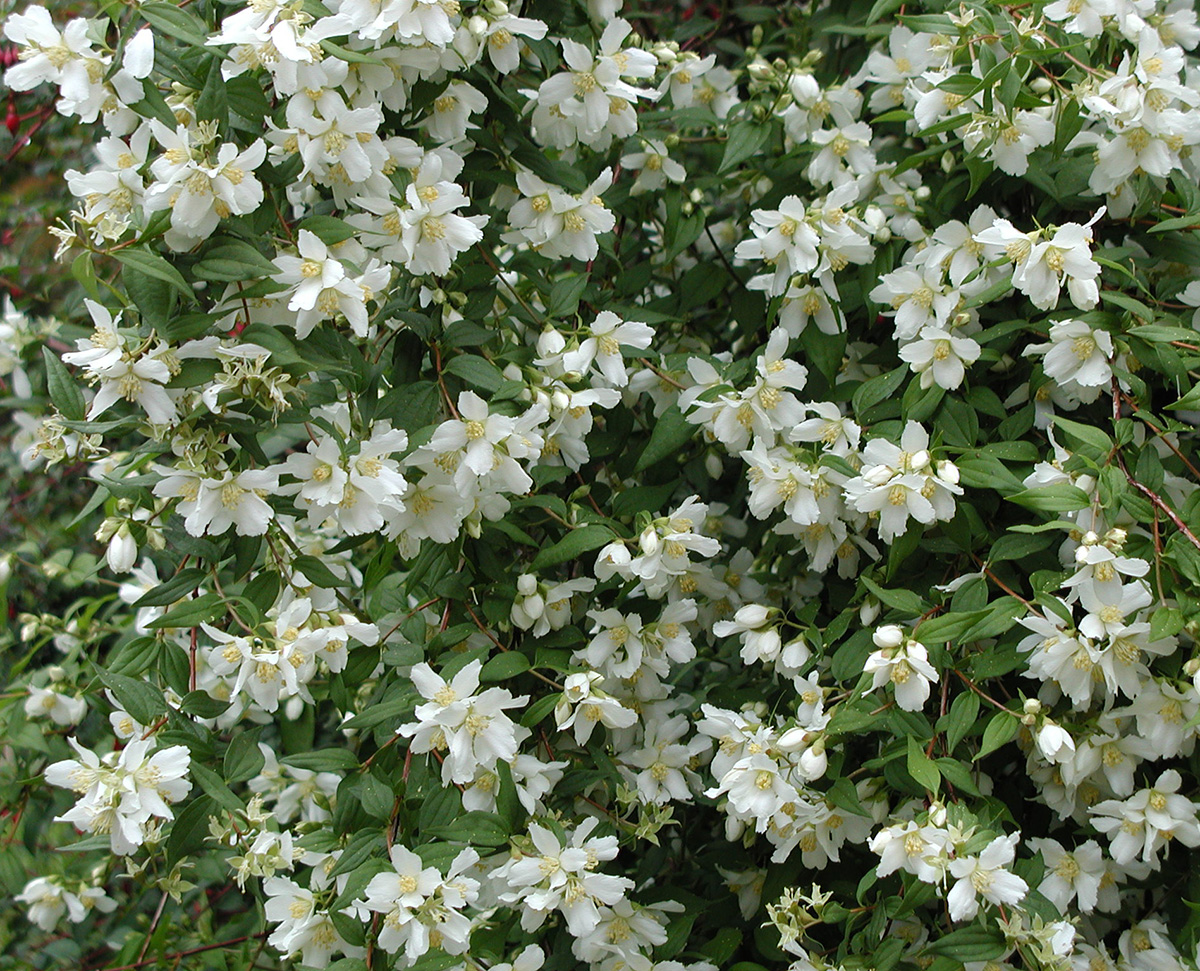
Philadelphus Belle Etoile
Fancy a splash of bright white flowers in your garden from an easy to grow, reliable shrub? Then look no further than philadelphus, commonly called mock orange.
Its common name comes from the richly-scented flowers in June and July, often starting in May and sometimes continuing into August. They have an intense, sweet, and heady fragrance that closely mimics citrus, especially orange blossom. Although for me, my nose reminds me of the rich smell of bubble gum, and in particular Bazooka Joe (if you remember that) and I’m immediately transported back in time to an 11-year-old, riding around the streets of Cardiff on my push bike! Scents can do that to you.
Although usually pure white and cup-shaped, some flowers have a maroon central blotch or double flowers. While some make tall plants, others are smaller and more compact.
My favourite is ‘Belle Etoile’, a compact medium-sized shrub with arching growth reaching up to 1.2m high and highly scented, single white flowers, tinged purple in the centre. ‘Manteau d’Hermine’ is even smaller, reaching 1m high at most, and covered in fragrant, double, creamy-white flowers.
If you fancy something with colourful leaves too, ‘Innocence’ produces arching branches up to 2.5m high and green leaves splashed with yellow, P. coronarius ‘Variegatus’ is a similar height whose green leaves are broadly margined with cream, and has a compact, bushy, and upright habit, and Philadelphus coronarius ‘Aureus’ with vibrant, golden-yellow spring foliage that turns chartreuse-green in summer. I’m not such a big fan of ‘Virginal’, as it grows into a tall, gangly plant and the scent isn’t that strong.
If you want to go totally “off-piste”, the relatively new ‘Petite Perfume Pink’ gets up to 1.2m high and bears dark pink flower buds that open to very fragrant, pale pink flowers with darker pink centres from May to July. Delicious!
Where to grow
Philadelphus are tolerant of most soils, although they dislike very heavy, permanently wet soils, in full sun or light shade. Yellow-leaved Philadelphus coronarius ‘Aureus’ may need some protection from strong sun.
How to care for it
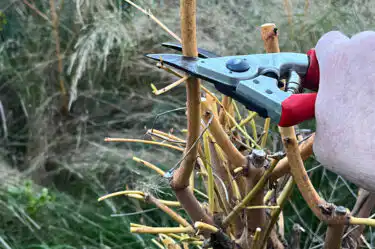
Mulch around the plant annually and add a slow-release or controlled-release feed in spring. Water in summer whenever needed to keep the soil moist. Prune annually immediately after flowering to promote strong, new growth that will flower profusely the following year. Start by removing one in three or one in four of the oldest stems at their base, and cut back all flowered shoots to a strong bud/leaf.
Be creative: Plant up hanging baskets
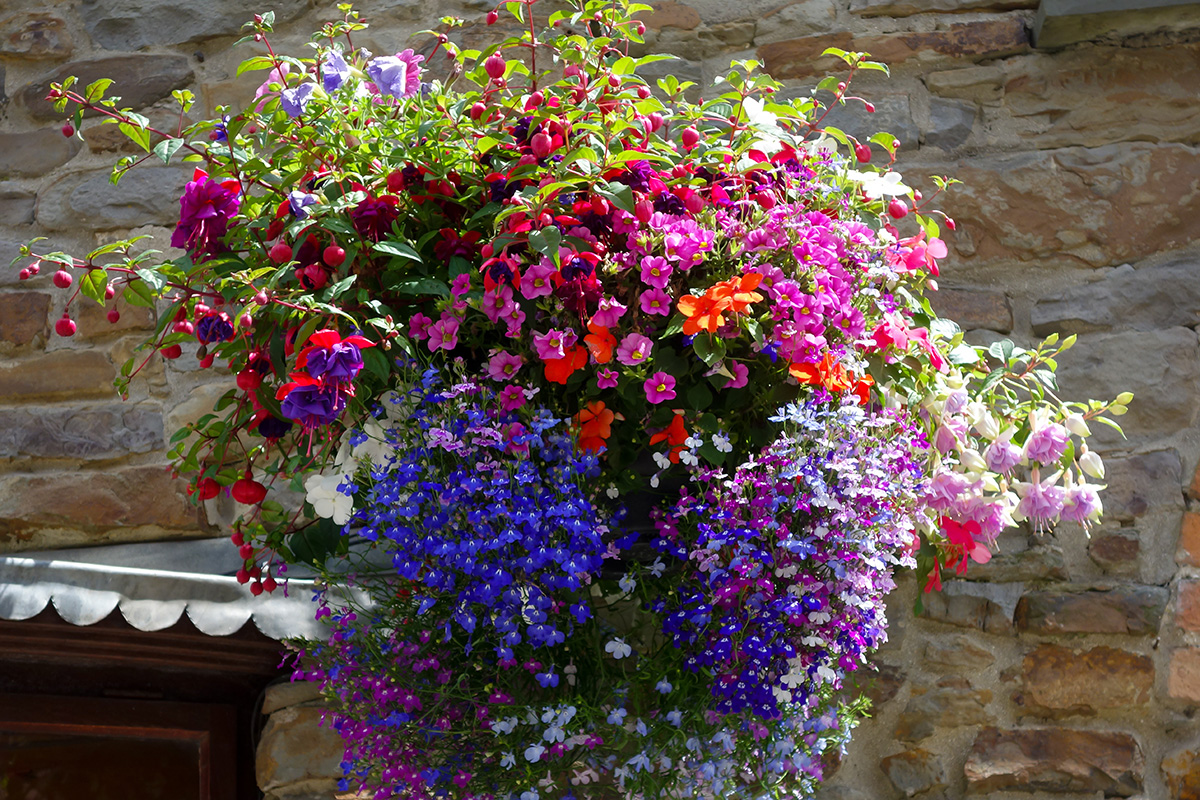
The country starts to burst into colour this month when hundreds of thousands of summer hanging baskets are planted up to adorn our gardens, as well as pubs, other buildings and the streets of our towns and cities. And when well-planted, they are a brilliant summer spectacle, flowering and providing joy until the first severe frost of autumn.
Individually, they take up very little space, providing massed flower power and are perfect for adorning and brightening up walls, fences, pergolas – and just about anywhere else you can attach a hanging basket bracket!
If you’ve never dabbled with baskets and not sure how and where to start – or you want bigger, better, brighter baskets – take a look at our brilliant baskets article.
This month’s myth busting: When’s the best time of day to water plants?
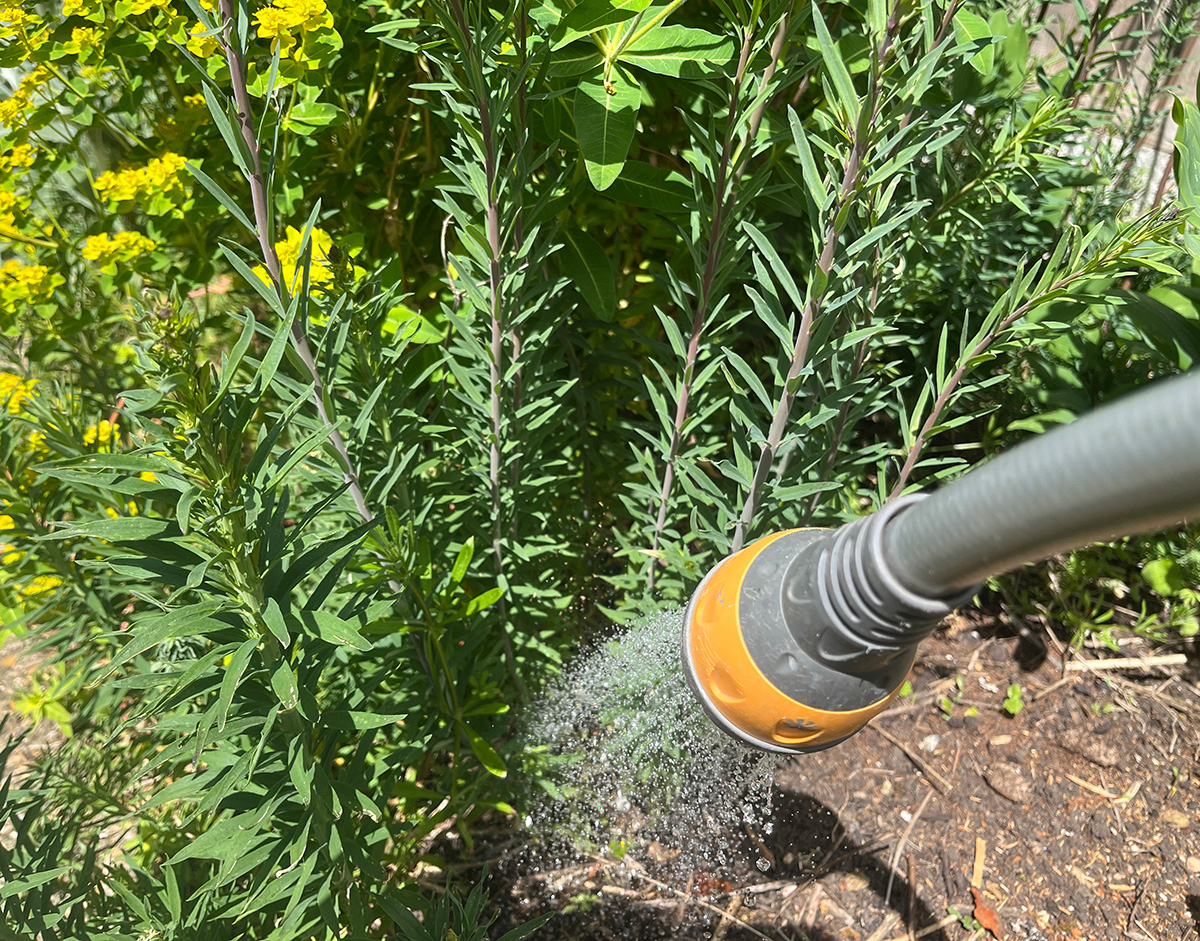
This is a question I often ask audiences when giving talks to gardening clubs and societies. Usually, there’s some smart Alec in the audience that shouts out “Before they dry out and die”! And while it’s true that that is definitely essential, it is by far not the best time.
Usually, the audience is more-or-less evenly split between evening and early morning watering. “Why not in the middle of the day?”, is my usual response and the answer comes back “Because of evaporation”. Well, that’s fine if you’re on a water meter and, as water is a precious resource, we don’t want to waste it. But are there any other reasons? The long-held idea that water droplets act as magnifying glasses in the sun and scorch leaves is largely false – a myth. While much of the research for this was carried out under strict laboratory conditions, using glass beads, real water droplets are too flat and evaporate too quickly in the midday sun to cause damage.
So, when is THE best time to water? Actually, it’s between 5-6am, which may mean going out in your jimjams or nightie! Or install a drip irrigation system and a water control computer, set it to that time and it will do it all for you!
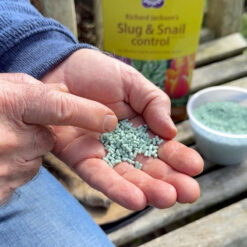
As for whether it should be morning or evening, the answer is firmly morning. Evening watering means that the soil remains cool and damp for hours and guarantees one thing – the perfect conditions for slugs and snails to come out and munch away at your plants. The early morning is still cool, little water evaporates, allowing it to reach the plants’ roots, and there is a much-reduced chance of slug and snail problems.
And always aim to water at the base of the plant, rather than all over the leaves, especially in the evening. The majority of plant fungal and some bacterial diseases need a film of moisture on the leaves for the spores to germinate, get inside and attack the plant. As leaves remain wetter in the evening/night, evening watering encourages these diseases too.
So, if you’re an evening waterer and your plants suffer from slug, snail and disease problems – you only have yourself to blame!
Timely tasks
Here are two jobs you really should get on with this month.
Make summer gardens beautiful
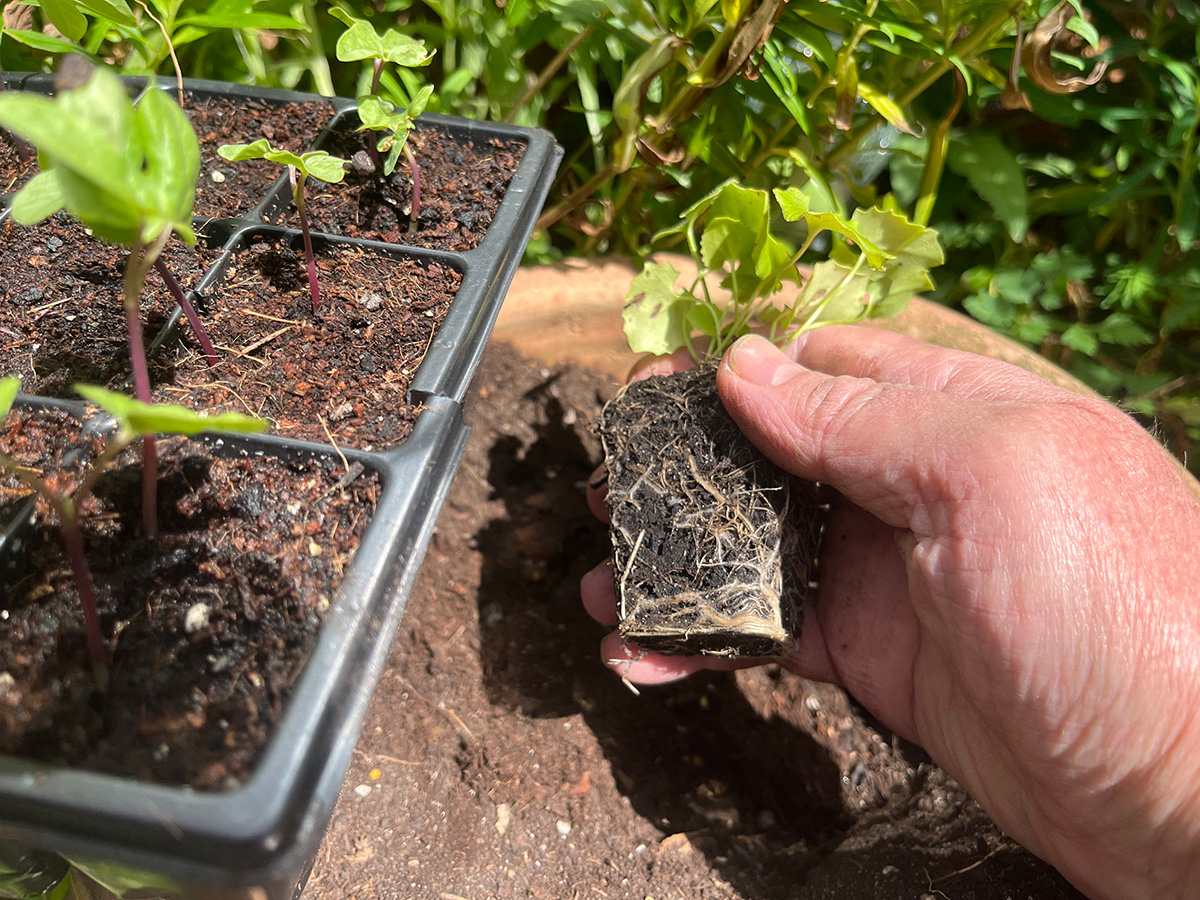
This is the time to fill your garden with a wealth of colour for the whole summer by planting summer bedding plants in beds, borders and containers. These plants are not cold/frost hardy, so only plant out once the fear of frosts and cold nights is over. Have some horticultural fleece handy to cover them at night if temperatures do drop below 5C.
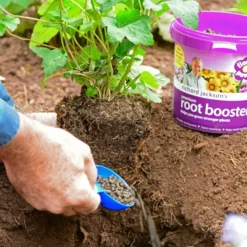
For great results, plant in well-prepared soil and add some bulky organic matter or compost and a little general fertiliser, or Richard’s Root Booster, to get the plants off to the best possible start. Water the plants in their containers well before planting and water them in well afterwards.
For the most colourful displays, it pays to plant bedding fairly thickly; most bedding plants should be planted between 15-23cm apart.
Tidy up border plants
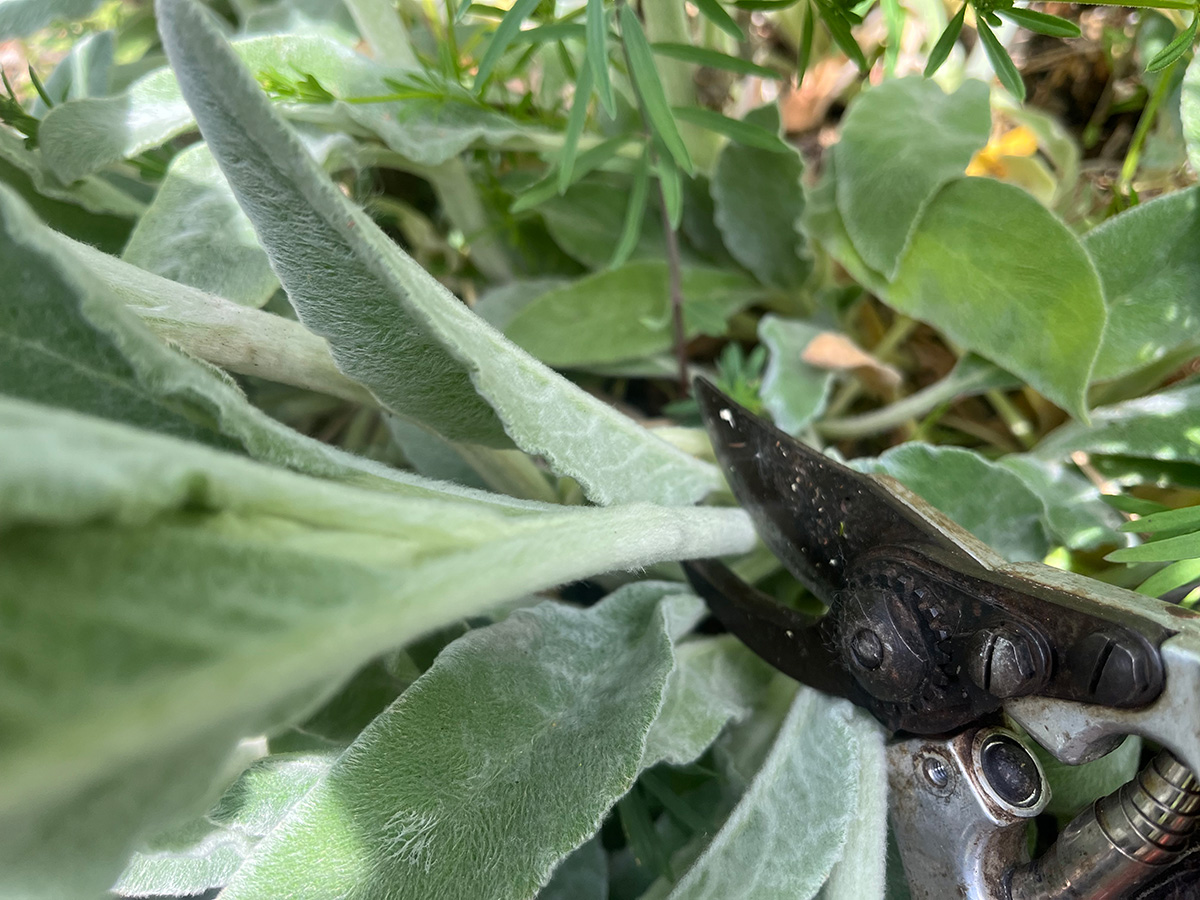
Many spreading and trailing border plants – such as Alchemilla, Alyssum, Aubrieta, Doronicum, Geranium, Heuchera and Pulmonaria – can start to look a bit tatty after flowering. Trim them back once flowering has finished to encourage healthy, fresh new growth and sometimes further flushes of flowers. Similarly, cutting back those affected with mildew and leaf spot diseases will make them far more attractive. Plants will also stay more compact and flower better next year.
Cut back and deadhead Oriental poppies and lupins after flowering. Cutting flower stems back to ground level will stimulate fresh new foliage, and perhaps even some new blooms.
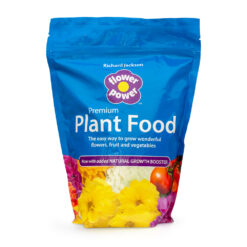
After cutting back any of these plants, mulch around them and feed with a liquid fertiliser, such as Flower Power, to help promote fresh new growth and maybe more flowers.