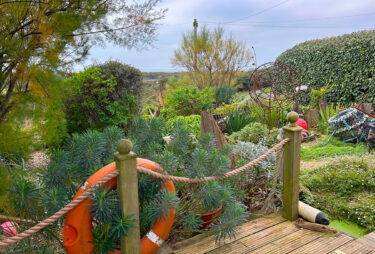
July is mid-summer and everything in the garden should be looking lovely and there’s loads to enjoy. And, of course, it’s one of the best times to sit back, kick off the shoes and use the garden as an outdoor room for cooking, eating, drinking and relaxing. But please don’t blame me if, after bigging it up, the rest of the summer turns out to be a miserable, wet one, even though the forecasts point to it being very hot and dry.
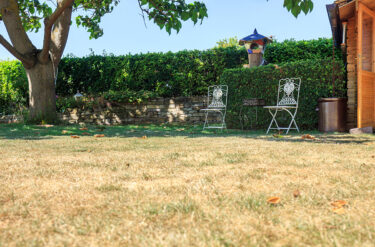
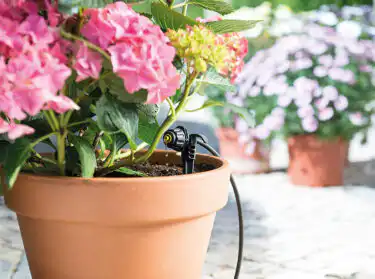
During hot dry summers, watering your plants correctly is critical to get the best out of them; see June’s Monthly Garden for more details. But it isn’t just about the watering. The high levels of sunshine and hot temperatures can have other effects on some plants.
Those with shallow roots, such as rhododendrons and hydrangeas, not only dry out the quickest, but the high temperatures can “cook” and kill the roots. Those with fine, feathery leaves, including cut-leaf Japanese maples, ferns and dicentras (now correctly named Lamprocapnos), dry out and turn to a crunchy, crispy version of their former beautiful selves. Light coloured paving and patio slabs can reflect the heat and sunlight back up to plants sitting on them in containers, causing damage.
What can you do?
Adding a 5-7.5cm thick mulch of bulky organic matter around plants has numerous benefits. It reduces the amount of water lost through evaporation, reduces thirsty and hungry weeds that steal moisture and nutrients from the soil and gives soothing relief from hot temperatures and sunlight burning roots.
Horticultural fleece is not just a one-season wonder for protecting plants in winter, it’s also a life saver in summer, providing shade and lowering temperatures. Fine mesh netting is also handy for shading plants.
And, to make the most of every drop of water you apply, adding a wetting agent, such as Richard’s Bioactive Wetting Agent or Water Booster to the soil or compost will ensure the water works harder for your plants.
Plant of the month – Hardy geraniums
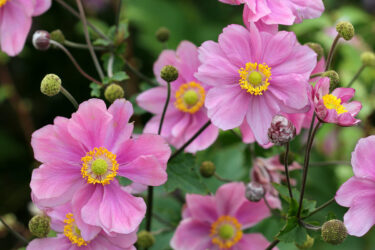
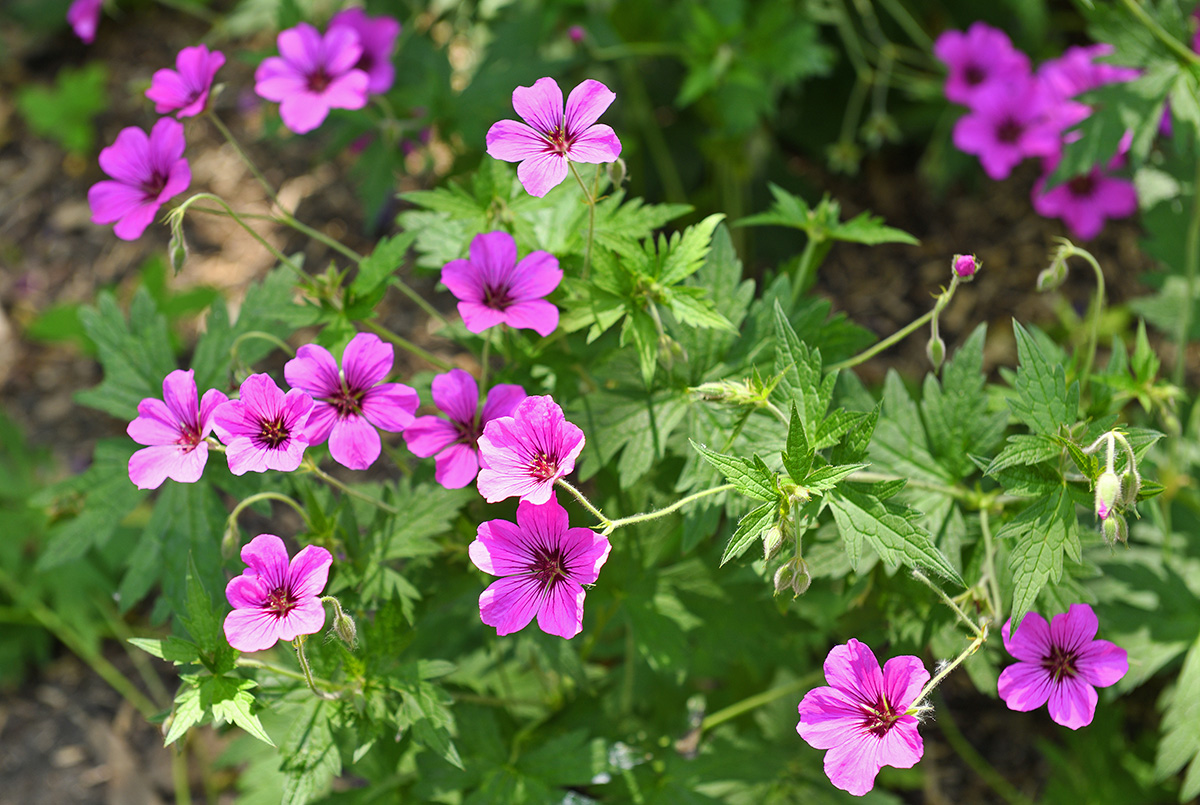
Hardy geraniums, not to be confused with the tender perennial bedding plants, strictly referred to as pelargoniums, are the perfect versatile plant for growing all around the garden. They flower their heads off for months on end, there are evergreens and deciduous varieties, some prefer full sun, while others revel in shady positions and others that don’t mind where they’re grown.
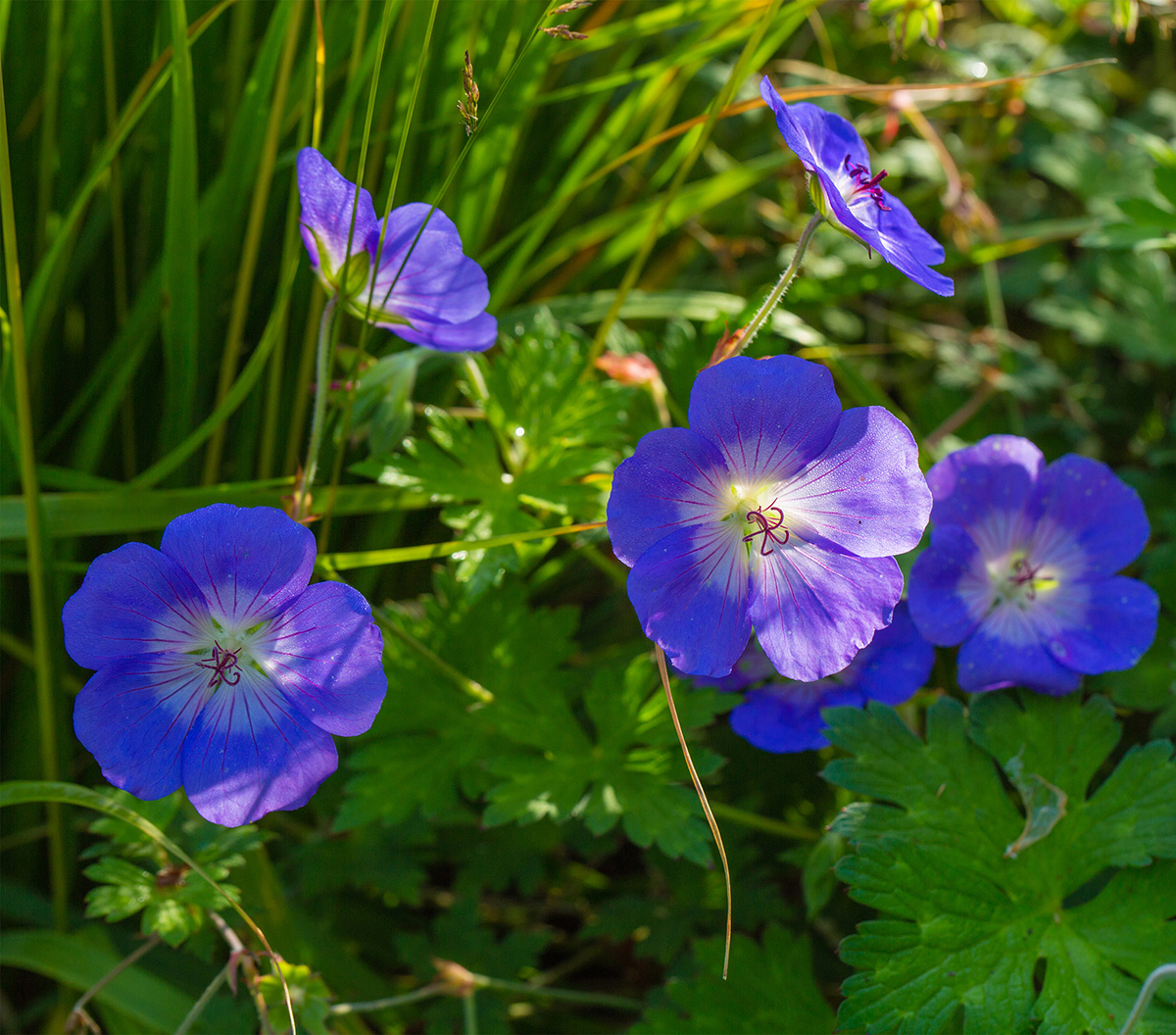
Their saucer-shaped flowers come in different shades of pink, blue, purple and white, sometimes attractively veined with darker colours. Most make mounds of mid-green leaves, although one or two other colours – such as grey and gold – are available, which in deciduous types often flushes with autumn colour before dying back for winter.
Most hardy geraniums are low enough to make great underplanting for shrubs, roses and taller herbaceous plants Some, like Geranium macrorrhizum and its varieties can be used for ground cover in shade, including under trees and large shrubs. Smaller, more compact species, such as G. cinereum and G. dalmaticum and their varieties, look stunning in rockeries, growing through gravel and in containers.
There are far too many varieties to even consider listing some of the best ones, simply go for the ones that suit your conditions and the colours you want. But one does demand special attention. ‘Rozanne’ was voted the RHS Plant of the Society’s Centenary in 2013. It is covered in masses of violet-blue flowers and blooms from late spring through to the first autumn frosts.
Where to grow
Choose a variety suitable for the sun or shade conditions available. Geraniums are tolerant of most soils, although they dislike permanently wet soils, which can lead to root rot. Very hot conditions and long hours of summer sun may cause their soft leaves to wilt, resulting in a shorter flowering season.
How to care for it
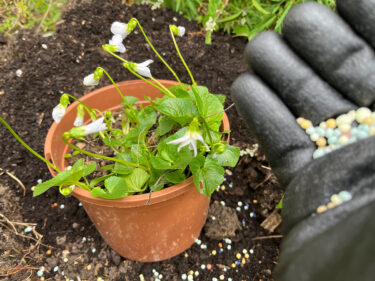
Where possible, mulch around the plant annually and add a slow-release or controlled-release feed, such as Easy Feed in spring. Water in summer whenever needed to keep the soil moist. Most border geraniums can be chopped back hard after the first flush of flowers; this also helps to remove any old, tatty leaves. Give a couple of feeds of a high potash liquid feed, such as Flower Power and they’ll produce a fresh flush of foliage and usually more flowers. Repeat after each flush of flowers to maintain months of flowers.
Be creative – Crown lift trees
Trees and even large shrubs that produce growth low down to the ground can take up a lot of space and prevent ground cover and other plants growing under or close to them. One way around this and to increase the amount of plants you can grow and even improve the appearance of the tree or shrub is to crown lift it.
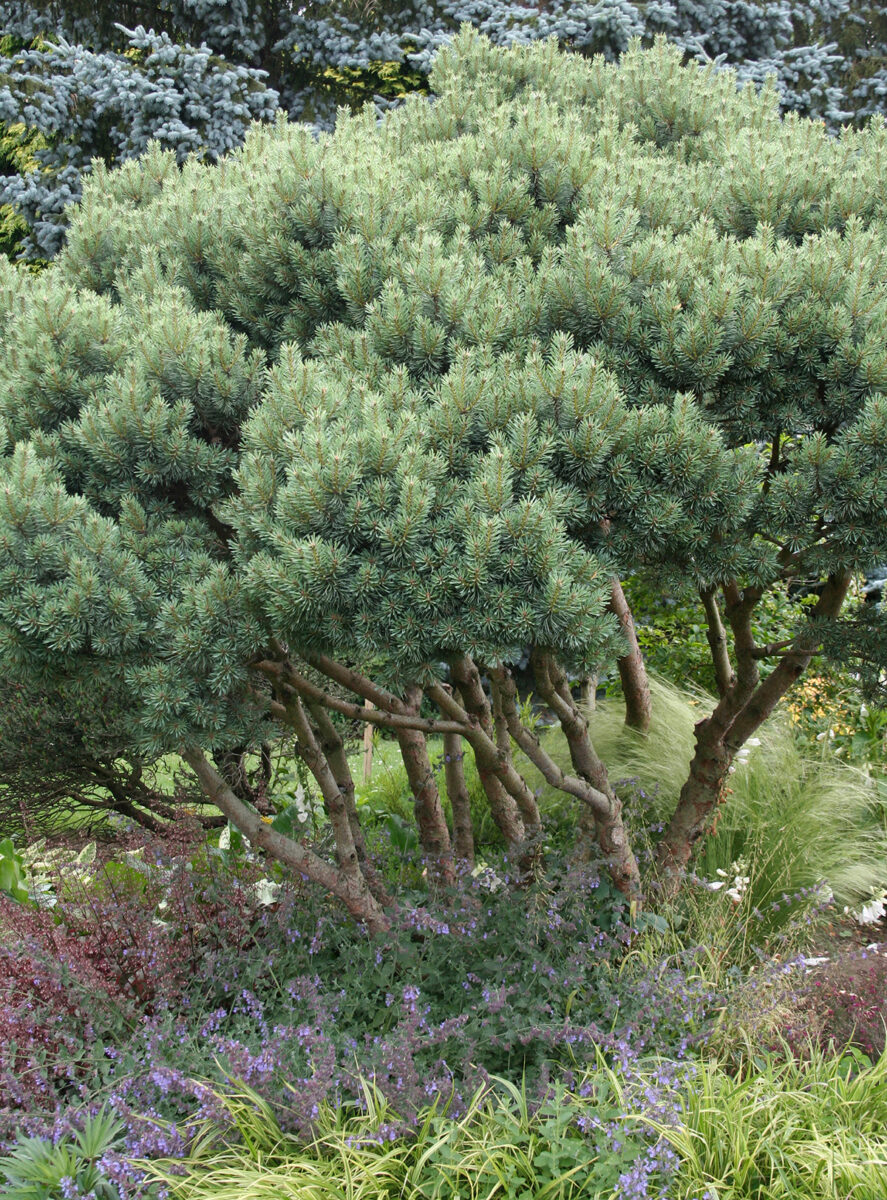
Crown lifting, also known as crown or canopy raising, is a pruning technique that involves removing the lowest branches to lift the height of the crown’s (or head’s) base and so increase the clearance between the ground and the base of the tree’s canopy. This frees up the ground below, allows more light to reach the soil, opens up views otherwise blocked by the lower branches and can create a more pleasing feature/effect.
Ideally, start when the tree or shrub is still relatively young. Removing large, primary branches that grow directly from the trunk creates large wounds that can lead to decay. Crown lifting should be restricted to no more than 50% of the crown’s height. This leaves the crown at least two-thirds of the plant’s total height. For most deciduous plants, pruning is best carried out when they are dormant in winter. For those prone to heavy bleeding, such as birches and walnuts, prune in late summer or early autumn; prunus species should be pruned in summer. Most evergreens are best pruned in late spring or early summer when they begin actively growing.
This month’s myth busting – Deterring carrot fly and other plant pests
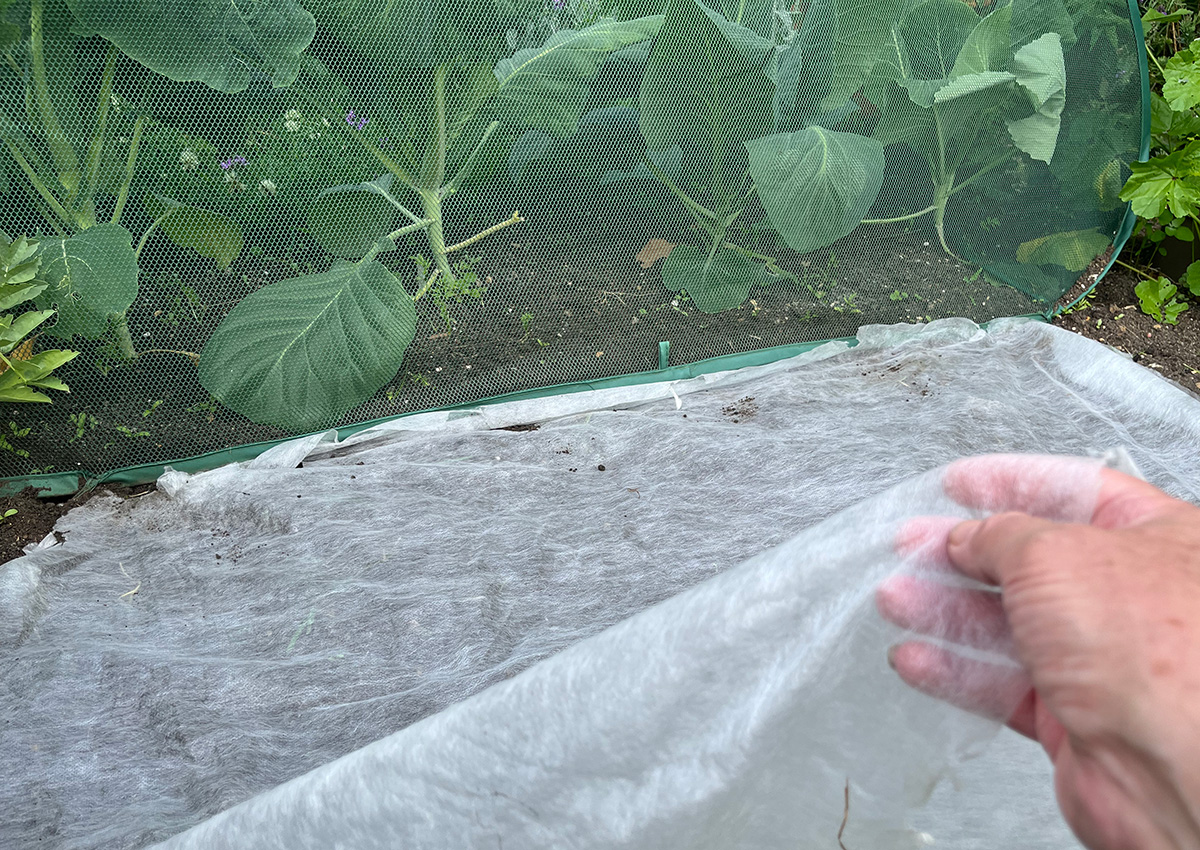
There is an old myth that many veg growers may have heard of, or even used, that surrounding carrot beds with a barrier of horticultural fleece 45-60cm high will deter carrot fly. Apparently, carrot fly can’t fly any higher than 45cm. Well, sadly, no-one has told the carrot fly this! On warm days, they can get much higher, carried on thermals or warm air. But covering the bed with horticultural fleece from sowing to harvesting does work.
Grease bands are a common control method for preventing some pests getting up into trees and causing damage. These bands of sticky grease are tied to the trunk and anything that tries to cross them gets stuck, preventing access. Some people erroneously believe that they stop codling moth in apples and pears. As you’d expect, these moths can fly, so the bands have no effect whatsoever against this pest. But the wingless winter moth (the clue is in the “wingless”) can’t fly and grease bands are very effective in controlling these.
And, finally, the big one – using gritty, rough barriers around plants protects them from slugs and snails. Myth! These molluscs are mainly active in cool, damp conditions when moisture covers the barrier and makes it much easier to slide across. And why do they produce slime? This thick layer of mucus allows them to glide over rough, sharp, or even supposedly toxic surfaces. There is no scientific evidence to prove that gritty barriers are effective, and a recent RHS trial agrees with me! The only effective methods of control are the biological control based on nematodes and slug pellets, such as Richard’s Slug & Snail Control.
Timely tasks
Here are two jobs you really should get on with this month.
Keep displays flowering
Having spent money on your summer-flowering plants, especially annual and tender perennial bedding plants, it pays to ensure you get a big bang for your buck and keep them flowering their heads off until the first frosts of autumn.
Make sure to water and feed as necessary and keep deadheading all the summer-flowering plants that repeat flower to ensure they continue to bloom profusely. This means pinching or cutting off the faded flowers plus any seed heads or pods developing behind them.
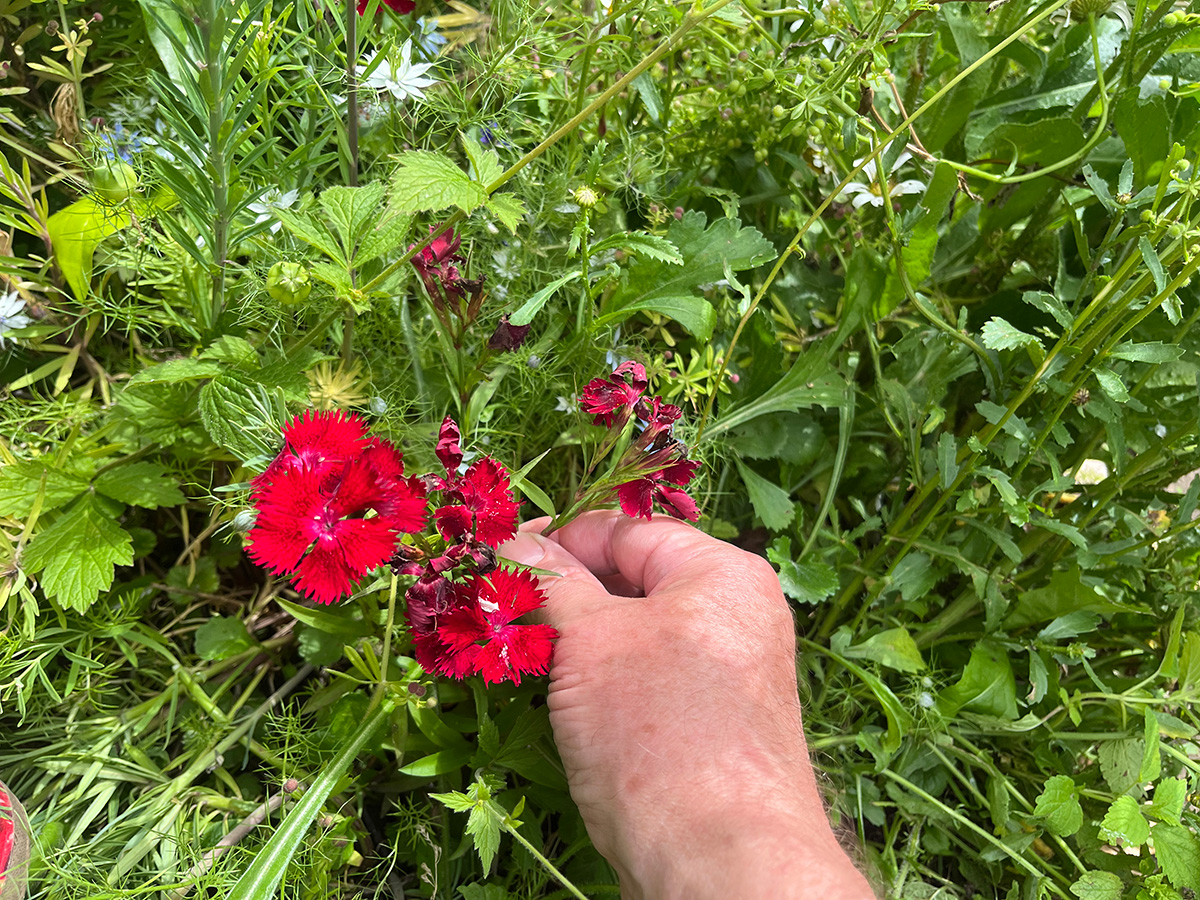
Bush roses also need regular deadheading. It used to be recommended to cut back the flowering stems by around 10-15cm (4-6in). This is no longer the case, and it is far better to simply and carefully snap off the faded flower and seedpod with thumb and forefinger.
You can also cut back delphiniums, geraniums and other perennials after the first flush of flowers to encourage a second flowering period.
Feed all flowering plants that have been deadheaded or cut back with high potash liquid feeds, such as Flower Power to keep the flower display going and going.
Prune summer shrubs
Several summer-flowering shrubs, including deutzia, kolkwitzia, weigela and philadelphus, should be pruned as soon as they have finished flowering. If this job is left much later, the new growth put on after pruning may not have sufficient time to mature and so won’t flower well the following year.
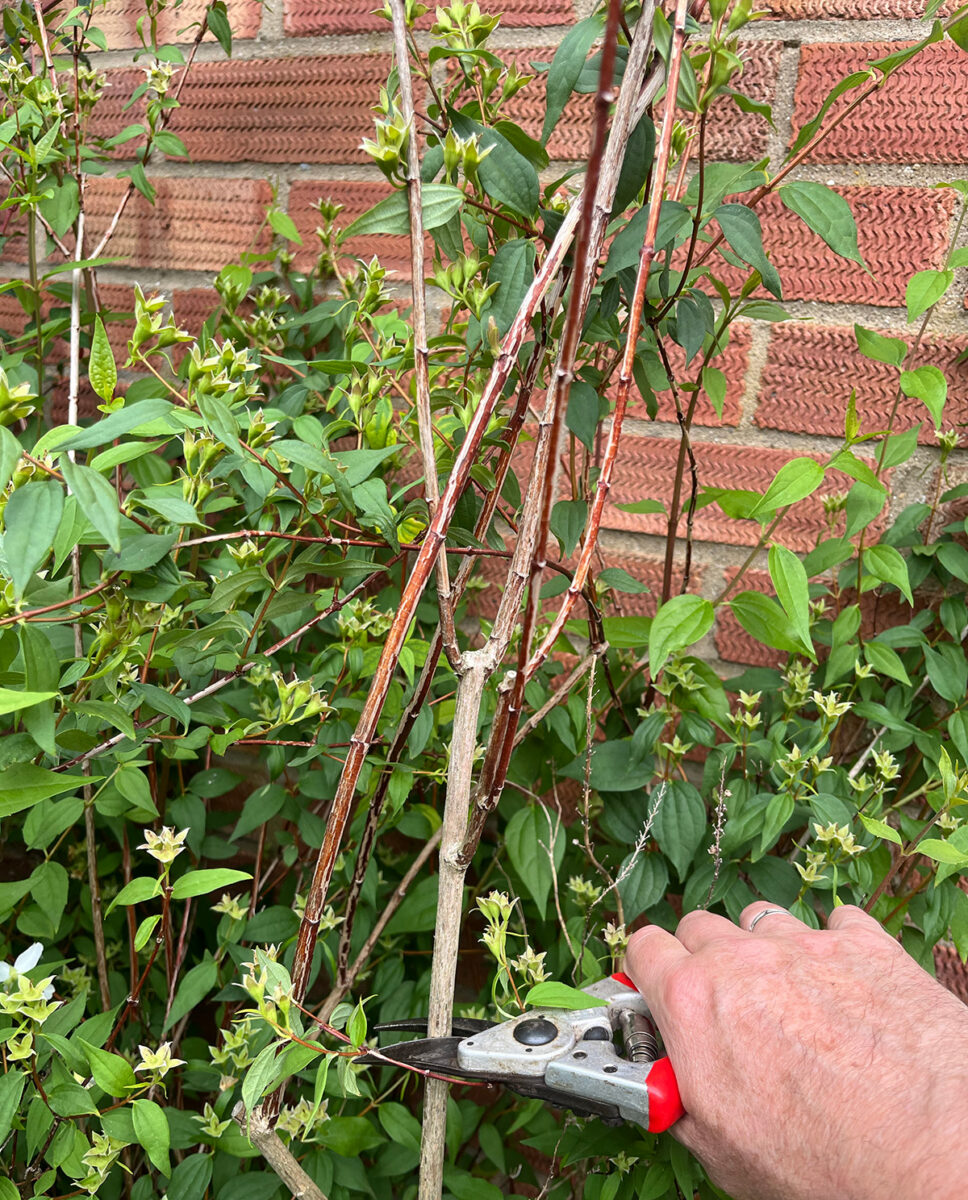
Cut back all the flowering shoots to strong new growth low down on the stems and thin out and completely remove any very old growth that no longer flowers profusely.
After pruning, feed with a high potash plant food to ensure they produce strong new growth that flowers well next year.
After feeding, apply a thick mulch around the root area to help keep the soil moist, as well as helping to prevent weed seed germination.
-

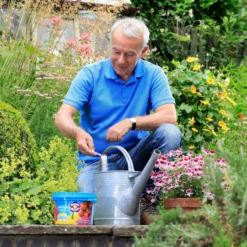 Select options This product has multiple variants. The options may be chosen on the product pagePrice range: £11.99 through £26.99
 -
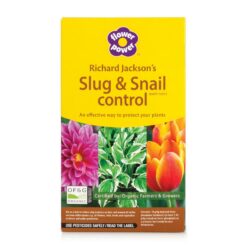
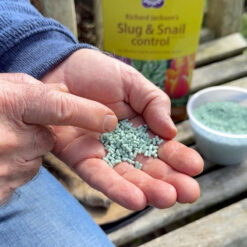 Select options This product has multiple variants. The options may be chosen on the product pagePrice range: £7.99 through £12.50
 -