Marvellous May – one of my favourite months in the garden. There are usually some lovely warm days and plants are full of lovely, young, fresh growth. Hopefully, the main spring job rush is more-or-less over, and most or all of those must-do spring tasks are in hand. That means there’s more time to actually enjoy the garden – even sit down and enjoy a relaxing drink, albeit that you’ll always see something that needs doing and be up onto your feet you get again!
It’s also the transition month when we can start to think about planting out all those plants that aren’t reliably cold/frost hardy – especially the wealth of summer bedding plants, including planting up containers and hanging baskets, glorious summer-flowering bulbs/bulbous plants, especially dahlias, begonias and gladioli, and “exotic” veg like squashes, peppers, cucumbers, aubergines and tomatoes. But they need hardening off first, and always have some sheets of horticultural fleece handy in case the weather turns chilly, especially if you live in a colder part of the country and when strong/cold winds are forecast.
Plant of the month: Brunnera macrophylla
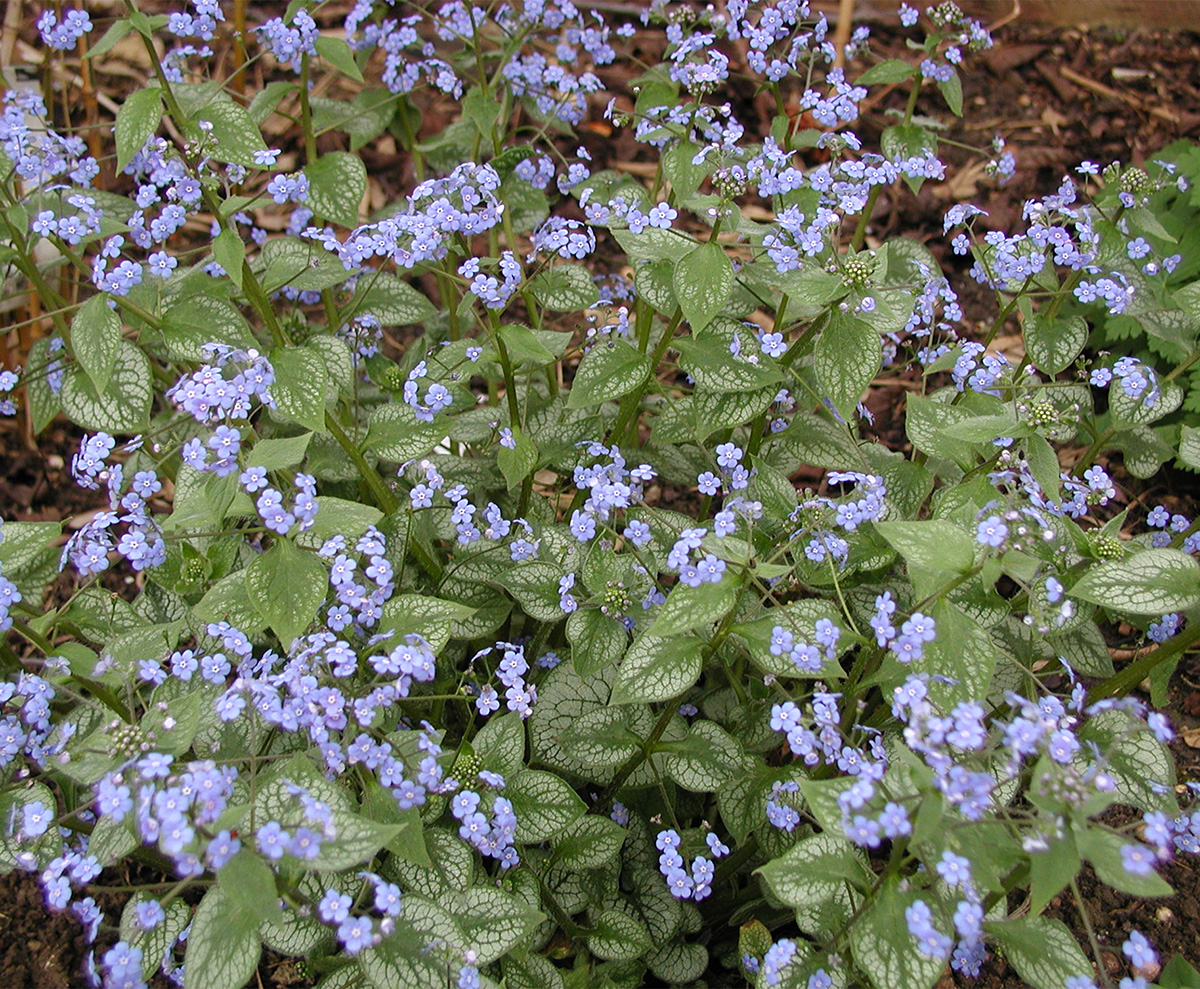
Brunnera macrophylla ‘Jack Frost’
This colourful herbaceous perennial, whose common name is Siberian bugloss, has so much going for it and looks most impressive at this time of year.
It is an easy to look after herbaceous perennial that forms clumps up to 60cm high and wide covered in sprays of small, clear blue, star-shaped flowers that look like forget-me-nots among mid- to deep green, heart-shaped, long-stalked leaves. These are very attractive and create good, ground-hugging ground cover and look lovely planted at the front of a bed or border, especially when combined with similar plants, such as deadnettles (lamium) and lungworts (pulmonaria). It’s also an excellent choice for woodland planting, as it grows well in shade.
Most people prefer the variegated leaf varieties, rather than the plain, green-leaved species, and there are some excellent ones to choose from; the best variegation shows up in shady positions.
‘Jack Frost’ is probably the most popular, as it is the most widely available, whose leaves look like they have been dusted with silver. Grows to 60x40cm high.
The leaves of ‘Alexanders Great’ are larger than most, silvery in colour and veined and edged with green. Grows to 60x40cm high.
Leaves of ‘Jack of Diamonds’ can reach up to 25cm in diameter and are silvery with bold, dark green veins. Grows to 90x50cm high.
While the illuminated foliage of ‘Looking Glass’ is almost entirely infused with silver, with only some of the veins and outermost edges a rich green. Grows to 45x35cm.
Where to grow
Brunneras are easy to grow and need very little in the way of care and attention once established. The green-leaved species will grow well in sun or shade, but a cool, shady position is essential for the best variegation on variegated-leaved varieties. They prefer soil that remains moist in summer, although they will tolerate dry soil once established, but well-drained in winter.
How to care for it
Mulch around the plant annually and add a slow-release or controlled-release feed in spring. Water in summer whenever needed to keep the soil moist. Tidy up after flowering by removing old flower spikes and any damaged or tatty looking leaves.
Be creative: Create a succulent container
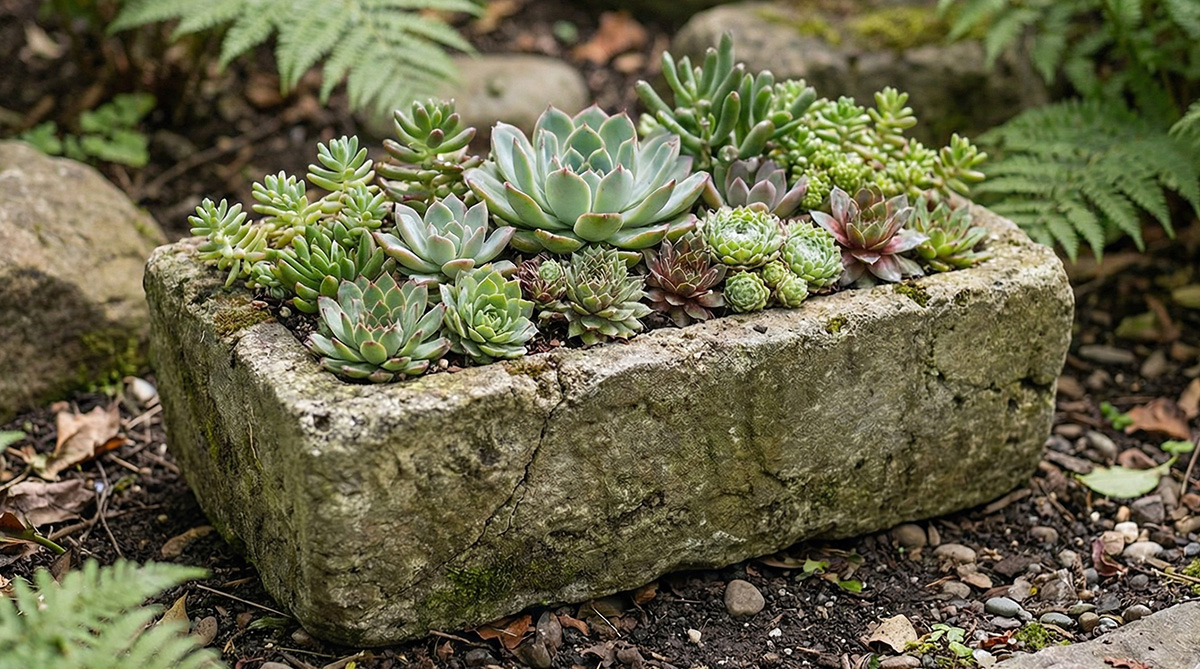
Succulents are one group of plants that are currently enjoying a huge and well-deserved surge in popularity. While some aren’t reliably winter hardy, and are best grown as houseplants, there are lots that are reliably cold hardy, although they may need protection from winter rain.
And with climate change bringing us hotter, drier summers, it makes sense to join in with the craze. They are some of the most drought-tolerant plants out there – albeit that you can’t not water them at all.
While you’ll get lots of lovely, usually small, flowers on them, they are particularly beautiful thanks to their colourful, interesting, fleshy leaves.
They can be grown in beds and borders, but they look particularly fabulous grouped together in shallow containers and bowls. Just make sure to give them well-drained conditions. Use a cacti and succulent compost or mix horticultural grit 50:50 with John Innes compost and then add a mulch of grit around them after planting. Ideally, water around them, not over them. This and the mulch helps to prevent the crowns from rotting. And give them a warm, sunny spot.
Great choices for outdoors include aeoniums, sempervivums (houseleeks), sedums, echeverias and delospermas (ice plants).
This month’s myth busting: Adding fertiliser to planting holes
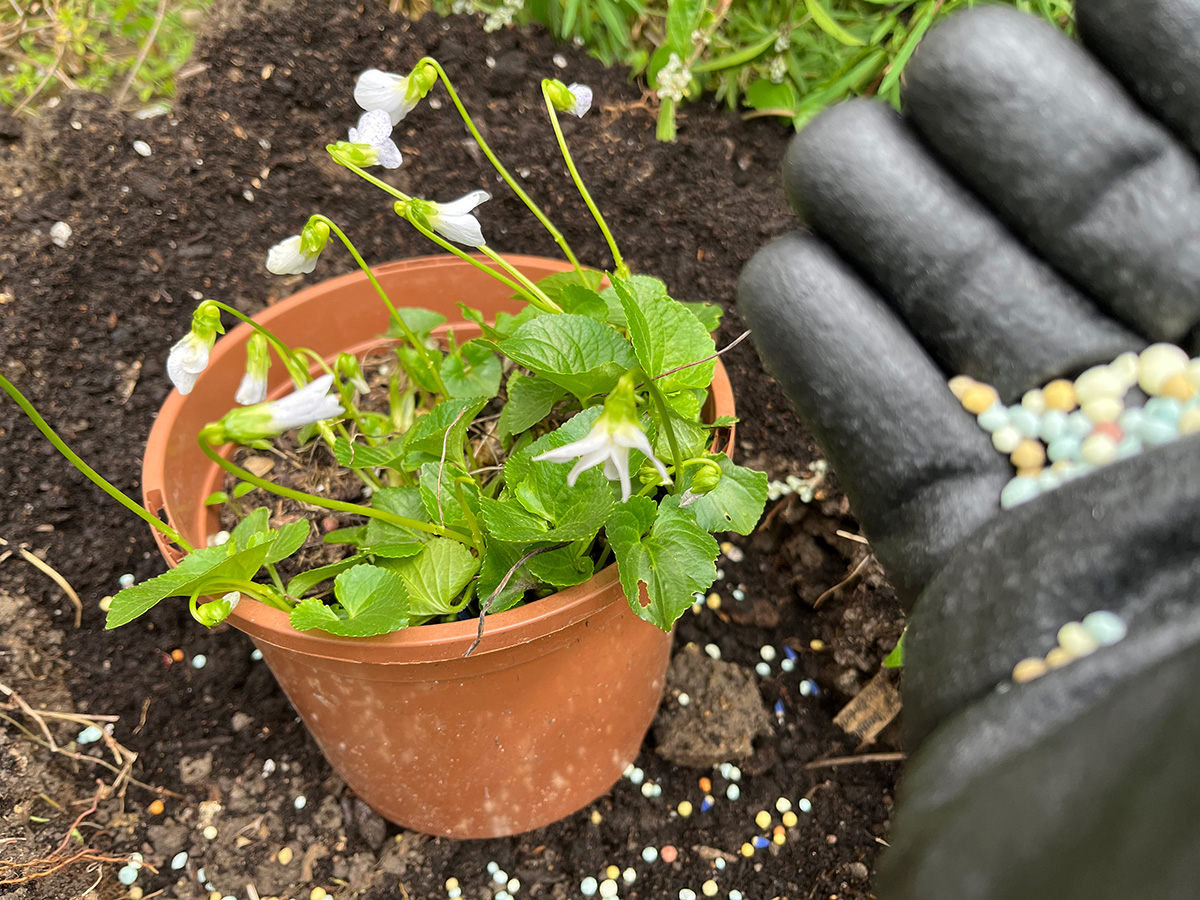
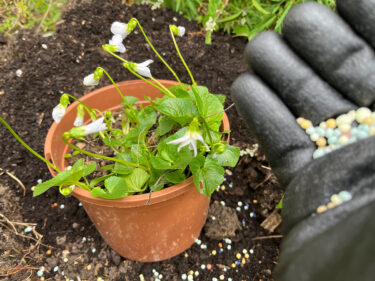
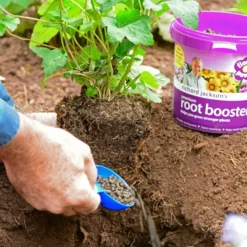
We’re always recommending to put fertiliser in the planting hole when adding new plants to the garden. This is a “kinda myth”, as it depends on the type of fertiliser that you use. Roots don’t “eat” the nutrients in fertilisers, they drink them as simple elements/ions in solution. If you use quick-acting granular fertiliser, such as Growmore, which dissolves fairly quickly, it can burn, damage and kill the roots. If you use organic fertilisers, such as bonemeal (huge molecules), it can take anything up to four months (especially during colder months) for the soil microorganisms to break them down into forms (elements/ions) that plant roots can absorb. So, if you plant in September, the plants won’t benefit until January!
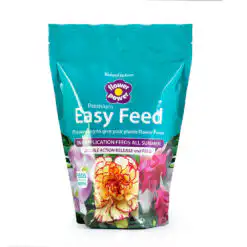
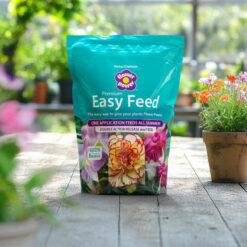
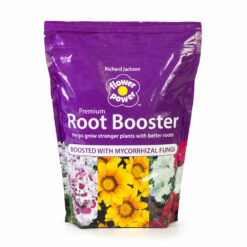
For the best results, you should use a controlled-release feed, such as Richard’s Easy Feed, which releases nutrients slowly, steadily and when the plant needs them and can use them quickly and easily. It also feeds your plants for up to six months from a single application. Or, for the perfect start in life, use Richard’s Root Booster.
Timely tasks
Here are two jobs you really should get on with this month.
Plant summer-flowering bulbs, corms & tubers
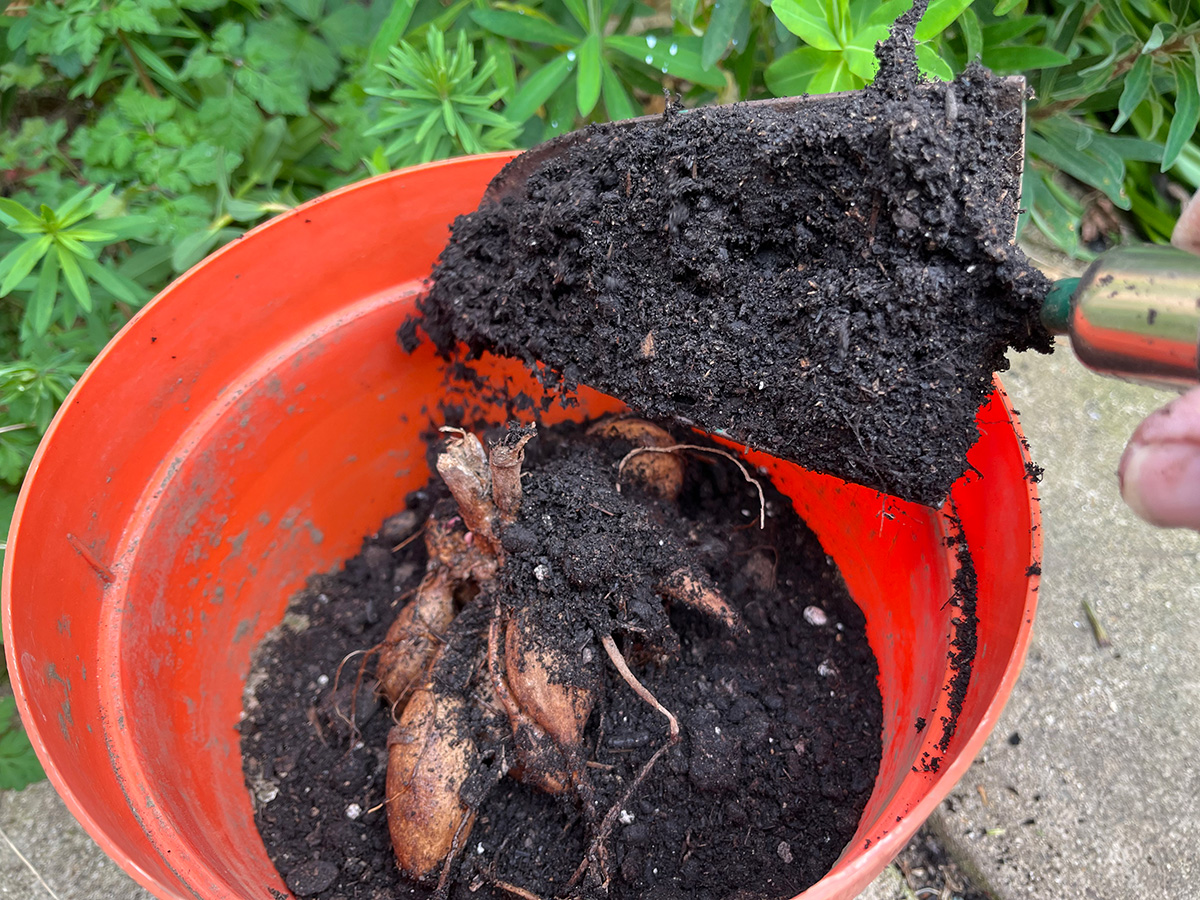
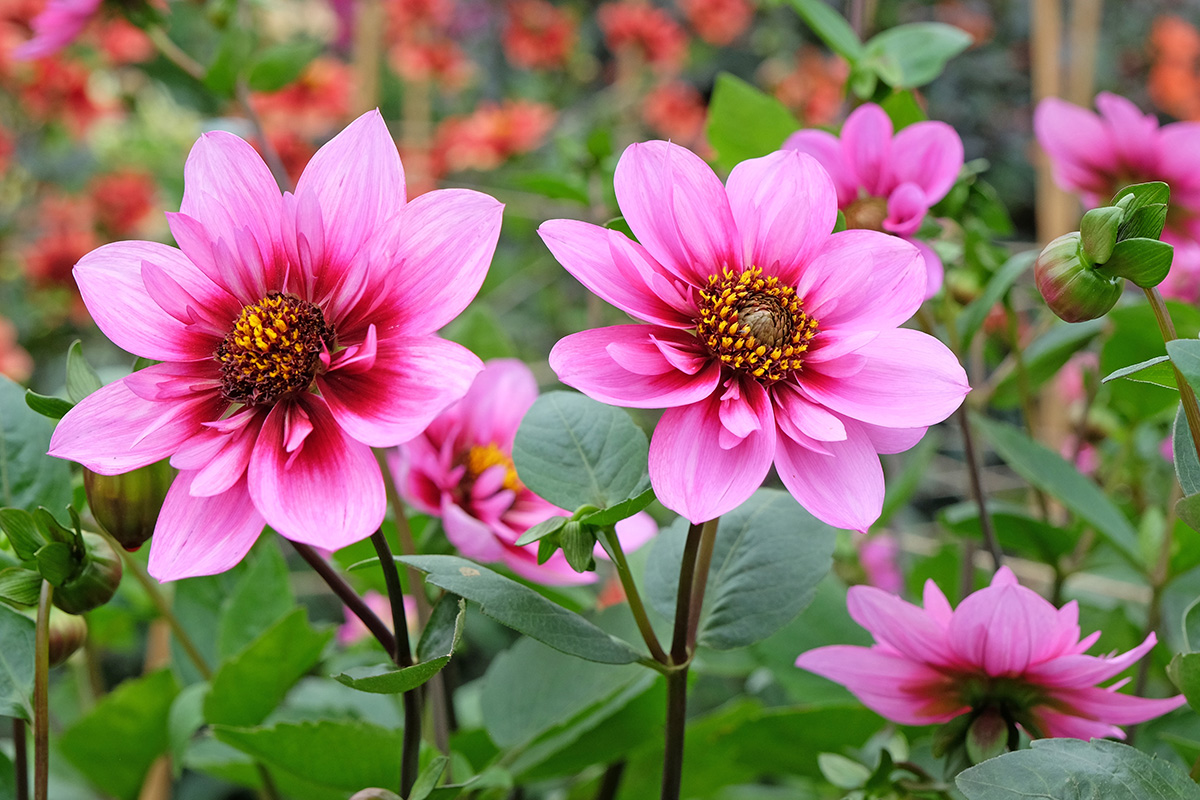
Summer-flowering bulbs provide lots of colour and interest for many months on end and well into autumn. Now’s the time to plant them out in the garden and, as just about all of them grow brilliantly in pots, plant them into containers as well for a perfect summer patio.
There are lots to choose from, including agapanthus, begonias, cannas, dahlias, eucomis, gladioli, lilies, nerines and tigridia, all of which look great in ornamental containers as well as in the soil in beds and borders.
Those that produce large, bushy plants should either be grown on their own or you can edge the containers with smaller and/or trailing bedding plants. Smaller varieties look fabulous when mixed together for a riot of colour, structure and interest.
Plant them in a good multi-purpose potting compost or, if you intend to grow them from year to year in the same container, use John Innes No 3 Compost.
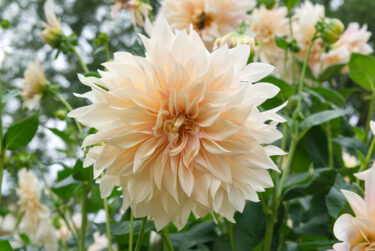
Dinnerplate dahlias, full size gladioli and taller lilies can be spectacular in containers. These will need staking, so select containers that are deep enough to take the plant support and protect them from strong winds, or go for dwarf, compact varieties that don’t need support.
As many summer-flowering bulbs are not completely frost hardy, keep an eye on the weather and be ready to protect any young growth that appears above ground level.
Harden off young plants
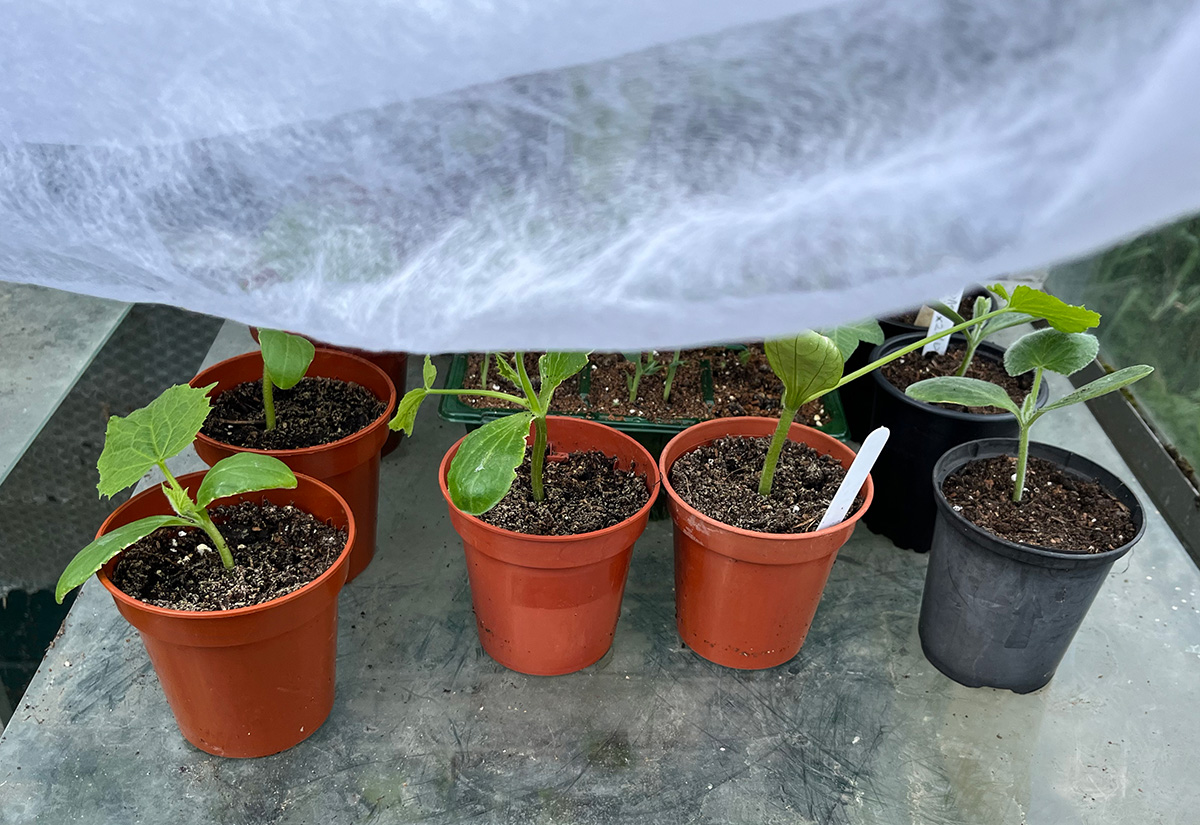
Young bedding and vegetable plants grown indoors with warmth usually benefit from hardening off – acclimatising them to the colder outdoor conditions – before planting outside. If you don’t harden them off they can suffer a severe shock to the system, due to the wide variation in indoor and outdoor conditions and temperatures. This means they may sulk and not establish well – or at the worst, be killed off.
Hardening off usually takes 7-14 days and involves moving the plants from the heated structure/indoors to an unheated one, such as a cold frame, that is kept closed. Then open this in the day and close at night, then open all day, but with the plants covered with horticultural fleece or similar material, before being finally exposed to the external conditions with no protection.