The winter months are prime time to reflect on last year’s garden successes and failures and for making new plans. I always find January exciting; the garden (and us) seem to be temporarily suspended and this pause gives us time to ponder, take stock and decide how we would like to move forward this year. It is an opportunity to formulate our dreams whilst not snowed under by a constant carousel of jobs.
Don’t be pressurised into making dramatic big plans, small life choices are as important and relevant. We could simply be choosing to garden in a different way, more in tune with the natural ebb and flow of the seasons and wildlife or thinking about what new seeds to sow. The start of the year feels like a beautiful blank canvas laid out before us ready to paint our creative ideas across it. And it all starts with an action plan.
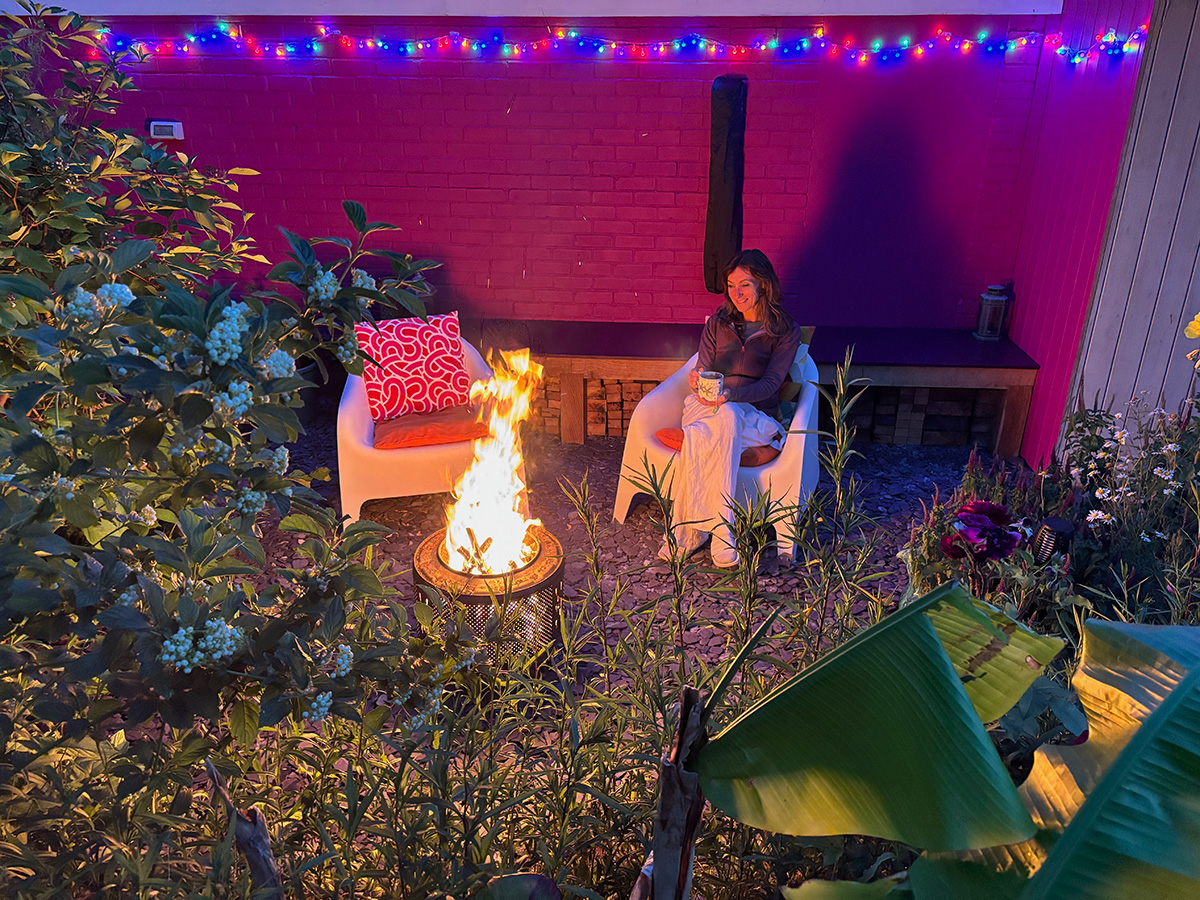
Positive reflection
Once my borders have been mulched, apple trees pruned and tender plants safely tucked up indoors then I feel I can catch my breath and look at the bones and structure of my garden. Taking stock on the highs and lows of the previous year in the garden is such an important part of a garden’s evolution.
Hands up, I take a lot of photos; I use them as a visual diary of what is happening with plants from one day to the next. I find January is a great time to sit down with a cup of coffee and look back though my expansive photo library to see what bloomed when and what didn’t flourish. It is also a useful reference tool as to where I planted spring bulbs…and what colour they were!
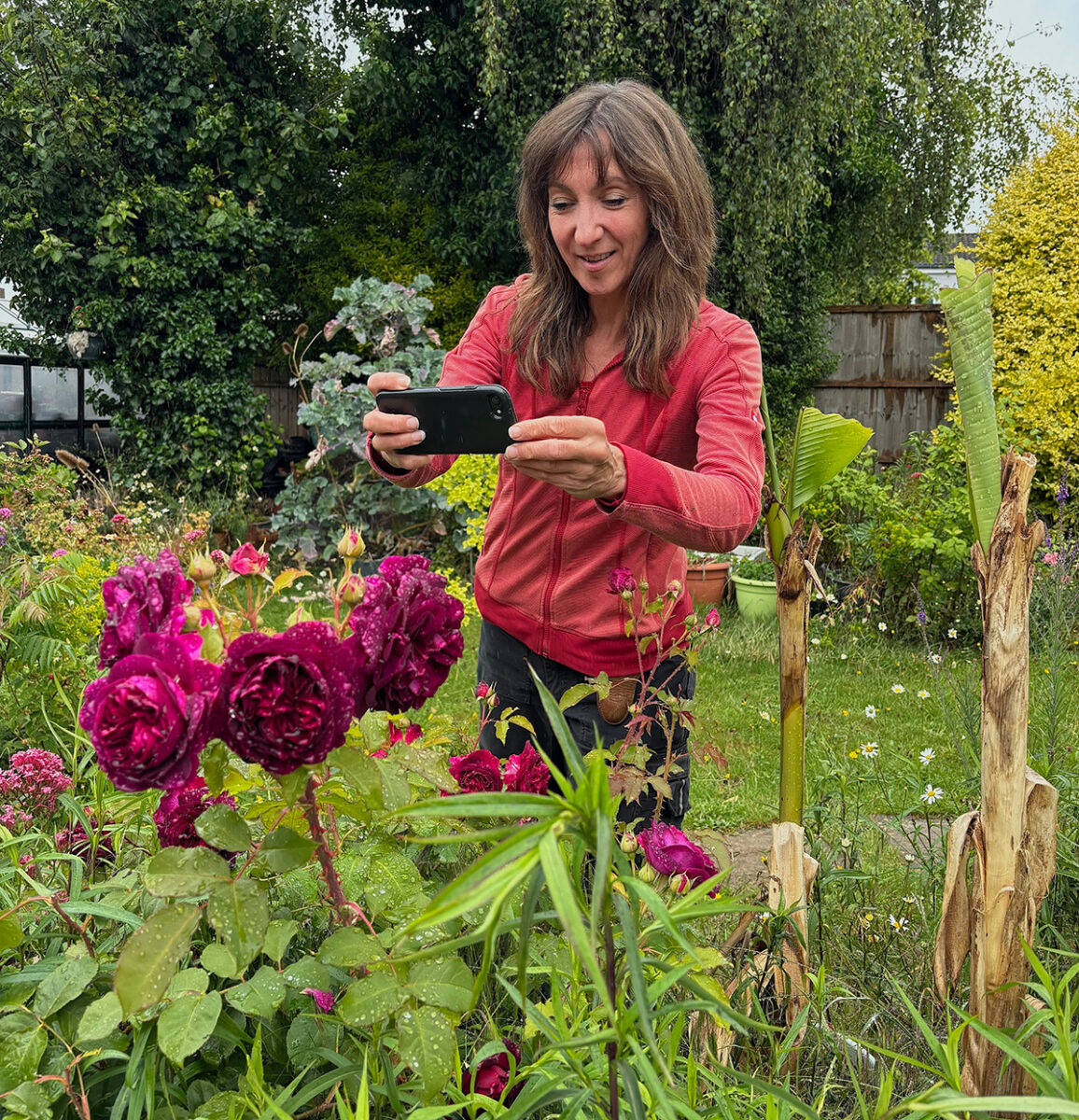
I’m personally not a fan of new year resolutions but if you were to make one promise to yourself, take more photos of your garden, it will bring smiles, satisfaction and a great sense of achievement. Celebrate what you have accomplished over the past year.
Mood board
We all need inspiration and these days there are so many ways we can gather information to ignite our horticultural whims. When I have a big project to thrash out I love to use Pinterest, as you may know this is an online hub of visual images and practical projects on pretty much every topic in the universe. So, whether you fancy a new shed, greenhouse or seating area, Pinterest allows you to create mood boards which can be viewed publicly or kept private for your eyes only.
Gardening is a very visual art form; I find it particularly handy to pull ideas together by creating an aspirational folder. It is an easy way to discover arty projects and hacks, consider colour combos and plant varieties, see how everything works together and be able to show someone else your ideas rather than trying to vocalise your thoughts! A mood board helps you explore ideas without having to spend a penny.
Dream big
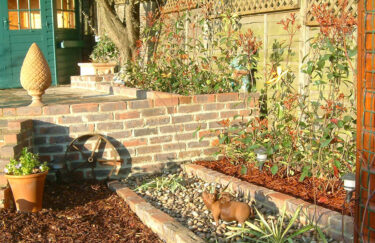
How do you use your garden space? Think about how you spend your time outdoors. Do you like to sit or entertain, is it a working garden that provides food or purely ornamental, is wildlife a dominate feature or do you have different zones to cater for multiple uses? We can all be guilty of wanting to do everything but may not have the space to accommodate all our wishes, so think how you used your garden last year and if you want to develop any areas for 2026; budget, time and space allowing.
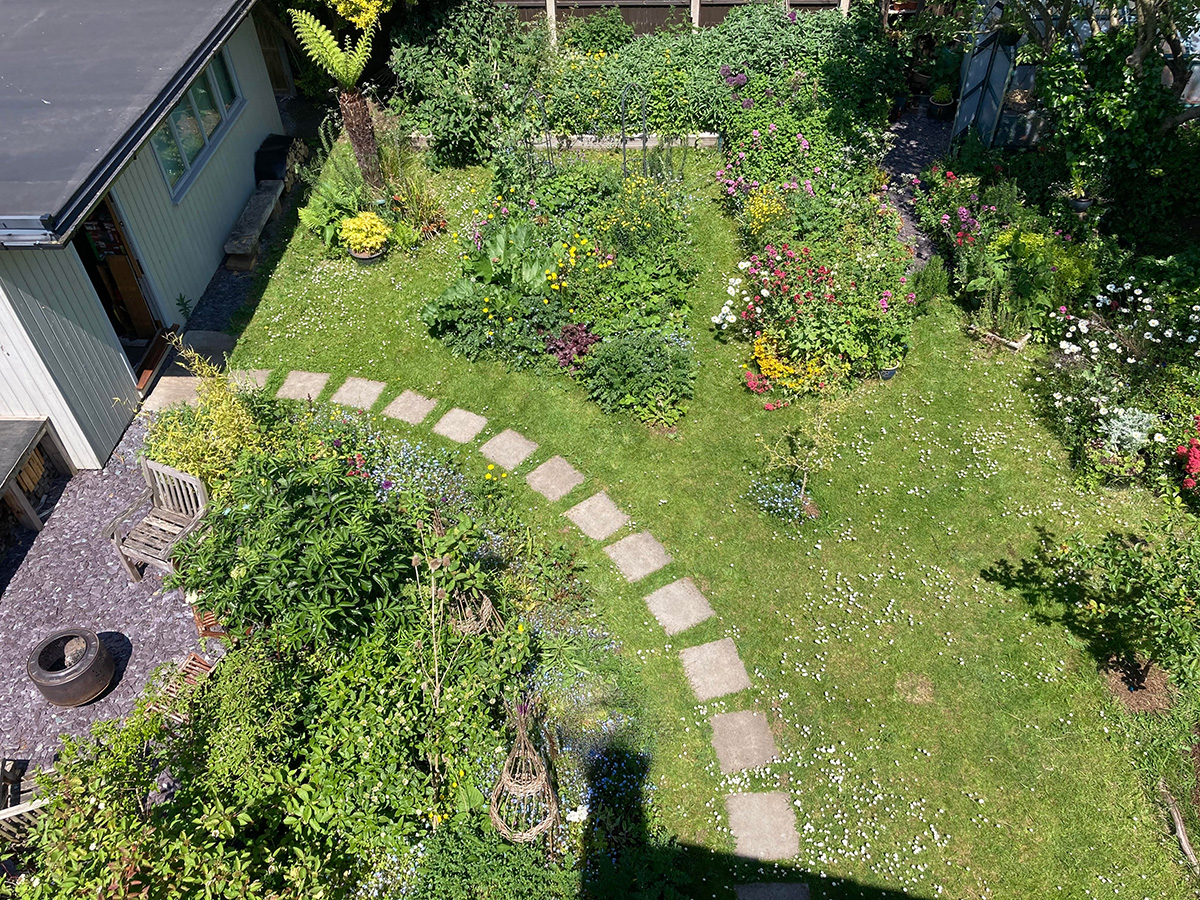
How ever small your garden, there is always a way to make your gardening dreams happen so don’t be afraid to dream big and put those plans into action. If you do not have a vegetable garden or allotment, don’t worry, sow seeds in pots on a windowsill. If you have limited time to look after your garden consider low-maintenance plants that will bring you a lot of pleasure but without having to stress about hours of work; even houseplants are a tremendously positive asset!
New year new plants
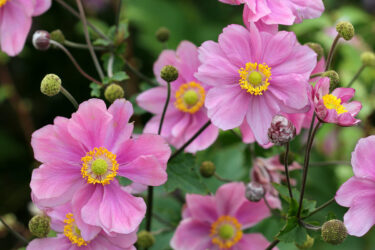
I don’t think any gardener needs much persuasion when it comes to buying plants; most of us will confess it’s a bit of an addiction! But who can blame us with so much to choose from? So, whether you only have space for one new plant or you have big plans for a new border why not grow something different this year? Try something you have never grown before.
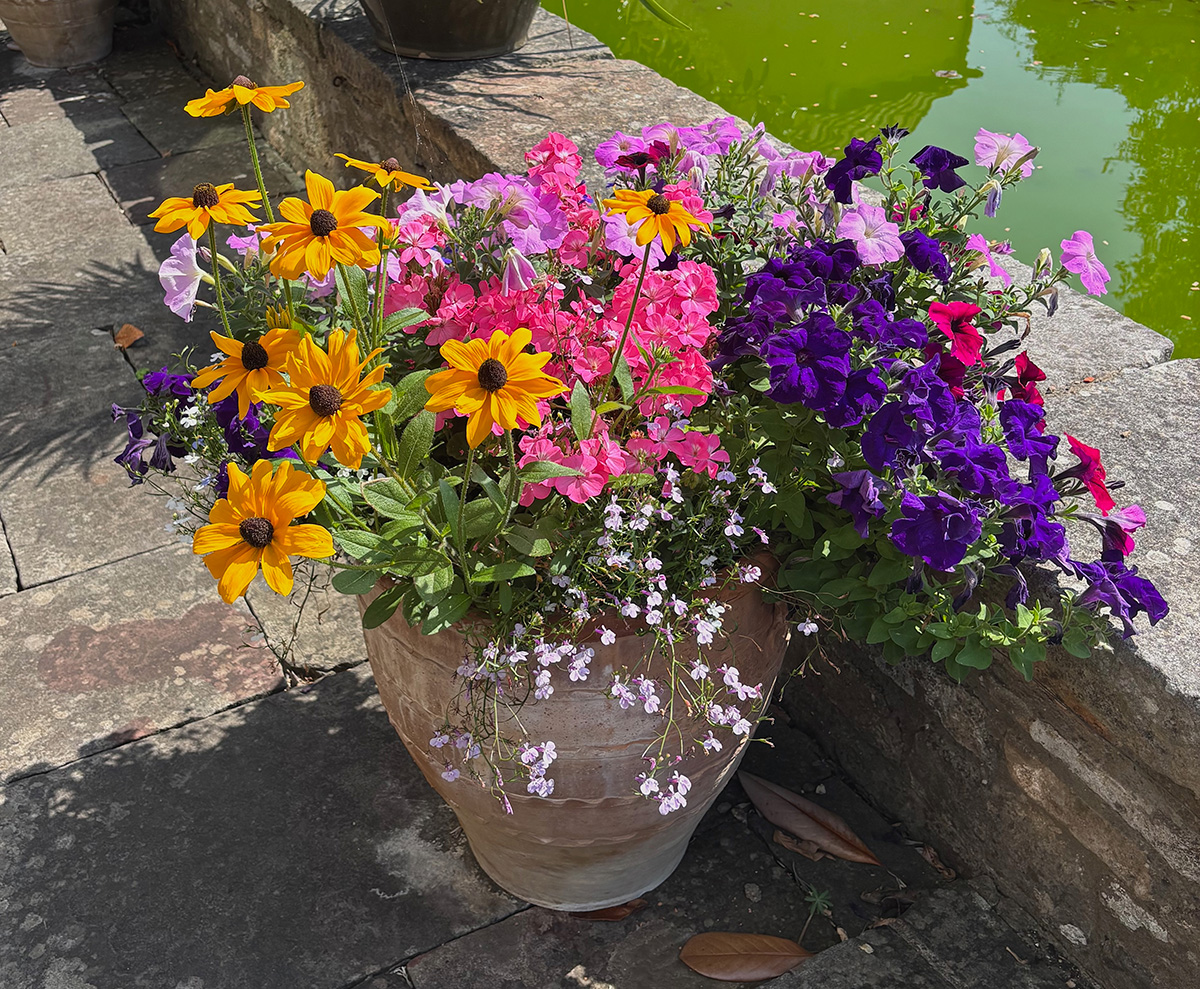
First consider the available space and the existing growing conditions and then start researching and planning. There is something exhilarating about nurturing a new botanical wonder.
Go organic
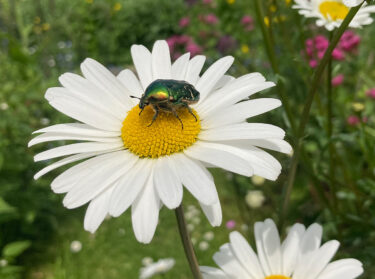
Gardening organically is so much more than not using pesticides, although this is extremely important to protect the balance of our garden’s ecosystem, from soil to insects, mammals and birds. Organic gardening permeates all aspects of everything we do.
Every year I think about what and how I do things in the garden and how I can make improvements to have less impact on the environment?
Many years ago we installed a waterbutt to catch rainwater from our roof and this has been an essential water source, particularly as our summer’s get drier and drier. But one waterbutt is not nearly enough and often runs dry in periods of drought so I will find space to install another.
If you do not have space for a waterbutt consider using a rain chain to redirect rainwater to the ground or the garden. Rain chains can be handy if you are gardening on a balcony or you can simply leave out empty containers to fill up on a rainy day, everything helps.
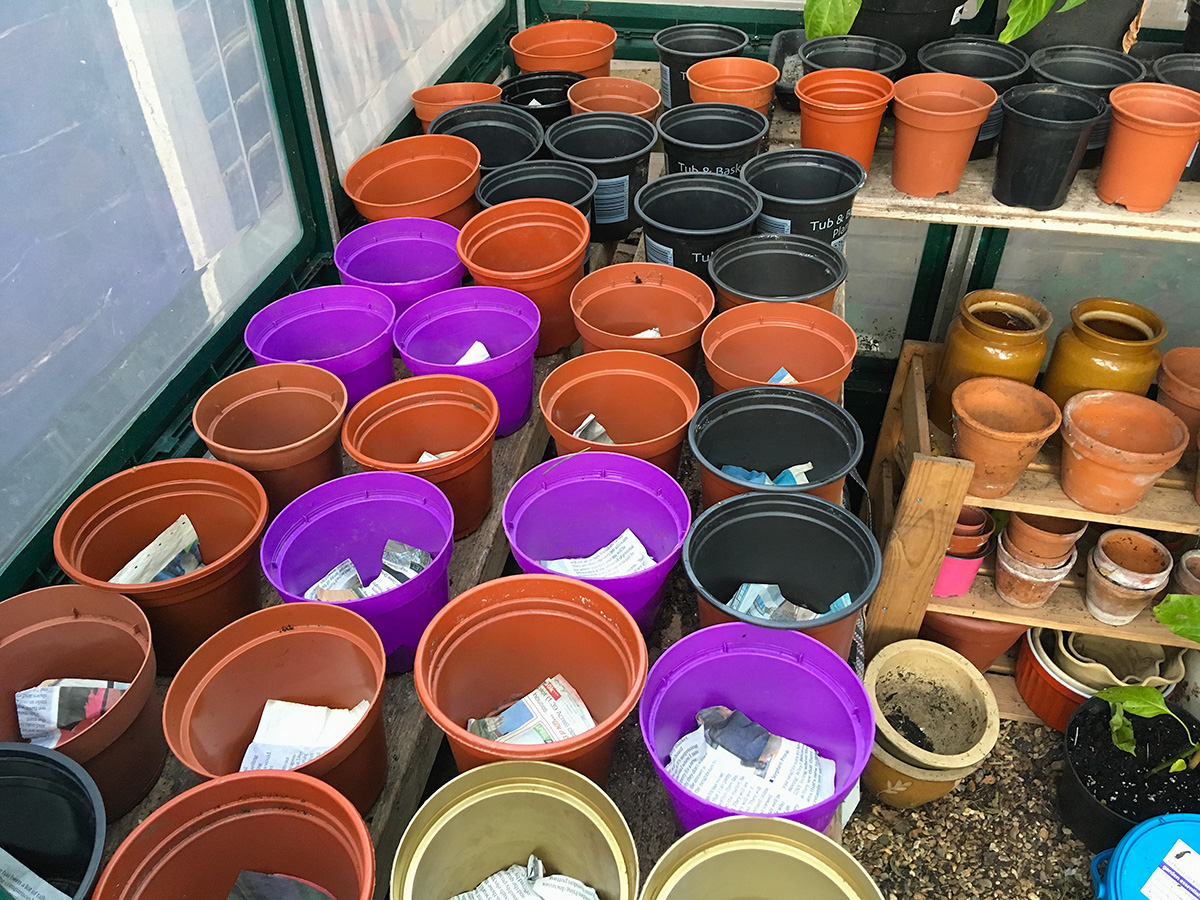
I cut down on plastic where I can; when I buy new plants I save the plastic containers and then as I propagate my own plants I reuse these containers to pot them up.
Soil is the foundation of any garden; avoid over-digging the ground to preserve this delicate ecosystem. Minimal soil disruption from gardener’s is actually the best action plan here.
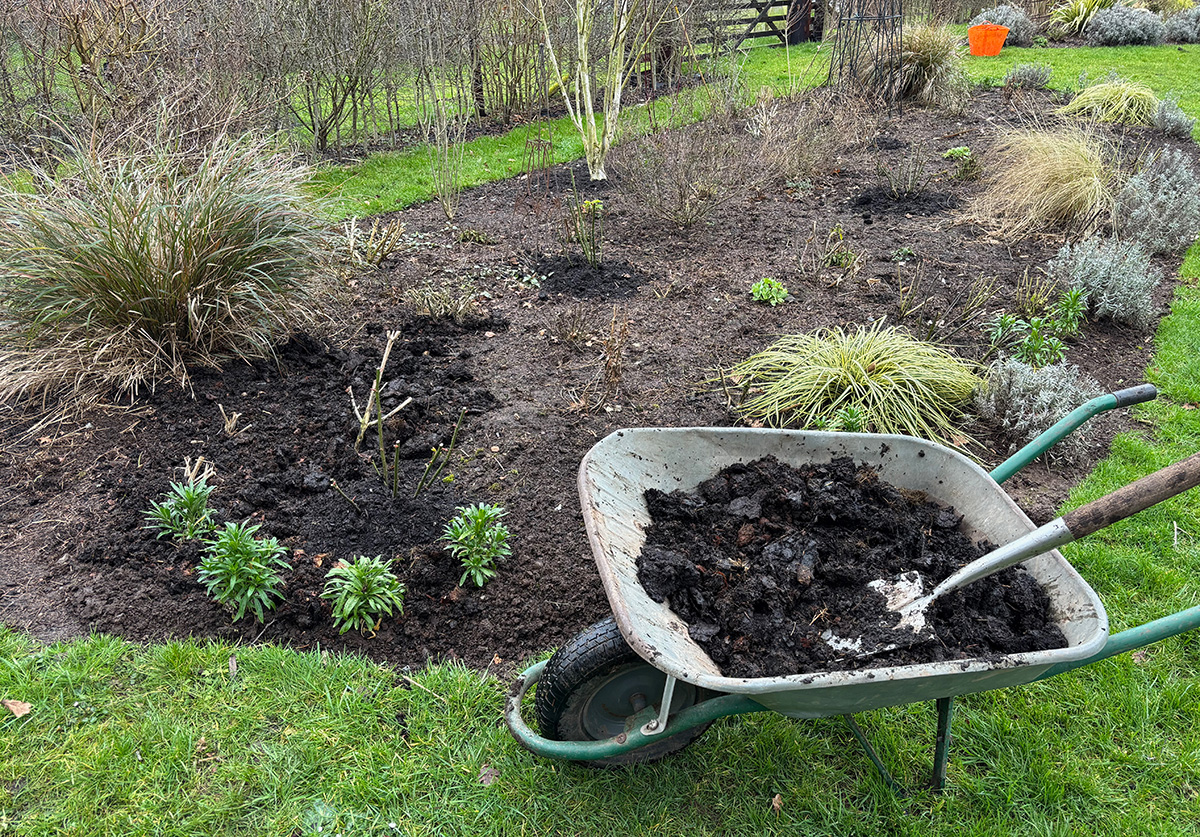
Worms spend years creating tunnels and turning the soil for us, saving us the job. The best way to improve our soil and support worms is to mulch; apply a layer of homemade compost or rotted leaf mould to the surface of borders to add nutrition, keep plant roots protected against freezing temperatures and retain moisture or if you are prone to flooding it could help water soak away. So, mulch borders rather than dig.
I spend a lot of time at the end of autumn spreading wheelbarrows of compost and leaf mould that has been maturing for over a year over borders. If the ground is not frozen January and February is a good time to top up borders and top dress pots.