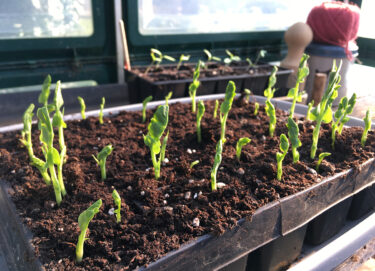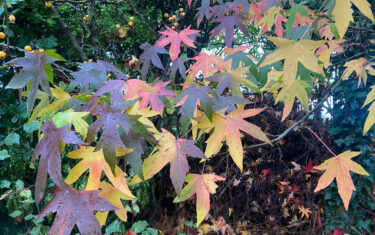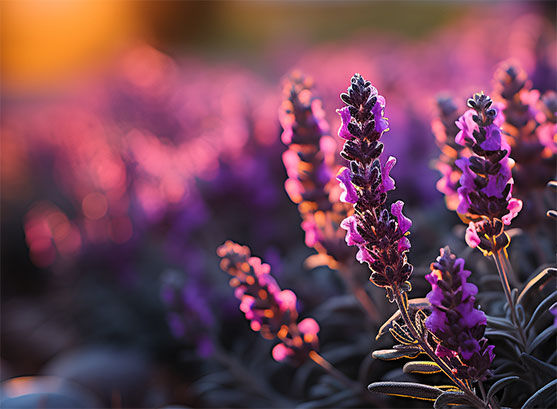
As the garden slides towards winter, our trees and shrubs and garden plants start to change. Leaves change colour and start to fall, stems soften and fold, and seeds ripen and drop to the ground.
Soil and compost mini-beasts
But things are not as they seem. There’s a hidden army of helpers in your garden. If you want free ‘pest’ control, free soil conditioner and better pollination, you need to look after them. These are the beneficial workers that live and breathe all around our homes and gardens.
Deep in the soil and the compost heap are trillions of microbes feeding on the detritus and organic material. Fungi wrap and cover every piece of stick and root and leaf in the compost heap and soil.
Woodlice and centipedes, slugs and snails work on the waste, recycling every morsel into nutrients for our plants and the soil. Worms and other soil mini-beasts move through the soil, feeding and aerating around our plant roots. Each and every layer of the food chain is alive and thriving in our gardens. These are the composting super-heroes that turn our garden waste into free soil conditioner. Keep them fed with kitchen peelings, garden waste and more, over the next few months to ensure they can thrive and survive until spring. Keep the compost bin covered to retain any heat and prevent rain from soaking the contents. The compost will be home to all sorts of other helpful creatures like beetles, millipedes and woodlice. The safe environs of the maturing compost provides warmth, shelter, food and nesting sites for many beneficial creatures.
Garden beds and borders
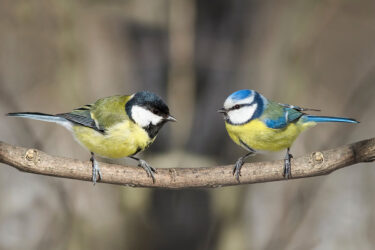
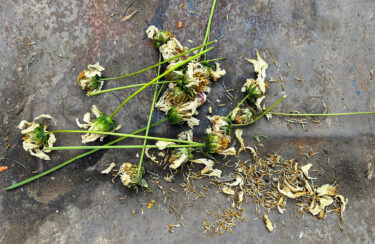
Don’t be hasty cutting down your borders, the plants we have enjoyed throughout the summer now play a different role. Those with seed heads are food for the seed eating birds, which will forage within the borders or flit from seed-head to seed-head feasting on the oil rich seeds. Others with hollow stems will be nesting sites for solitary bees and solitary wasps, the hollow stems forming natural insect hotels where the larvae can mature into adults to emerge next spring and summer.
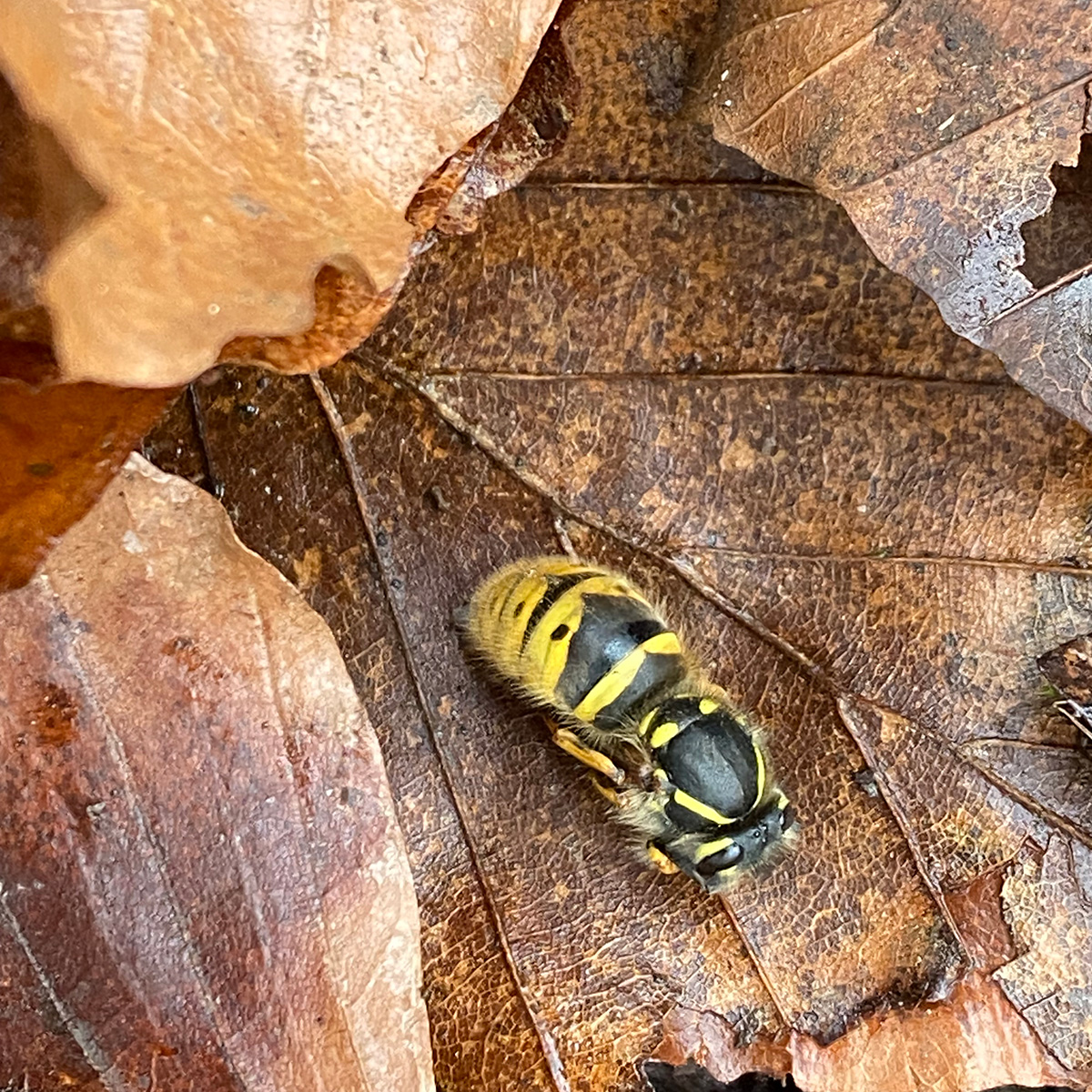
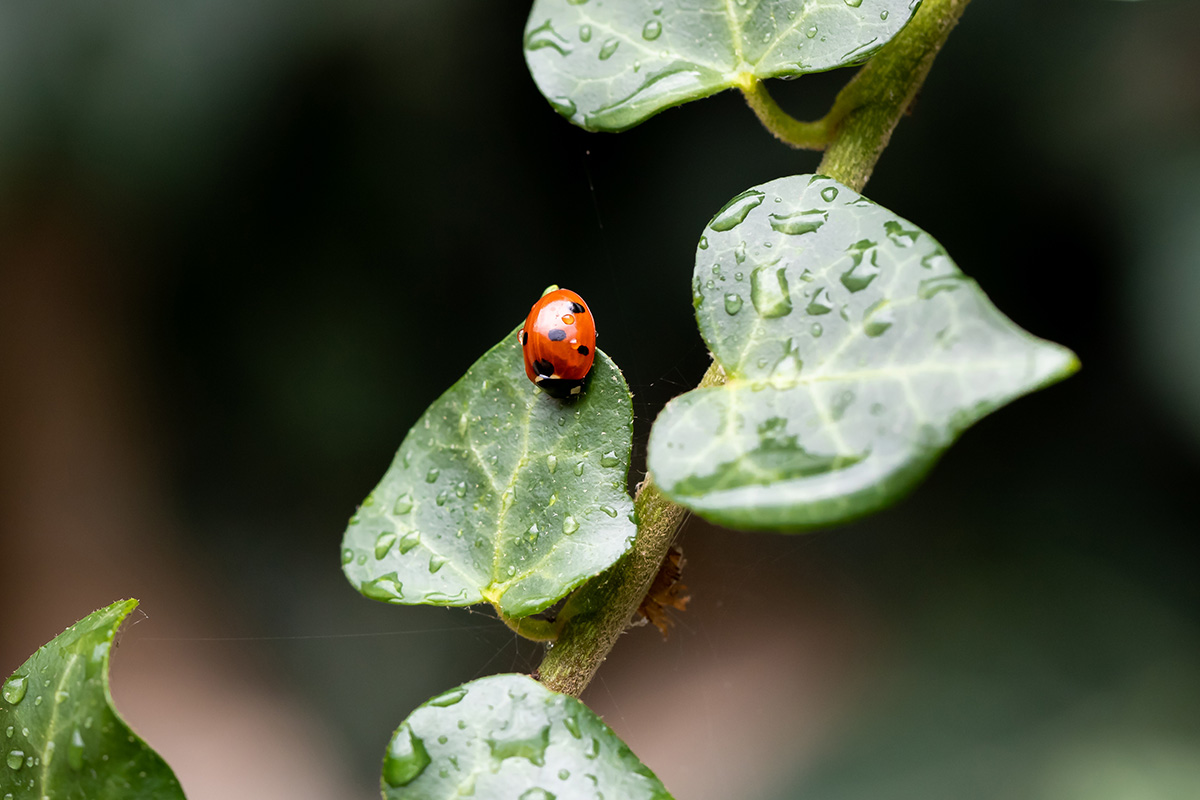
Ladybirds have been thriving this summer and now seek winter shelter within plant crowns and seed heads, some will find our garden sheds or even come indoors. They will re-emerge next spring to feast on the greenfly, whitefly and blackfly that are feeding on early, juicy spring plant shoots.
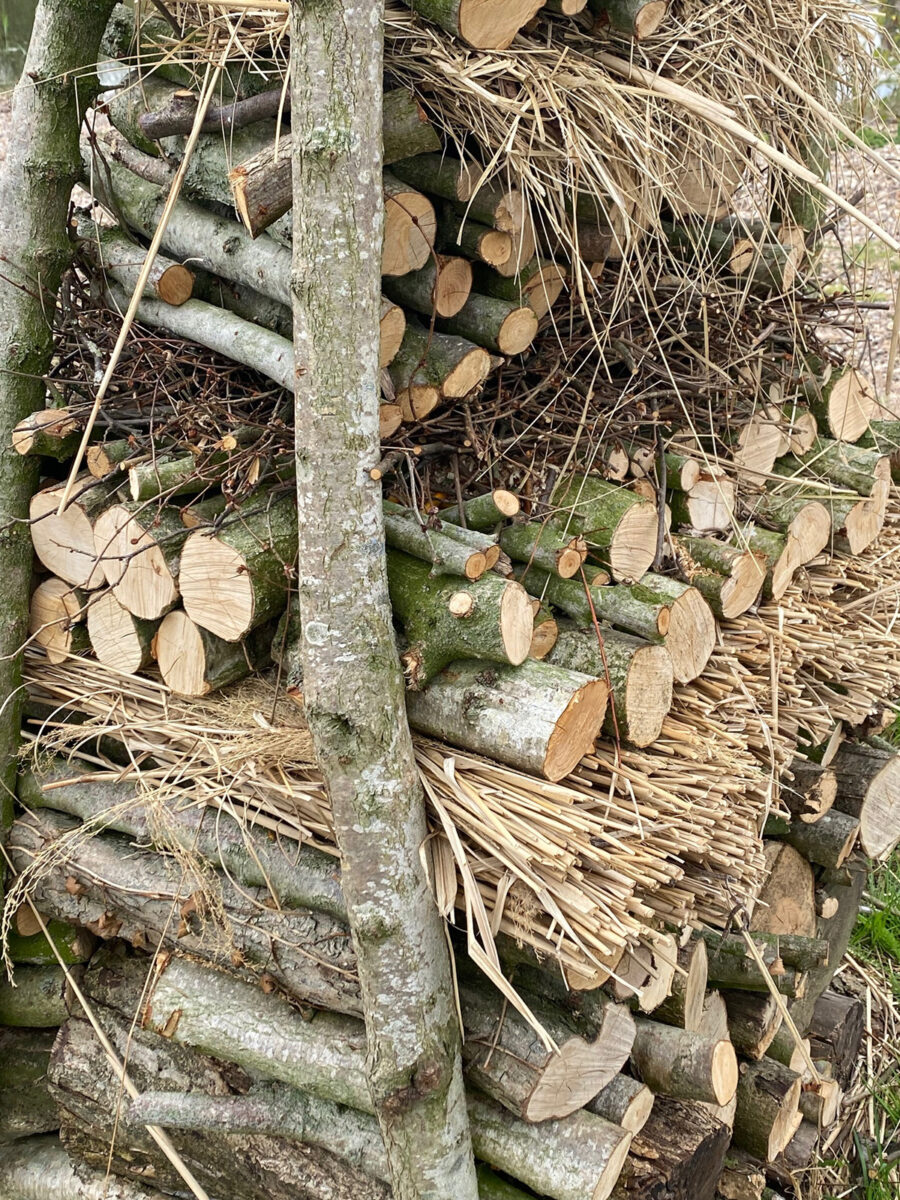
Stack up your prunings behind the shed, under the hedge or in a quiet spot in your garden to ensure the survival of your garden army, they will emerge next year to maintain the natural balance and play their part in the food chain. Many will be the reason that your fruit trees and early flowering vegetables are successfully pollinated. The lovely spring weather of 2025 ensured a fabulous crop of apples, pears, plums, cherries, nuts and berries.
Dense plant crowns will shelter moth and butterfly chrysali until they pupate into adults next spring. North facing banks are often chosen by the new bumblebee queens to overwinter before they emerge in spring to make their nests.
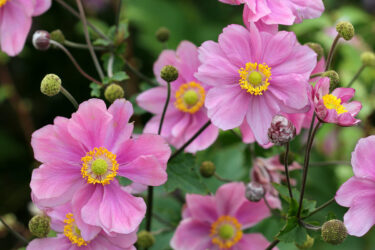
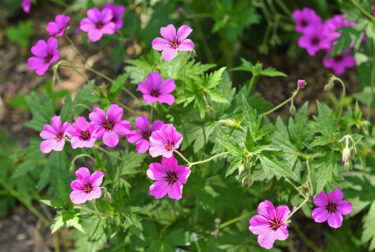
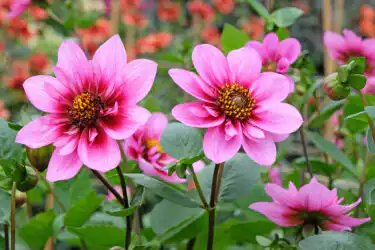
Late season flowers in the borders also provide vital nectar for autumn/winter active pollinators. Leave the last stems to flower.
Natural insect houses
Fifteen years ago, we didn’t really have insect houses, instead our native wild solitary bees and wasps used natural cracks, crevices and cavities as well as hollow stems to provide safe nesting space for their babies. Surprisingly one of the most used stems in our gardens are bramble stems. There’s a whole book by a French entomologist called Bramble Bees which explores the solitary bees that utilise the stems of wild blackberries to make a baby bee nursery. Many of our garden plants have hollow stems that can and are used in a similar fashion. You can harvest these stems and stack them into a suitable outer container to make an improvised bee ‘hotel’ next spring. Or you can simply leave these stems in-situ or put them somewhere safe for the inmates to develop into adults.
Dead wood
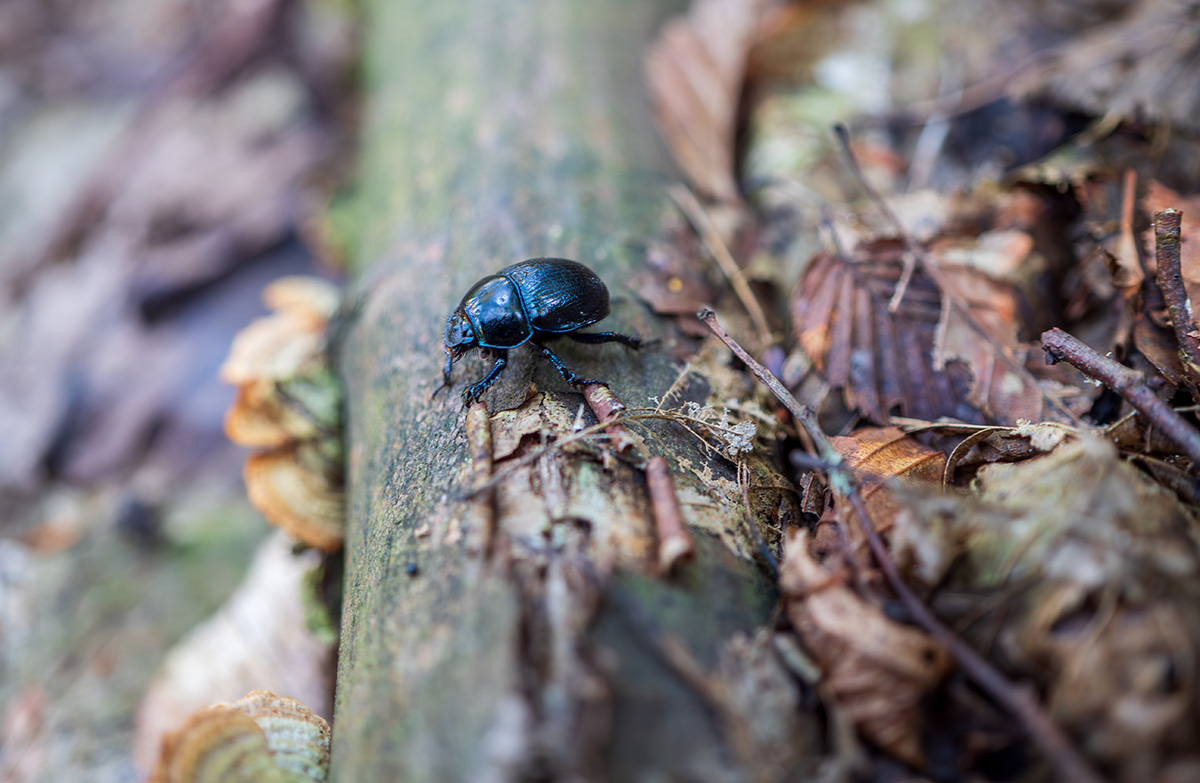
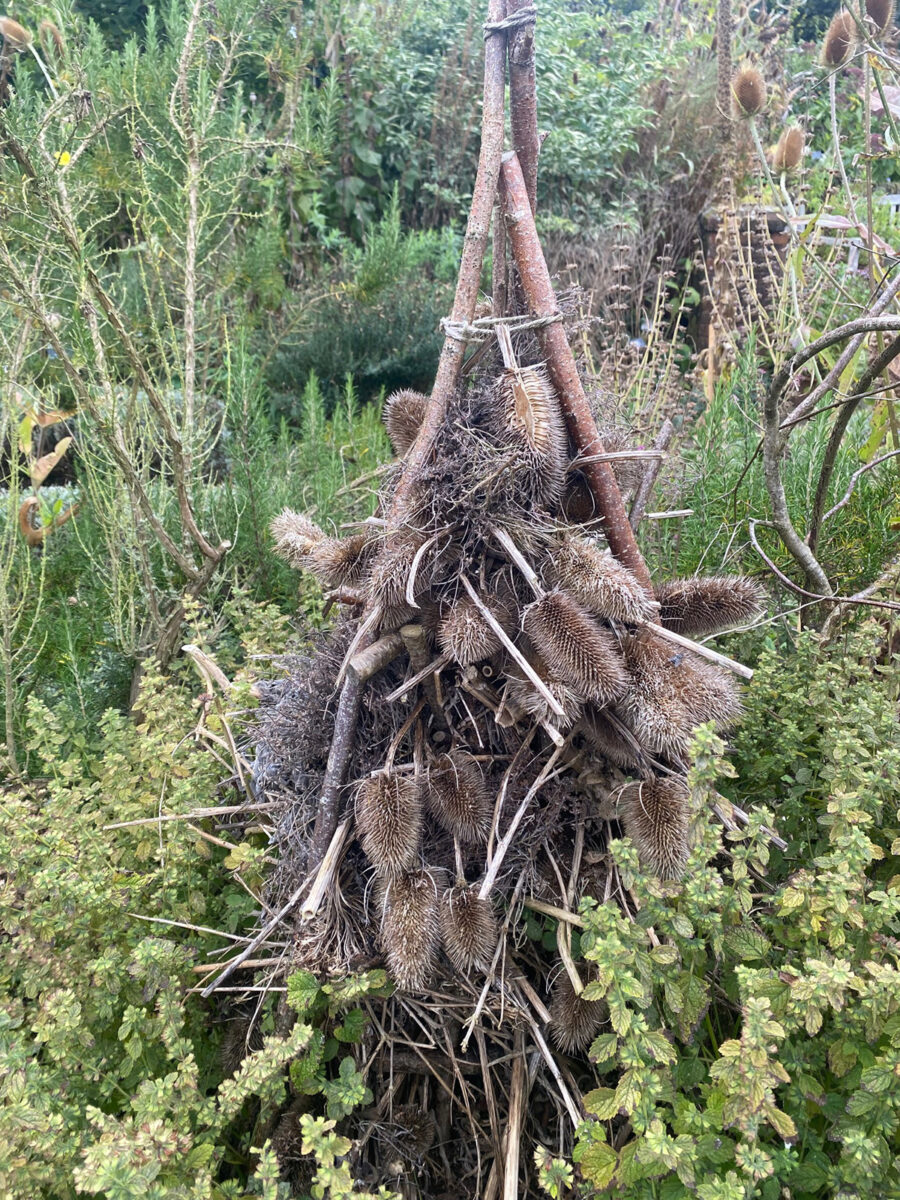
Dead wood isn’t really dead. In fact, it is alive with a myriad of life. If you have slugs in your garden, a stack of woody stems and branches will provide shelter and nesting material for our native beetles. And beetles eat slug and snail eggs and immature slugs and snails too.
Beetles lay their eggs on and in rotting timber and the emerging larvae feed on the ‘dead’ wood. Fungi also help the timber to break down, releasing plant nutrients and organic matter into the soil. You might not have a dead tree in your garden but you could make a dead hedge or a habitat stack to help nurture beetles on your plot.
Leave the leaves, stack them around and under your dead hedge or at the back of the border. They are an insulating carpet that will protect overwintering butterfly and moth larvae as well as your soil mini-beasts. The ground feeding birds will forage in the leaves looking for tasty morsels and the bugs and grubs that survive will emerge in spring.
Layers of leaves might also be the perfect cloak for amphibians like our frogs and toads as they hunker down for winter. Go careful in the garden with your planting trowel and be sure to check for life before you stab the soil to make your planting holes.
Garden helpers
Many of the beneficial insects in our gardens will still be active on warmer, sunny winter days. Some of our butterflies overwinter as adults and may be found nectaring on the garden flowers. Lacewings, hoverflies and ladybirds may take advantage of warmer days to find a source of nectar. One of the most powerful plants over autumn and winter that provides about 90% of the nectar out of season, is the wild ivy. Let it flower, it provides vital nectar and even the berries are food for the birds in late winter.
Winter water
We sometimes forget that insects and invertebrates need water. All life needs water. You might not have room for a pond, but even a puddle of water or a bowl of water helps. Add some islands that protrude from the water surface, pebbles or marbles are a good choice and keep it topped up with rainwater.
You could even make a hoverfly lagoon, a dark and dingy hollow or bowl fuelled with rotting leaves where some hoverflies lay their eggs and the resultant larvae, hatch out and devour the debris breathing through long rat-tail like breathing tubes.