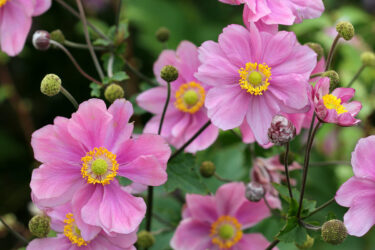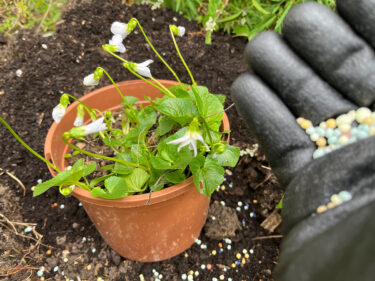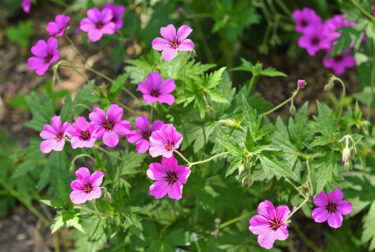
As summer progresses, our gardens can start to look a bit tired. Those summer-flowering plants that have been doing us proud, producing colourful displays for weeks on end, can finally start to tire and say enough is enough. What to do? Ensure your garden is bursting with those brilliant doers that are at their peak in late summer and continue to thrill us throughout autumn. These include, among others, Agastache, Echinacea, Japanese anemones, Michaelmas daisies, sedums (Hylotelephium to give them their now proper name) and shrubby salvias. Garden centres and other plant suppliers should be full of them during August. As long as you plant in well-prepared soil, water the compost in the pots well before planting and thoroughly water in afterwards, it’s fine to plant them now too.
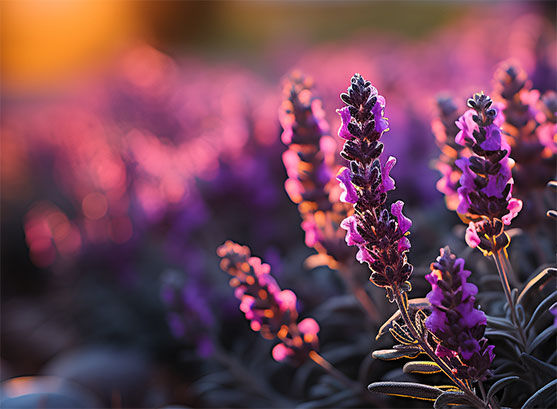
Lavender is another great garden stalwart, doing particularly well during hot, dry summers. But to keep them strong, bushy and flowering for many years, they do need annual pruning. They produce lots of leggy, woody stems if not pruned regularly. Established lavender plants should be given a light trimming over after the flowers fade, removing the faded flowers, the flower stems and around 2.5cm of the foliage below. For the best compact, bushy and long-lived plants, trim them again in April, removing another 2.5-5cm of leafy growth. You can use shears to do this. Don’t prune them hard, cutting into older, leafless, woody growth as this is unlikely to reshoot and the plants will die back – and probably die.
Plant of the month – Dahlias
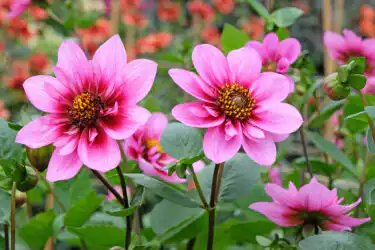
Dahlias are the darlings of the late summer and autumn garden. Their popularity underlies their divine beauty – and their huge range of variations. But this wasn’t always the case. In the 1990s, they suffered a massive dip in popularity, the flowers were seen as garish and over the top – two characteristics that we now love! Luckily, those people and plant breeders that kept their dahlia desires at the forefront of their lives carried on coming up with newer, better varieties. Now there’s an almost unfathomable number of choices in a huge range of colours and plant and flower sizes and flower shapes.
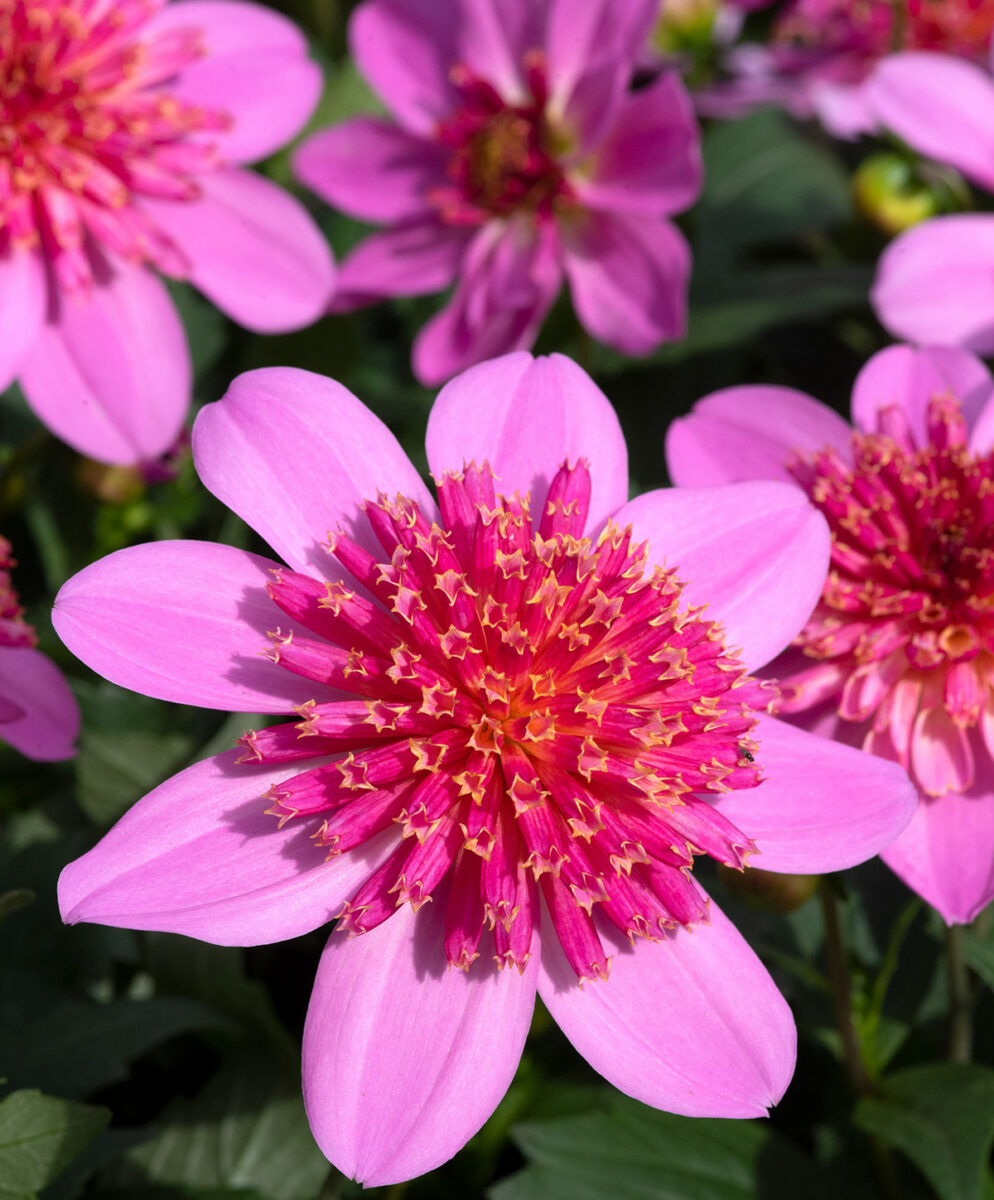
Did you know that dahlias are divided into different groups depending on the shape of the flowers, and there are 15 different classifications? These include Collerette, Cactus, Anemone-flowered, Waterlily, Pompon and Stellar.
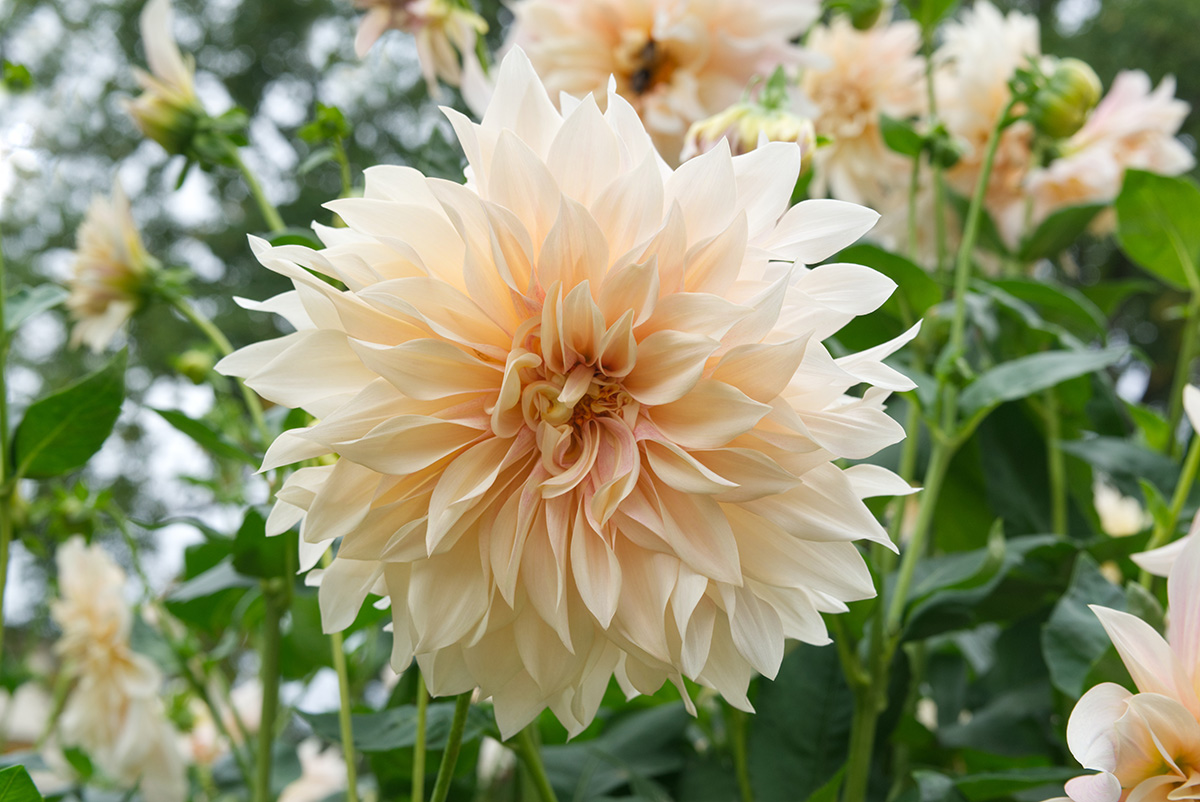
There are so many varieties, that it’s more-or-less impossible to list just a few of the best ones. Check online and choose a colour, shape and size that suits you and your garden. Whichever you go for, you won’t be disappointed. But I will mention one of my favourites – ‘Café au Lait’ (see main image). It is classified as a Decorative Dinnerplate dahlia, which has fully double flowers with flat or slightly incurved florets. These have a delicious colouring of rich creams and peachy-pinks, often with a touch of milky-coffee and can be up to 20cm across.
Where to grow
Dahlias prefer a sunny position in moderately fertile, moist, but well-drained soil or in pots containing a good compost.
How to care for it
Dahlia tubers can be planted outside after the fear of frost in late spring has passed or started off in pots in well-lit, frost-free conditions indoors in early spring.
When in growth, feed with a high-potash fertiliser, such as Flower Power. Tall varieties and those with large flowers will need staking or other supports.
In mild parts of the country, the tubers can be left in the ground over winter, protected with a 10cm deep mulch, although this can be risky in severe winters. Otherwise, carefully lift and clean the tubers when the first frosts have blackened the foliage and allow them to slightly dry. Then place the tubers in a shallow tray, just covered with slightly moist compost, sand or vermiculite and store in a frost-free place until planting out again. If growing in containers, move the container into a frost-free place.
Be creative – Using conifers
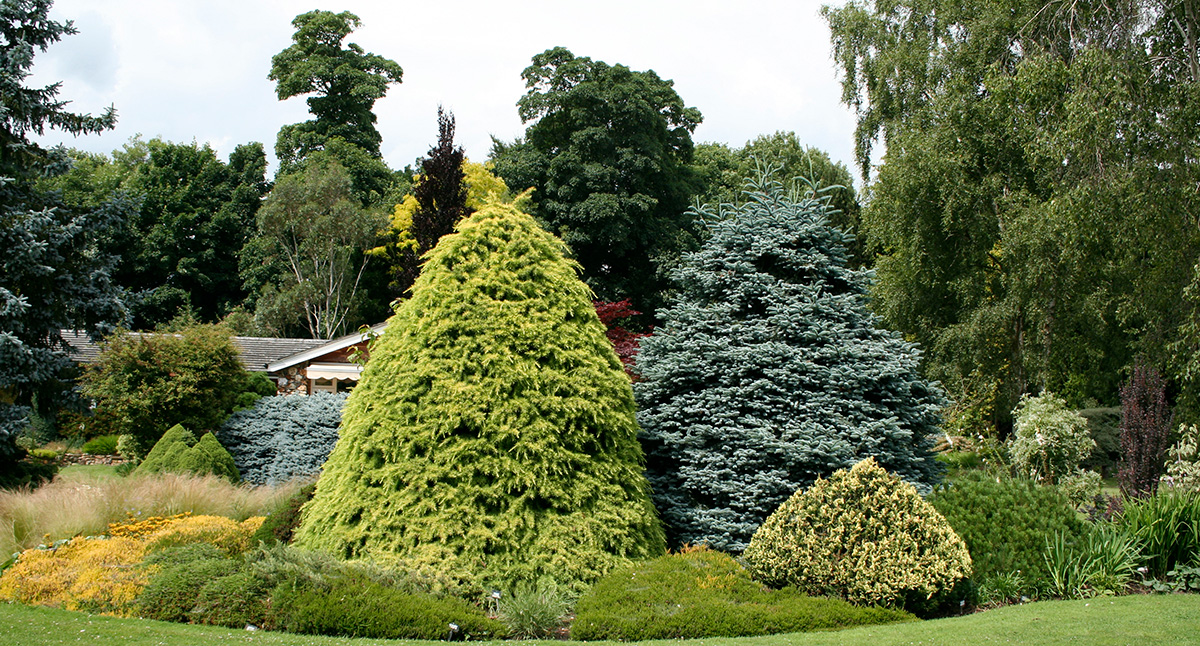
Gardening, whether you like it or not, has its trends, which come and go – and often come back again and even again! One of the most recent trends, believe it or not, is the resurgence of planting and growing conifers. This harks back to the 1970s/1980s when they were very much part of every garden, mainly championed by Blooms of Bressingham – possibly because they were one of the largest suppliers of conifer plants to the gardening trade!
Well, they’re now fully back on trend. I love conifers, as they’re a remarkable group of plants and very versatile, but I would never “corral” them together in one place, like as shown in the image, to create a conifer bed. I think they are best appreciated as single plants, planted where their individual characteristics can be fully appreciated. Also, the evergreen ones never change with the seasons, they look the same all year round and I want my garden to have seasonality.
Conifers come in every hue of green, yellows and gold, blues and glaucous and even variegated. They have a huge range of shapes – from pencil-shaped, weeping, pyramidal, rounded and bun-shaped as well as low-growing prostrate forms. The one thing to be aware of is the height they grow to. I’ve been to numerous gardens where the owner bought this lovely, cute-looking, small plant only to be in full shock that it is now taller than the house! Just bear in mind that heights quoted are generally those reached in around 10 years – and they will go on to produce the same in each subsequent decade. Some, including Chamaecyparis, Thuja, Juniperus and Taxus (yew), can be pruned if they start to get too big, meaning that they also make great hedging and screening plants. Those that produce needles, including Abies, Cedrus, Picea and Pinus, do not like to be pruned, as taking out their tip can ruin their shape, so choose and position these carefully.
This month’s myth busting – Hydrangeas
Hydrangeas are beautiful shrubs that grace every garden they’re grown in. But it’s a plant with more than its fair share of myths.
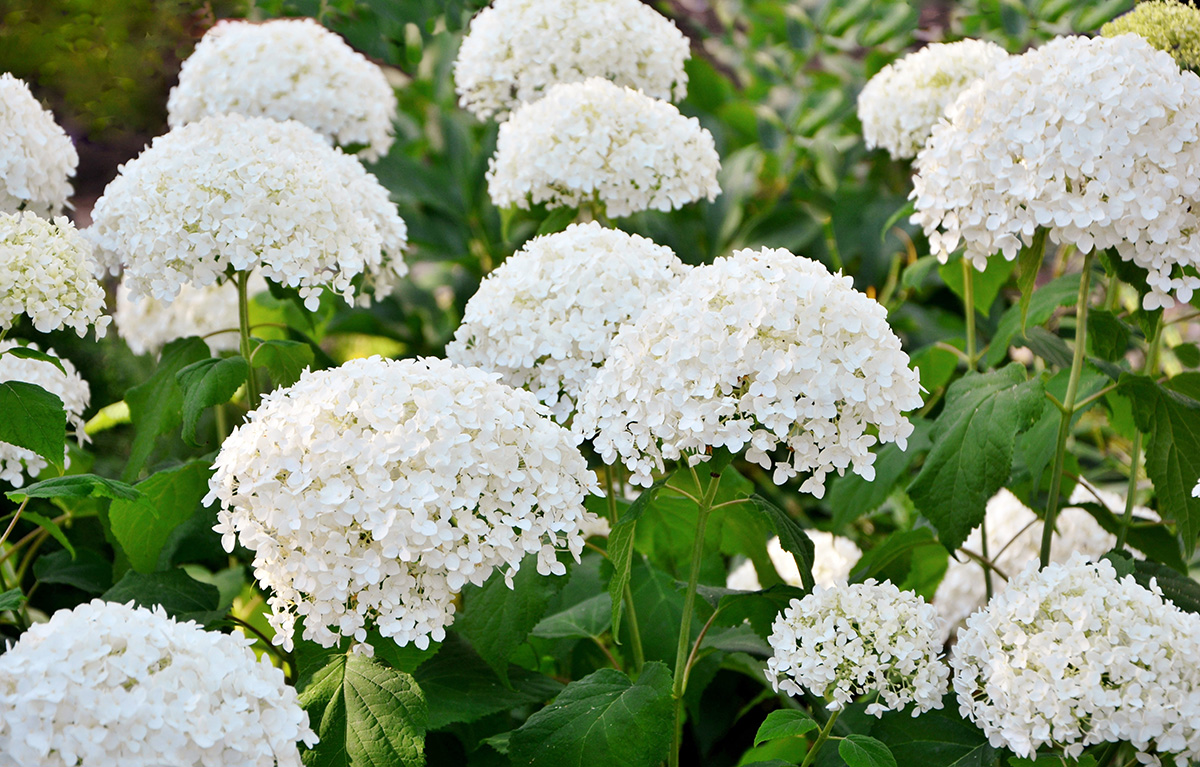
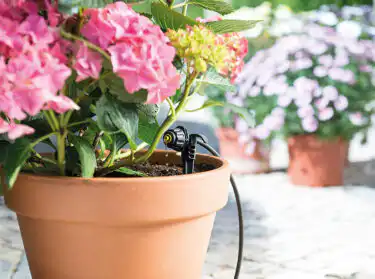
The biggest and most common one relates to how much water they need, which stems from their botanical name, hydrangea. You see comments all the time such as, “They need an awful lot of water – that is why they have the word hydra in their name”. In reality, the name hydrangea is made up of two Greek words – “hydro”, which does mean water, and “angio/angeion”, which means vessel. This reference to the “water vessel” probably refers to the cup shape of its seed capsule that the botanist who named hydrangeas thought looked like an ancient water pitcher and not to a requirement for lots of water. In fact, hydrangeas don’t need much more water than other shrubs. They are shallow rooted, unable to send their roots deep into the soil to search for deep-lying moisture, and subsequently one of the first shrubs to show signs of water stress during prolonged periods of dry weather and droughts. So, keep them well watered during dry periods. But that’s it. While they like moist soil, they don’t want overly wet, soggy, waterlogged soil.
Timely tasks
Here are two jobs you really should get on with this month.
Care for lilies
The vast range of true lilies (Lilium) are incredibly popular summer-flowering bulbs. Lots of other plants have the word “lily” in their common name, such as canna lilies, but these aren’t true lilies. And if you want your true lilies to produce another dramatic display next year, it’s time to give them a little care and attention.
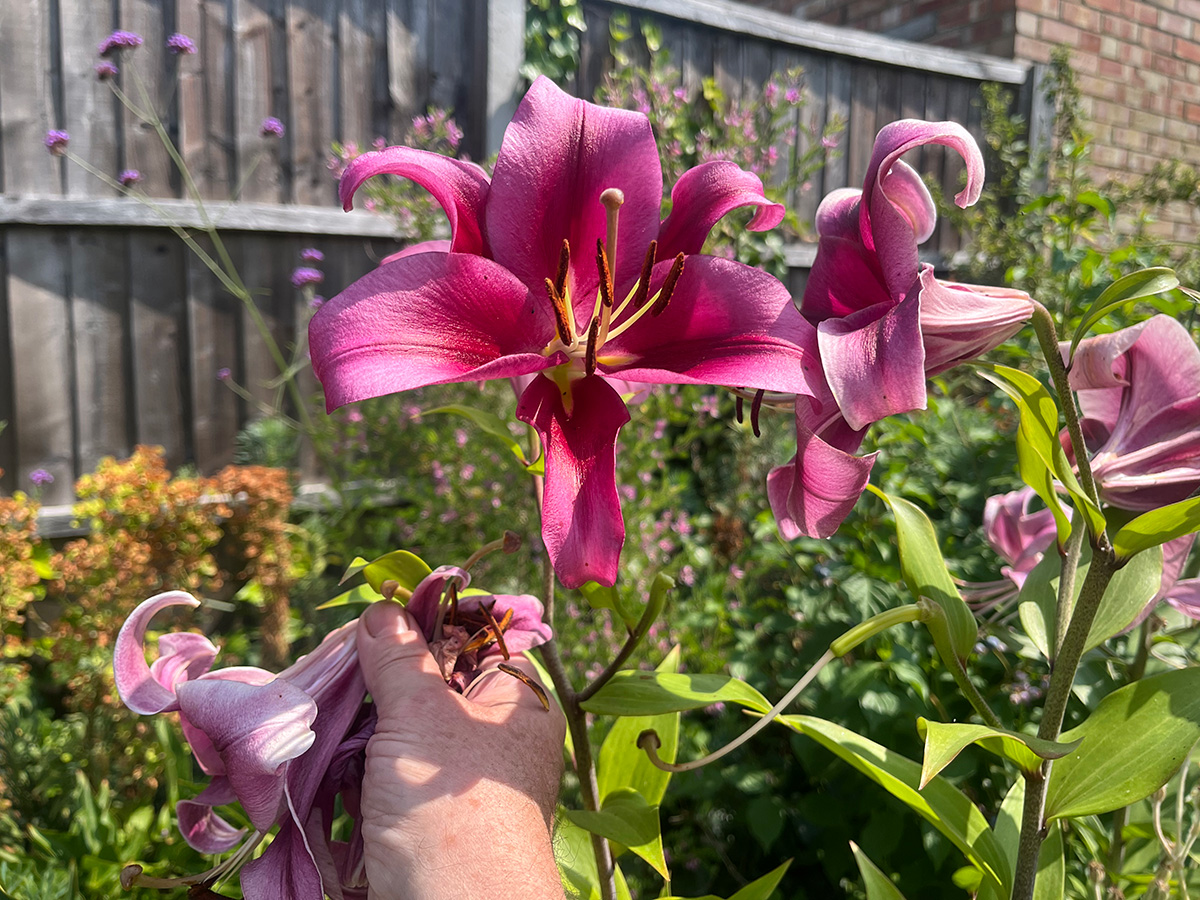
Once the flowers fade, carefully remove them and the developing seedpod behind them; you don’t want them to waste their energy on producing seeds, but rather building up the size of the bulb.
Don’t be tempted to cut down the flower stems until after they naturally turn yellow/brown and start to die back. Until then, feed regularly with a liquid fertiliser, such as Flower Power to build up the size and strength of the bulbs.
Lilies are great container plants and can be kept in their pots from year to year. There’s no need to remove them or repot them, unless they have become congested and flowering is reduced. In which case, carefully lift them and repot them in fresh compost when they’re dormant in autumn.
And always check plants regularly, ideally daily, for any lily beetle adults, grubs and eggs on the leaves.
Take cuttings
If you want to save money on next year’s bedding and patio displays, then this is the best month to take cuttings of fuchsias, pelargoniums, osteospermums, argyranthemums (marguerites) and the wealth of other half-hardy perennial plants. You will need somewhere to overwinter the young plants frost free with good light, such as a heated greenhouse, growing frame or conservatory.
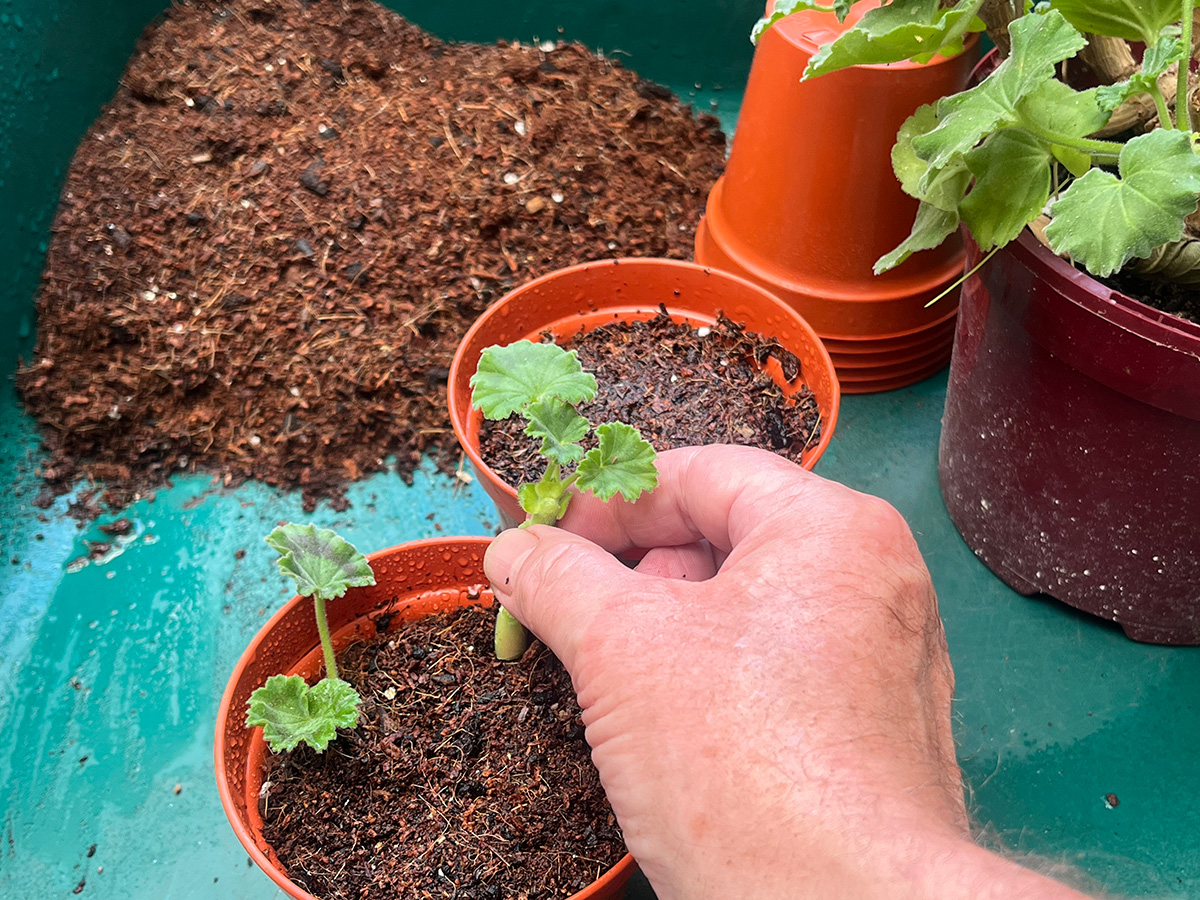
Choose strong, healthy young shoots that aren’t flowering. If you can’t find suitable growth, cut back hard one or two shoots at the back of the plants to encourage strong regrowth. Take cuttings 7.5-10cm long, cutting just below a leaf joint, or node. Remove the leaves from the lower two-thirds of the stem and insert five or six cuttings in pots of gritty, cuttings compost to the base of the lowest leaves. Place the pots in a plastic bag (except pelargoniums) or in a propagator and place somewhere in good light, but out of direct sunlight, to root.
The cuttings should have rooted in two to three weeks, when they can be potted up individually and grown on.
This is also the time to propagate a range of shrubs – such as ceanothus, choisya, hebe, hydrangea, lavender and philadelphus – from semi-ripe cuttings.
Take 10-15cm long cuttings from this year’s growth and treat in the same way as half-hardy perennials, but you will probably need to treat the cut end with hormone rooting powder or liquid.
Plants that can be difficult to root – such as rosemary and lavender – can also be propagated from heel cuttings. Carefully tear off a sideshoot about 10-12.5cm long from the main stem ensuring there’s a small sliver of bark – or ‘heel’. Remove the leaves from the lower two-thirds and then treat the cuttings in the same way.