September is regarded as the first month of autumn. But, in recent years, it seems more like another month of late summer! Autumn is a very busy time in the garden and lots of things need doing now. Yes, you can wait a bit later in the year, especially if weather conditions aren’t right, but the more you can do this month the better.
As well as planting the essential spring-flowering bulbs and winter/spring bedding plants, as soon as the soil gets some much-needed moisture you can plant just about anything else – trees, shrubs, perennials, roses, hedging – as long as it’s winter-hardy in its first year.
You can even sow half-hardy annuals for an early summer floral display next year and keep sowing quick-cropping veggies, especially salad crops. And don’t forget broad beans; I love these emerald jewels, which if sown now give an earlier crop next year, when many other crops aren’t ready to eat, and they’re less likely to get the dreaded black bean aphid.
Plant of the month – Symphyotrichum
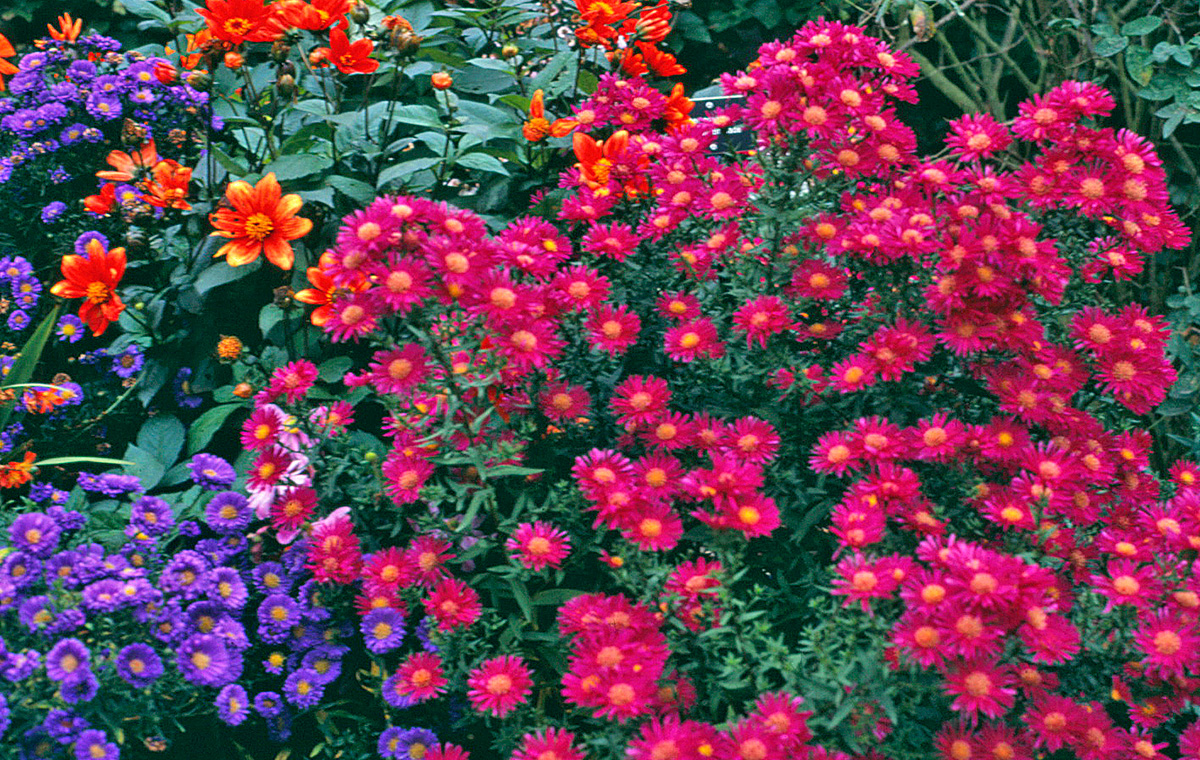
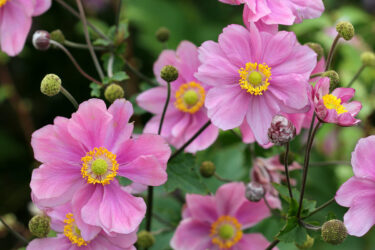
Never heard of symphyotrichums? But you’ve probably heard of asters – or Michaelmas daisies. They are, in fact, one in the same. In 2015, about 90 species of Aster, most originating in America including the Michaelmas daisies, S. novi-belgii, (New York asters) and S. novae-angliae (New England asters) were reclassified as Symphyotrichum rather than remaining as Aster.
Why does this happen? Botanists (and I used to be a botanist!) called taxonomists regularly check the provenance of plant groups (or genera). When they were originally given their botanical name, those that named them had nothing more than a hand lens or possibly a microscope to see which plants looked so similar that they should be grouped together in plant families or genera. Now, we have DNA profiling and electron microscopy that look much more closely at their genetics and fine morphological detail and so some plants are now grouped together because they have very similar characteristics or split apart because they’re actually quite different. And the latter is what has happened to asters, among several other genera in recent years, including Sedum (Hylotelephium) and Dicentra (Lamprocapnos); it’s just a shame they gave them such unpronounceable names!
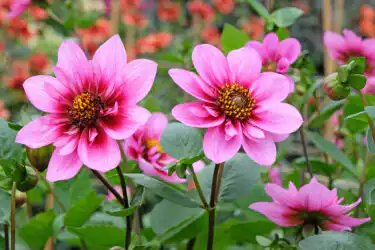
But all that aside, Michaelmas daisies are beautiful late summer and autumn flowers, brightening up our gardens as the seasons change and temperatures drop. They’re long flowering and come in a wide range of colours, many with bright yellow centres. Some of the best ones include: Symphyotrichum ‘Little Carlow’ bears masses of violet-blue flowers and is resistant to powdery mildew (HxS 90x45cm); Symphyotrichum novi-belgii ‘Chatterbox’ produces compact, bushy clumps with delightful lilac-pink flowers (HxS 50x50cm); Symphyotrichum novi-belgii ‘Royal Ruby’ is a compact variety covered in maroon, almost red, flowers (HxS50x50cm).
Where to grow
Michaelmas daisies prefer a sunny spot, but they will tolerate being in shade for part of the day. They prefer a moisture-retentive, free-draining, alkaline soil, but will also grow in heavy clay, as long as it doesn’t sit waterlogged in winter, as well as sandy, acidic soil, but will probably need regular watering during a hot summer.
How to care for it
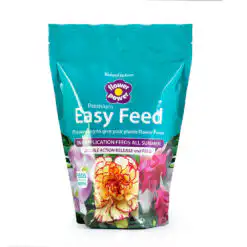
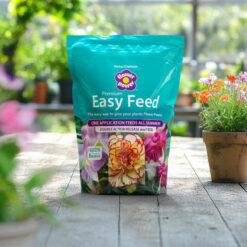
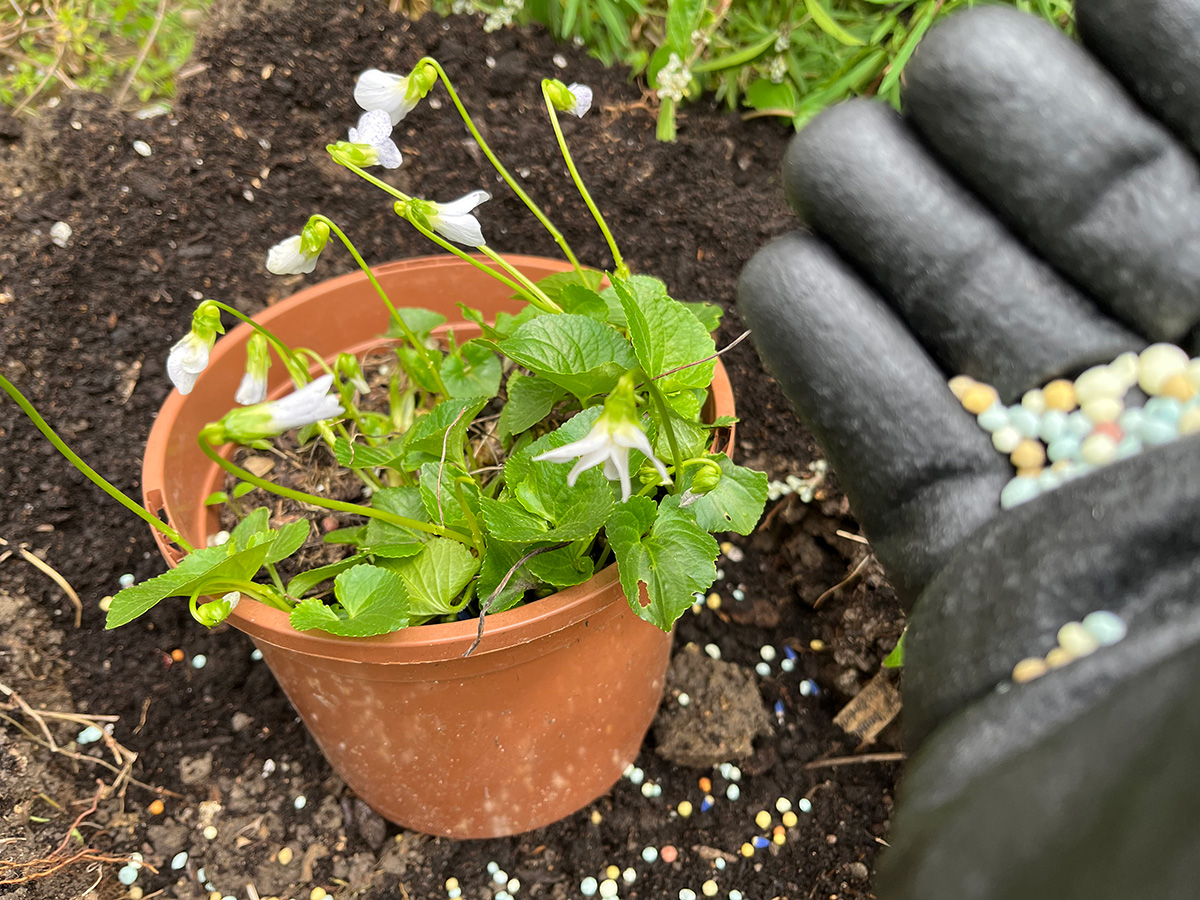
Mulch around the plant annually and ideally add a slow-release or controlled-release feed (such as Easy Feed) in spring. Water thoroughly in summer whenever needed to keep the soil consistently moist. Wherever possible, apply water at the base of the plant and avoid wetting the leaves; plants growing in dry soil with wetted foliage are more prone to powdery mildew disease.
Tall varieties may need staking, especially in windy areas. To produce bushier plants with more flowers, pinch out the top shoots of the stems in early summer to encourage branching, although this will delay flowering slightly. After the first hard autumn frost, cut down the stems to the ground to tidy up the plant and prevent self-seeding.
Every few years, lift and split congested clumps; old clumps become tired, don’t flower as profusely and are more prone to powdery mildew disease. Remove small sections of the younger growth from the outside of the clump and replant in well-prepared soil. The inner section is the oldest and not worth replanting.
Be creative – Using ground cover plants
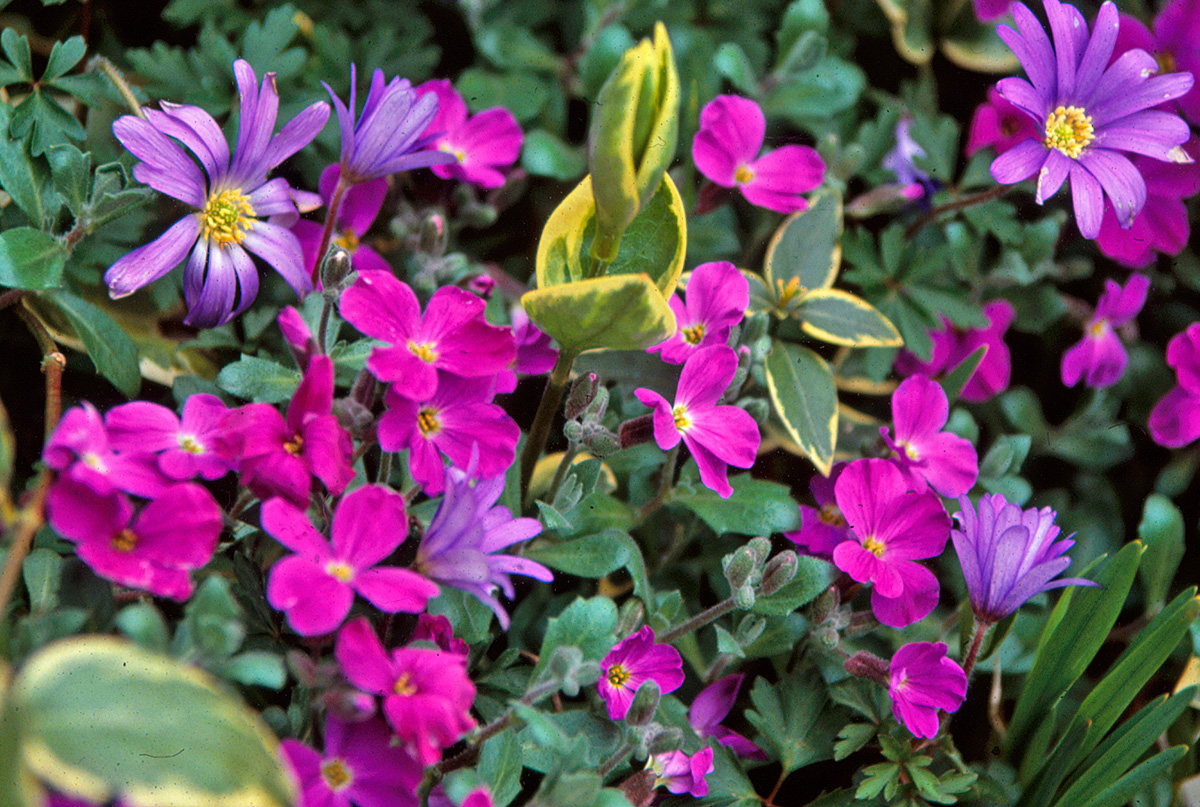
Bare soil in beds and borders is one of the bugbear of gardeners. Not only do they look messy and are a wasted opportunity to add more plants to the garden, adding a low layer or storey of planting and colour, they mean one thing – more weeds! Did you know gardening is a hobby?! And like other hobbies, it’s meant to be fun and enjoyable! If you want to spend the summer enjoying your garden, rather than all the time removing unwanted “weeds”, then planting ground cover is one of the weapons in your arsenal on the war on weeds.
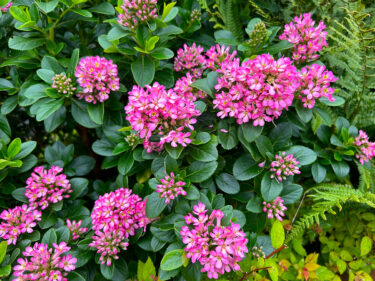
Lots of plants are termed suitable as ground cover. It doesn’t mean that they have to grow close to or hug the ground, like periwinkle (Vinca) and ivy (Hedera). Taller plants, as long as they have a dense, leafy, bushy habit, can also be regarded as ground cover. The image above contains a mixture of Aubrieta, Vinca minor ‘Variegata’ and then I popped in some Anemone blanda tubers for extra colour.
Search “ground cover plants” online and you’ll find a wealth of great plants that will help add masses more colour to your displays – and allow you to relax and enjoy your garden more.
This month’s myth busting – Lawns
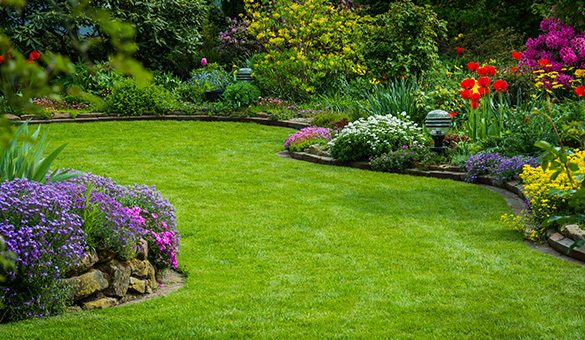
Our lawns are wonderful garden features; they help set off and complement our beds, borders and plants; they’re a haven for numerous types of wildlife; they’re great for your physical health because a well-maintained lawn needs a lot of physical input! But they’re also a source of a multitude of myths!
Leave grass clippings in place to act as a mulch and return nutrients to the soil. This is a “partial myth”, as leaving small grass clippings in place will act as a mulch. But the emphasis is small – or even tiny, which means very regular mowing – because large clippings will suffocate the lawn and lead to excess thatch and be food for casting worms (see below).
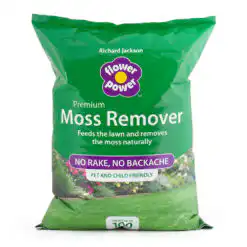
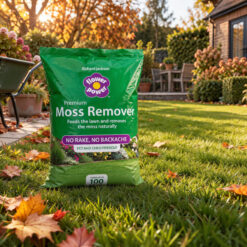
You only need to scarify to remove thatch when it becomes a problem. Scarifying to remove thatch should be part of your annual lawncare programme, either in spring, autumn or both. Excess thatch prevents the movement of air, water and nutrients in and out of the soil, causes the grass to go yellow, encourages moss growth and is a source of food for worms that create unsightly wormcasts. And, actually, you shouldn’t remove all the thatch. A thin layer, less than 13mm deep, is beneficial as it acts as a mulch, helping to conserve soil moisture and reduce drying out in summer, and keeps the grass roots cooler.
If you’re going to spike your lawn to aerate it, you can use a garden fork. Well, while in theory you could, the likelihood is that this will have little positive effect and could be detrimental. The narrow holes rarely aerate properly and pushing the tines into a clay soil (most lawns that need aerating are on clay) is likely to smear the sides of the holes reducing air movement. It is far better to use a hollow-tine aerator or, for large lawns, hire a powered aerator.
It’s a good idea to roll the lawn with a garden roller. In fact, the opposite is true. Good soil contains air and water, essential for root growth and has a good, friable consistency. Rolling destroys this consistency and drives out the air and water, so roots don’t grow properly.
And finally, cutting the grass short is a good idea and means less mowing. Well, it certainly means less mowing, but it could lead to no mowing at all when the grass dies! Cutting the grass blades too short weakens the grass and plants will take a long time to recover and start growing again. The soil and grass roots are also exposed to the hot sun, causing yellowing and browning, and it can encourage the growth of weeds, moss and diseases.
Timely tasks
Here are two jobs you really should get on with this month.
Prepare for winter and spring colour
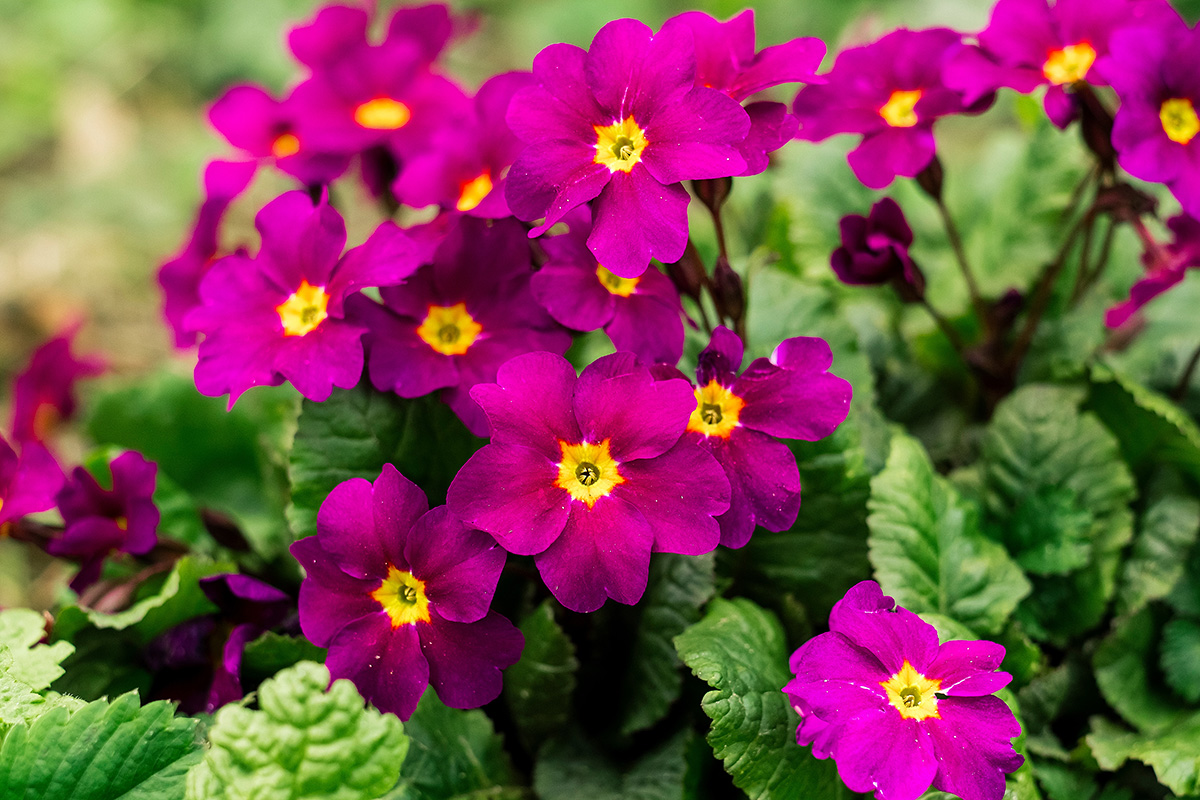
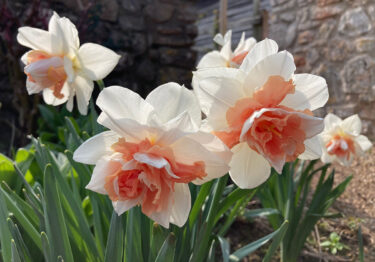
For months of colour from winter to late spring, you can’t beat the value of spring-flowering bulbs. Planting now will reap rich rewards next year – and years to come. Always buy top quality, top grade bulbs as they come with their flower buds and are guaranteed to flower in their first year – small, cheap bulbs may not.
It is often recommended to leave tulips until November, but this advice is now seen as unnecessary. Remember that there are lots of different bulbs to choose from as well as the common daffs, snowdrops and tulips, including Muscari (grape hyacinths), Chionodoxa (glory of the snow), Scilla, Ipheion and Crocus.
It’s also a good time to plant lily bulbs for a riot of colour next summer.
Winter and spring bedding is a classic plant combination with bulbs. And if the summer bedding is starting to look scrappy, remove it and replace with winter-flowering pansies, polyanthus and primulas, wallflowers, sweet William and bellis daisies.
Plant now to give the plants time to establish. The bigger the plants are come winter the better they’ll perform. If you can’t plant them direct into the ground yet, pot them up and plant out as soon as you can.
Bring in houseplants

Houseplants that have been enjoying a well-deserved summer holiday outside on the patio should be brought indoors before temperatures drop too much. Before bringing them inside, check them thoroughly for any hanger-oners – such as pests on the stems and leaves, particularly red spider mite, mealybug and scale insect, and slugs or vine weevil grubs in the compost.