Many of the UK’s most cherished gardens have their roots firmly planted in an artistic background and help us reaffirm our connection with people and the past. Gardens are creative spaces, and often attract writers and artists. Here are five arty gardens that are close to my heart.
Charleston
Firle, Lewes, East Sussex, BN8 6LL
Set in the picturesque village of Firle in the South Downs, Charleston is a horticultural oasis steeped in rich artistic and literary history. From 1916 to 1978, it was home to artist Vanessa Bell, sister of novelist Virginia Woolf, and her friend and lover Duncan Grant.
Bell set about painting every surface of the farmhouse, transforming the actual house into an ever-evolving work of art, and a hub for the intellectual aristocrats dubbed the Bloomsbury Group.
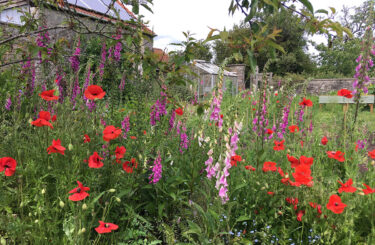
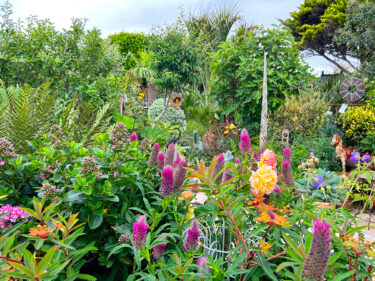
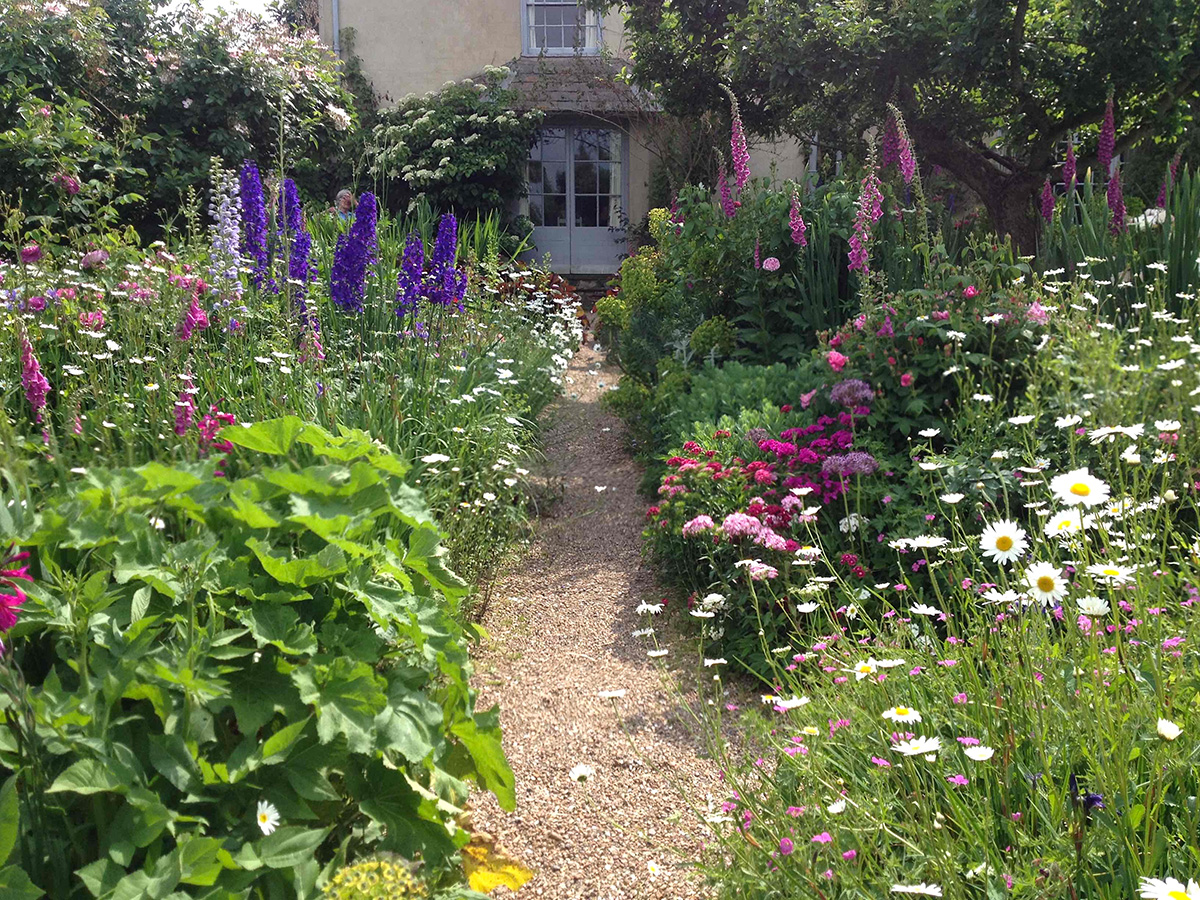
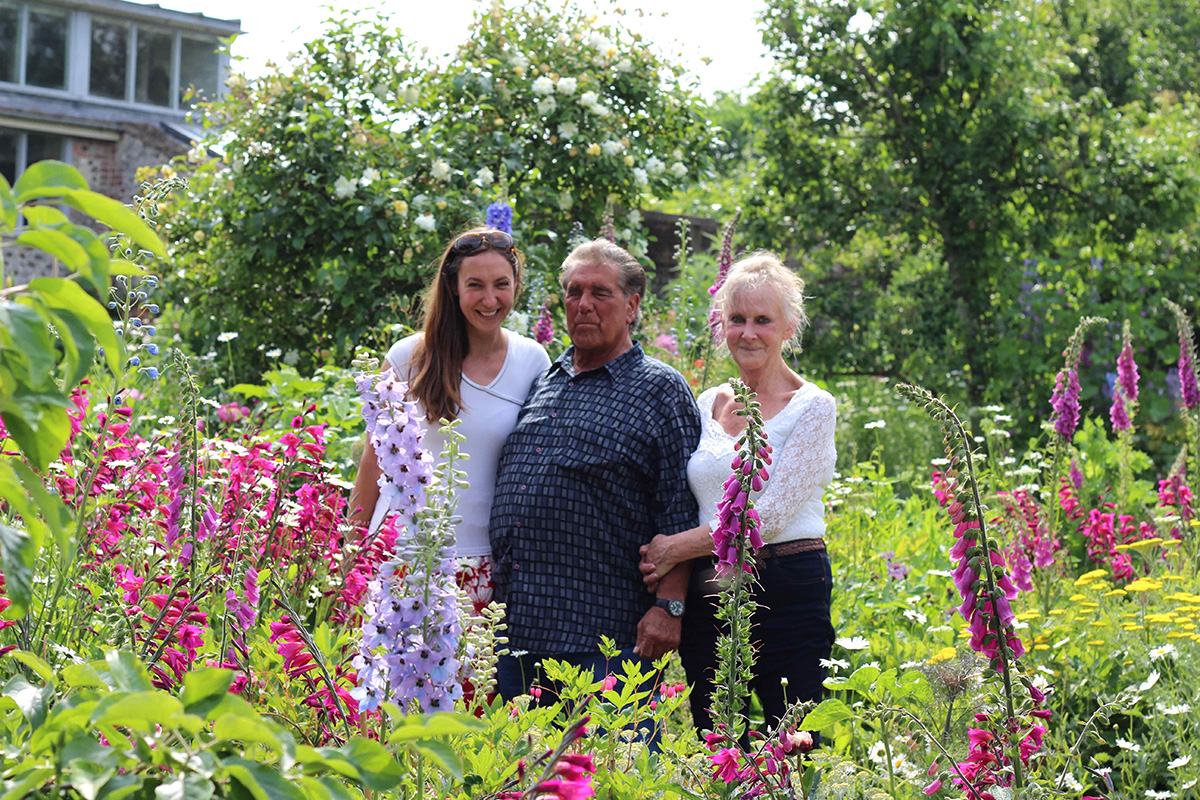
Painter Roger Fry designed Charleston’s walled garden, but Bell and Grant’s flair and creativity fused the cottage garden with Mediterranean influences to create a painter’s garden (see main image). This home and garden radiate history and art through every brick and plant.
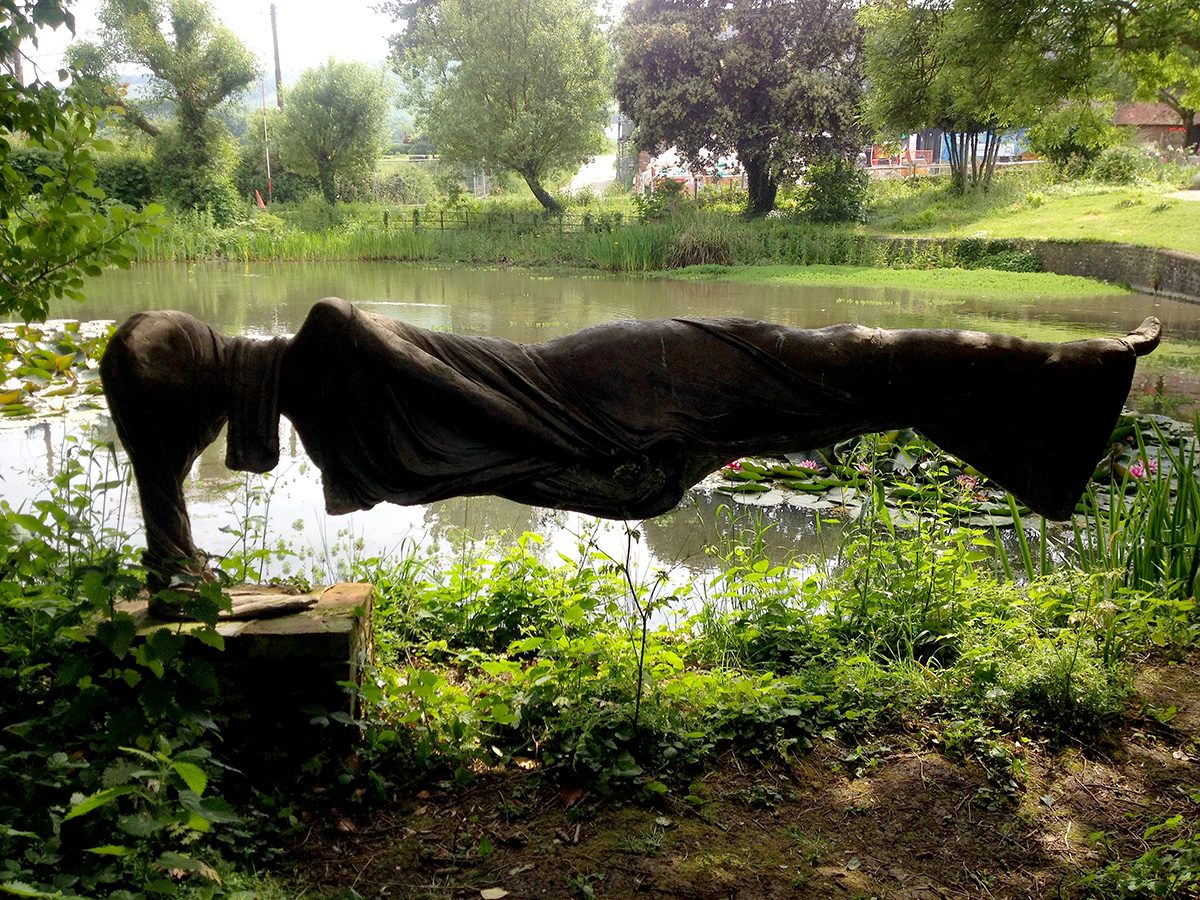
Imagination is teased by sculptures nestling throughout the grounds, many by Bell’s son Quentin, including the gravity-defying ‘Levitating Lady’ hovering by the romantic lake and ‘Pomona’, the Roman goddess of fruit and keeper of orchards, as well as tiled-edged pools and mosaic pathways.
Having visited many years previously with my parents, the garden always held happy memories of meandering along stem-strewn paths of rambling, vigorous perennials, and munching delicious cheese scones.
When I lost my Dad a couple of years ago, Charleston helped me to navigate this truly awful time when there was little light through the dark. My frequent pilgrimages home required increasing strength as Dad’s illness progressed. Charleston became my anchor after my long, cross-country drives.
Charleston gave me time to pause and breathe. Watching flowers unfurl marked the passage of time as the weeks progressed, but also provided hope, confirming that life goes on and will continue to go on, as with Charleston, even if some of us have parted ways.
Sissinghurst Castle Garden
Biddenden Road, near Cranbrook, Kent, TN17 2AB
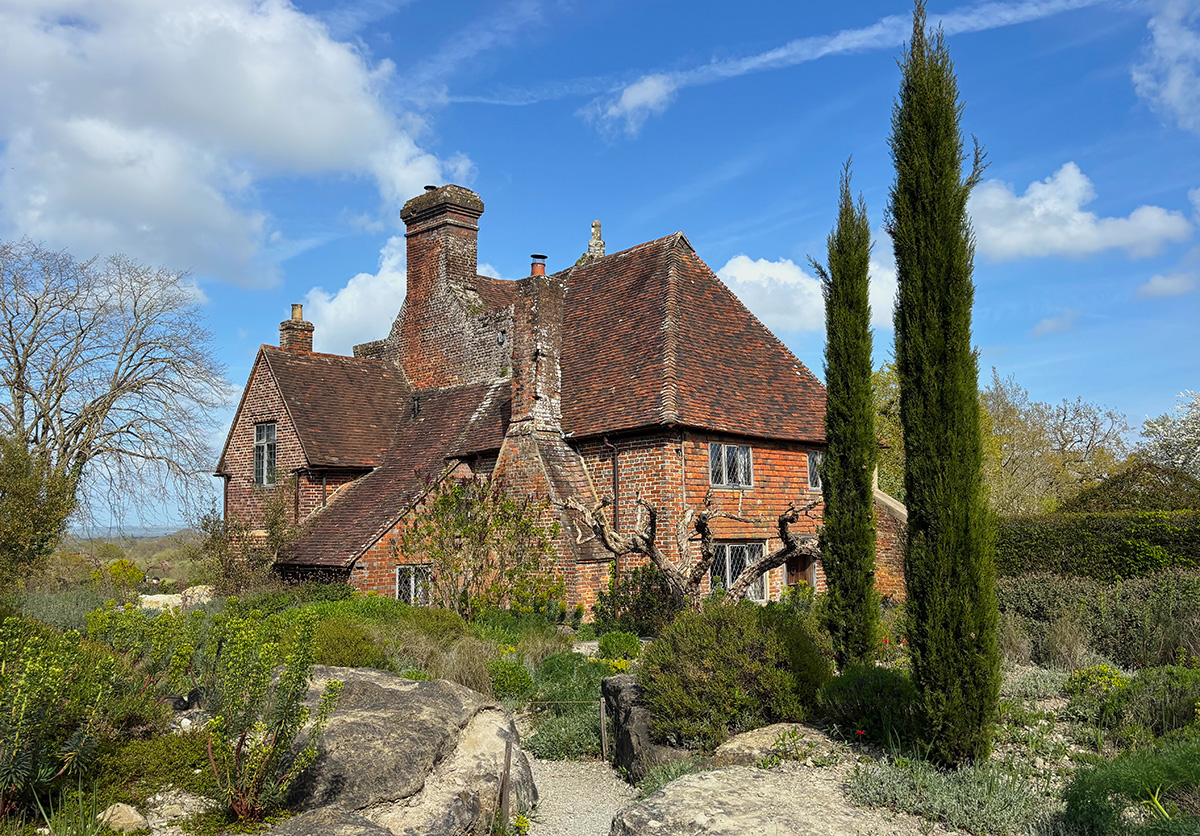
Sissinghurst is one of the most famous, iconic gardens of Britain. Nestled in the heart of Kent, this botanical haven was home to aristocrat, poet and writer Vita Sackville-West and her diplomat, author husband Harold Nicolson. Purchasing Sissinghurst in 1930, they restored this run-down Elizabethan mansion into what became the idolised epitome of English country gardens, captivating generations of visitors.
Renowned for its rose collection, Sissinghurst was taken on by the National Trust in 1967, where around 100 different cultivars were discovered on site. Subsequently, the garden has been lovingly replanted to incorporate the original 300 recorded cultivars.
By pulling together notebooks and diaries kept by Vita Sackville-West and the former head gardener, Jack Vas (1939-1941 and after WW2, 1946 until 1957), and with the return of passionate head gardener Troy Scott-Smith in 2021, the restoration has gone from strength to strength and is a joy to explore.
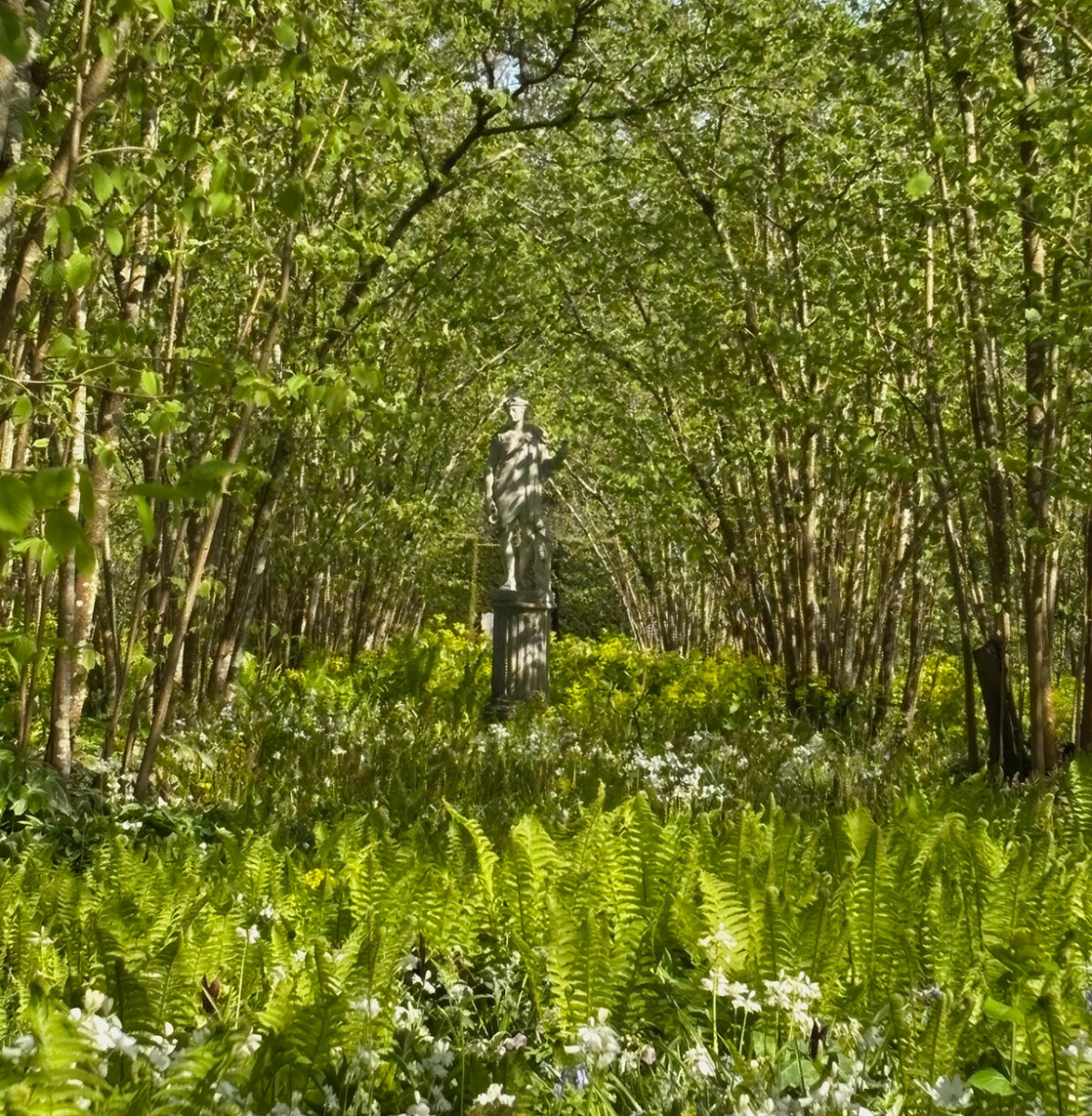
On a hot day, the dappled shade of the nuttery is a welcome retreat. After wandering around the plethora of garden rooms, ten in total, it was truly delicious to step from the white garden into the drought-tolerant Delos garden, finalised with the creative expertise of Dan Pearson Studio. Sissinghurst may be steeped in history, but the gardens prove they are still as relevant and progressive now as they were in Vita’s day.
Brantwood, Lake District
East of Lake, Coniston, Cumbria, LA21 8AD
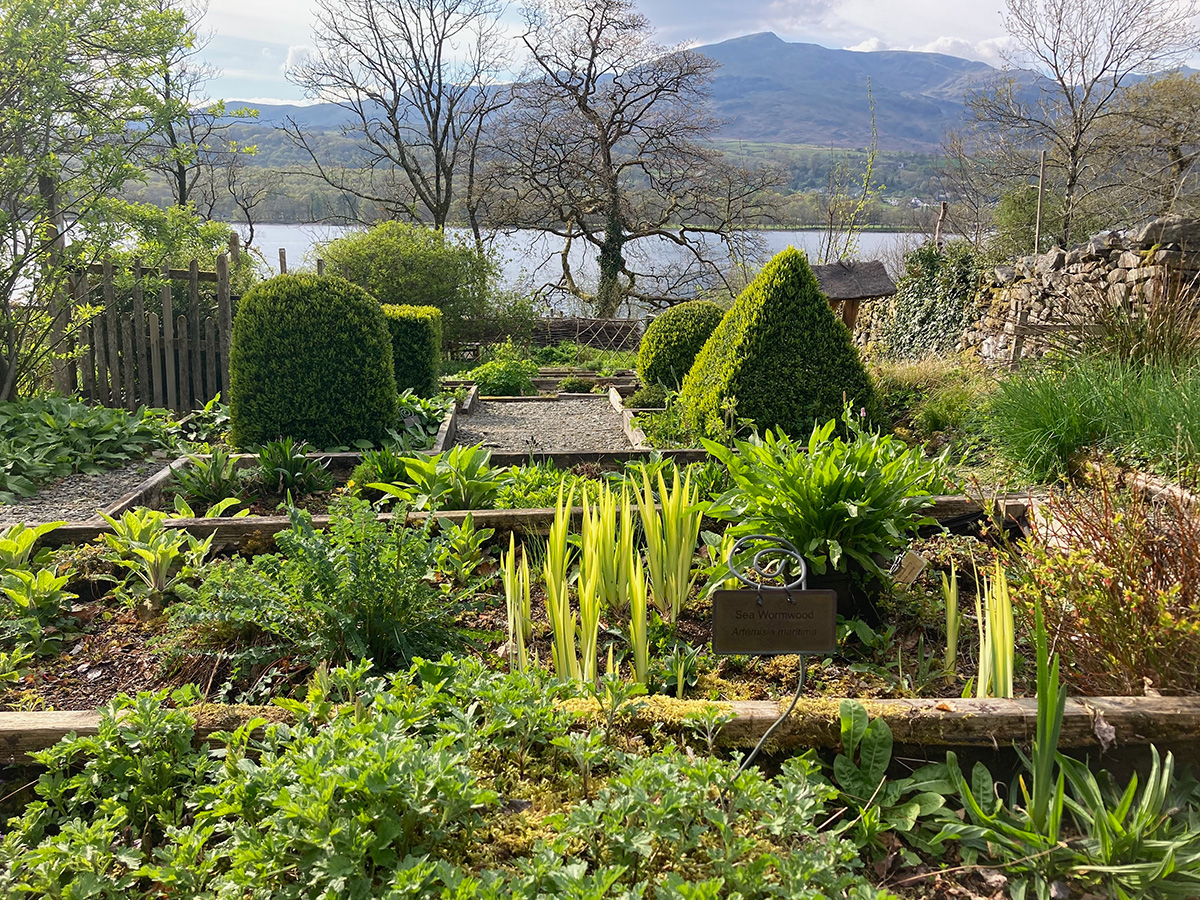
Brantwood, nestled in a panorama of Fells, was home to artist, writer, critic, plant scientist and social thinker John Ruskin. Noted as one of the most remarkable figures of the Victorian period, his home and gardens are as intriguing as his life.
Ruskin was a pioneer and expert in many fields, from botany and geology to literature and Gothic architecture. An avid conservationist, he studied climate change and the impact of pollution on the natural environment, discovering the ‘greenhouse effect’ one hundred years before it became commonplace.
His influence helped found the National Trust and Arts & Crafts Movement that inspired William Morris and Edward Burne-Jones to become artists; he also championed the Pre-Raphaelite Brotherhood and Turner.
After numerous visits, I always discover another aspect to explore within the 250 acres of woodland garden and farmland. Under the dappled canopy of trees where artists gathered to paint, to the whimsical mansion rooms, crammed with cabinets of collected curiosities, Brantwood oozes Victorian charm through and through, and I can’t help pondering the conversations and ideas that came to fruition here.
Brantwood is split into eight unique gardens, or living experiments, that continue Ruskin’s ideology. Zig-Zaggy, Hortus Inclusus. Trellis and Harbour walk, Fern, High, Moorland and the Professor’s Garden. Marvel at the 130-year-old Rhododendron ‘Broughtonii’ trees, or the equally statuesque Acer palmatum on Maple Walk. Brantwood is a creative time capsule.
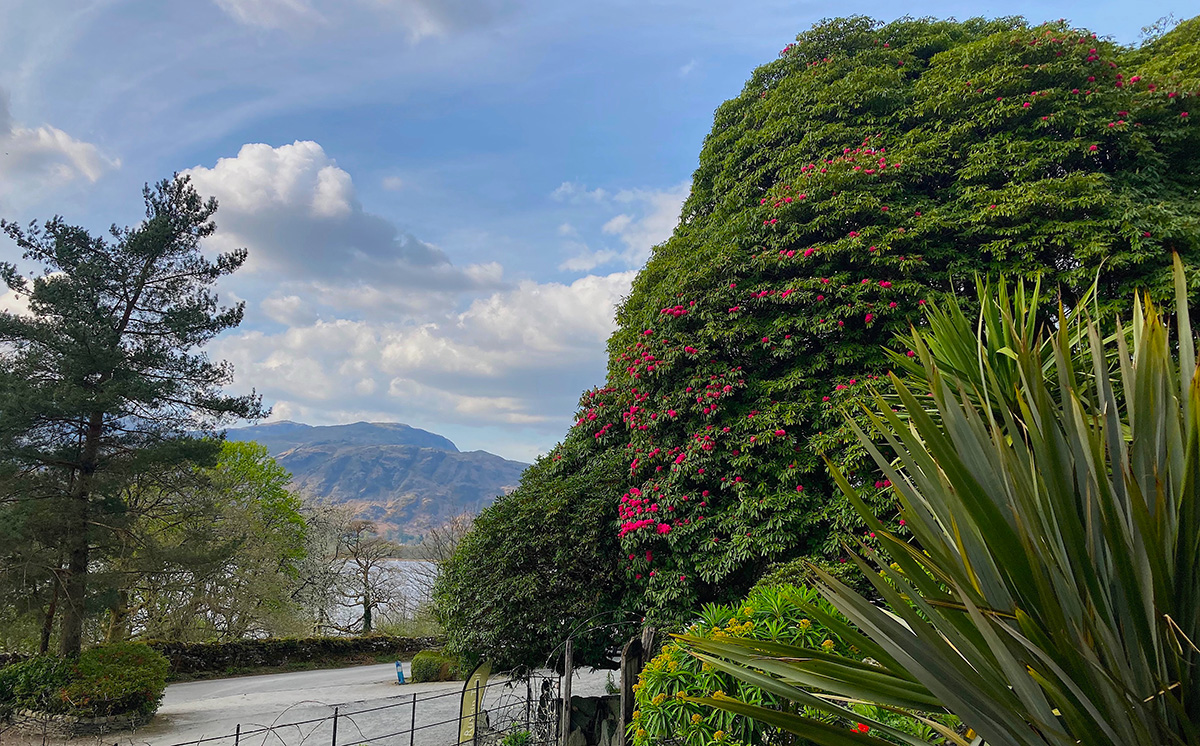
Swapping the peaceful Lake District fells for the busy streets of London, Brantwood won gold for its National Plant Collection of Wisteria exhibited at the 2026 RHS Chelsea Flower Show.
Barbara Hepworth Museum and Sculpture Garden
Barnoon Hill, St Ives, Cornwall, TR26 1AD
Elevated above the picturesque Cornish fisherman cottage rooftops nestles an exquisite fusion of planting and art, the Barbara Hepworth Museum and Sculpture Garden. Barbara Hepworth moved to Cornwall in 1939 with her husband Ben Nicholson and their young family, creating the masterpieces that we cherish today in her Trewyn Studio from 1949 until she died in 1975.
She used sculpture to explore spaces inside and out, through holes in bronze, wood and stone, framing the view beyond, coaxing visitors to circumnavigate her artwork and experience it from multiple angles.
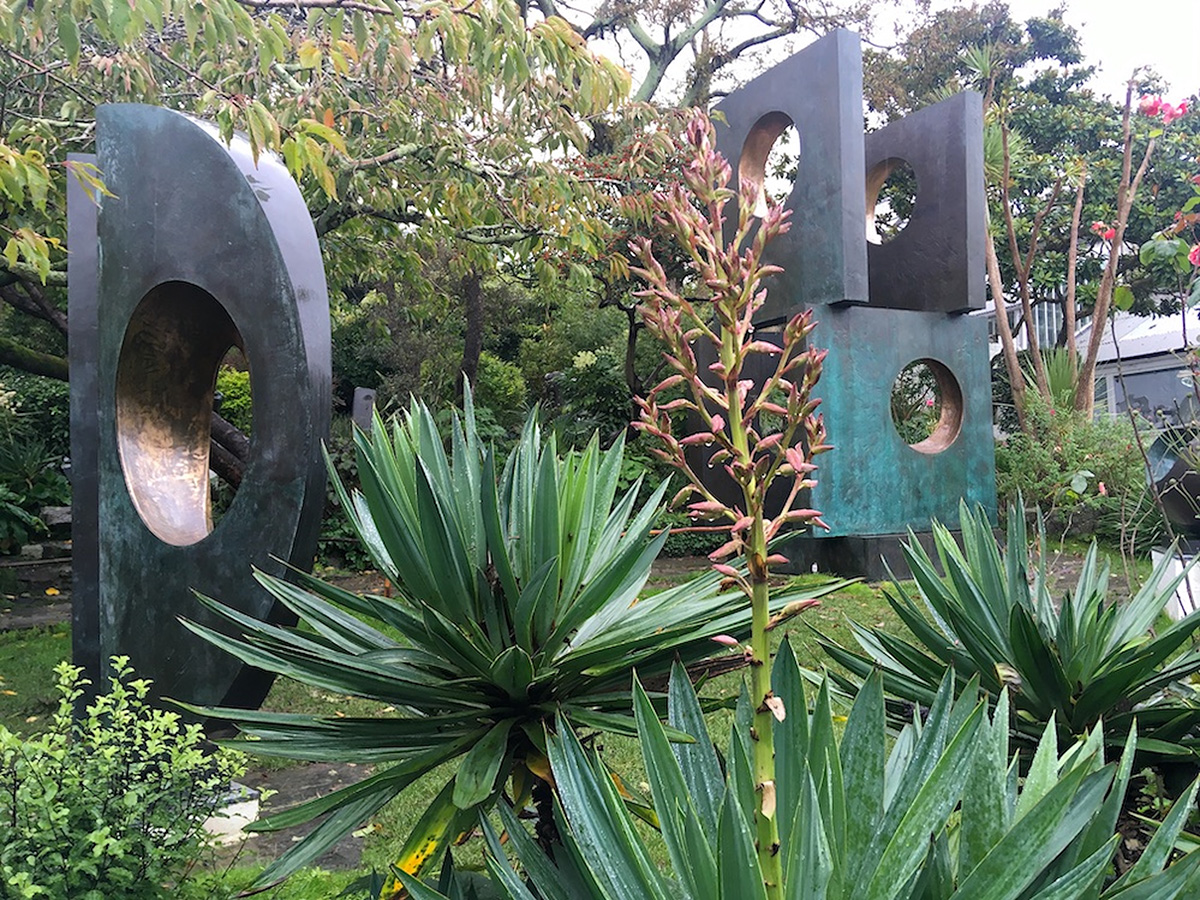
Although the garden is of modest size, its clever layout meanders back and forth to create an immersive experience. While you are in the heart of bustling St Ives, you truly feel like you have escaped into an enchanted private world. Boundary walls are masked by multi-coloured bamboo stems, large-leaved tropicals and graceful tree canopies.
Kew Gardens, Sitio Litre Garden and La Orotava Botanical Garden
- Kew Gardens, Richmond, Surrey, TW9 3AB
- Sitio Litre Garden, 38400 Puerto de la Cruz, Tenerife
- La Orotava Botanical Garden, C/ Retama, nº 2 38400 Puerto de la Cruz
OK, technically, this is three gardens, but they are all linked by one very important person: Marianne North. North is one of the most important botanical artists of all time. Flying against the restraints of the Victorian era, she explored the world in search of recording rare plants with simple brush strokes and shock horror – she was a woman!
Kew Gardens holds a permanent collection of over 800 of her botanical art paintings at the Marianne North Gallery. North agreed to build this gallery if the Kew Director at the time, Joseph Hooker, would display her work. The rest is history. The gallery opened in 1882 and is still open to this day.
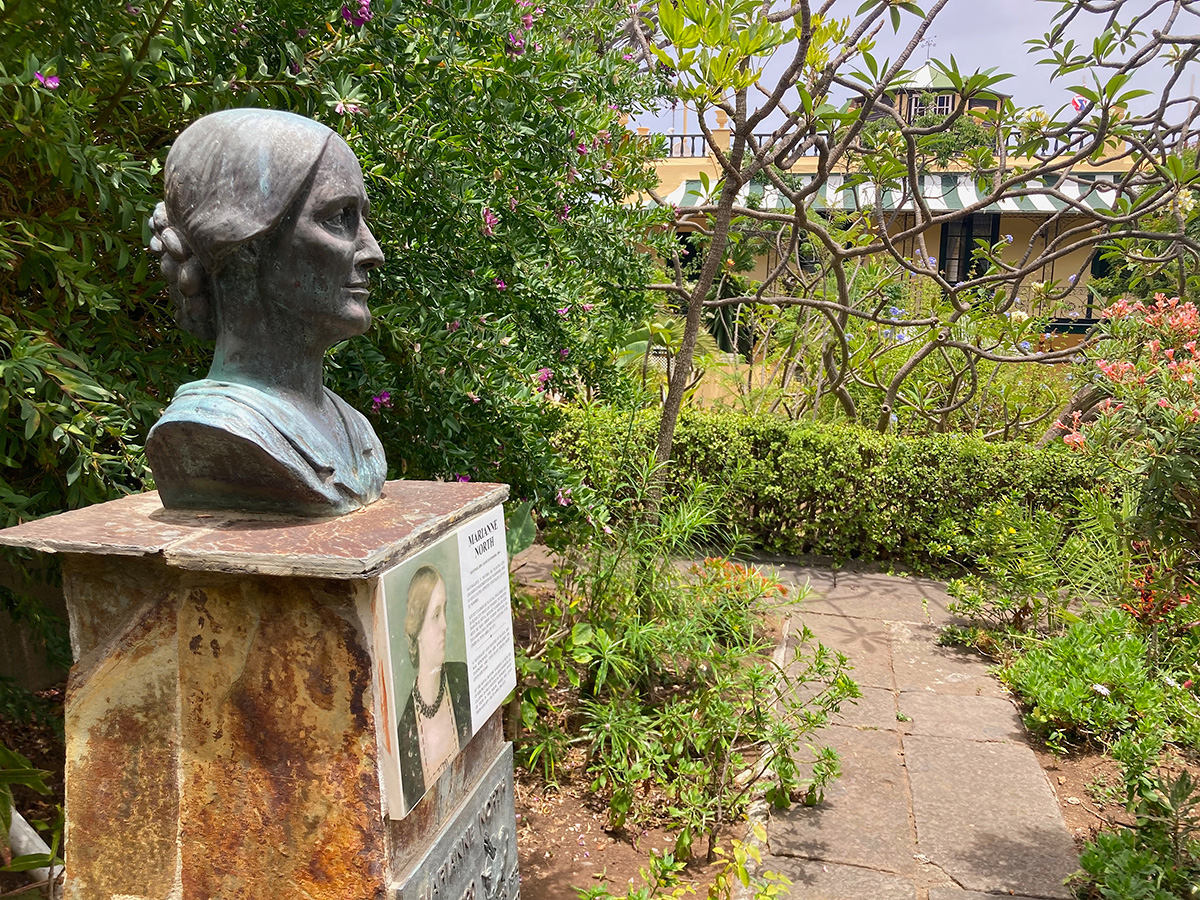
This inspirational trailblazer challenged socially acceptable norms of the time, travelling solo globally, painting plants in their natural environment, and leaving a legacy for future generations.
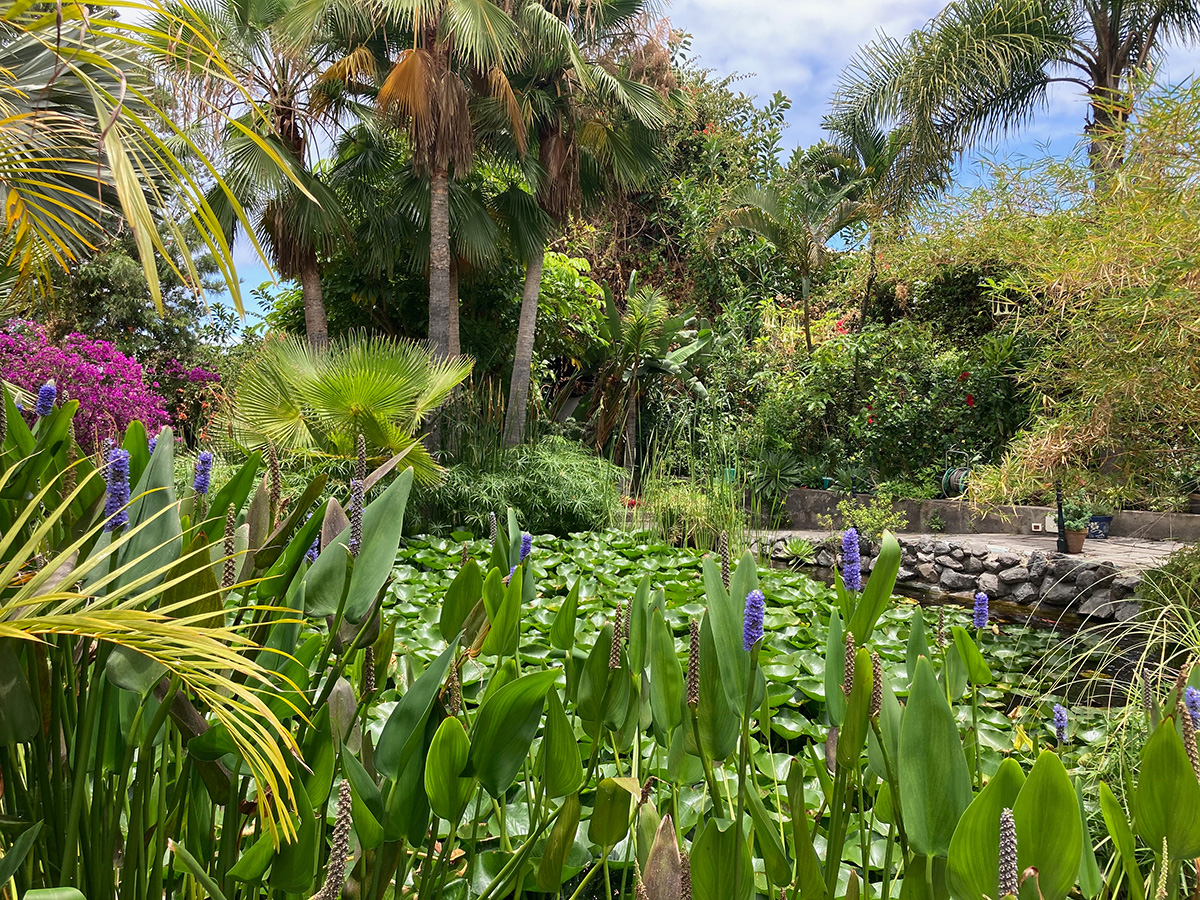
To say these gardens were breathtaking is an understatement. Well worth a visit alongside the jaw-dropping tropical lushness of the 18th-century Jardín Botánico, the Botanical Garden of Orotava. This 20,000m² scientific sanctuary showcases over 1,500 exotic subtropical and tropical plant species, as well as research and conservation projects of endemic species.
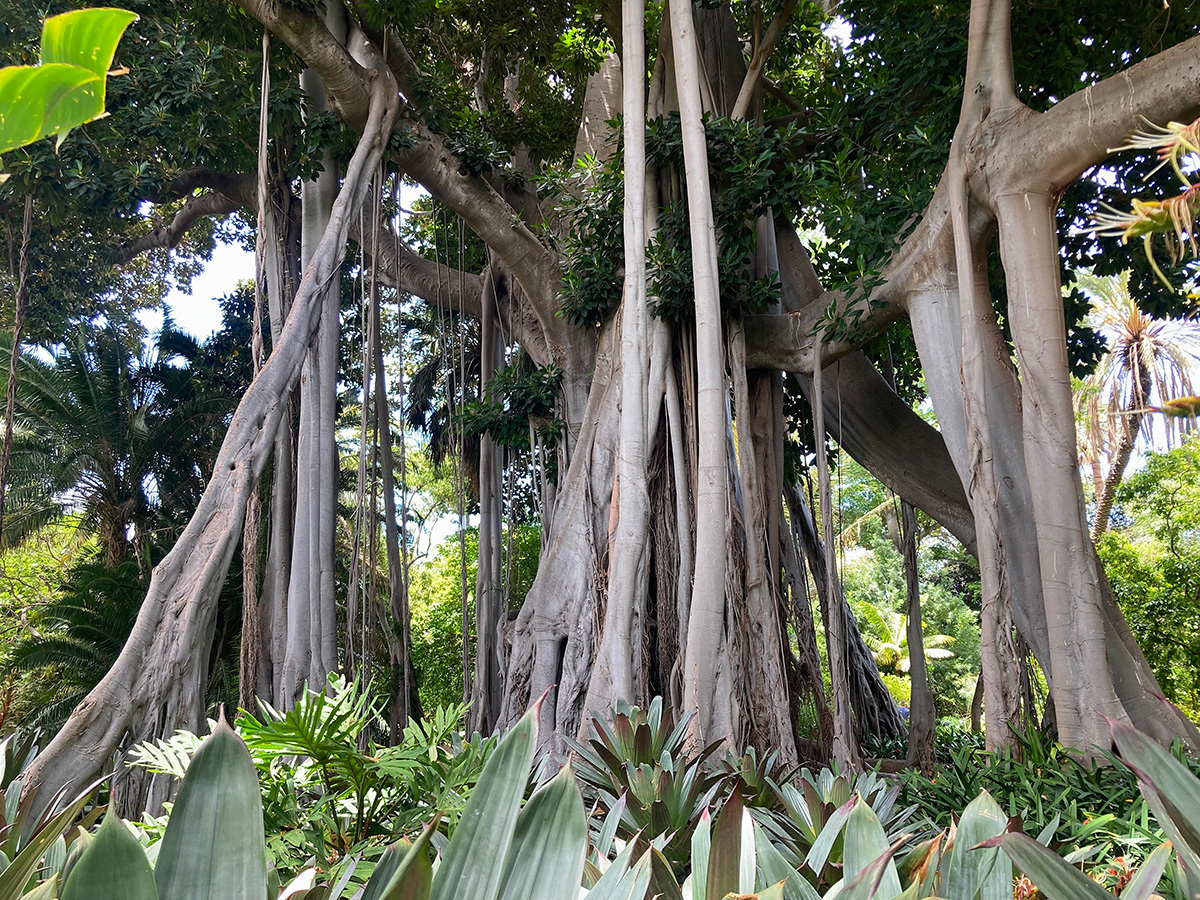
Four years ago, I was lucky enough to visit a couple of significant gardens on North’s travels to Tenerife. The historic orchid garden, Sitio Litre and Jardín Botánico, the Botanical Garden of Orotava, Puerto de la Cruz, where she stayed for a few months during 1875, capturing 29 oil paintings of the islands’ spectacular flora and landscape from the garden’s magnificent 600-year-old giant dragon tree (Dracaena draco) to volcanic scenes of Mount Teide.
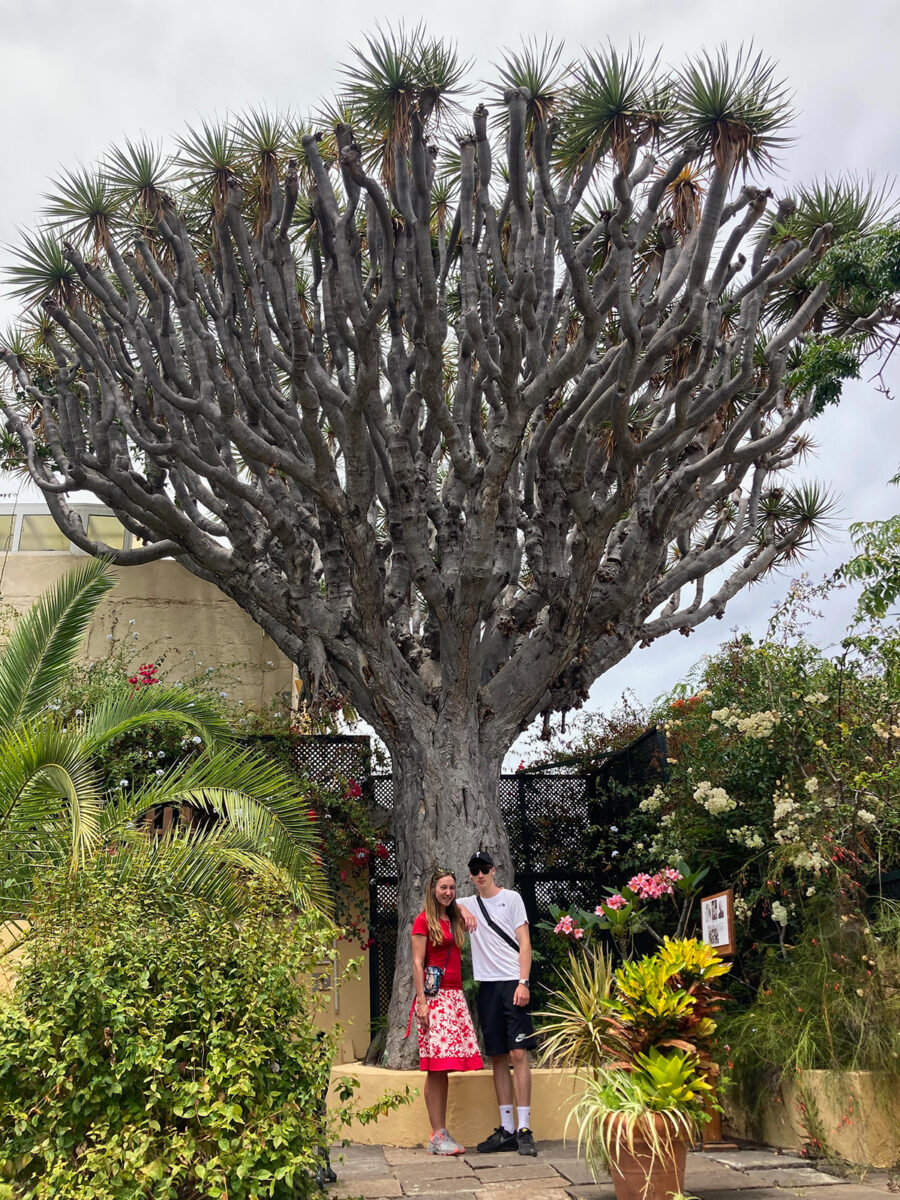
These gardens boast a famous 200-year-old fig tree, with massive, sprawling aerial roots; it is a sight to behold. It was humbling to return with my husband and son in 2022 and relive the magic I felt as a child visiting with my parents in the 80’s. Life coming full circle!