Feeding safely: Before putting food out, check our current seasonal feeding and hygiene advice. It explains the seed-feeding season, suitable feeding methods and precautions for suet and mealworms.
Looking for the best way to feed birds? Feeding birds brings your garden alive, adding a delightful, animated and colourful dimension to your garden, says Jean Vernon.
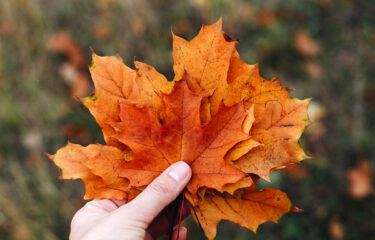
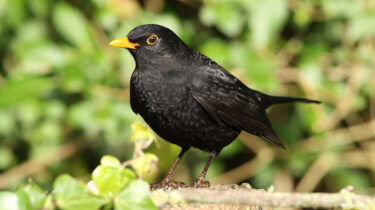
As the leaves start to fall and our borders die back, the garden wildlife and especially the birds are looking for food and urgently feeding up before winter. The wonderful thing about the birds in our gardens is that they become wild pets, arriving in the garden looking for food and repaying our kindness in abundance. That’s because many birds eat insects and some of those are the bugs that bother our plants. Ground feeders like thrushes and blackbirds that scrabble around the leaf litter, under hedges and within the borders devour all sorts of creatures that might be overwintering, or preparing to feast on your flowers. These native insects provide a vital source of food for all kinds of wildlife and are themselves essential in many garden processes from pollination to decomposition.
A healthy garden has a strong population of every layer of the food chain so that the cycle of life can keep turning. By working with nature you can strengthen your garden and the huge diversity of birds and other wildlife that resides there.
High energy bird food
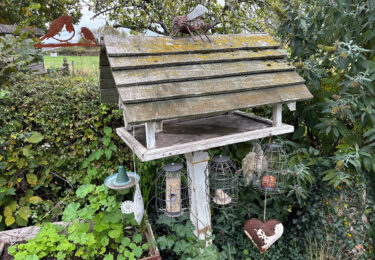
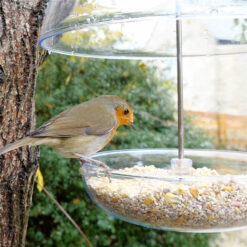
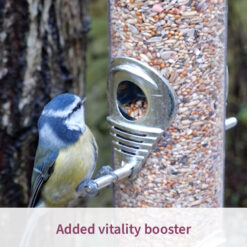
Choose a food and feeder that suit the birds visiting your garden, and match the portion to what they eat. Remove dropped food promptly instead of relying on birds to clear it from the ground. Keep food dry and avoid bird tables and flat feeding trays.

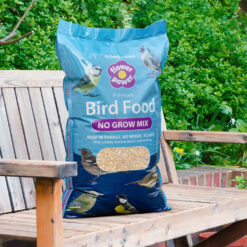
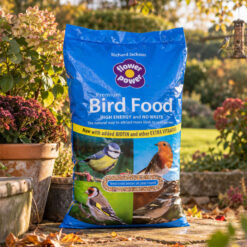
Richard Jackson High Energy Bird Food combines seeds, sunflower hearts, suet pellets, kibbled peanuts and dried mealworms. It has no wheat flakes, but its suet pellets contain wheat flour and wheat starch. Offer this complementary feed in a suitable hanging seed feeder during the recommended November-to-April season.
Nutrient rich suet balls
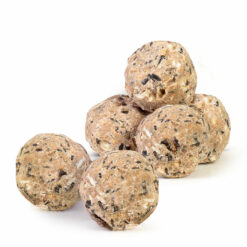
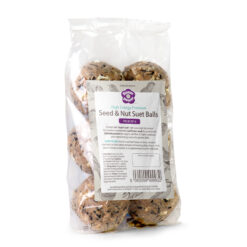
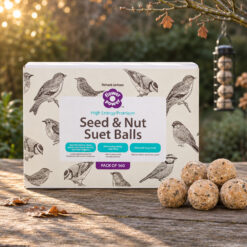
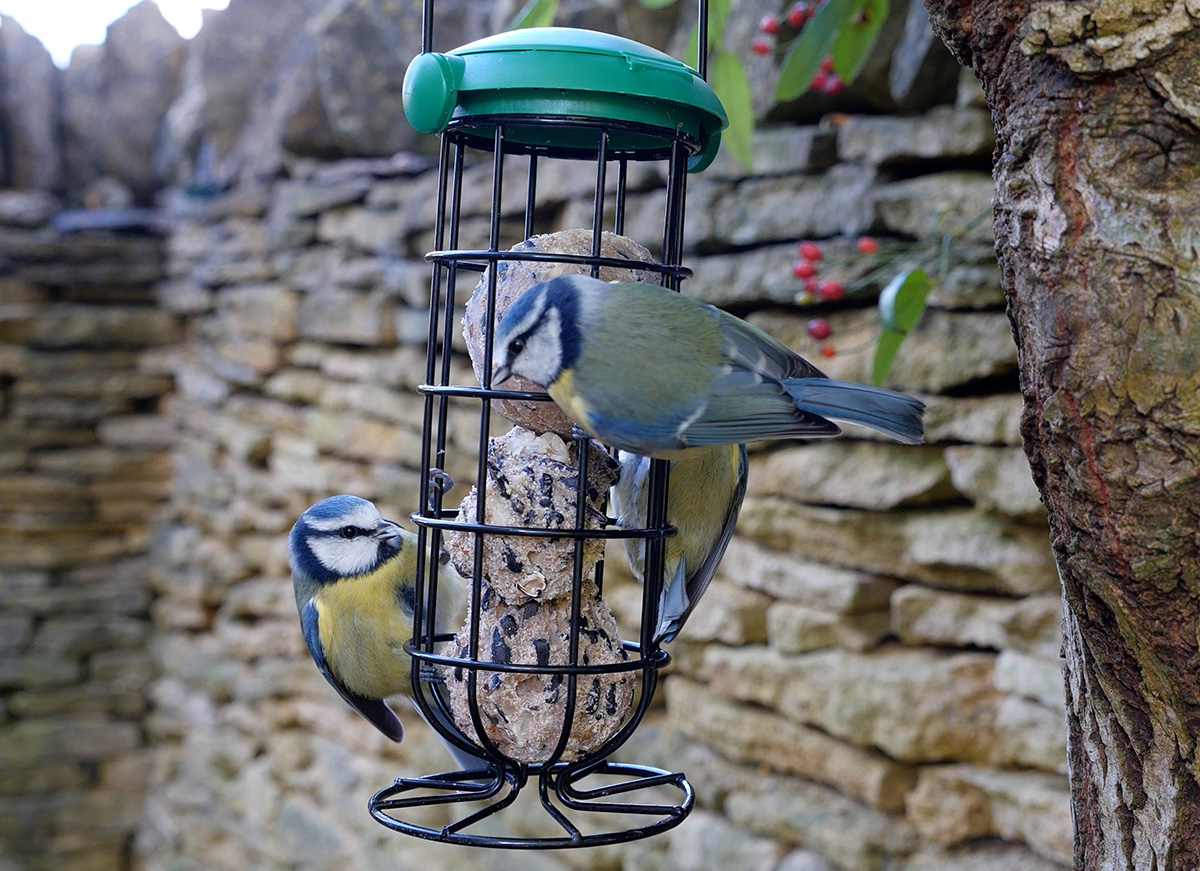
Richard’s High Energy Seed & Nut Suet Balls contain 25% sunflower seeds and 25% kibbled peanuts, with a declared crude fat content of 39.5%. Mealworms are not listed in this product’s composition. Use a suitable hanging suet feeder without a mesh bag.
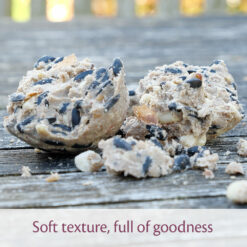
Offer Seed & Nut Suet Balls in a suitable hanging feeder without mesh bags during our recommended November-to-April season. Follow the current feeding guide above: remove suet within seven days, sooner if wet or spoiled, and clean and move feeders weekly. A soft texture is not evidence that a product resists melting in hot weather.

Seed heads

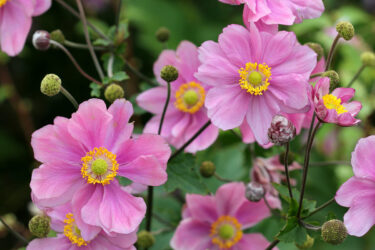
Don’t be too hasty cutting back your beds and borders. Flower seed heads are a vital source of food for seed eating birds. Gold finches, chaffinches and sparrows will feed on fallen seed and some will feed from the seed heads themselves. Flowers such as eryngiums, echinacea, sunflower, thistles and even the humble dandelion provide natural food for wild birds. Leave seed heads standing for birds to forage naturally; offer bought seed mixes in a suitable hanging feeder during the recommended season.

Garden berries
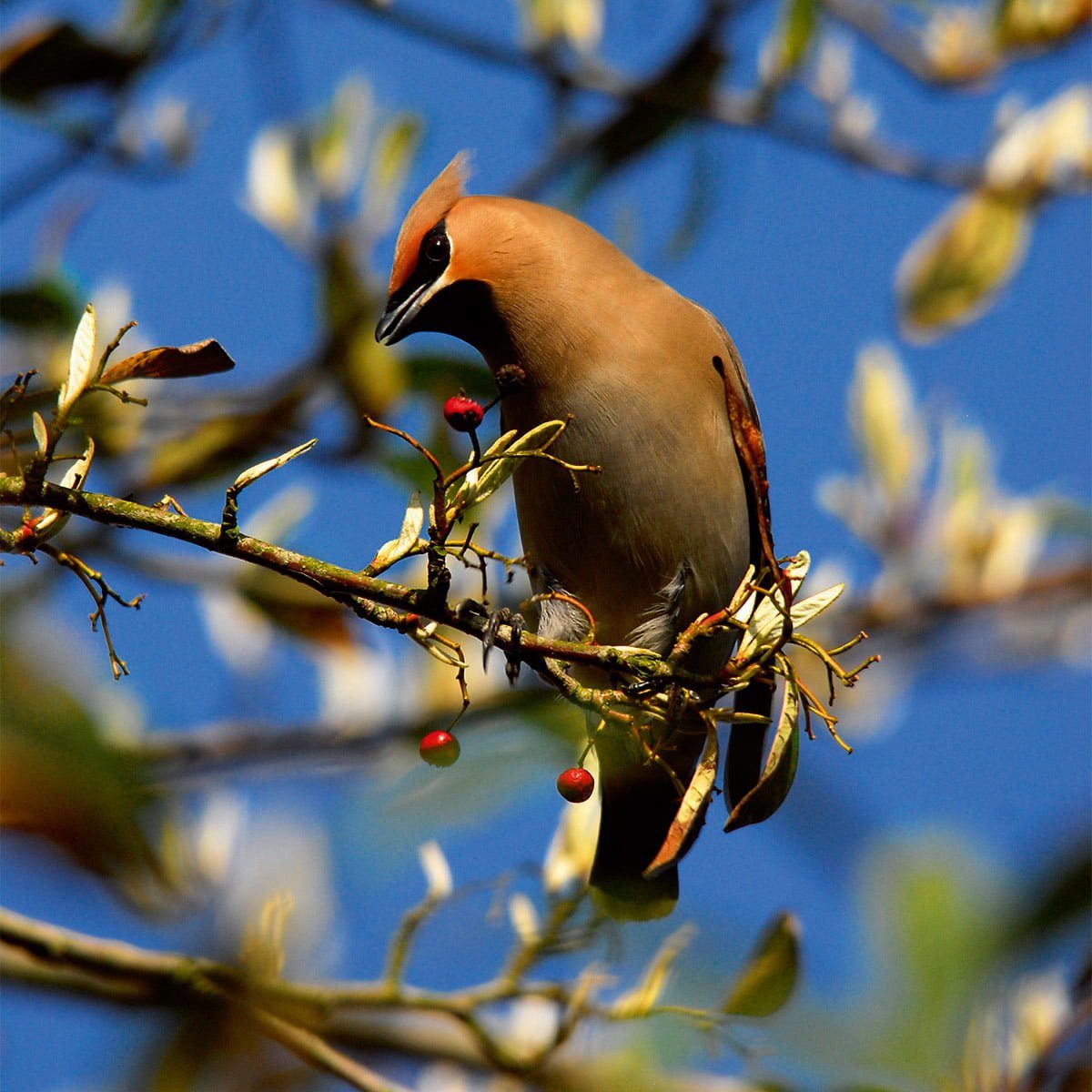
Fruit eating birds will relish a few berry bearing trees and shrubs, feeding on them in sequence as they ripen. Have a look at our Berries for birds article, for plenty of ideas. There are lots of lovely berry bearing plants that will add colour to your garden and offer the wild birds a fresh source of natural food. Leave them on the trees and shrubs for the birds to find and feast on and look out for some winter beauties like the wonderful waxwings and fieldfares.
For some more bird feeding advice have a look at our What do I need to know about feeding the birds article.