Watching garden birds is a rewarding way to enjoy wildlife. Feeding them safely means choosing food for the season, using suitable feeders and keeping feeding areas clean. The advice below follows the RSPB’s current guidance.
Seasonal feeding advice
The RSPB recommends offering seed mixes and peanuts only at certain times of year to help reduce the spread of disease. We suggest following the same seasonal advice for our Seed & Nut Suet Balls as a precaution because they contain sunflower seeds and peanuts. Check the RSPB’s seasonal feeding guide for what to offer and when, or see its expert answers about feeding garden birds.
General feeding guidance checked on 3 November 2026 against the linked RSPB sources.
How to feed garden birds
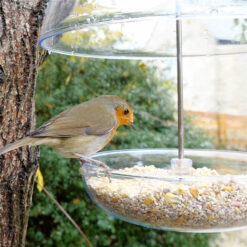
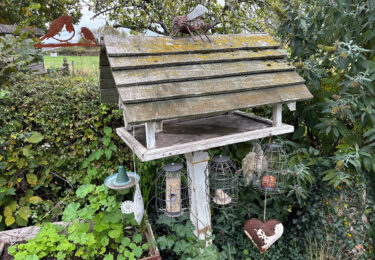
Choose a hanging feeder designed for the food you are offering and one that helps keep it dry. The RSPB now advises against bird tables and other flat feeding surfaces because contaminated food can collect there. Position feeders out of reach of cats, with nearby escape cover but away from places where droppings can fall onto the food. Move feeders regularly and clear the ground beneath them.
Why choose suet for colder-month feeding?
If you’ve never fed the birds suet you will be surprised, not just how much they love suet balls, but also how easy it is to add suet balls to your offering.
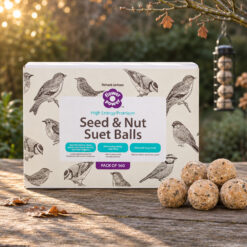
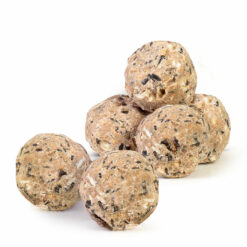
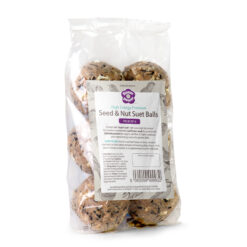
seed-and-nut suet balls can supplement the natural food in your garden. Check the seasonal advice above before putting them out.
Richard’s fat balls are, as you would expect, top notch! In fact, they are the ultimate choice for fast feeding the garden birds and offer optimum nourishment because they have been made from the very best ingredients.

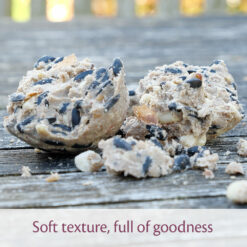
Suet is a fat-rich food that can be useful in colder weather. Richard’s Seed & Nut Suet Balls declare 39.5% crude fat on the pack. Use a suitable hanging suet feeder, and check the seasonal guidance above before feeding.
Richard’s High Energy Seed & Nut Suet Balls contain 25% sunflower seeds and 25% kibbled peanuts. The pack declares 14.5% crude protein, 9.0% crude fibre, 39.5% crude fat and 2.0% crude ash. They are a complementary feed for wild birds. Offer them in a suitable hanging feeder rather than scattering them on the ground.

Not all bird food is the same
Take a look at the bird food choice in the garden centre and the range of prices can be bewildering. You can buy very cheap bird food, but be careful. Like many things in life it’s best to buy the best quality you can afford. And that’s because cheap bird food is full of fillers like wheat grains and flakes and other material with little nutritional value to most garden birds. Look carefully at the mix. Are the sunflowers, for example, still in their seed coats? If so, the birds will have to work extra hard to get the seed out and they will make a mess dropping the shells to the floor. In the coldest weather, this extra exertion of energy is costly to such small creatures searching for food, not to mention the mess it makes. Bargain blends won’t always support or attract many of the garden birds you want to help.
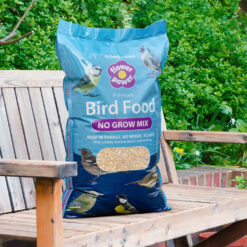
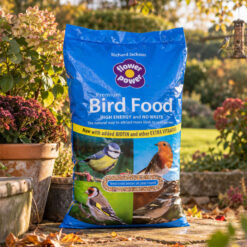
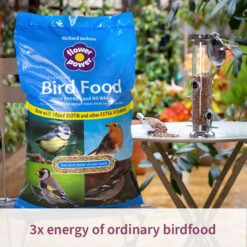
The key ingredients in a good bird food are hulled (shelled) sunflowers and peanuts (these should be kibbled/chopped in bird seed mix to prevent choking or can be presented whole on their own in a peanut feeder that allows the birds to peck them smaller). Other quality ingredients include energy rich suet pellets, protein rich mealworms, millet, naked oats and nyger seeds. If you buy a quality food such as Richard Jackson Premium High Energy Bird Food you will attract and support a wide range of wild birds into your garden. Richard Jackson’s Bird Food has been enhanced with more small seeds to attract a wider variety of small bird species to your garden.

You can also compare our wild bird food range to see the current seed mixes and suet options.
Small beginnings
Begin with small portions and adjust to demand. In the seed-feeding season, aim for seeds and peanuts to be eaten within one or two days. The RSPB gives a seven-day maximum for suet; remove it sooner if it is wet, spoiled or affected by heat. Clear uneaten mealworms by dusk. Empty old food before refilling rather than mixing it with fresh food.
Neat and tidy
Clear dropped food and droppings promptly, and do not return spilled food to a feeder. A low-waste mix still needs the same hygiene care. Wash and disinfect feeders at least weekly, rinse thoroughly and let them dry before refilling. Work outdoors with gloves and dedicated cleaning tools, following the disinfectant’s instructions. Replace drinking water daily and clean bird baths weekly. If birds appear ill, stop feeding and consult the RSPB’s current disease advice. See its feeder-cleaning guide for the full routine.

Unwelcome attention
Bird food can also be easy pickings for squirrels and other hungry creatures. If you want to prevent squirrels from feasting on your bird feeders choose a squirrel resistant design that prevents these acrobats from robbing the feeders. There is a wide range of squirrel resistant designs, some of which also preclude large birds from feeding. Buying in bulk can save you money but you need to consider your storage facilities. Bird food needs to be stored somewhere cool and dry.
If you are storing large bags of bird food in the shed or garage, it’s a good idea to choose a metal storage container that can’t be accessed by rodents, or other pests. You can store your bird food in an attractive metal bin that will fit large bags of bird food and use a handy metal scoop to transfer the seed to the feeder without spillage. Check whether the bin is designed for indoor use only. If you need to store bird food outside then use a metal dustbin and ensure that the lid is weighted down and that the food is stored carefully inside and kept dry at all times. Clear up any seed that you drop on the ground to avoid attracting trouble.
-
Subscribe & Save 20%Select options This product has multiple variants. The options may be chosen on the product pagePrice range: £19.50 through £38.00
-
Subscribe & Save 20%Select options This product has multiple variants. The options may be chosen on the product pagePrice range: £9.99 through £29.00 Free Delivery