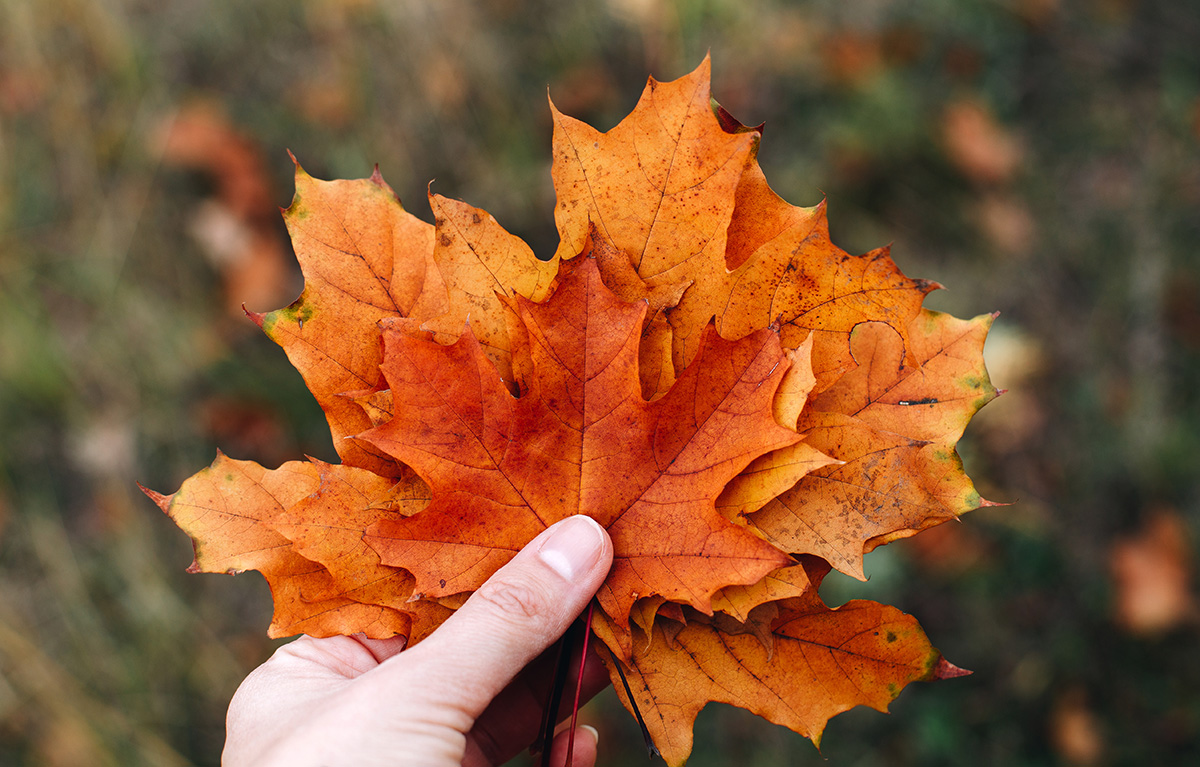
Don’t let the autumn leaves overwhelm you this season. Leaves fall for a reason, it’s how trees and shrubs remove waste materials. And before leaves fall they perform a fantastic swan song of colour and vibrancy for several weeks. Leaves are beautiful and can become the focus of autumn crafts. Children love to shuffle through piles of leaves in their wellies. Leaves also help in so many other ways around the garden. Read on to learn more.
Autumn hues
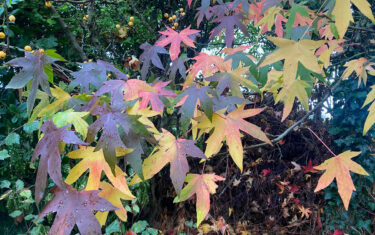
The first thing we notice as autumn sets in is the wonder of the autumn foliage. It’s wonderful to watch the colour change not just in our gardens, but also out in the countryside or even in tree lined streets in the town. It’s mostly leaves of deciduous trees and shrubs that become like living fireworks before they drop to the ground. Every autumn is different and often the intensity of the colour changes depends on the preceding weather and temperatures, some years being particularly spectacular. During the hot dry summer many trees dropped some of their leaves early. We need some lovely sunny days with some colder nights to trigger an autumnal spectacular. For some great trees for autumn colour, click here.
Insulation material
When the leaves cloak the garden they are actually protecting the soil and the plants beneath. It’s like a natural garden fleece that covers the plant crown. Some gardens cut the huge leaves of gunnera and place them over the plant crowns for winter protection. You can replicate this in your own garden with plants like comfrey and peonies, or cut back your garden ferns and use their feathery foliage to protect less hardy garden plants. Leaves will add a natural insulating layer to your plants, shelter for mini-beasts and will gradually break down and feed the soil too.
Nesting sites
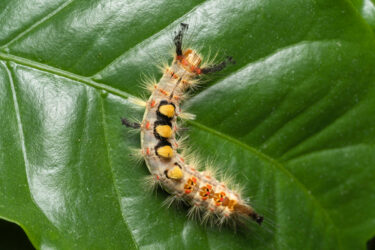
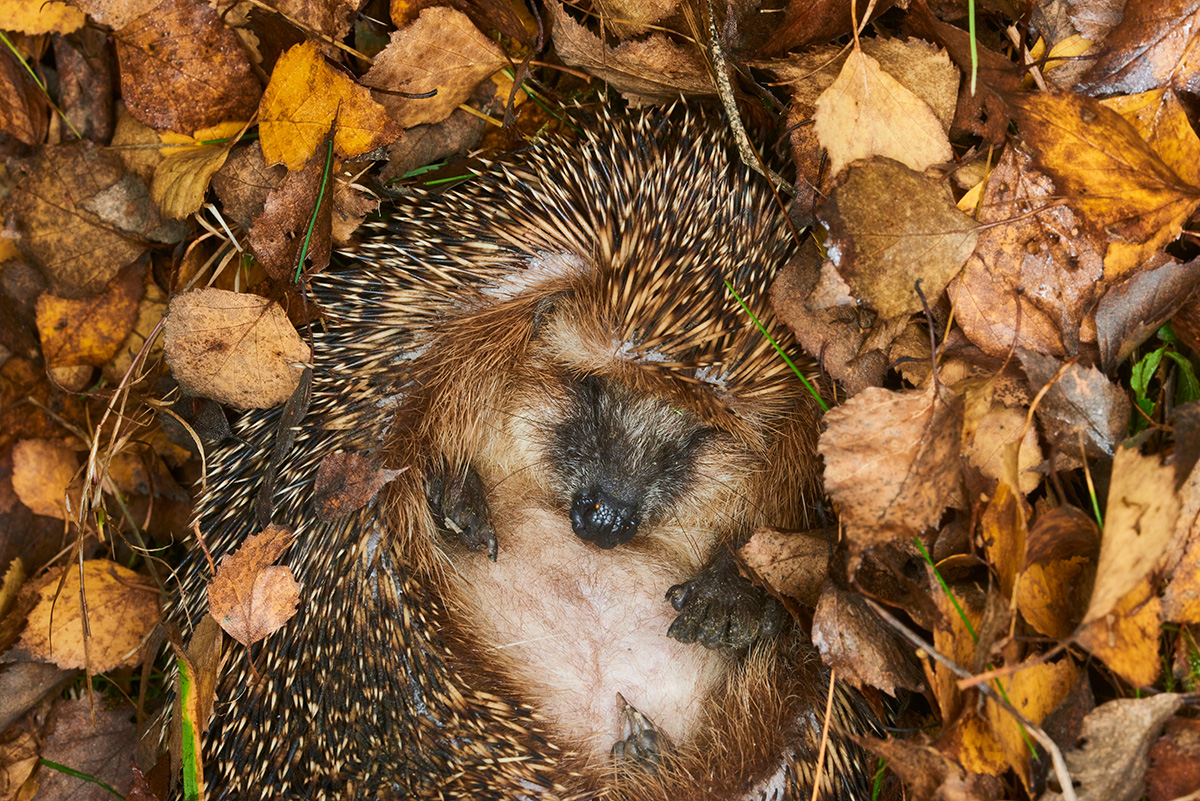
If you want nature to rule in your garden then you need to ensure that there are plenty of nesting sites. Many, many creatures of all shapes and sizes overwinter in and around our gardens. Some actually go into a state of almost suspended animation, others are active on sunny winter days. Almost all of them hunker down in piles of leaves under the hedge or in nooks and crannies. Hedgehogs need deep hollows filled with leaves for warmth. Bumblebee queens will excavate little caves in the soil and hide beneath a carpet of leaves. Queen wasps fold their wings beneath their bodies and overwinter in leaf piles and garden hidey-holes.
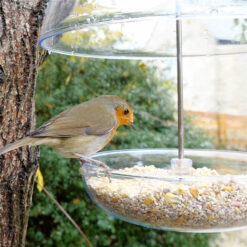
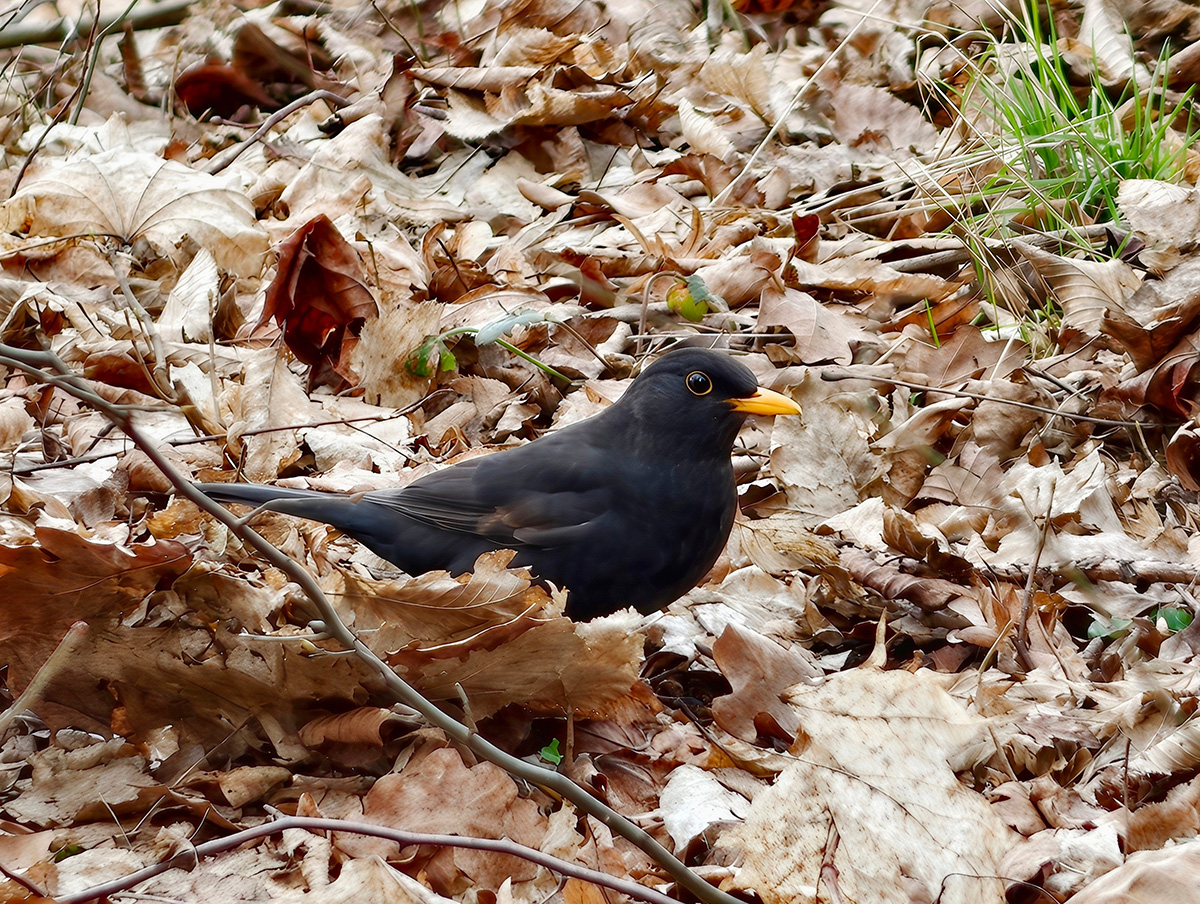
Leave the leaves where you can. Sweep them into corners or behind the shed and let the mini-beasts shelter. You will find that the ground feeding birds like robins and blackbirds will scuffle among the leaves to find food. You are not harbouring pests and disease, you are supporting the natural balance.
Crafts
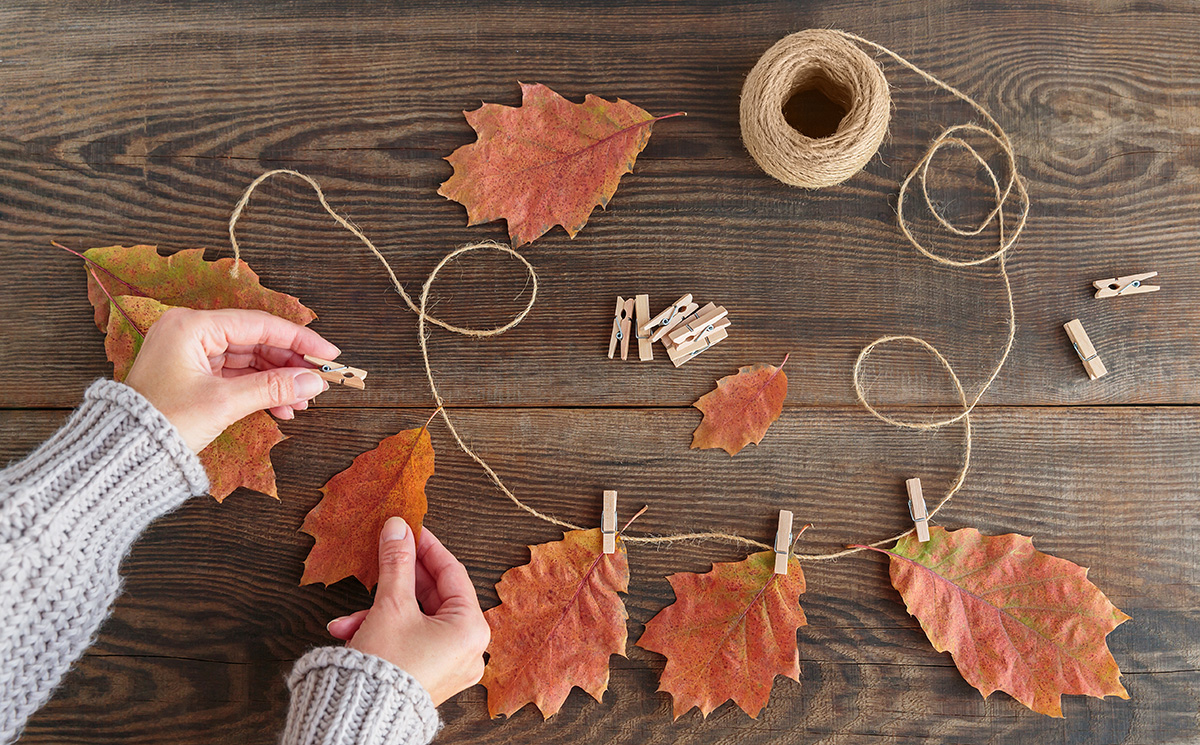
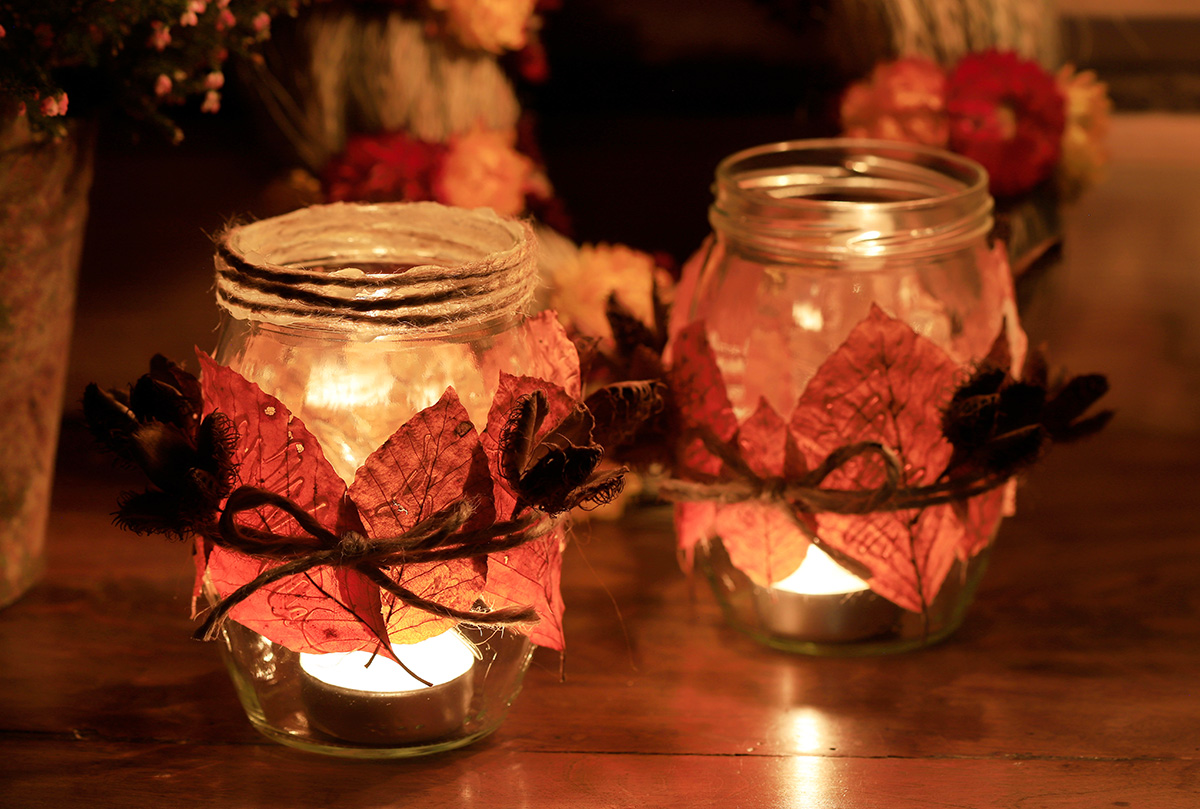
Make a leafy wreath for the door, or use leaves to cover jam jar lanterns where the light filters through the leaf structure. Make a leafy mandala on the lawn or in the woodlands. Press the leaves for craft and dry them. Stick them onto cardboard or strong paper and make a picture. Collect different shaped leaves and make a nature table. Label them if you can and use them to learn more about the tree that they came from. Or do leaf rubbings with crayons. Make leaves the focus of your creativity. Paint them, draw them, study them up close and then make them into something beautiful. A vase of stems clothed in leaves is just as beautiful as a bunch of flowers. Foliage has a decorative aspect that can be overlooked.
Too many leaves
If you really are overwhelmed with leaves you can of course add some to your compost bin. Mix them with wet material and let the worms and mini-beasts and micro-organisms do their stuff. Some leaves break down quickly and others take a little more time. Don’t add prickly leaves like holly. I gather dry leaves en-masse and store them in huge dumpy bags undercover. These leaves become bedding in my hen house over winter. The chickens love rummaging around for bugs and the dry leaves make a nice bed in the nest box and roosting house. Then when the house is cleaned out, the mix of leaves with nutrient rich chicken droppings is added to my compost bin. The resulting compost is very rich and returns all that goodness to the soil.
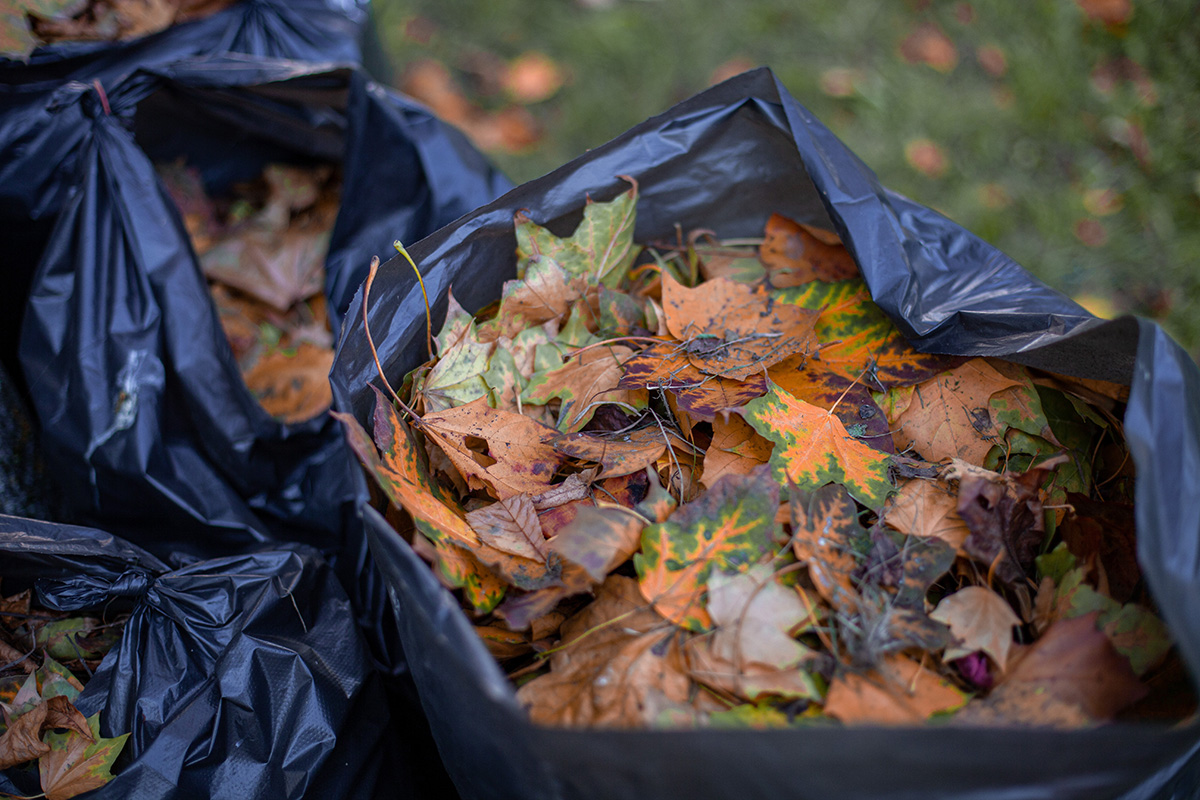
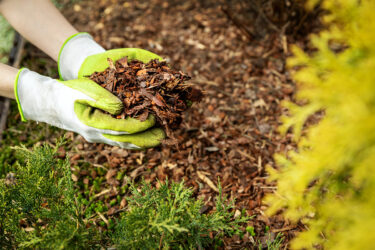
And, if you still need a way to contain a deluge of leaves then make leaf-mould. Take some used bin bags or animal feed bags and fill them with leaves. Poke some holes in the bottom and tie them tightly at the top. Store these bags out of the way for a couple of years. Mine stack up behind the shed. Have a peek inside after a year or two and see how well they have broken down. You want them to look like dark, fibrous rich compost. When they do you have created a wonderful, nutrient rich soil conditioner for your garden. Use it to make your own compost mix for potting and planting, or mulch around your beds and borders with this cost-free magical ingredient. Remember, leaves are the gift that keeps giving.