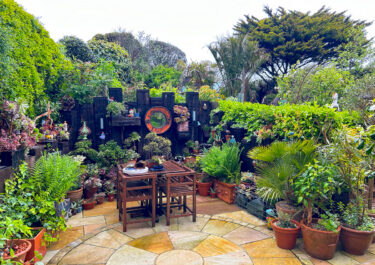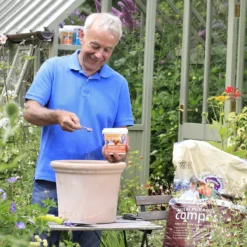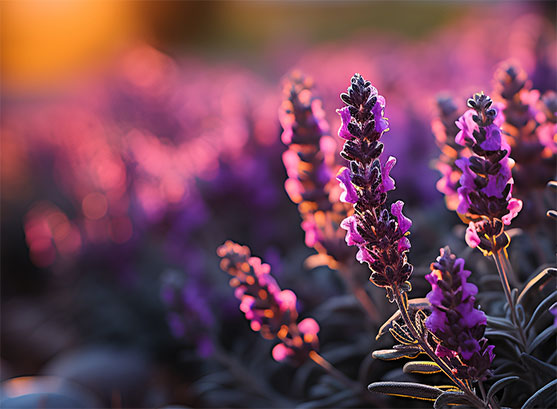
Over the years, I have really loved the ability to garden using pots and planters. I suppose the main reason was their flexibility – they are so easy to lift and place elsewhere if a corner of the plot needs a quick injection of colour after something has gone over.
Royal inspiration
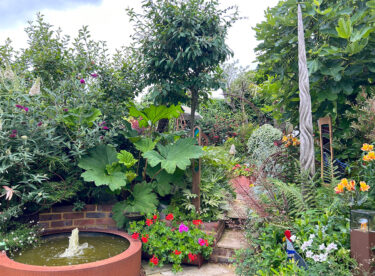
Growing plants in containers is a great way to bring life and colour into otherwise dull spots in your garden. Patios, balconies and windowsill are all places where plants can be easily introduced in containers. My true inspiration for including so many containers in my garden was one of my two visits to the gardens at Highgrove.
Behind the house there were several large, impressive urns! At the time of my visit I thought they looked pretty uninteresting and disheveled! But as I stood there, up comes a mini tractor, trailer and a couple of gardeners, who set about lifting out the internal containers from the urns and replacing them with some perfectly prime pots of tulips! Instant impact. On a visit to a Macmillan reception at Buckingham Palace, I recounted the story to the now King, which really brought a smile to his face. But the net result is that I instantly saw the fabulous flexibility and potential of using containers in my own small plot and I have never looked back since!

Winter container plants
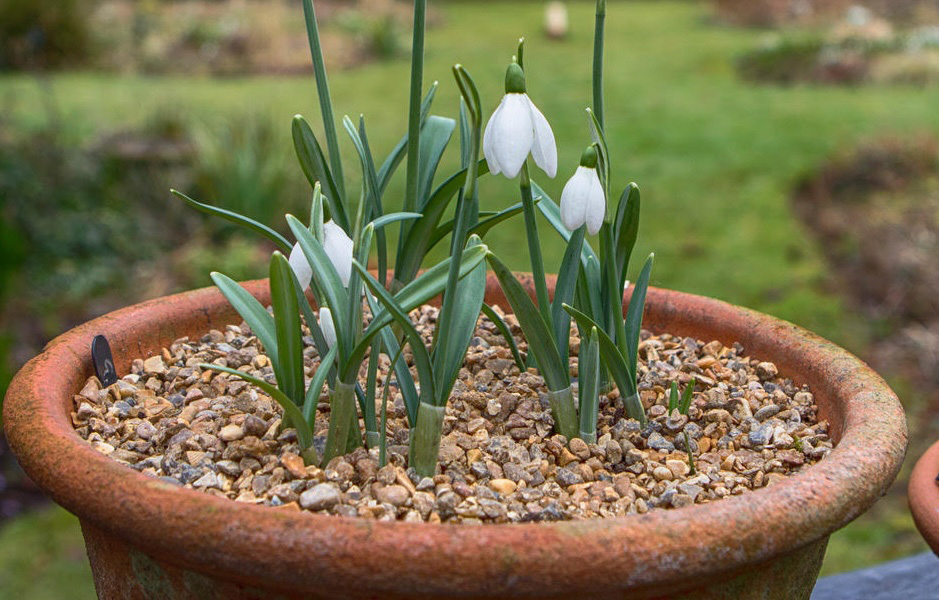
At this time of the year, there is so much you can do with your containers over the colder months. To plant winter containers, it always helps to choose frost-proof pots with good drainage. Failure to do so could result in some cracked or badly damaged ones in the event of a heavy frost. You don’t need big, expensive pots to fill your midwinter garden with colour. Small containers, ranging from those, roomy enough for a dozen small bulbs to a tiny one holding just a single snowdrop, look great both singly and in groups too.
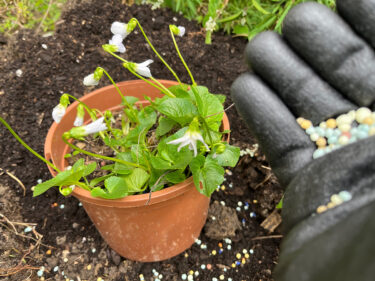
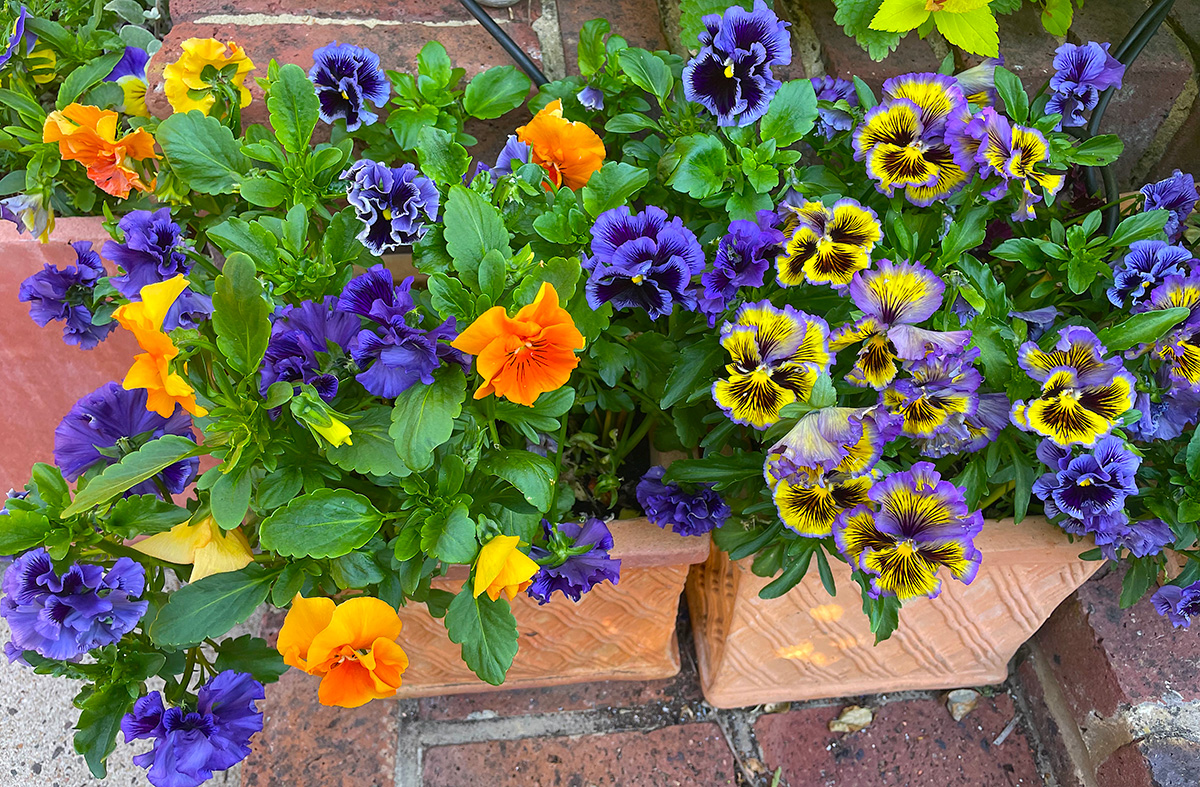
A personal favourite that I have used over the years in my displays is the lovely pansy. For long-lasting winter colour, it’s hard to beat a cheerful display of winter-flowering pansies or violas. Pansies do have larger flowers but are more prone to weather damage, especially heavy rain, which makes their big petals flop. With violas you have smaller flowers on compact plants that remain upright and less affected by most weather. Both come in a huge range of colours, from pale yellows and pinks to wonderful rich reds and purples, and they will flower bravely through the very coldest of the winter weather. I use a loam-based compost mix with some grit for stability too. You can plant densely for immediate impact. Pansies flower best in cool, damp conditions in light or dappled shade, but are robust enough to endure all but the very harshest conditions. Unlike violas, they will thrive in full sun too, as long as they are never allowed to dry out. But they should never sit in wet soil, so, ensure good drainage.
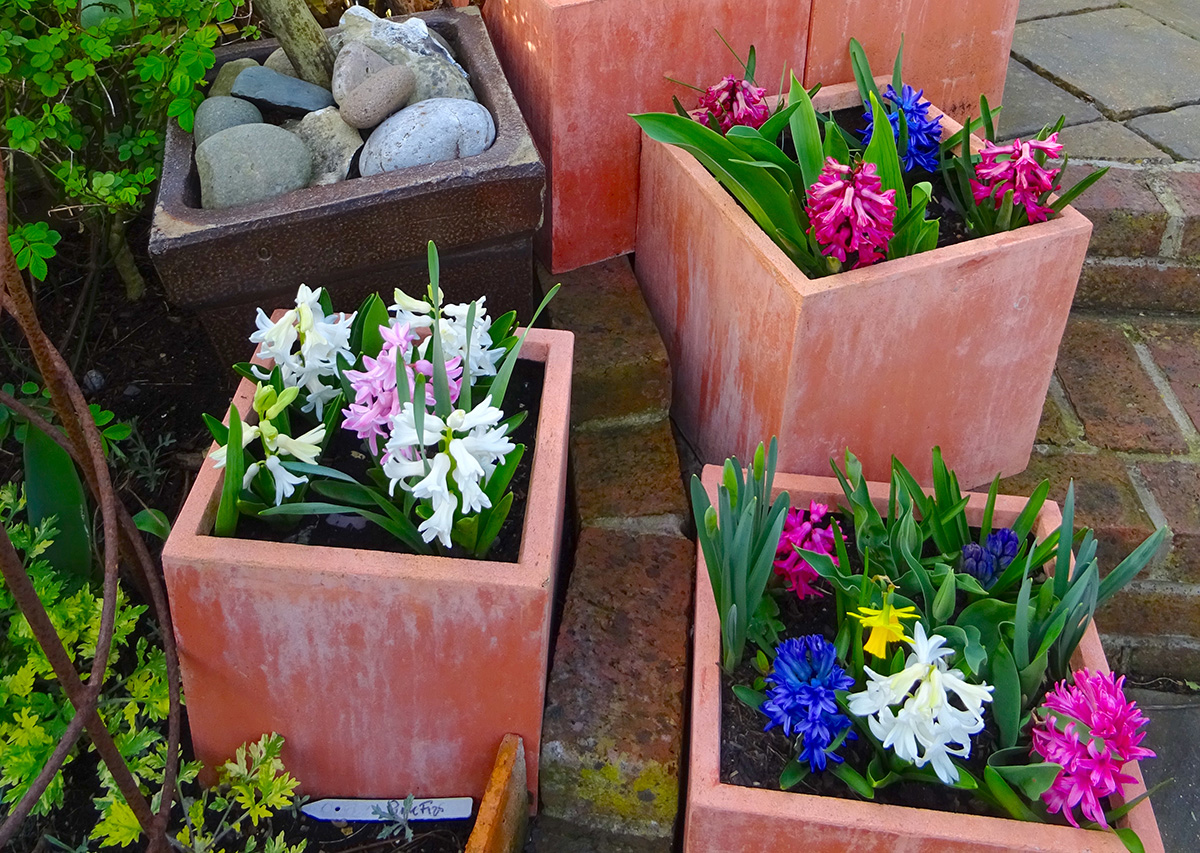
Another pretty winter flowering plant I’ve used successfully in my displays over the years is the cyclamen. A hardy cyclamen will grow fine in the winter months, even with snow, and that is also when they bloom. They can grow well in pots on your patio or balcony as well. Hyacinths work really well planted together in a pot. They are fragrant, easy-to-grow spring bulbs and can be found in a range of colours, from traditional purple and pink to white, and even mauve. Plant hyacinths in pots for a fragrant splash of colour nearer the house. Their small size makes them ideal for spring pot displays. Plant them in autumn, typically from September to November. However, you can usually get away with planting hyacinths up to Christmas, but you may find they flower later than they would normally.
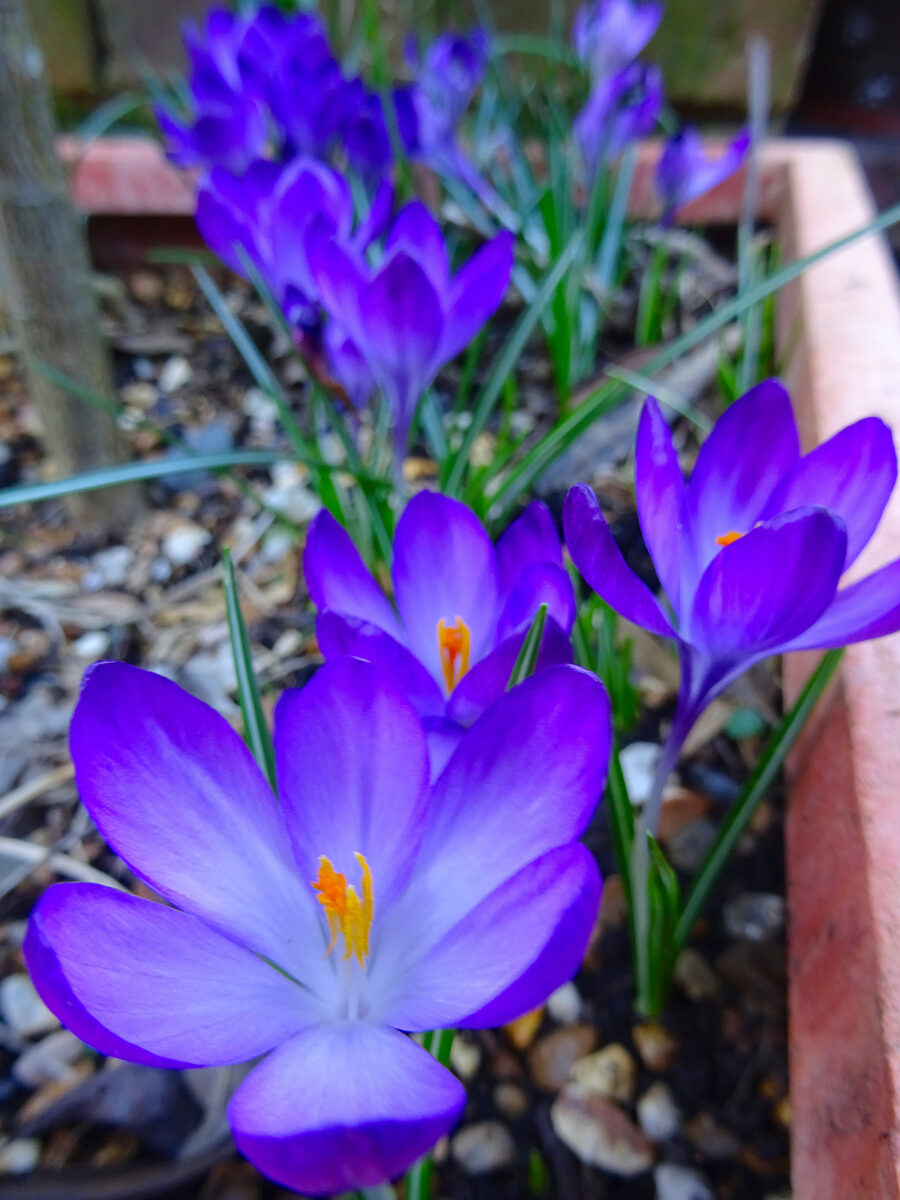
Crocuses provide an early source of nectar and pollen for bees and other insects and can look wonderful in your containers. The bulbs are native to Eastern Europe and are easy to grow and well-suited to growing in pots. Plant crocus corms in moist but well-drained soil in full sun, placing them at a depth of three times their own size. Remember to always let the foliage die back completely after flowering. In addition to these favourites, you can also plant bulbs of tulips and alliums thereby prolonging your winter container displays with interest.
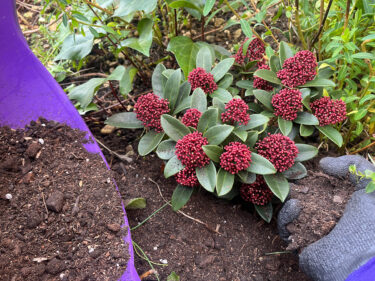
You can also combine evergreen structural plants, maybe Skimmia, boxwood or heather, with winter-flowering annuals too. Early bulbs, such as snowdrops, crocus and daffodils can be layered for additional interest.
A great addition to winter pots, to fill them out, are ivy plants which can trail down the sides of the pot like a green curtain.
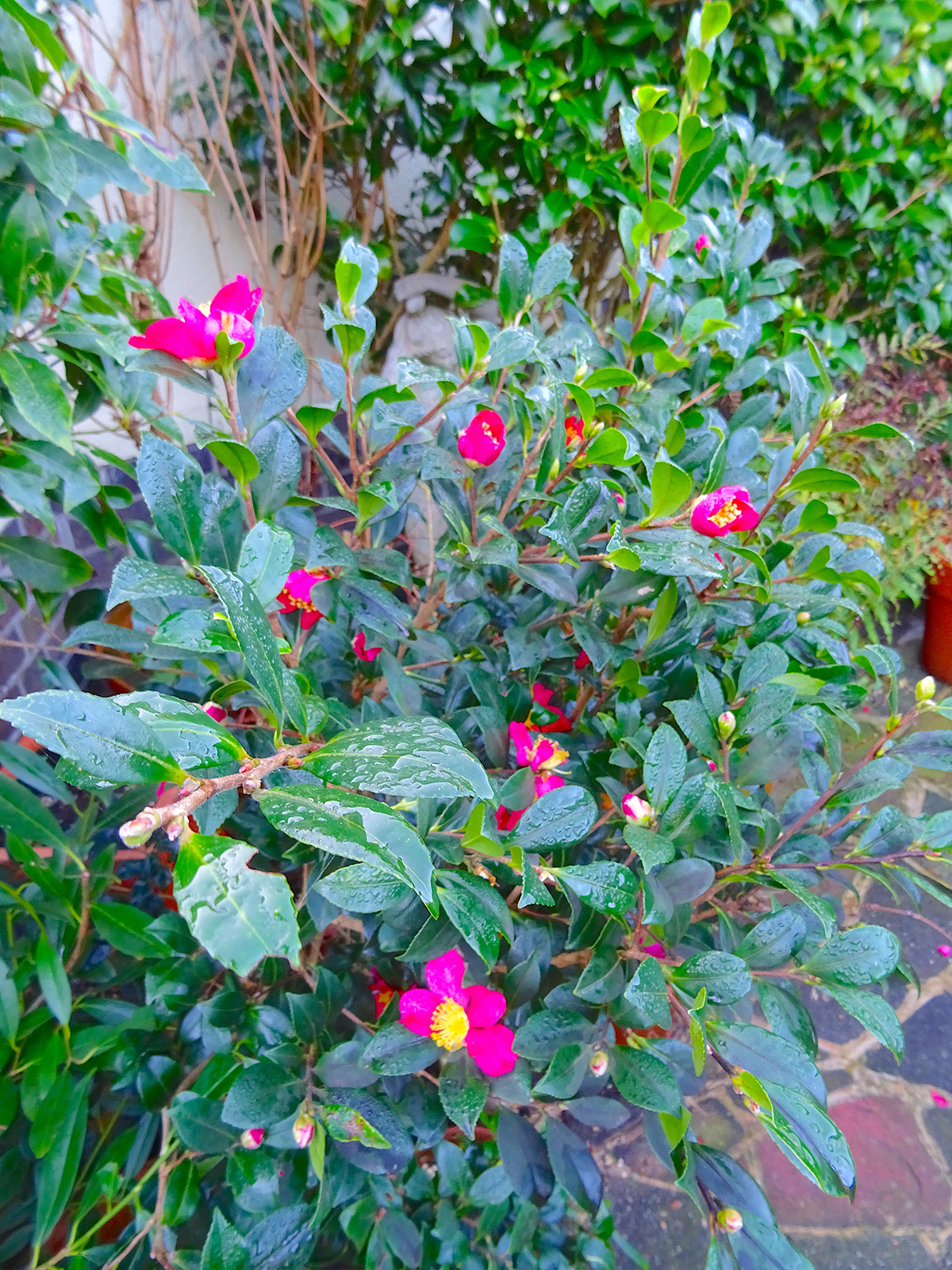
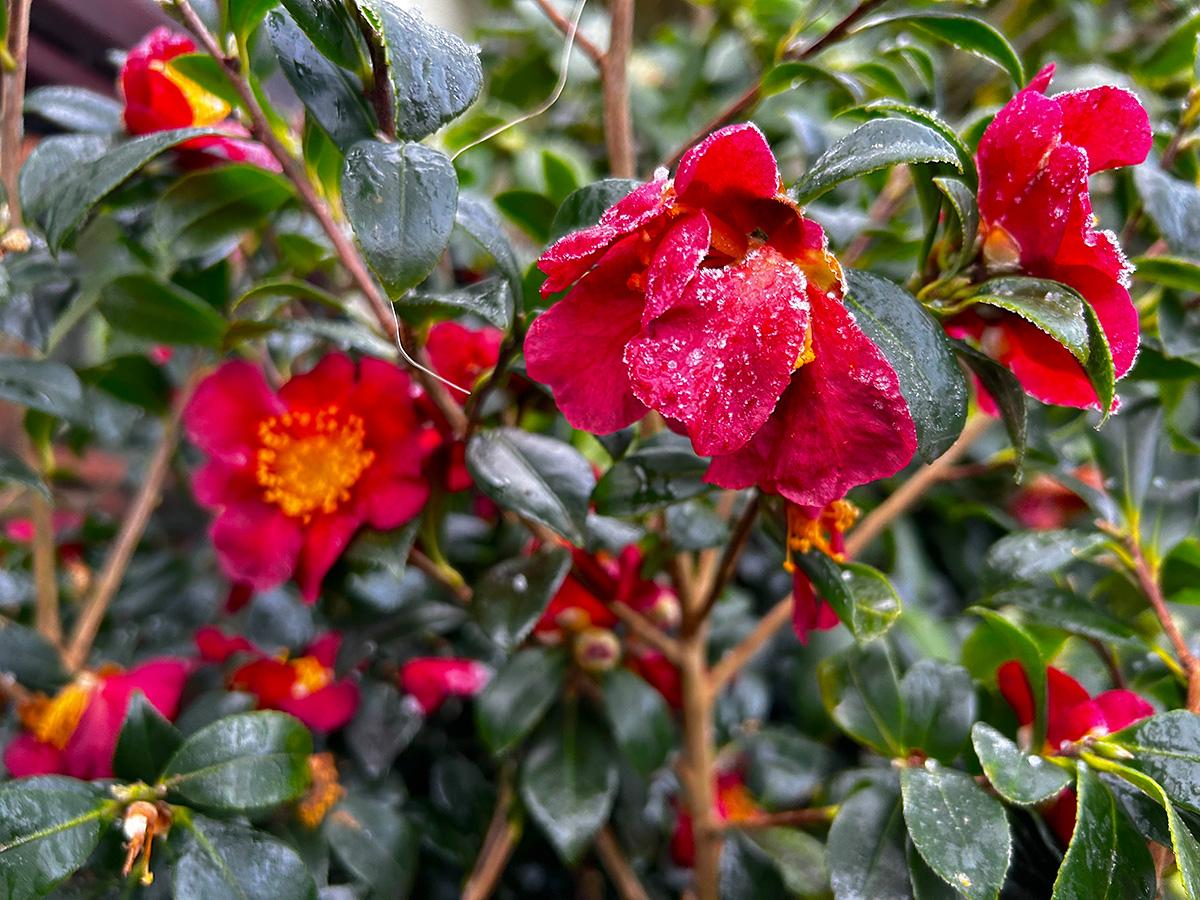
I like to have larger plants in my winter container collection too. The most popular being camellias. They grow very well in pots, making them an excellent choice for containers, especially if your garden soil isn’t acidic enough for them. Camellias are evergreen shrubs with very attractive flowers, normally in late winter or early spring. For the first two years they require some attention, watering in particular, to become established. After that they are very capable of looking after themselves.
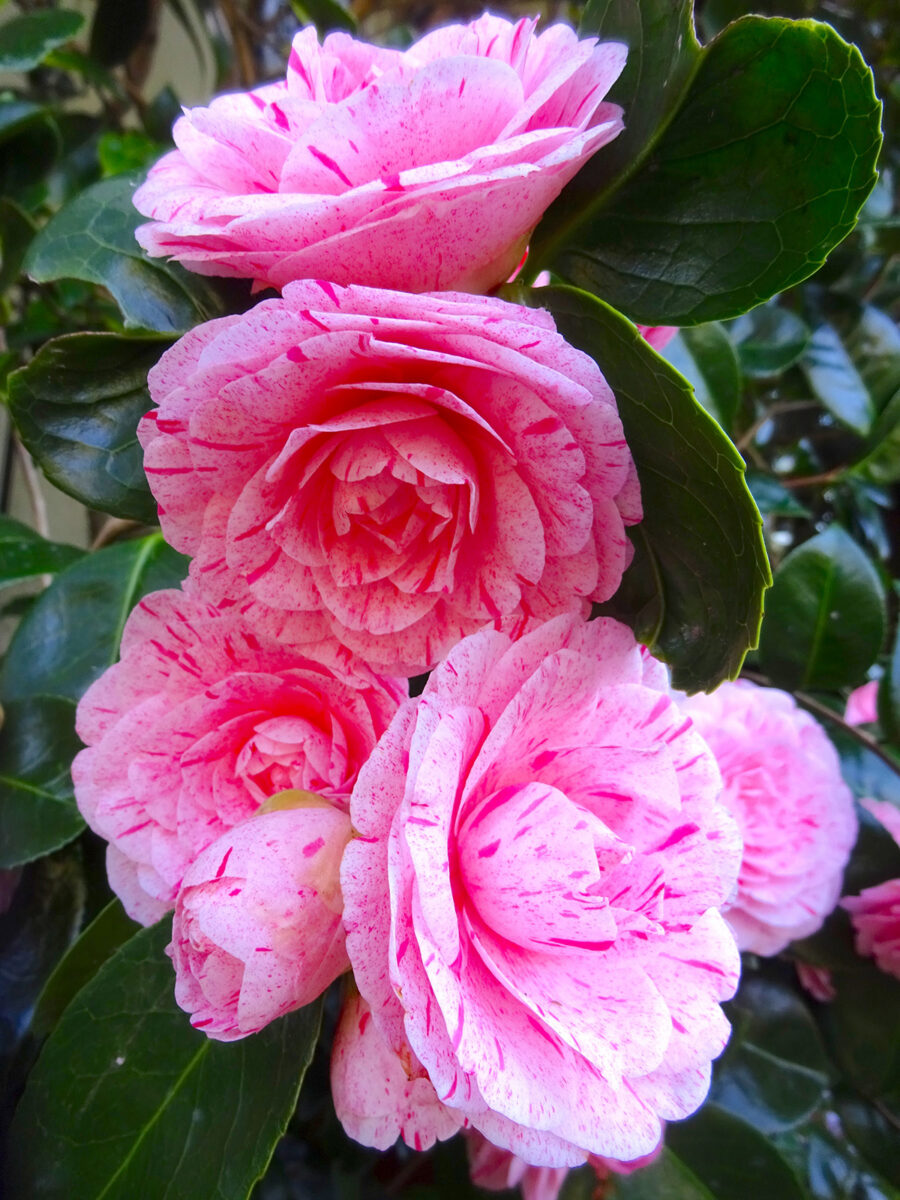
The flower buds for the next year begin to form in early July and that is the key period for water, if the plants are deprived of water at this time the flowers will be affected for the next year. A couple of my favourites growing in containers on my north facing rear wall are Yuletide and William Bartlett. The former is well-named for its profusion of rich red flowers in winter. Each crimson bloom boasts a golden crown of stamens at its centre, creating a vibrant festive display. Flowering from November into January, it reaches its peak around Christmas, when the garden is most in need of a splash of colour. The glossy evergreen foliage adds year-round structure to the garden, especially planted in a large container. A superb hardy, specimen shrub that will require virtually no maintenance once established. The latter, is a popular, hardy evergreen shrub known for its large, formal double flowers in soft pink, splashed with darker pink, appearing from late winter to early spring against dark green glossy foliage, thriving in partial shade and acidic, well-drained soil, making it great for containers. Both the camellias are quite special to me now, providing fond memories of two friends no longer with us.
Happy gardening.