Feeding safely: Before putting food out, check our current seasonal feeding and hygiene advice. It explains the seed-feeding season, suitable feeding methods and precautions for suet and mealworms.
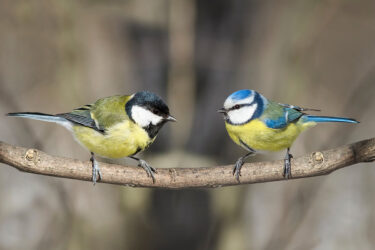
In winter, it’s important to care for our garden birds. As the temperature drops, the natural food sources start to be depleted, many birds become very reliant on gardens and suitable feeders to supplement natural food during this ‘hungry gap’. The bare branches of the trees expose our feathered friends and it’s at this time of year, that we notice more birds at our feeding stations. Any feeding area for birds can become a potential area for disease and infection to be spread.

Be proactive
There are a few things you can do to keep your garden birds fit and healthy over winter if you haven’t done so already. Give your bird feeders and drinkers a ‘health and safety’ check to ensure your good intentions are supporting your garden birds.
- Clean and disinfect feeders at least weekly, move them regularly and clear food and droppings from beneath them. Follow the disinfectant’s label instructions, rinse thoroughly and dry before refilling.
- Don’t let the bird food get wet and stale. If you are feeding in a new place or just starting, then put out a little bit of food to allow the birds to find it. During the seed-feeding season, offer only enough seed and peanuts for one or two days; reduce the portion if food remains. Damp, stale bird food may start to rot, sprout or both, creating health hazards for your garden birds and can attract the attention of unwanted rodent visitors.
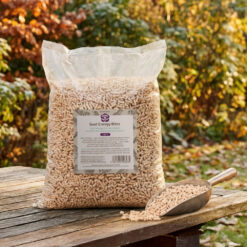
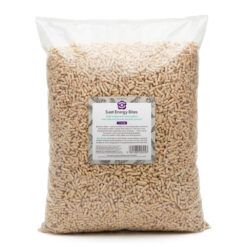
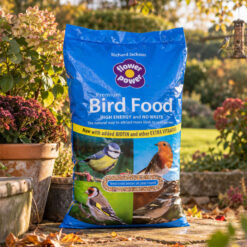
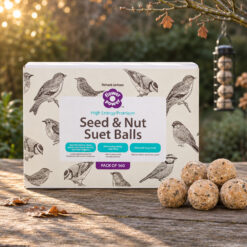
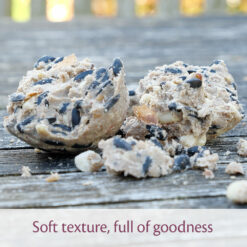
- Choose a high quality bird food that is packed with energy rich ingredients and free from cheap fillers. This will reduce waste from feeding the birds and help to keep your feeding area clean and tidy. Richard Jackson’s range of High Energy Bird Feed is formulated to feed a wide variety of bird species energy rich ingredients.
-
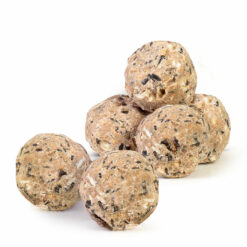
 Select options This product has multiple variants. The options may be chosen on the product pagePrice range: £12.99 through £32.99
-
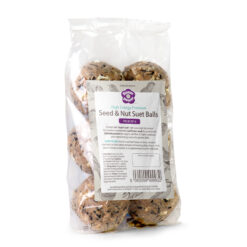
Subscribe & Save 20%Select options This product has multiple variants. The options may be chosen on the product pagePrice range: £9.99 through £34.00
-
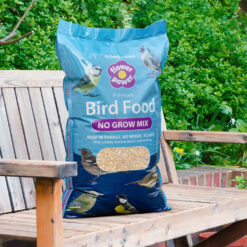
Subscribe & Save 20%Select options This product has multiple variants. The options may be chosen on the product pagePrice range: £19.50 through £38.00
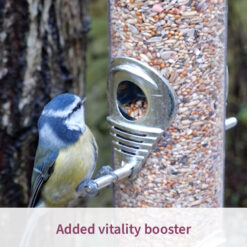
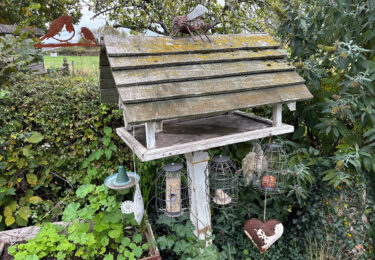
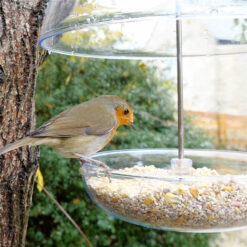
- Use suitable hanging feeders and avoid bird tables or other flat feeding surfaces. Clear dropped food promptly. Mealworms may be offered on the ground in small amounts, but remove leftovers by dusk. Stop feeding if you see sick birds and follow the current advice linked in our feeding guide.
- Replace drinking water daily and clean bird baths thoroughly each week. Keep a fresh, unfrozen supply available when you can maintain it hygienically. Check the RSPB’s current water advice for local water-treatment considerations.
- The first thing you need for the cleaning process is a good brush specifically for the job and an effective scraper.
- Clean outside with gloves and dedicated utensils. Wash away debris, then use a disinfectant suitable for bird-feeding equipment according to its label. Rinse thoroughly and allow equipment to dry before refilling; wash your hands afterwards.