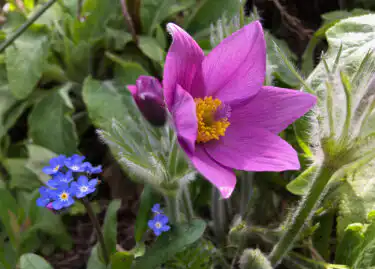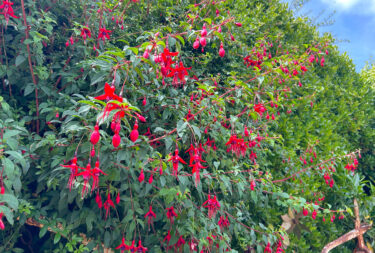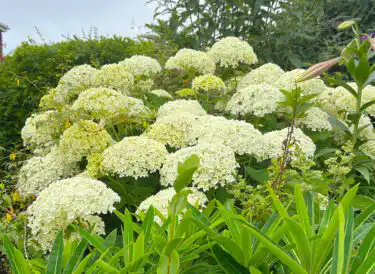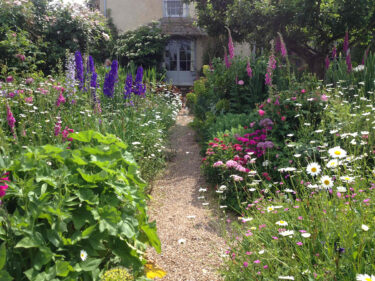
From an early age, wildflowers have been a big part of my life. Growing up in East Sussex, my mum used to walk us kids along the country lanes of Herstmonceux lined with pretty wildflowers like primroses, foxgloves, red campion and bluebells and that laid the foundation for me to marvel at the magic of nature. The beautiful colourful flower heads swaying in the breeze captured my imagination; of course, my mum always used to tell us this was where the flower fairies lived, so you can imagine my invested interest in trying to spot one of these elusive sprites!
As the years have passed, I now look back on those days fondly and am keen to integrate these cherished plants into garden borders today. A wildflower, by definition, is any flowering plant that spreads freely in nature without the help of us humans through planting or farming while being native to the local area. Wildflowers provide a wonderful source of nectar and pollen for pollinators, birds and small mammals, and in our domestic gardens can play an essential role for wildlife.
Sow and grow wild
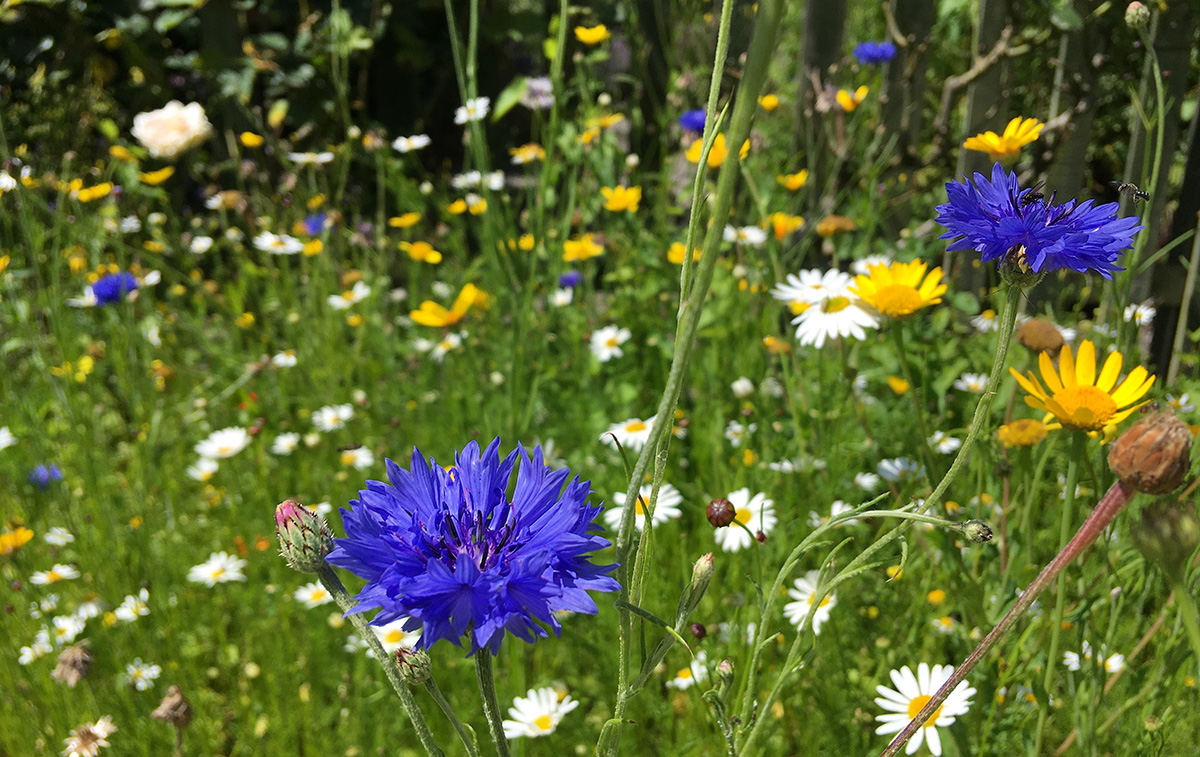
Why not introduce wildflowers into your garden by either sowing seeds or adding plug plants or established plants? Plug plants are an easy way to incorporate multiple flowers into your borders without breaking the bank. Plug plants are a budget-friendly way of gardening; they quickly establish, having already grown roots. Plug plants save time and alleviate the anxiety of trying to bring plants on from seed; their small size means they can be easily inserted into border gaps and are garden-ready, quickly bulking up. That said, many wildflowers by nature spread through seed dispersal, and a few scattered seeds throughout borders should be enough to have these wild gifts popping up between perennials.
Minimal needs
Wildflowers thrive in low-nutrient soils; rich soils encourage fast-growing grasses and weeds to take hold, which often outcompete them in the wild, but can be easily managed in our home gardens with a keen eye and nimble fingers!
Many wildflowers prefer full sunlight and good drainage, although some plants like foxgloves are partial to dappled shade, so check your proposed growing conditions before planting commences. Cottage gardens and gravel provide ideal growing conditions for wildflowers to free-flow throughout borders and are a good way to softly frame clumping perennials.
Here are some of my top picks for wildflowers I love incorporating into garden borders.
Love-in-a-mist (Nigella damascena)
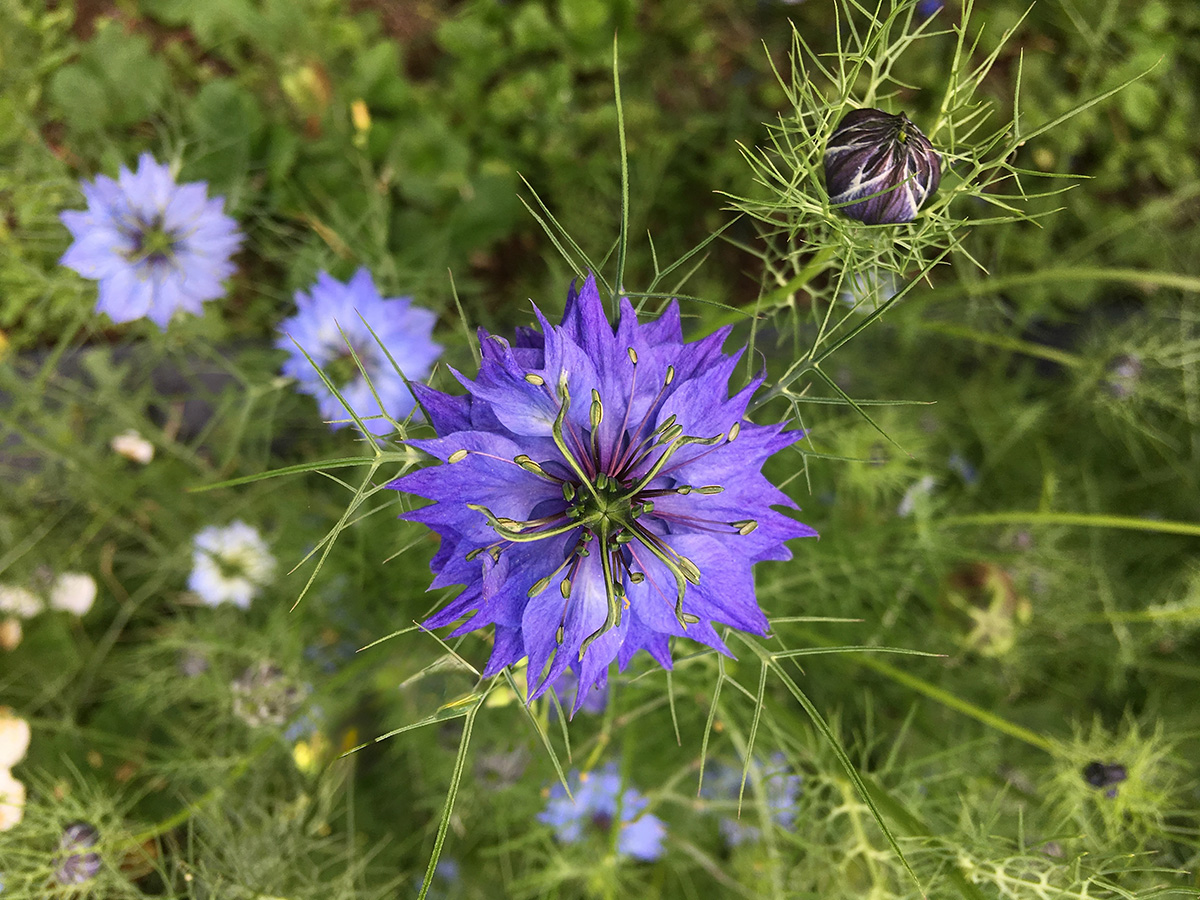
Nigella always make me feel nostalgic as I know they were one of my grandmother’s favourite flowers, so are cherished by my Mum. Spreading a few seeds in my Mum’s garden is like forging a connection with the past, conjuring memories and the anticipation of hope and happiness for when they pop up next year.
Nigella is an annual wildflower. Seed sown in September will overwinter and be ready to spring into action next year. These easy-to-grow blooms readily self-seed, so once established, you will have these pretty star-like gems drifting through borders with ease every year.
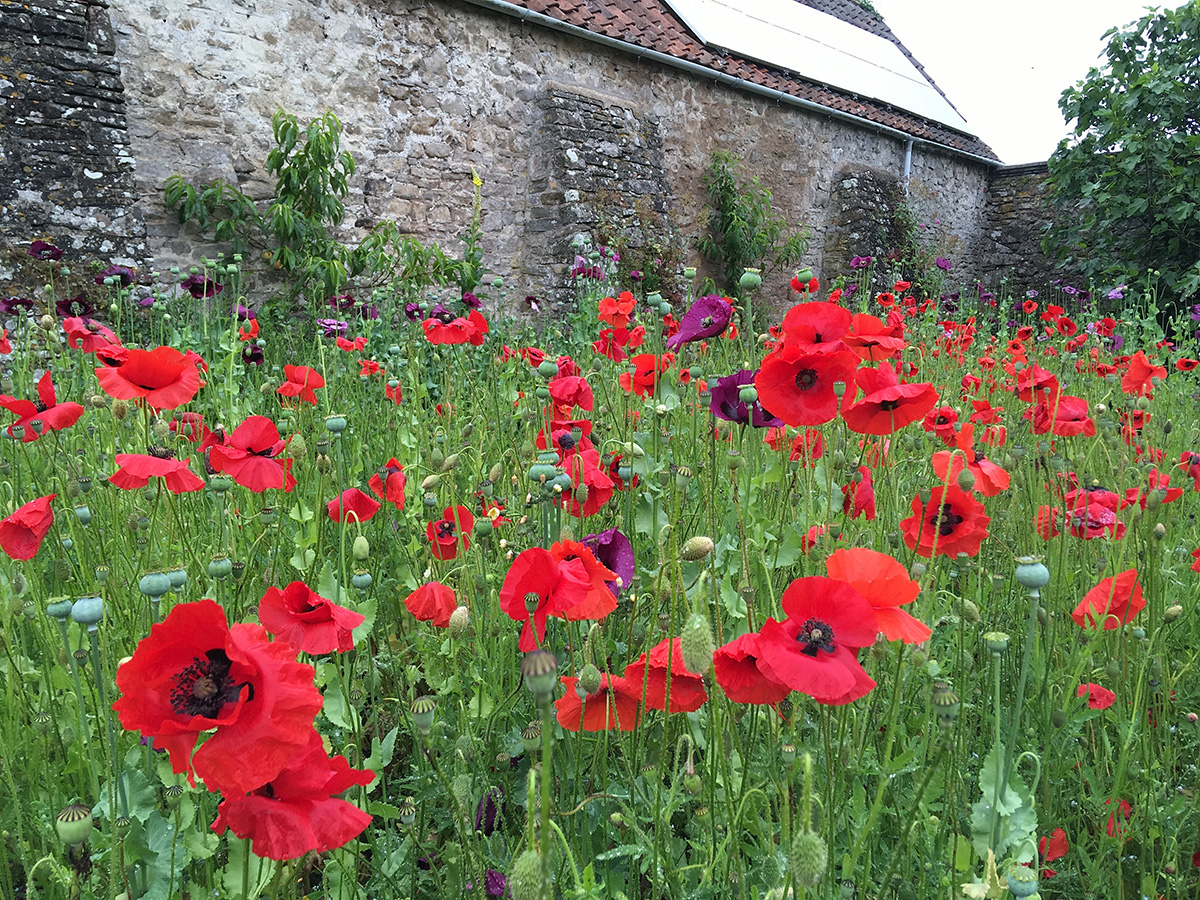
Field poppies (Papaver rhoeas)
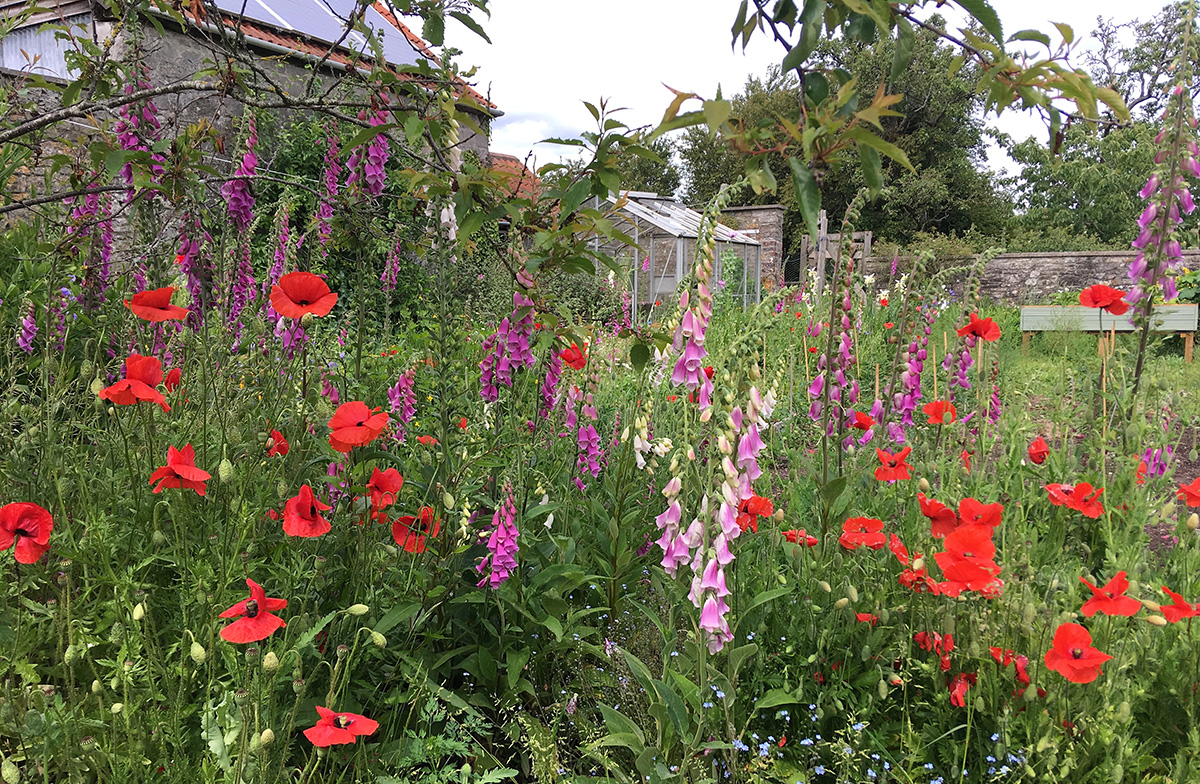
These short-lived flowering beauties mesmerise with delicate paper-like petals, and nothing quite beats the sight of these bright pops of colour dispersed through a border of plants or within swaying grasses like jewels in a painting. These are the easiest flowers to grow; simply scatter seed and wait. Job done.
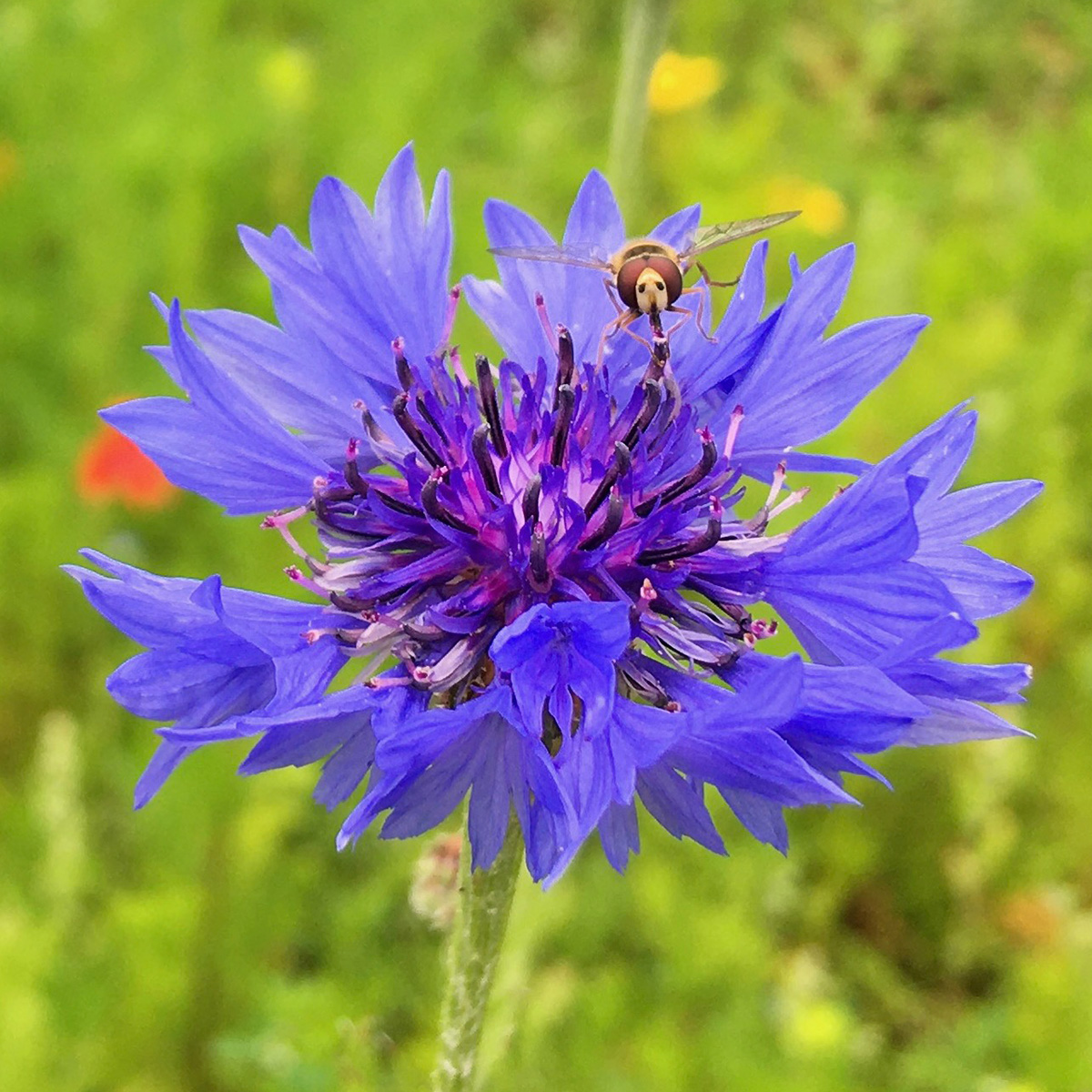
Cornflowers (Centaurea cyanus)
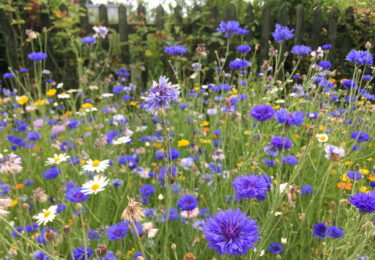
My mum always tells me stories of her happy days growing up on a farm in Forest Row, East Sussex, and her much-loved walk home from the village school along the babbling brook and wildflower meadows peppered with the dreamy blue hues of cornflowers. These flowers, now a rarity in the wild, encapsulate the essence of warm summer days. These pretty annuals add charm to cottage garden borders and are ideal for cut flower displays. Make sure they have good drainage and lots of direct sunlight, and they will flourish.
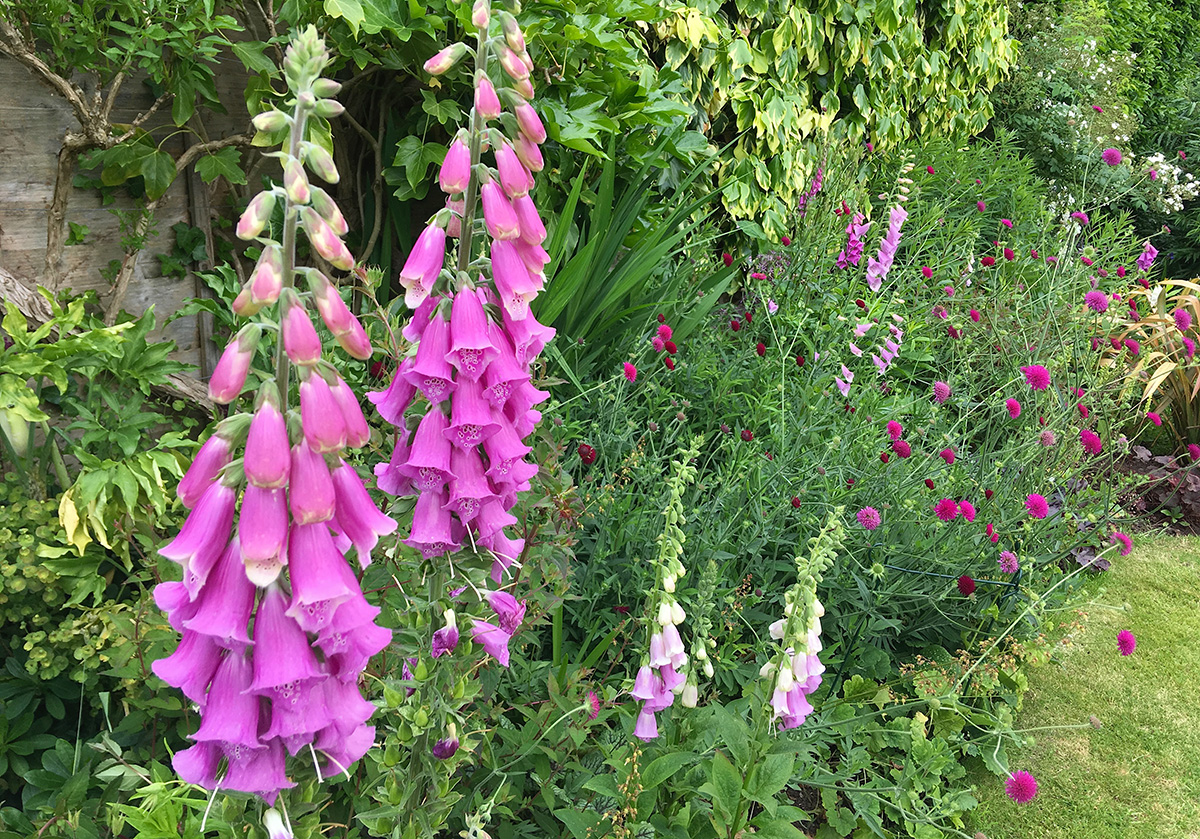
Foxgloves (Digitalis purpurea)
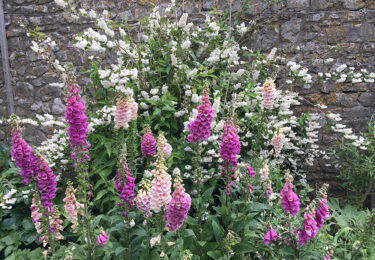
Foxgloves are a garden staple; I cannot imagine my borders without these towering woodland wonders. Adding height and structure, these bold biennial spires of tubular bells, once seeded, should provide an annual succession of blooms, growing a leafy, green rosette in their first year and flowering in the second before completing their life cycle and setting seed to repeat the process all over again the following year.
Foxgloves remind me of long woodland walks where these wildflowers grow like weeds, rising from the cool forest floor to add a splash of purple petals to the otherwise bracken-dominated landscape.
Teasel (Dipsacus fullonum)
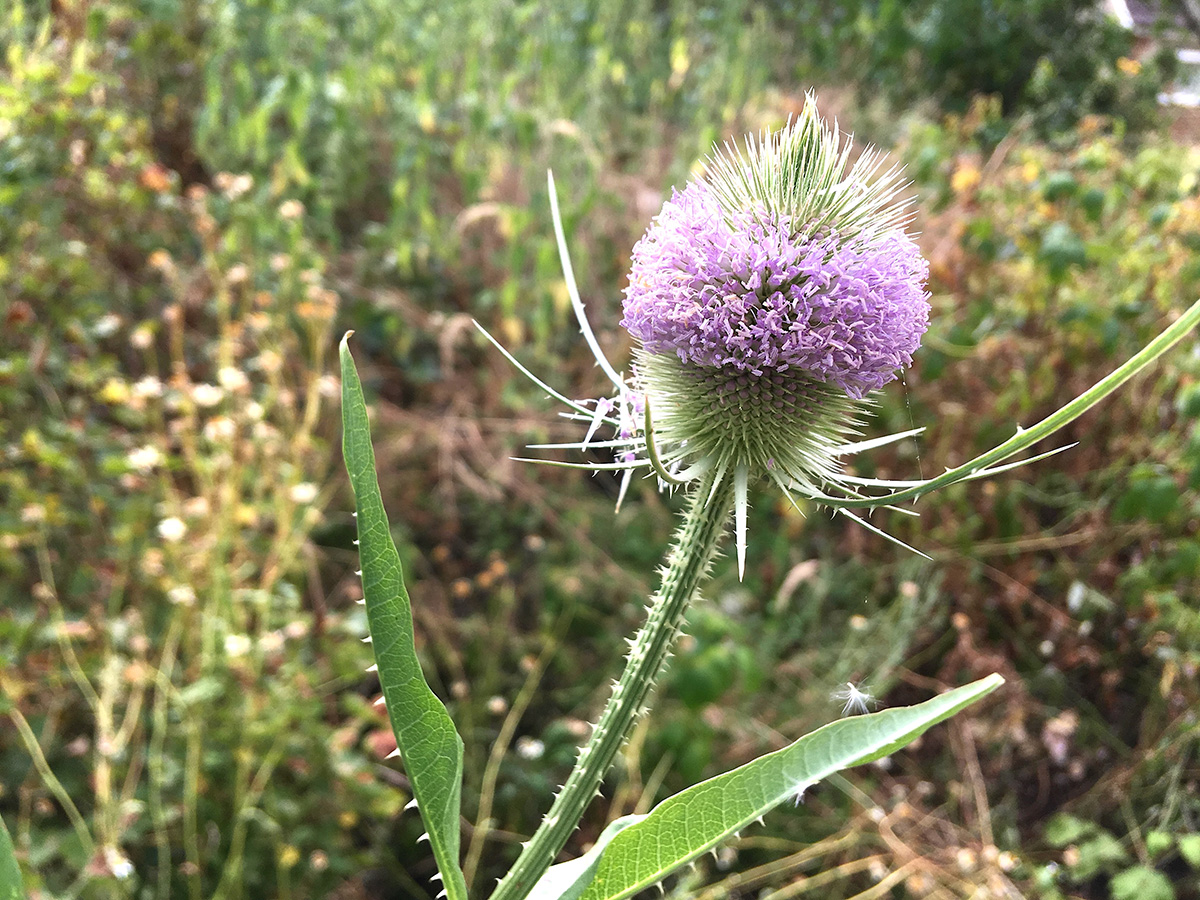
Whenever I think of teasels, it always reminds me of autumn days crafting as a child. I was obsessed with art, and foraged teasels made an ideal base for toy mice, hedgehogs or reindeer. Teasels are extremely versatile, and these days I am more likely to use them for door wreaths or dried flower displays, but they always hold fond memories.
In the garden, teasel can defy logic. It is difficult to imagine these complicated spiky ovals offer any nutritional benefits to wildlife, but if you quietly observe, it won’t be long before you find hungry bumbles furiously active over the surface of the distinctive rings of blooms. Small, densely packed purple and lilac flowers provide a rich source of nectar and pollen from July and August.
Once flowers fade, the spiky caverns catch rainwater, offering a handy watering station for thirsty insects, and finally, these dry brown heads offer fat-packed winter food for seed-eating birds, particularly loved by goldfinches. Just be aware teasels do spread, so self-seeders will need culling. Plant them at the back of borders for dramatic architectural structure, as these prickly stems are very tall.
Yarrow (Achillea millefolium)
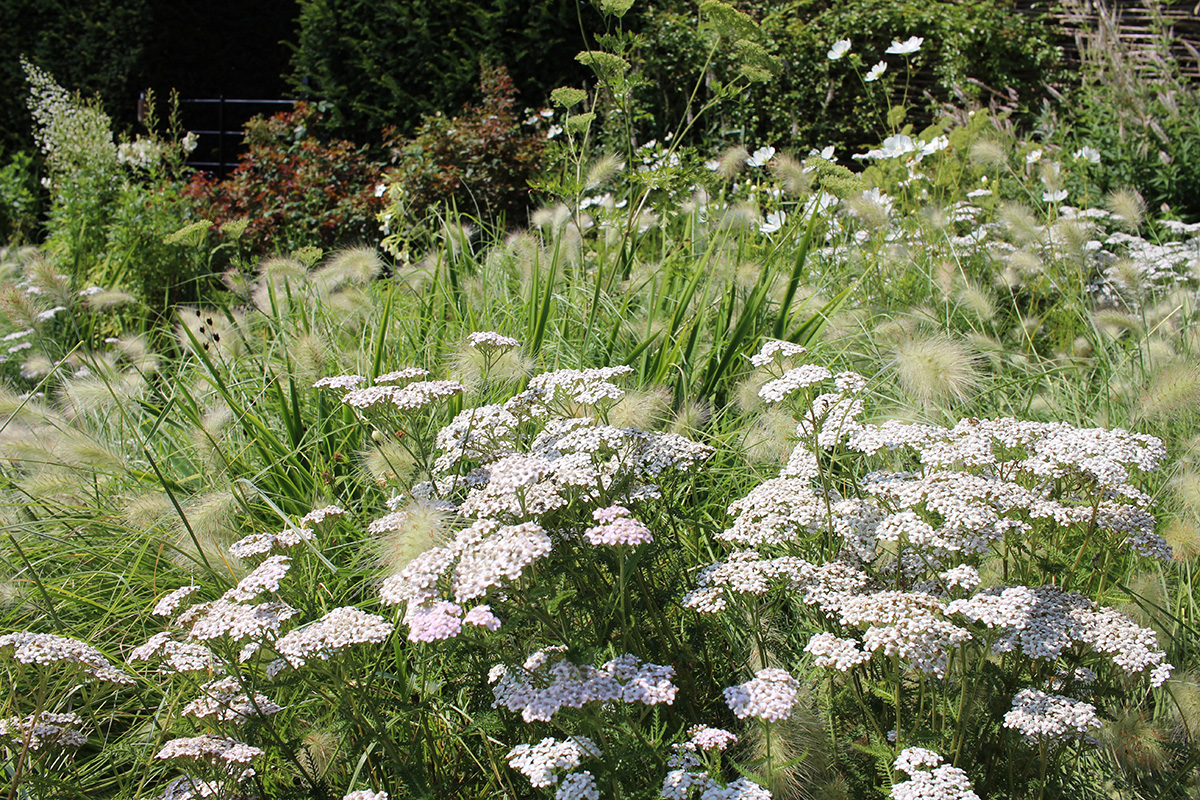
Happy growing in any soil type, yarrow is easy to please. This hardy herbaceous perennial is tough, boasting feathery foliage hosting flat-topped clusters of multiple individual flowers which provide a feast for pollinators on a solid landing platform. In the wild, these flowers are predominantly white, but many multi-colour hybrids have been bred. I love watching pollinators land and graze on these natural food banks, and I am often transported to country walks where yarrow freely grows in fields.
Ox-eye daisy (Leucanthemum vulgare)
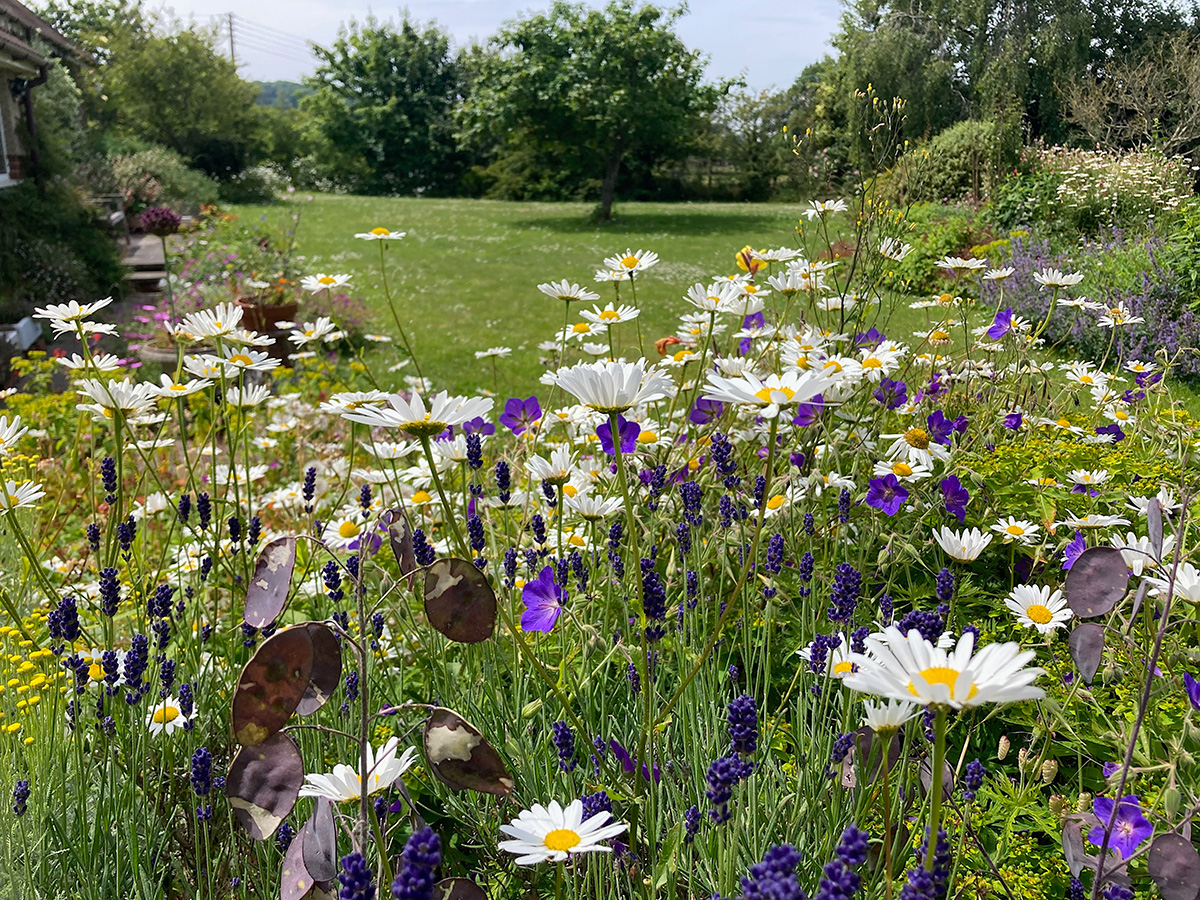
Ox-eye daisies boast large white petals surrounding an egg-yolk yellow centre on tall, single stems from June to August but can last into September in the absence of heatwaves! Their large size lends itself to the childhood petal-picking game of ‘he loves me; he loves me not’, which used to entertain me in my youth for a while.
One recent observation was that even in this year’s drought, mature ox-eye daisies were resilient, flowering for weeks and weeks with little water once established, making these plants a good choice for our changing climate; although they do of course flower for longer when water is readily available.
Yes, ox-eye daisies can spread, but this is a small price to pay for months of flowers dotted through borders like a constellation of stars, and this minor issue is easily remedied by simply pulling up overzealous growers.