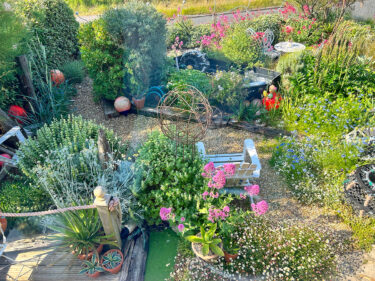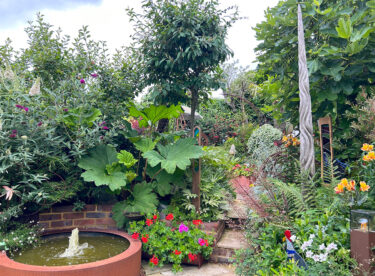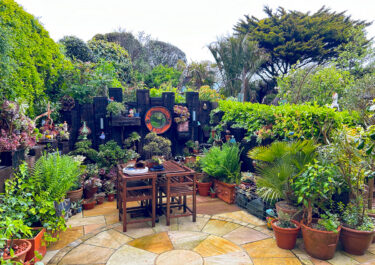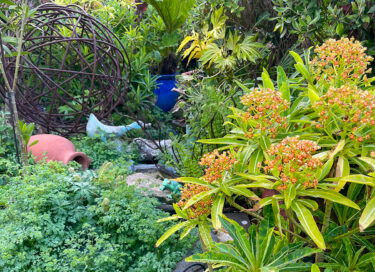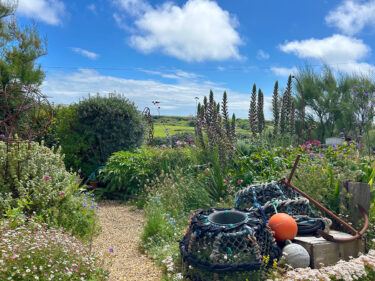
Creating a coastal garden isn’t as hard as it sounds. All you need are hardy plants, good shelter and some natty nautical props. There’s a realisation that having a garden in a coastal location makes you garden differently. If you approach it like an inland garden, you are more than likely going to fail. It is important to learn how to deal with the incessant wind and inevitable salt spray, to establish appropriate shelter and most importantly, to choose the right seaside plants. In retrospect, all the elements that work against you gardening by the sea, have, for me, worked, I believe, in my favour. It forced me to create a garden that is somewhat unexpected and a little different.
A key feature of a seaside garden is, understandably, pretty and practical coastal plants but, if you give some thought to what you want to grow then, in my experience, you need not be limited to the usual suspects!
Wind control
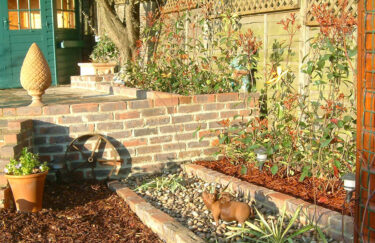
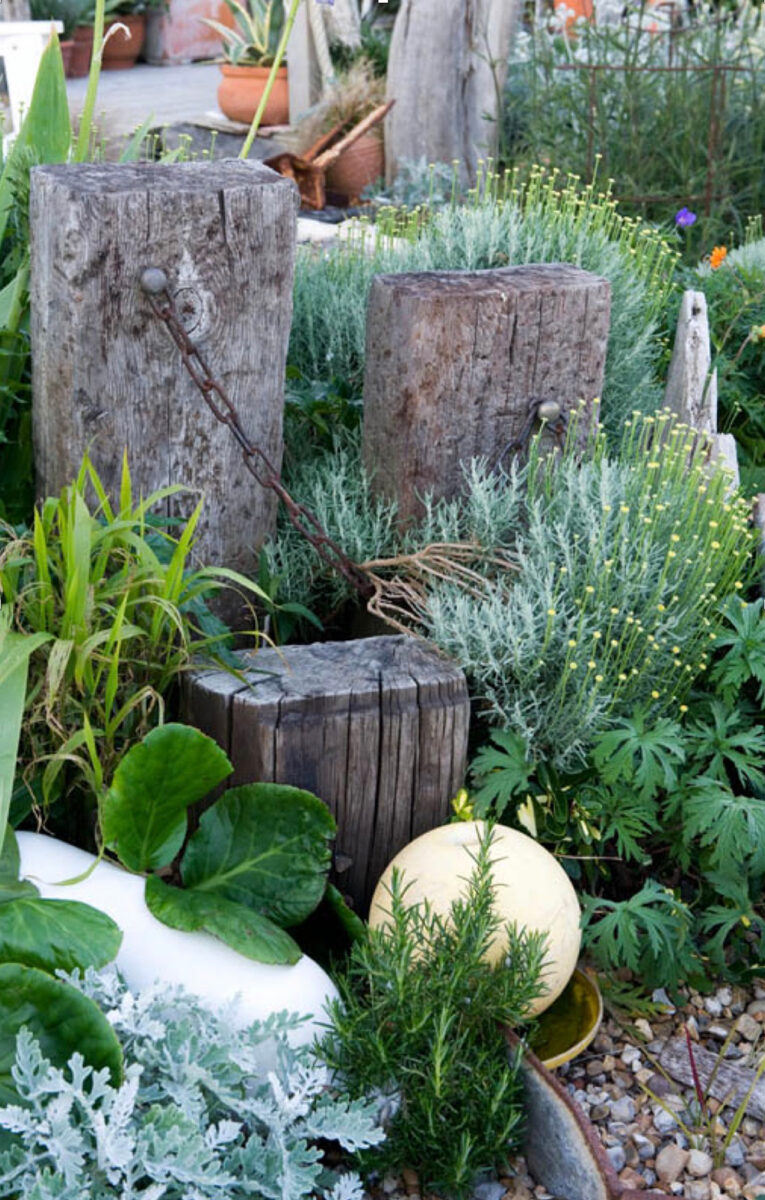
I have always found it useful to try and create windbreaks, in order to protect my plants from the salt laden winds we experience here on the south coast! In my beach garden the large Elaeagnus x ebbingei hedge along the footpath creates a perfect foil to give a degree of protection to the plants beyond. You can also experiment with upturned chunks of railway sleepers or reclaimed groynes, as a first line of defence.
Coastal plants
There are some obvious choices that we all know as coastal plants and I have many of them in my garden. I suppose top of the list would be Crambe maritima or sea kale. You can find this growing many places along our coast line. It is a really lovely plant to use, especially in the spring when it has wonderful white flower heads, pictured in the gravel bed at the rear of the house at Driftwood, rising up from its glaucous grey/green leaves. As a general rule of thumb, the use of plants with waxy & shiny leaves are perfect for any coastal environment.
Seascape themes
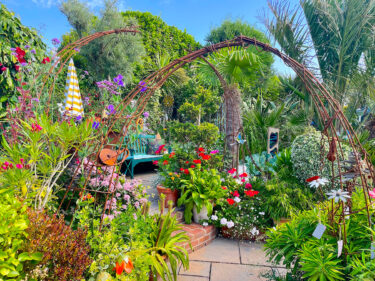
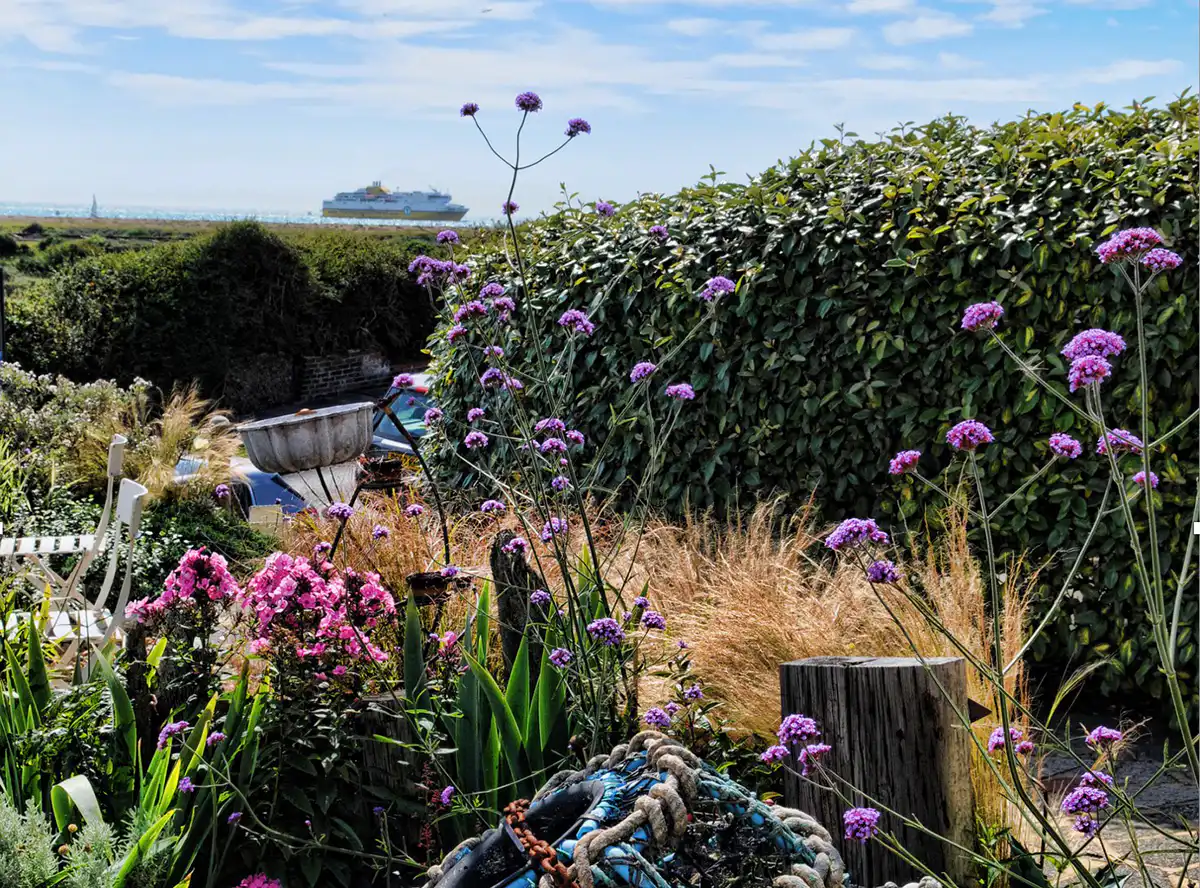
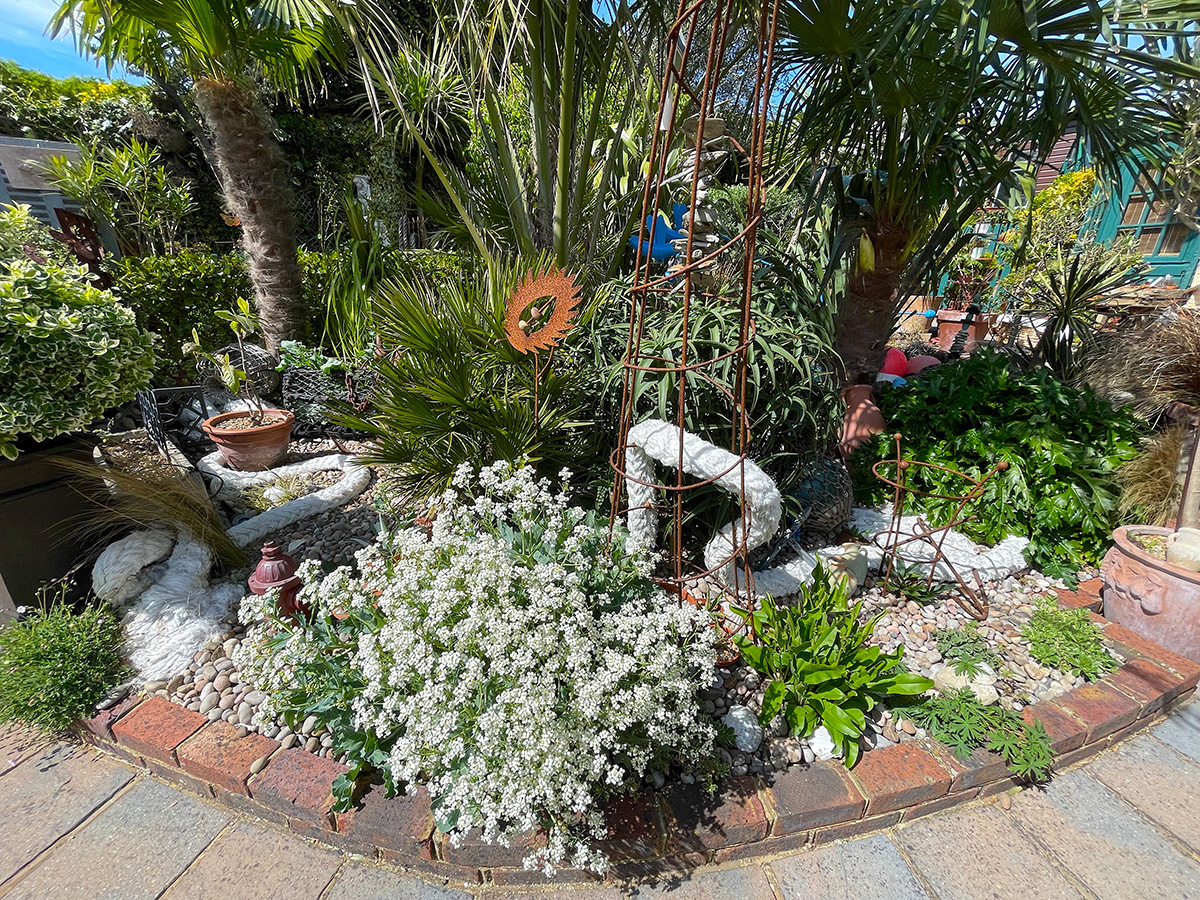
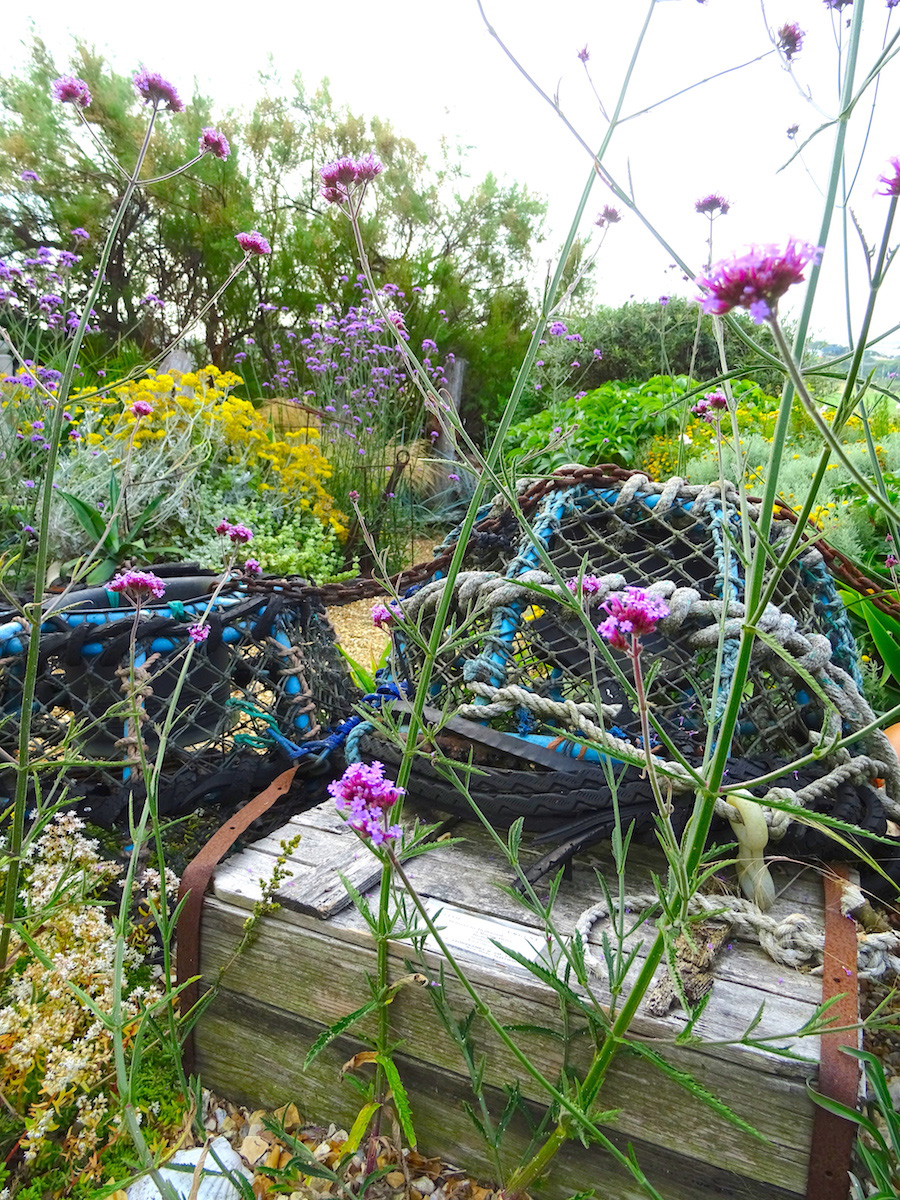
Using nautical props helps too, as they can be used to support plants by allowing them to grow through. A real must are lobster pots or fish crates and letting verbena bonariensis grow through! Pick up an anchor or two and some marine buoys, not to mention heavy marine rope to create edging and fish crates! I have a large length of white marine rope that used to tie the ferry up in the nearby port of Newhaven, given to me many years ago by the Harbour master. It looks very snake like, laid out across the gravel beds, in both the front and rear gardens.
In my opinion, nothing gives the coastal garden more of a tropical feel then Agaves! My advice would be to plant them in containers as they don’t like the wet. By doing so you can move them undercover for the winter to keep them dry. LINK to AGAVE Feature
Here are five of my favourite seaside plants that have all excelled in my coastal garden and which have become firm favourites with visitors too:-
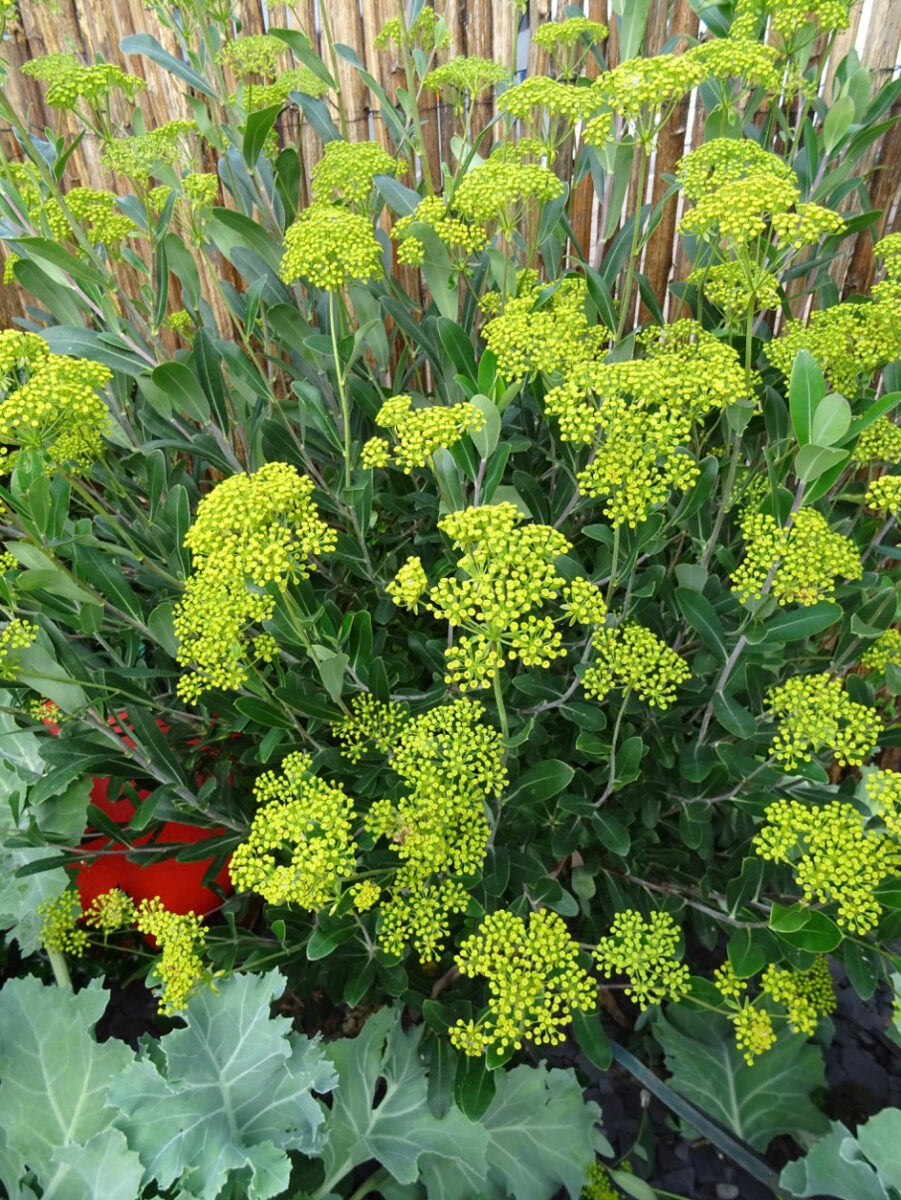
Bupleurum fruticosum or shrubby hare’s-ear is endemic to the Mediterranean region. It lives in sunny hills, walls and rocky places. It is an elegant, rounded, evergreen shrub with glossy, blue-green leaves, and clusters of yellow flowers in summer. It certainly works well in an exposed situation, including on the coast. Bupleurum fruticosum requires bright, direct sunlight for optimal growth and prefers moderate temperatures and can tolerate some drought. The plant should be watered when the soil is almost completely dry. The experts say it should be protected from extreme cold but my large shrub has survived well through recent very cold and wet winters.
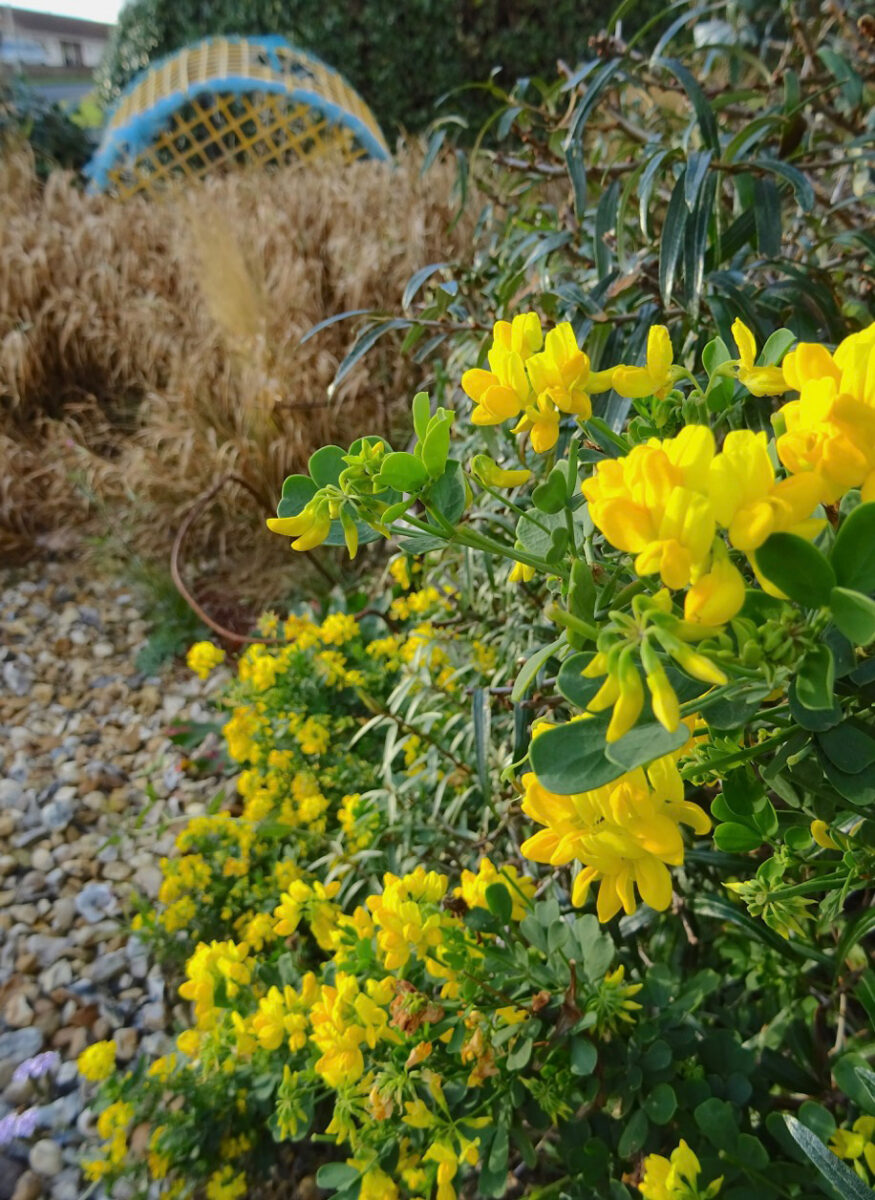
Coronilla valentina subsp. glauca ‘Citrina’ is a lovely plant with small pretty leaflets and intricate flowers that come back year after year and don’t seem to mind the salt winds at all. It is a fragrant, evergreen shrub prized for its clusters of sweet, lemon-yellow, pea-like flowers that bloom from winter to spring, offering vibrant colour and scent, ideal for sheltered spots, containers, or training against a warm wall in full sun, featuring blue-green foliage and needing good drainage. Again, the experts say plant in a sheltered location but I have found it survives well, even with the strong salt laden SW winds straight off the sea.
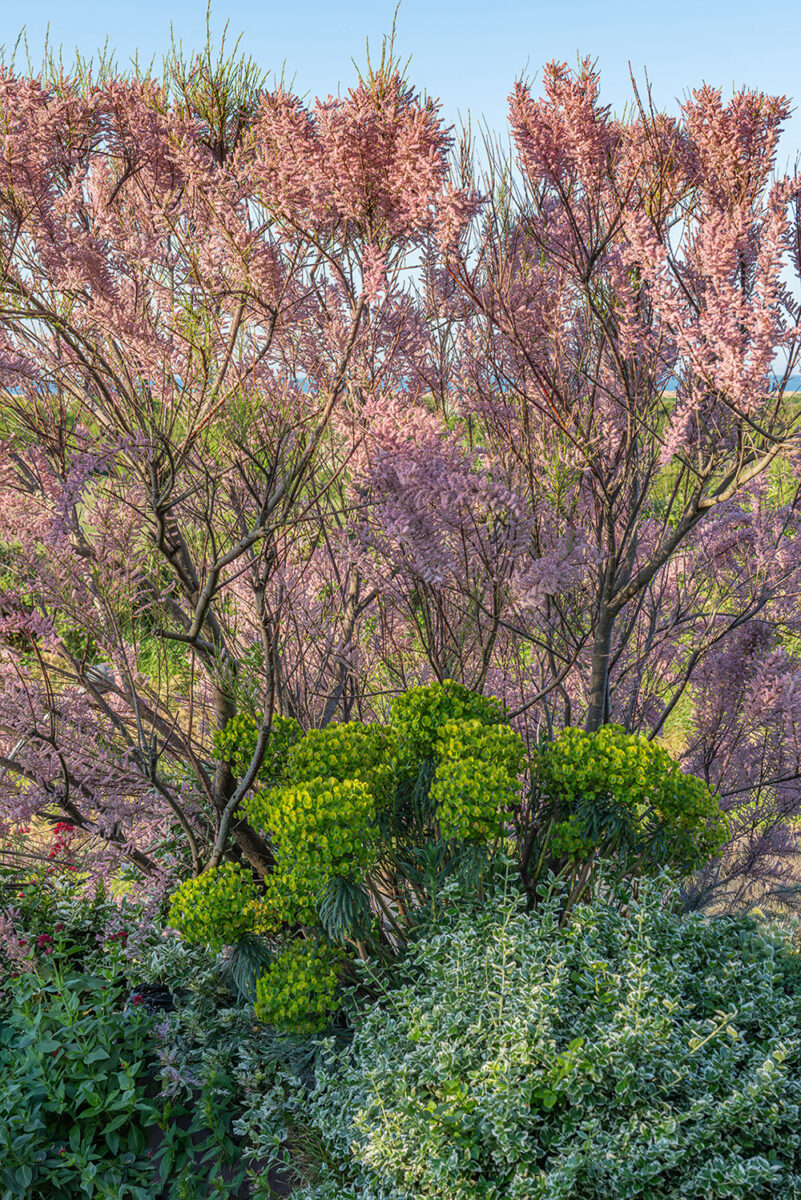
Tamarix tetranda, is a beautiful small tree which produces magnificent, feathery plumes of pink flowers. Swaying gently in the breeze, this architectural low maintenance shrub makes a superb focal point in any garden and it tolerates salt and strong winds, making it the perfect addition to coastal gardens. It is native to the Mediterranean and parts of Asia and can be easily identified by its delicate, feathery foliage and small pink or white flowers that bloom from spring to early autumn, depending on the species. The plant is a perennial, deciduous shrub or small tree that typically grows to a height of 2-5 metres. It thrives in a wide range of soils and conditions, making it a versatile choice for gardeners. It grows well in dry, arid environments and is a good choice for seaside plots. Once established, tamarisk requires minimal maintenance and is relatively pest-free. It’s also known to have a number of benefits for wildlife, attracting bees, butterflies and other pollinators.
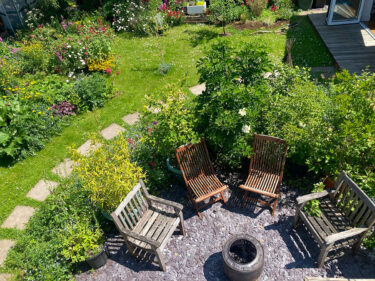
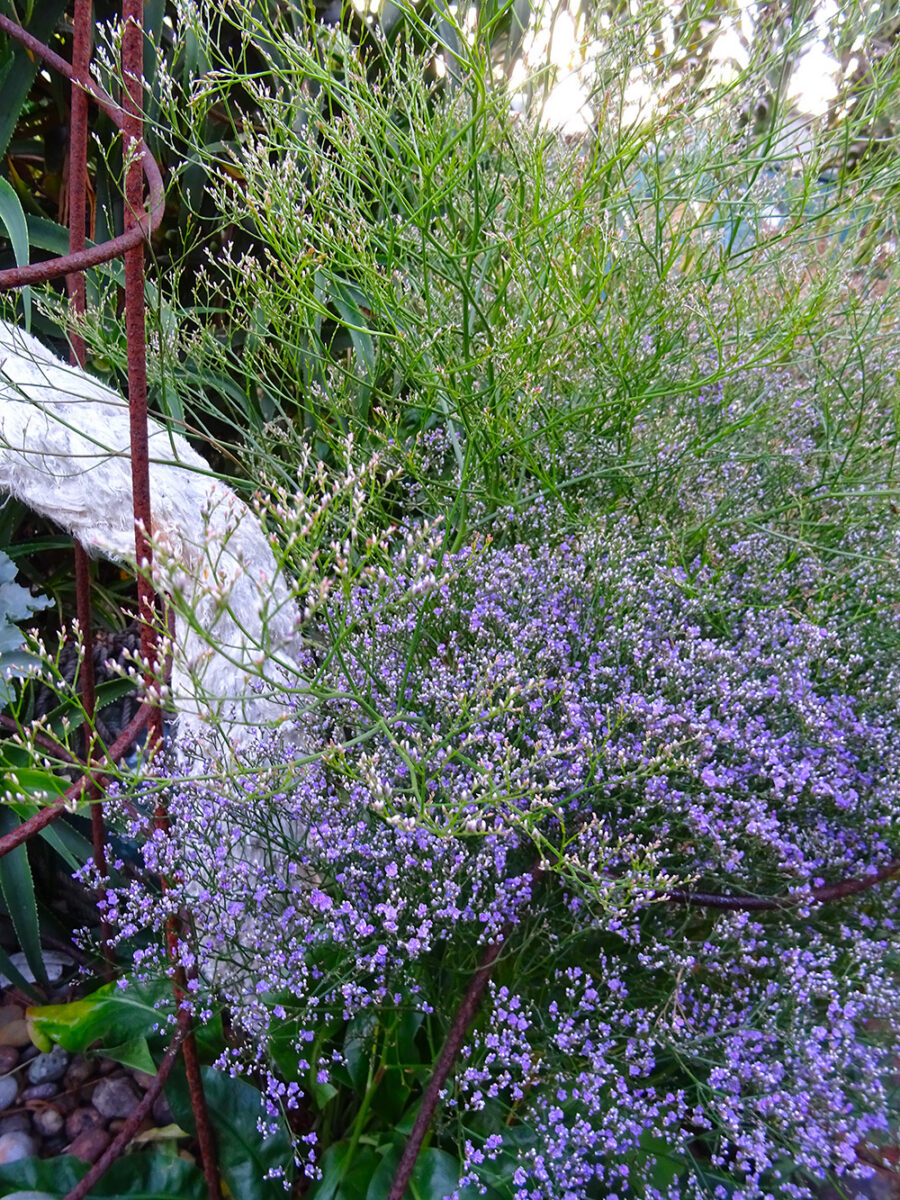
Sea lavender (Limonium californicum) is also known as marsh rosemary and lavender thrift. It is a perennial coastal plant that can often be found growing in both salt marshes and along coastal sand dunes. Despite its name, it is not actually related to the lavender plant. The plant creates leathery, spoon-shaped leaves, red-tinted stems, and delicate purple blooms that appear in summer. These plants are easily recognisable as a result of their dense, cloud-like sprays of tiny, paper-like lavender flowers, pictured in my garden. They are primarily grown as they provide a beautiful floral display; though its large green paddle-shaped basal rosette leaves will also create an attractive ground cover in the early spring, until the plant flowers in the summer. Part of what makes sea lavender a somewhat unusual perennial is that the leaves are so close to the ground, and long flower stems will develop from this grouping of foliage. That’s part of what makes these plants an ideal choice to plant among other similar perennials, the foliage remains mostly hidden, and the flowers stand out. They are also lovely as a stand-alone plant, particularly for anyone who is looking for a soft, yet eye-catching, texture around the bordering edge of a garden. Mine are all planted in gravel beds.
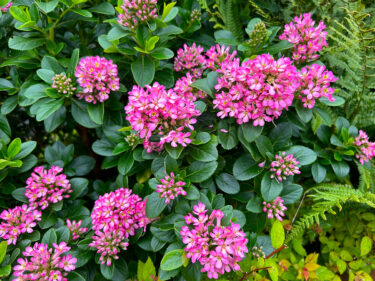
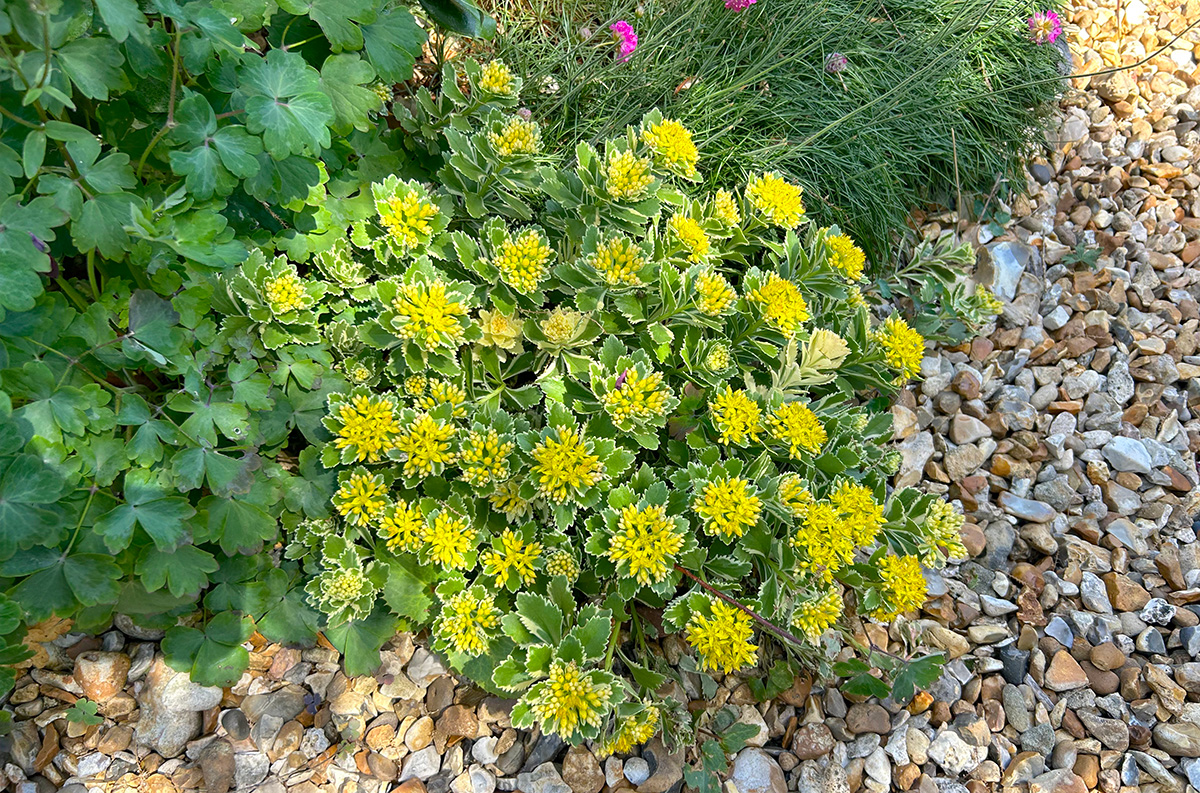
Sedum takesimense ‘Atlantis’ is a striking, award-winning succulent perennial celebrated for its vibrant variegated foliage and tidy, compact habit. Each leaf features a bold, creamy-yellow margin that contrasts beautifully with deep green centres, creating a luminous, almost glowing appearance throughout the growing season. In late summer to early autumn, clusters of soft pink, star-shaped flowers emerge above the foliage, attracting bees, butterflies, and other pollinators. It is the perfect plant for sunny borders, rock gardens, or containers, ‘Atlantis’ thrives in well-drained soil and requires minimal water once established, making it ideal for drought-tolerant or low-maintenance landscapes. It is fully hardy, combines beauty, toughness, and ease and works really well in my coastal setting.
In my experience though, you can grow almost anything in a coastal garden if you plan where it’s going and try to create micro climate for it. Over the years I have seen many pretty plants and shrubs that experts advise not to plant in exposed locations, only to find by giving it a go it works! My philosophy is I buy what I like and find the right home for it in my garden. Be brave!
My coastal garden in Sussex, Driftwood, BN25 2RS, will be open to visitors this summer between 1st June and 2nd August, by emailing me at [email protected]