We grow herbs for the flavour packed leaves, but of course many have hidden medicinal uses too. It is essential to correctly identify any plant you intend to eat or make into tea and double check that there are no interactions, good or bad, with your medications or health conditions. Always best to check.
If you like herbal tea, you can save yourself a lot of money by growing your own herbs. Many are perennials and once established will provide a limitless supply of fresh leaves for your culinary needs.
Over the years I’ve bought and used countless brands and types of herbal tea bags and they do make a decent cup of tea, but …. and there’s a big but here, they are nothing like tea made with freshly picked herbs. Grow organic and the flavour and health benefits are multiplied by a factor of zen. Yes ZEN, because fresh tea from real herbs extols the flavours, produces fabulous aromas and takes you into a different dimension.
Every morning I pick a few sprigs of a fresh herb and steep it in boiling water for my morning cuppa. It’s a taste of the garden and a great pick me up after a deep or restless sleep.
I have my go to garden herbs for this morning treat. And the best thing is that all of my tea herbs are perennials and as long as I look after them I’ve got them for life and that means endless cups of tea.
I don’t add sugar or honey; there’s no need. If left to brew, the natural flavours negate the need for sweetness, awakening my taste buds with the clean, fresh taste. I don’t need milk, that’s a bonus too. And as I’ve propagated my herbs to produce back-up plants, unless there’s a real disaster, I’ve got herbal tea forever. Even in the winter some of my favourite herbs keep on giving, with leaves packed with taste and flavour.
These are my five favourite herbs for making fresh herbal tea.
Rosemary
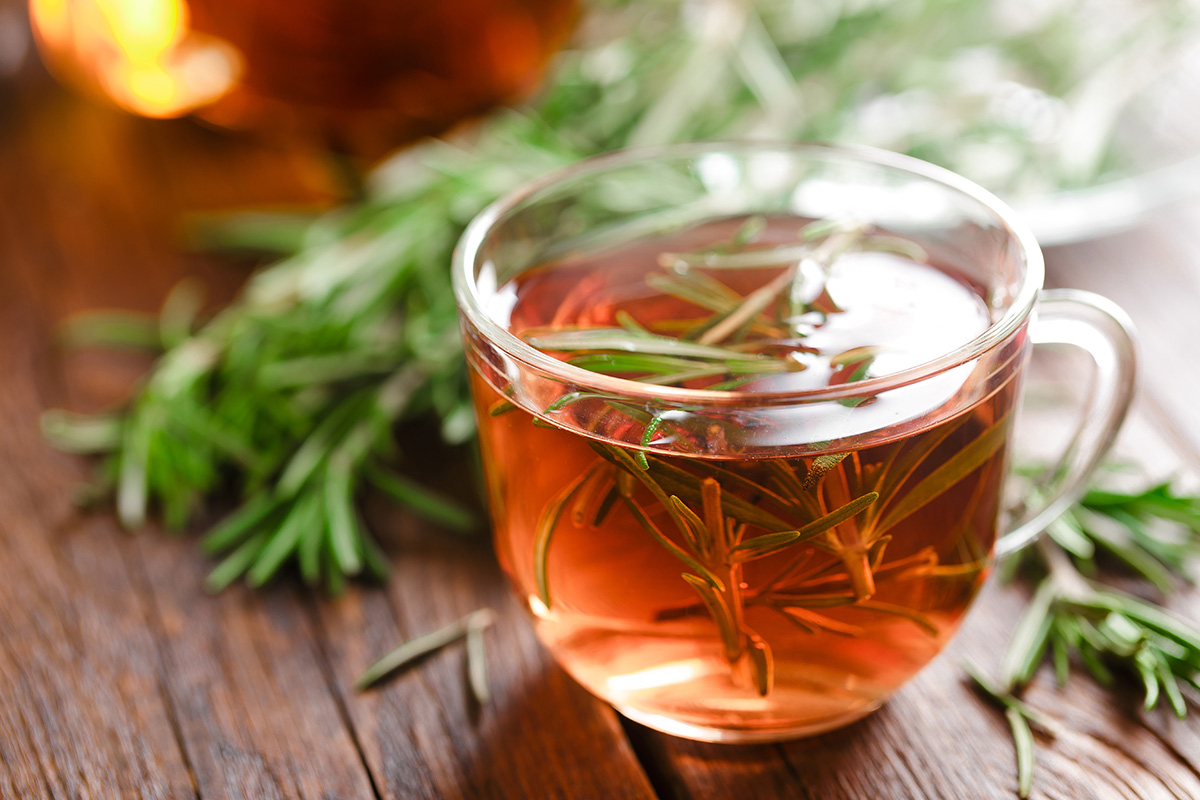
Rosemary is my ultimate favourite herb. First of all it’s a shrub and is hardy enough to survive most winters, but it hates wet roots. I’ve got several rosemary plants growing in pots in my greenhouse. They are all planted in terracotta pots, so that they get the warmth from the clay and can drain. What I really like is that they are often in flower in late winter and early spring providing a source of food for any trapped bumblebees that have found their way in through the automatic vents. The great thing about rosemary is that there are many different forms with different growth habits. Some trail, some are upright and others are very bushy. There are mauve, white and pink flowered forms. And there’s even a ginger rosemary which tastes delicious, especially in tea. If you pinch out the growing tips you can keep the plants neat and tidy and use those tips for your daily tea.
Lemon Verbena
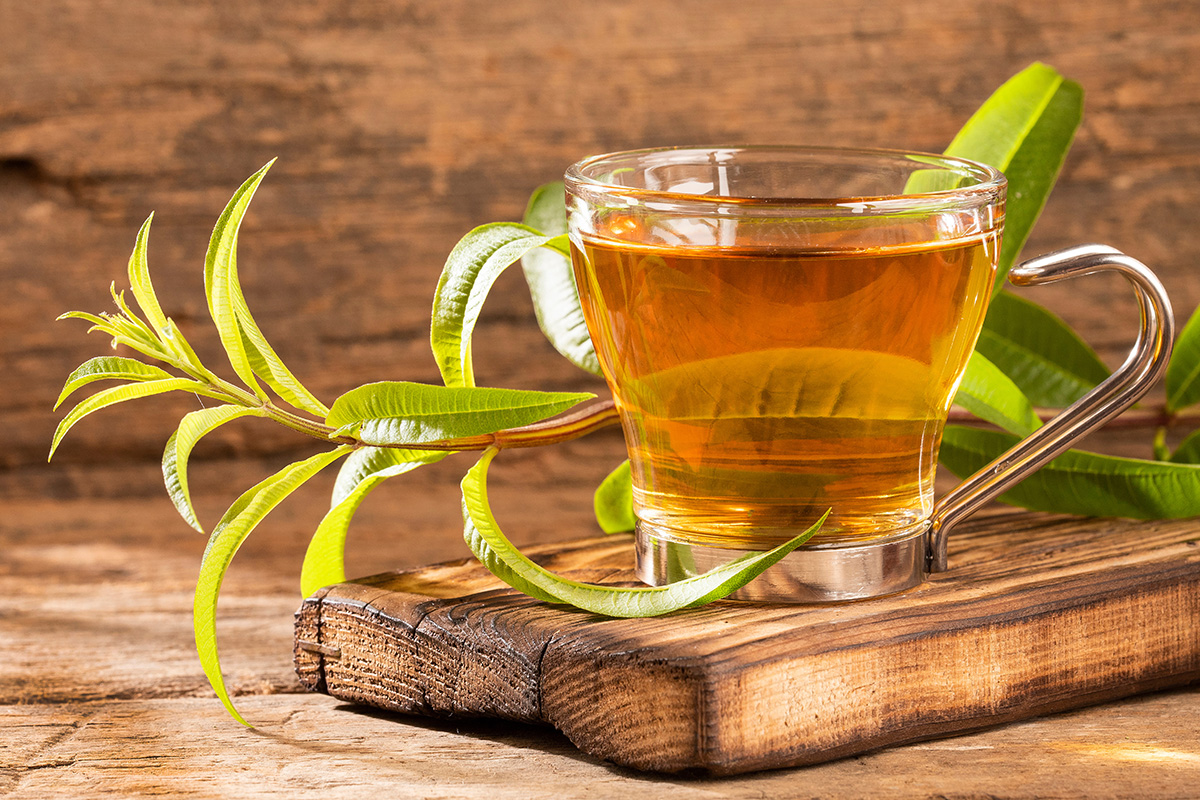
OMG this herb smells divine and has so many uses. Make a cordial from the leaves, or pick a few fresh leaves for your daily tea. Dried lemon verbena just doesn’t cut it. You need fresh leaves. My lovely plant grows in a large terracotta pot in the greenhouse. I got it from Jekkas Herb Farm – her plants are organic and grown with so much love, care and knowledge.
You might think lemon verbena is exotic and in some ways it is, but actually it’s also pretty easy to grow. The leaves drop for winter, so use them up in the summer for their exquisite flavour. Bake cakes and make tea with these wonderful aromatic leaves. Leave the plant protected overwinter and don’t cut it back until you see new shoots forming in spring. Then cut it back hard to encourage fresh new growth.
Mint
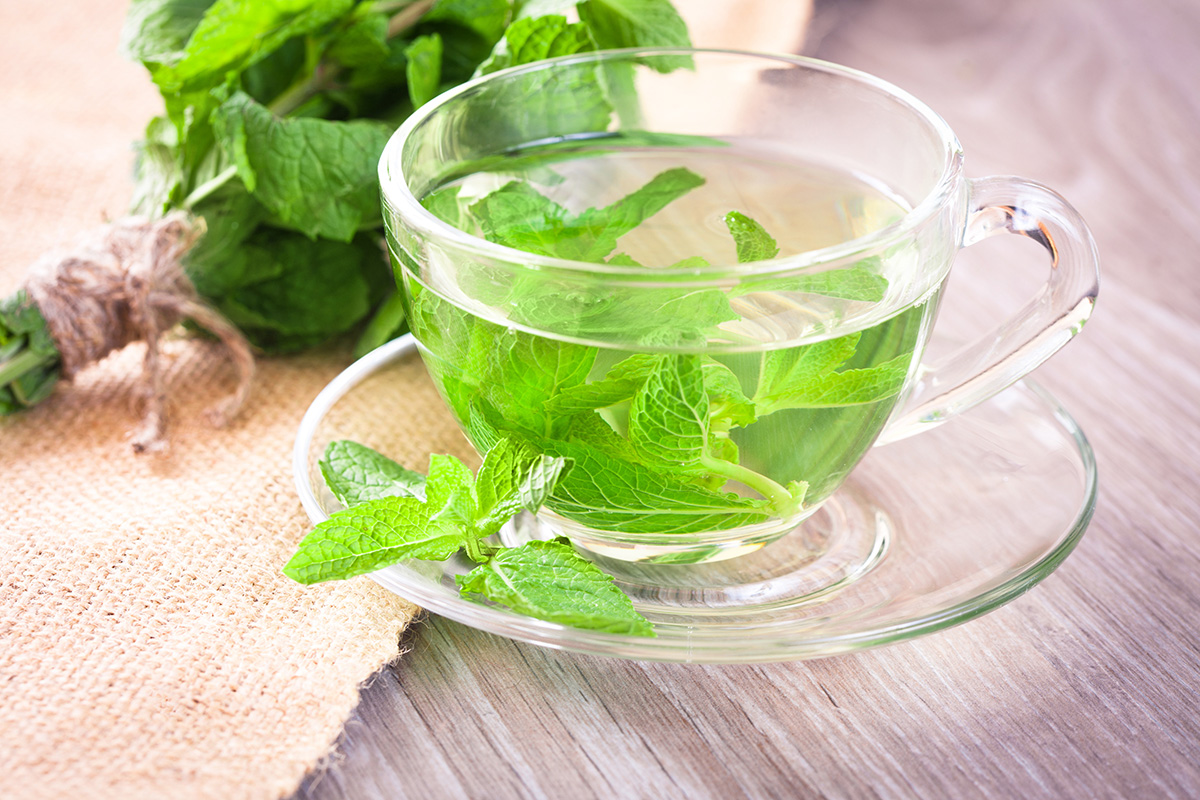
Tea made from fresh mint is divine. You can drink it hot or cold and you only need a few leaves to make an amazing brew. Mint needs to be grown in a pot to restrain its rampant growth, but you do need to give it a bit of a revamp in late spring by tipping it out of its pot and cutting up the clump. Use a carving knife and cut it into quarters. Then replant each piece with the outer edge now in the middle of the pot. My absolute favourite mint for mint tea is moroccan mint, but there are dozens of amazing flavours from different varieties, so choose what tickles your tastebuds. Take cuttings and share the plants to spread the word. We can all grow fabulous fresh ingredients to make tea.
Lemon balm
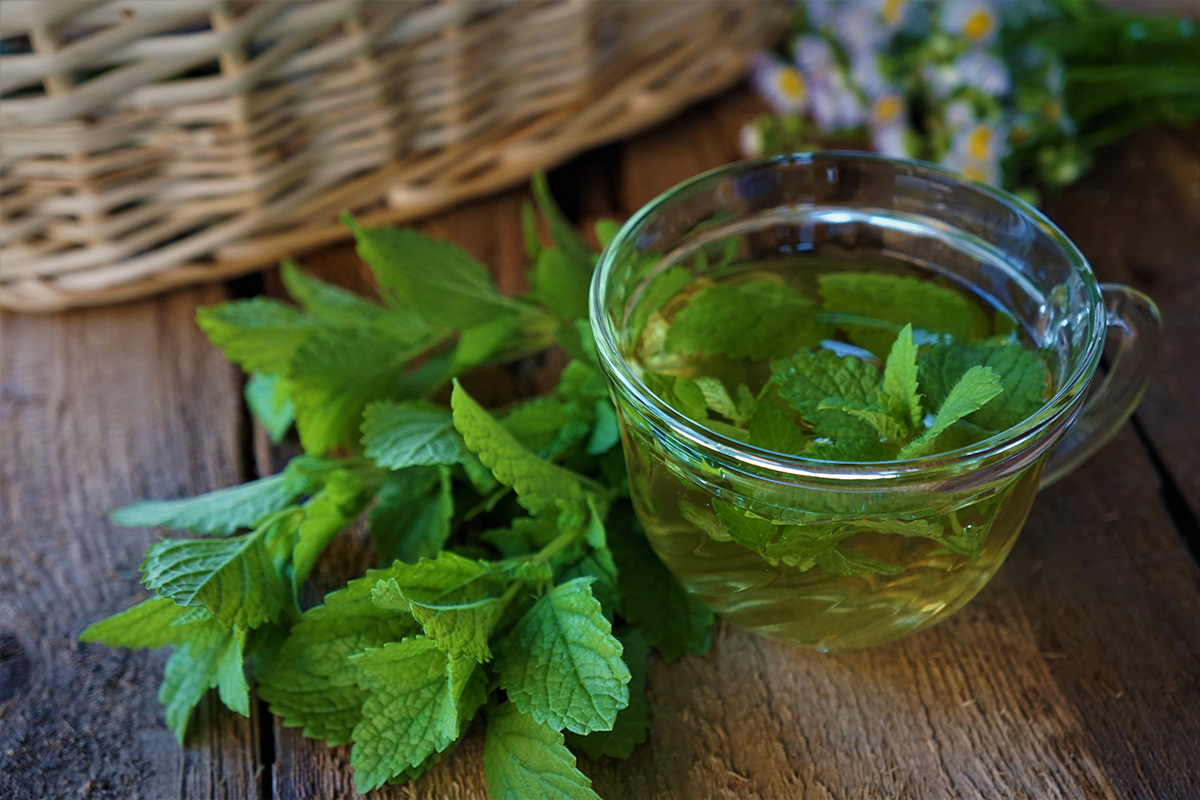
You don’t need to buy bags of lemons to get that lemony taste. So many of our herbs have that familiar flavour and many of them are really, really easy to grow. Lemon balm is a plant and forget perennial. I’ve got a few clumps around my garden and often forget that they are there until I brush past them on the way up the garden. Lemon balm is a herbaceous perennial which means it dies back for the winter and grows back in the spring. Its leaves are fragrant when crushed and make a lovely, calm inducing cup of tea (see main image). Let it cool and it’s lovely to drink cold too.
Lavender
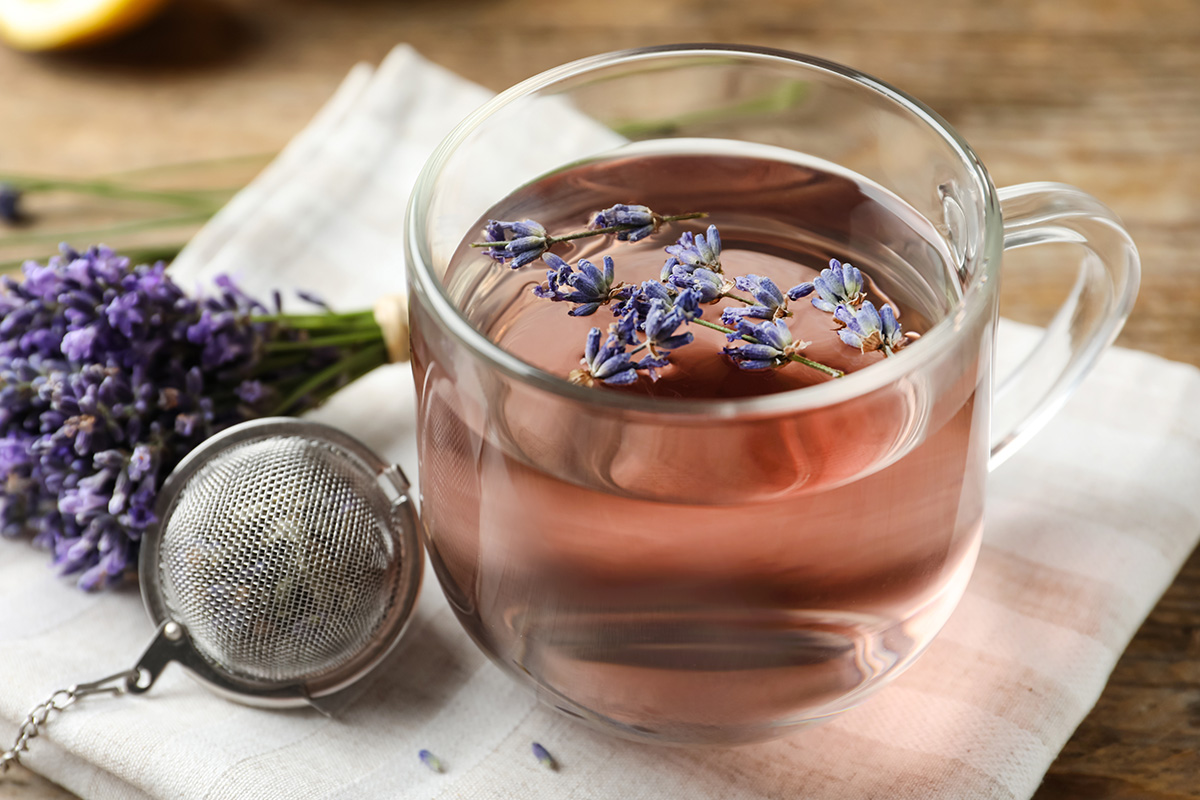
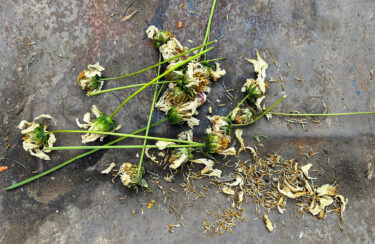
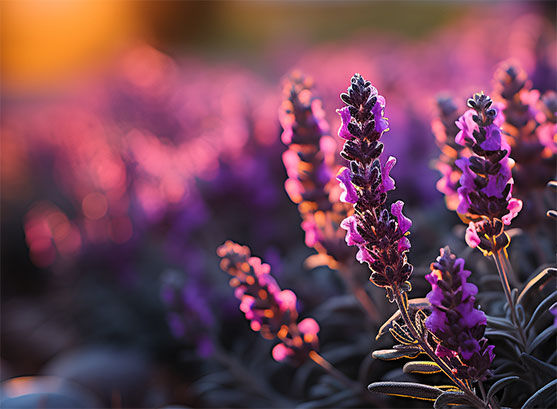
You might be surprised to learn that lavender makes a lovely tea. But it makes sense as this plant is so fragrant and calming. You use the flowers and pick a few sprigs for each brew, pour boiling water onto the flowers and allow to steep. You can even use the flowers to flavour sugar and make lavender scented shortbread and cakes. It’s a summer drink when the plants are in flower and perfect for an afternoon garden tea party. Make sure you use flowers that have not been treated with any chemicals or pesticides. It’s another herbal tea that has wonderful calming properties and tastes lovely hot or cold.