New plants are the life-blood of the gardening world and the result of years of breeding to create what is considered to be the best of the bunch. The longlist of contenders for the RHS Chelsea Plant of the Year included many fantastic plants. The shortlist was 17 plants and the winners were announced on Press Day at RHS Chelsea Flower Show.
Here are the winners and a couple of the runners-up, with a few snippets and stories and even some secrets behind their journey to the top.
The Winner is Hosta ‘Red Ninja’
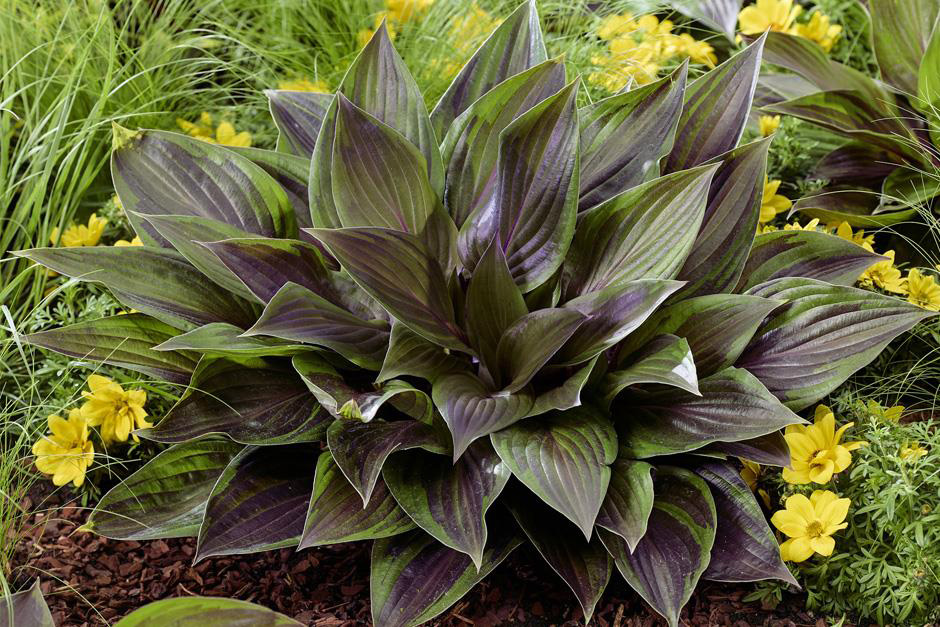
Hosta ‘Red Ninja’ has been named as RHS Chelsea Plant of the Year 2026 (as shown above). When images of this plant started to filter through to social media, the consensus was that it was AI. It surely wasn’t possible to create a red tinged hosta. And yet, here it is.
And it’s very real. Hosta ‘Red Ninja’ was one of the shortlisted plants in the RHS Chelsea Plant of the Year 2026, expected to do well. Well, it did very well – it won. Because it’s so very, very different. Its leaf stems are deep burgundy red, with the colour bleeding into the leaves. This develops as the leaves age and contrasts beautifully with the clear, crisp green leaf margin. The overall effect is simply stunning. It’s a very worthy winner. Bred by Ninja Kramer – a Danish hosta enthusiast.
In 2nd place: Hydrangea ‘Groundbreaker Ruby’
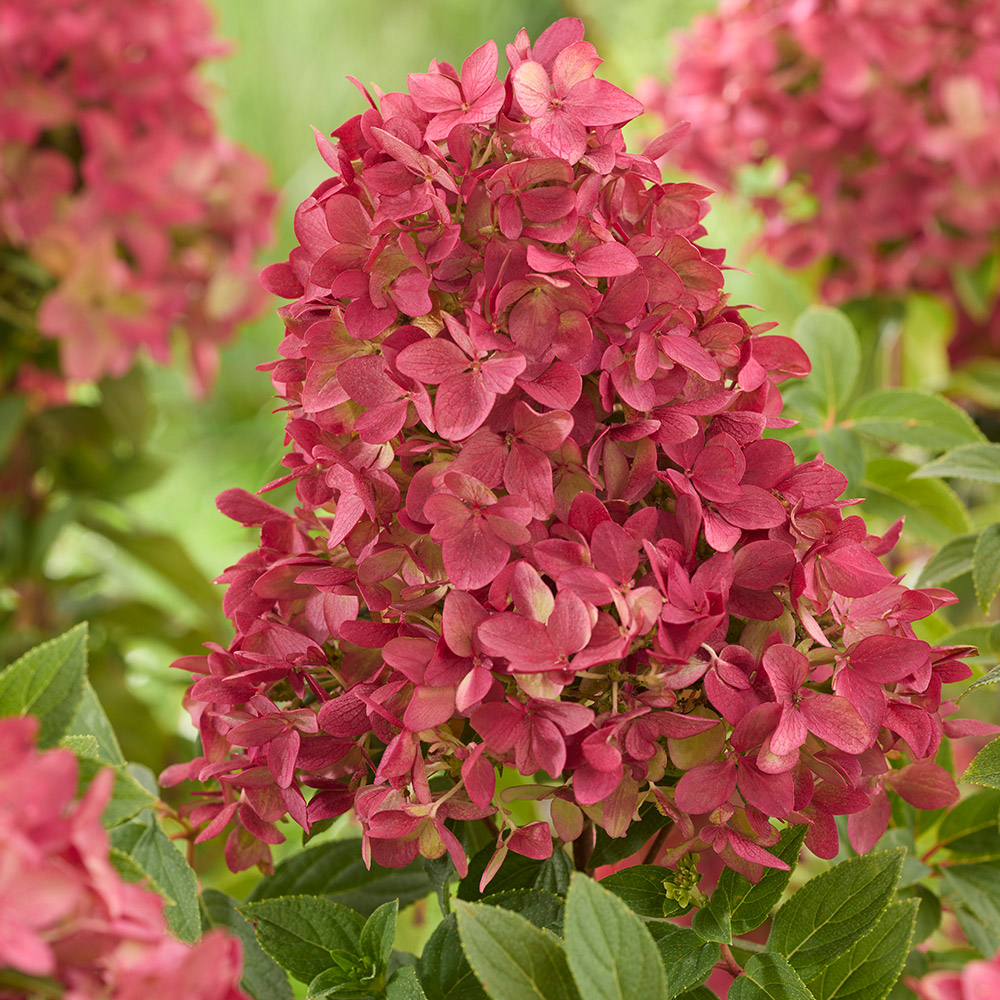
Fans of Richard’s plants will be familiar with Hydrangea ‘Groundbreaker’ range. Last year, our plants sold out in a heartbeat. So, it was no surprise to see Hydrangea ‘Groundbreaker Ruby’ take third place in RHS Chelsea Plant of the Year 2026. The flowers morph from crisp, clean white flowers which then mature and take on a deep, ruby red blush. It’s not a huge plant, instead it forms a bushy, low growing mound covered in lacy flower heads. Plus, it’s a tough cookie, withstanding cold temperatures. Unlike classic hydrangeas, Groundbreaker ruby, flowers on new stems, so it can be hard pruned (if needed) and will then explode into months of colour in the summer. Bred by Alex Schoemaker, an innovative Dutch nurseryman and breeder. You can find another beautiful hydrangea from the ‘Groundbreaker’ range on our website this year year; Hydrangea ‘Groundbreaker Blush’.
In 3rd place: Hydrangea Velvet Night Red Lace
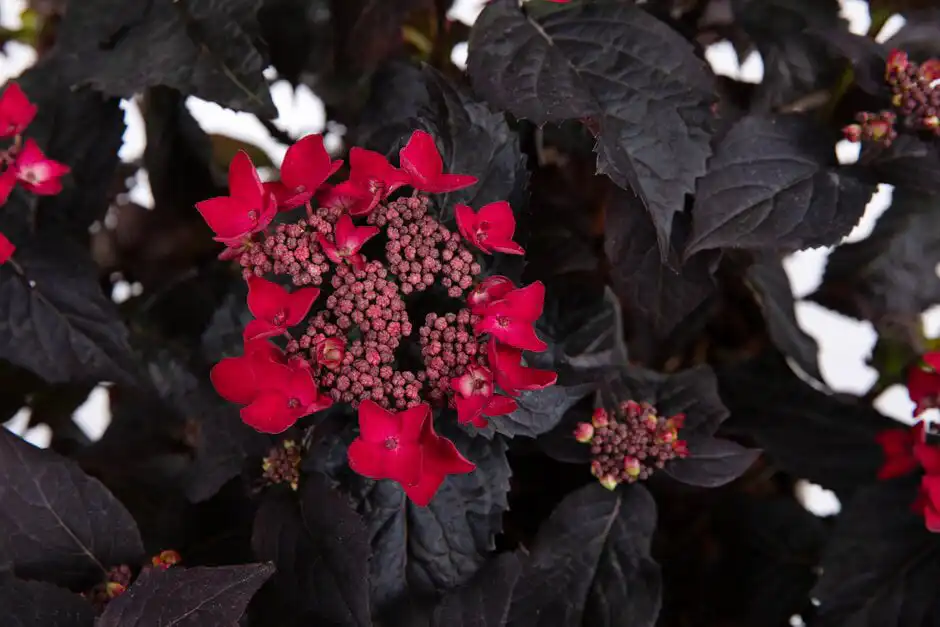
It’s unusual for two plants in the same family to be selected as runners up for the RHS Chelsea Plant of the Year, but that’s what happened this week. This unusual form of hydrangea, bred by Arie Blom, has rich, dark foliage and dramatic red lace-cap flowers. It’s a stunner. Plus, it’s a compact form so it’s ideal for pots and containers too. The dark foliage makes this plant earn its place in your garden. And, it’s been a sleeper in terms of marketing, so actually it’s in short supply this season, possibly making it the must-have plant of the year. Unlike some hydrangeas that change colour with soil pH, this one is stable, stunning and needs bright light, but not harsh midday sun, to hold the foliage colour.
Streptocarpus ‘Sirius’
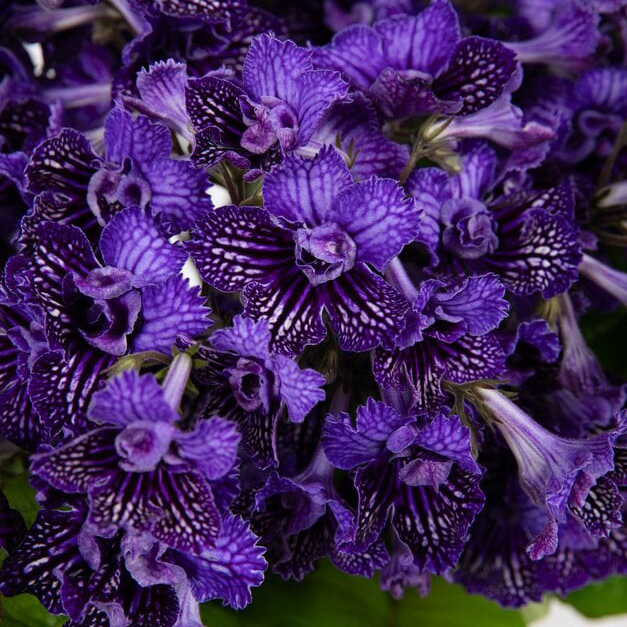
With houseplants still on trend it’s lovely to see an indoor plant on the short list for RHS Chelsea Plant of the Year 2026. Streptocarpus ‘Sirius’ has beautiful rich inky purple flowers with dramatic textures that resemble velvet. It’s a prolific flowerer and produces masses of spectacular blooms. This indoor treasure is sterile, so it doesn’t waste its energy making seeds, instead it directs all its efforts into flowers, flowers and more flowers. And even the flowers are magnificent, packed with ruffled double petals in layers so it almost resembles a miniature rose. And the best bit? Anyone can grow it on a sunny windowsill.
The flowers, though inky blue from a distance, close-up inside the throat, there’s a pale yellow, glowing amber layer. Bred by Lynne Dibley from the world-renowned Dibleys Nurseries.
Clematis ‘Queen’s Nurse’
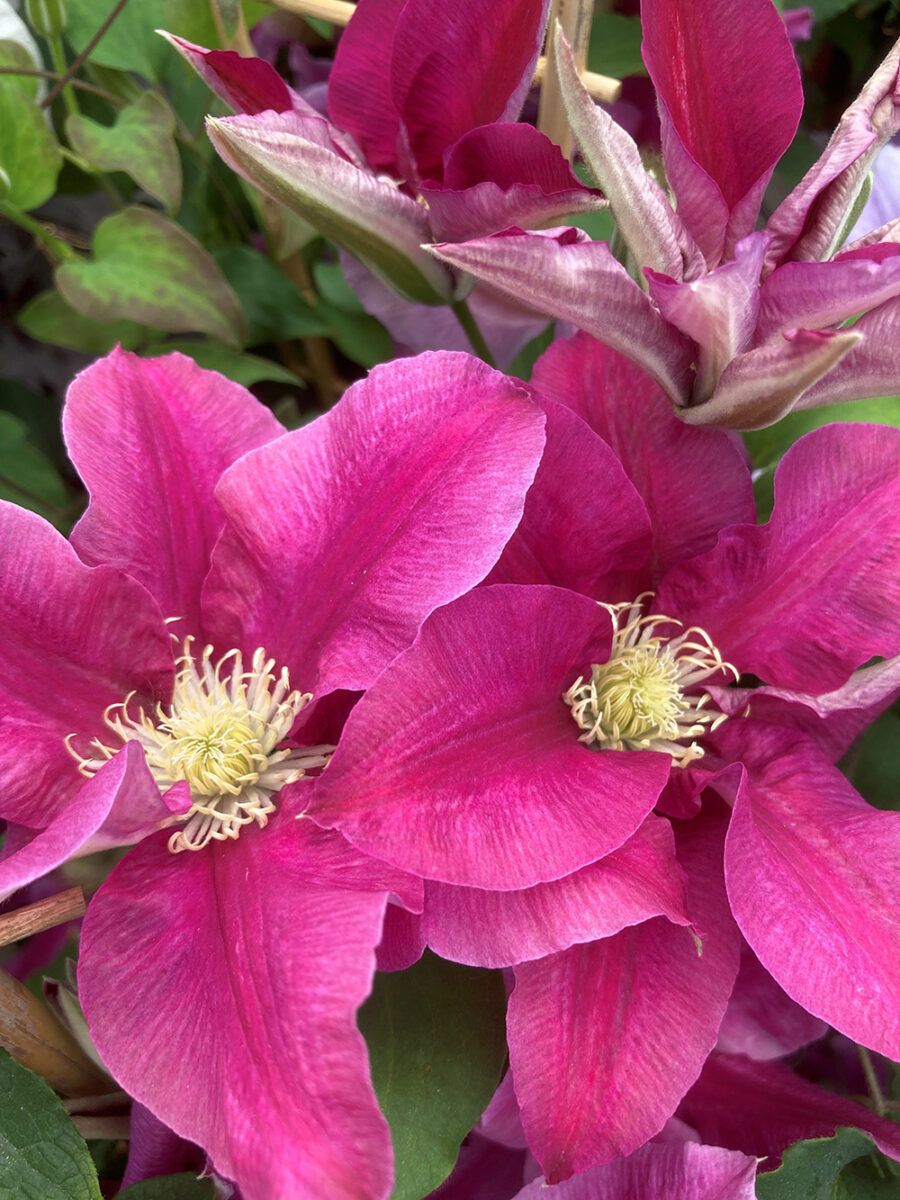
Richard chose this plant for his QVC customers, so you may have seen it already, it was one of two lovely clematis that made the RHS Chelsea Plant of the Year 2026 shortlist. It’s a stunner, producing dramatic striped flowers on new stems and deep pink, unstriped flowers where they form on older stems. And that means it’s much less fussy in terms of pruning. So, you can prune it hard for masses of new stems and stripy flowers, or leave it be and it will still bloom. Bred by Raymond Evison OBE, this plant raises funds for the National Garden Scheme and The Queen’s institute of Community Nurses, supporting community healthcare.