Ferns are some of the world’s oldest-living things and dominated the earth’s vegetation through the Carboniferous period, well over 200 million years ago!
Today, ferns form an important part of many gardens and, while there are a few exceptional annual forms, most are long-lived perennials. Their deep roots mean that they are tolerant of drought conditions, yet they don’t mind a damp soil either, so what’s not to like? I have several ferns growing in my garden that I have owned for over 30 years or more.
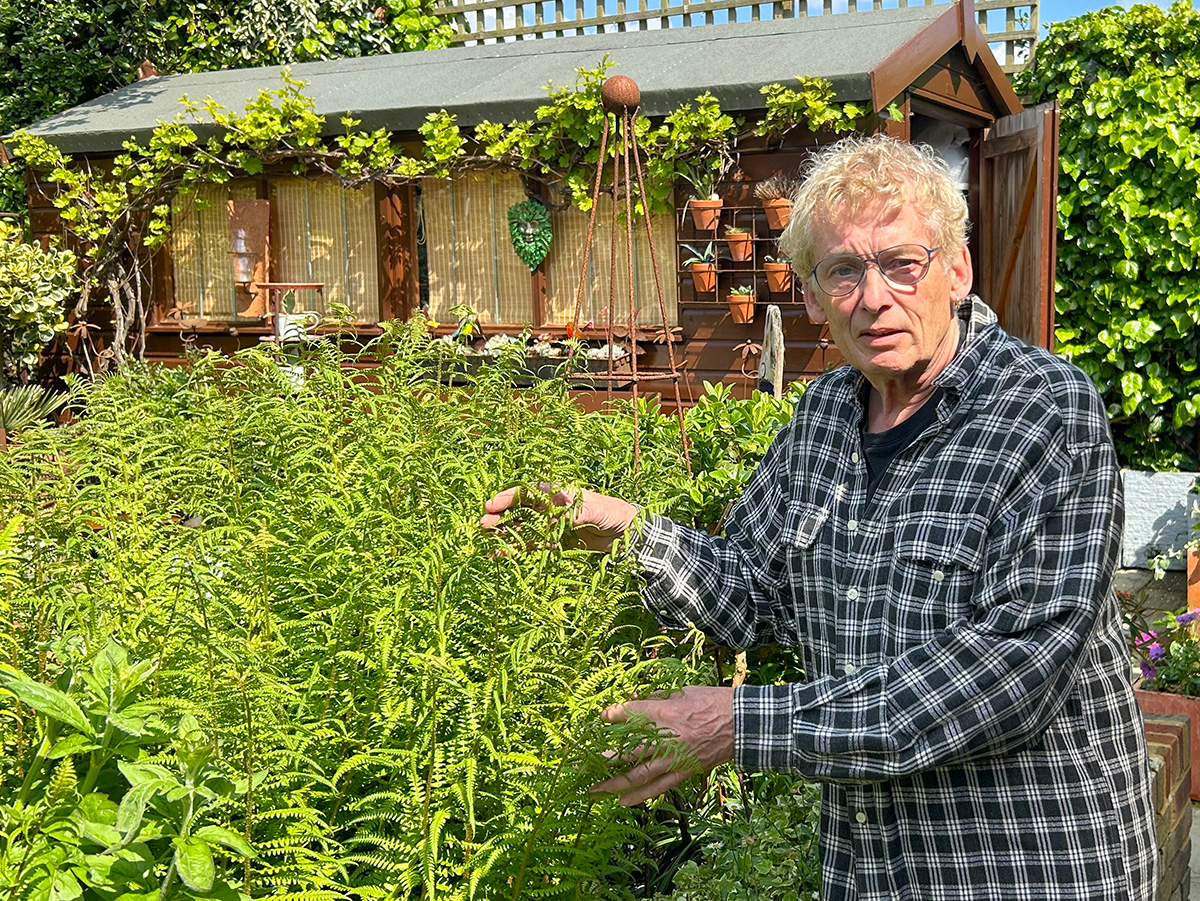
Ferns on trend
Ferns were incredibly popular in Victorian times. After this, they seemed to fall out of favour, but, in my opinion, in recent years there has been a resurgence of interest.
While I don’t consider myself a fern expert, not even knowing the correct names of some of mine, having owned them for so long, I do love them. Ferns come in many different sizes, and this can often depend on their habitat. Ferns are particularly accepting of shade, with most enjoying at least some shade, and as gardens are becoming smaller, with proportionately more shade due to nearby buildings, it seems ferns are becoming more desirable for the gardener. Don’t forget, too, that these are beautiful plants and they’re not just green, many offer reddish, yellowish and other shades of colour at different times of the year.
Form and function
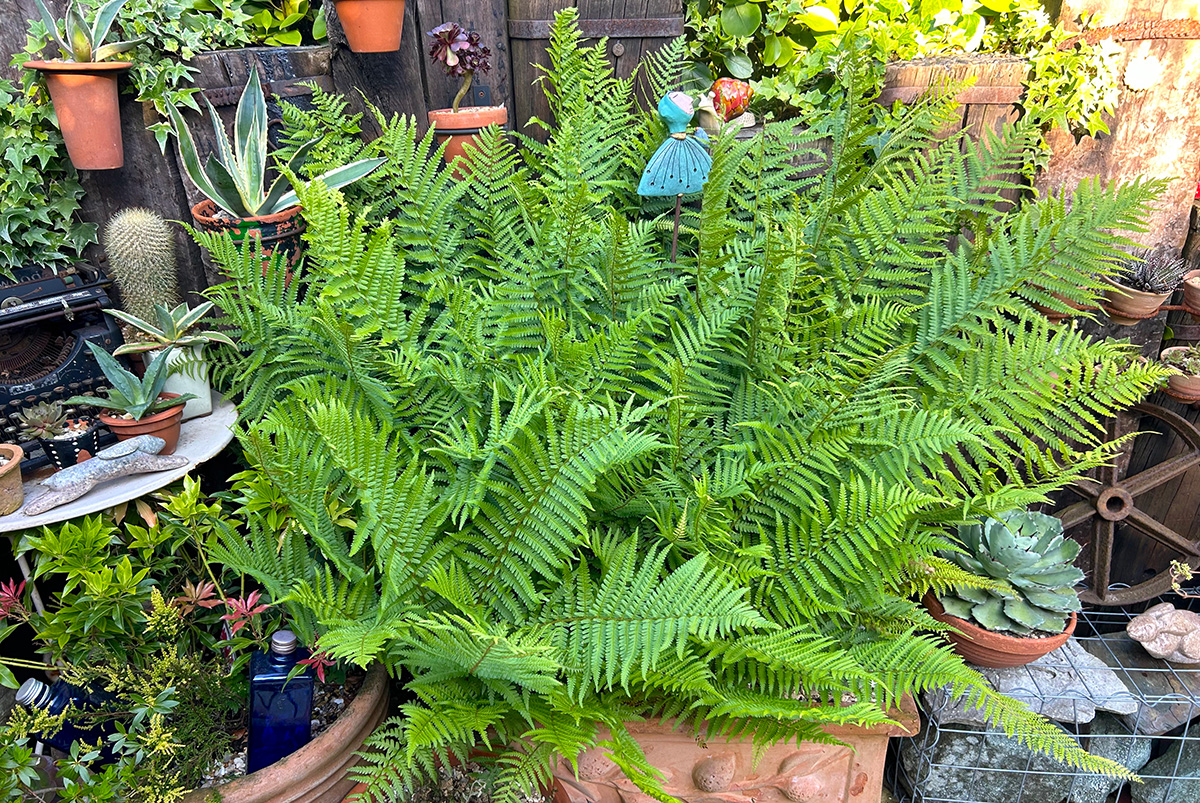
Providing form and texture, ferns are easy to grow and make ideal foliage plants for a shady spot. Their unfurling new growth can be delicate and feathery or large and lush, ensuring there are ferns to suit every style and size of garden. Ferns are an ancient type of plant, dating back more than 360 million years. They don’t produce flowers or seeds, but have spores instead. Ferns are prized for their attractive leaves, or fronds, which typically unfurl from crosiers (tightly coiled buds) in the centre of the plant. Ferns are perennials, meaning they live for several years, some dying down in winter, while others keep their foliage all year. In the wild, ferns grow in a range of habitats, from woodland to dry rock crevices or swamps, but most ferns available to gardeners tend to like shade.
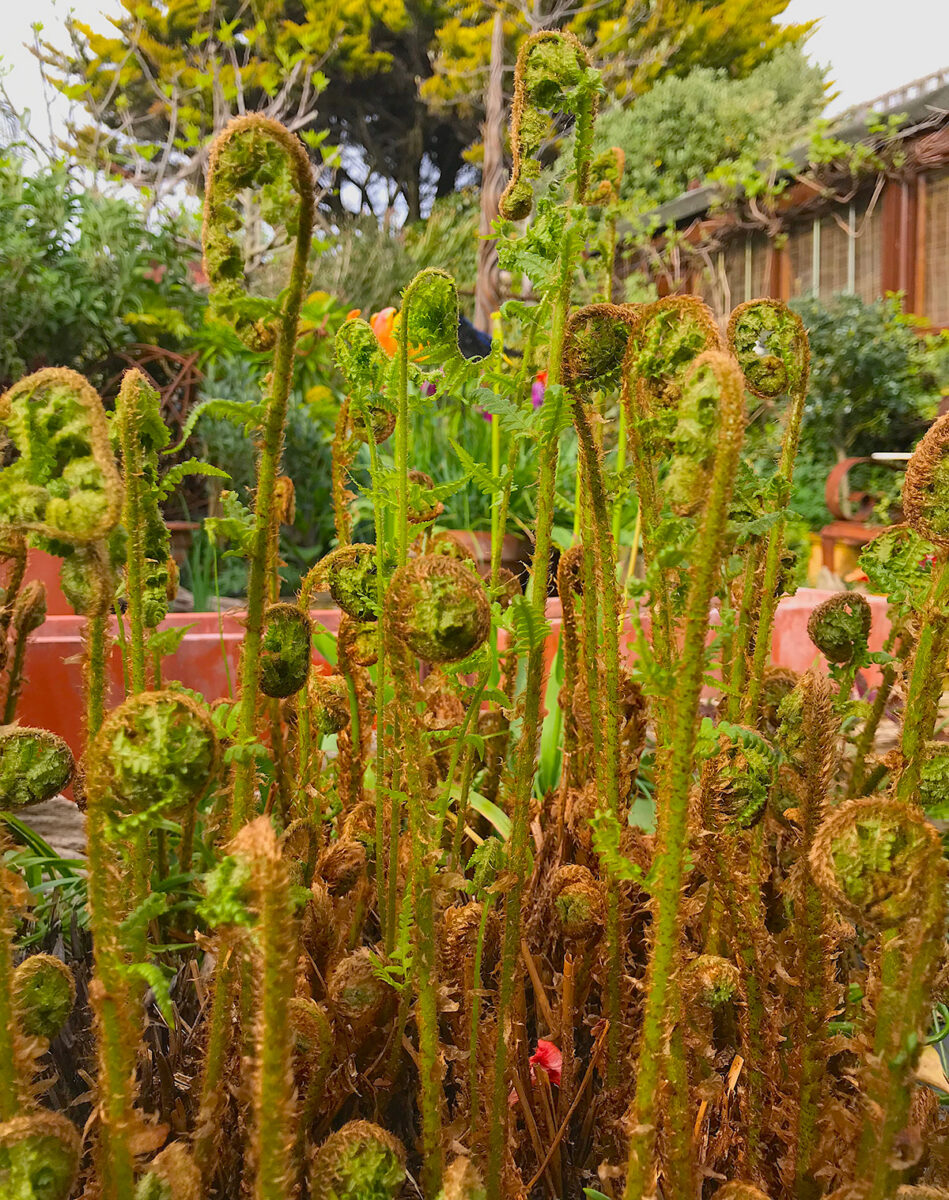
Hardy ferns, can be kept outdoors all year round in the UK and need no additional frost protection. There are also some half-hardy ferns that can be grown outdoors in mild areas in the south and west of the UK, or in other sheltered spots if given protection over winter.
Woodland plants
Most ferns are woodland plants that like light or dappled shade. They can usually tolerate some sun, as long as they have plenty of moisture. Most of the ferns readily available to gardeners are hardy, which means they will survive cold winters outdoors. However, you may find some half-hardy or tender ferns on sale. These need to be kept frost-free over winter, so are best planted in containers that can be moved indoors.
Ferns like soil that is rich in organic matter, such as garden compost or leaf mould. Most prefer neutral to alkaline soil, but a few need acidic conditions. They usually prefer plenty of moisture, but not to be waterlogged, although certain types will tolerate either very wet or dry soil.
Fern care tips
I cut my ferns back in the winter, before the fabulous new spring growth starts. You can create new plants by dividing your established plants or as below.
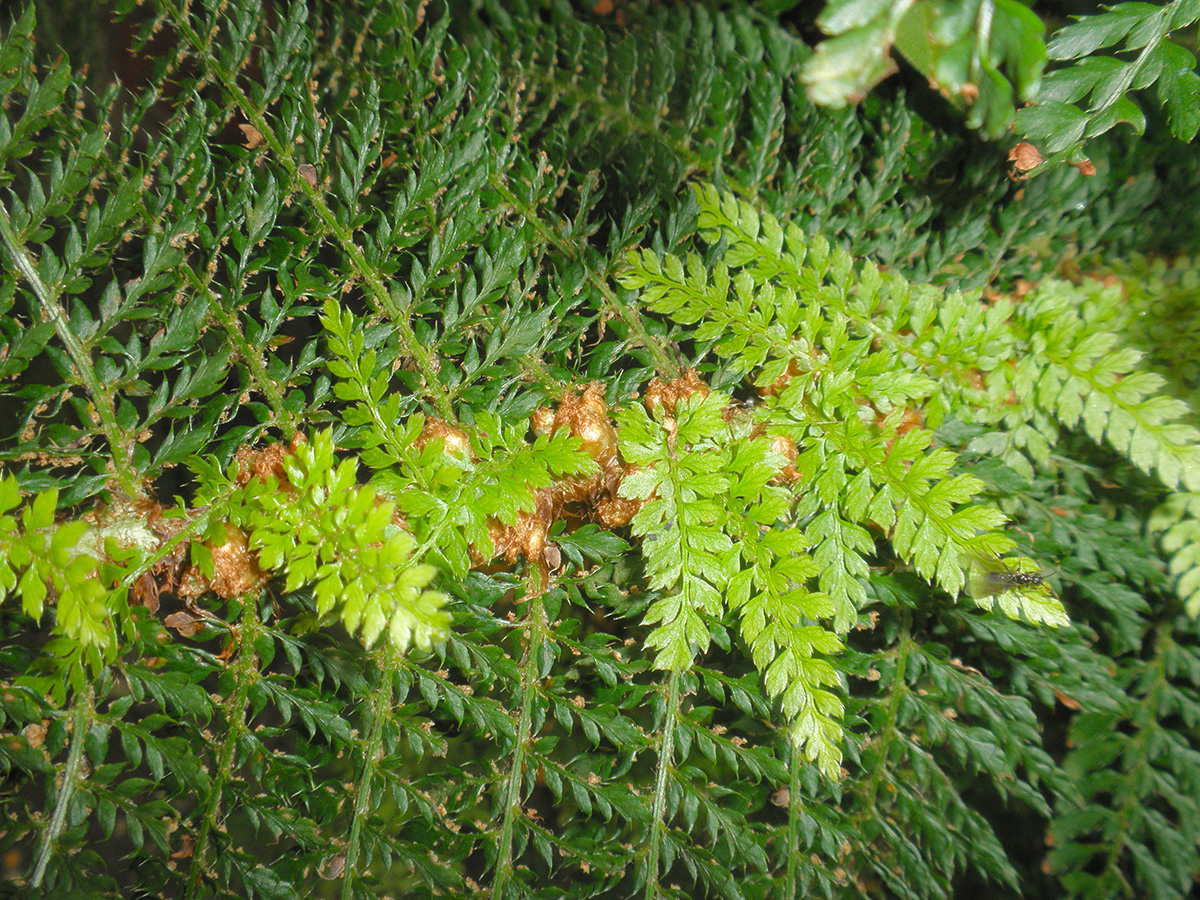
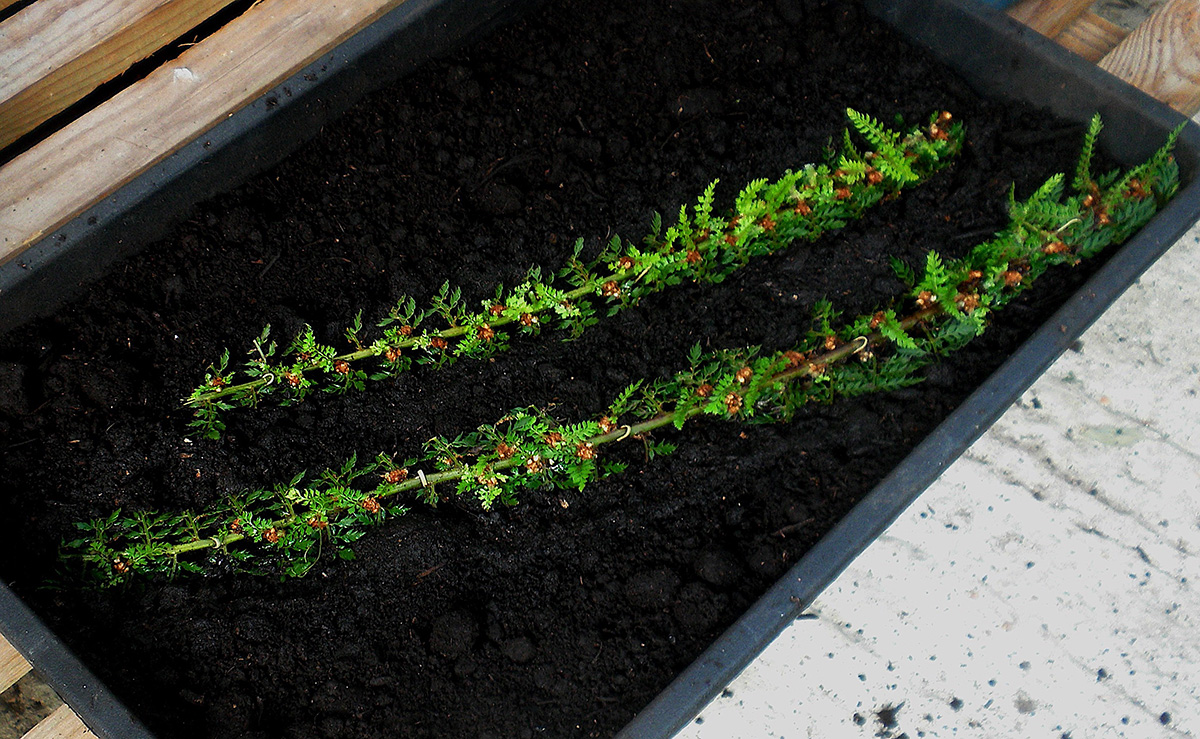
Some ferns, such as Asplenium bulbiferum, produce bulbils which are small, asexual reproductive structures (like tiny bulbs or plantlets) that form on the fronds of the parent plant. They develop in the leaf axils. It is a simple process to remove a bulbil-laden frond. Put some seed compost in a seed tray and water. Pin the frond flat onto the compost with small hooks of garden wire. Put the whole seed tray in a clear plastic bag and seal the end. Leave the seed tray in a light and warm place and look out for signs that the bulbils have rooted. Once rooted, carefully lift out the new ferns and pull them away from the parent frond. Pot them on and keep moist.
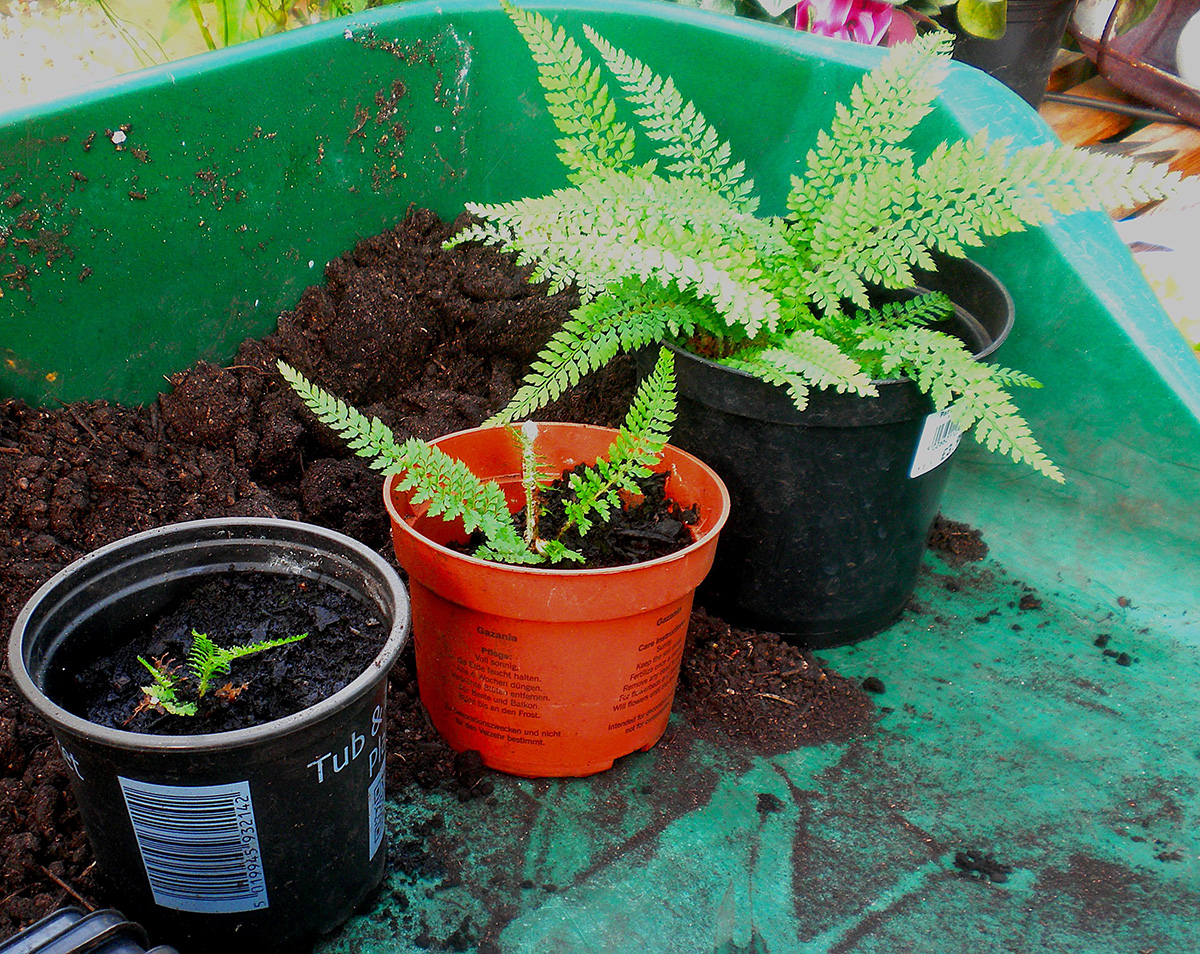
- Ferns are easy to plant and should settle in quickly and should be planted in the same way as most other container-grown perennials.
- You can also plant ferns in large containers, either singly or with other shade-loving plants.
- Ferns require very little care.
- Remove any dead or damaged fronds in May from evergreen ferns. The fronds of deciduous ferns can be cut back in autumn.
- Mulch annually in autumn or spring with home-made leaf mould.
- Keep them looking tidy by simply snipping off any dead or ragged fronds before the new crosiers (leaf buds) start to unfurl in spring. Cut them off at the base with secateurs or snips, taking care not to damage any newly developing fronds. Clear away the debris to encourage good air circulation.
Tree ferns and ferneries
I treated myself to a small tree fern a few years ago but sadly it was one of my disappointments, as it did not survive for whatever reason. Tree ferns are not fully hardy, so you need to give them a warm, sheltered spot. Larger specimens, with the growing point higher off the ground, may survive outside over winter if protected with straw or fleece, especially in milder parts of the UK. It’s best to bring smaller tree ferns indoors over winter. Mine was protected but no joy!
Growing ferns can offer real benefits such as low maintenance, soil health improvement (erosion control, nutrient cycling), biodiversity support (habitat for wildlife/insects), air -purification, aesthetic appeal (calming, structural beauty), and even potential medicinal uses, making them excellent for both ornamental gardens and any sustainable landscaping. They thrive in shady spots, adding lush texture where other plants struggle, and can help create cooler microclimates, so what’s not to like?
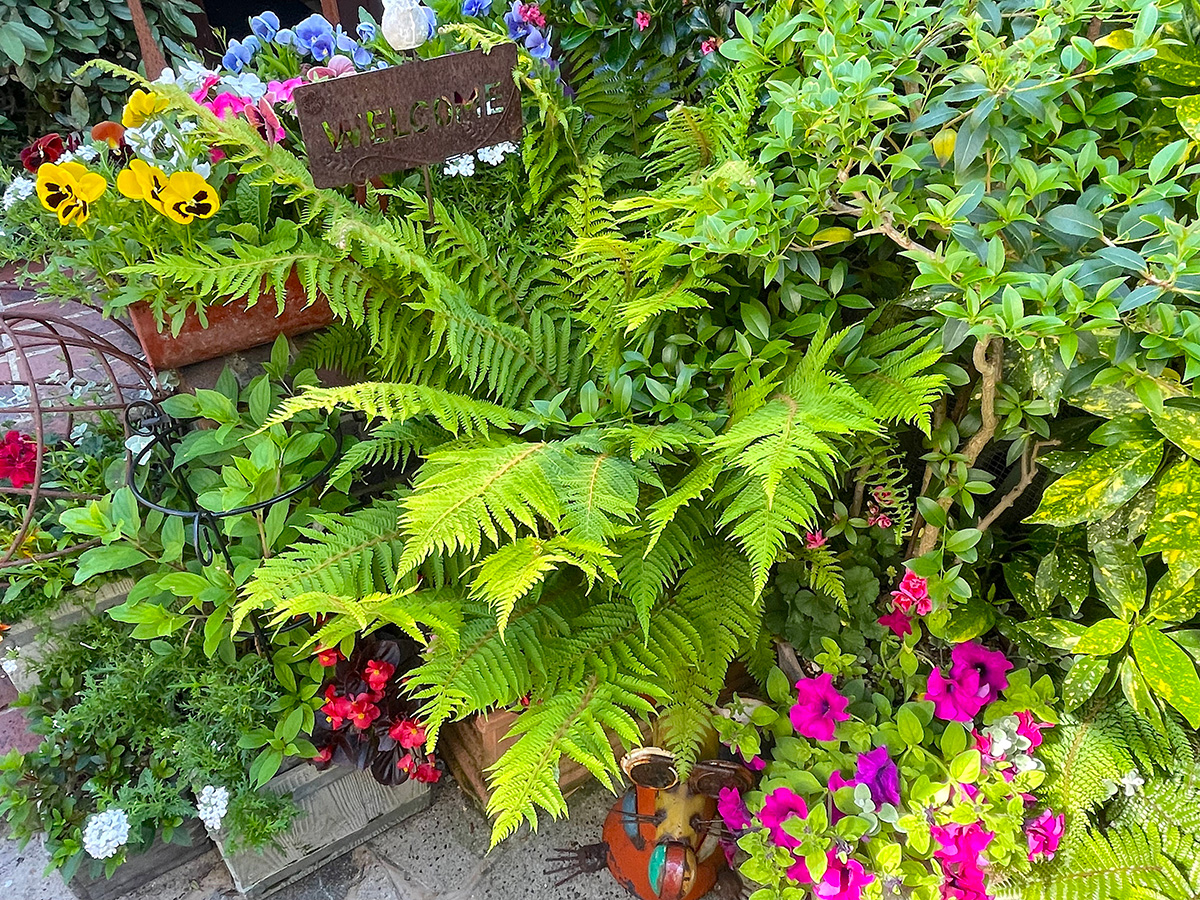
Over the years, ferneries have been created to accommodate ferns, sometimes by carving stony hollows into north-facing banks and planting them with different types of ferns, often amid gently running water. If you start to love ferns, maybe you can join the revival and create your own fernery?