Groan! Peat-free composts. “They’re awful and none of them grow plants well!” This is a comment I receive more and more frequently as we work towards a peat-free gardening/horticultural future. Admittedly, back in the day (the 1980s and 1990s, when I used to manage garden centres) the majority of peat-free composts were pretty bad.
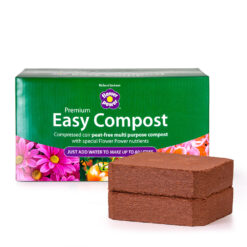
Back then, some smaller companies had appreciated that we needed to go peat free and the larger companies had to follow suit to maintain their share of the market. It was very much a “Oh, I have to do something!” As a result, this panic led to new materials being included in composts that, to be honest, hadn’t been tested adequately and often came from “dubious” origins. Move forward 35 years or so and it’s a completely different situation. Now the materials used in our peat-free composts are much better, they’re sourced better, they go through extensive testing and assessment and they’re delivered better. And Richard’s Easy Compost is regarded as being one of the best.
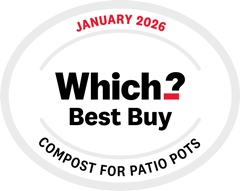
Which? Best Buy
And just in case you think: “Well, he would say that, wouldn’t he?” I don’t work directly for Richard Jackson Garden. I’m a freelance horticultural consultant, having worked for/still working for several different gardening companies, including some of Richard’s direct competitors. Those that I work for/have worked for, respect my comments and opinions as an independent “purveyor of gardening insight”. But you don’t have to take my word for how good it is. Richard’s Easy Compost was given a Best Buy for compost for patio pots by leading independent testing company, Which? Gardening, in its 2026 compost trials.
Understanding the basics
What us gardeners have to appreciate is that we have used peat-based composts for years (many years for some gardeners) and become used to using them. The replacement media are different to peat and “work” in a very different way. That is, compared to peat: they absorb water differently; they release water differently; they absorb nutrients differently; they release nutrients differently. And each different replacement media “works” differently to the next. What this means is that we have to get used to all these differences and work with these composts differently.
Science based research
Believe it or not, scientists called soil scientist – yes, men and women in white coats – spend more-or-less the whole of their working life looking for suitable materials and formulating them into quality products. It’s not just “stuff swept up off the factory floor”. Why would respected compost manufacturers deliberately sell you a rubbish product? After a while, you’d realise it was rubbish, their reputation would go downhill, you’d buy something else and their profits would plummet. It just doesn’t make any sense to do so.
So, what are the different types of peat substitutes?
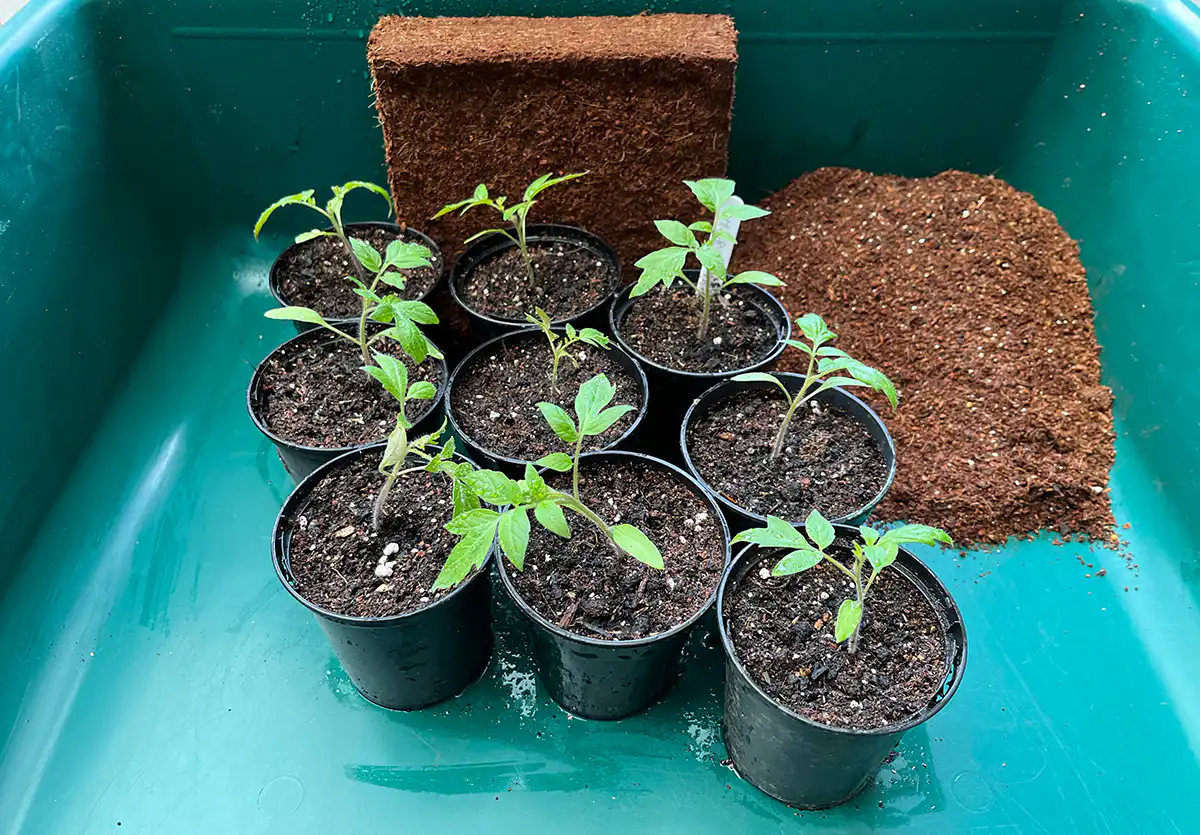
Coir is derived from coconut husks and is a by-product of coconut production. It has excellent water retention (holding up to 600% its own weight), excellent air porosity, a pH of 5.5-6.8 and, unlike peat, resists compaction. This is what is used in Richard’s Easy Compost.
Green compost is usually nutrient-rich and made from decomposed organic garden and wider landscape waste; it’s what your local council collects. It is very variable, depending on what goes into the bins; this tends to be higher in grass clippings in summer and woody prunings in winter, and varies widely throughout the year. It is subject to PAS 100 standards, which ensure that the composted materials adhere to specific criteria and a minimum quality level.
Composted bark can be treated in different ways to give it differing properties. It is porous and helps aerate the compost.
Wood fibres come from various sources, including the waste from wood mills. It is often treated in various ways to produce different materials for different needs.
Biofuel waste is the nutrient-rich organic material left after organic matter, such as agricultural waste, food waste and animal manure, has been processed for energy production.
Other materials that are often available locally include arable straw waste, sphagnum moss, wool waste and paper and cardboard production waste.
Troubleshooting
One thing to be aware of with most peat-free composts is that they hold more water than peat-based, but often look dry on the surface. The answer: stick your index finger into the compost to its full depth and see if it looks/feels moist. For plants in small pots, “weigh the pot and plant by lifting it up and gauge if it feels heavy (wet) or light (dry); you may have to practice this a bit before you feel confident.
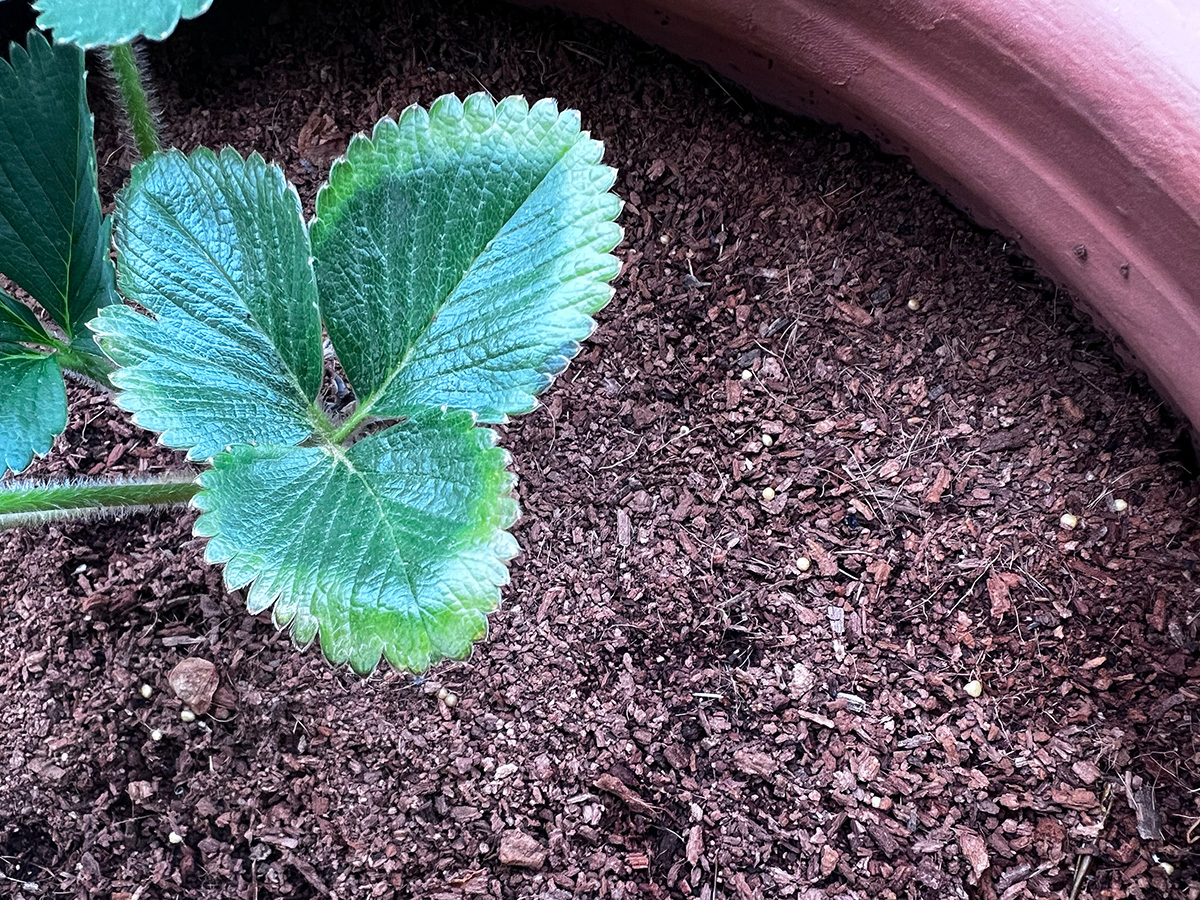
Most peat-free composts contain a lot of nutrients and can be too strong for sowing seeds and young seedlings. I use a mixture of pure coir plus added vermiculite for seed sowing, which I find works really well. Once the seedlings are growing on, I give them a liquid feed with something like Flower Power. When ready, the seedlings can be pricked out into a peat-free compost.
And finally…
The question I know you’re dying to ask is: “Which compost do I use?” The simple answer is a mixture of Richard’s Easy Compost and another much less known brand. The reason for the latter is that I have a bad back, I can’t lift large bags of compost, and my Milk & More milkman delivers it to my back gate! I’ve worked out how both composts work and get great results – either on their own or mixed together, depending on the circumstance.
So, get used to the new composts, amend your watering and feeding habits accordingly and within no time at all, you’ll embrace peat free.
-
 Select options This product has multiple variants. The options may be chosen on the product pagePrice range: £11.99 through £26.99 Free Delivery
 -
 Select options This product has multiple variants. The options may be chosen on the product pagePrice range: £17.50 through £30.00
 -