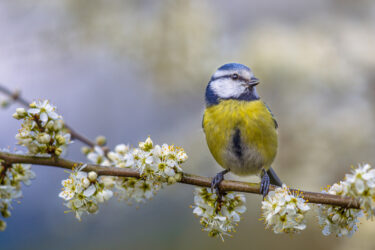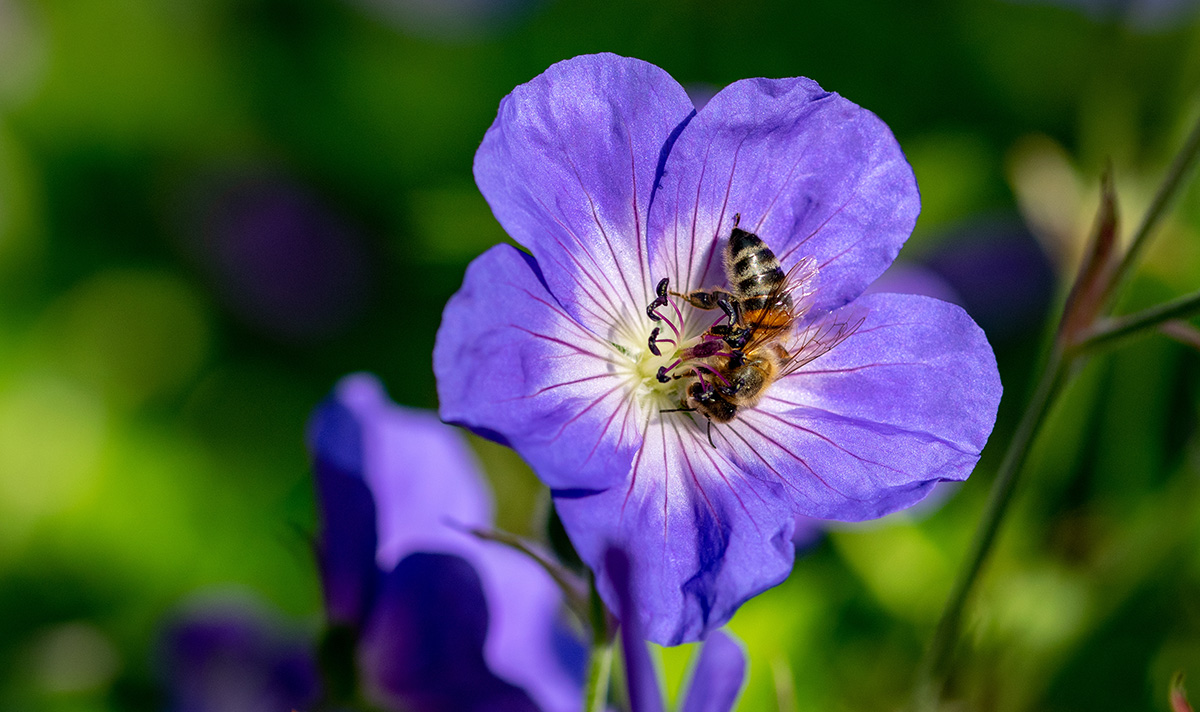
Insects of all types are in severe decline and each and every one of them plays a vital role in the environment, many are food for the garden birds, their chicks and other garden wildlife.
Different pollinators have different shaped mouthparts and indeed longer or shorter tongues, that means that the shape of the flowers dictates which pollinators can feed there. So, pollinators with long tongues (proboscis) like butterflies, moths and some of our bumblebees need longer, tubular flowers. While those with shorter tongues need easy access flowers where the pollen and nectar is accessible.
When choosing new plants for your garden look for those that work a bit harder and are a generous supply of food for our precious pollinators. Some plants are better than others for a variety of reasons. Here are five plants that will create colour, interest and attract and feed precious pollinators too.
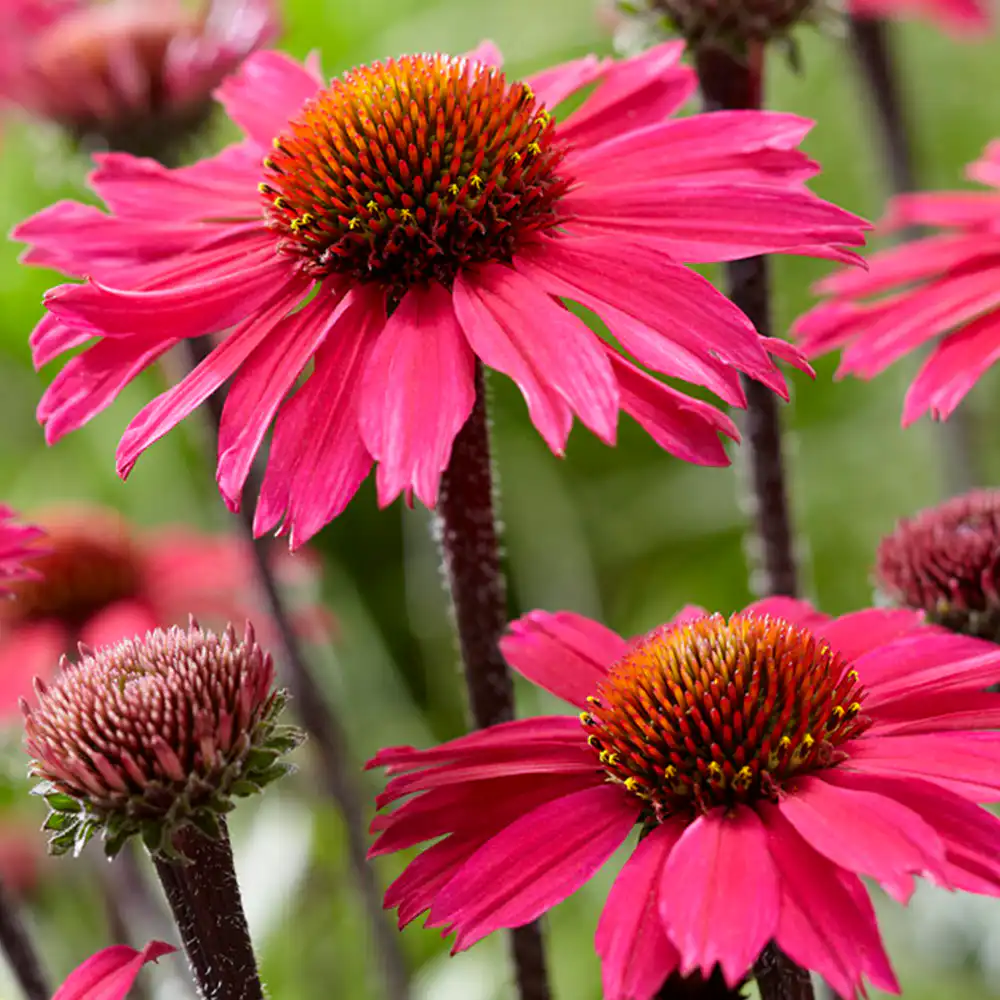
Echinacea ‘Sunseeker Hot Pink’
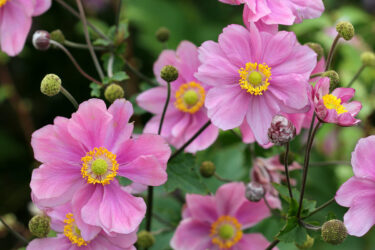
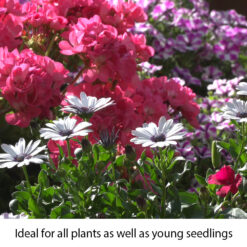
This is such a lovely summer flowering perennial. It’s in the daisy family and the flowers are like dinner plates for our pollinators because they can land on the flower head and move around feeding from the pollen and nectar rich centres. If you’ve never got up close to sniff an echinacea, you’ve really missed out. When the flowers are mature they smell richly of honey and are literally a bee magnet. Sunseeker Hot Pink has shocking pink petals around the pollen and nectar rich centres. It flowers all summer and is perfect for patio pots or towards the front of the border to attract a wide range of butterflies and bees. Even the seed heads are food for the birds.
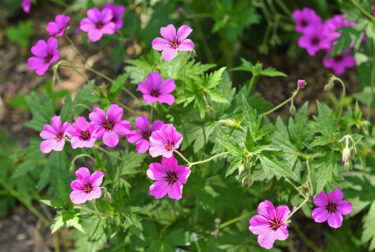
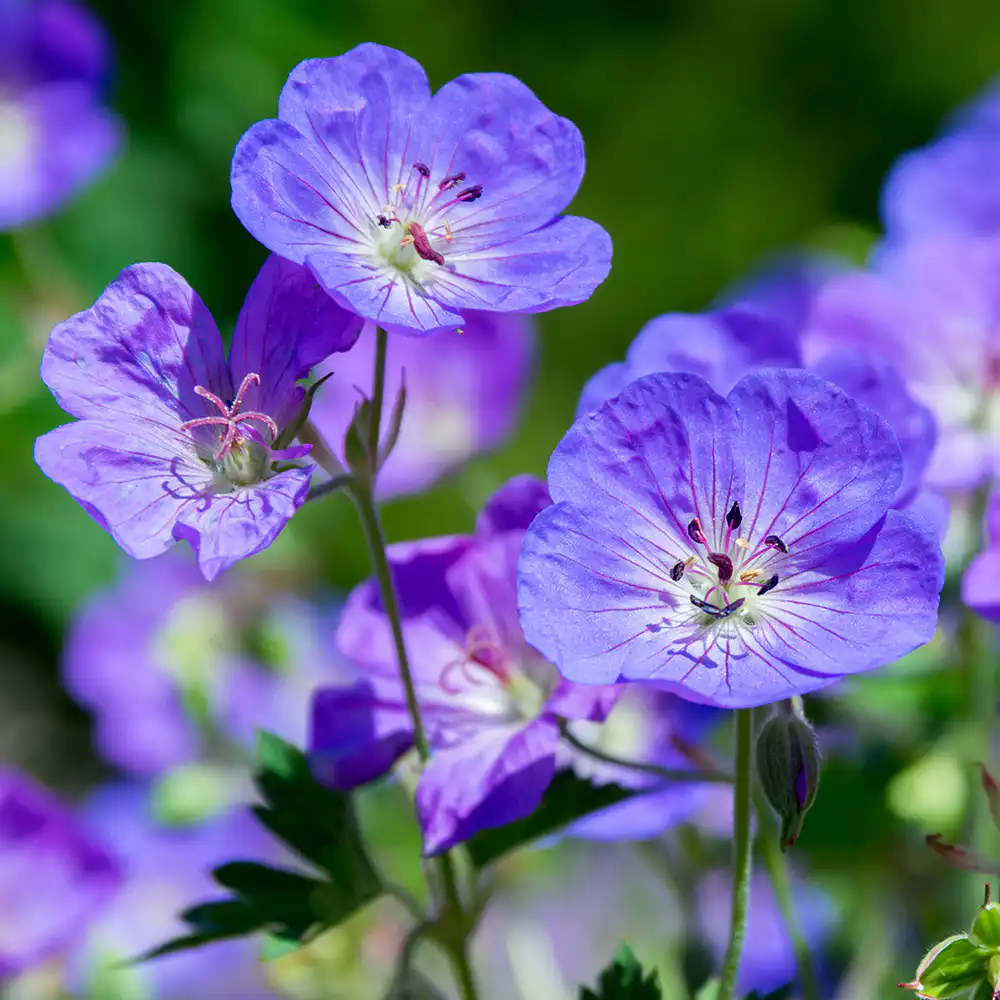
This plant is considered to be one of the very best plants for pollinators and especially for bees. Look closely at the violet blue flowers and you can see the nectar guides steering the bees to the centre of the flower and the nectaries. This plant flowers in abundance from May to November with its beautiful purple blue flowers. It’s open access and ideal for solitary bees, hoverflies and shorter tongued bumblebees. Once established Geranium ‘Rozanne’ will grow bigger and better year after year.
Abelia grandiflora ‘Kaleidoscope’
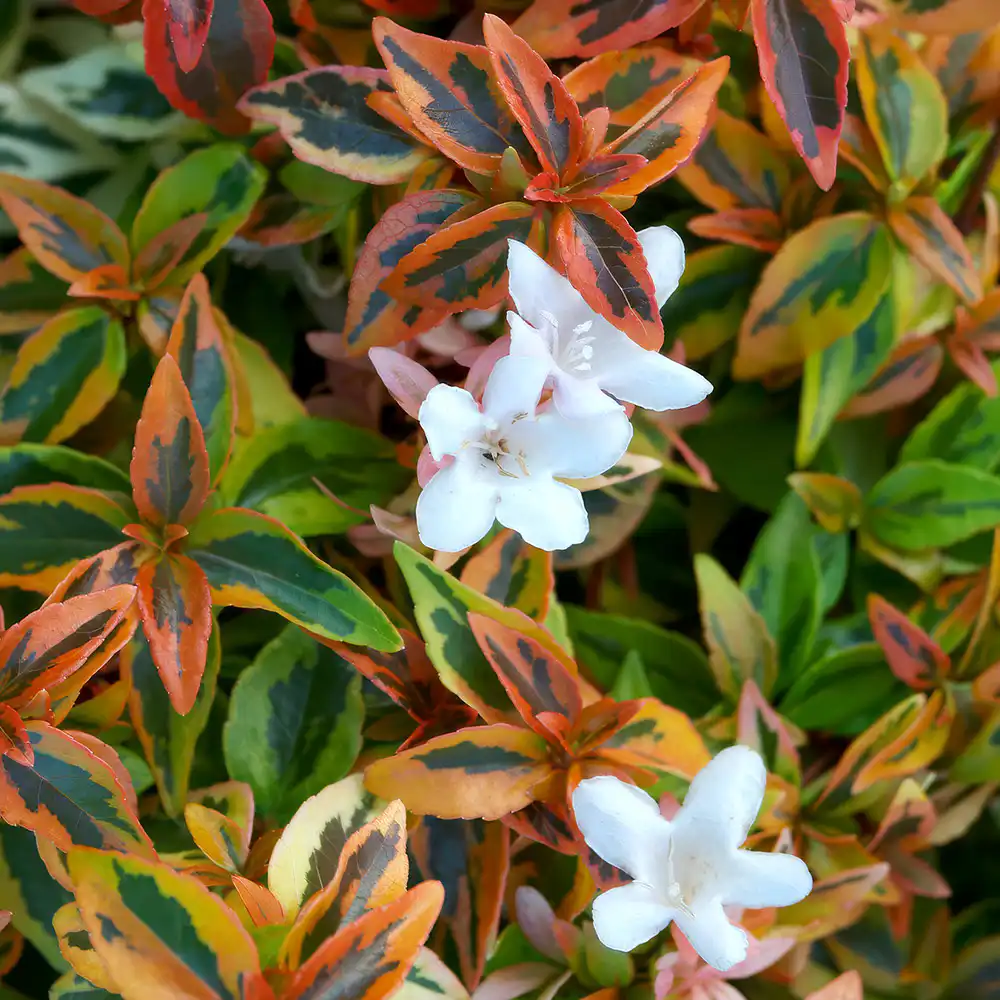
Trees and shrubs are also valuable in terms of nectar and pollen for our pollinators. Lots of flowers in one place creates a fast and efficient way for pollinators to feed. The pale creamy pink, tubular flowers of Abelia grandiflora ‘Kaleidoscope’ are profuse from summer right into autumn. This is a hunger-gap for many pollinators, so plants that bridge the gap between summer and autumn and have plenty of nectar rich flowers aren’t just a pretty addition to the garden, they are practically an all-inclusive buffet for pollinators and with lots of flowers in one place. But the great thing about Abelia grandiflora ‘Kaleidoscope’ is its fabulous foliage. The leaves are variegated and when young and fresh they are bright yellow and green, but as they age, they take on some beautiful orange and red hues making this plant truly kaleidoscopic.
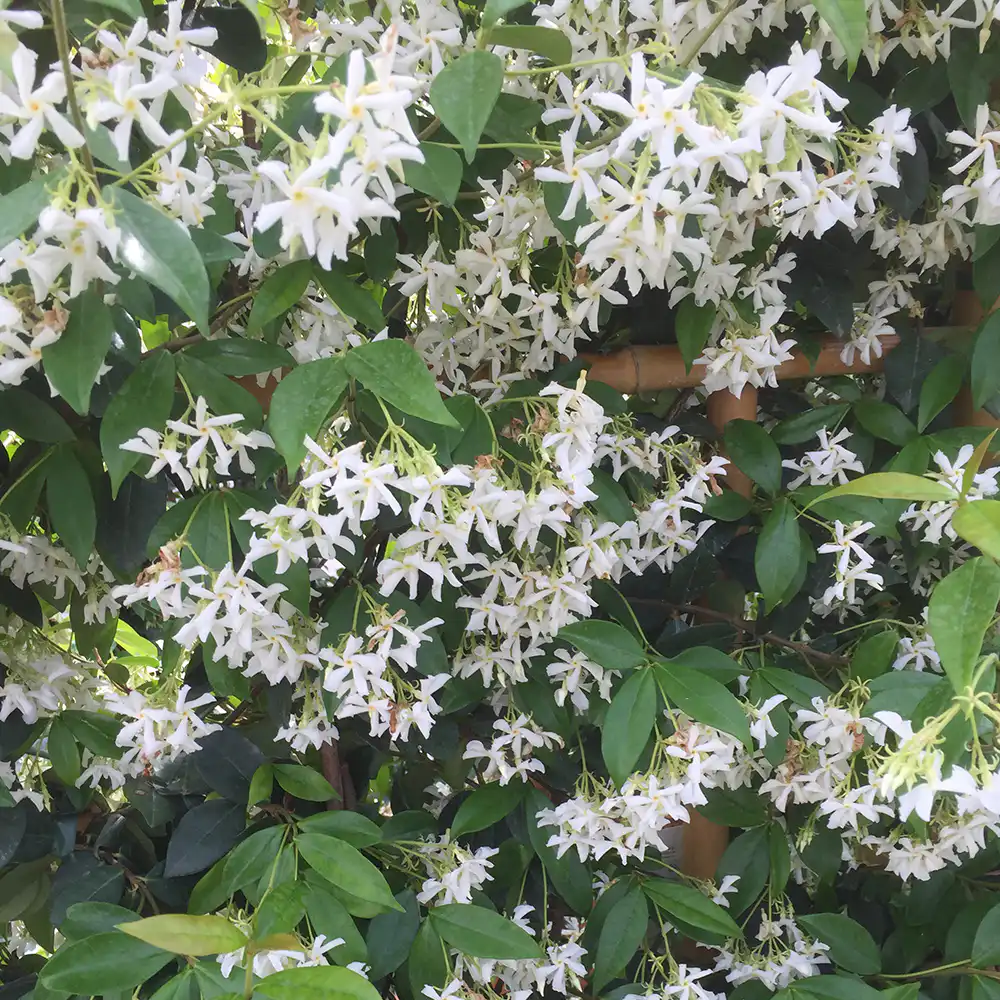
If you’ve got a wall, fence, trellis or arch in your garden that needs clothing in a leafy, evergreen structure that takes on attractive bronze hues in the autumn, then Trachelospermum jasminoides is a great choice. It’s known as star jasmine, the flowers shine in the moonlight like stars and the rich fragrance attracts many of our night flying pollinators, the moths. It’s perfect for long-tongued pollinators like butterflies and moths and flowers for weeks on end adding elegance and perfume to your garden as well as offering our precious pollinators a rich source of nectar.
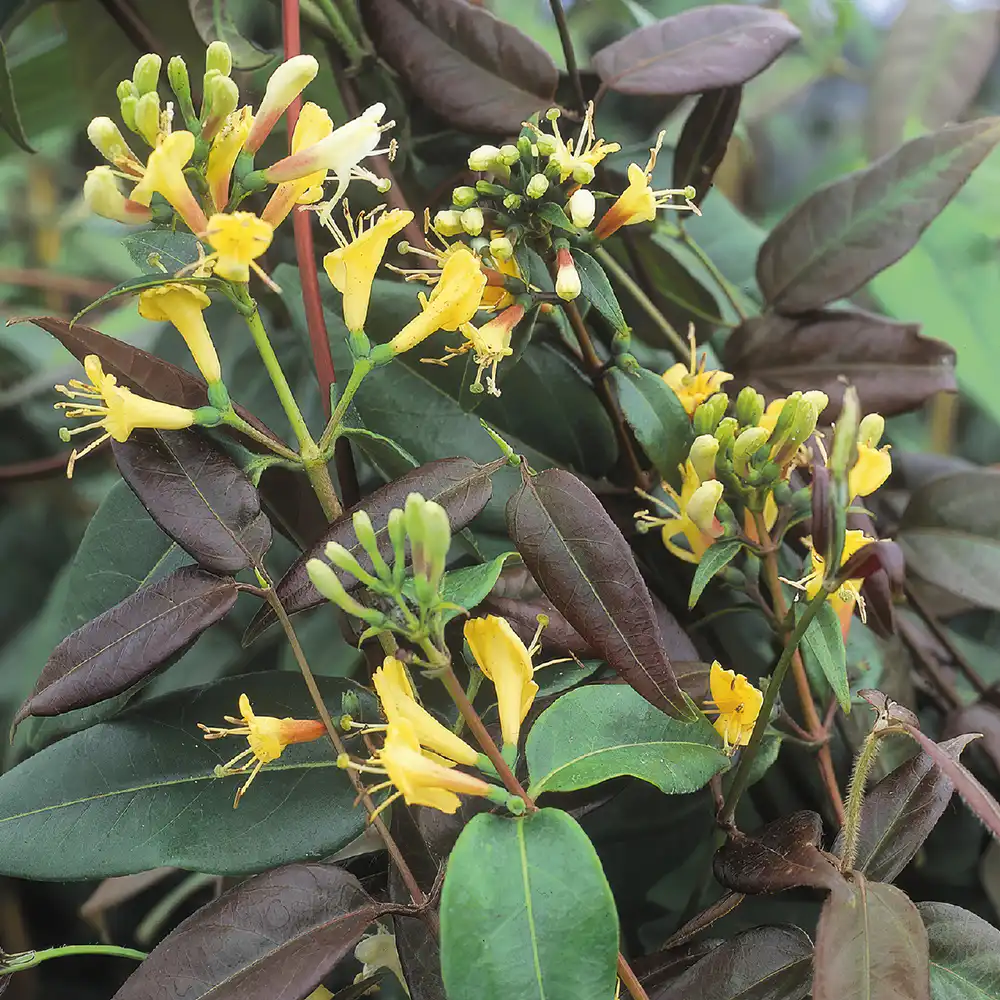
When we think of pollinators we tend to think about butterflies and bees, but there are many other types of pollinators including night flying moths. These are attracted to the plants by their scent. Moths and other long tongued pollinators (like some of our bumblebees) need long tubular flowers, so honeysuckle is a great plant for them as they can access the nectar deep inside the flowers.
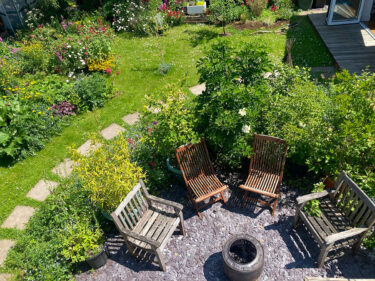
Lonicera ‘Copper Beauty’ is a fabulous plant for training up a trellis, wall or pergola. The soft yellow flowers are richly perfumed and clothe the plants in summer. The young foliage has beautiful coppery hues. And the plant is also semi-green and keeps some of its leaves over the winter months. Place a bench or a seat nearby and sit outside to watch the pollinator action on your plants.