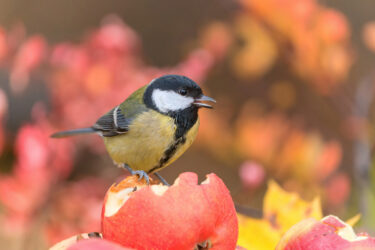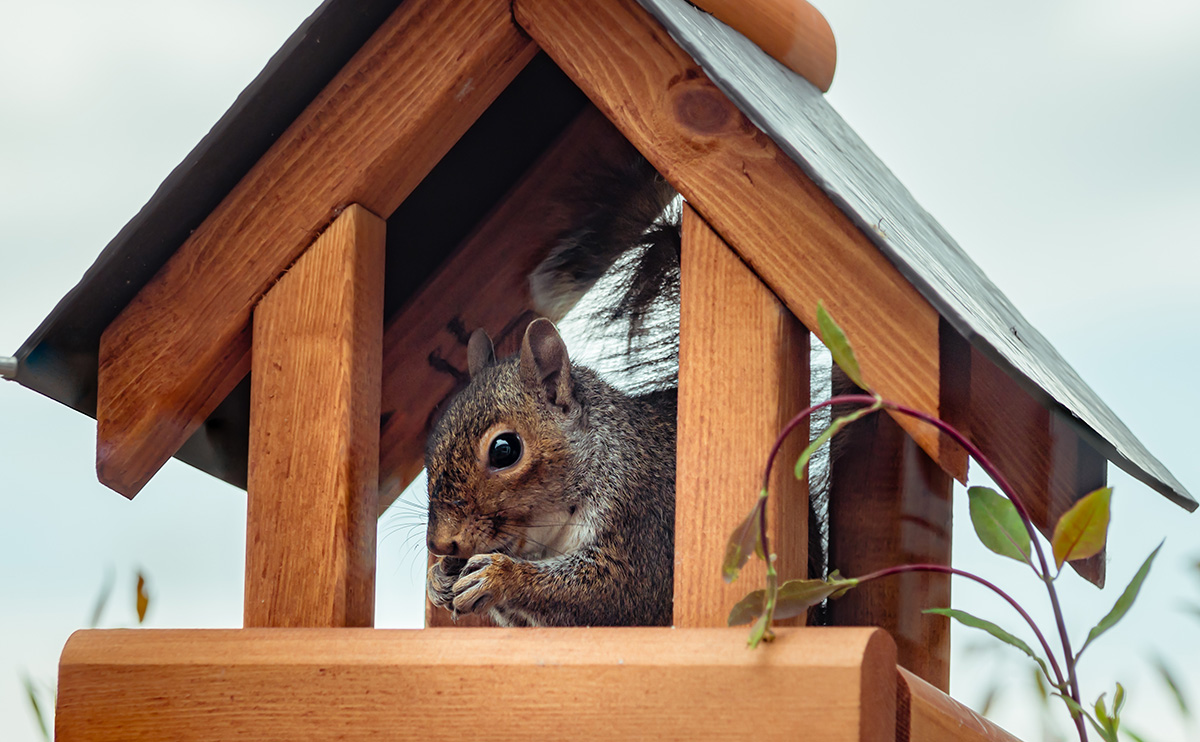
It’s autumn and the wildlife is preparing for the onset of winter. They use the natural food available in our gardens to supplement their diet, feasting on fallen fruit, seeds, nuts and insects.
Some animals feed up and hibernate like the hedgehogs, dormice, bats and even the bumblebees. They hunker down somewhere sheltered and safe and live off their fat reserves until spring breaks.
Squirrel larders
Squirrels are less active over the winter months and may sleep for days at a time, but they don’t hibernate. What they do do, which can send gardeners around the bend, is that they bury and stash food in caches all around the garden. So berries and nuts are virtually planted all over the place and are often forgotten, germinate and grow into new trees in very inappropriate places. That conker tree in the flowerpot – that was a squirrel. The little copse of hazels growing in the rockery – that was a squirrel.
These pockets of food are squirrel larders. Safe places packed out with nutrient rich food that they can find quickly when they wake from their slumber hungry and cold.
Fast food
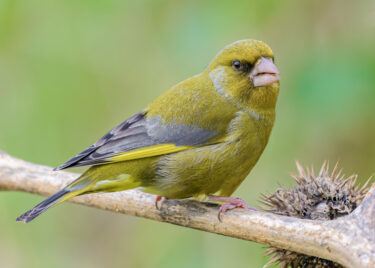
Like most creatures, squirrels will choose the best quality food over anything else and that’s why your bird food is top of the menu. Not only is it designed to feed the birds with nutrient rich food packed with energy and goodness, but it is presented in large amounts in the garden and often in easy access places.
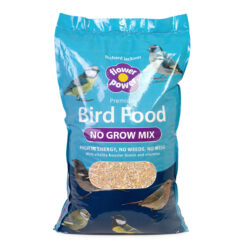
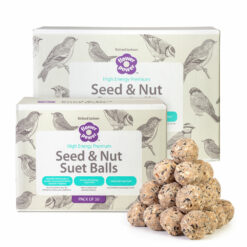
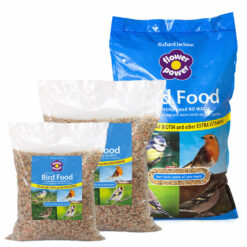
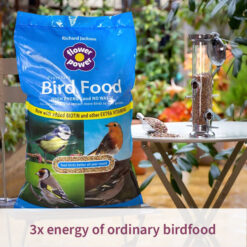
So a tube of peanuts or a seed feeder knocked from the bird station onto the floor is a Christmas feast for squirrels. They are extremely dexterous, agile and intelligent and will quickly learn how to balance on a bird feeder, open it up and access the food inside. And while watching the squirrel antics can be hilarious, it’s not so funny when you’ve chosen top quality bird food like Richard Jackson Premium Bird Food to feed the birds.
Squirrel proof
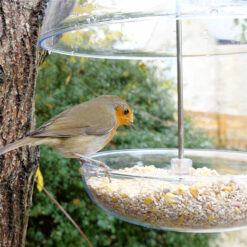
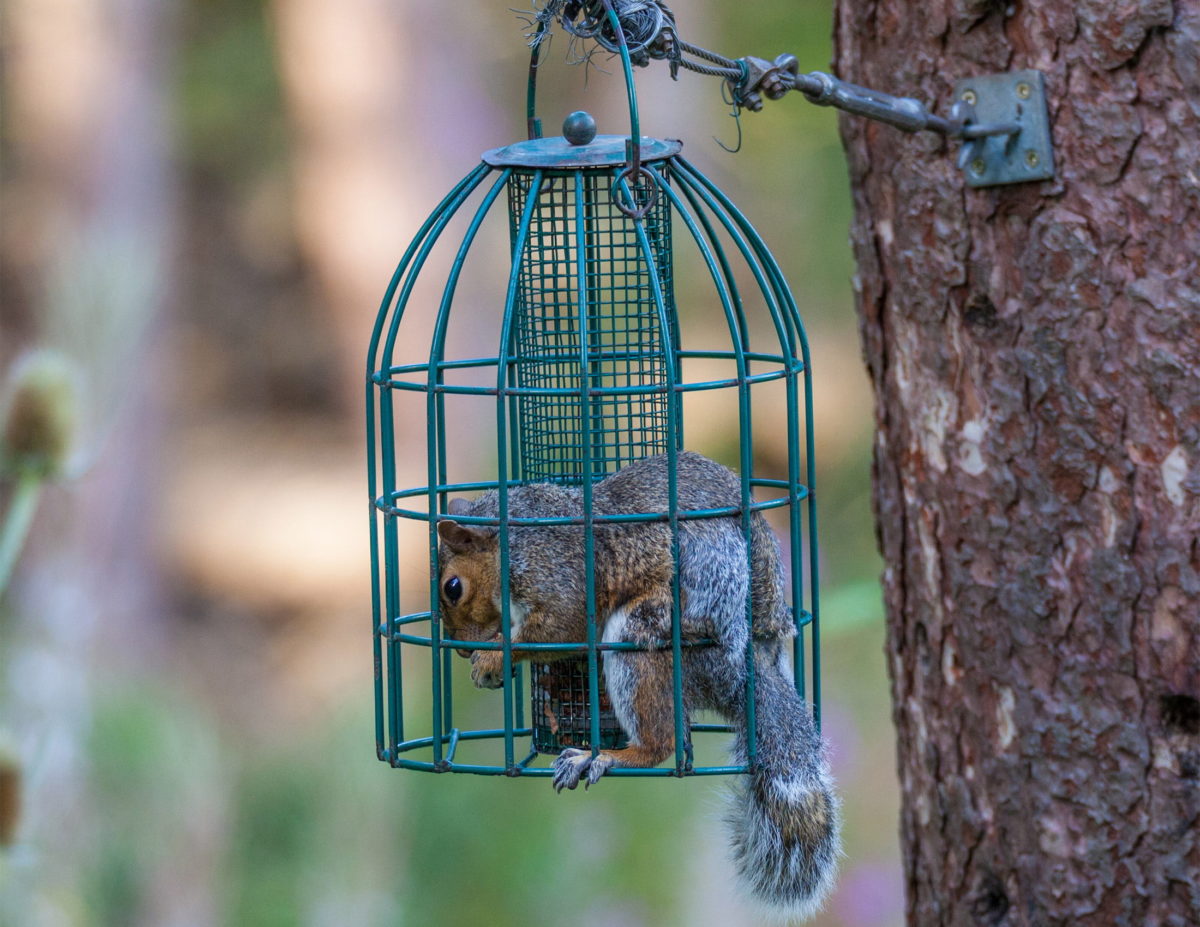
Finding a bird feeder that confounds the squirrels is almost like finding the holy grail. Some bird feeders are better than others at resisting the ingenious attempts that squirrels employ to steal your bird food. Some special feeders have the seed tube or peanut tube encased in a cage that allows the small birds to feed, but excludes larger squirrels and big birds. But sometimes small rodents and baby squirrels can get through the bars. Look out for a new range of bird feeders designed to outwit our squirrel friends. These use some innovative ways to keep the bird food safe, including weight activated platforms that close down the feeding holes if a squirrel lands on the feeder.
There are also squirrel baffles that create a break between the feeding station pole and the feeders. This makes it more difficult for the squirrel to climb the pole and access the food. But if the feeding station has any branches above it, the cheeky squirrels will drop down to the feeders and get to the bird food that way.
Location, location, location
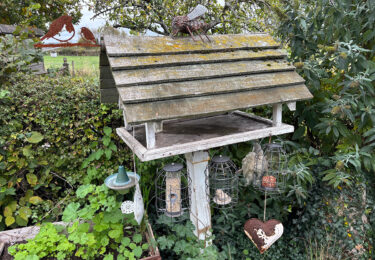
Put your feeding station in an open position away from overhanging branches, fences or other means of access. Squirrels and cats can lurk nearby waiting for a chance to pounce on the bird food or the feeding birds. Make sure it’s all in view of your house so you can watch the soap opera antics.
Squirrel food
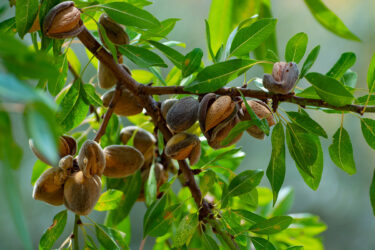
Squirrels are rather partial to a lot of things in our gardens, especially the bird food. But they will also dig up tulip bulbs and eat them. They love apples, squash and sweet corn and collect masses of acorns, conkers and nuts.
Why not feed the squirrels with a special feeder full of hazelnuts then you get the best of both worlds, you can watch the birds, and the squirrels too.

Tips to stop squirrels eating bird food
- To stop the squirrels eating your bird food, mix chilli flakes generously with the bird food before you add it to the feeder.
- Always present the bird food in a suitable feeder to make it more difficult for squirrels and other rodents to access.
- Clear up any spilt bird food that falls beneath your bird feeder; use an old tray to catch the seed.
- Store your bird food in a metal feed bin inside a shed, garage or utility room to protect it from squirrels and other rodents.
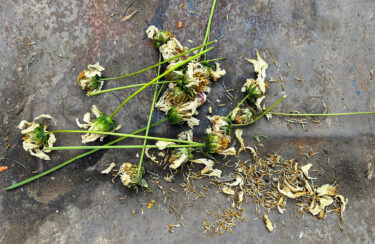
- When planting tulip and crocus bulbs sprinkle flaked chillis generously over the bulbs and soil where you plant to protect them from being eaten.
- You can also put a layer of chicken wire over the bulbs after planting to deter squirrels.
- Alternatively make a spray of strong smelling ingredients such as garlic or peppermint. Spray this around any areas you want to protect from squirrels, they have very sensitive noses and don’t like the smell.