After a long winter I crave colour and those little pops of hope poking through the soil can make all the difference to lifting spirits.
I am a big fan of spring flowering bulbs; it does not matter how many bulbs I already have in my garden, every year I always plant more. It is inevitable we will lose some bulbs to the elements or cheeky squirrels so back up your floral stocks with fresh bulbs every year.
You can plant most bulbs now all bar tulips; delay planting tulips until November, this reduces the possibility of soil borne diseases like fire blight infecting your bulbs and by then foraging mammals like mice and squirrels are less active. Don’t panic if you are pushed for time and find yourself with a bag of unplanted bulbs in December, just get them in the soil; most likely they will still bloom just a little later than normal.
Grow bulbs in pots
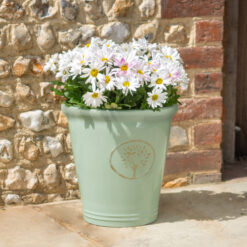
Pots are one of the simplest ways to keep track of your bulbs; no worries about forgetting where you planted them. The bonus with pots is that they are portable so you can move them around the garden to catch the best rays of sun, let them bathe by a warm wall or jazz up an entrance or even hide more sorry-looking areas of the garden with some seasonal colourful blooms.
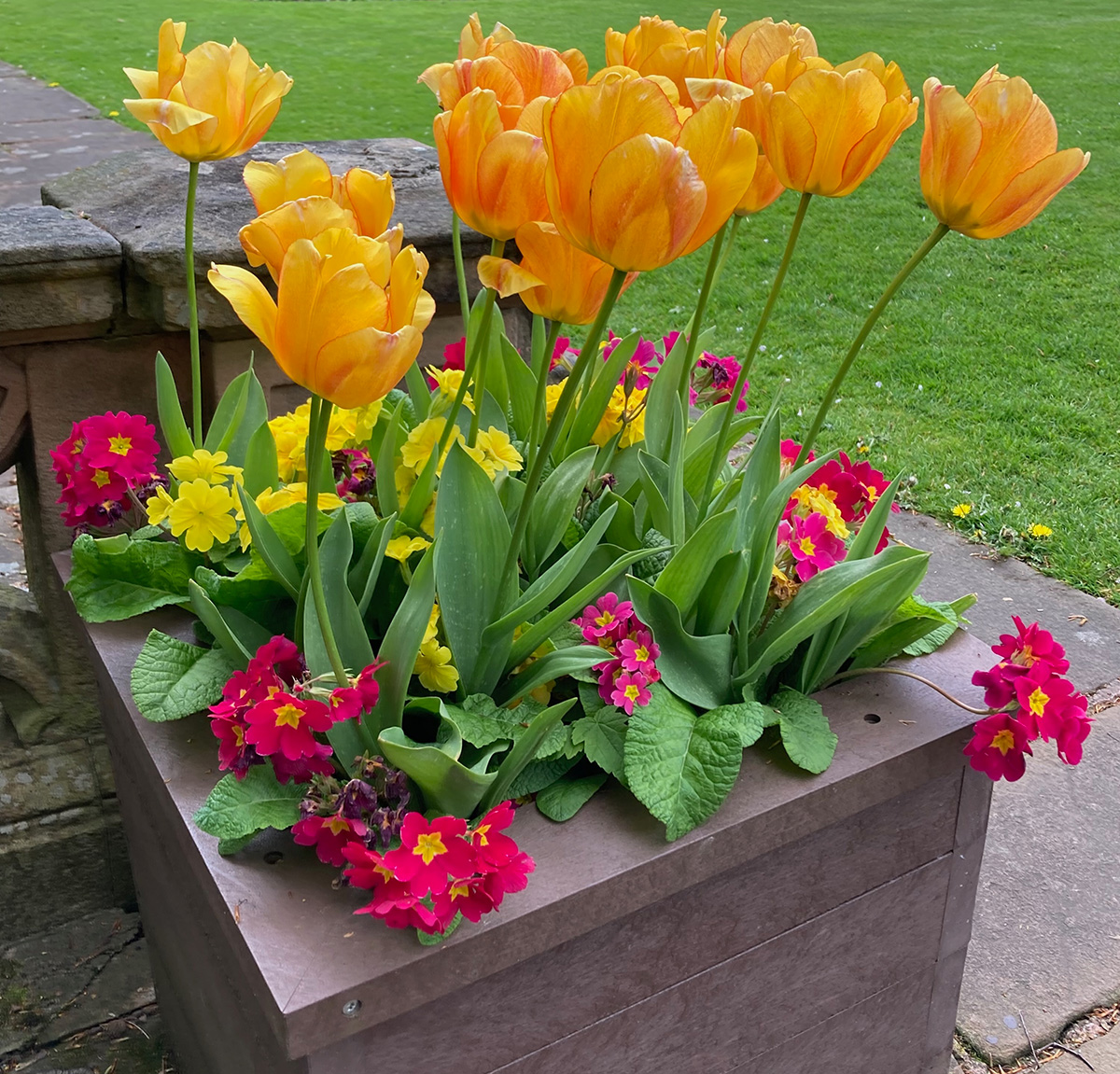
Pots also give you the opportunity to top dress with winter foliage and flowers so you do not have a bare pot of soil staring at you for months. I like to grab a tray of winter pansies or violas to top my pots; their cheery bright faces always make me smile.
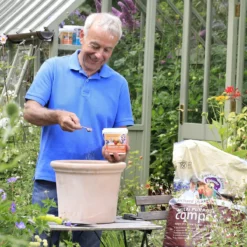
Extend the flowering period of your pots by planting your bulbs in layers. Cover the drainage hole with a crock to stop the compost falling out the bottom then half-fill with peat-free compost; now you are good to go.
Place the largest bulbs at the bottom, like tulips and alliums, these will bloom late spring, then mid-size in the middle; you will be spoilt for choice with daffodils and finally the smallest bulbs at the top, like crocus, muscari and dwarf iris, these will be the first to pop up.
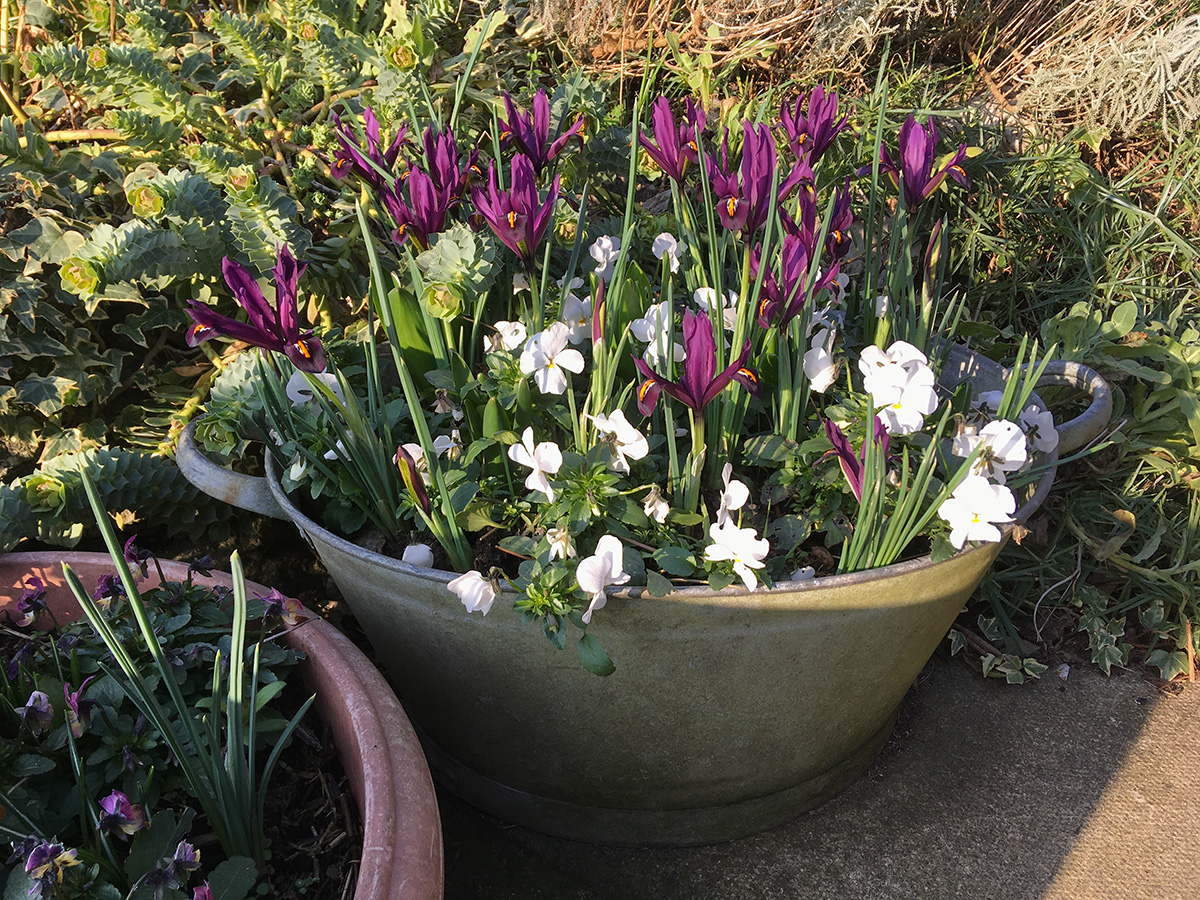
Plant all bulbs pointy end up and if the bulb tip leans in one direction position them so they are leaning towards the rim of the pot; just make sure none of the bulbs are touching each other, this will give you the best display. Planting bulbs that bloom at different times in one pot will give you a succession of blooms throughout spring. I find this method is a great space saver; minimum space, maximum blooms.
Naturalise your bulbs in the lawn
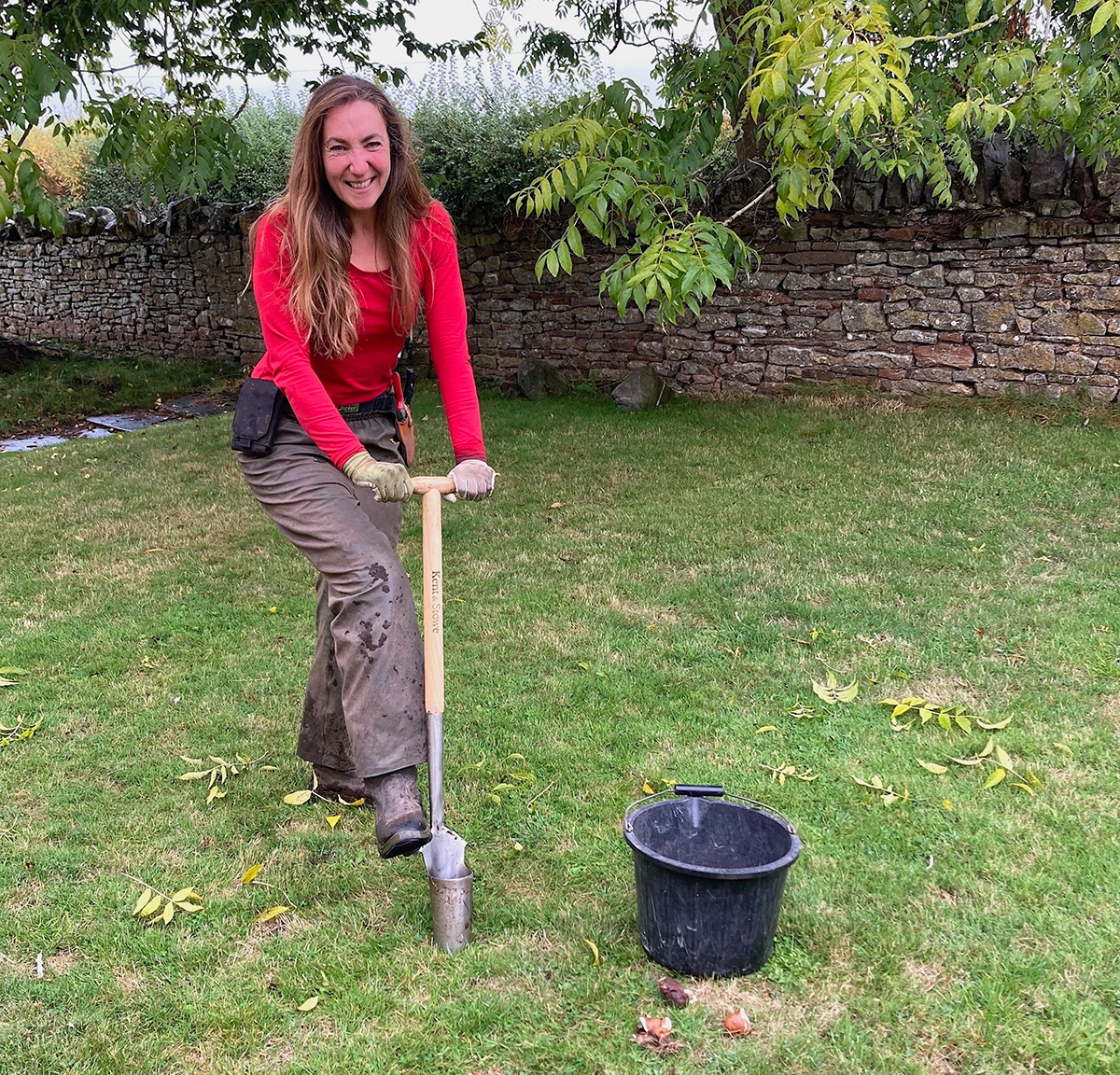
Planting bulbs in a lawn is a great way to create a natural look, imitating how bulbs grow in the wild and planting could not be easier. Grab a handful of spring bulbs and scatter them where you stand; wherever the bulbs fall plant them in the soil. The easiest way to plant them is using a bulb planter; these strong metal planters cut a bulb sized hole out of the soil so that the entire clod is removed.
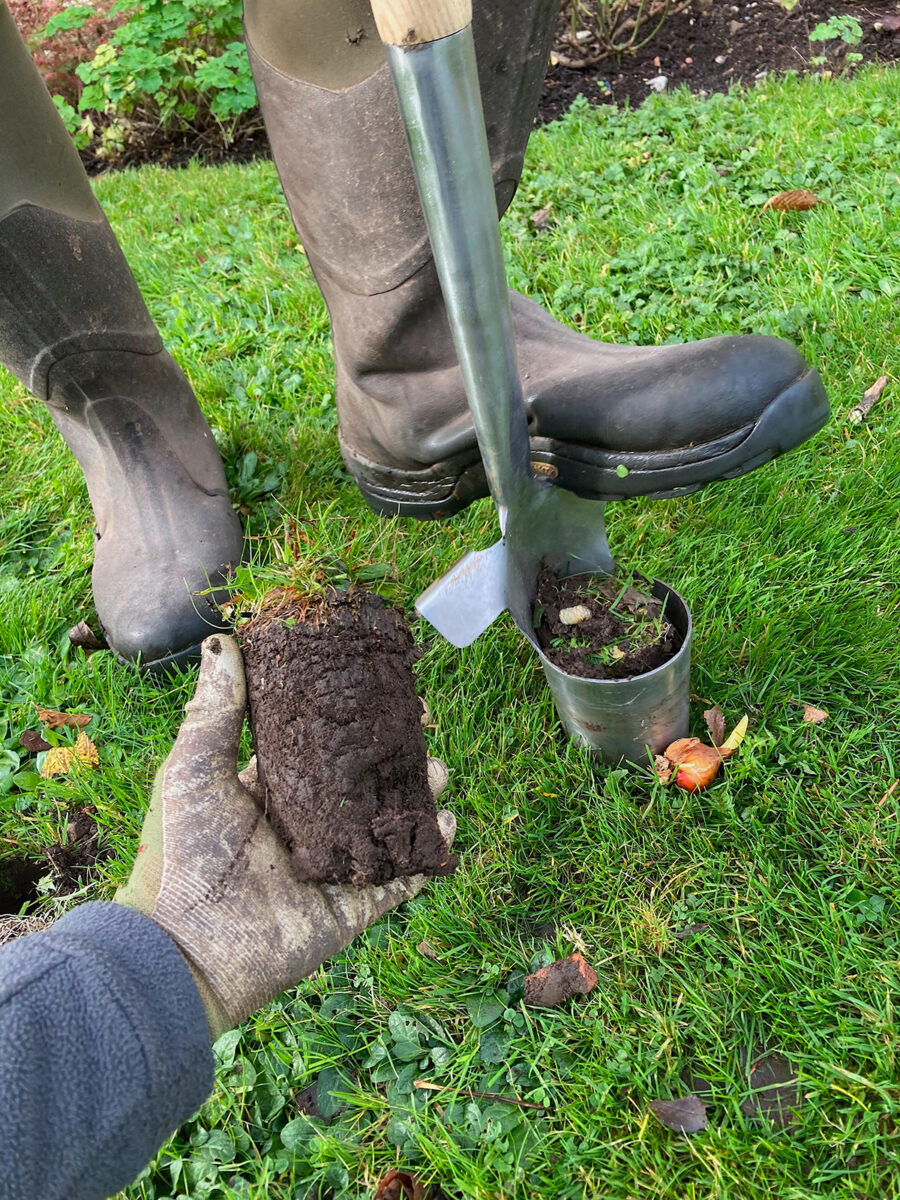
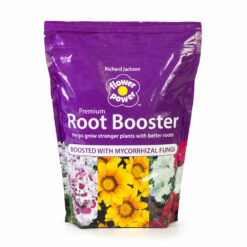
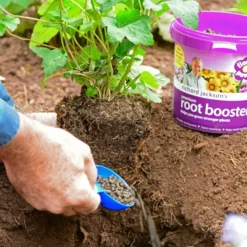
It can be useful to scatter some grit in the base of the hole, this will help prevent bulbs rotting if the soil is slow to drain. To give your bulbs an extra boost you can also add a sprinkling of Richard Jackson Garden Root Booster in the base; these granules contain mycorrhizal fungi which can help root systems become up to 200 times more effective. It also provides natural starter fertiliser to help root systems develop. Simply place your bulb into the hole, at the right depth (two to three times the height of your bulb). Pop the soil clod back on top of your bulb and firm into place. It’s as simple as that.
Bulb planters can be short handheld tools or long-handled, inserted into the ground with a gentle push from your boot; this is very helpful if you are gardening on heavy clay soil and will save you back ache from bending over. Most bulb planters have a depth gauge on the side so you can see how far you need to insert the tool into the soil to remove enough soil to accommodate the bulbs you are planting.
Come spring your bulbs will poke their heads through your lawn showering you with a spray of bright, uplifting colour.
Grow bulbs in baskets
Utilise all your available growing space; hanging baskets are brilliant particularly if you have a balcony or a bare wall. Our vertical spaces are often untapped and ripe for smothering in bright spring blooms. Hanging baskets come in a wide variety of materials but one of my favourites is actually recycling an old kitchen colander; if you do not have one spare pop down your local charity shop and see if you can pick one up.
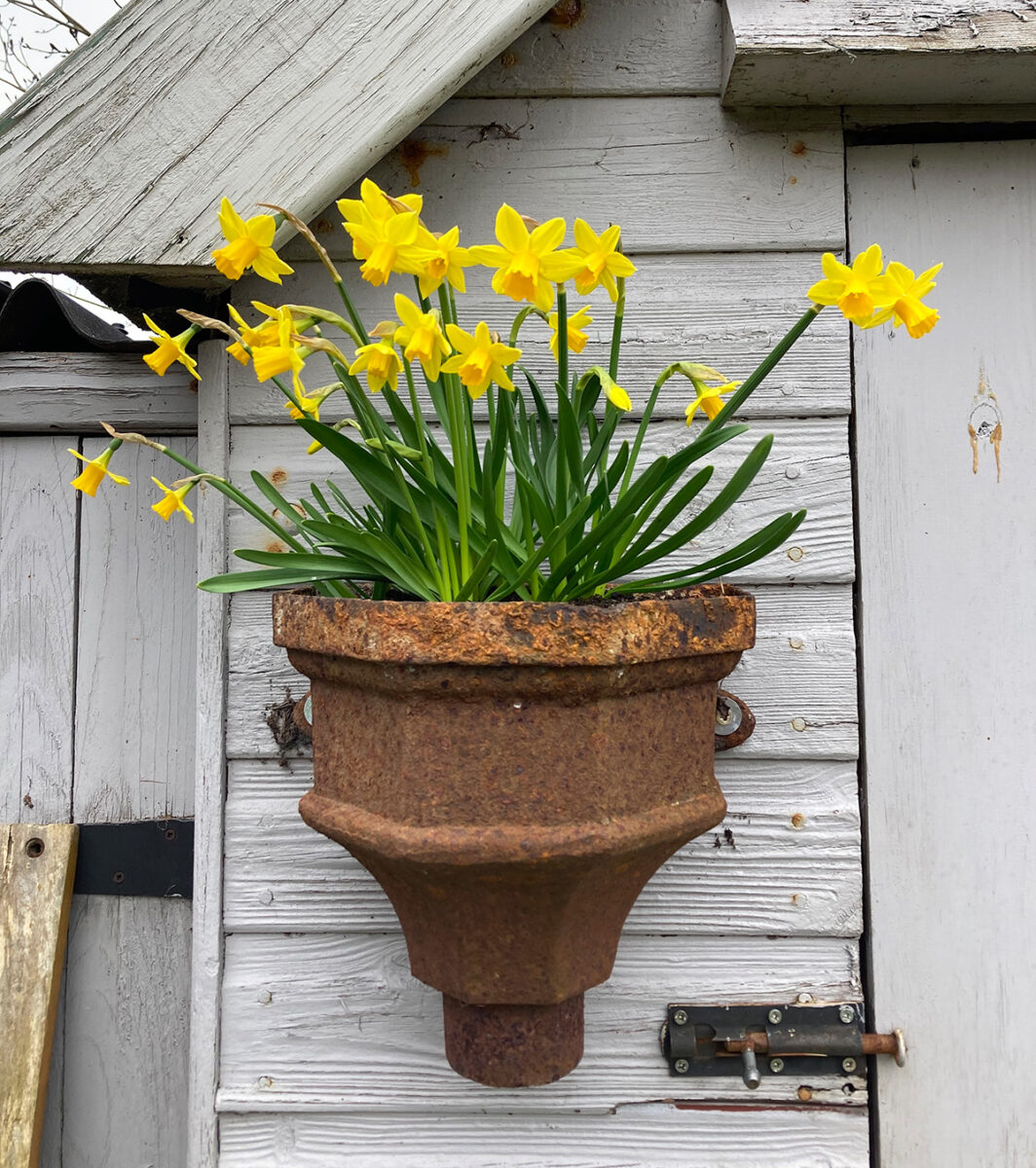
Depending on the size of the holes in your basket you may need a liner, hessian or coir are permeable and ideal for a natural look, then simply fill the liner with peat-free compost and insert your bulbs; again you can top dress the compost surface with other winter florals to tide you over until the bulbs put in an appearance. Hanging baskets can be a cheap way to bring more greenery into your garden.
Grow bulbs in water
I cannot resist growing bulbs in water each year; this is an effortless way to get colourful, scented flowers flourishing in our homes around Christmas time. It really could not be simpler; literally pop your chosen bulb in the top of a glass jar of water.
Look out for prepared bulbs; to force bulbs into flower earlier, these have had a cold period to mimic the cold snap they would experience if they were planted in the garden over winter. Prepared bulbs allow you to crack straight on with the fun bit, rather than storing your bulbs in the cold and dark for a specified number of weeks.
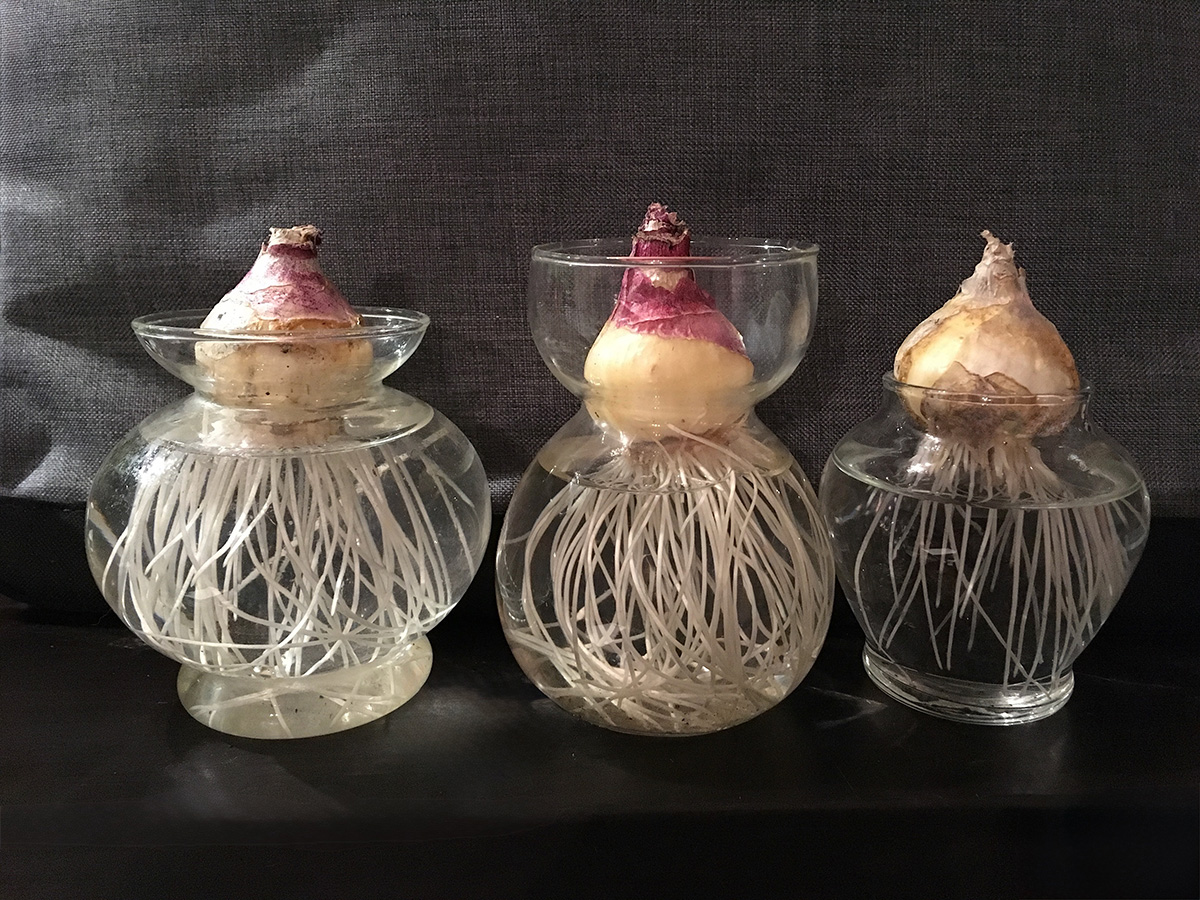
Forcing bulbs in water works particularly well with hyacinths, paperwhite narcissus and crocus. Ideally use a glass jar with a fluted neck so the bulb is held up by the jar. Fill the jar with water just below where the bulb sits so they are close but not touching, then leave to let nature works its magic. Over the coming weeks roots will emerge and be drawn to the water; top up water when it drops but always make sure the bulb base sits above the water so it does not rot.
Be bold with bulbs in borders
Borders are where you can really go wild with bulbs!
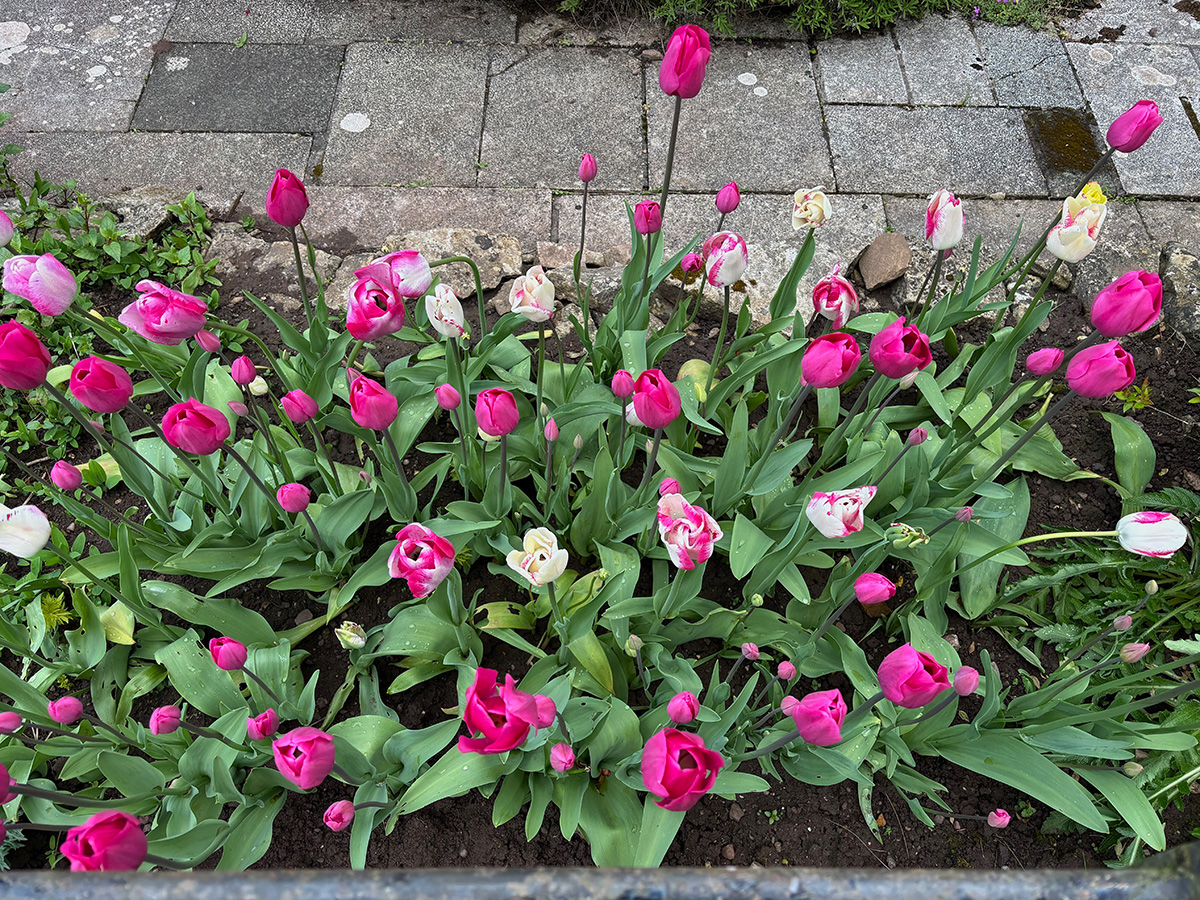
Probably the worst mistake I see people do is not planting enough bulbs; bulbs often come in small packets which is great for trying new varieties but if only one bag is planted in a big border it may make little impact. If only planting one small bag of bulbs you are much better off popping these in a pot where they can truly shine.
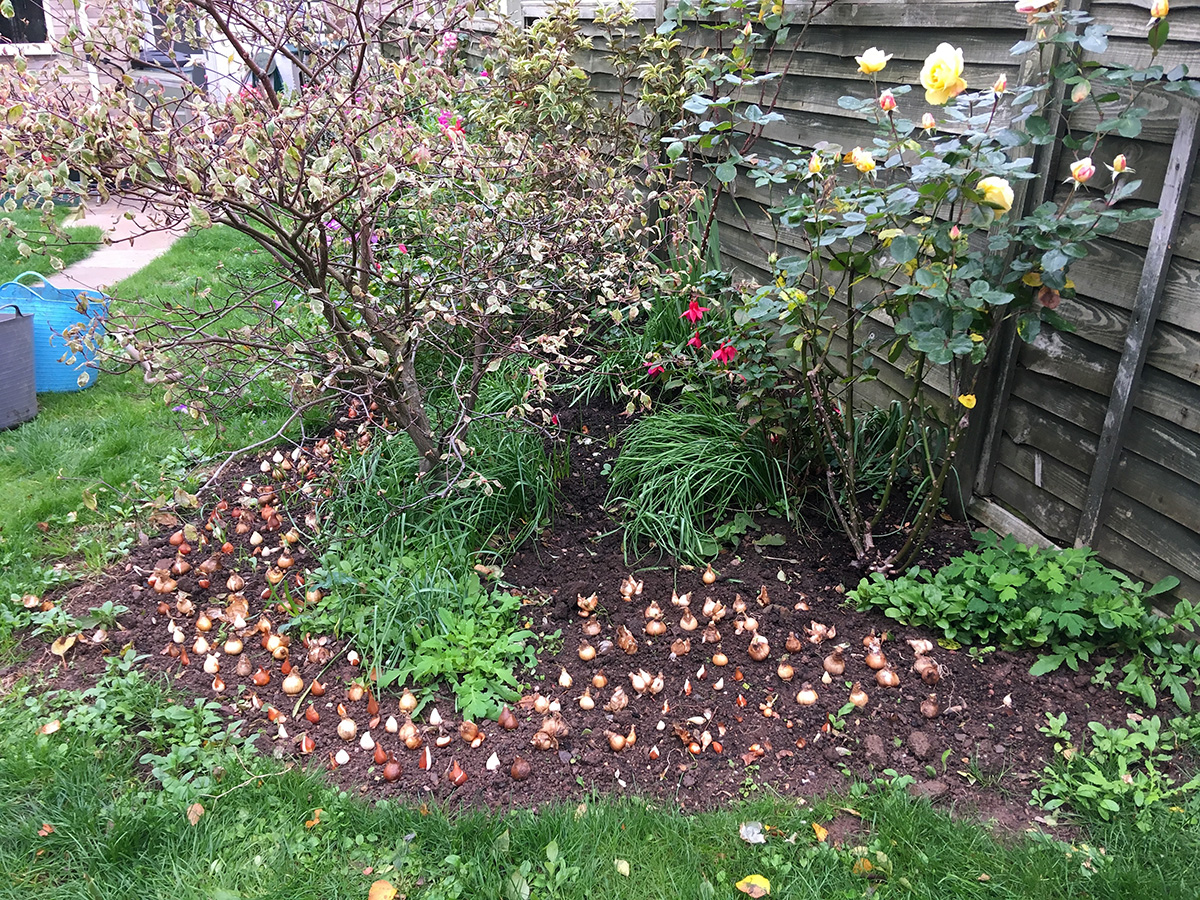
My advice is to buy as many bulbs as your budget will allow to pack your borders with swathes of spring colour. Choose a nice sunny spot and then plant in blocks for maximum wow. Group a cluster of 5-25 bulbs together, depending on the size of the bulbs and impact required, and then in a different part of the border repeat this process; when the bulbs bloom you will have created a drift of colour that moves your eye through the border as if looking at a painting.