It’s March, the first month of spring, which means it’s all go, go, go in the garden. Every area of the garden needs some care and attention or has jobs that needs doing: lawns; flower and veg seed sowing; weeding; pruning; planting and planting up containers… I won’t go on, in case I scare the pants off you! But the important thing to remember is: gardening is a hobby, and like all other hobbies, it’s meant to be fun and enjoyable. So don’t panic, take it steady, do as much as you can – and don’t forget that most of this month’s jobs can also be done in April too.
Plant of the month: Forsythia
It might be as common as anything, being present in many, many gardens, but that doesn’t mean that forsythias shouldn’t be seen as one of the stars of the spring garden. If it wasn’t so easy to propagate from stem cuttings, forsythias would be regarded as a garden gem and much sought after for its truly spectacular spring display of bright, star-shaped, golden-yellow flowers produced on bare stems. The fact that there are few or no leaves present, means the flowers really stand out. Bringing some cut stems indoors, just as the flower buds break, is also a great way of brightening up the home.
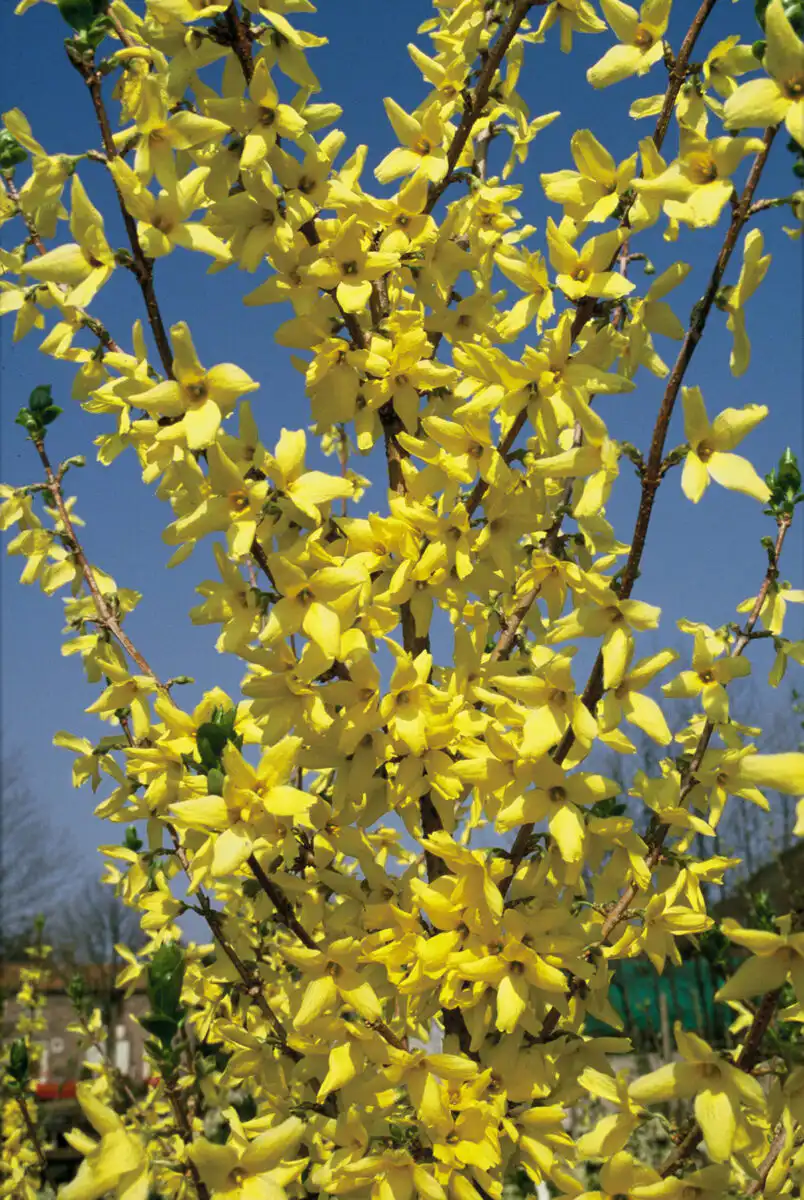
There are several different varieties, but most are more or less the same, mainly varying in their height and spread and slight differences in the flower colour.
Forsythia intermedia ‘Lynwood Variety’ is probably the most popular and most widely available. It has won the RHS Award of Garden Merit for garden performance. From early March and April, the stems are clothed with blooms in wonderful golden-yellow tones. Height and spread 2.4m.
Forsythia intermedia ‘Minigold’ is a tidier and more compact shrub, growing to 1.2m, making it a good choice for containers as well as beds and borders.
Probably the only drawback of forsythia is that once the spring display is over, it doesn’t have much else going for it for the rest of the year. To get around this, plant it behind tall perennials that come into their own in summer that will mainly mask it, or grow a climber, such as a group 3 clematis, through its branches. There is a variety with yellow variegated leaves, ‘Spectabilis Variegated’ that grows to 2.4m high and 1.5m wide, whose foliage looks good in summer.
Where to grow
Forsythias are easy to grow and will thrive in most soils and situations. Grow them in well-drained, but moist soil in full sun or semi- or light shade.
How to care for it
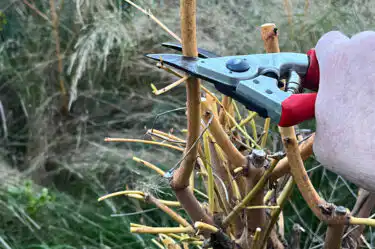
Mulch around the plant annually and add a slow-release or controlled-release feed after flowering/after pruning. Water in summer whenever needed to keep the soil moist. It pays to prune it annually, as soon as the flowers have faded. Aim to remove one in three to one in five of the oldest, thickest stems, cutting them back to a few cm above ground level. It also pays to thin out crowded central stems and trimming back unruly and long stems to maintain a natural shape.
Be creative: Create a summer annual border
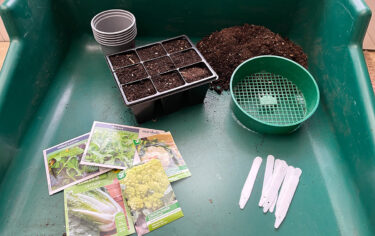
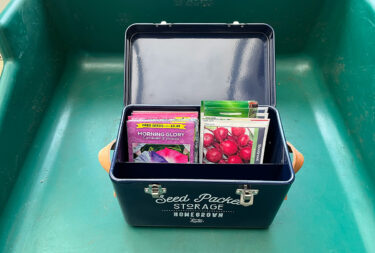
For a quick and easy colourful summer feature, sow hardy annual seed outdoors now where you want them to flower.
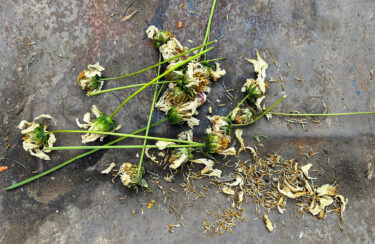
There are dozens of types to choose from, popular choices being Calendula (pot marigolds), Centaurea (cornflower), Eschscholzia (Californian poppies), Limnanthes (poached egg flower), Lobularia (sweet alyssum), Nemophila (baby blue eyes) and Nigella (love-in-a-mist). You can also include annual grasses, such as Briza maxima, Lagurus ovatus and Hordeum jubatum.
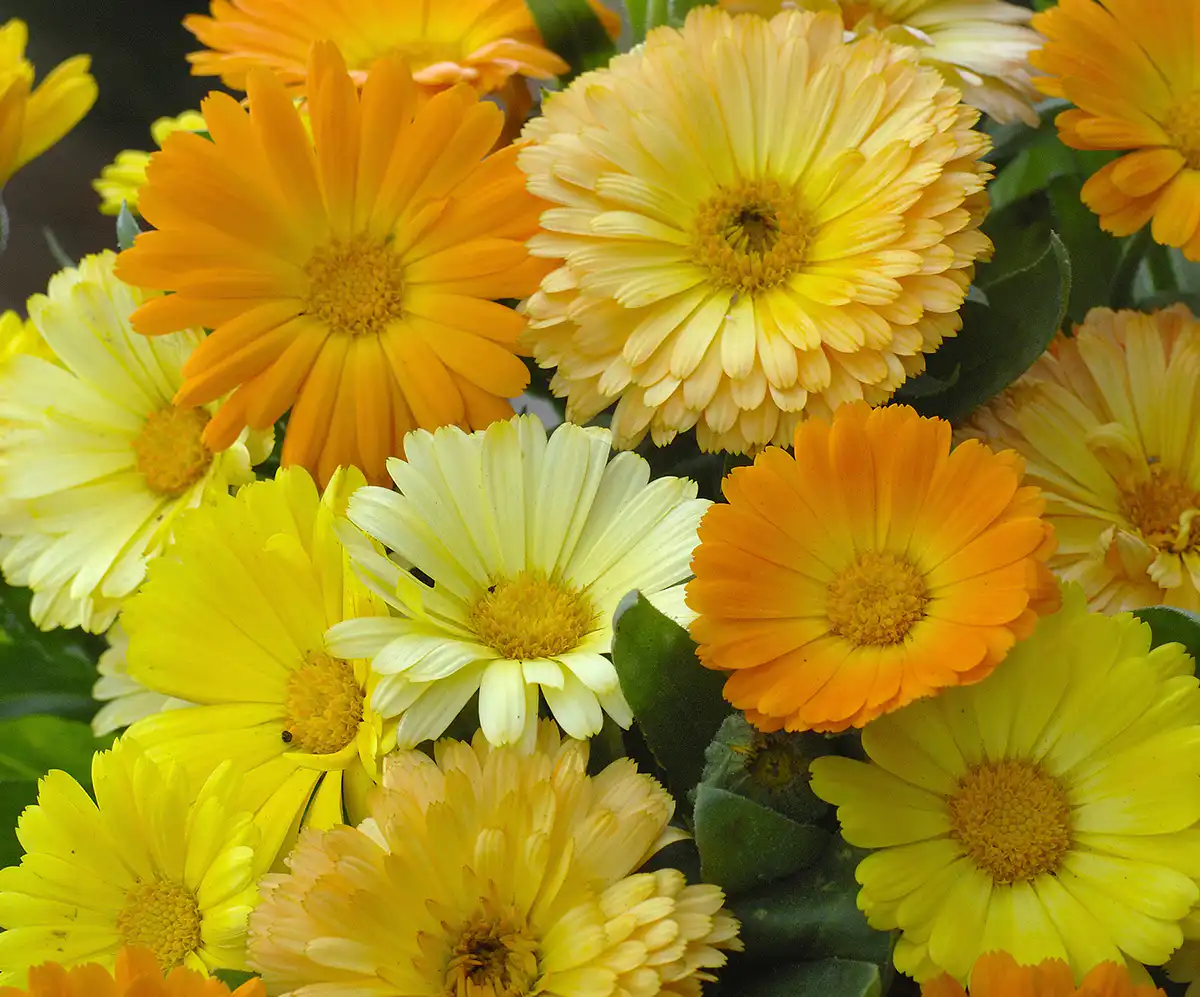
Hardy annuals are simple to grow to create a great feature. Start by raking over the soil, adding compost if necessary, to make a seedbed. Mark out irregularly shaped areas, using a bamboo cane or sand, and broadcast the seeds into these areas, one area for each different variety. Lightly rake the seeds into the soil and water in well.
This method produces a natural look. But you may find it better to sow the seeds in rows in these shaped areas, as it’s then easier to distinguish between flower and weed seedlings, as you know where the flowers have been sown. This method tends to look more formal.
Once the seeds germinate, thin out the seedlings to the recommended distance apart for each variety and don’t forget to water and feed throughout summer.
As well as a great garden feature, this is also perfect for making an easy and inexpensive cuttings garden for bringing flowers into the home.
This month’s myth busting: Making slanting cuts
Sometimes our gardening myths are handed down from generation to generation, often on a misconception and even more often without someone actually looking at whether the “fact” that is propagated is actually true or correct. To my mind, making slanting pruning cuts, as opposed to straight cuts, on stems is one of those.
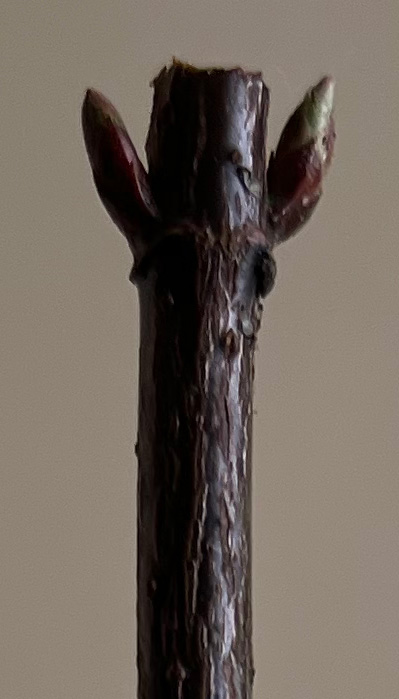
The premise is that slanting cuts shed water away from the cut, presumably to help the cut heal more quickly. There are several things to say about this: the plant material under the cut is generally very soft and will readily absorb water whether the cut is straight or not; the surface area of a slanting cut is larger than a straight cut, so it absorbs more water; the cells that heal cuts and other wounds are close to the leaf/leaf bud, so with a slanting cut, the end nearest the leaf/leaf bud heals quicker than the end that is further away, resulting in an uneven heal. Also, what do you do with plants whose leaves/leaf buds are opposite each other, rather than alternate to each other? A straight cut is by far the best option.
When making pruning cuts, the emphasis should always be to make that cut as close to the leaf/leaf bud as possible, as the healing cells will ensure the wound heals quickly and prevent plant diseases getting in. So, make your life easier and do away with those slants!
-
 Select options This product has multiple variants. The options may be chosen on the product pagePrice range: £11.99 through £26.99 Free Delivery
 -
-

Timely tasks
Here are two jobs you really should get on with this month.
Start feeding
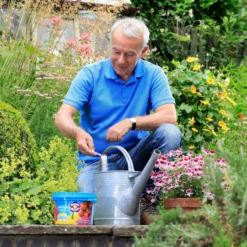
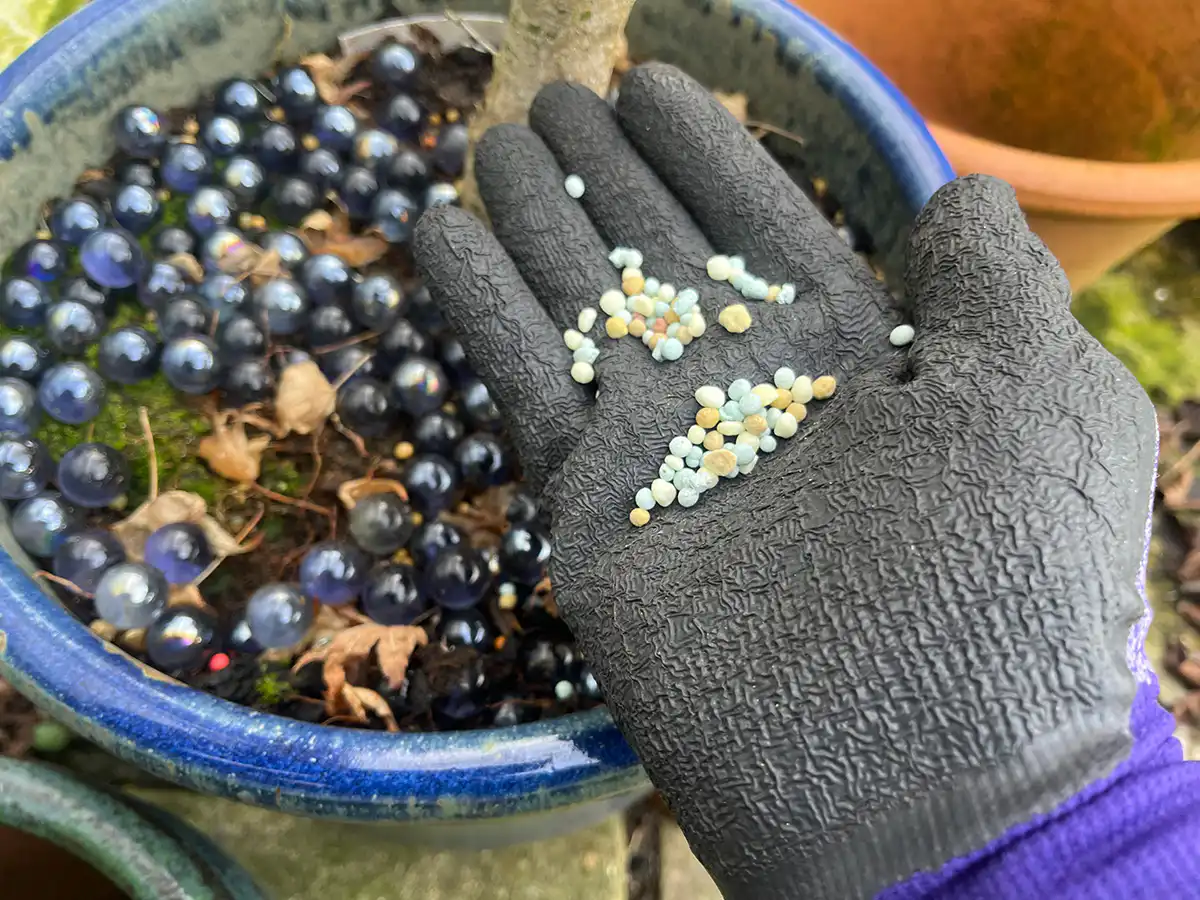
As most plants start to come into growth as the weather warms up, now’s the time to top up their nutrients. Plants need a regular supply of nutrients in the soil or compost while they’re growing, to ensure good strong growth and plenty of flowers. Plants in containers particularly need a good feed, since the compost soon runs out of nutrients.
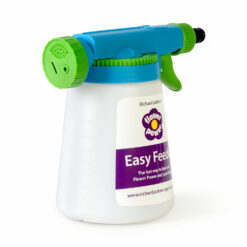
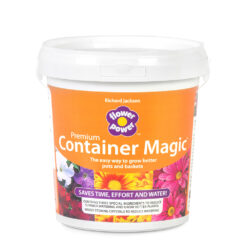
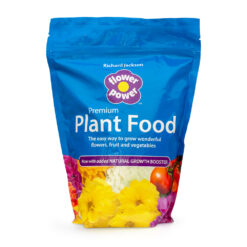
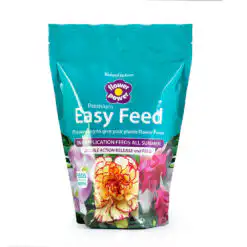
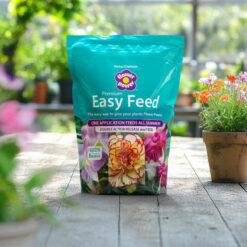
At this time of year, it’s usually best to feed with a slow-release granular feed or, much better, a controlled-release feed, such as Richard’s Easy Feed. Controlled-release fertilisers release nutrients when the plants need it and, depending on the type, can feed your plants for up to six months from just one application now. Easy feeding! Otherwise, start a regular feeding regime using Flower Power Premium Plant Food.
Mulch bare soil
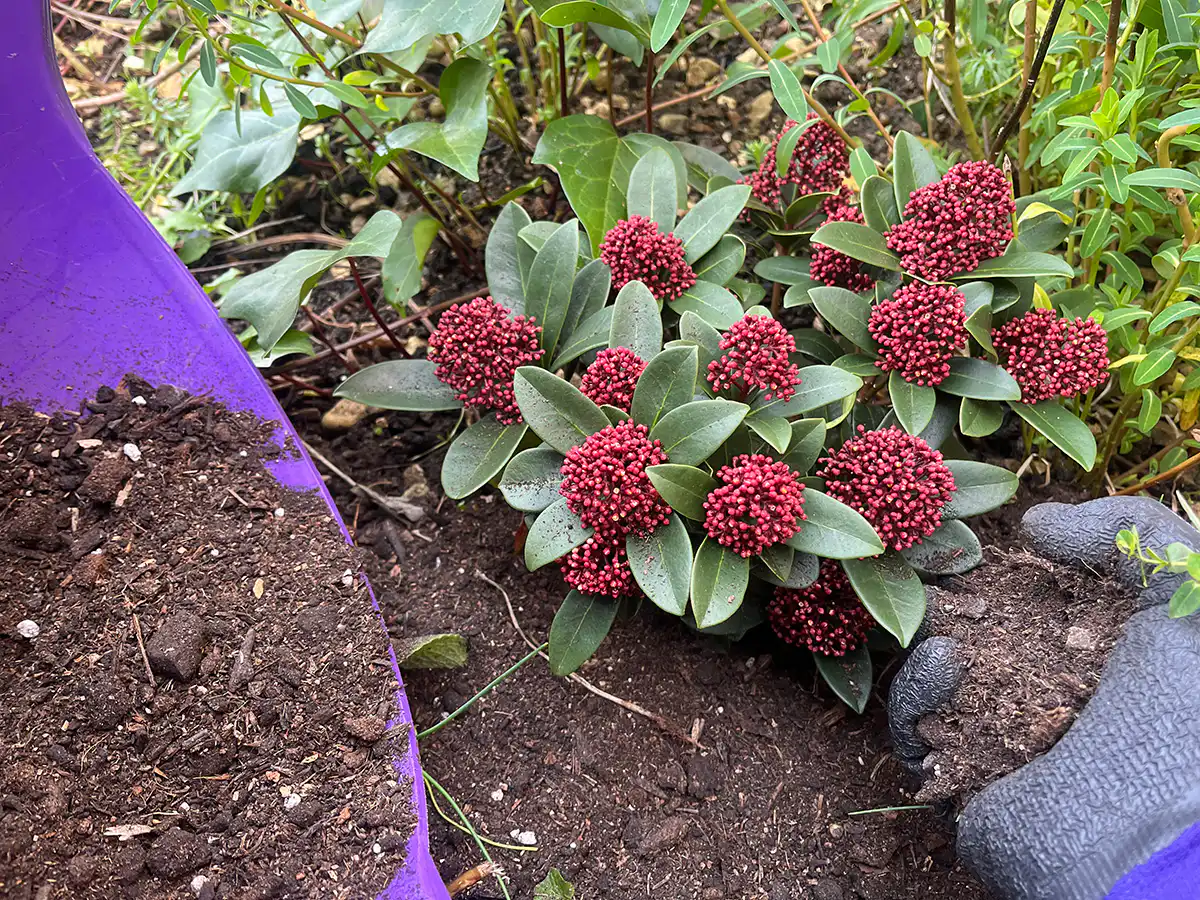
Wherever you have bare soil in the garden, whether it’s in the flower garden or the veg plot, it pays to cover it with an organic mulch. This can be well-rotted manure, home-made compost, leafmould or composted bark. It offers so many advantages.
A mulch will help to keep weeds away, maintain soil moisture levels – moister in summer, drier in winter – and insulate the roots of shallow-rooted plants, such as rhododendrons and hydrangeas, from heat damage in the summer.
For a mulch to work properly and offer all these benefits, it needs to go on fairly thickly. Some people recommend 10cm deep, but I’ve found that 5-7.5cm thick works well. It should also always be applied to moist soil.