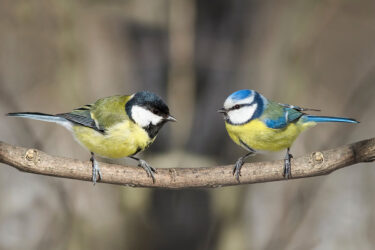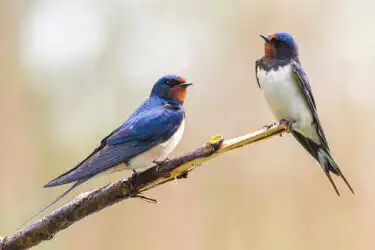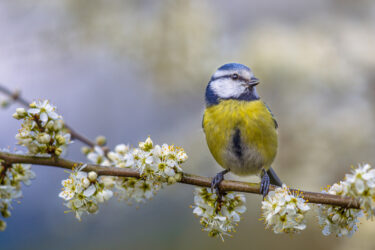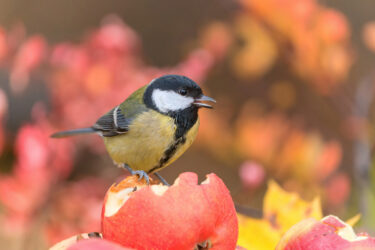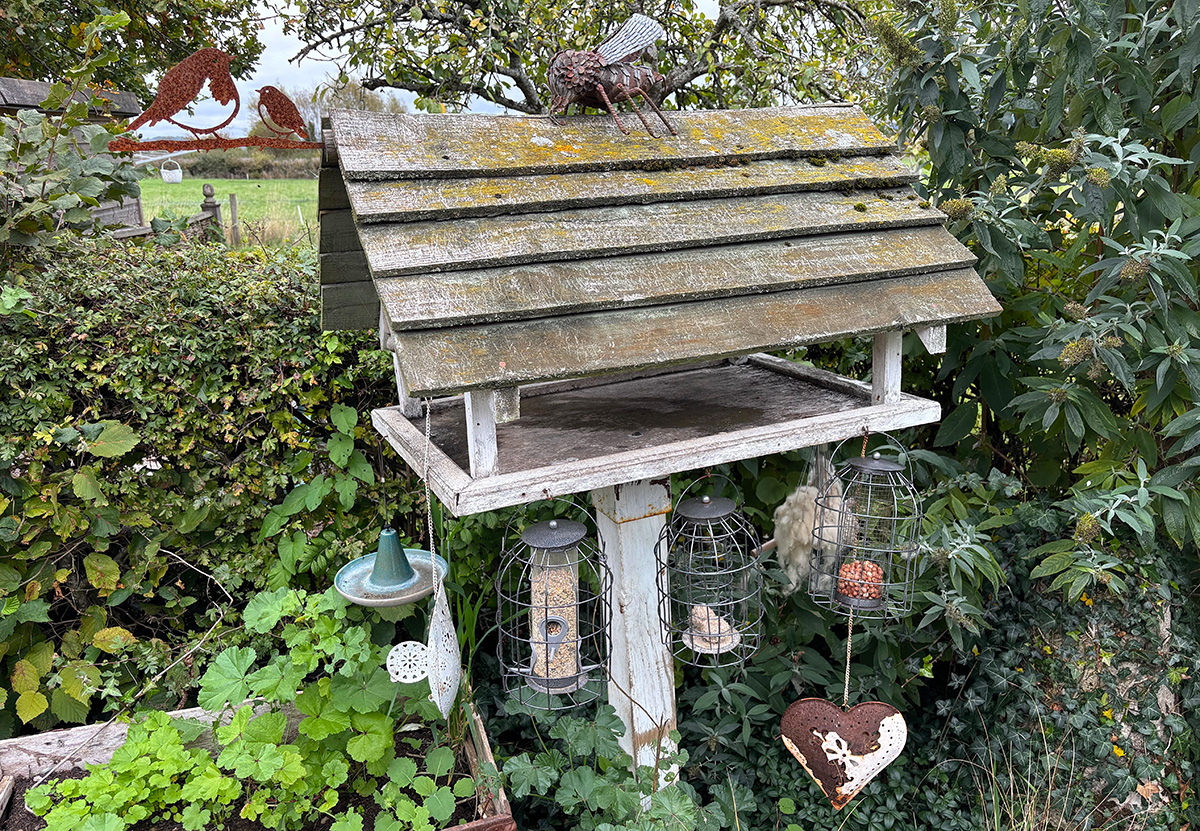
As winter approaches, gardens enter a different phase; animals hibernate, insects enter a dormant phase (diapause) and natural food can be harder to come by, but there are a few things us gardeners can do in preparation to help birds get through these more challenging colder months.
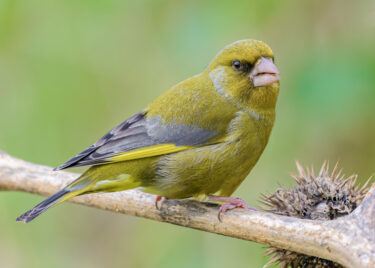
Watching the garden birds has become an essential ritual in my house. This last year particularly has seen a steady flow of regular ‘resident’ birds frequenting our trees, fences and undergrowth. I can’t help but feel honoured that this feathered community feel safe in our garden, drawn to our fly-through fast-food joint!
Feed the birds
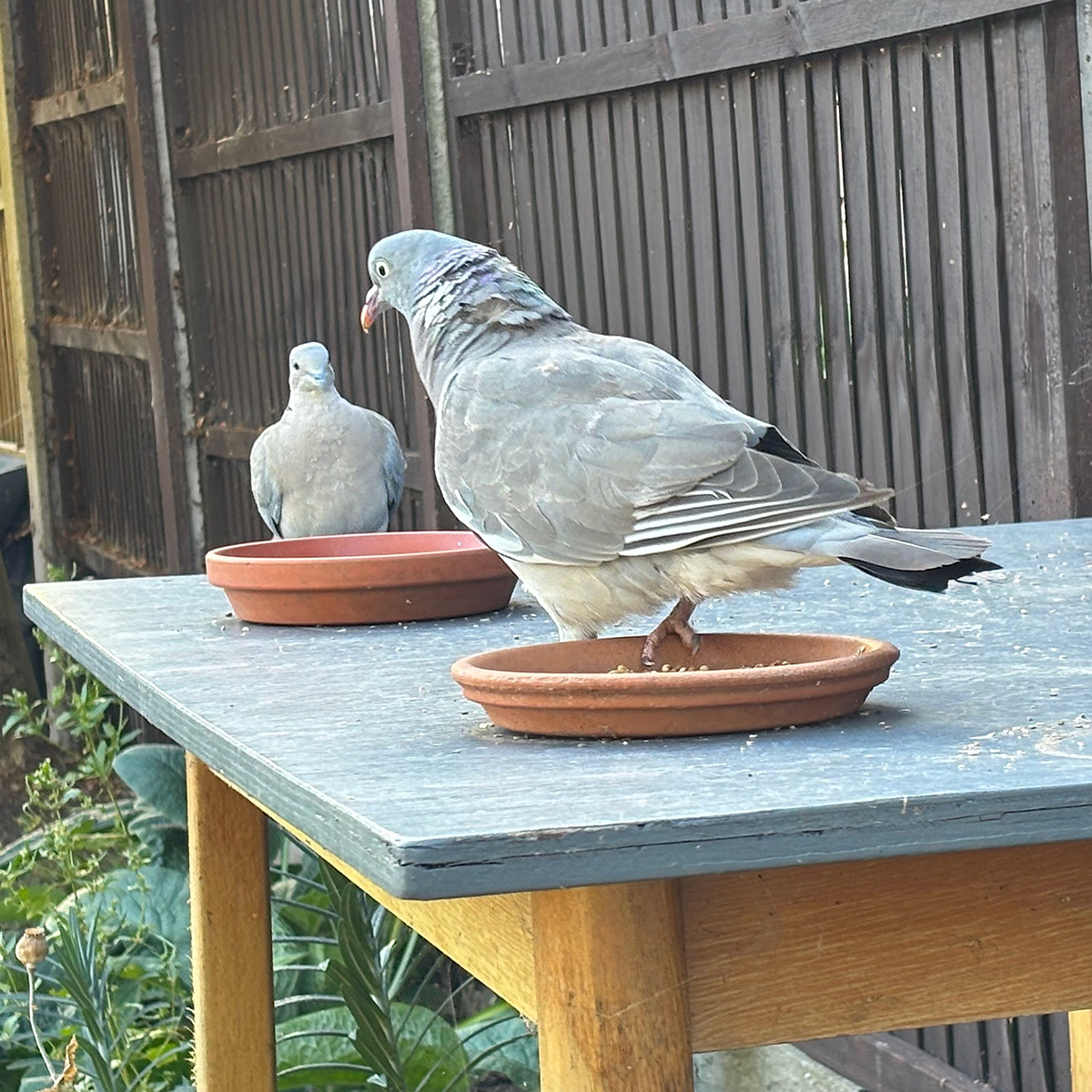
My garden has become a feeding haven; not only do resident wood pigeons dine each day but the garden has attracted a pair of beautiful collared doves who have become so tame that they come up to the kitchen window twice-a-day to remind me that it’s feeding time!
I never used to feed the birds; I worried about our dear cat Fred pouncing on them, but with a few thoughtful adjustments to our garden layout, both cat and birds now live in harmony and have developed a respectful acceptance of each other.
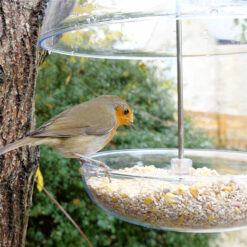
I installed an old table at the back of the garden, next to the fence and within a short flutter from our apple and silver birch trees so the birds could easily take cover and retreat. To avoid squabbles I put out three saucers of seed on the table and one on the floor. Within seconds of the bird feed being out the four birds descend and take over a saucer each until they are full, finally making space for the robins and blackbirds.
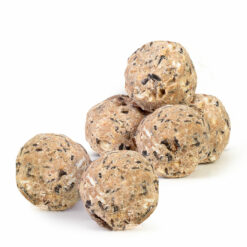
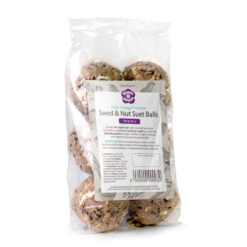
Providing bird feed in a variety of ways means that it should be available to different birds that may visit your garden. Some birds perch or hang while feeding, whereas others feed on the ground and will eat dropped seed, so leave out a combination of ground feeders and a raised bird table. Hang fat balls close to the trees and even a tub of no-added-salt peanut butter for protein, oils and vitamins will be welcomed or smear some on a tree trunk. A few shrubs and trees close by are a huge bonus so birds can easily take cover if disturbed.
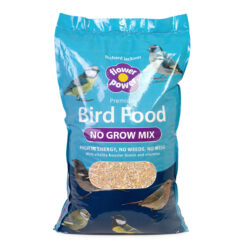
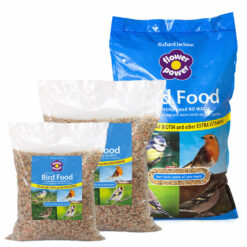
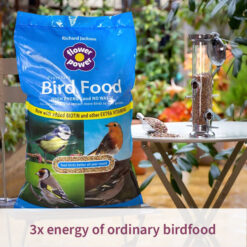
Feeding wild birds in your garden will ensure they do not go hungry over winter, particularly when berries and insects are scarce. Richard Jackson has created a premium, high-energy bird food mix of 13 ingredients, each chosen for their goodness and nutritional benefit which will attract a diverse range of birds and keep them healthy. Our local birds can’t resist it and sit on the fence waiting for the yummy mix of seeds and nuts; in fact, I often stand quietly in my greenhouse to watch and see that the collared doves have a habitat of getting to the table first and picking off the suet before others get there; like us humans, birds seem to have favourites treats too!
Be aware some foods can be harmful to birds or offer little nutritional value; avoid bread and salty foods like bacon and salted peanuts. Instead choose high-fat, high-protein, energy-rich goodies.
-
SAVE UP TO 20%Select options This product has multiple variants. The options may be chosen on the product pagePrice range: £3.19 through £7.99
-
 Subscribe & Save 20%Select options This product has multiple variants. The options may be chosen on the product pagePrice range: £19.50 through £38.00
 -
Subscribe & Save 20%Select options This product has multiple variants. The options may be chosen on the product pagePrice range: £9.99 through £34.00


Natural bird food
Birds are natural foragers and so as well as leaving out seeds and nuts we can help our local birds by planting a variety of trees, shrubs and perennials, which will act as an all-year-round food source for the birds.
Winter berries are an essential food source for birds; when many plants have died back, other fruiting trees and shrubs are in full swing. Hawthorn, cotoneaster, holly, spindle and pyracantha are laden with berries and wild roses drip with hips.
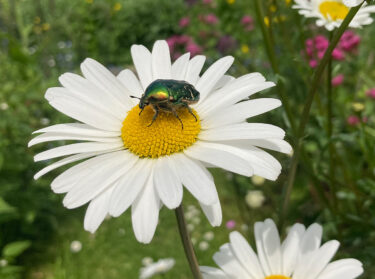
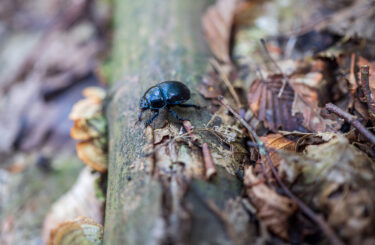
Insects are a huge part of a bird’s diet so create habitat where insects can thrive; a compost heap and piles of dead wood are prime hot spots for worms, grubs, beetles, woodlouse, ants and spiders. Create a dead hedge; pile up your prunings of discarded branches in a quiet spot and let the mini beasts move in.
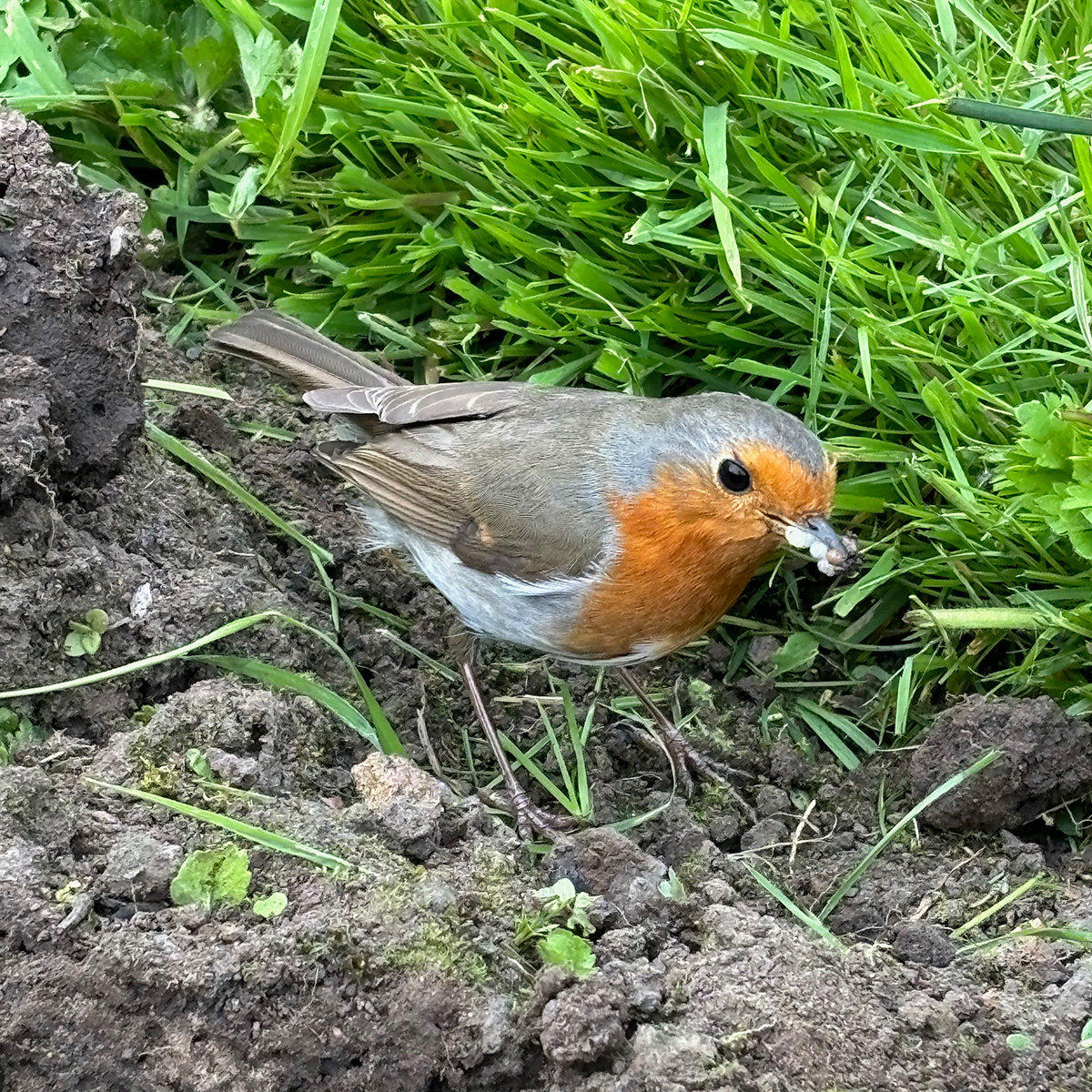
Stinging nettles might not be top of your planting list but leave a patch to grow; these are a cosy bed for butterfly and moth caterpillars to overwinter. We all love seeing comma, red admiral and peacock butterflies fluttering around our gardens but their larvae crucially need somewhere to sleep over the winter months. Population numbers have declined in recent years but we can turn this around. When the larvae pupate in spring, nettles provide a hearty meal to kick start the next part of their lifecycle; we can then look forward to a garden filled with these fascinating insects.
Our gardens are delicate ecosystems, everything is connected; organic gardening practices can help to keep the circle of life in balance.
Leave out water
A fresh water supply is a wildlife necessity; leave out a couple of shallow dishes, ideally one elevated and one on the ground to accommodate not only birds but mammals like hedgehogs. For any winged insects still flying around pop a few stones in to the dish as landing platforms so they can drink, rest and wash.
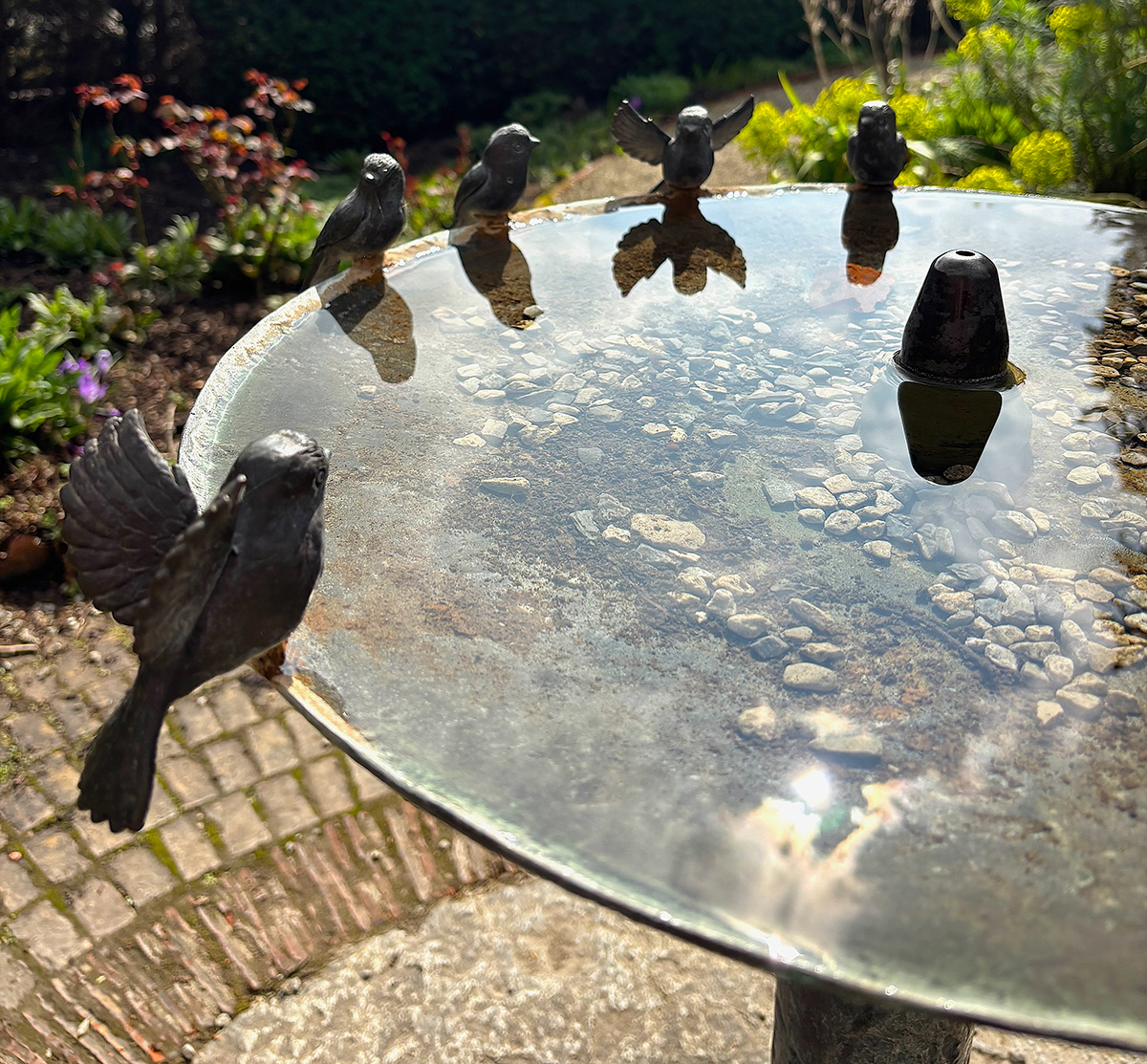
Make sure water is topped up regularly and give the container a good scrub once a week as algae can quickly build up, this will also help stop the spread of diseases. If temperatures plummet, keep an eye on your bird bath; you might need to break the ice!
Provide shelter
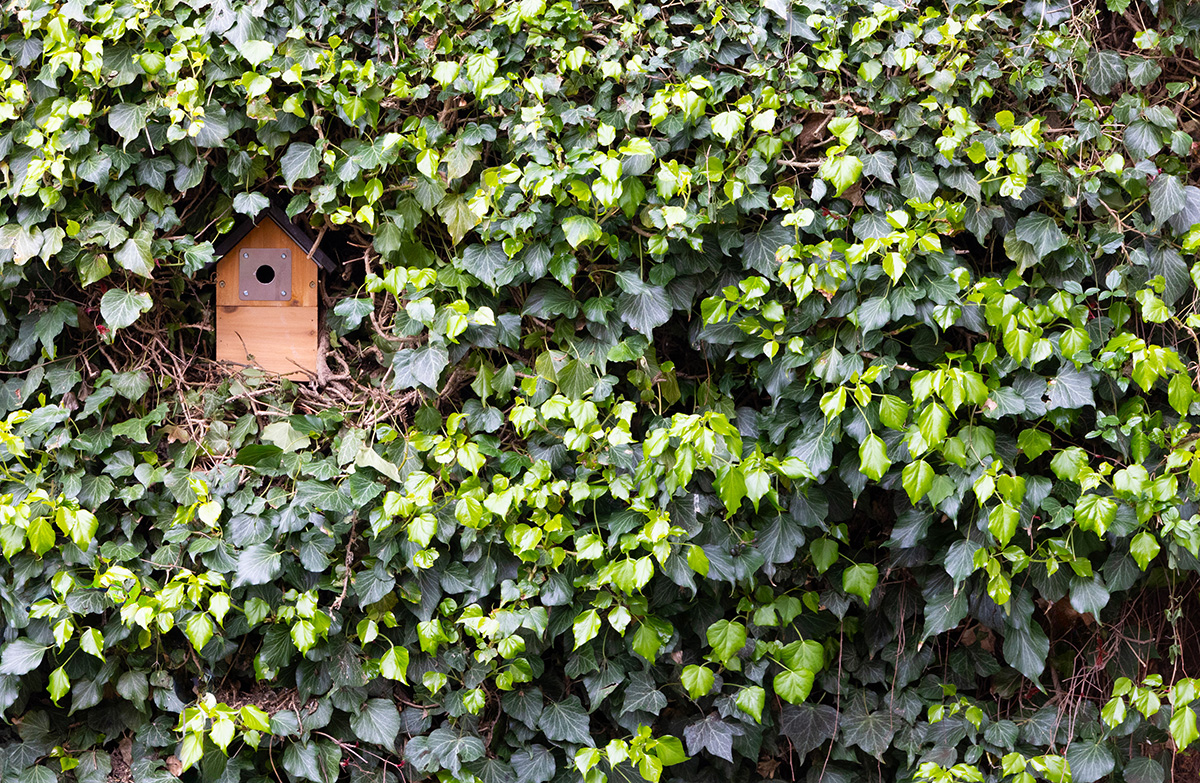
Whatever the size of your garden, giving birds a home will help them shelter from the elements and provide a base to nest in spring. You can buy bird-houses online, the choice is endless, even if you live in an apartment, try a rail-hung bird-house or if you are feeling creative make your own.
Another option is to plant a tree to provide natural habitat. We have a huge silver birch that is covered from head to toe in ivy providing a safe shelter for birds, as well as an army of insects, and I’m proud to say the tree has been home to a pair of resident wood pigeons for years.
Plant a native hedge
Another way to provide shelter for your local bird population is to plant a hedge. Hedges are really beneficial, not only as a refuge but as food throughout the year too. Autumn and early winter are an ideal time to plant a bare-root hedge, this gives roots time to establish before the serious freezing temperatures hit the soil.
There is an incredible choice of hedging plants that will not only look gorgeous but will benefit birds in many ways from fruiting crab apple (Malus sylvestris) and the hipster dog rose (Rosa canina) to berry laden hawthorn (Crataegus monogyna), buckthorn (Rhamnus cathartica), spindleberry (Euonymus europaeus) and blackthorn (Prunus spinosa) or go nuts with hazel (Corylus avellana) and foliage-dense beech (Fagus sylvatica), hornbeam (Carpinus betulus) and elder (Sambucus nigra).