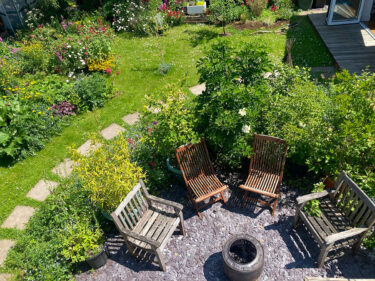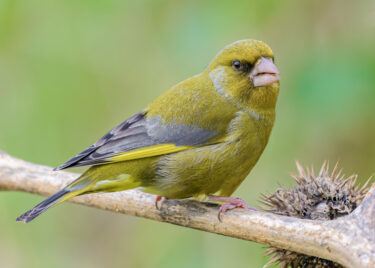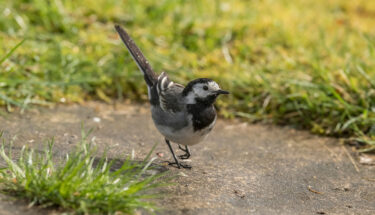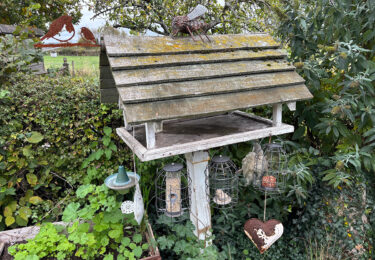
Our garden birds are the life and soul of our gardens. Keeping tabs on your common garden birds helps us understand the health of the garden. Learning more about these precious creatures is a good place to start. Keep an eye out for some of these species of common garden birds and get to know how they look, how they feed and where they like to spend time in your garden. Watching the birds is such a rewarding pastime for all ages. Get out into the garden (or watch through a window) and start to watch the birds to get an idea of which species visit your garden.
Common Garden Bird Watching Tips
- Find a spot in the house where you can see the bird feeders from the window so you can watch the birds in the comfort of your own home.
- Arm yourself with a pair of binoculars so you can really get a good look at your garden visitors.
- Get a good bird book or use an app or website, so that you can correctly identify your garden birds.
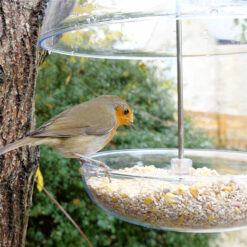
- Make sure you have a range of different feeders to present the food to the birds and to cater for the different ways that your garden birds feed.
- Add a birdbath, birds need fresh water to drink and bathe daily.
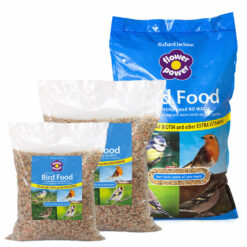
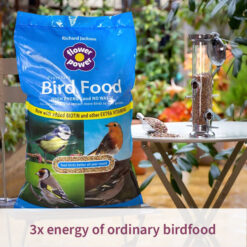
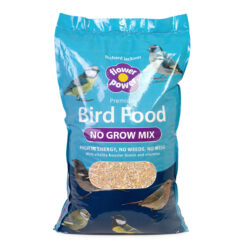
- Invest in some quality bird food. If you want a mix that attracts a much wider range of garden bird species you can’t go wrong with Richard’s Premium Bird Food.
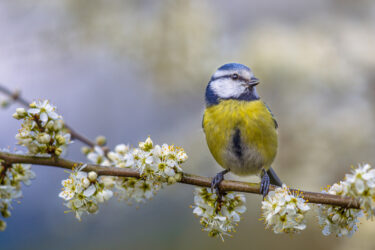
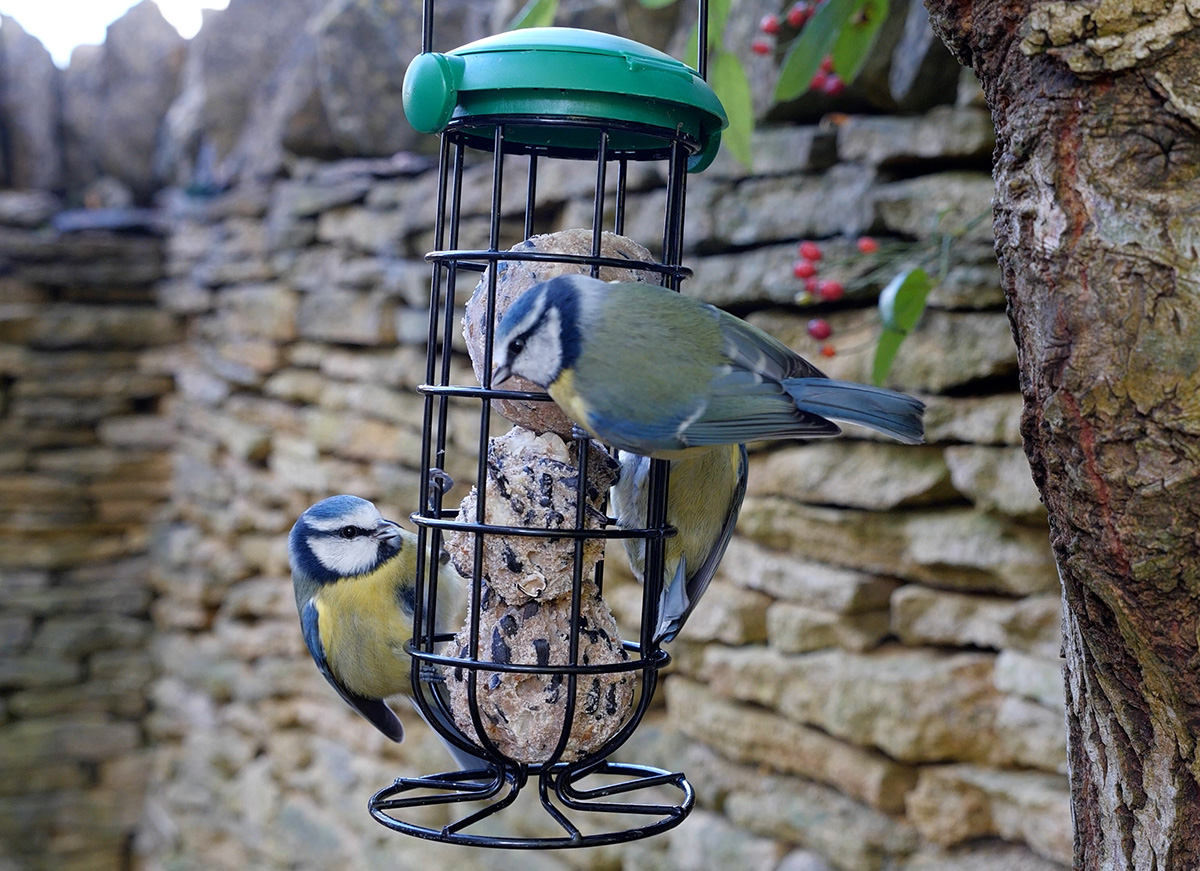
Blue tit
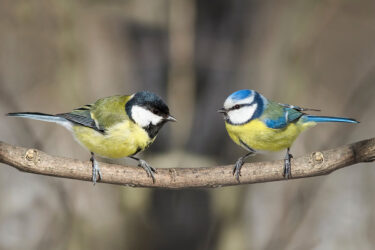
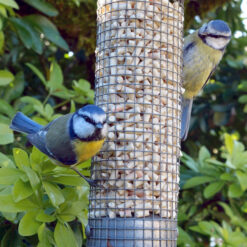
If you put suet blocks or peanuts out for the birds you are sure to attract these characterful garden birds. Blue tits have a fabulous coat of yellow and blue in a striking design. In cold weather these little birds look out for high-energy food such as peanuts, suet and well-stocked feeders and will arrive in little flocks to feast in your garden. They have a mixed diet that includes seeds and insects and cling easily to hanging garden feeders.
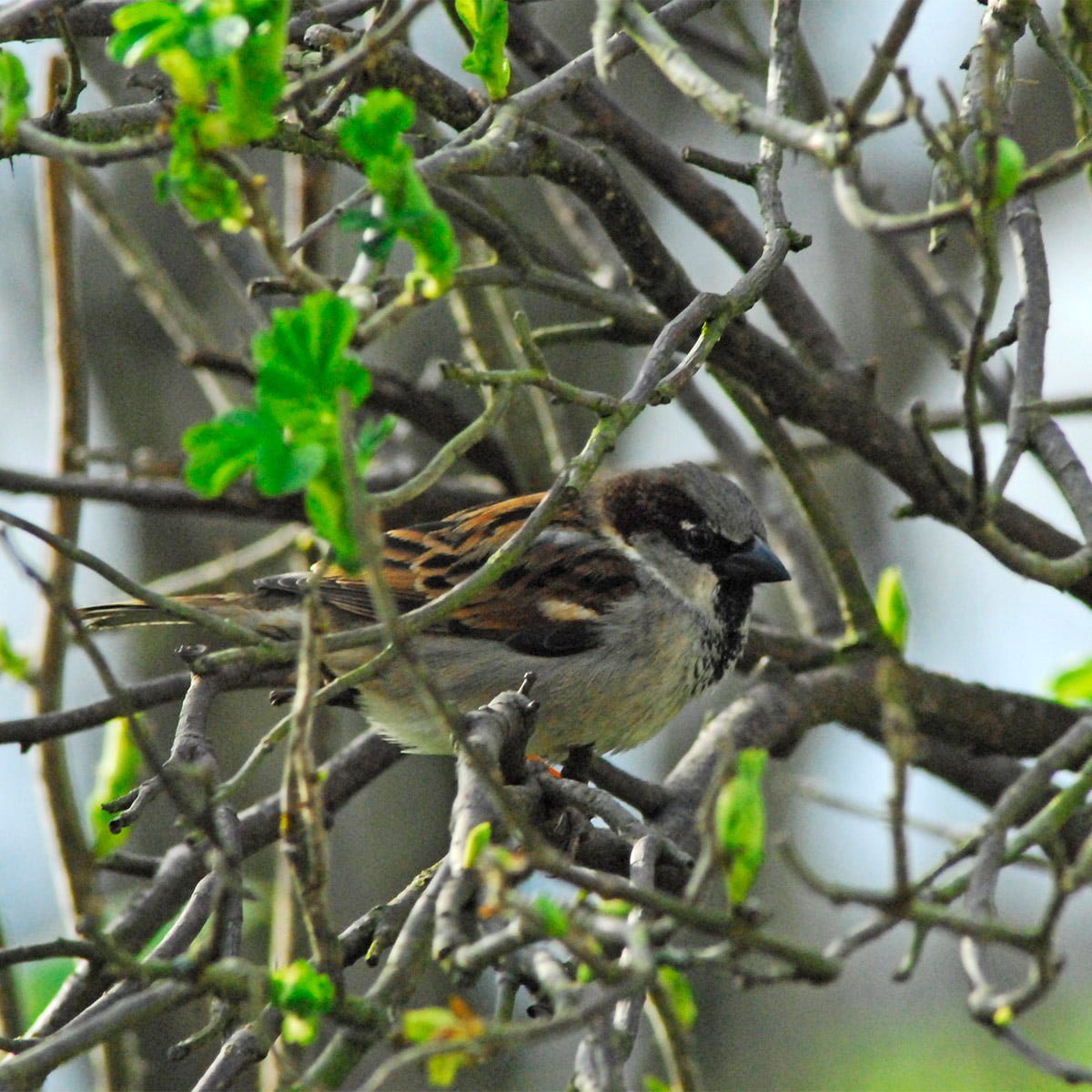
House sparrow
When I was growing up we spent many hours a week watching the ‘spoggies’ squabble over food on the bird table. They were pretty common then, but these days their populations have been in sharp decline. One of their challenges is that they like to nest in aggregations, often in house eaves, ivy clad walls and old buildings. It seems our desire for modern buildings may have played a part in their decline. Sparrows are a beautiful mix of beige brown and tan feathers. The females are particularly beautiful and the males have a generous black bib on their chests. Sparrows are mostly seedeaters and love sunflower seeds, millet and berries.
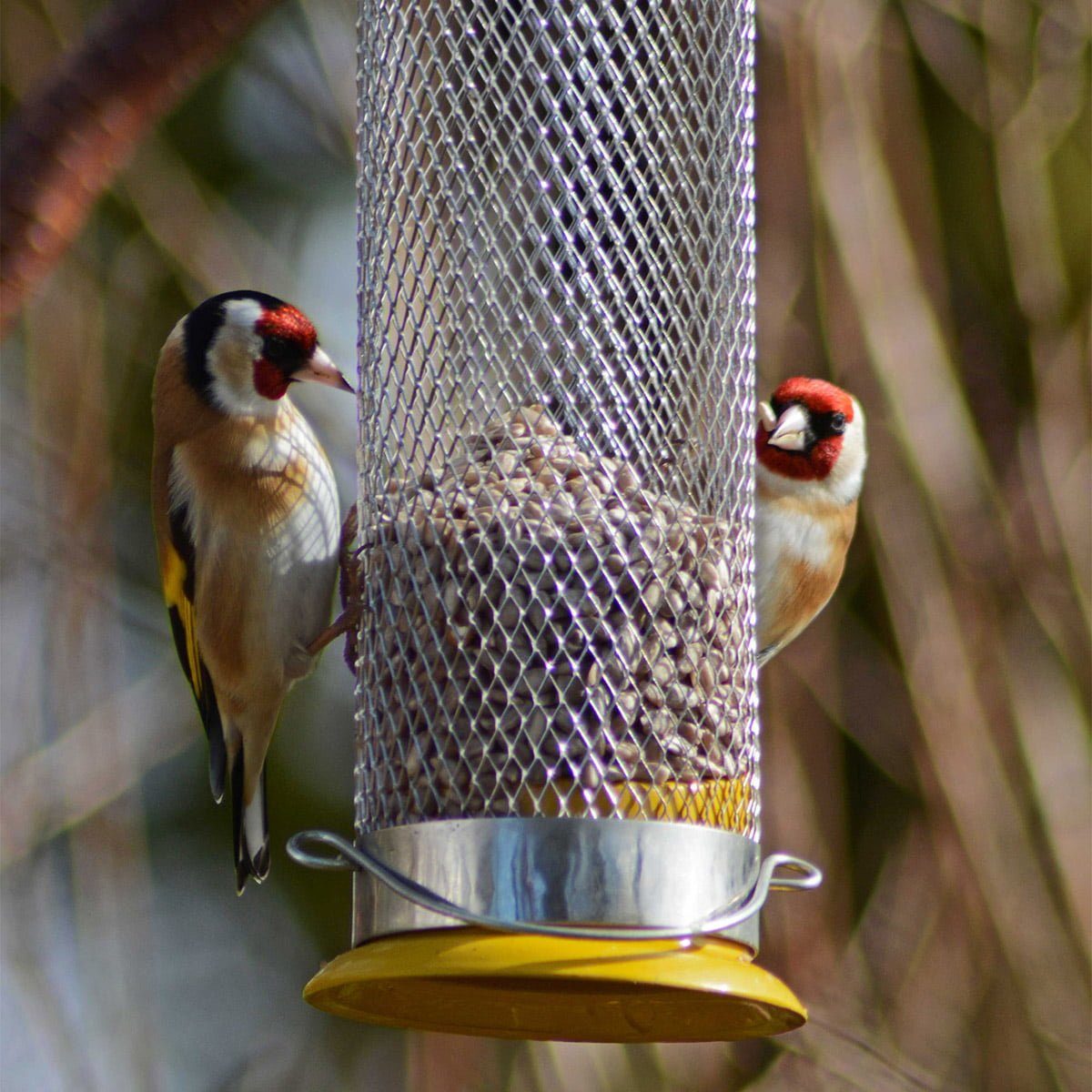
Goldfinch
The goldfinch is a stunning little bird, with a red face and a striking splash of yellow on its wings. These beautiful birds are often seen on garden feeders but may not be present in huge numbers in the winter as some goldfinches migrate to hotter climes for the winter months. Goldfinches are seedeaters and are very fond of nyger seed. They will also feed on garden teasels and dandelion seed heads.
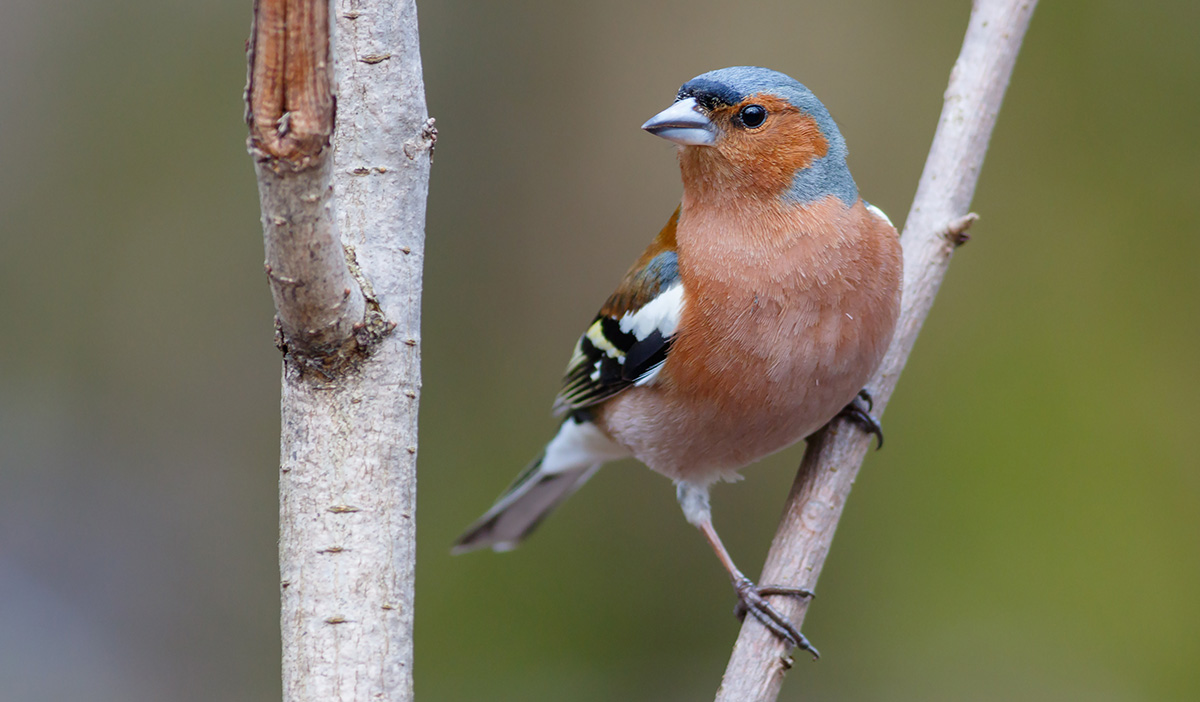
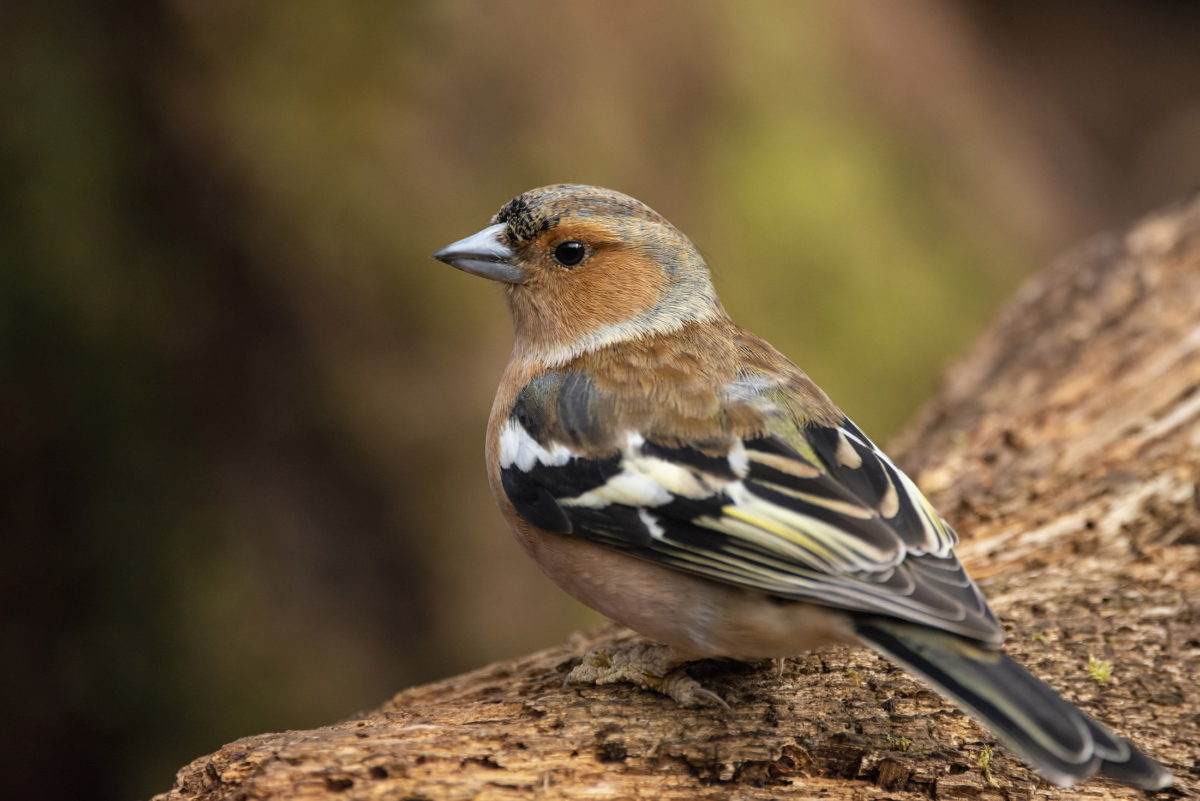
Chaffinch
The chaffinch is quite a common species that you should see in and around your garden. They are usually ground feeders so you will find them beneath the feeders, under the hedge edge and beneath trees where they will eat fallen seeds and insects. It’s a pretty little bird. The male is brightly coloured with dusky, rusty orange pink with brown feathers so it can be easily camouflaged. The females are similar with more subdued colours and markings.
Wren
Keep an eye out for the sprightly garden wren. It hops about very fast in the garden and on first sight you might think it is a mouse hopping about in the undergrowth. The wren is much more common that you might think and is often cited as the UK’s most common breeding bird. It’s small, brown and roundish, with a sticky up tail. The wren is a ground feeder; you won’t see it on hanging feeders and mostly eats insects and berries but will also visit suet feeders and take bird peanut butter that has been smeared on tree trunks.

-
 Select options This product has multiple variants. The options may be chosen on the product pagePrice range: £12.99 through £32.99
 -
 Subscribe & Save 20%Select options This product has multiple variants. The options may be chosen on the product pagePrice range: £19.50 through £38.00
 -
Subscribe & Save 20%Select options This product has multiple variants. The options may be chosen on the product pagePrice range: £9.99 through £34.00