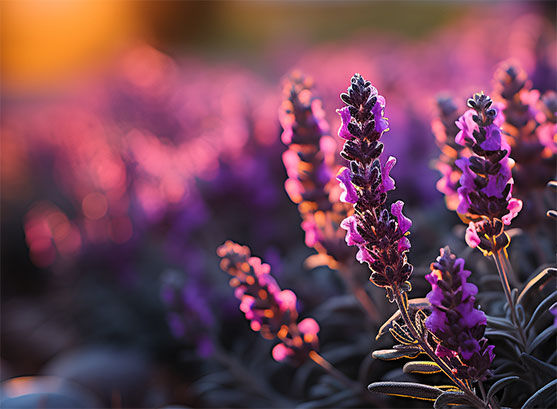
I love April. It’s the month when your head is full of the joys of spring and it’s when your garden really comes to life. The days give hints of the summer ahead, which really warm the cockles of your heart, and even the wildlife realises that everything is good in the garden; the birds are singing, the hedgehogs are snuffling and the frogs are croaking. Although, heavy April showers, cold frosts and strong winds are still on the agenda, so don’t get caught out.
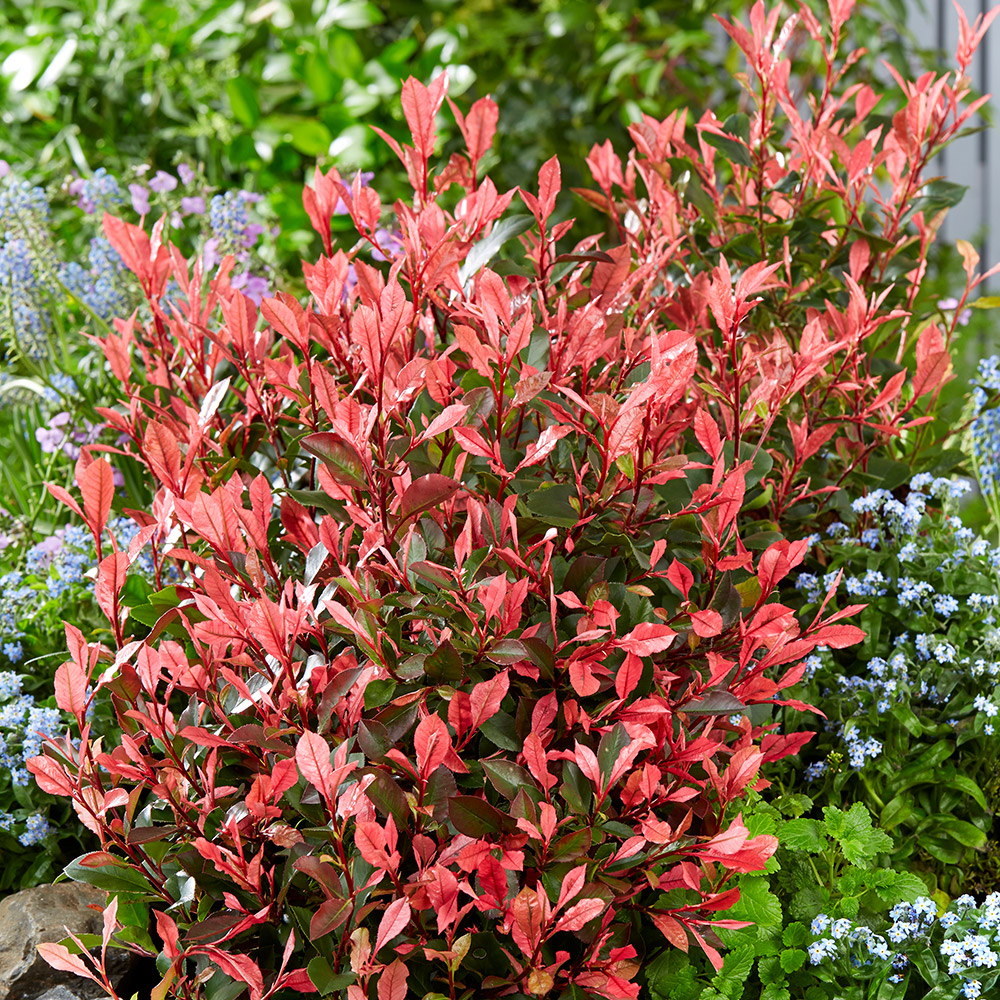
New leafy growth is in abundance everywhere, and it never looks fresher and more pristine than it does this month. And some of it emerges a different colour than its summer appearance, adding a new dimension to the spring garden. Great examples include some Japanese maples, photinias like ‘Red Robin’ and ‘Little Fenna’, amelanchiers and pieris. But this soft new growth can be damaged by an April frost, ruining its appearance, so be prepared with sheets of horticultural fleece to protect it.
Of course, you can’t spend all day every day just breathing it all in and admiring your past handy work. April is one of those manic months and there’s plenty to get on with. But do take some time to stop and marvel at what’s happening all around your garden palace.
Plant of the month: Magnolia
If there’s one shrub genus that raises the spirits at this time of year, it has to be magnolias. Those large, colourful blooms help to encapsulate all the joys of spring. Fleeting the flowers may be, but they’re well worth giving magnolias some well-deserved garden space.
While you might consider them as trees, and yes some species do get pretty big, most are regarded as shrubs or small trees. The best types to consider are the “tulip-flowered”, saucer magnolia, M. soulangeana, and its varieties with white, pink or purple, goblet-shaped flowers up to 25cm across in April and May. These need a neutral or acidic soil and will eventually reach around 6m in height.
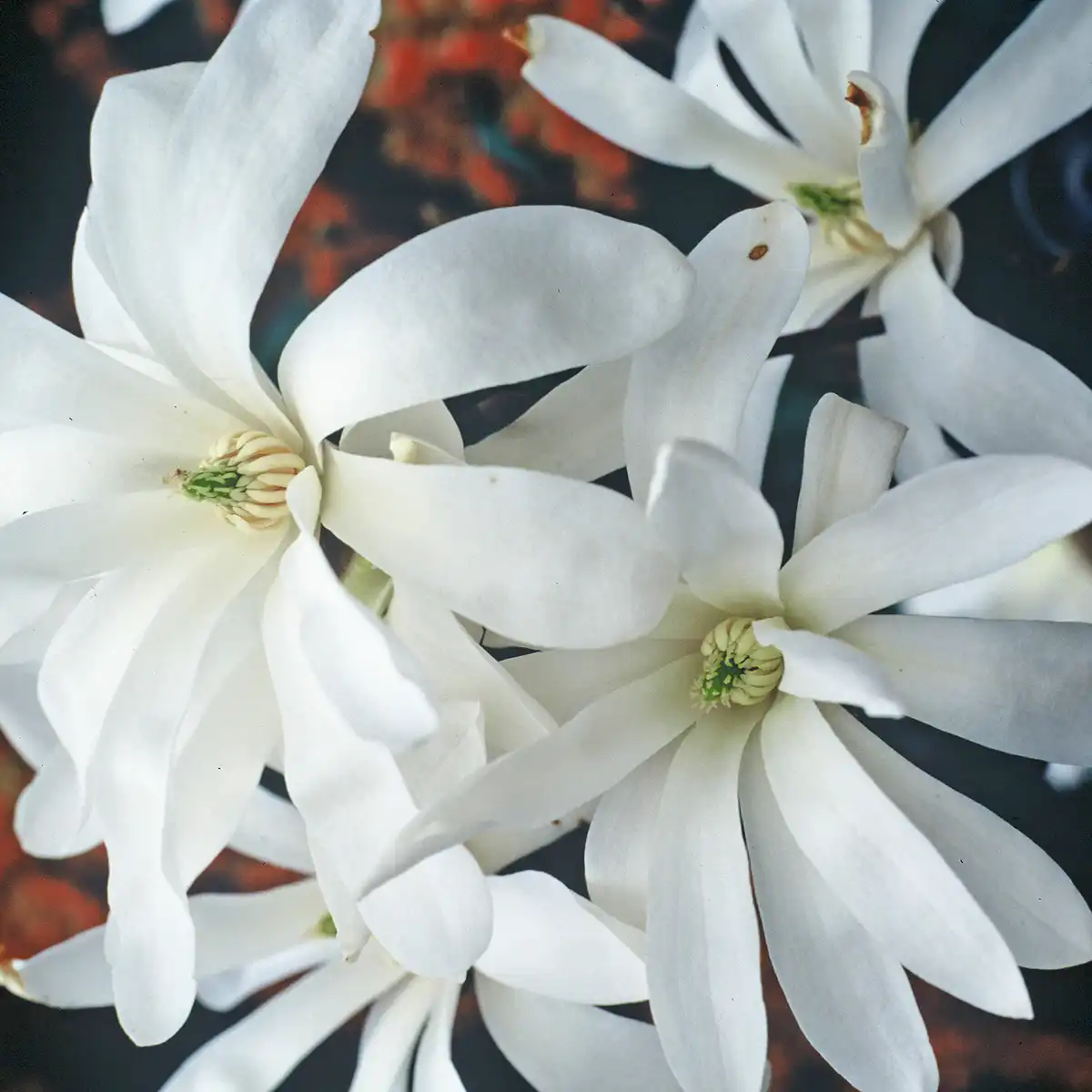
Want something smaller or one to grow if your soil is chalky or alkaline? Then go for Magnolia stellata (pictured), the aptly named star magnolia, and its varieties. This is a slow-growing shrub/small tree that will eventually reach 3m high and bears lots of multi-petalled, white, lightly scented flowers up to 10cm across that emerge from attractive silky flower buds. Like M. stellata, M. loebneri and its varieties also grow in all soils types including alkaline, but grow much taller.
Want to increase their garden value and give them longer flower power? Simple! Plant a colourful, summer-flowering climber, such as a clematis, at their base and train its stems throughout the branches.
Where to grow
Magnolias are easy to grow and need very little in the way of care and attention once established. Grow them in a sunny position, sheltered from strong winds, in moist, well-drained soil.
How to care for it
Mulch around the plant annually and add a slow-release or controlled-release feed in spring. Water in summer whenever needed to keep the soil moist; they dislike drying out, especially in summer, which can affect flower bud production.
They need little in the way of pruning. Only cut out diseased, damaged or crossing branches, as soon as flowering has finished. They generally dislike heavy pruning as this can spoil their natural shape and reduce future flowering. But if you have to do it, make fewer large cuts, rather than lots of smaller cuts.
Be creative: Create a colourful screen
Climbing plants are not just for clothing walls and fences – they’re far more versatile than that. For instance, they can be grown up ornamental trellis panels to create a delightful feature anywhere in the garden, to divide or screen off another part of the garden or just as a standalone focal point.
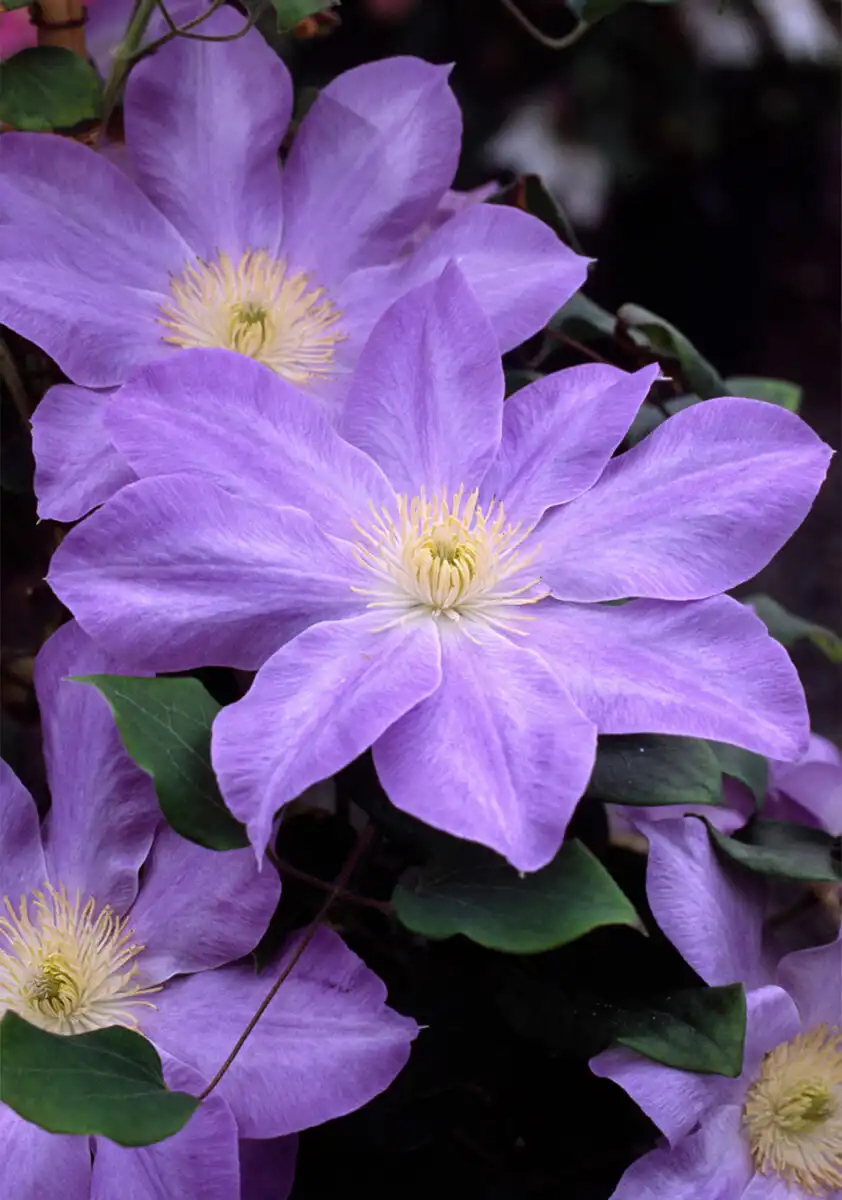
While there’s a huge range of different climbing plants and wall shrubs to choose from, there’s no doubt that top of the plots are clematis – often referred to as the queen of the climbers. There are so many different varieties to choose from and, thanks to renowned breeder Raymond Evison of the Guernsey Clematis Nursery, the range is now remarkable, such as this ‘Diana’s Delight’, a repeat-flowering variety from early summer to late summer-early autumn.
Once you’ve erected your trellis, as a standalone feature all you’ll need is to concrete two fence posts in place and screw the trellis panel to it, plant the climber in the centre of the panel. With climbers, it’s essential to get the initial training put in place from the start. Ideally, spread out the stems and tie them in place to create a fan shape or as horizontal as possible. Just leaving them to grow upright results in poor growth and a few flowers high up on the stems.
This month’s myth busting: Clematis planting
You’ll often hear it said that clematis should be planted “with their heads in the sun and their feet in the shade”. Well, unless that means don’t plant them upside down and bury all their leafy growth in the soil!, that is so far from the truth.
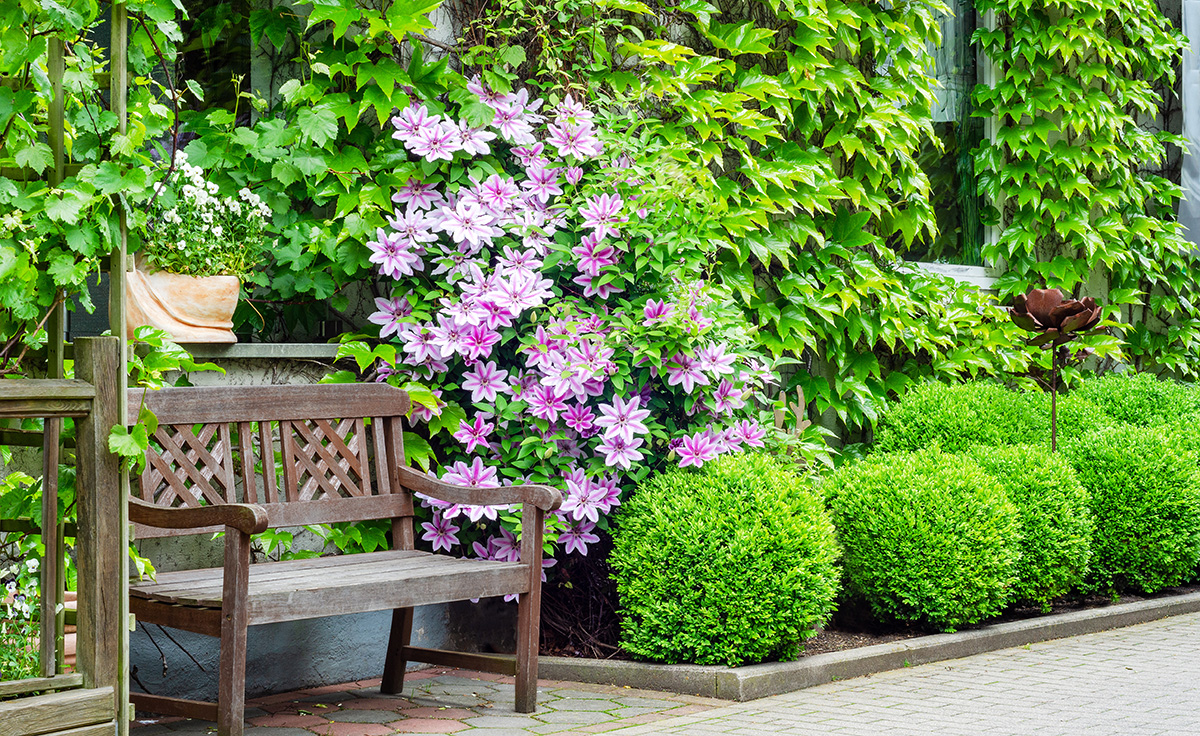
First, there are dozens and dozens of species and varieties that will grow extremely well in shade, and some even prefer it. For example, the flowers of the very popular favourite ‘Nelly Moser’ “bleach” when grown in a very sunny position, whereas they produce the typical pale lilac-pink petals with a magenta-carmine stripe when grown in partial and light shade.
And they don’t mind if their roots are exposed to sun, but they really hate dry soil and extreme heat; soil constantly exposed to blazing sun will dry out faster and be hotter than soil that is shaded. In which case, shading the roots is a good idea. This is easily achieved by adding a thick mulch to the soil around them, shading the base by using large ornamental stones or similar or simply planting them behind a shrub that provides shade.
Timely tasks
Here are two jobs you really should get on with this month.
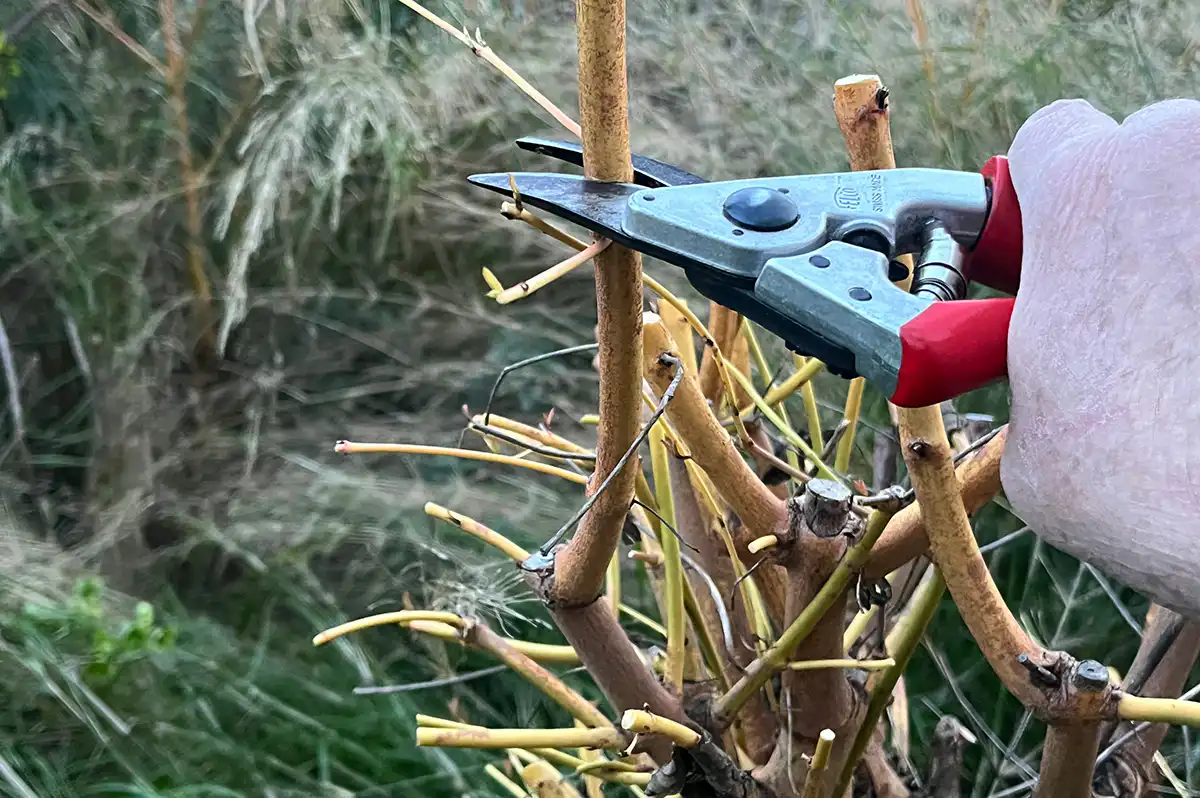
Prune stem dogwoods
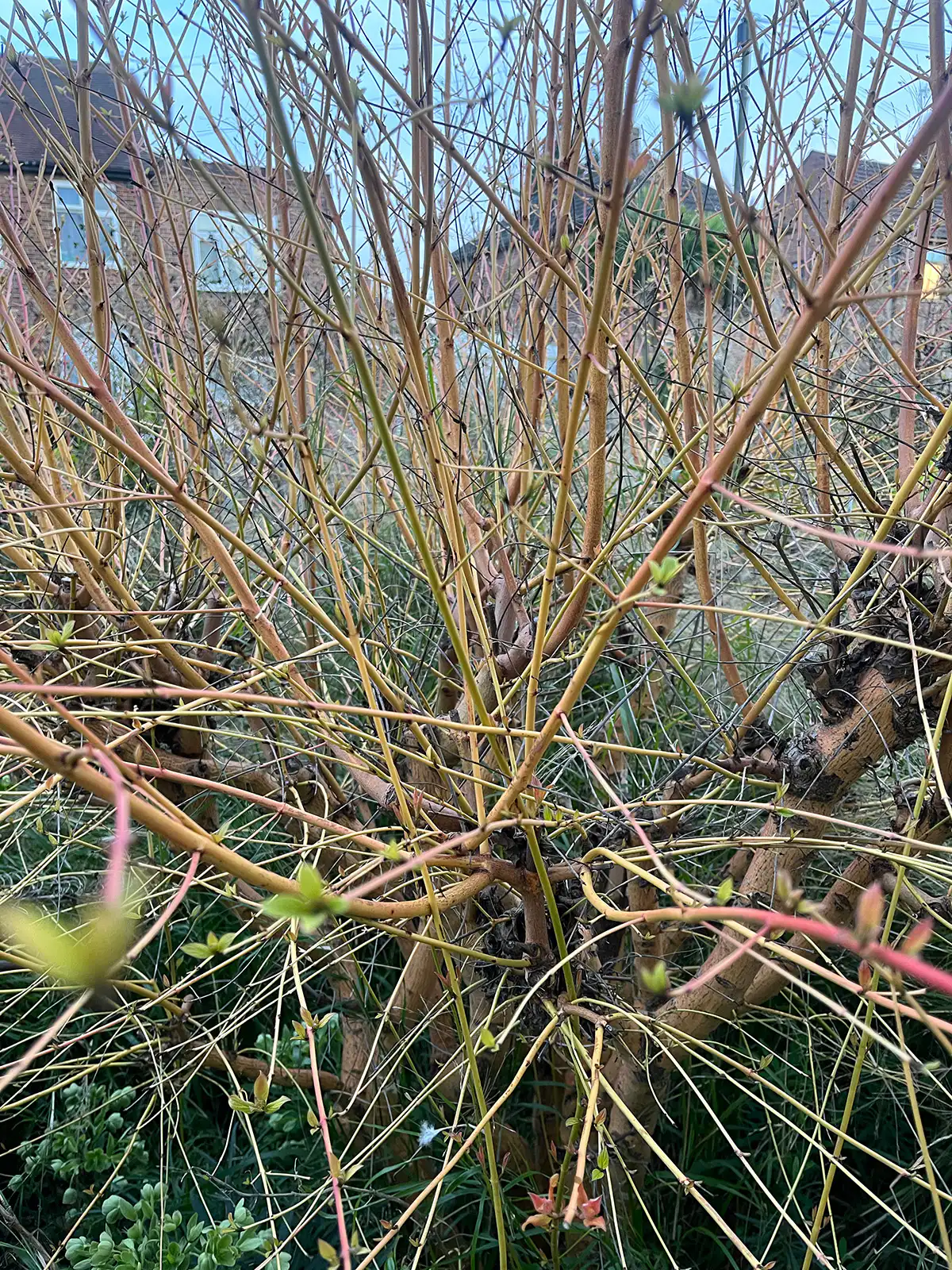
Dogwoods that are grown for their colourful winter stems, such as varieties of Cornus alba, C. sericea and C. sanguinea, need pruning every year or every other year, because the younger stems produce the strongest colours. Cornus alba and C. sericea need hard pruning, stooling them back to buds just a few centimetres/inches above ground level. Varieties of C. sanguinea, such as ‘Midwinter Fire’, are not as vigorous and needs less severe pruning – removing one in three of the oldest stems or cutting back the stems by around half to two-thirds.
Mow & feed the lawn
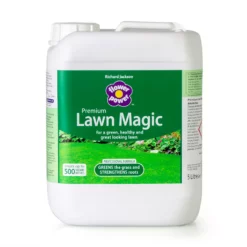
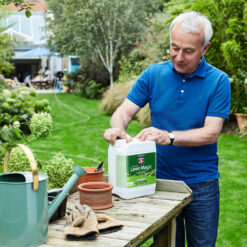
No doubt you’ll be mowing the lawn regularly now. Mowing removes a lot of nutrients, so for a fabulous, lush, green lawn make sure you replace these nutrients with a lawn feed. Feeding not only improves the colour, but it also makes the grass thicker, stronger and healthier so it is better equipped to fight off moss, weeds and even drought and waterlogging and cold weather. Granular feeds, such as Richard’s Premium Once A Year Natural Lawn Feed, are best at this time of year, as they will feed the lawn for several weeks – or the whole growing season in this case. Or you can use his Lawn Magic.
Where weeds and moss are a problem, use Richard’s triple action All In One Lawn Feed, Weed & Moss Killer.
-
 Select options This product has multiple variants. The options may be chosen on the product pagePrice range: £11.99 through £27.99
 -

-