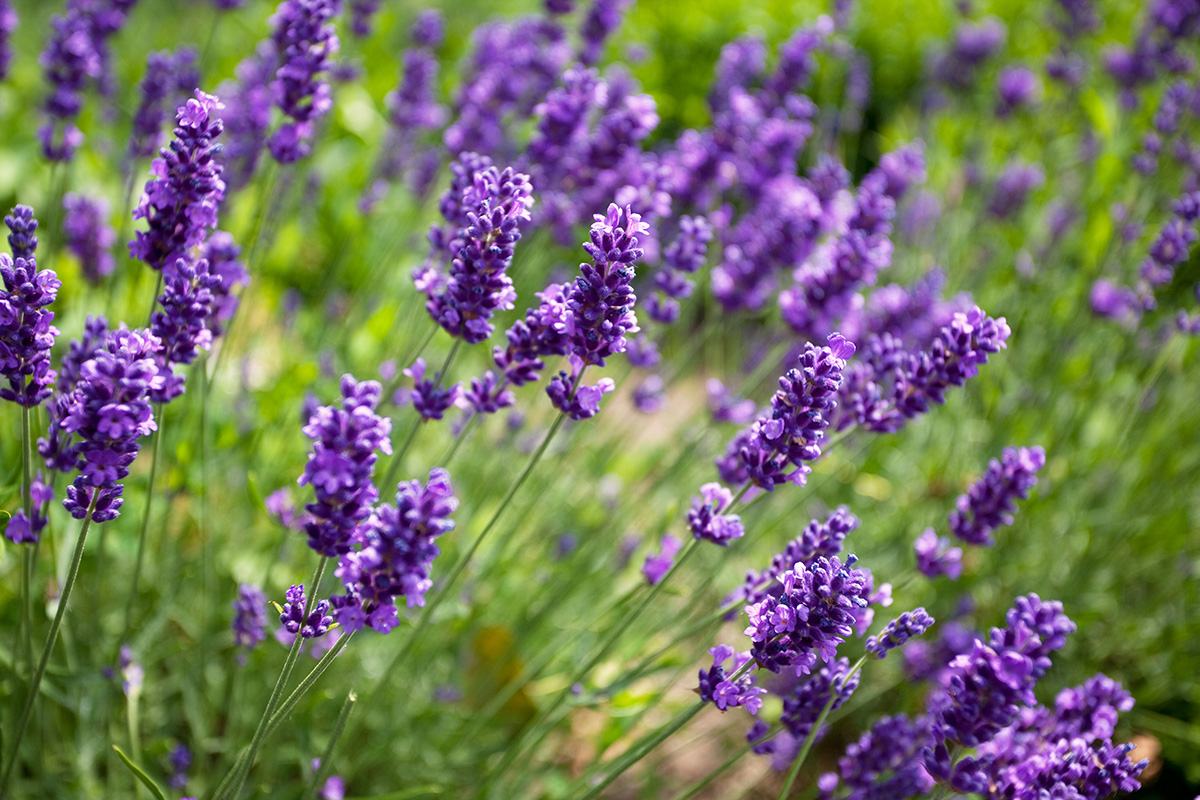
Lavender is a triple action plant, offering healing powers, culinary applications and it looks great too.
Just the word lavender conjures a restful image in the mind’s eye. But there’s much more to these sun-loving plants. Here are five reasons to grow lavender in your garden.
Great Garden Plants
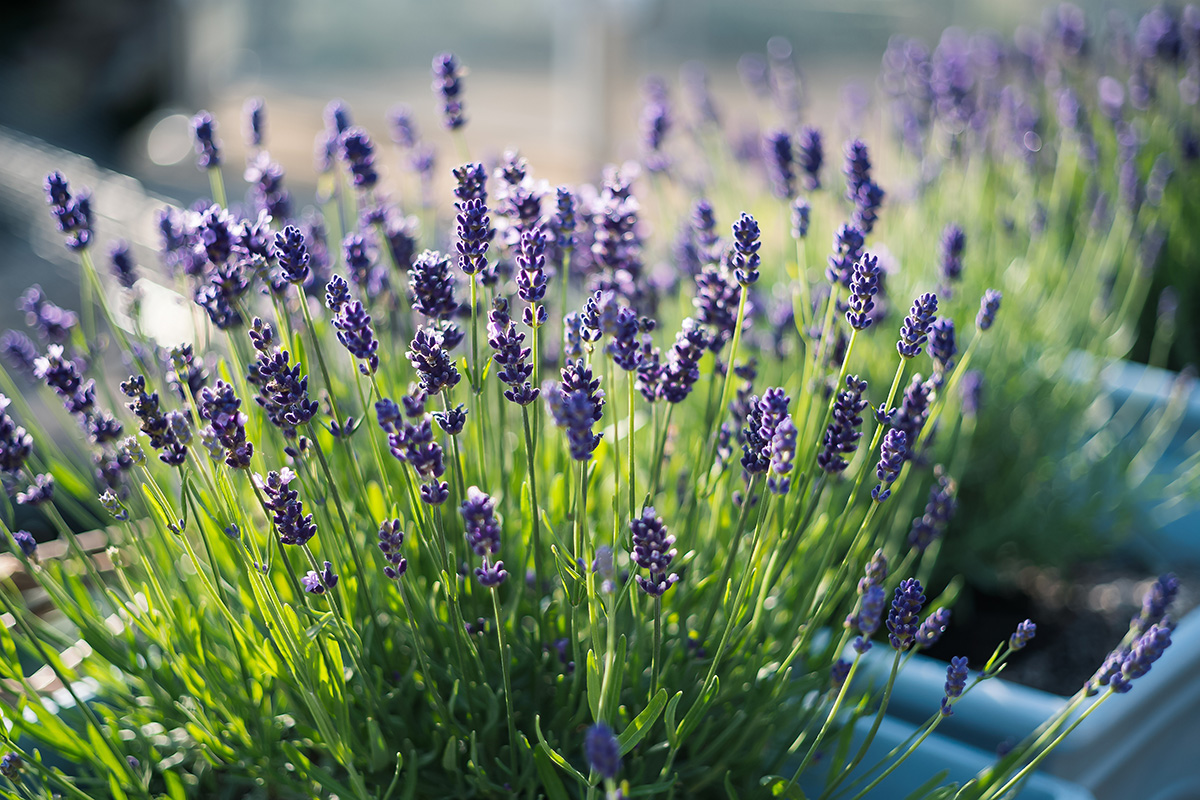
Soft silver-grey foliage clings to the stems of lavender plants, all-year-round adding structure and substance to the border, when many other plants have lost their leaves.
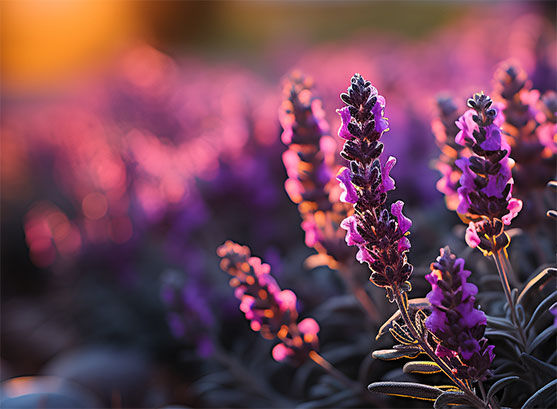
Its feathery but unassuming habit is no great garden statement until the tips of the stems burst forth with purple spikes of colour in summer. Then the plant takes centre stage.
It comes alive both in terms of scent and vibrancy, dancing in the sunlight and making its magic at every turn. For although the aromatic foliage is delightful, it is the flowers and the oils that they contain, that hold the power of this plant.
Hailed as a muscle relaxant, antidepressant, insect repellent, anti fungal and antiseptic, it’s no wonder that lavender has won a firm place in our hearts, not to mention in our gardens.
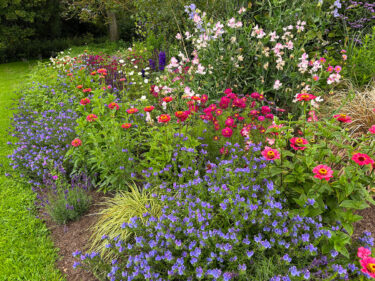
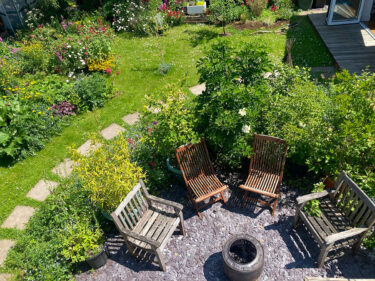
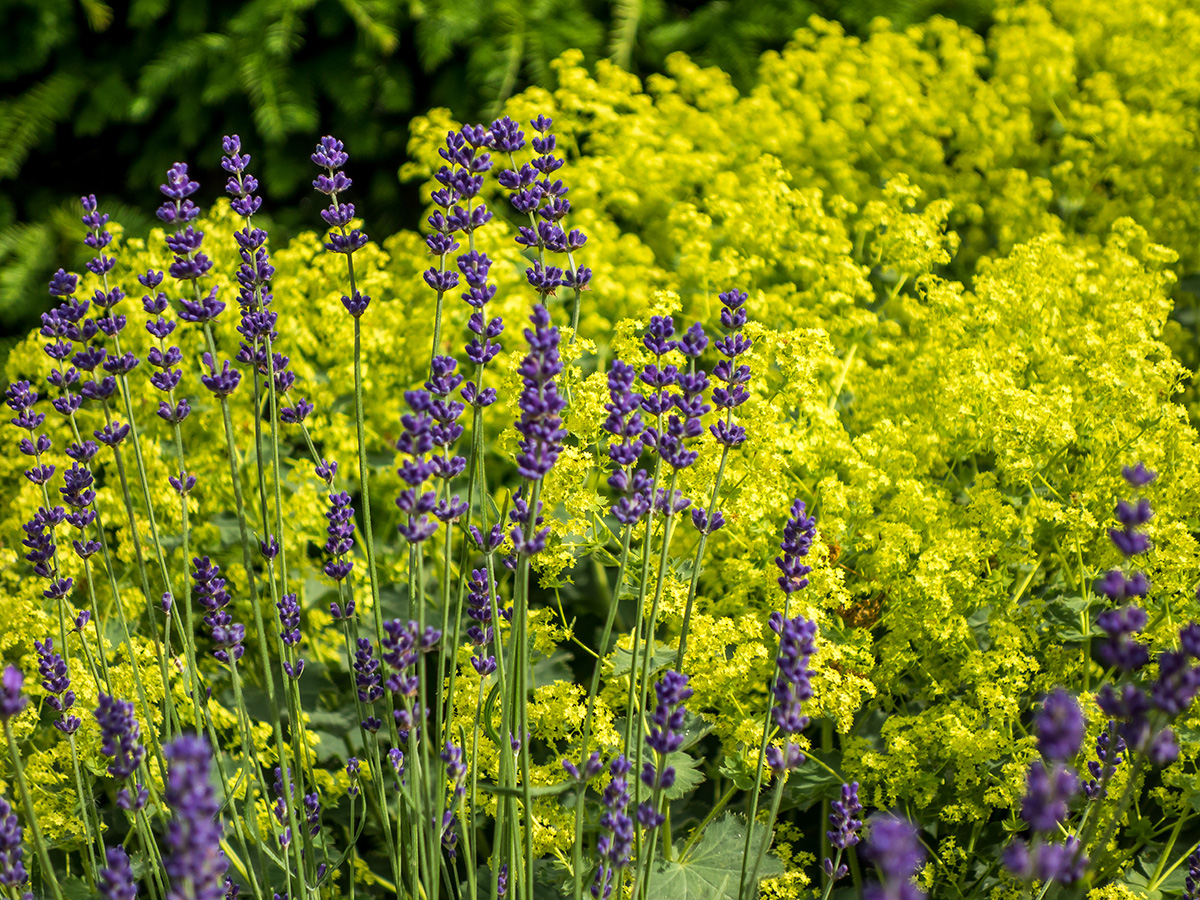
All lavender varieties make great garden plants. Plant them with hardy sages, silver leaved artemisia, chocolate cosmos, roses and coreopsis or use the compact forms as an edging for vegetable beds, garden paths or alone as a specimen in a pot. Think about colour combinations, the rich purple flowers look fantastic growing with the lime flowers of Alchemilla mollis.
Fantastic fragrance
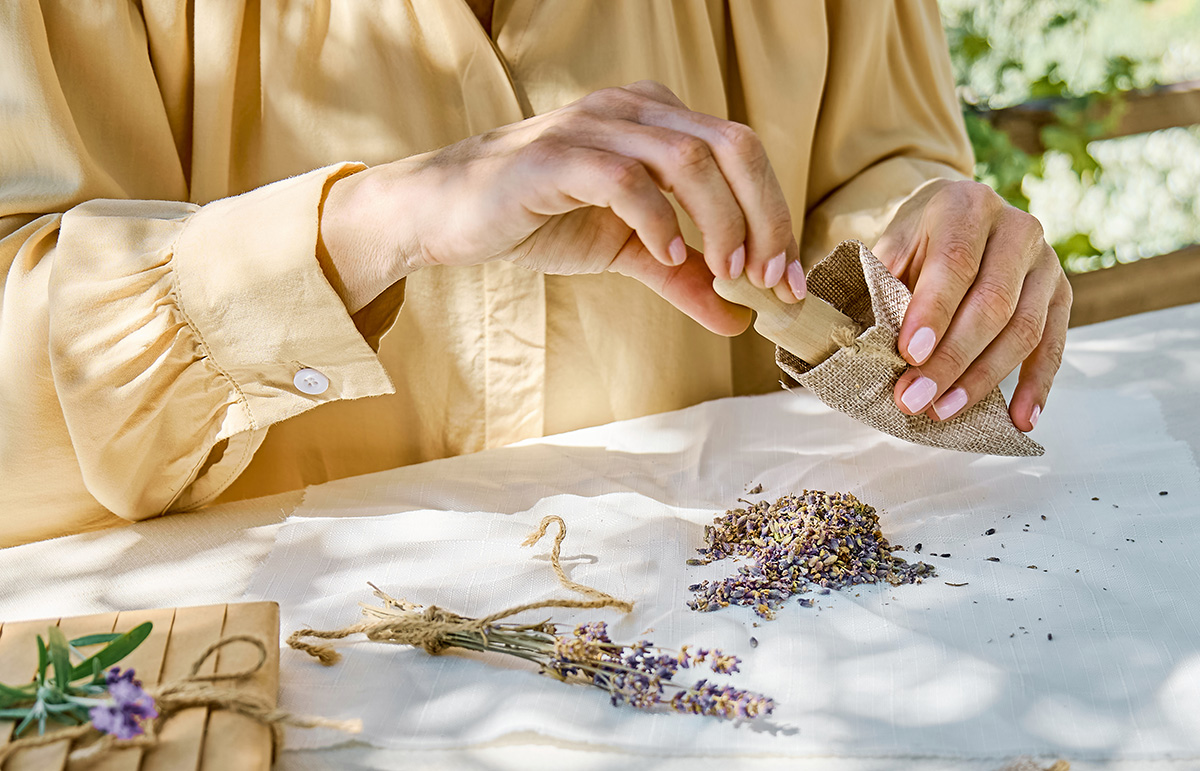
If you love the scent of lavender then it is a fantastic plant to grow in your garden. The flowers hold the perfume as they swell from bud to flower and even the foliage is fragrant. Lavender fragrance is calming and healing. You can dry the flowers and make your own room-fragrance. Sprinkle dried flowers on the carpet before vacuuming, or add lavender flowers to your bath water. Any broken stems can have the flower heads removed and dried and added to bath salts or pot pourri or sew little lavender bags to place in your clothes drawers to deter moths and make your clothes smell nice. Put one in your suitcase or overnight bag to keep it smelling sweet.
And don’t forget that you can also use lavender flowers to flavour ice-cream, biscuits and cakes.

Good for pollinators
It’s not just gardeners that love lavender. It is a favourite plant of most pollinating insects that visit the flowers to drink its nectar.
Butterflies and bees are frequent visitors, visiting the many flowers on each stem.
The flowers refill their nectaries regularly with the sweet liquid that these visiting insects need for energy. So, every lavender bush you plant will help to feed these elegant insects.
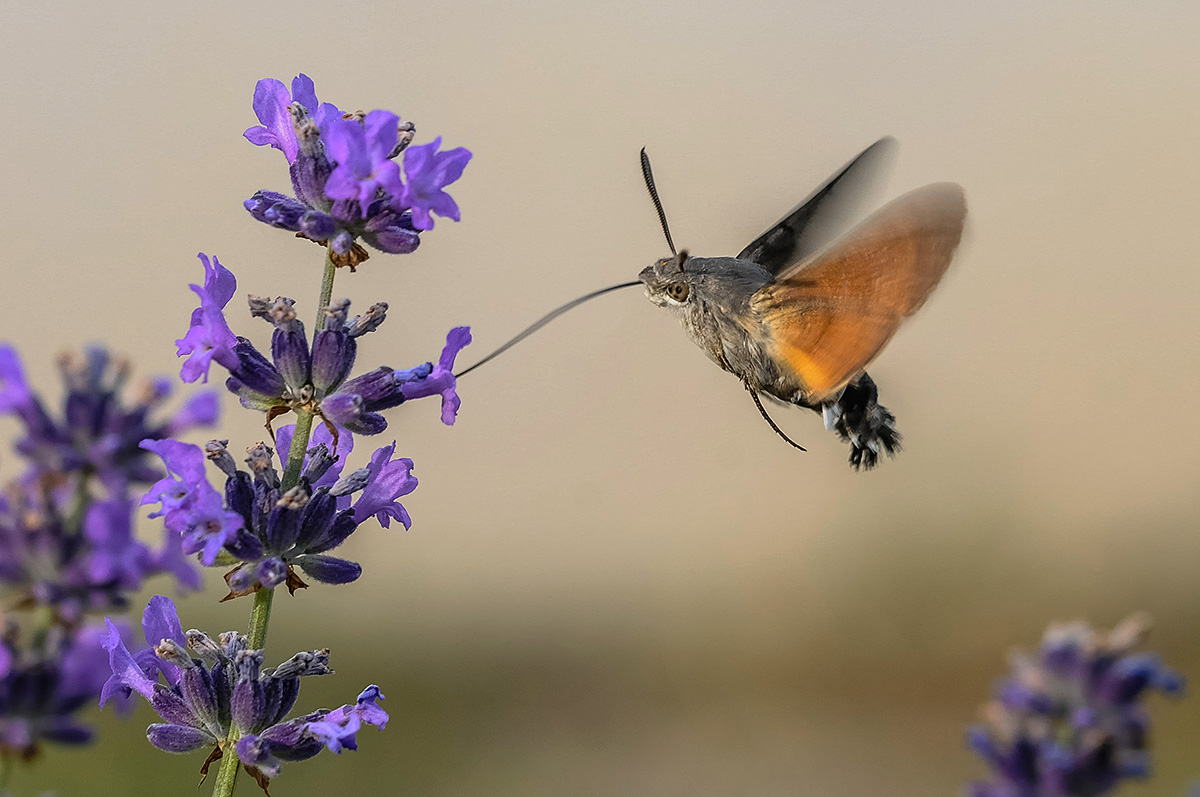
But some lavenders are more attractive to bees than others. Research carried out at Sussex University (Ratneiks) shows that not all varieties were equally attractive and that Lavender x intermedia as a group were more attractive than both the common English lavender (Lavender angustifolia group) and the French lavender (Lavender stoechas). It is one of the best for bees and other pollinators. It’s nectaries are deep in the base of the flowers and so it will be more attractive to the longer tongued bumblebees and other long tongue pollinators such as the hummingbird hawk moth and butterflies.
Great Container Plants
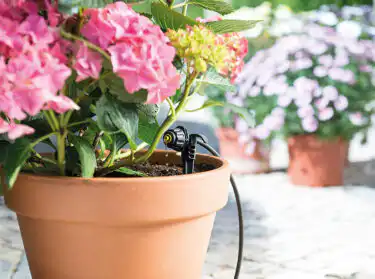
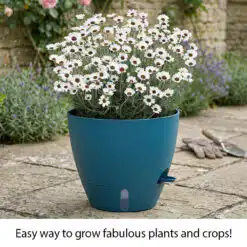
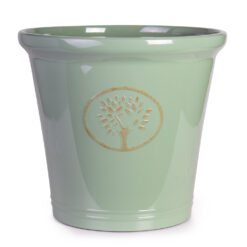
If you’ve only got a balcony or a tiny terrace you can still grow lavender. In fact, because it is a hot loving plant, it’s ideal for planting in terracotta pots as the pots hold the heat of the sun. Lavender likes a sunny spot and while it’s important to water plants growing in containers it will thrive in the summer sun. Choose a compact lavender that will really perform well, producing masses of flowers in summer.
Healing Powers
Lavender is easy to grow and simple to use for basic home remedy cures and homemade cosmetics.
It is excellent for minor burns and stings, apply a drop of the essential oil to a moistened cotton wool pad and pat onto nettle stings, mosquito bites and other insect bites. The effect is almost instant and the smell is very relaxing.
- Lavender water applied to the skin can take the pain out of sunburn.
- Relieve a persistent headache by rubbing one drop of lavender essential oil into the temples.
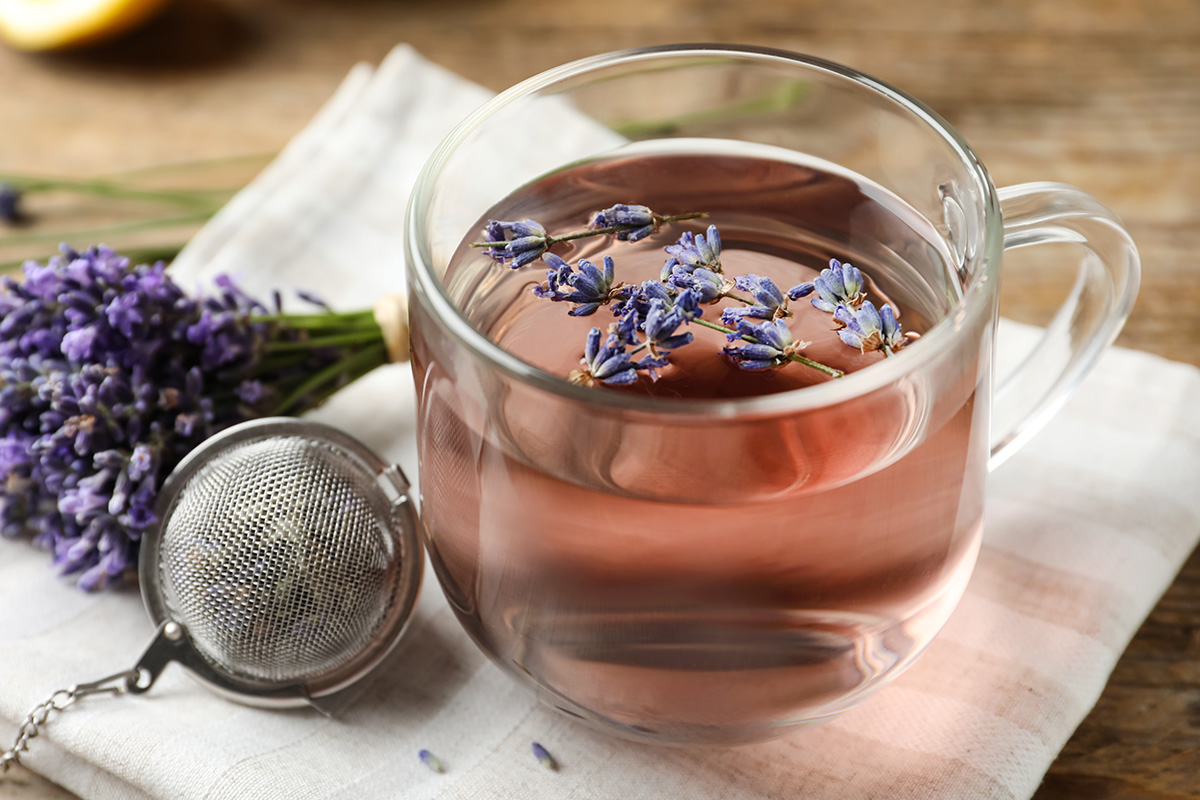
- Pour boiling water onto a handful of lavender flowers and steep for five minutes. Drink as a refreshing herbal tea.
- Use the cooled tea in the rinse water of hand washing.
- Burn the dried stems and lavender prunings on an open fire, BBQ or firepit for a gorgeous, smoky but aromatic smell.
- Add the flowers to shortcake mix for a subtle, aromatic flavour.
- Make your own lavender bags for clothes drawers using dried flowers sewn into fabric bags.
IMPORTANT: Lavender OIL should NEVER be taken internally.
The aroma can be inhaled and the oil can be used in the bath, or rubbed on the skin, but always do a test patch first in case of allergies. If you are pregnant, or think you might be, you must check with a qualified medical herbalist before using any herbs in any way. If in any doubt: DON’T.