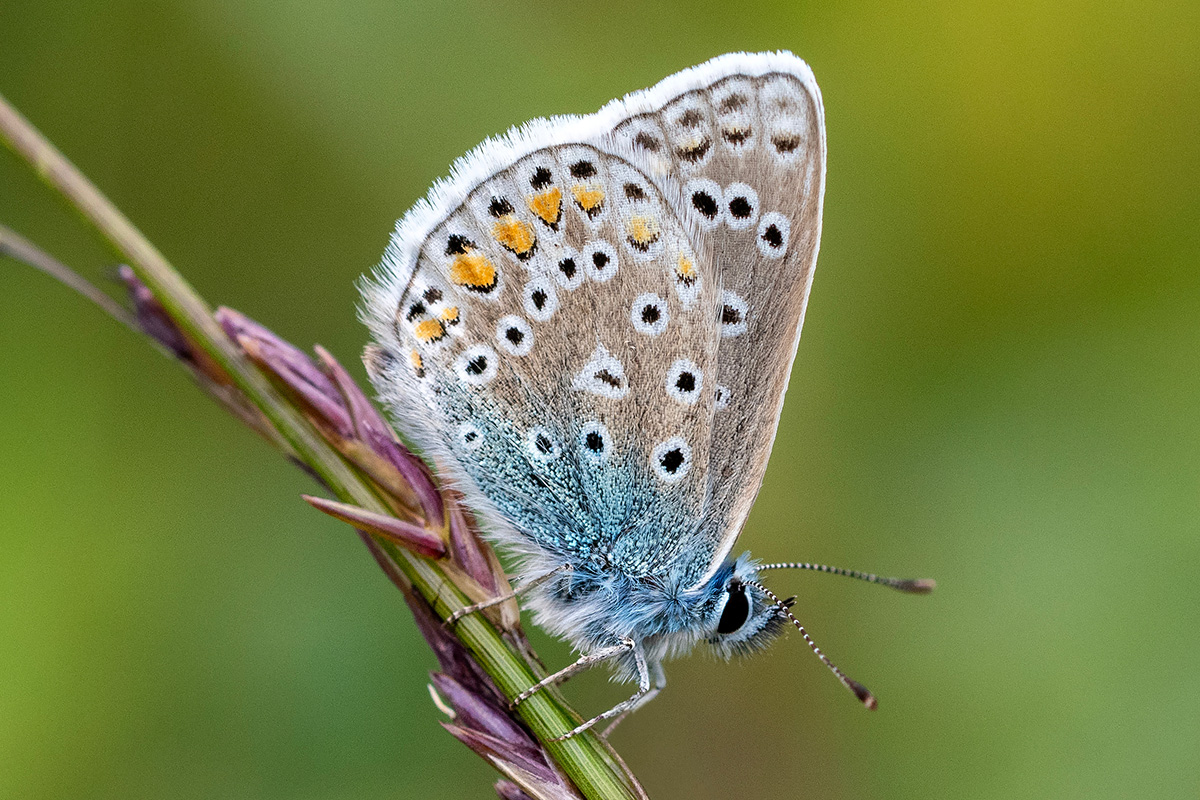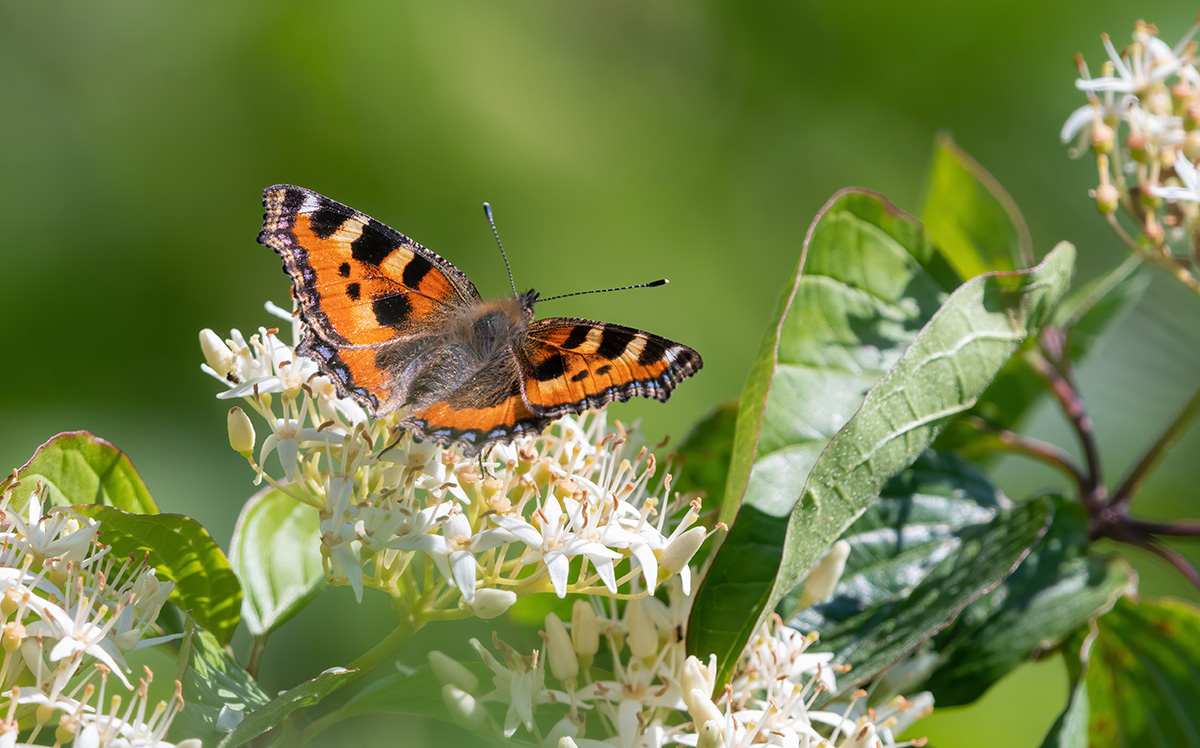
Butterflies are the icing on the cake in the garden. They raise our gardens to another level with their beauty as they flit from flower to flower searching for nectar. Most don’t live long as adults, they feed up during their larval stage to complete their lifecycle. And it’s the plants in and around the garden that fuel their activities. Plants are the bottom of the food chain and many creatures need plants, native and non-native to feed on.
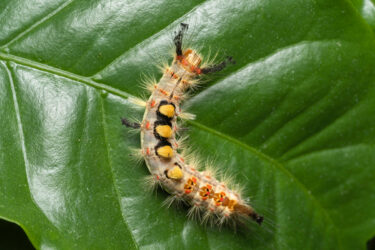
Every caterpillar is an ugly duckling about to transform into a beautiful swan. If you love butterflies you need to embrace the larval stage. Caterpillars turn into butterflies or moths and can add beauty, movement and magic to your garden. Butterflies add a whole new dimension to the garden. Their elegant beauty and ephemeral presence lifts the whole garden as they flit around the borders like animated fairies, alighting on flowers and adding their own beautiful essence.
Sadly, just like many other native pollinators, butterflies are in crisis, with their numbers vastly reduced and many under threat of extinction. There are 59 native butterfly species in Britain and a few others that arrive in the summer from mostly Europe.
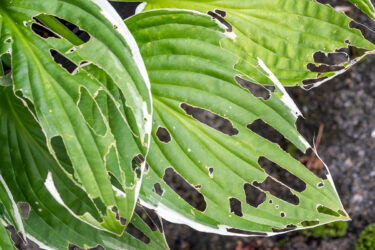
Butterflies tend to need very specific host plants to complete their lifecycles. These are the plants that they lay their eggs on. The plants go on to provide an essential food source for the developing caterpillars and this is where they can cause alarm to gardeners. A mass of caterpillars munching on a plant does not necessarily pose a problem to the rest of your garden. One or two caterpillar species can wreak havoc on some garden plants. The caterpillars of the large white and small white butterfly and the cabbage moth can munch their way through the foliage of brassicas and also other plants such as nasturtiums, but they won’t eat other garden plants. Likewise caterpillars on nettles and other wild plants are unlikely to feast on your garden beauties. Try and identify the caterpillar and learn about the species that has chosen your garden as a safe haven rather than killing everything in sight.
Identify caterpillars
Buy a good guide to butterflies and learn how to identify different species, or visit a specialist website such as Butterfly Conservation. Take an interest in their lifecycle and what the adults look like. While the caterpillars can be quite weird looking or even ugly they pupate into the most beautiful creatures that will enhance your garden and delight children and adults alike. If you find caterpillars munching on your plants, find out what they will grow into by identifying them online.
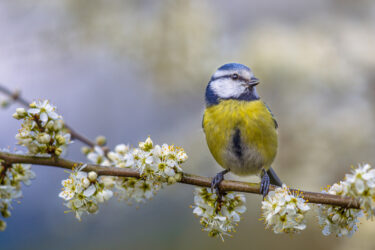
The UK Butterflies website has a great section on specific larval food plants. Don’t reach for the spray gun. A few munched leaves are unlikely to kill your plants and that ugly caterpillar could be the larval stage of something wonderful. Engage with them, watch them and allow nature to create a balance. Take photographs of them and make a record of what plants they visit and when. Get the kids involved and make a fun project out of it. And remember that caterpillars are a vital food source for many garden birds when feeding their chicks. One next of ten blue tit chicks needs ONE THOUSAND caterpillars a day!
Five things to do to attract butterflies to your garden
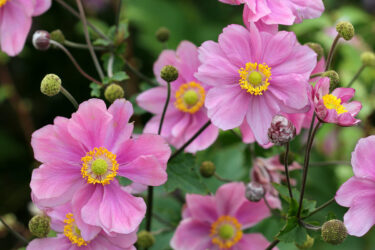
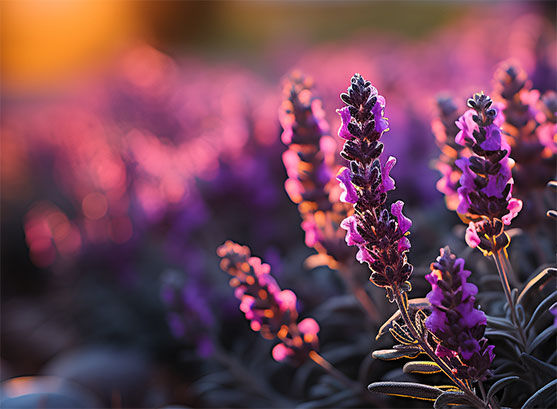
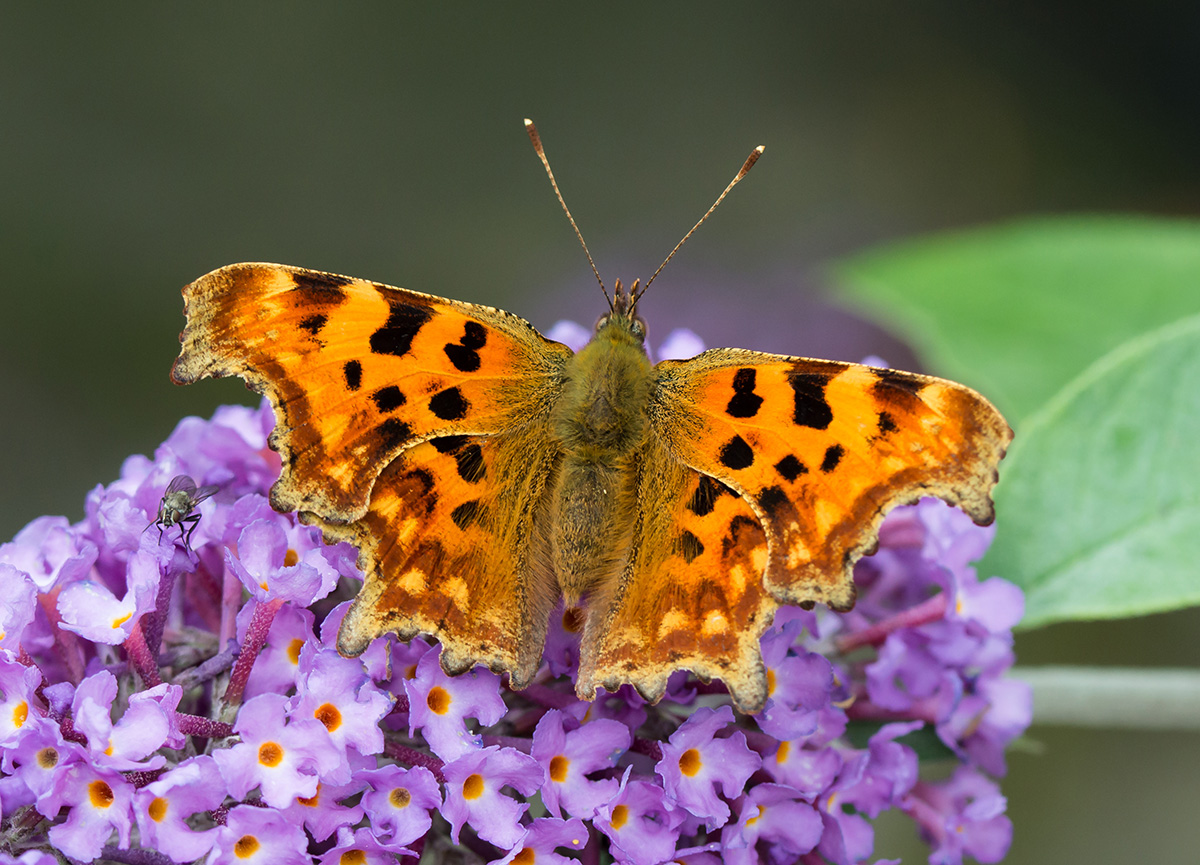
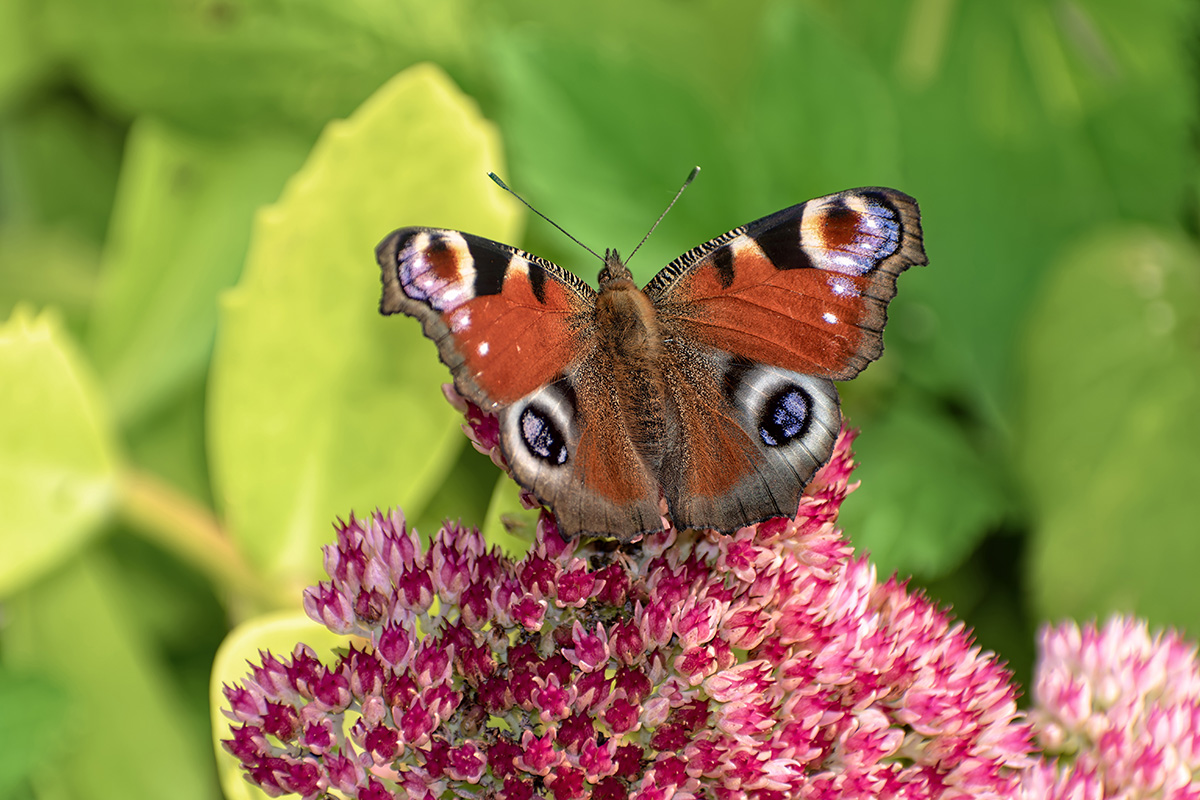
- Grow nectar rich garden plants to provide food for these precious insects. Choose open single flowers, or flowers that have several nectar rich tubular flowers, where the nectaries are exposed for easy access such as purple coneflowers, buddleja, verbena, red valerian (Centranthus), Eryngium, Scabious and ice plants (Sedum spectabile).
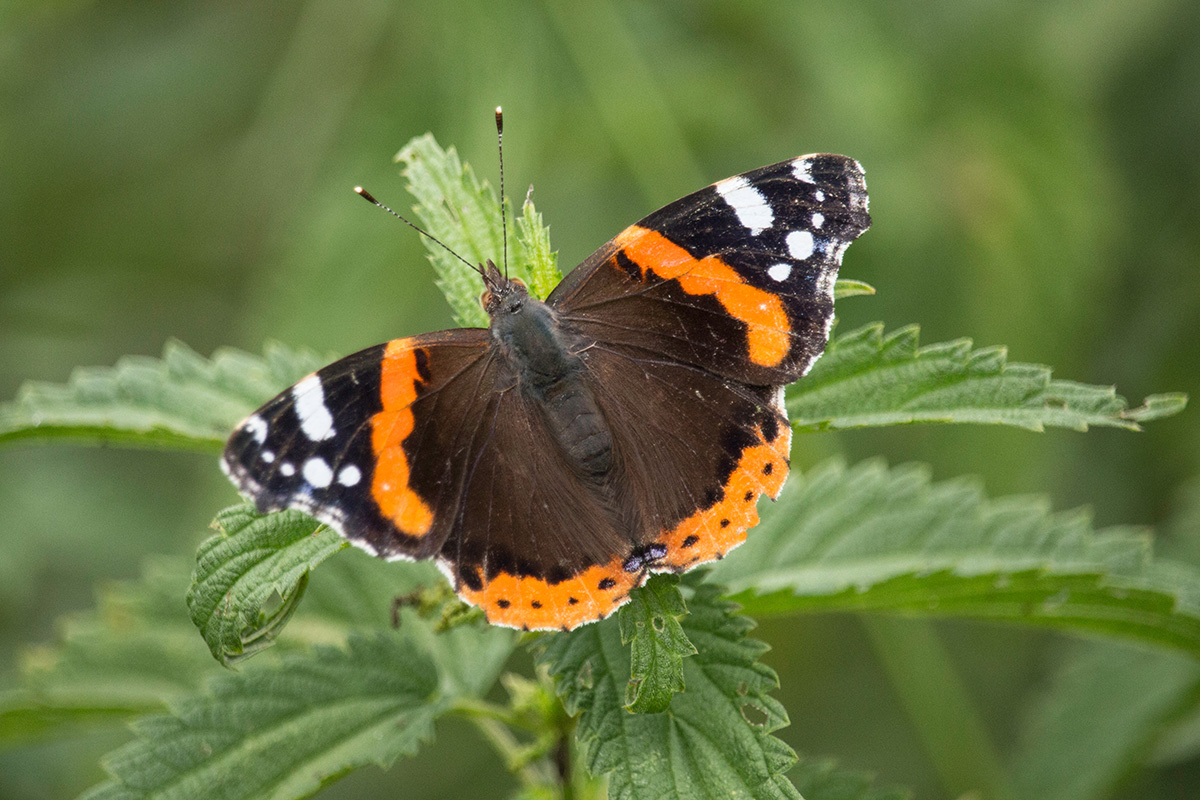
- Leave part of your garden wild, complete with weed species and preferably in a sunny spot to provide host plants for butterfly eggs and larvae. For example several butterfly species lay their eggs on stinging nettles and need the plants to feed their caterpillars.
- Don’t panic when you find caterpillars on your plants. Take time to identify what they are and if they are a problem, for example large whites on your cabbages, sacrifice a plant or two at the ends of the rows and then pick off any affected leaves. Inspect regularly as often eggs are laid or hatch in succession.
- Stop using insect killing pesticides in your garden. These toxic chemicals kill good and bad insects and will kill butterflies, bees, lacewings and many more beneficial insects too. They are not intelligent and cannot differentiate between what you intended to kill and what visits your garden and flowers. Learn to live with a few pests and let nature take the strain. The natural balance will gradually restore if you allow it to.
- Take part in the Butterfly Conservation Trust’s Big Butterfly Count. The more you engage with butterflies, the more you will fall in love with them and learn about their needs. It’s a great way to hone your identification skills and it will help provide vital data about the abundance and distribution of these precious pollinators.