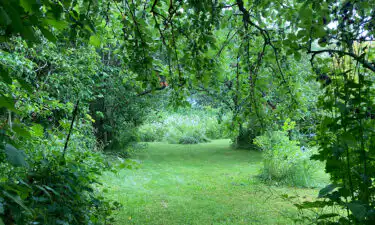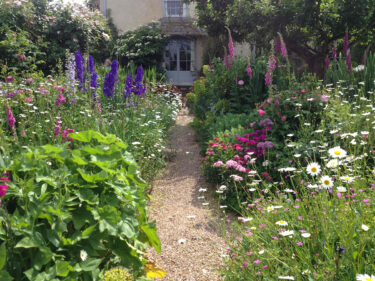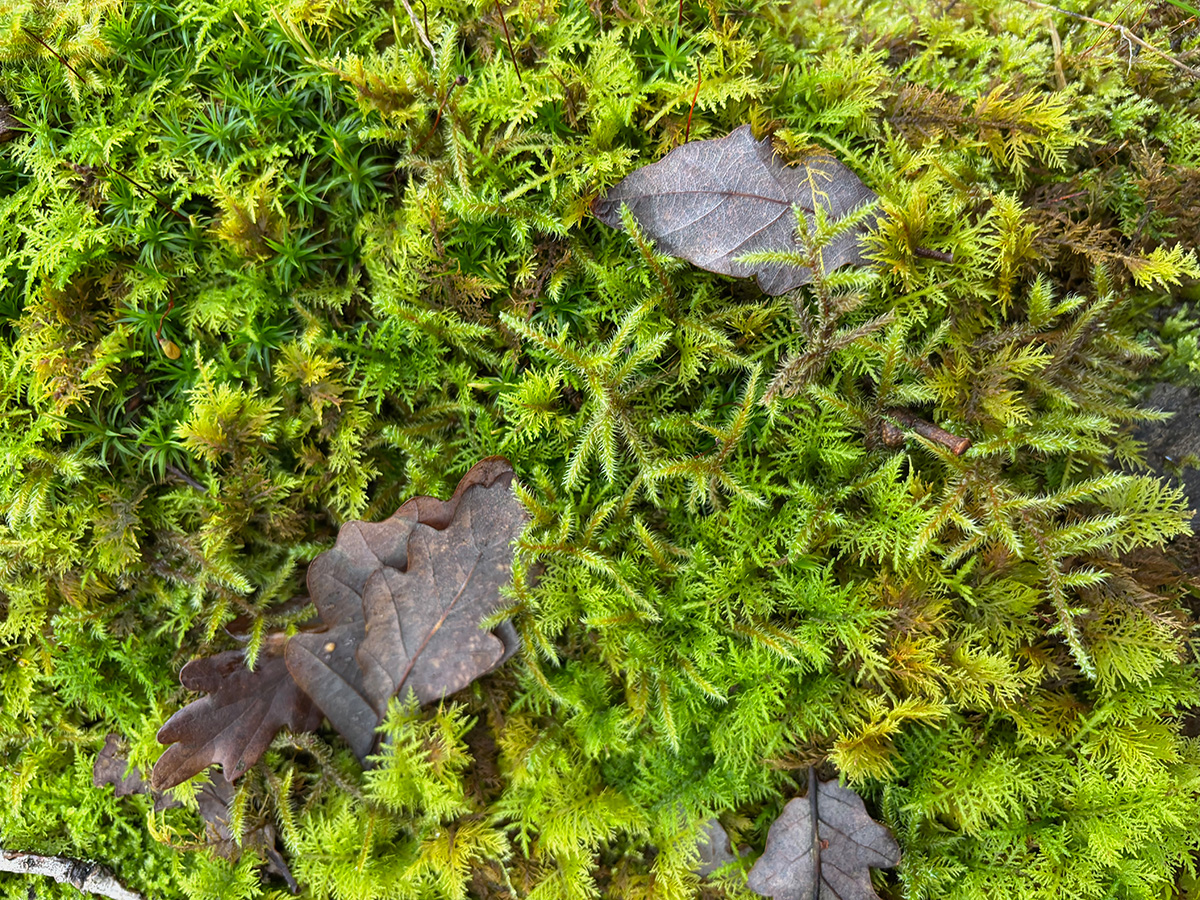
I have a personal fascination with moss. After years hiking the Lake District, Dartmoor, the South West and Welsh woodland, I have encountered a lot of moss, and it still holds, for me, magic and mystique. Damp and springy to the touch, the earthy, fresh smell exudes green energy, conjuring up whimsical daydreams, sending my overactive imagination into overdrive. Wistman’s Wood and Black-a-Tor Copse on Dartmoor have a fairytale-like quality straight from the pages of many a childhood book.
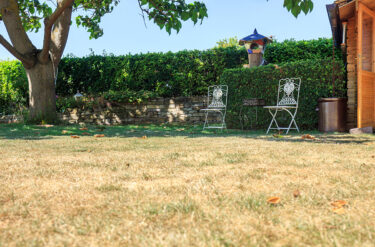
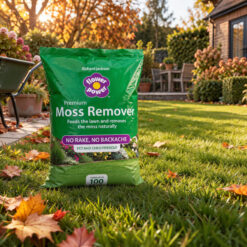
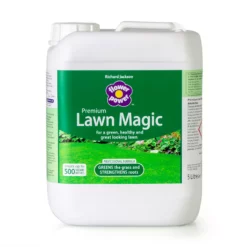
But for gardeners, moss can sometimes put people in a spin. If you are aiming for a flawless lawn, you won’t be too pleased to see patches of moss crop up, but don’t panic; Richard Jackson Garden has an easy solution: a chemical-free, natural moss remover to return your lawn to bowling-green perfection. But you can have a pristine lawn and embrace the wonders of moss with all its environmental benefits.
Moss is a micro-ecosystem all by itself. These hardy growers are advantageous to our gardens, offering shelter to tiny invertebrates like tardigrades and beetles and helping suppress weeds. This green carpet blocks light from weed seeds and keeps them from germinating! Like sponges, moss holds onto rainfall and keeps areas damp, which is especially useful in our dry summers. Many mosses prefer unfertilised acidic, compact soils; others can grow directly on concrete, walls or tiles.
Health and wellbeing
Moss can be good for our health; with its large surface area, moss is a superb oxygenator and air cleanser, capturing carbon and other harmful pollutants from the atmosphere. You could describe moss as a green lung!
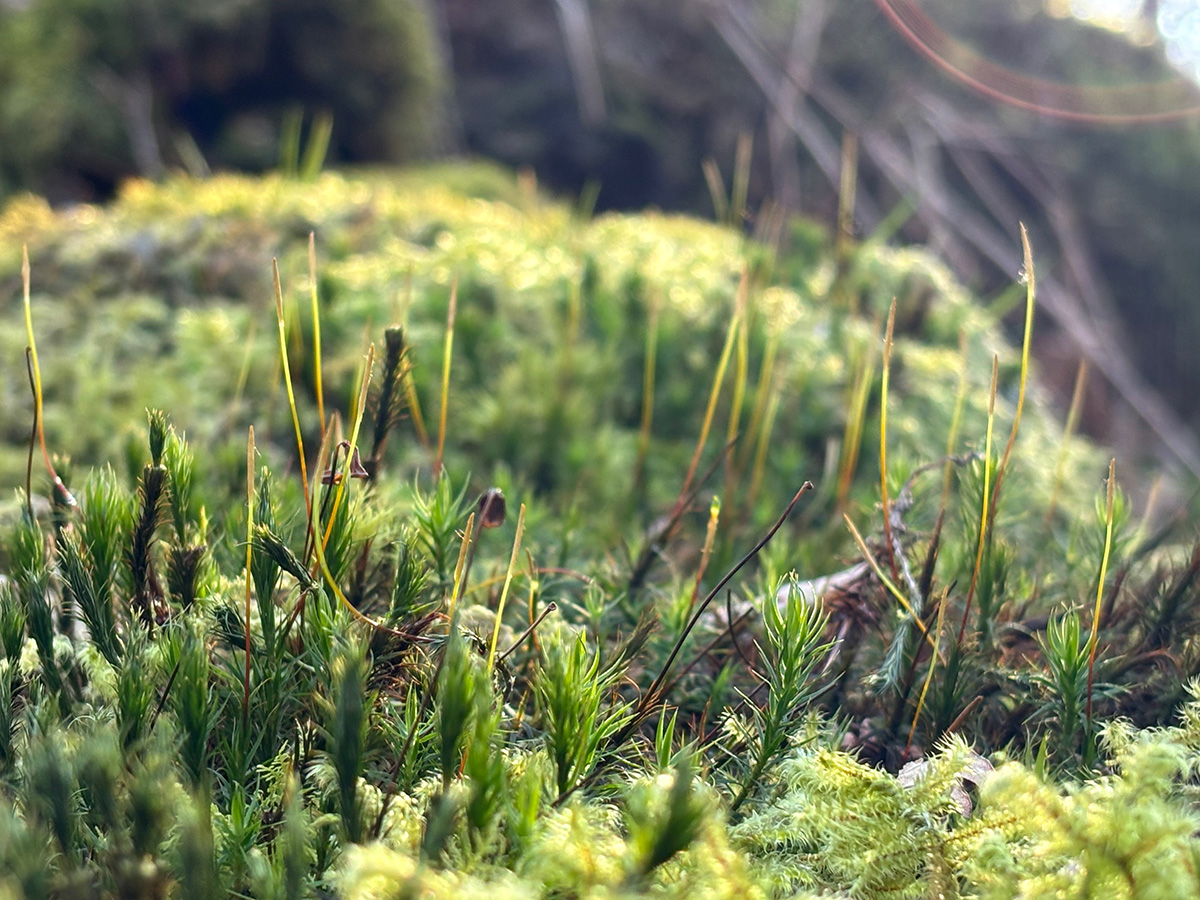
Mosses date back 450 million years, and there are over 1000 species in the UK. Classified as bryophytes, this diverse group includes mosses, liverworts and hornworts, from dense mats and springy cushions to upright fern-like fronds. They do not have true roots but instead have small hairs called rhizoids, which anchor plants to soil or rocks. As well as spreading by themselves, mosses can reproduce by spores.
Studies show the colour green reduces anxiety and promotes harmony, so spending time surrounded by moss should bathe you in tranquillity, harmony and calm. The springy nature of moss compels you to touch it. Moss is soft, tactile and comforting underfoot, which is great for wellbeing and relaxation.
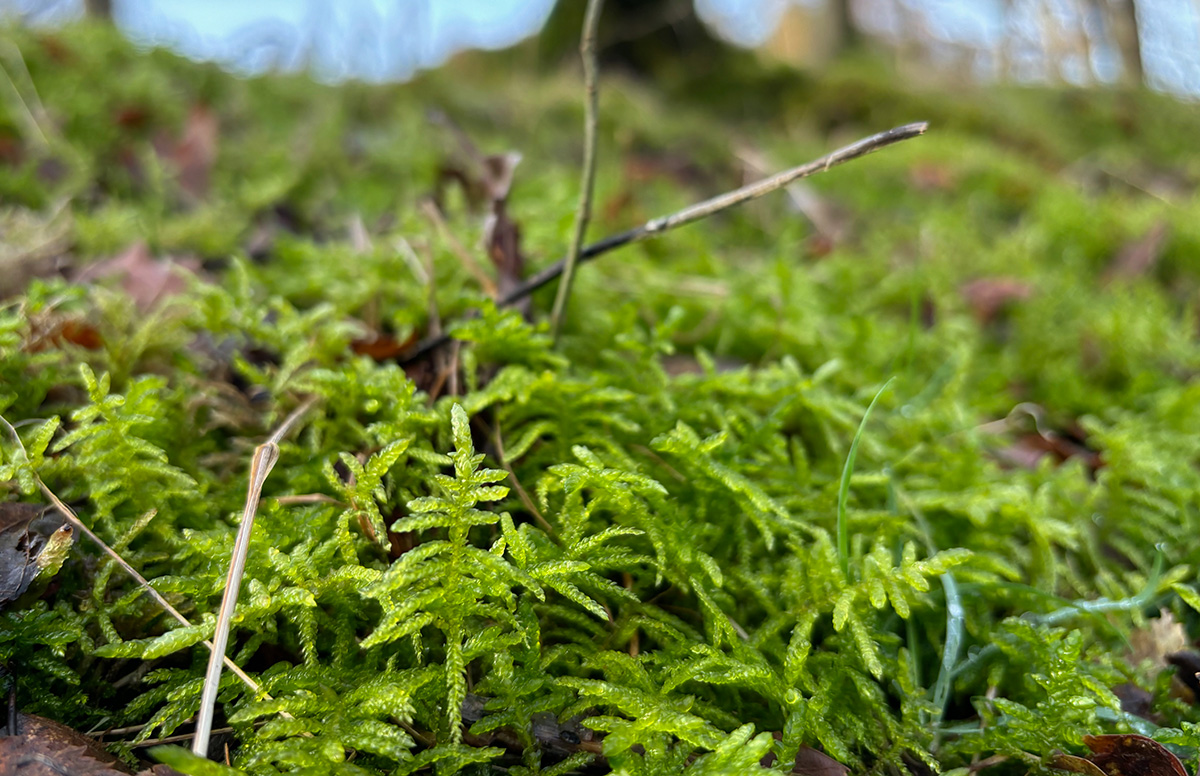
No wonder I always feel uplifted when I walk in moss-covered woods. When I need a rest, moss provides a comfy cushion; but I make sure I sit down on a mat or am wearing waterproof trousers, otherwise I end up with a soggy bottom! There is something comforting about the spring of moss, supporting your weary body that instantly makes you relax and say ‘ah’.
Tough softies
Moss may be soft to the touch, but it can live in extreme conditions, from snow-covered mountains to sun-baked deserts, making moss the ultimate low-maintenance, tough garden ‘plant’. Thriving in damp, shady areas, moss could be the answer to covering difficult garden areas in green where other plants or grass struggle to grow; useful for people who love their garden but do not have a large amount of spare time.
Moss insulates and warms the soil, protecting surrounding roots like a blanket against extreme temperatures. It can reduce soil erosion as the carpet-like cover stabilises soil. Once established, moss rarely requires watering, so it will not drain your water butt!
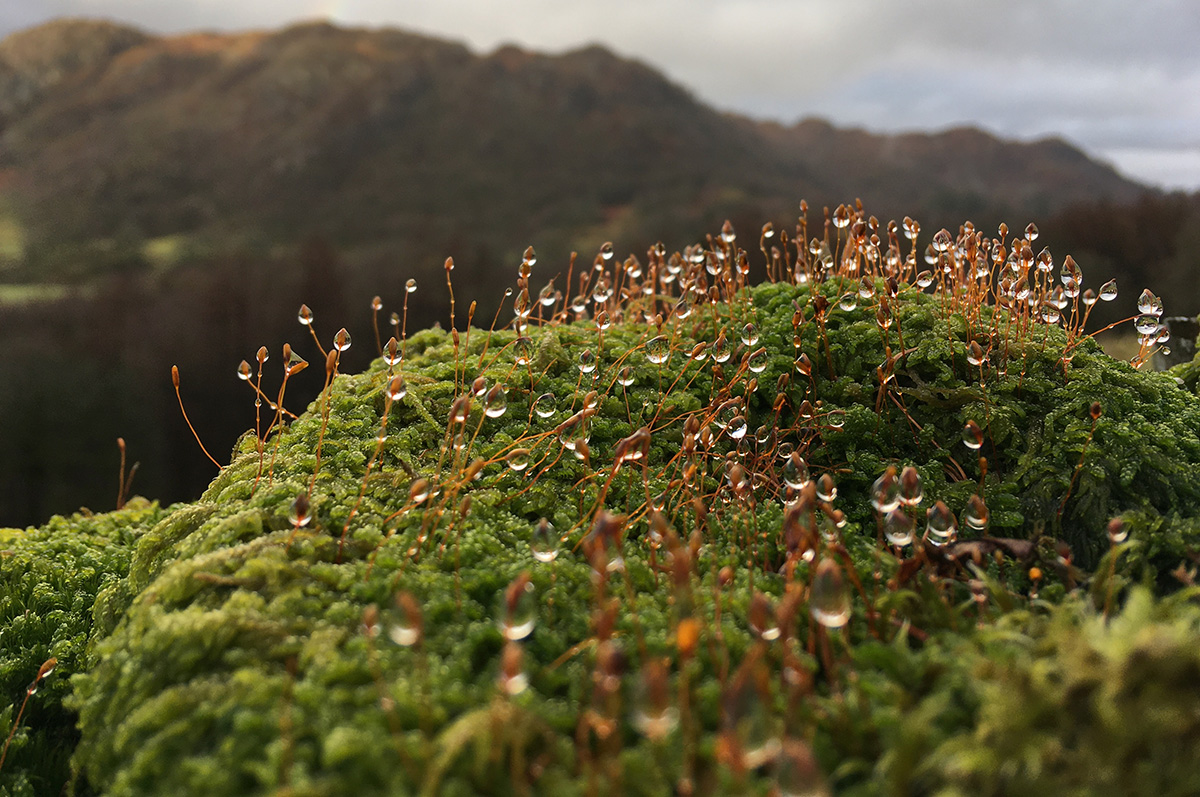
There is much to discover. Here are some ideas of how you can incorporate moss into your garden.
Propagate a moss garden
Ever wondered why moss spreads over lawns? It has the incredible ability to regenerate from even the smallest fragment and produce a new plant. This may be bad news for Wimbledon lawns but great news if you wish to create your own moss garden! Use this ability to your advantage.
Simply cut up small clumps of moist moss and place them on weed-free, freshly raked, firm soil where you want it to propagate. Firm the moss down and keep it moist for about six weeks while it establishes. Moss is labour-saving groundcover and needs little maintenance. Unlike lawns, there is no need to dedicate hours to mowing and edging, so a moss garden could save you a lot of time.
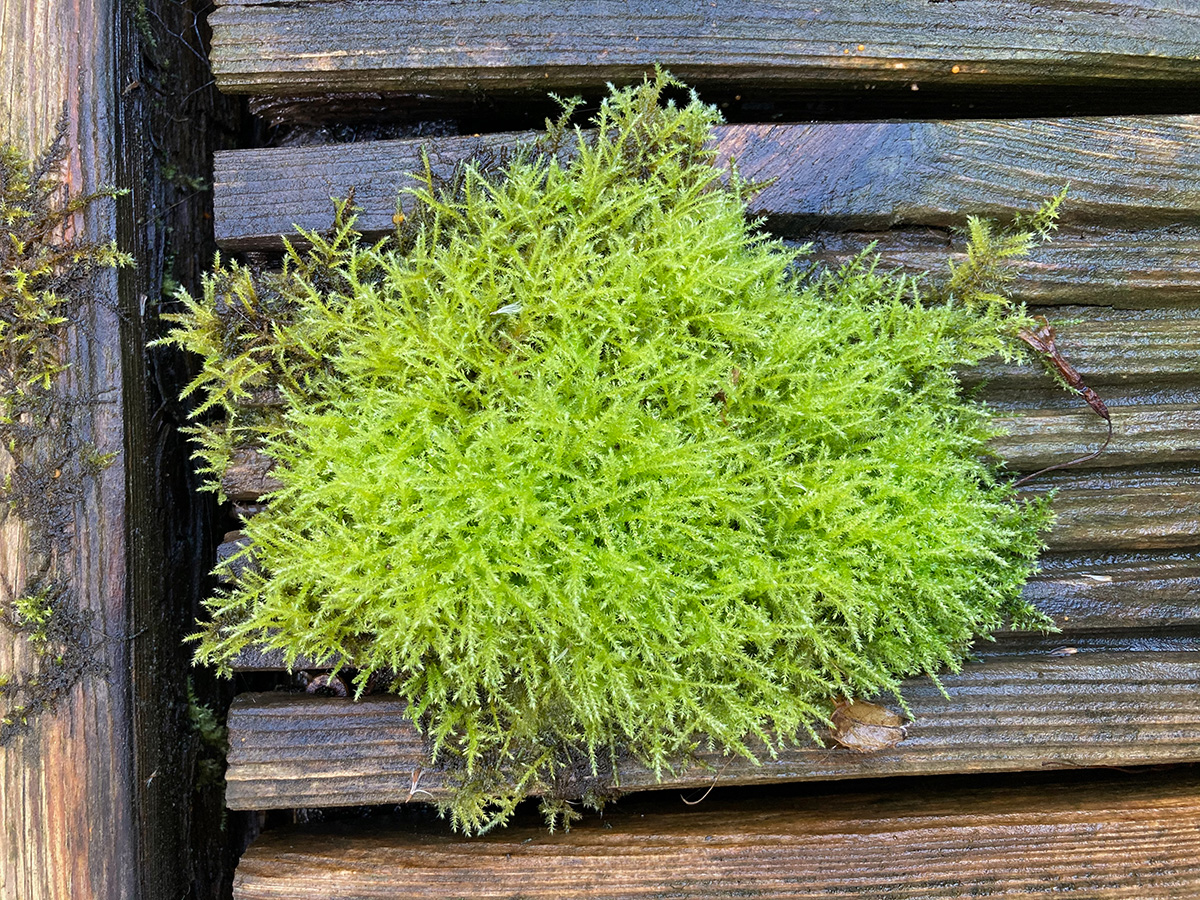
Moss is the sacred staple of Japanese gardens, symbolising simplistic, serene beauty. The most famous is Saiho-ji in Kyoto, Japan, which hosts over 120 types of moss in a 1,300-year-old UNESCO World Heritage site temple grounds if you need some inspiration.
Go potty
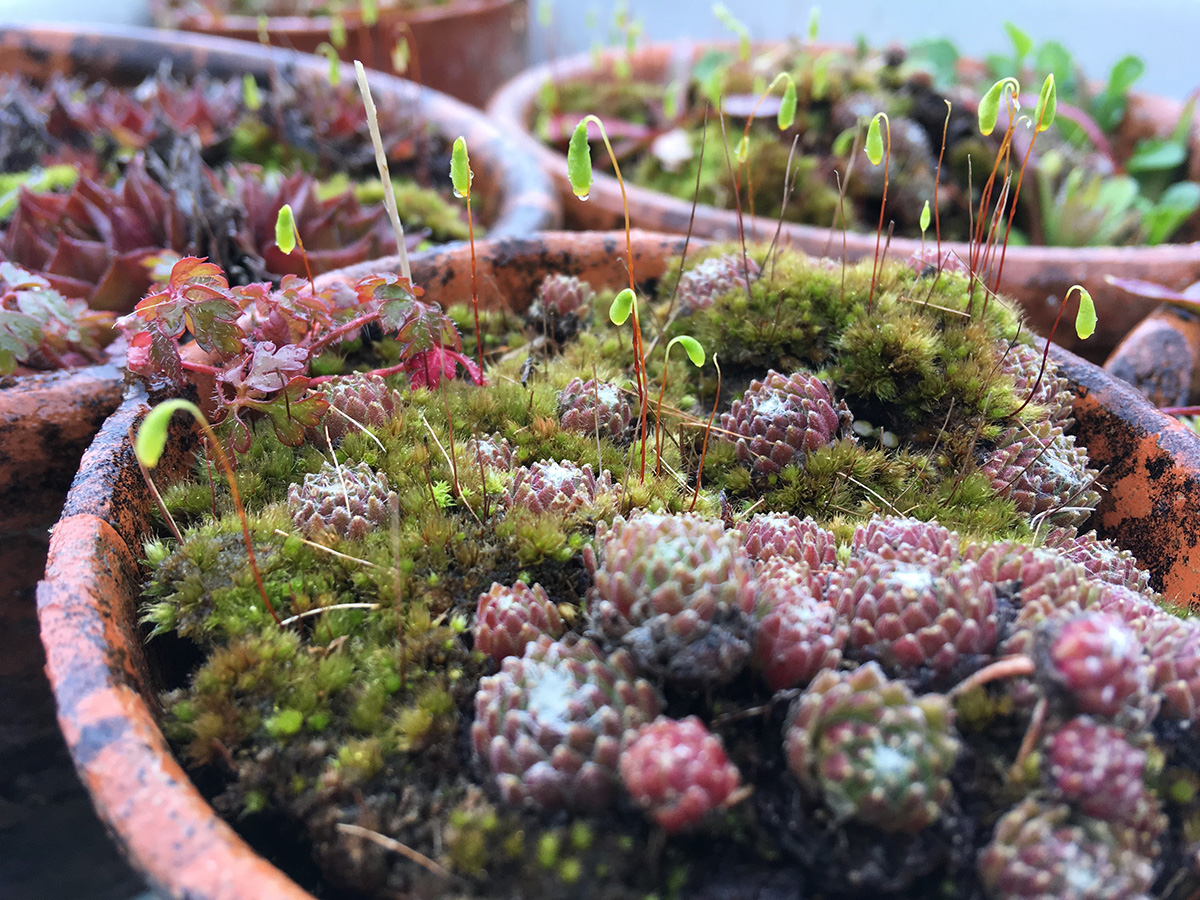
Use moss as a top dressing to keep potted plant roots cosy. Simply forage some moss from your garden and spread it over the compost surface of potted plants, whether houseplants or outdoors. It not only looks beautiful but will insulate the plant’s roots, acting as an organic mulch.
Create a rubbish green roof
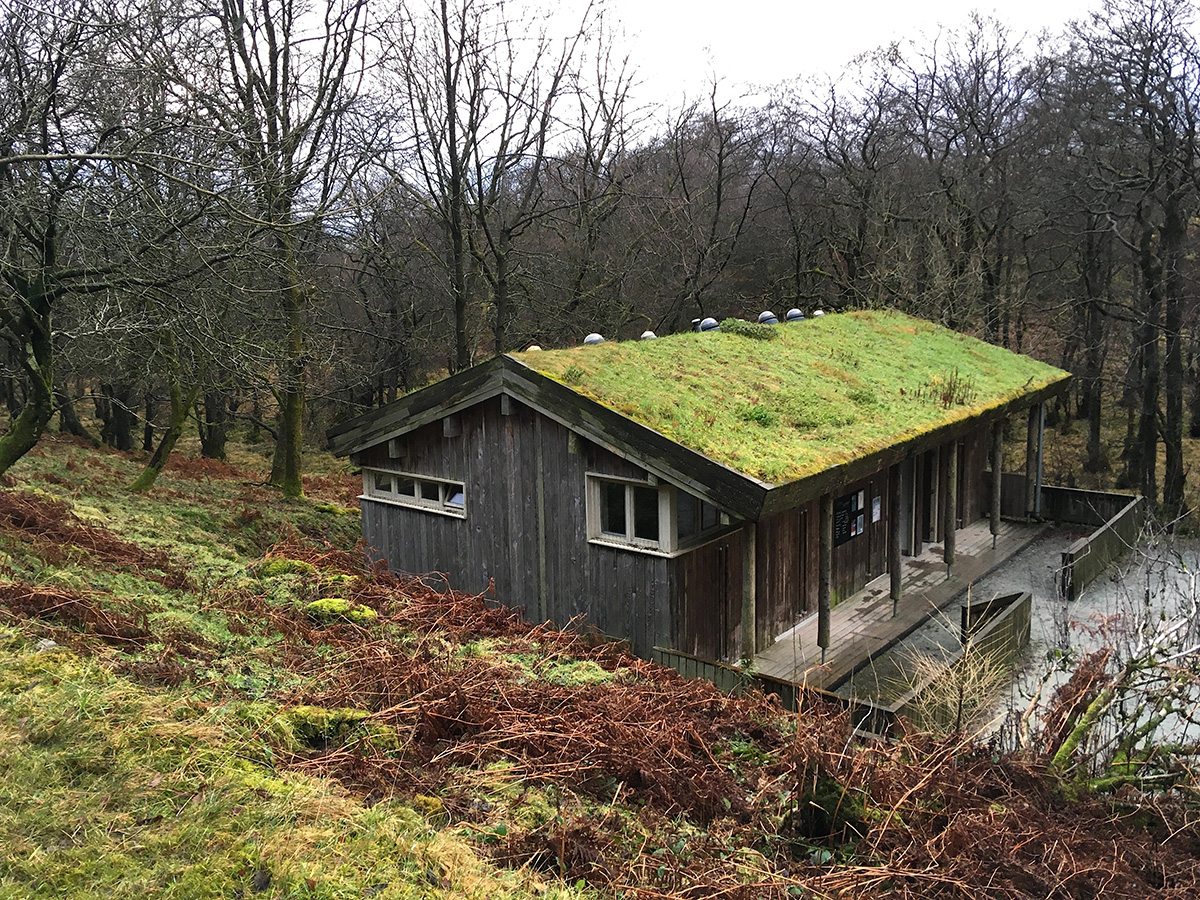
If you are unable to turn the roof of your house into a living roof, then do not worry; think on a smaller scale. Hide your bins. While out on walks, I’ve seen so many brilliant examples of people using living roofs to cover their bin storage area. What a great way to transform mundane rubbish bins into a living art installation, greening up spaces where plastic normally prevails.
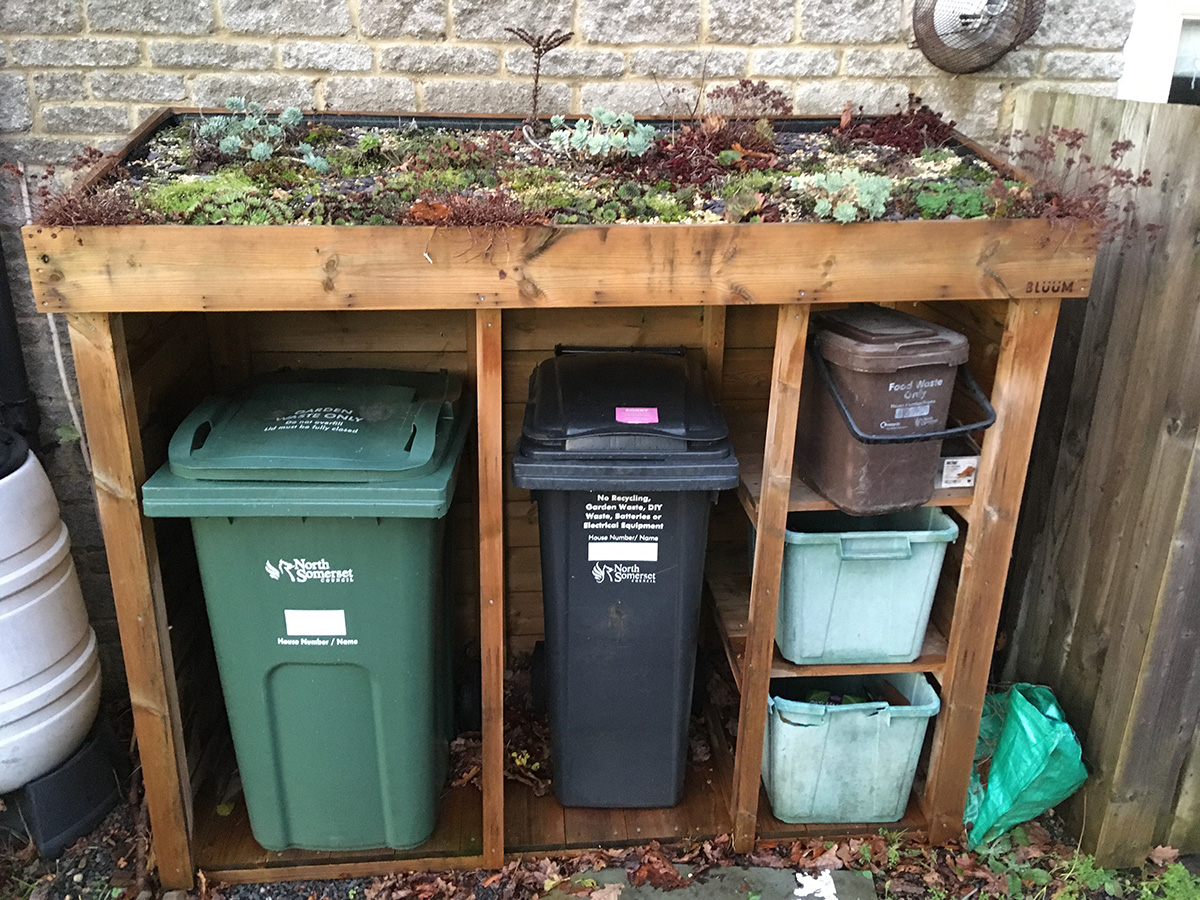
Moss can have tremendous benefits in urban spaces. Living walls are also a great way to incorporate moss into your garden. They can lower building temperatures, absorb stormwater and visually improve densely concreted areas, which can boost mental health. And a living moss roof can always be added to a garage or shed.
Always check the weight specification of buildings before construction begins. Compost, particularly when wet, can be heavy, so make sure your structure can support it. If in any doubt, seek professional advice
Make a mossarium
If you haven’t got access to much outside space, don’t worry, you can create your own indoor moss garden. Make a closed moss terrarium known as a mossarium.
Take a glass bottle with a cork or lid (doesn’t have to be fancy; grab a jam jar); add clay pebbles (LECA, lightweight expanded clay aggregate), peat-free compost or coir and activated charcoal to remove toxins, a selection of moss such as cushion, hypnum and fern moss and a little rainwater. Create an ecosystem in a jar.
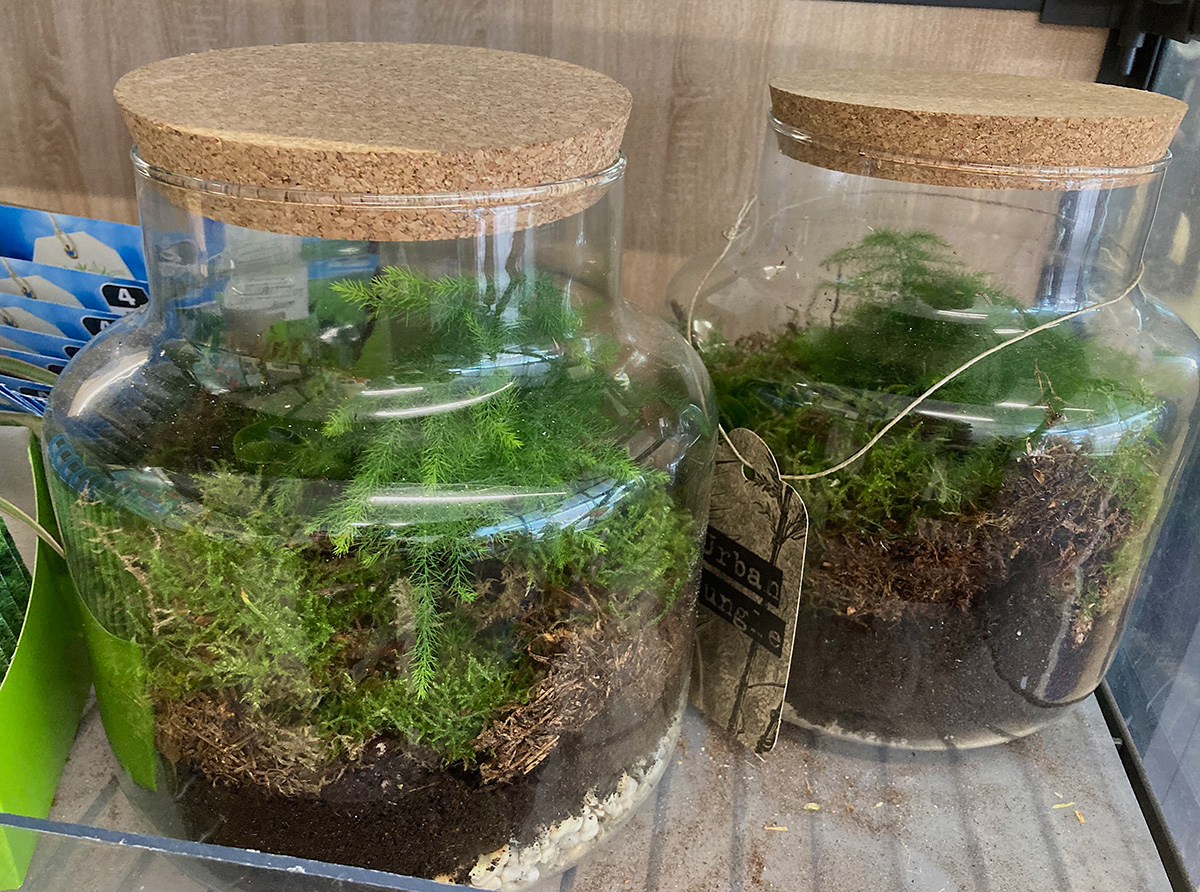
If you do not want the compost to seep into the pebbles, then pop a porous piece of fabric between the layers. You may find a pair of tweezers useful to position your moss in place. Spray the moss with rainwater and close the jar lid. A mossarium will make a great present for your plant-loving friends – what a good idea for a Christmas present!
Kokedama
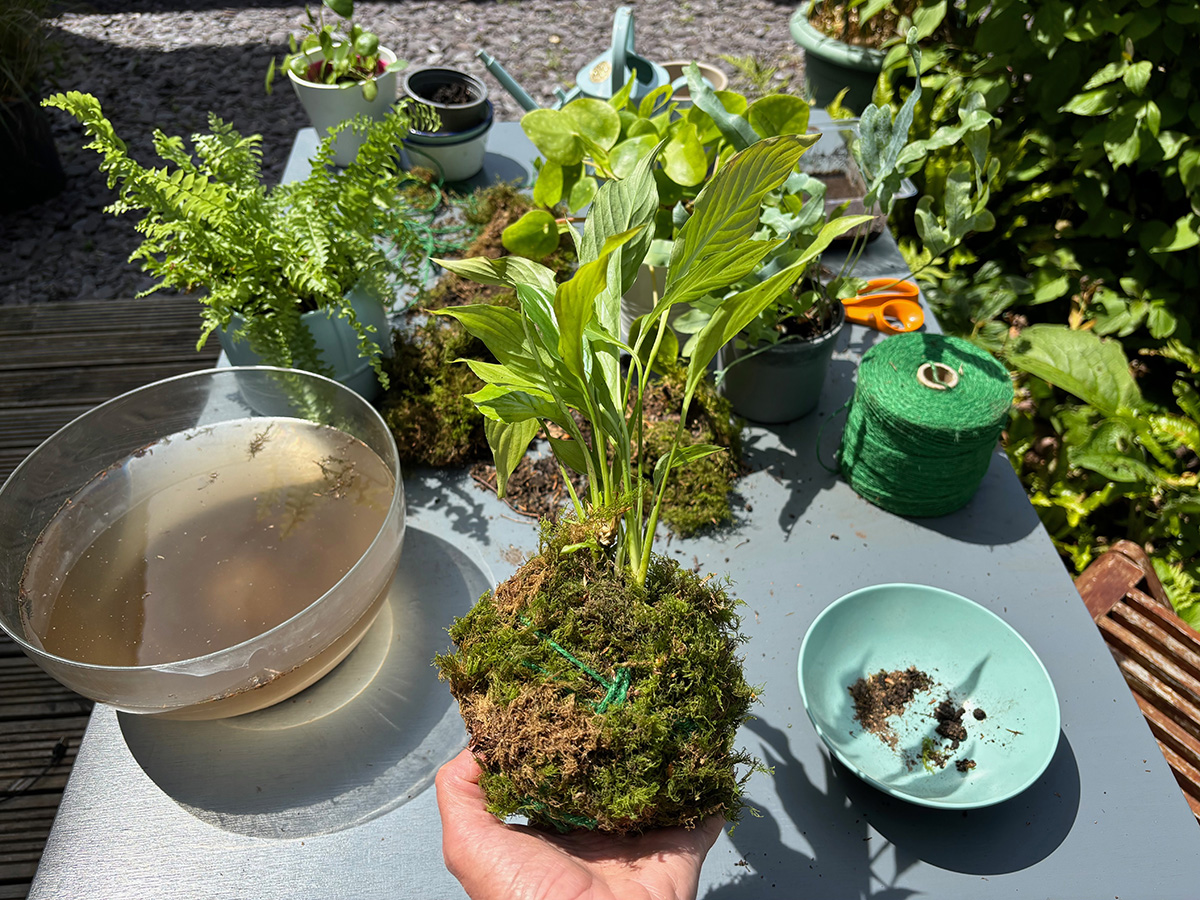
Kokedama is an ancient Japanese art form of sealing plant roots within soil and then wrapping them with moss and twine to suspend as a living work of art. ‘Koke’ translates as moss and ‘dama’ as ball. You can even group moss balls to create a string garden. I love this mindful activity; it is a relaxing project to help focus the mind outside of busy modern life.
Mix equal parts of compost with a bonsai/keto compost, clay-based soil or even dust-free cat litter with a little water. The mix needs to hold together when compressed into a ball. Squeeze the ball together to release as much water as possible, then gently twist and divide the soil ball into two halves.
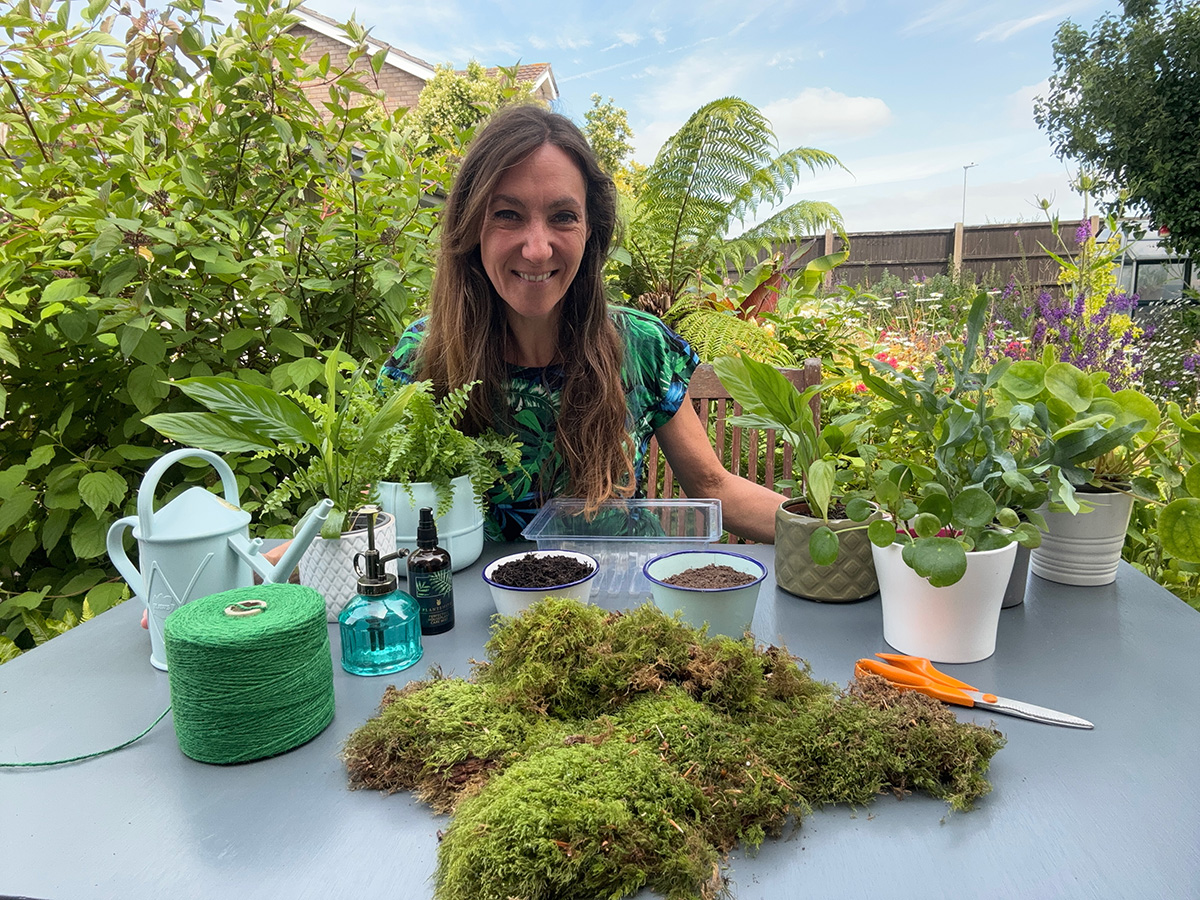
Choose a suitable houseplant like a peace lily, remove it from its pot and gently tease the compost off its roots, then place the peace lily’s roots between the two halves of compost and press together to seal the root within the ball.
Forage sheet moss like Hypnum curvifolium from your garden or buy sustainable moss from a reputable retailer. Lay the sheet moss on a table face down and place the root ball on it. Wrap the moss around the ball and tie with twine. Wrap the twine round and round to secure the moss in place. Hang to display. This is another plant project that makes a great present!