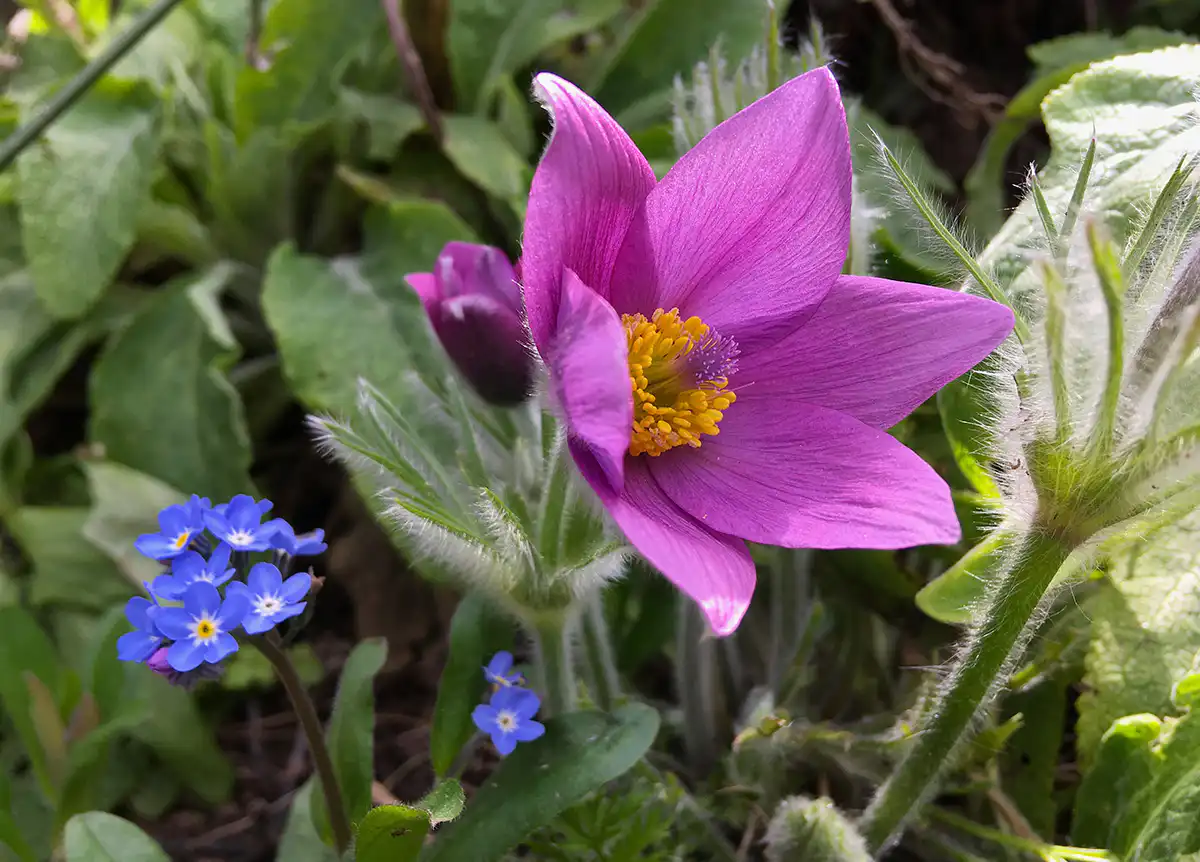
Since spending summers walking and cycling along wildflower meadows in the French Alps many years ago, I have been fascinated by alpines and their resilience for growing in adverse conditions. Alpine plants naturally grow above the tree-line in mountainous areas, in drastically fluctuating conditions, from high winds to ultraviolet radiation and strong sunlight, as well as potentially enduring many months buried under a blanket of snow. These challenging elements affect alpine plants’ ability to photosynthesise and reproduce, but these incredible plants have developed survival strategies to weather these harsh environments.
What is an alpine?
I like to think alpine plants possess superpowers. These small botanical wonders are surprisingly tough; their survival depends upon it. They have developed many characteristics to help them cope. Alpines form compact mounds, often with hairy, fleshy, slow-growing, low-growing leaves, designed to retain moisture and protect foliage against drying winds and cold temperatures, as well as long tap roots for anchorage and seeking out moisture down cracks.
Mountain crevices do not offer much in the way of nutrition or protection, so alpines have adapted to grow in poor, dry, gritty soil exposed to full sun and wind. I am frequently surprised to find them growing in the most unlikely places, clinging onto the edge of mountains, so it is no wonder alpines can sometimes struggle in our pampered gardens.
With a short growing season available between snowfall, alpines demonstrate quick reproductive lifecycles to germinate, flower, and set seed before they are once again engulfed. Energy is often stored underground in stems, allowing the plant to spring into life as soon as the snow melts, making them efficiently adapted for life at altitude.
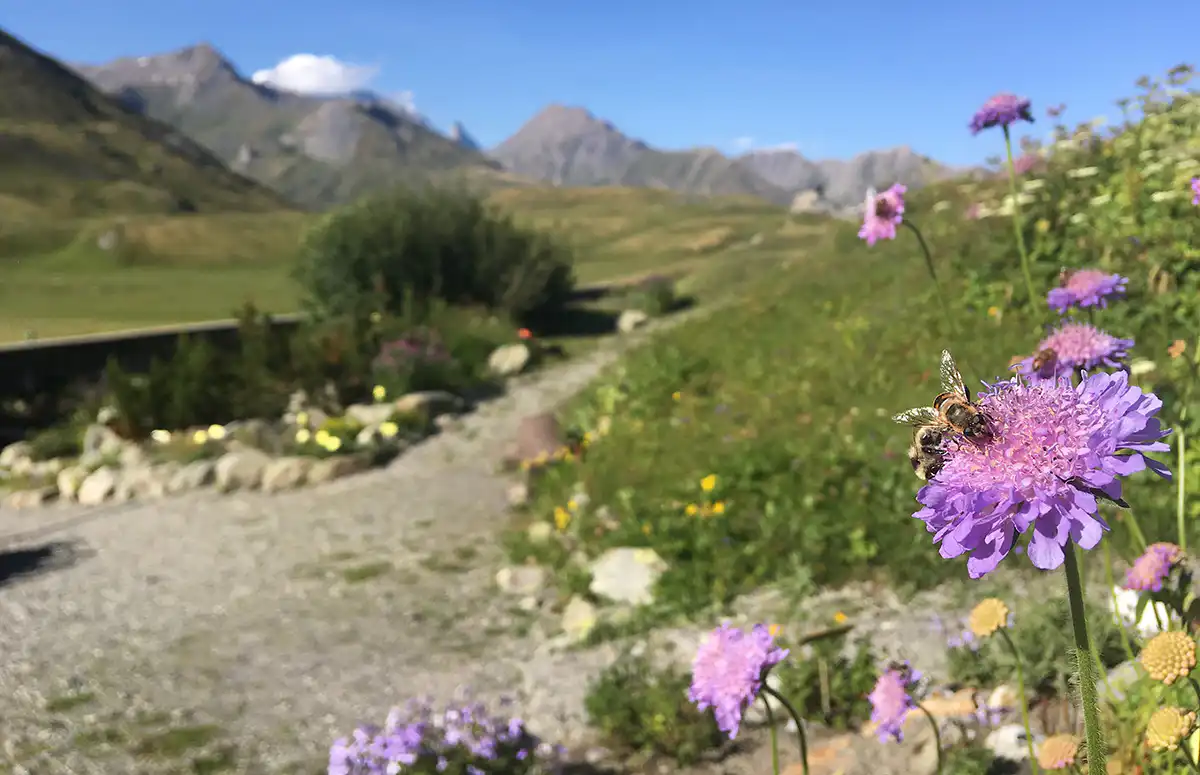
High-altitude alpines have disproportionately large flowers to the size of the plant, and are frequently scented, to attract the sparse insect pollinators.
Scientific superpowers
Alpines have the ability to create their own natural anti-freeze. Plants can release antifreeze proteins (AFPs), which inhibit the growth of ice crystals and the freezing point of water; known as freezing-point depression.
They can protect against cell damage from intense light via photoinhibition, a reversible process that reduces photosynthesis. Some alpines, like Soldanella alpina, Snowbell, create a flavonoid screen which protects cells from high UV radiation.
Alpines have adapted to subzero temperatures through cold acclimation. Some plants can even dehydrate cells, stopping destructive intercellular ice from forming, making them tolerant to freezing.
Alpines have developed storage organs underground, such as rhizomes, to keep them fed over the winter months. This allows plants to overwinter in a vegetative dormancy.
Alpines utilise their surroundings by growing in niche areas, selecting favourable microclimates where atmospheric conditions differ from the surrounding region.
Lessons Learned
In the summer of 2018, I visited the Petit Col de Saint Bernard at the Italian-French border and stumbled across the most incredible alpine botanic garden: Chanousia. After spending the best part of two weeks actively seeking out wildflowers in meadows, on hikes and mountain bike trails, I was overwhelmed to discover this enormous collection of alpines in one place.
Nestled near the Col at 2,170m above sea level, this challenging environment is home to around 1300 alpine species over an area of approximately 10,000 metres.
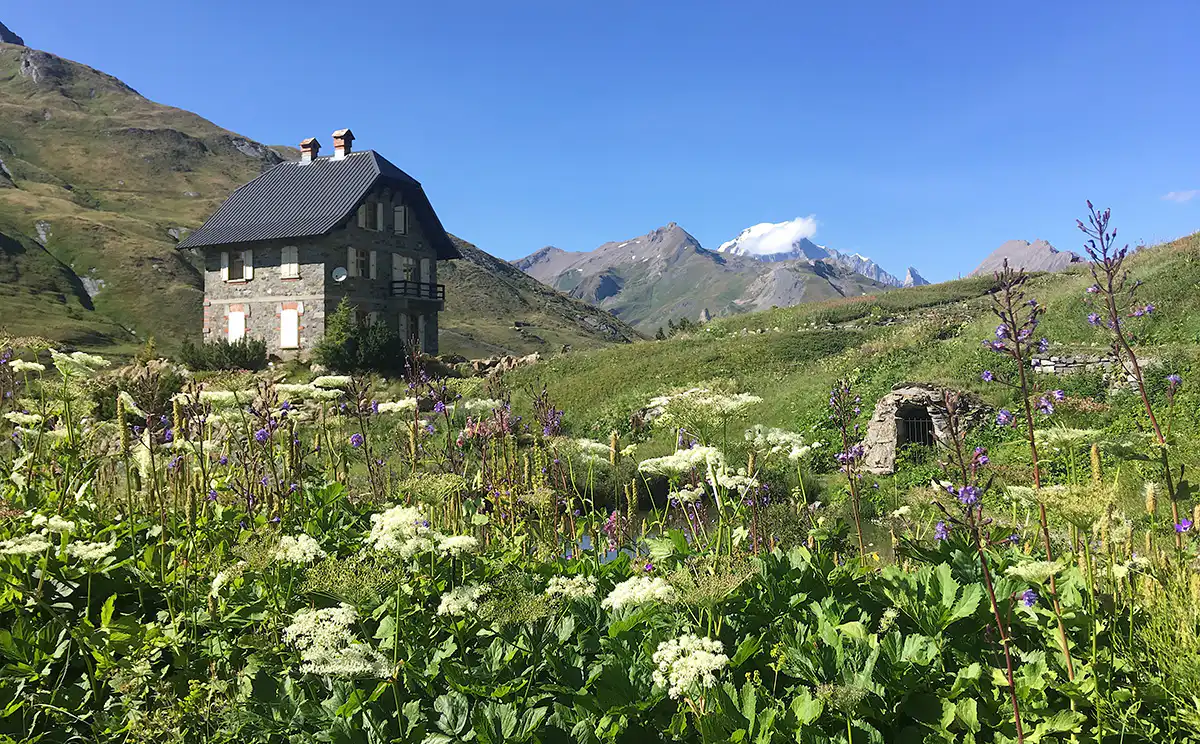
The gardens have been constructed to recreate natural high-altitude habitats such as moraines, rocks, bogs and wetlands. The botanical garden can be under snow for many months of the year, often until June or early July, so it is a harsh environment for growing and working in.
Snowfall can range from four to eight metres deep, and the garden’s average annual temperature is recorded as one degree Celsius. So, these plants truly are hardy. The garden is only open in July, August and September, snow permitting! The plants have a very narrow growing window; in fact, some have as little as a month, but when I visited in the last week of August, the garden was a mass of colour and life.
Seeing these plants firsthand growing in their natural environment made me rethink how I plant and look after alpines in UK gardens. The first advice I always give people when they ask me how and where they should plant any plants within their garden is to consider where these plants grow in the wild. This holds the key to success.
Finding plants while out hiking allows me to study plants in-situ and note what conditions they have chosen to grow in without any intervention from us gardeners. When I want to grow the plants at home, I think back to where I found them and how I can best recreate these conditions.
Five fab alpines to grow at home
If you love your garden but are short on time, then alpines are the ultimate low-maintenance, colourful crowd-pleaser for containers or rockeries. Planted in the right conditions, they will bloom. Favouring full-sun and gritty, free-draining soil, and minimal watering once established, alpines pretty much look after themselves.
Understanding their unusual requirements helps prepare us so we can provide more favourable conditions in our gardens and to successfully grow these fascinating plants.
Sometimes gardeners can be guilty of smothering plants with love; too much water or feed can kill. Alpines need less of everything; poor soil rocks! So, what to grow? Here are my top five alpines for UK gardens.
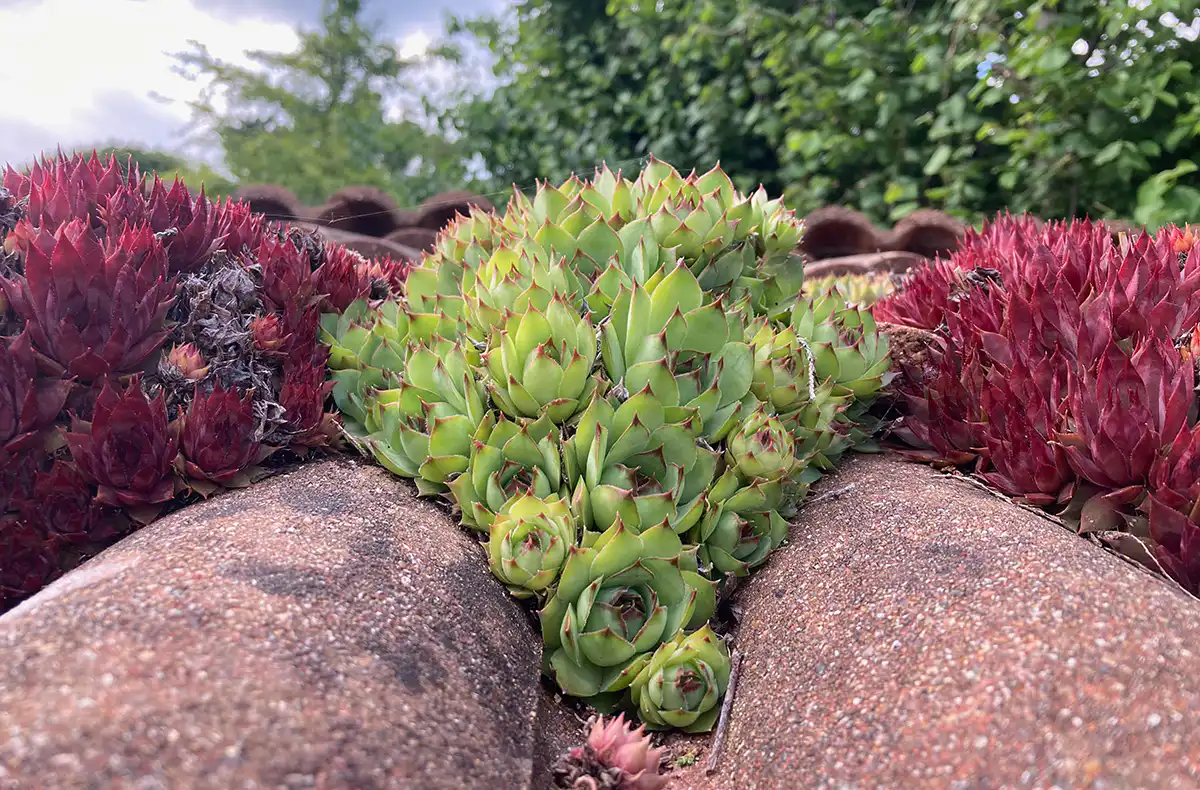
Sempervivum (Houseleeks)
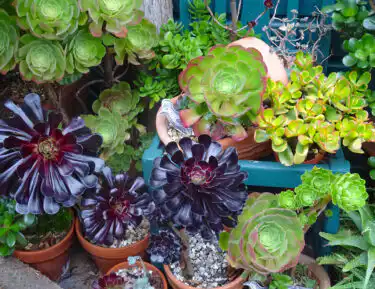
I stumbled across a localised group of sempervivum growing in a high gulley close to Scafell Pike in the Lake District. These hardy, succulent, evergreen perennials thrive in rocky, dry environments. Try to recreate this environment at home by planting around stone walls.
Fill a recycled brick with gritty compost as a simple, stony container or stand tiles or rocks vertically to mimic mountainous crevices. (See our other article on Five ways with with houseleeks)
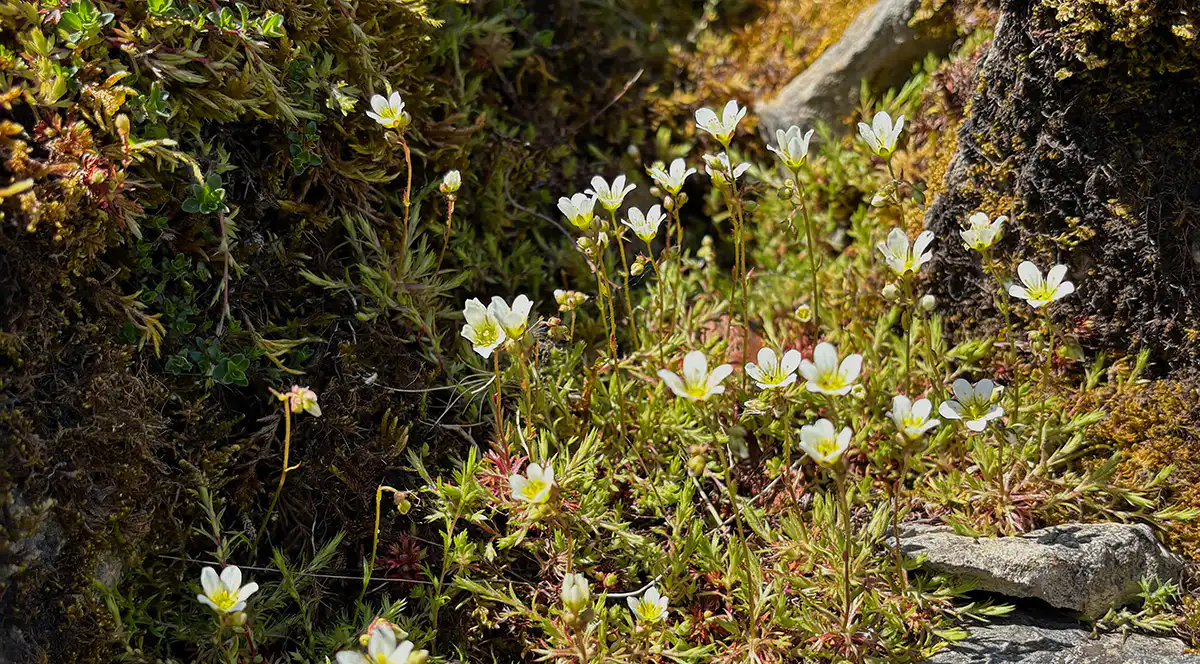
Saxifraga
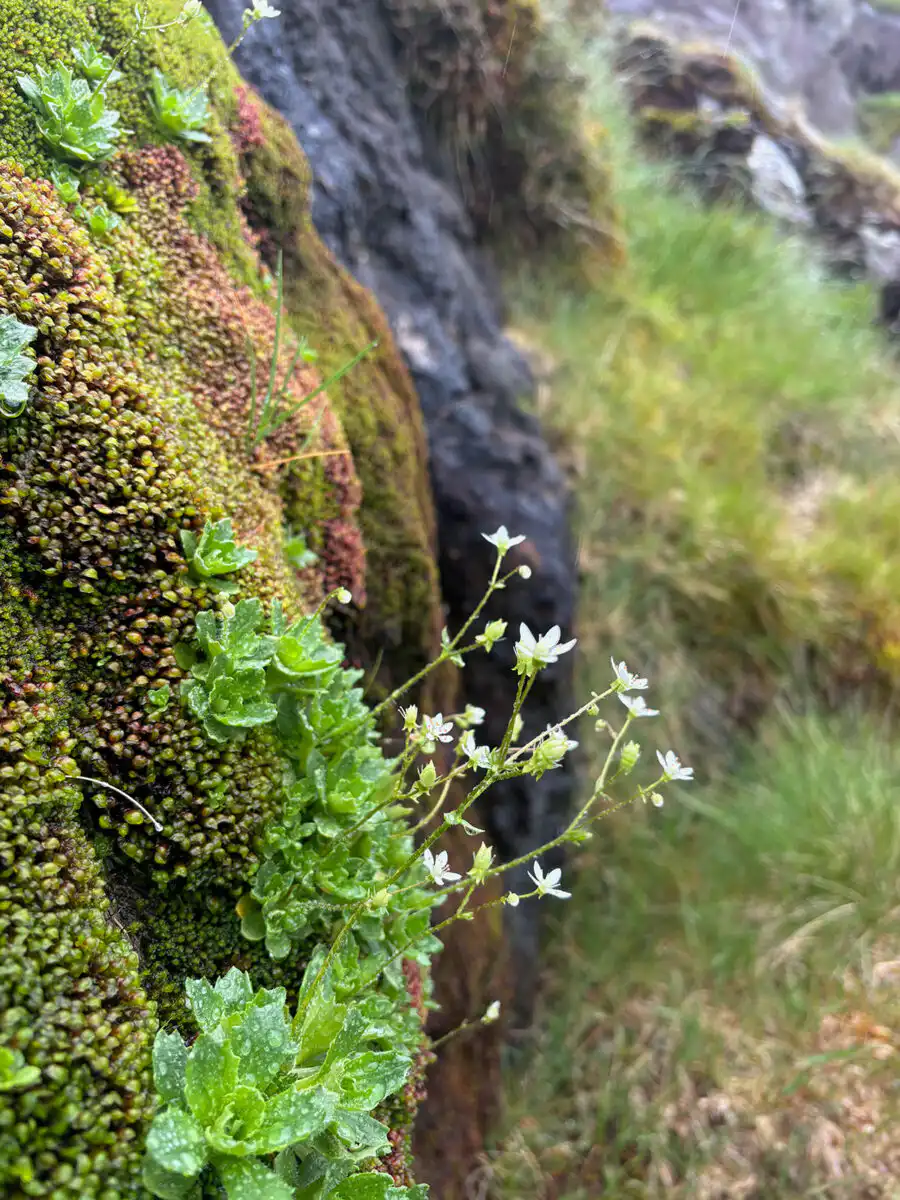
With over 450 species of saxifraga to choose from, you are going to need a big rockery to house your collection! These beautiful pin-cushion mounds become covered in star-like white or pink dainty flowers, which are perfect for pollinators. Try the popular classic ‘London Pride’.
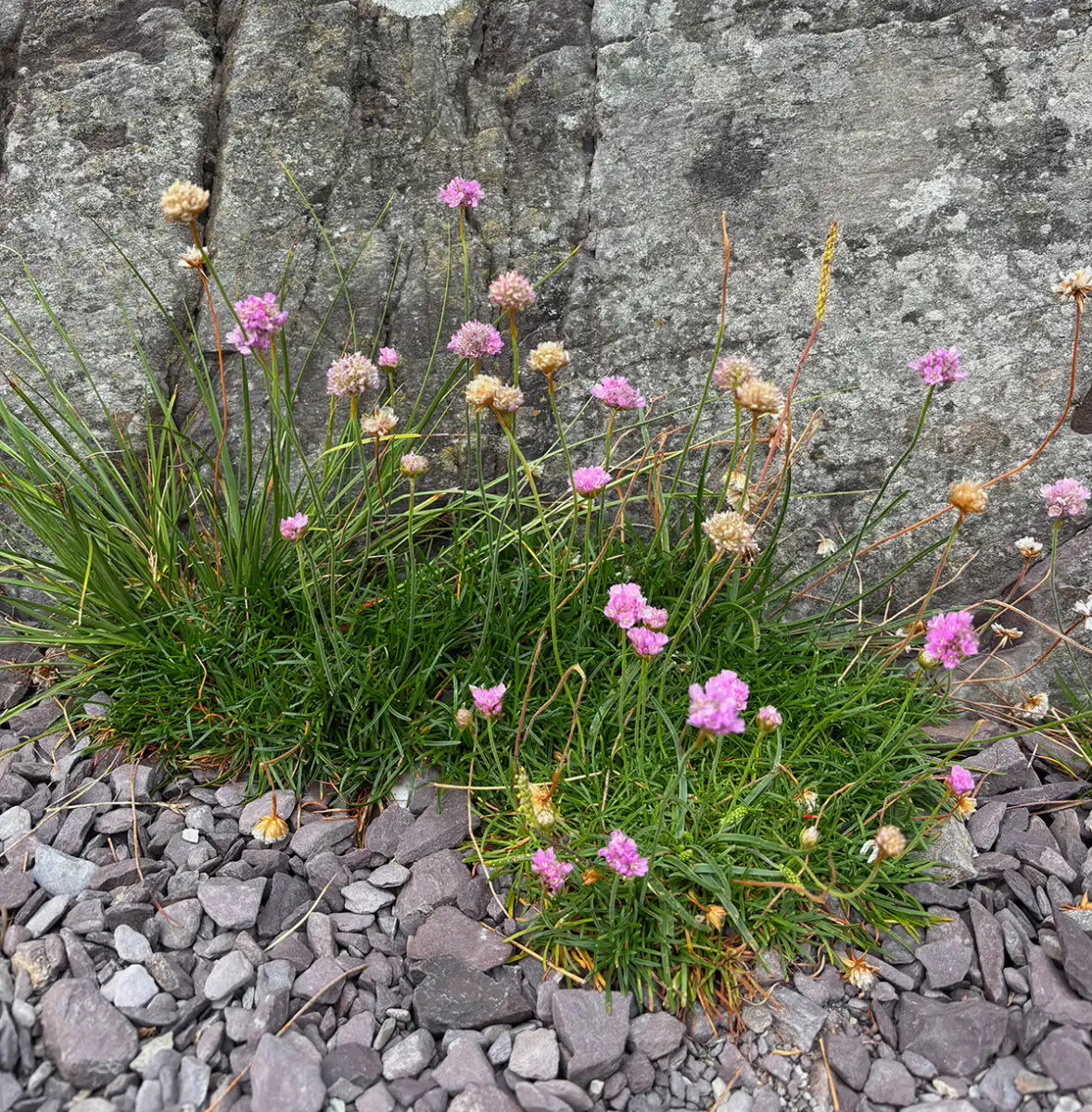
Thrift, Armeria alpina
Who can resist these pink lollipops perched above a spray of grassy foliage? These pops of colour will be a welcome addition to alpine troughs and rockeries. Just snip off spent flowers once they have gone to seed to encourage fresh flowers to bloom.
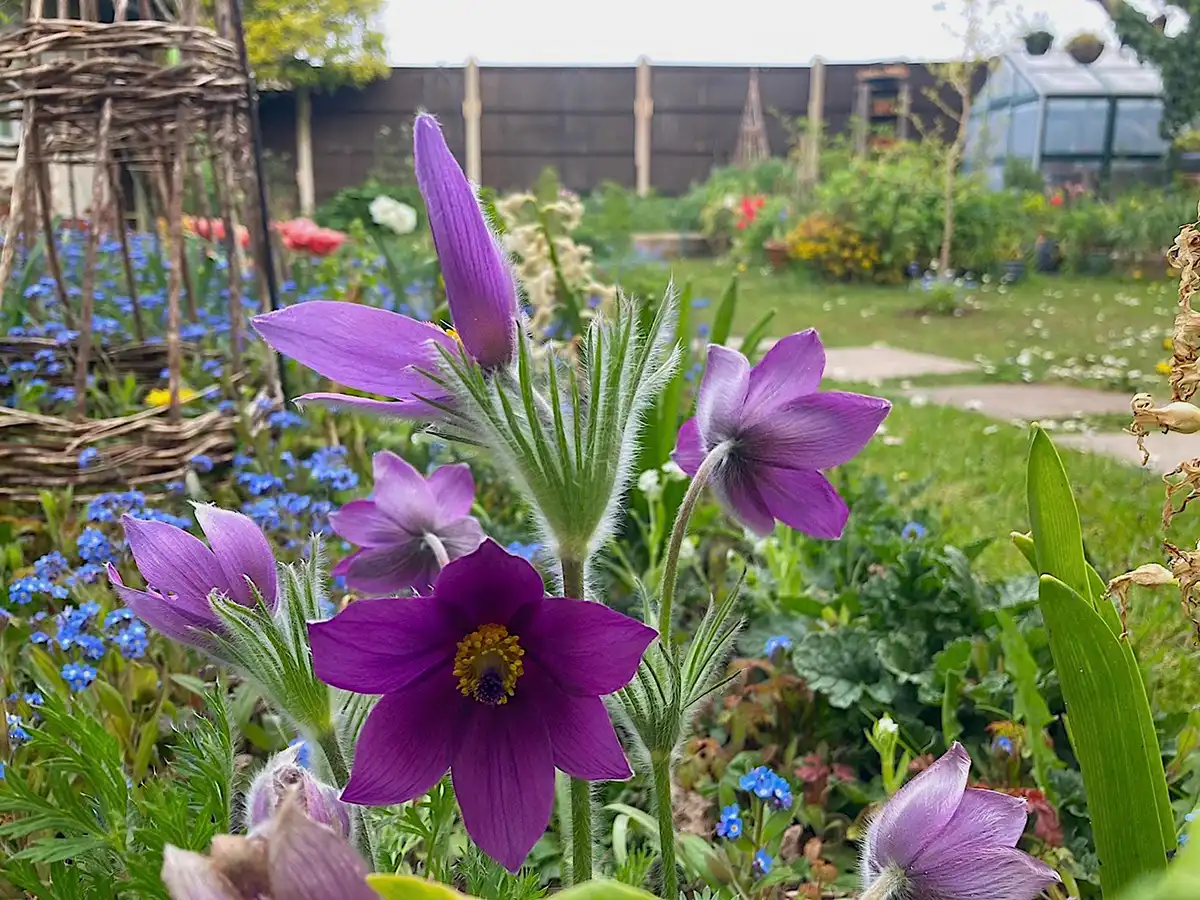
Pasqueflower, Pulsatilla vulgaris
This impressive wildflower has huge purple flowers and wonderfully hairy leaves that shower spring gardens in colour around Easter time. The bell-like flowers have the enchanting habit of opening each day and closing at night, tracking the path of the sun. Rarely seen in the UK in the wild now, but I was lucky to witness the architectural seedheads proudly shining in the summer sun in the French and Italian Alps.
Aubrieta
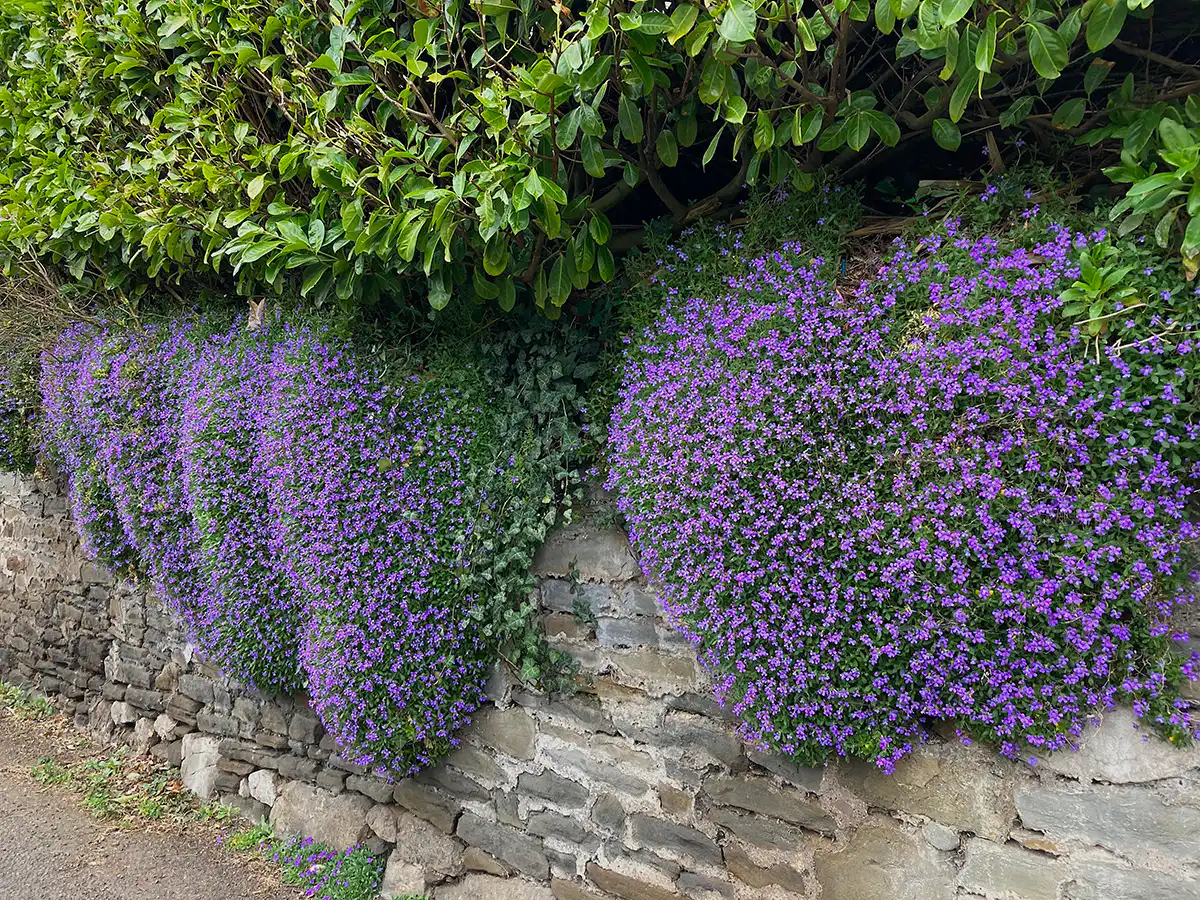
For copious cascades of low-growing blooms, plant aubrieta. This low-maintenance, evergreen perennial effortlessly flowers for months, spanning spring to summer with hues ranging from purple to pink. They can spread, so maintain their shape with a good prune back after flowering.
Make an alpine trough
I like to plant a few of my favourite alpines to remind me of my travels, and a stone trough is a good way to contain and control growing medium.
Alpines need good drainage; they rot if waterlogged, so make sure your potting mix is gritty and free-draining. Mixing horticultural grit, sand, and peat-free compost will help with aeration.
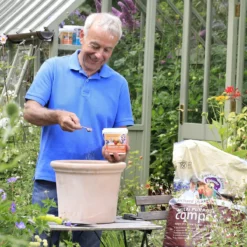
Choose a container with drainage holes; a recycled Belfast sink or trough is perfect. Take care if lifting; stone containers can be incredibly heavy, but place them in a sunny spot, then add a layer of stones for drainage, followed by your gritty compost mix.
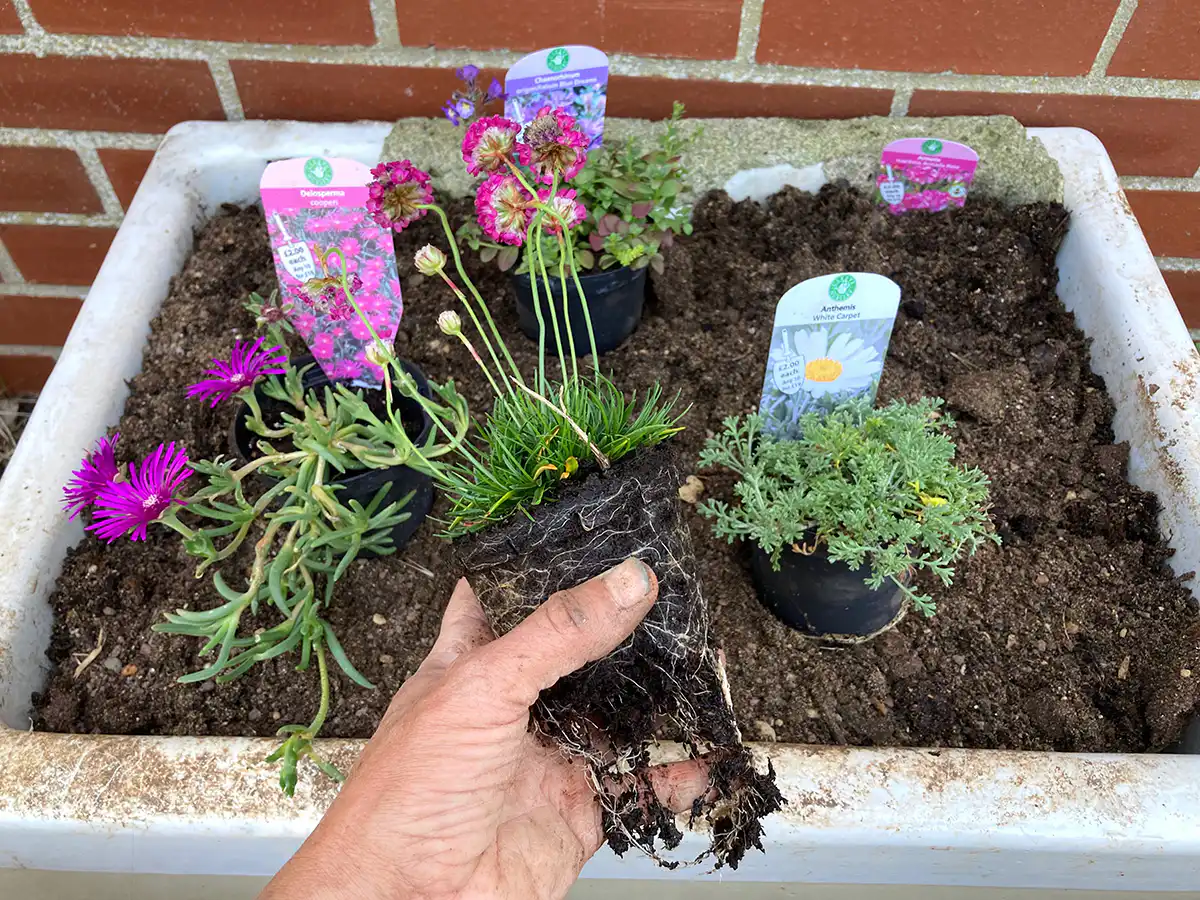
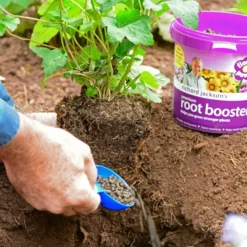
Have fun selecting alpine plants; there is such a wide variety of flowers and foliage to choose from. Remove plants from their pots, tease out their roots, then plant your alpines.
Finish off by covering the soil surface with gravel, slate or small stones to retain moisture and stop rainwater from splashing soil on to the foliage.
If you have more space, go large and create a rockery in the garden.