With spring fast approaching, we’re all really desperate to get out into the garden and get on with some jobs. But as February is usually the coldest month of the year, hold on and show some patience with any jobs involving plants that can be susceptible to the cold and wet. But there’s plenty we can be getting on with.
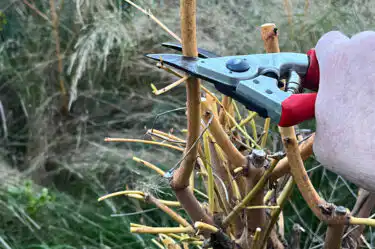
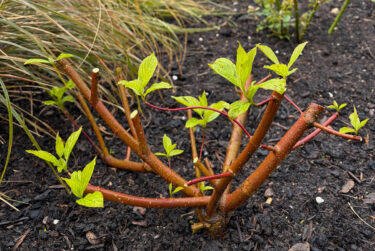
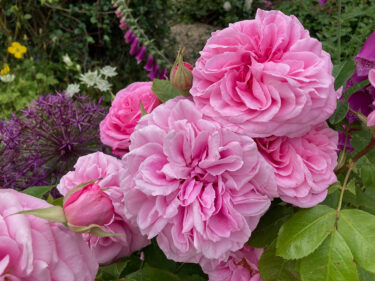
If, like me, you’re a big fan of pruning, then this is the time to look at your bush and climbing roses and clematis. You should also take the secateurs to autumn-fruiting raspberries, cutting down the canes to the ground, then mulch and top-dress around them with fertiliser.
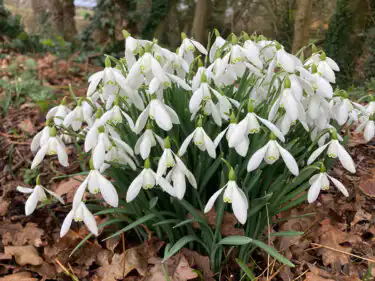
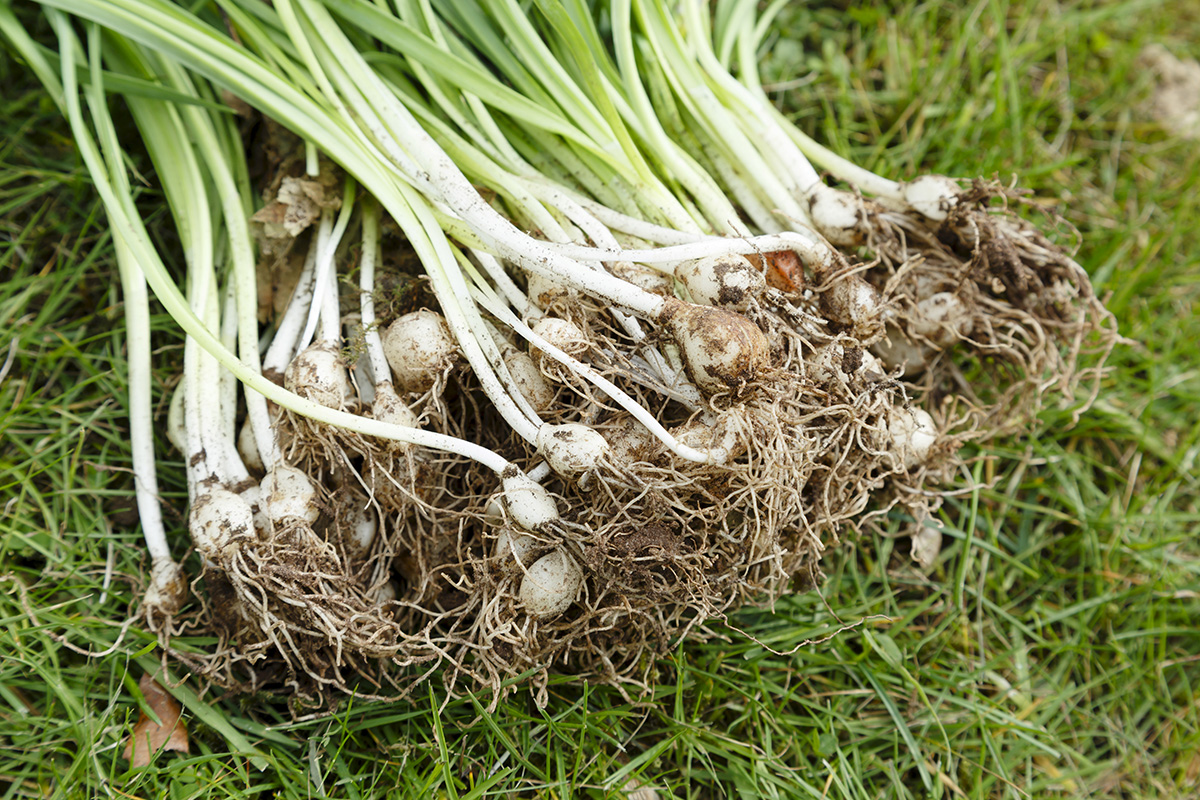
Dry snowdrop bulbs planted in autumn often fail or don’t perform very well because they may have dried out too much. Growing them from healthy plants and planting now when flowering has finished but they’re still in leaf, called ‘in the green’, is a far better method.
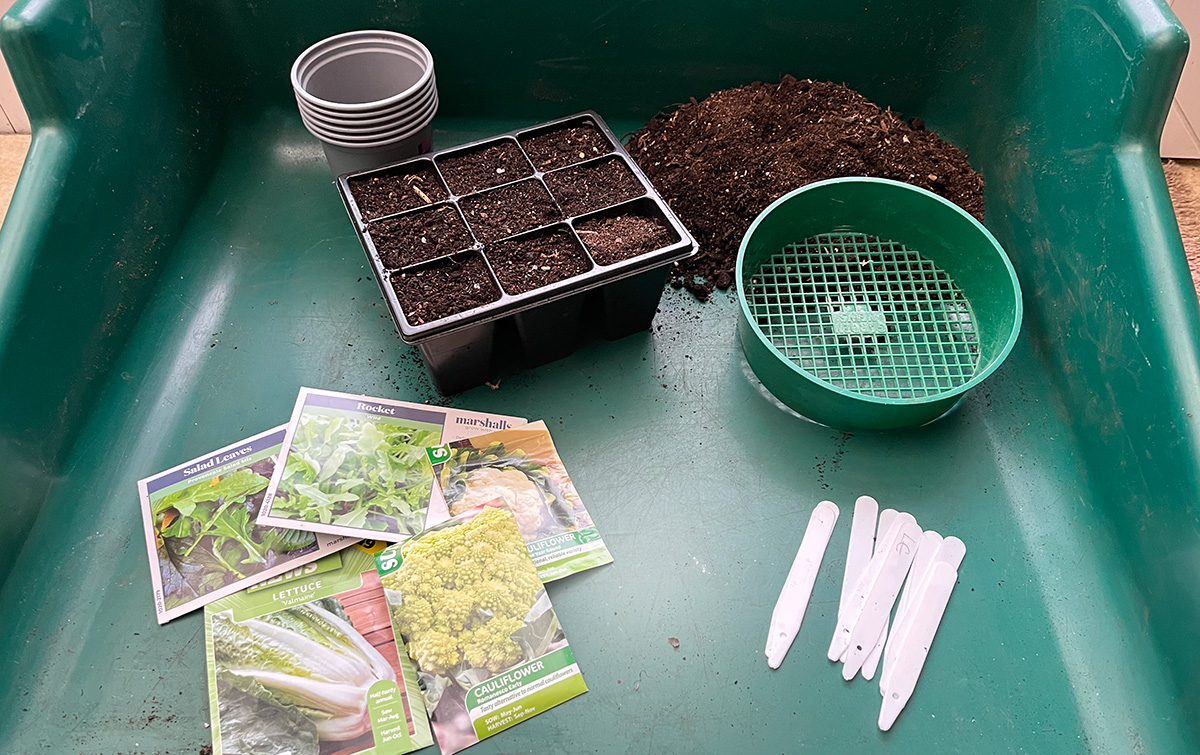
Indoors, providing you have somewhere with good overall light and reasonable temperatures, you can start sowing lots of veggies for earlier cropping and those summer bedding plants that need a long growing season – such as antirrhinum, pelargonium, lobelia, salvia and bedding begonias.
Plant of the month: Daphne mezereum
Fragrance is such an important aspect to incorporate into our gardens, so scented plants should be especially high on your list of wanted plants. Of all the senses, smell is the only one that can evoke and bring back memories of the past. Stick your nose into a scented flower and you’re immediately transported back into time, when you first encountered that smell.
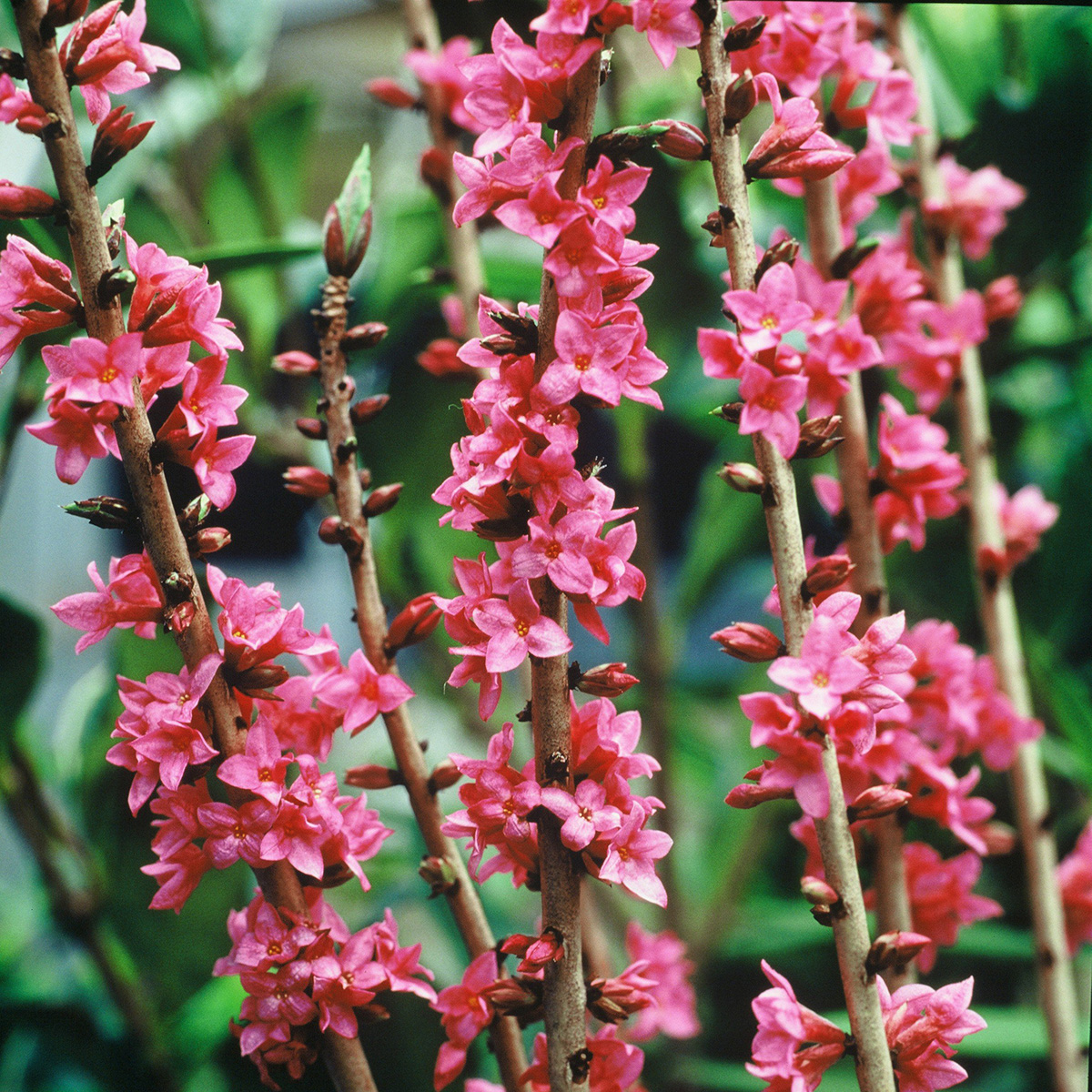
Daphnes are renowned for their scent, and Daphne mezereum to my mind is one of the best, with a delicious, sweet fragrance. Make sure to grow it somewhere where this can be truly appreciated.
Commonly called mezereon or the “February” daphne, it is a British woodland native. Despite the latter common name, it will still be in flower in March, and even sometimes into early April. It is a deciduous shrub reaching around 1.2m high and because it loses its leaves in autumn the pinky-purple flowers are borne on naked stems, so they really stand out, unobstructed by any foliage. A white-flowering form, alba, is also available.
Mezereon is poisonous, especially the red or yellow berries.
Where to grow
Plant in well-drained, but moist soil rich in organic matter, such as compost, and that doesn’t dry out in summer. It’s perfect in cool positions in partial or light shade, but doesn’t like deep shade. It will grow in hotter, sunnier positions as long as the roots never dry out, but is often short lived in such conditions.
How to care for it
Mulch around the plant annually and add a slow-release or controlled-release feed after flowering. Water in spring and summer whenever needed to keep the soil moist. It generally resents hard pruning, so minimal or even no pruning is best. But always remove any dead, dying, damaged or crossing stems. This is best carried out after flowering has finished.
Be creative
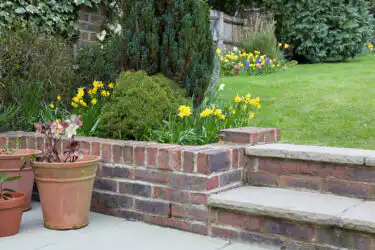
Raised beds are often relegated to just something that you have in the veg garden. Yet, they can make excellent garden features in their own right, promoted to the ornamental garden, if some thought goes into their construction. While wood, especially wooden sleepers, can be made to look great, brick is the perfect choice for a stand-out feature.
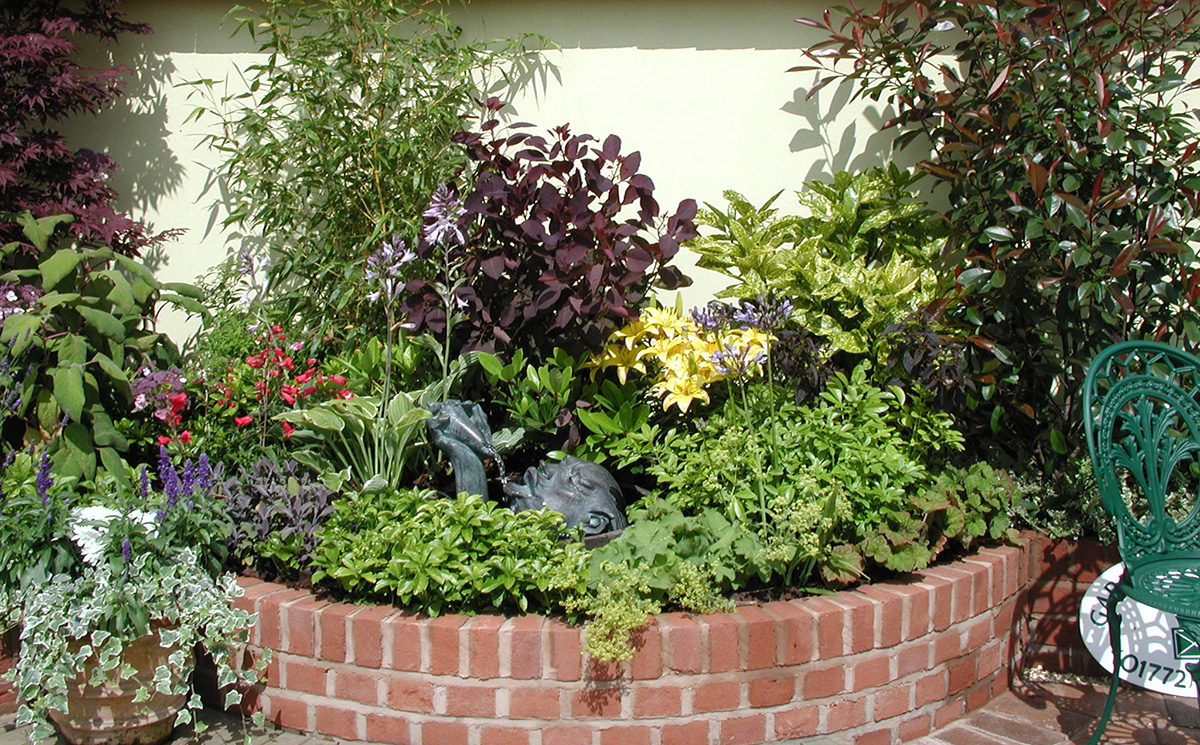
As well as looking great, raised beds offer several advantages for us gardeners. Plants can be raised up to a height that makes them easier to be seen close up, without having to bend, and at nose level for the “sniff test”. They allow those of us with mobility issues to tend to the soil and plants without having to bend, and if you make the walls wide enough, you have the perfect perching place to take the weight off your feet too. And, they can be filled with a perfect soil mix to overcome any issues we have with the soil in the rest of the garden, or you can provide the right soil mix to grow plants that don’t like our soil, such as ericaceous plants in alkaline soils.
This month’s myth busting: repotting sickly container plants will restore their health
When I speak to gardeners, I’m regularly told that they had a sick container plant, which they repotted and then “bizarrely” it went downhill even quicker. My usual reply is: “Aha. And?” By that, I mean I’m not at all surprised, since repotting such plants into a larger container with lots of fresh compost is often their death knell!
Usually, most sick plants, especially houseplants, are that way because of incorrect growing conditions – typically under and/or overwatering. That is, of course, unless they’re suffering from a pest or a disease. Both have the same results – the roots die, either because they’ve dried out or they’ve rotted from overwatering/waterlogging. When you give these plants lots of fresh compost, they become “swamped” with all that cold, wet compost and usually more roots die – or certainly new ones aren’t produced.
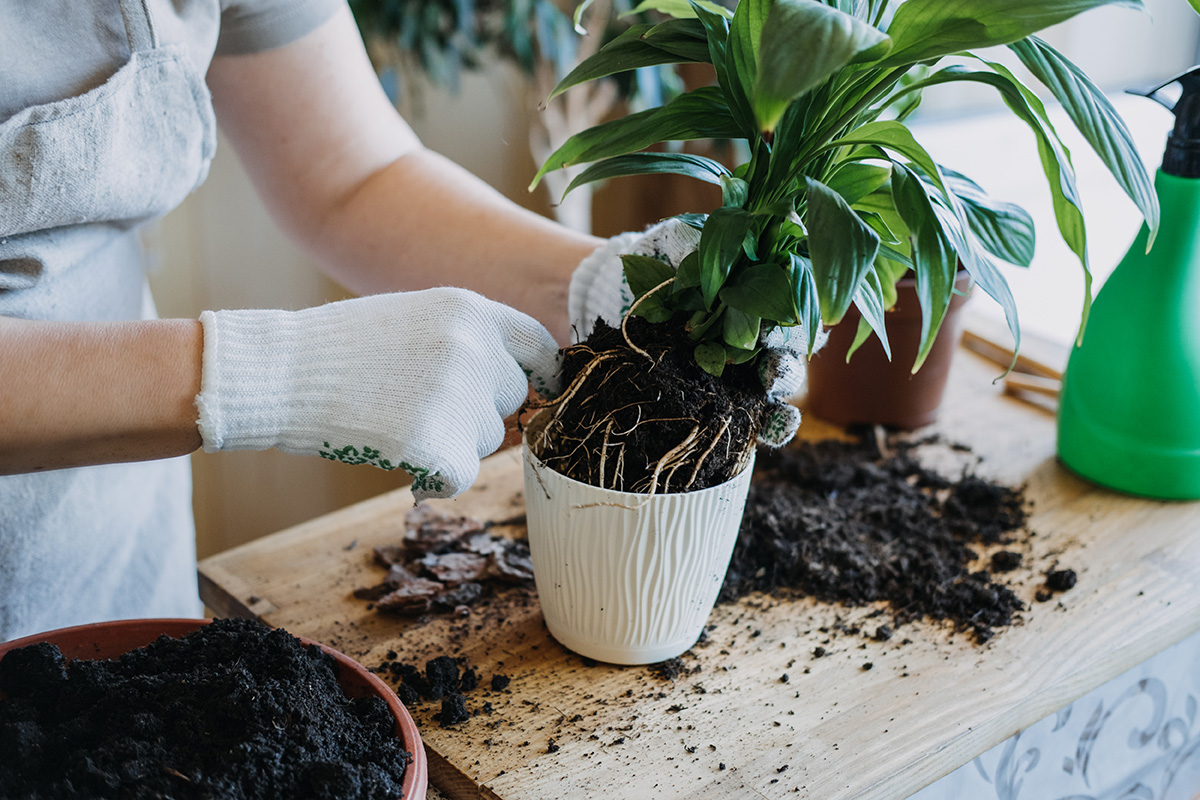
There is only one reason to repot a plant – because it has outgrown its container and has become rootbound/potbound. Ideally, only repot plants, especially houseplants, into the next size, larger container and do it when they are actively growing, ideally in spring, but summer is okay too. This is especially true with houseplants, which are best repotted from March to May.
Timely tasks
Here are two jobs you really should get on with this month.
Prune summer-flowering clematis
Unless you want your clematis flowering miles up in the air – or even in your next door neighbour’s garden! – give summer-flowering varieties a good hard, formative prune towards the end of the month. If the weather in your area is still very cold and frosty, then delay doing it until early March.
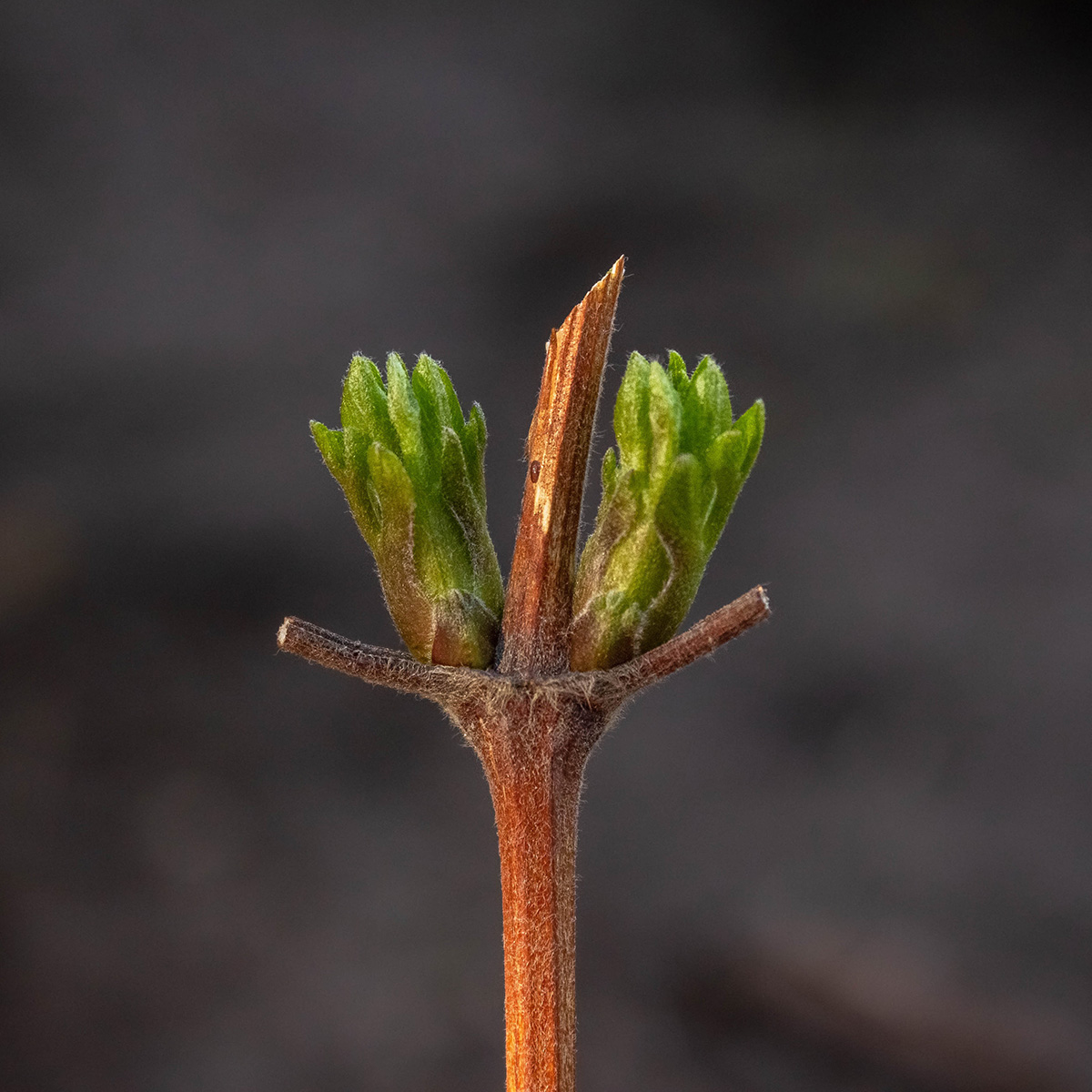
Those varieties that start flowering in May and June (called Group 2 varieties) should be cut back by around half to two-thirds, just above a bud. Those varieties that start flowering in July or later (Group 3) need harder pruning – cutting them back to a bud roughly 30-45cm (12-18in) above ground level.
Or you could cut back half the stems in this way and prune the remaining half less severely; this produces flowers over a greater area and at different times.
Check houseplants
Winter is a particularly stressful time for many houseplants, so check them regularly and give them the care they need to keep them strong, healthy and looking good.
Clean the leaves with a sponge or damp kitchen towel moistened with tepid water to remove any dust or other build-up covering the leaves.
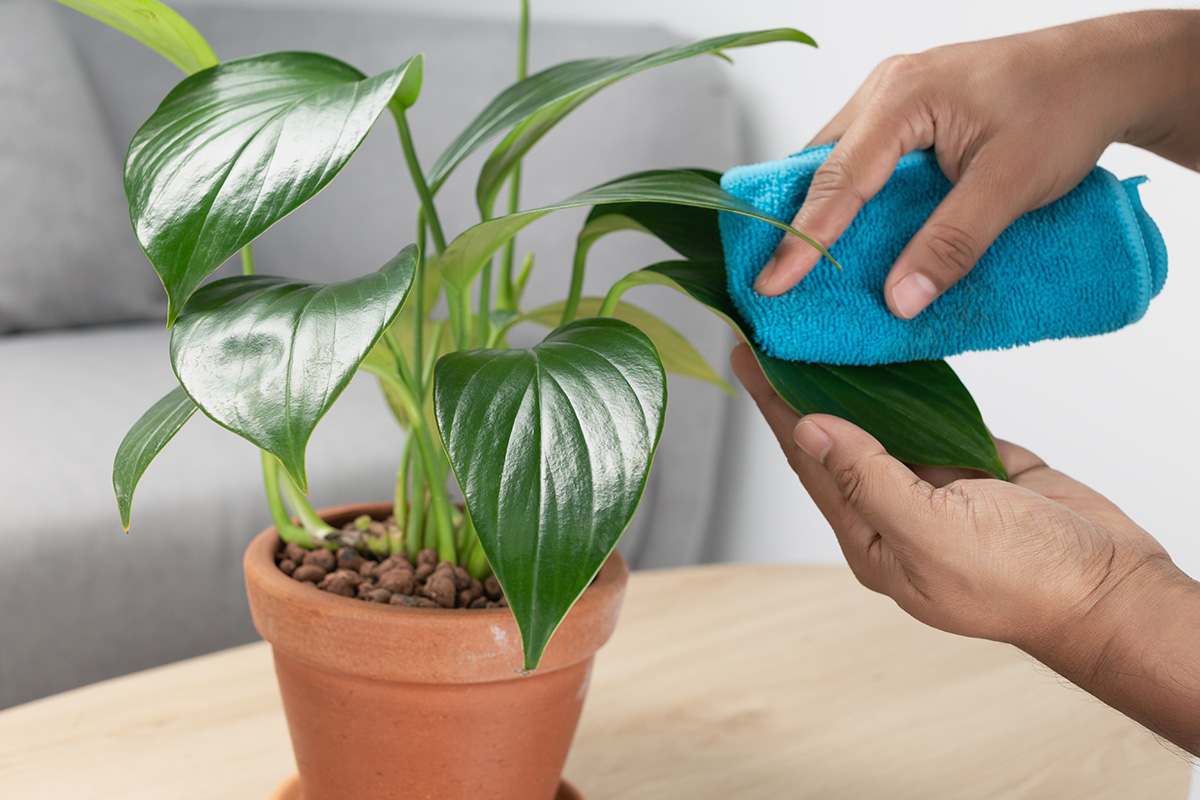
Pick off yellowing or dead leaves and faded flowers as soon as possible to help prevent disease problems developing and spreading.