However small or large our garden is, we always crave more plants and space to grow; bare walls and fences are untapped prime real estate ripe for development. There are so many exciting options to add sparkle to your plot; whether you are growing on a balcony, patio or simply want to add some pizzazz to the side of a shed.
Living walls maximise your available growing area by allowing you to plant up; breathing life in to blank spaces.
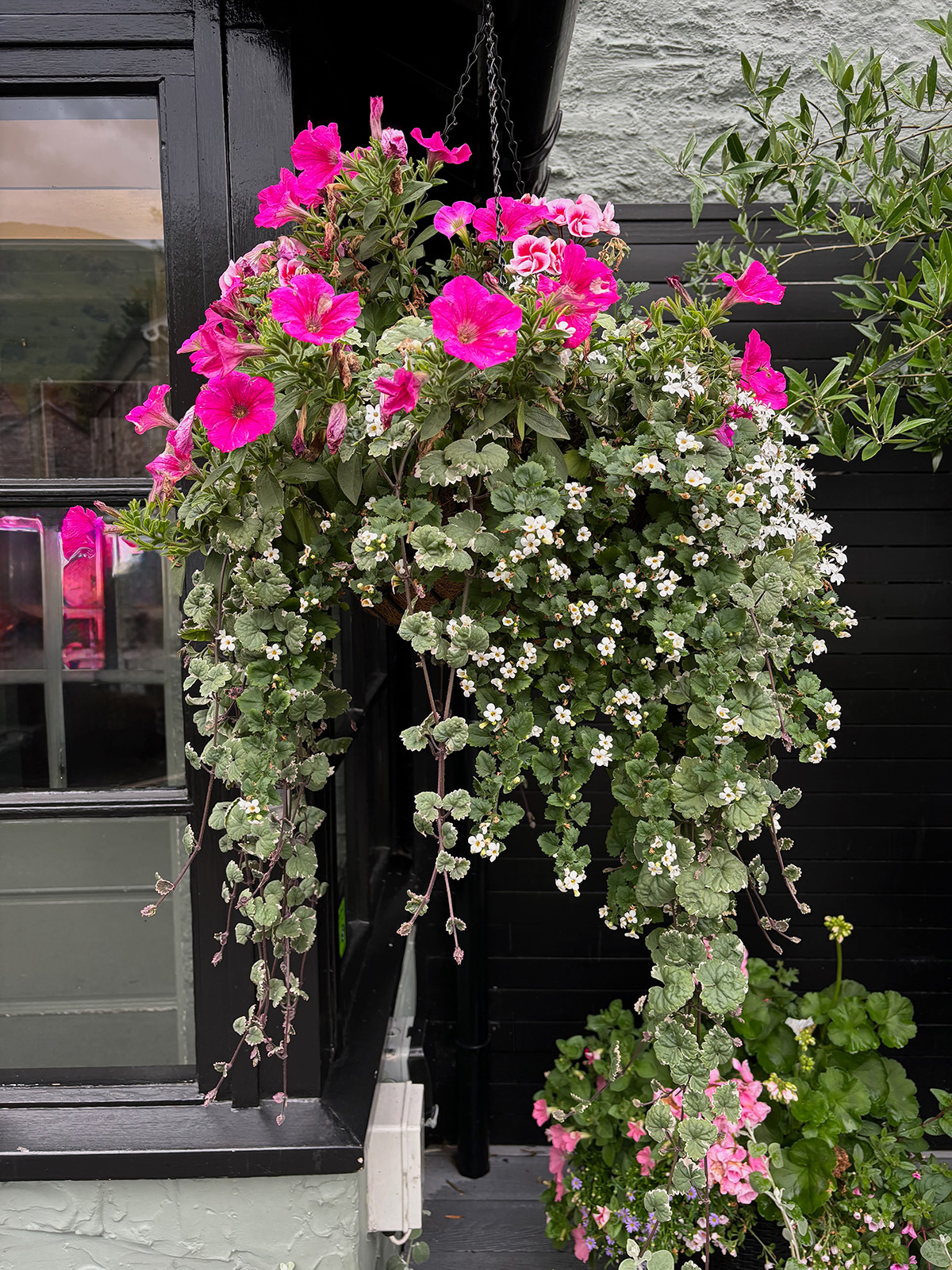
Hanging baskets
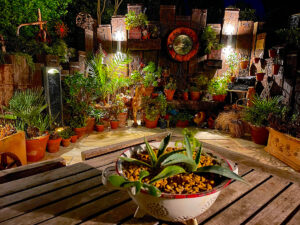
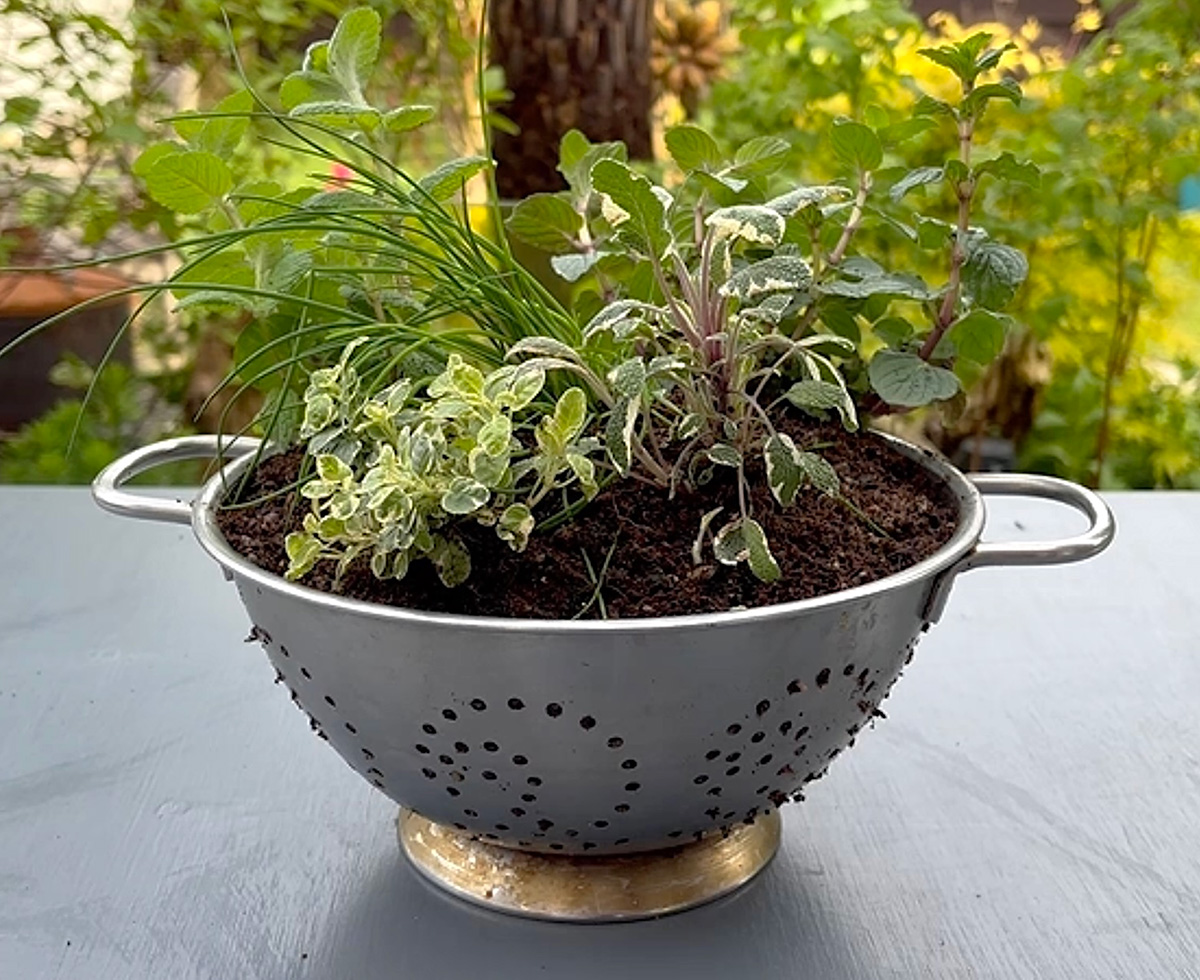
A hanging basket is a great way to add foliage and flowers to hard surfaces like walls, pergolas or fences. You can buy pre-made baskets made of willow, wicker, wire or plastic, or up-cycle containers you have at home; a kitchen colander makes a perfect planter.
Plant hanging baskets with a riot of annual or perennial colour interspersed with trailing plants or for something a bit different why not plant an edible hanging basket? Let’s hear it for herbs! Not only are herbs low maintenance and smell divine, they flower too which is perfect for attracting pollinators to your garden and of course being edible you will have your kitchen herbs to hand for when your evening meal needs a few sprigs.
Baskets do have a tendency to dry out quickly, especially in hot summers so drought tolerant herbs are a great choice. But if you are planting more thirsty plants then add some water-retaining granules to your compost mix and top your pot with grit to slow down water evaporation from the compost surface. If you are going to be away for long periods throughout the summer install a drip watering irrigation system, terracotta irrigation pot or watering globe to keep baskets moist.
You can pop compost directly into your colander or if it has large holes then add a porous liner like newspaper, coir, moss, felt or recycled fabric like hessian from old coffee bags to stop the compost falling through the holes. Then fill your hanging basket to just below the rim. Use a free-draining, peat-free compost mix like Richard Jackson Garden Easy Compost, mix of two parts peat-free compost and one-part horticultural grit and this will help water and air flow; Mediterranean herbs will rot if roots are waterlogged.
There are so many hardy herbs to choose from. Mint, chives, rosemary, oregano, sage or thyme are all easy-to-grow and drought tolerant so will cope with sparse waterings.
Choose three to five herbs and firm them into place then infill with more compost around the edges. You will need to attach a chain hanger to the sides then you can suspend your creation in a sunny spot and enjoy.
For extra tips watch our how to grow a herb planter video.
Climbing frames
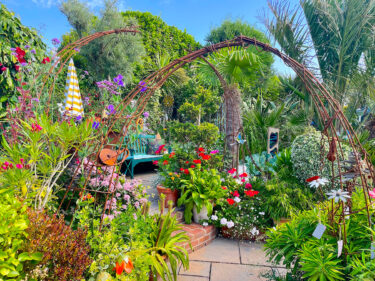
Give your garden the illusion of appearing larger than it really is by adding height and growing up. Insert an obelisk, wigwam or trellis to a large container.
Climbing frames come in all shapes, sizes, materials and price from heavy duty sculpted metal to homemade natural frames constructed from old tree branches tied together with rope for a rustic look. All will do the same job; it is just a matter of taste and budget.
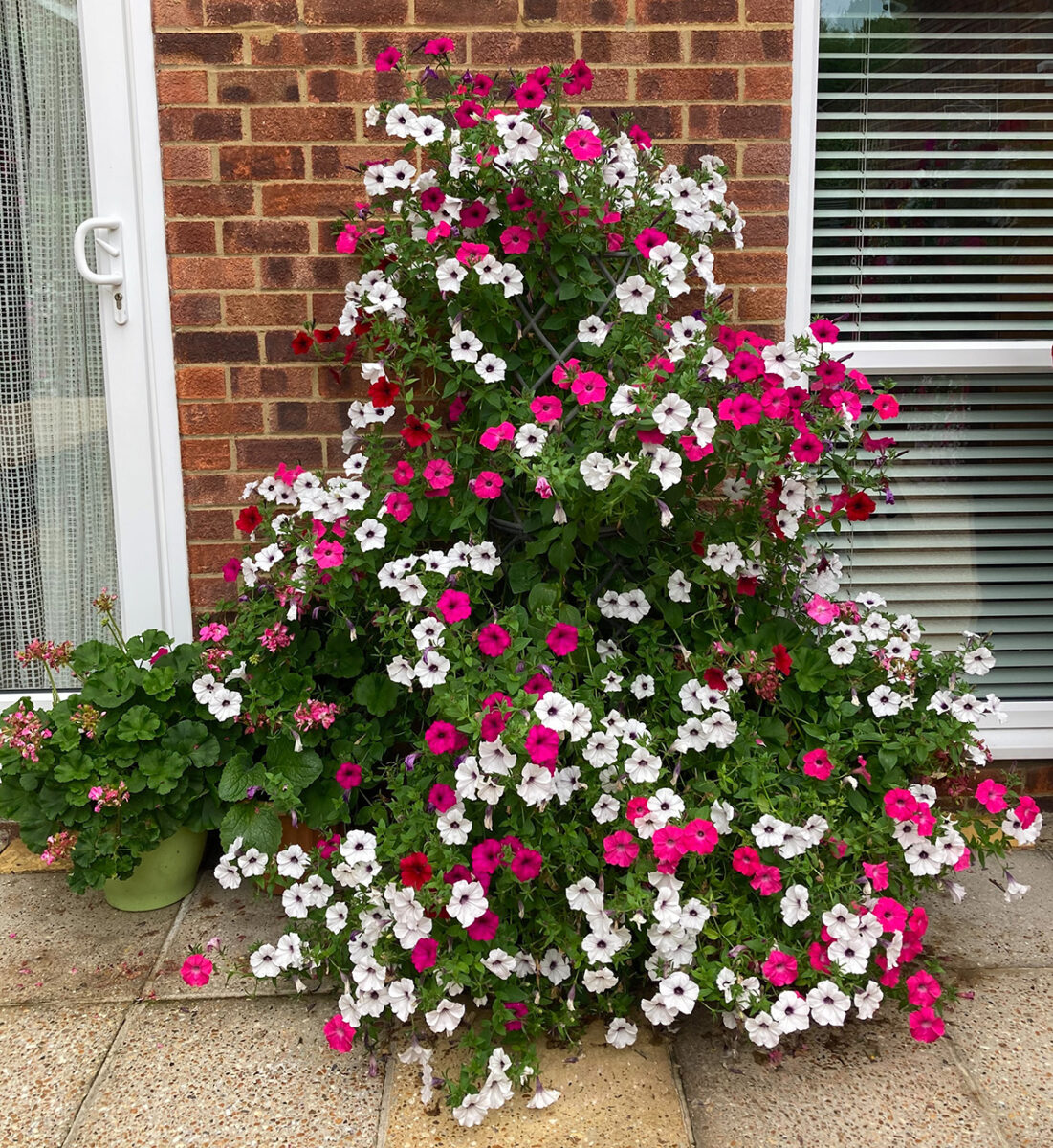
There are lots of fabulous compact options for blousy florals to grow in pots. Black-eyed Susan, Thunbergia alata, height 1.5 – 2.5m width 0.5-1m, honeysuckle, Lonicera periclymenum, ‘Strawberries and Cream’, height 1m, width 1m or summer favourites like sweet peas and climbing petunias will all grow well up a frame in a large pot.
Maximise growing opportunities by underplanting with flowering plants like nemesia and Mexican fleabane, Erigeron karvinskianus or try pansies and viola that just need regular deadheading to keep the blooms coming; all will produce copious amount of flowers for months.
-
 Select options This product has multiple variants. The options may be chosen on the product page
FREE UK mainland standard delivery
Price range: £11.99 through £26.99 FREE P&P -
-
 Select options This product has multiple variants. The options may be chosen on the product page
FREE UK mainland standard delivery
Price range: £7.50 through £24.99 FREE P&P
Make a plant theatre
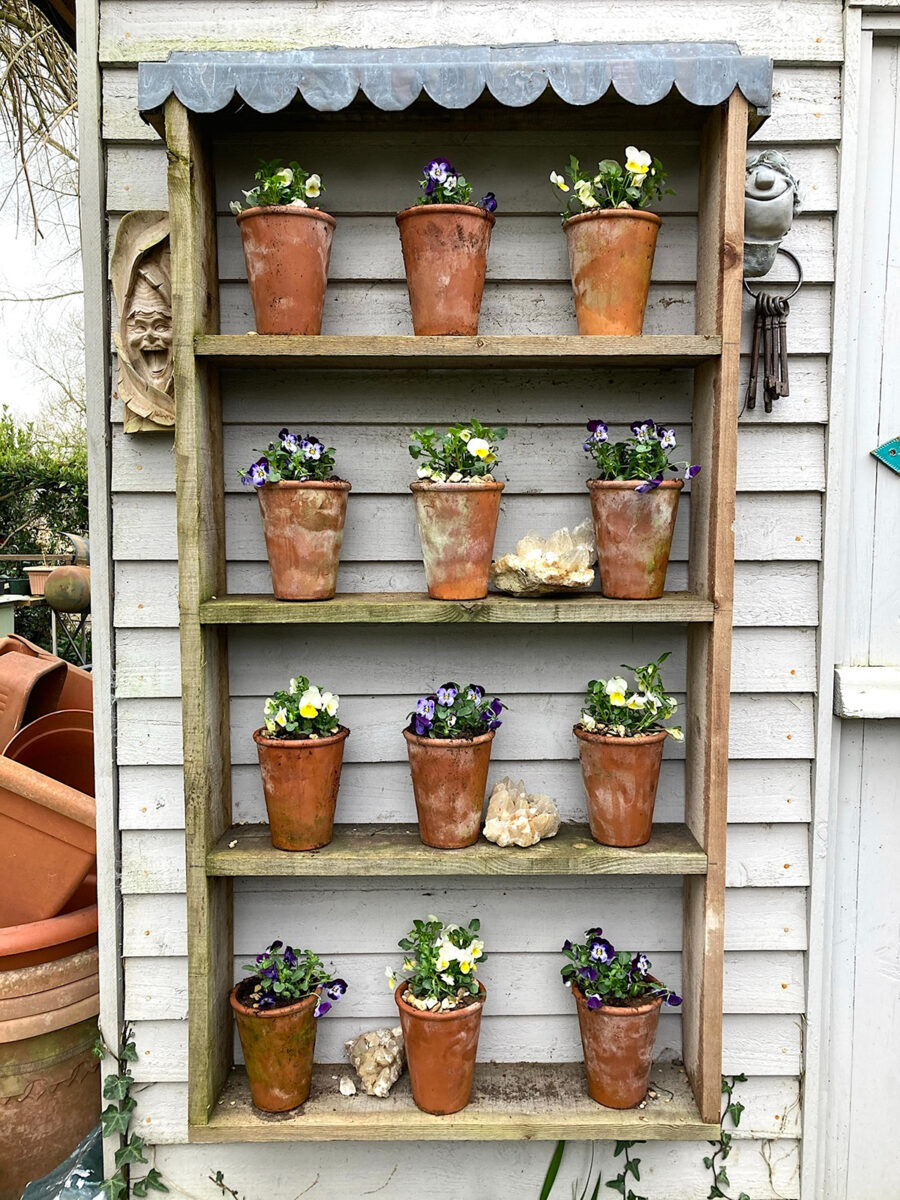
Add drama to your garden with a show-stopping plant theatre. Plant theatres were traditionally planted with Primula auricula but there are lots of great alternatives such as pelargonium, viola or ferns. Pot up plants into small terracotta pots and build a wall mounted or free standing unit to create an impressive focal feature.
Plant theatres are tiered units that house a series of small and often identical terracotta pots with a single collection of plants. This practice gained popularity during the Victorian era providing green spaces through the industrial revolution to people who didn’t have gardens. These eye level, wall hung boxed shelves were cherished, but as the plants required a fair amount of attention to thrive with regular watering, these botanical art installations fell out of fashion.
Choose drought tolerant plants to combat watering issues. Why not make a succulent, herb, pelargonium or alpine theatre? Replant your theatre to suit spring, summer, autumn and winter seasons.
You will need a number of similar sized terracotta pots, ideally nine or 12. Then pop a crock in the base of each pot to cover the drainage hole. Combine peat-free compost, gravel, perlite or vermiculite together for a gritty free-draining mix. If you have a large clump of plants divide them into smaller sections so they fit into the individual pots, then fill your terracotta pots with the gritty peat-free mix and firm in one plant per pot. Top the surface with grit to retain moisture; small pots dry out quickly.
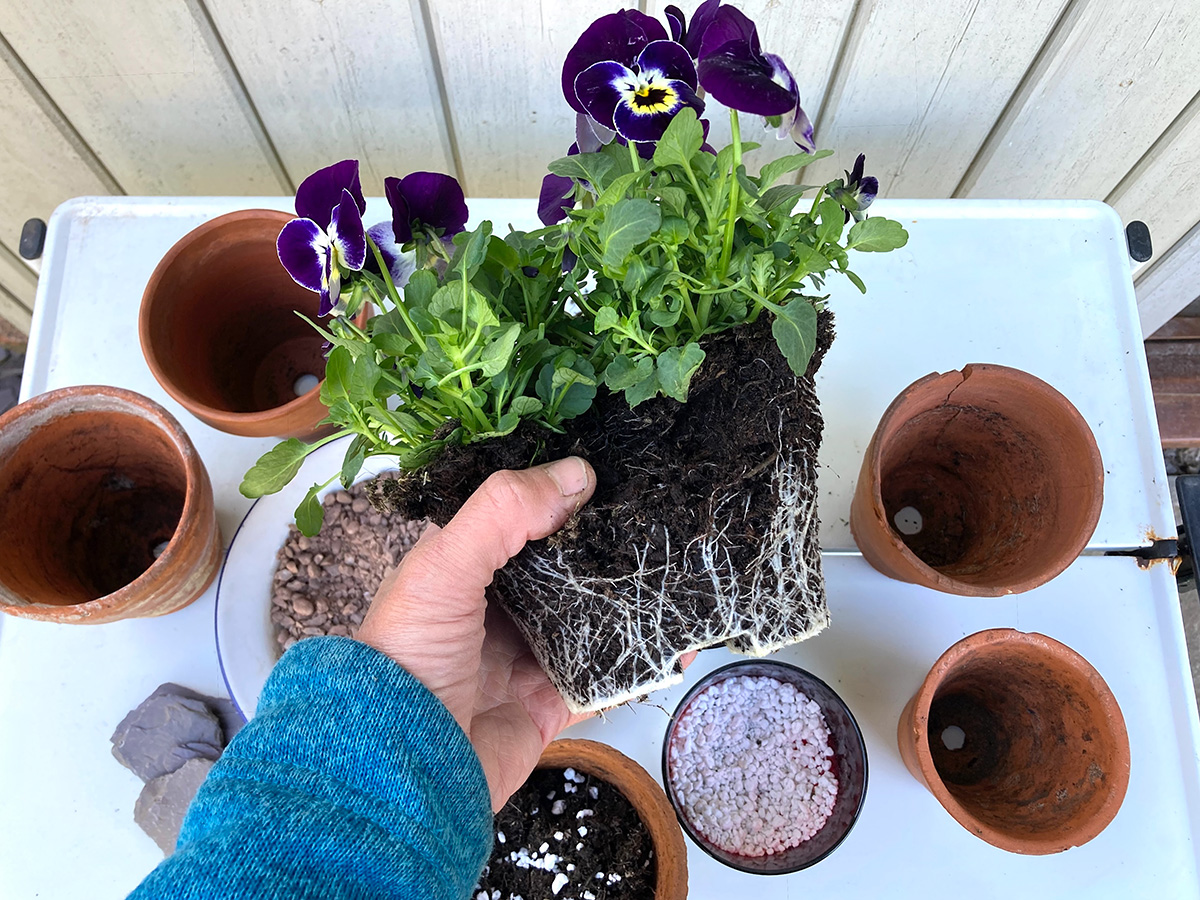
Create your pot stand from an old kitchen unit, shelves or even wooden or metal steps make an excellent base; three or four tiers are ideal to display pots. Plant theatres were traditionally hung on a wall but a free-standing unit will also make an eye-catching display. Enjoy natural wooden frames or paint your theatre dark grey or antique green so the pots contrast against the background for maximum impact.
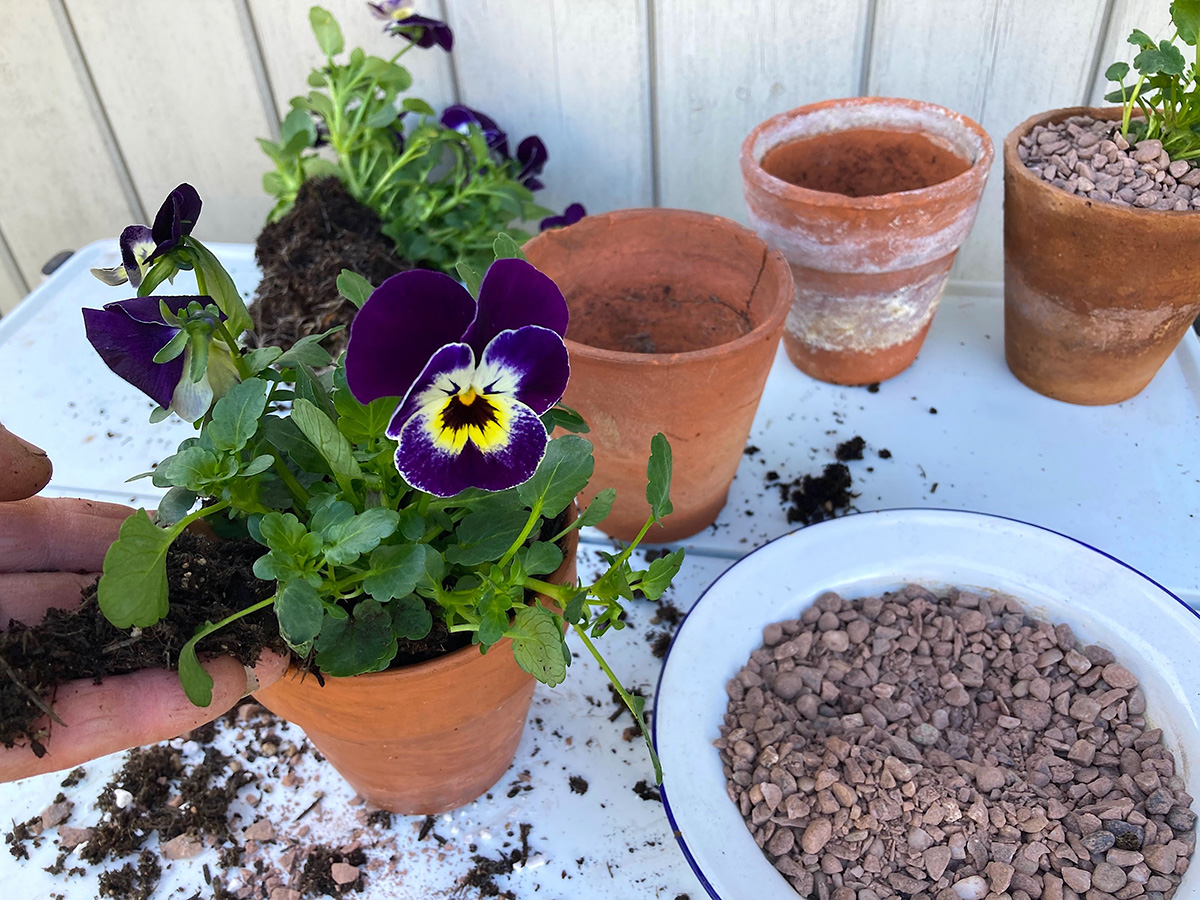
Position the pots in your theatre, water then sit back and admire your handy work. Whatever plants you choose, they are bound to captivate attention.
Get the full low down of more ideas for vertical gardening and more in the ‘Big ideas for a small garden’ feature.