Jobs to do this November
Take hardwood cuttings
Take hardwood cuttings of deciduous shrubs, such as roses, dogwoods (cornus), mock orange (philadelphus), flowering currant (ribes) and forsythia. They’re the easiest type of cutting to root.
Give less hardy plants winter protection
Garden plants that are not totally hardy may need winter protection – especially those growing in containers. Cover plants with horticultural fleece and wrap containers in bubble wrap.
Rake up fallen leaves
Rake up fallen leaves from flower borders and the lawn. If left, they’ll look a mess, damage or kill plants underneath them and provide ideal sheltering places for overwintering slugs and snails.
Make leaf mould
But don’t waste those fallen leaves. Put them in a thick black bag, mix in some grass clippings and make a few holes in the bottom. In a year, you’ll have some wonderful leaf mould, perfect for enriching your soil.
Plant garlic
This is one of the best months to plant garlic. Make sure to buy autumn-planting/overwintering varieties from a reputable supplier. Garlic bought in supermarkets for eating isn’t suitable for growing.
Mist houseplants
Houseplants hate hot, centrally heated rooms where the air gets very dry. Place them on trays of gravel or hydroleca and keep this moist (not waterlogged) and mist regularly to increase humidity around them.
Check plant supports before winter
Check the stakes and ties on young trees, and make sure they are secure. Climbing plants may need further tying onto their supports to prevent them getting damaged in autumn and winter winds.
Plant bare-root plants
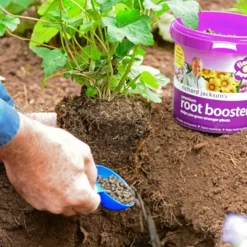
This is a great time to plant bare-root trees, shrubs, fruit, hedging and roses – providing the soil isn’t waterlogged or frozen solid. Bare-root plants are much cheaper than container-grown ones.
Protect cannas and dahlias over winter
Dig up, or bring in pots of, cannas and dahlias once their leaves are blackened by frost. Cut back the stems to 7.5-10cm/3-4in from the base and overwinter in a frost-free place.