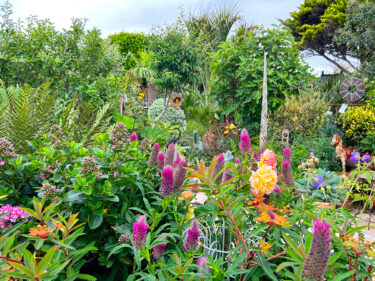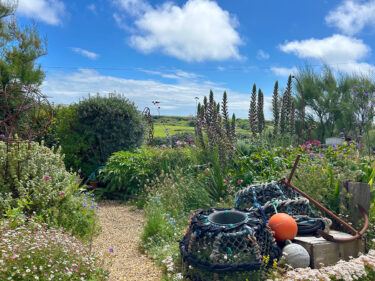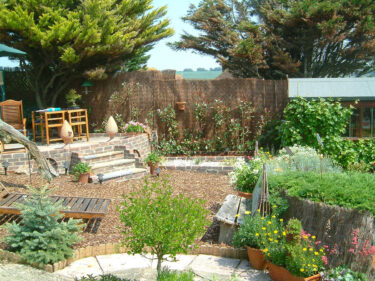
Garden hedges are generally planted for privacy, sometimes for beauty, maybe security and have crucial environmental benefits, especially if you live where I do on the south coast. In my garden at Driftwood by sea, they are great for windbreaks, noise reduction, air purification, and providing vital food and shelter for wildlife. More importantly, they act as a living, natural alternative to fences that enhances biodiversity and garden aesthetics. So, what’s not to like?
Space definition
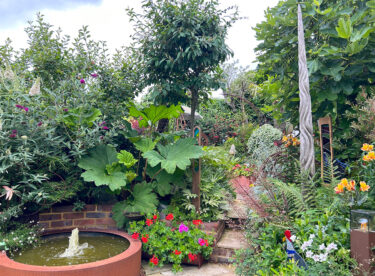
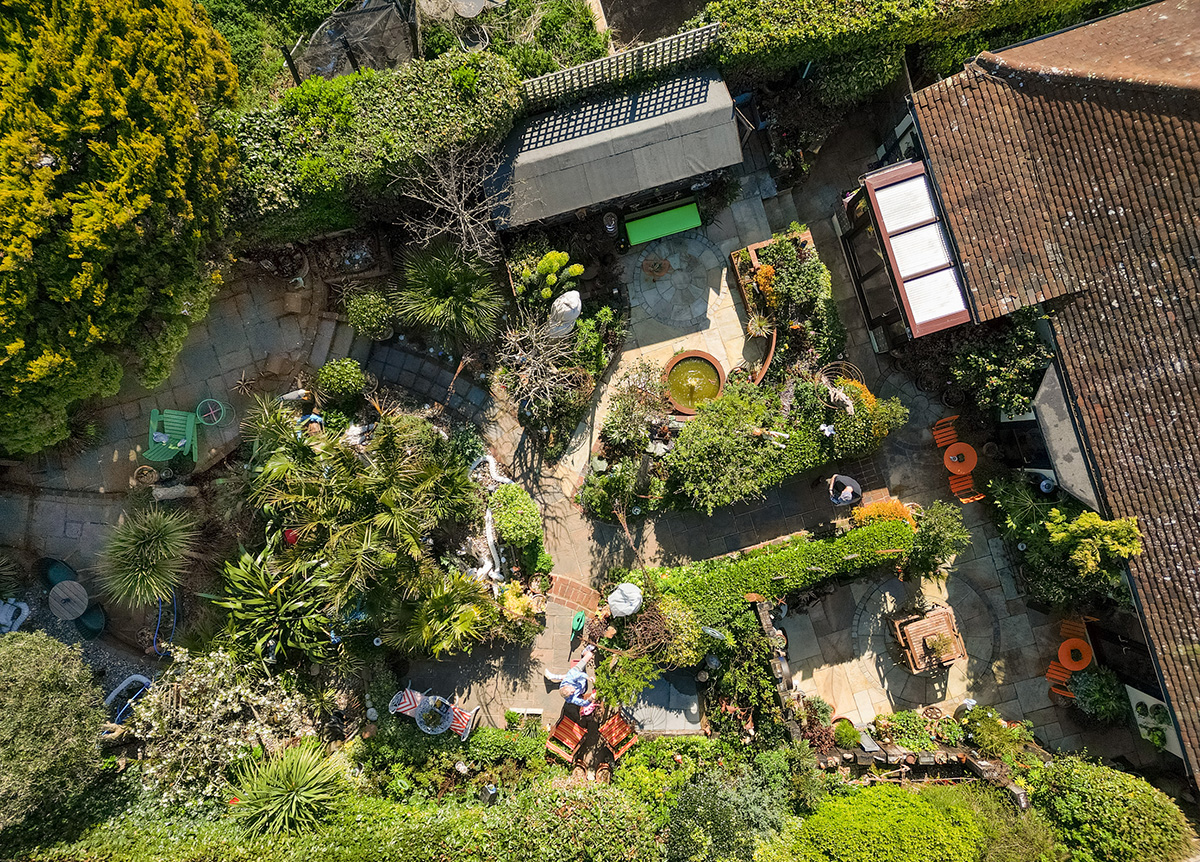
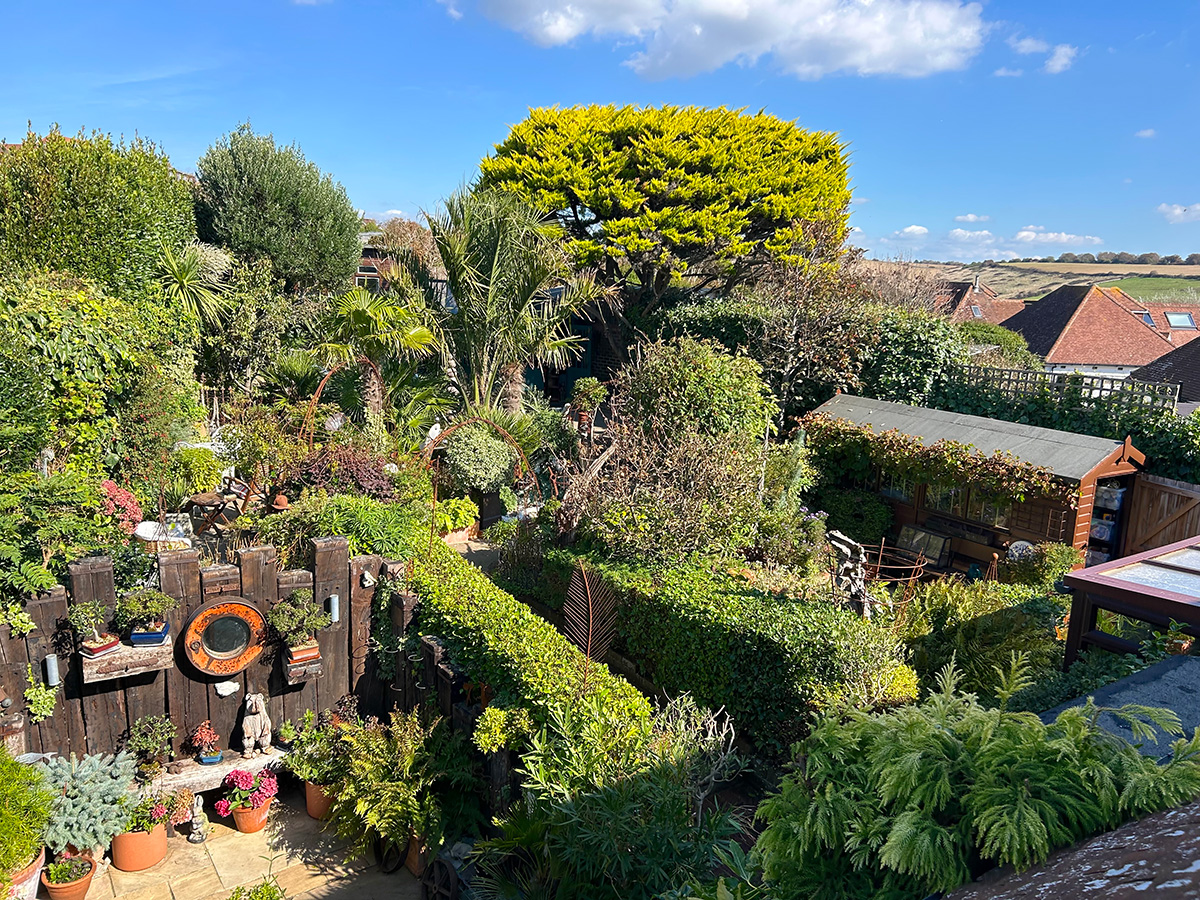
Hedging will allow you to define spaces, they can improve the overall look of your garden with clean lines, making your plot look tidier and probably more intentional. They will create clear borders between lawns, beds, and paths, leading to less trimming and weeding. In my garden I’ve long enjoyed having the hedging either side of my central path. I’ve used Griselinia littoralis, which has glossy, apple-green leaves and a soft, leathery texture. It is a lush, evergreen hedging plant that brings colour to gardens all year round. It looks fantastic in winter. Unlike many other evergreens, Griselinia hedging has a softer, more open structure, giving it a slightly relaxed and natural feel while still providing good coverage. In the springtime, a female Griselinia hedge sometimes produces small flowers, which are great for attracting pollinators and non-toxic berries. Whether it’s used as a formal boundary hedge or a more informal shrub, it offers flexibility and very easy upkeep apart from pruning.
This species is one of the best hedging choices for coastal and exposed gardens, hence finding it at Driftwood. Known for its high salt tolerance and ability to withstand strong winds, it thrives well. The plants prefer well-drained normal, chalk, or clay soils, along with full sun. A big benefit, in today’s times of hosepipe bans, is they are drought-tolerant once established, thus making them a relatively low maintenance option. With a moderate growth rate of 20-40cm per year, griselinia quickly forms a dense hedge that responds well to occasional trimming. I keep mine deliberately low to accentuate the garden rooms that I have created.
Flowering hedges
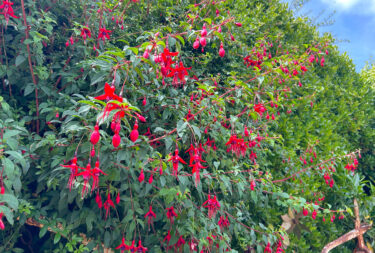
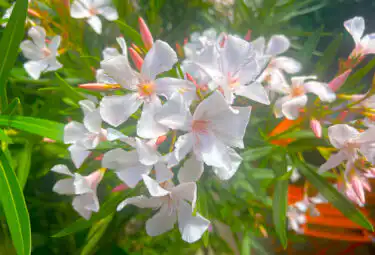
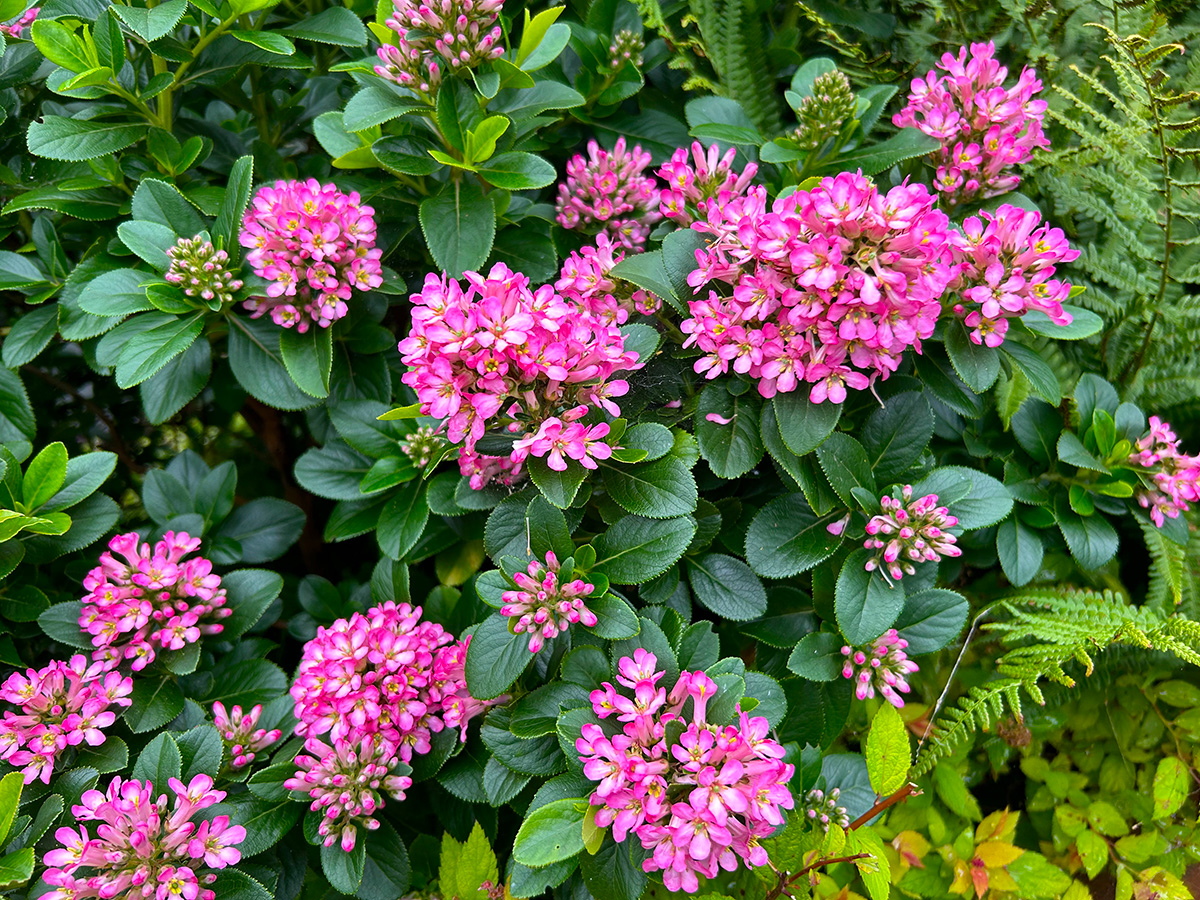
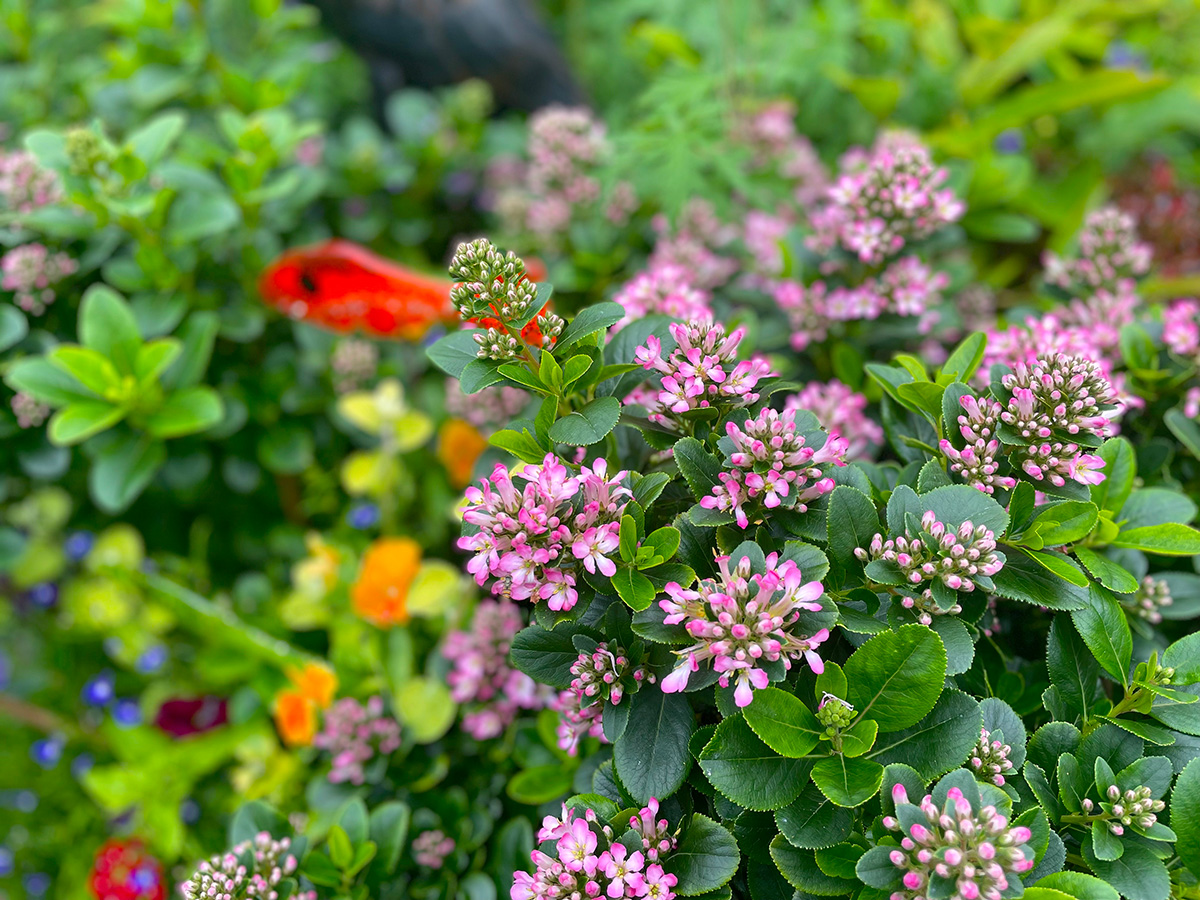
A really pretty flowering shrub, that’s perfect for a hedge too, is the gorgeous Escallonia ‘Pink Elle’. I have two growing in the garden that have created a low hedge but they can grow quite tall. From early summer the stems tips are crowded with clusters of tubular pink flowers that are larger than most cultivars. This neat, compact shrub has a pleasing rounded habit that makes a fine specimen for borders, and an attractive hedging plant. The glossy green foliage tolerates salt-laden air making it an excellent choice for coastal gardens too. Hardy and undemanding, Escallonia is a fabulous low maintenance shrub. Lots of my garden visitors love this plant and several have gone online, while still in the garden, to order one! It certainly makes a fabulous statement.
Wildlife friendly
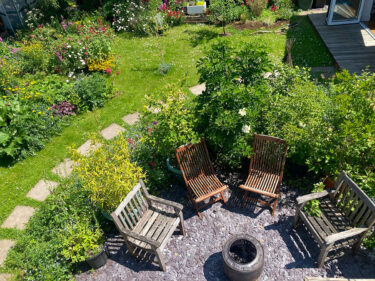
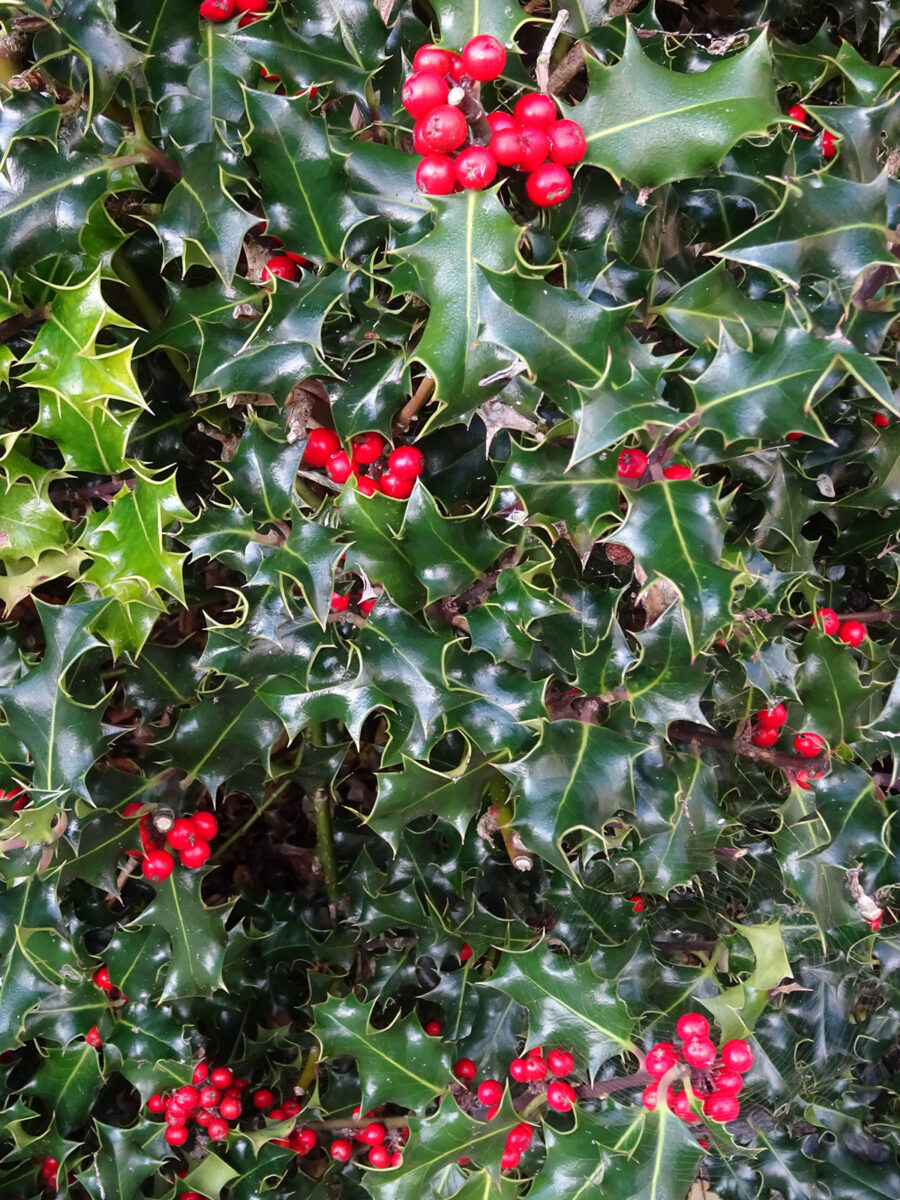
Over the years, especially when I was creating the garden from 2007 onwards, I’ve tried to utilize some hedging that is friendly to wildlife. Part of the 7-foot hedging on the left side of the garden is comprised of two large holly shrubs. Not only is it a useful shrub around Christmas for internal decoration, the berries are a key autumn/winter food source for birds and other animals, so this wildlife-friendly hedge is great for inviting wild life into your garden.
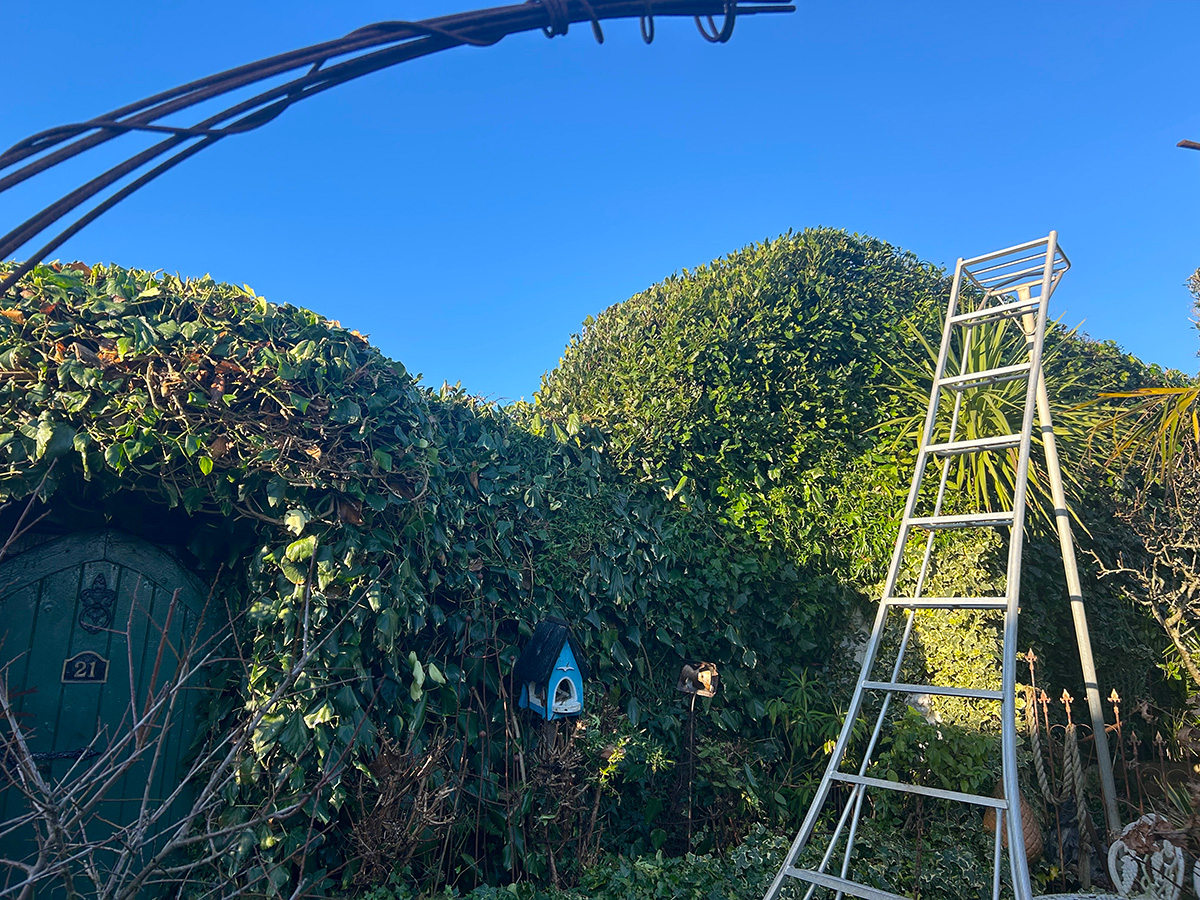
In my opinion, you should not overlook the benefits to wildlife of the common ivy in your garden. The ivy sprawling through part of my boundary hedge is starting to flower, providing pollen and nectar for a variety of flying insects, especially our pollinators. Later, ivy berries will be a rich food source for wood pigeons, blackbirds and other birds. Ivy also provides wildlife with shelter and protection. If you’re lucky you may even find it used as a nesting site too. Such a useful plant that deserves to be celebrated! There are lots of birds nesting in the ivy that partly comprises the hedges along both the left and the right-hand side of the garden. I’m not sure my neighbours love it, but I pay a contractor once a year to come and trim them all for me.
Fragrant flowers
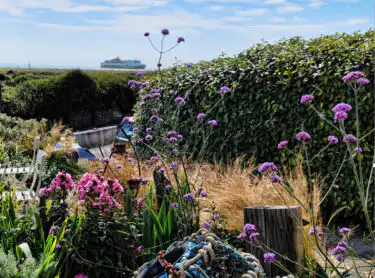
Elaeagnus x Ebbingei is one of my favorite hedging plants here on the south coast! It is a very popular, robust and fast-growing evergreen that makes the most fantastic hedge. More importantly it is very tolerant of salt winds and thrives in coastal locations. There is one in my beach garden that was planted in about 2009 and now helps protect all the other planting from the strong SW winds from the Atlantic. Its leaves are dark green but with silver speckles giving them a more silver coloured appearance in the right light. The undersides of the leaves are fully silver in colour and this mix gives a silver shimmering effect when the leaves flutter in the wind. The shrub produces small, fragrant, creamy-white flowers in autumn and orange fruits in spring. It’s a hardy and versatile plant and with its attractive foliage will provide a great backdrop for planted borders but it is also useful as an attractive screen, growing up to 3-4 metres high.
Variegated foliage
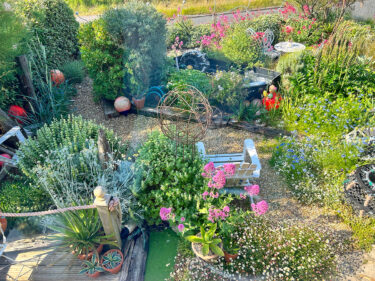
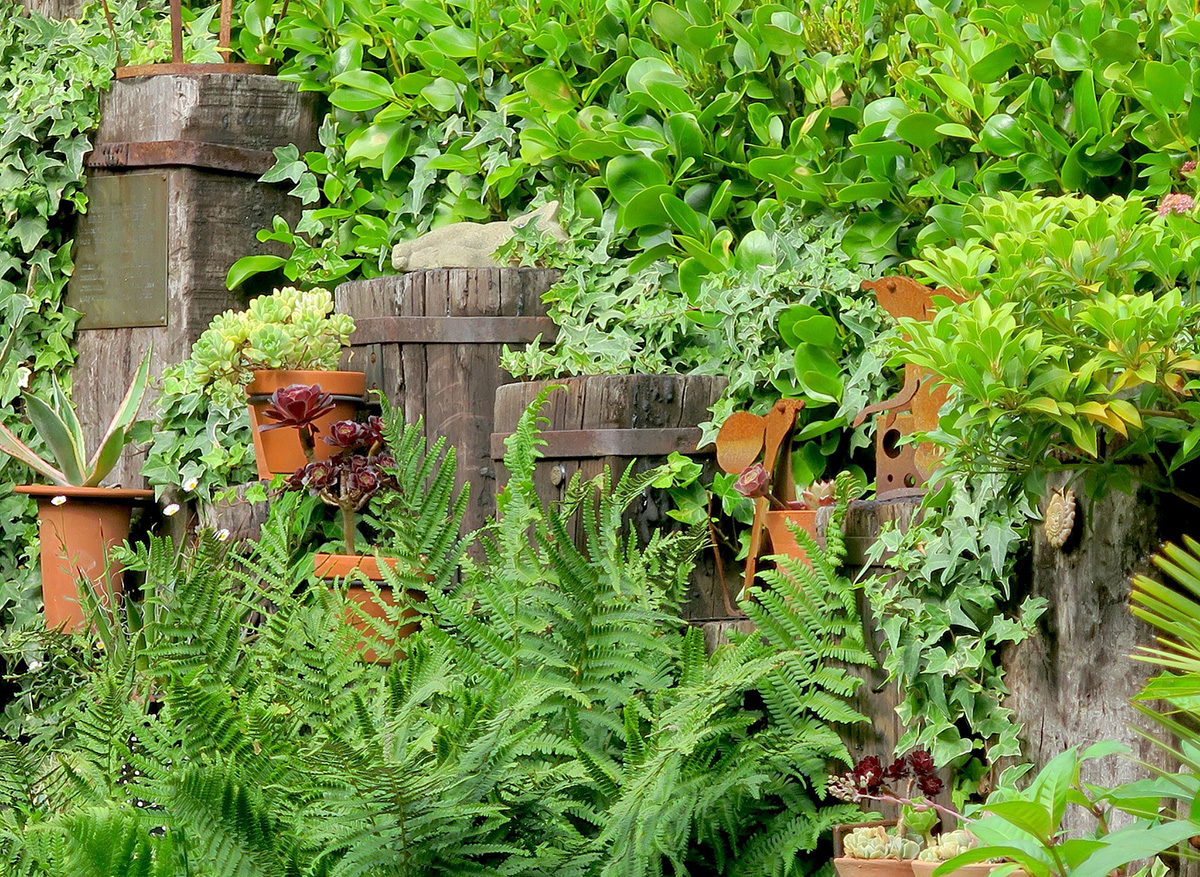
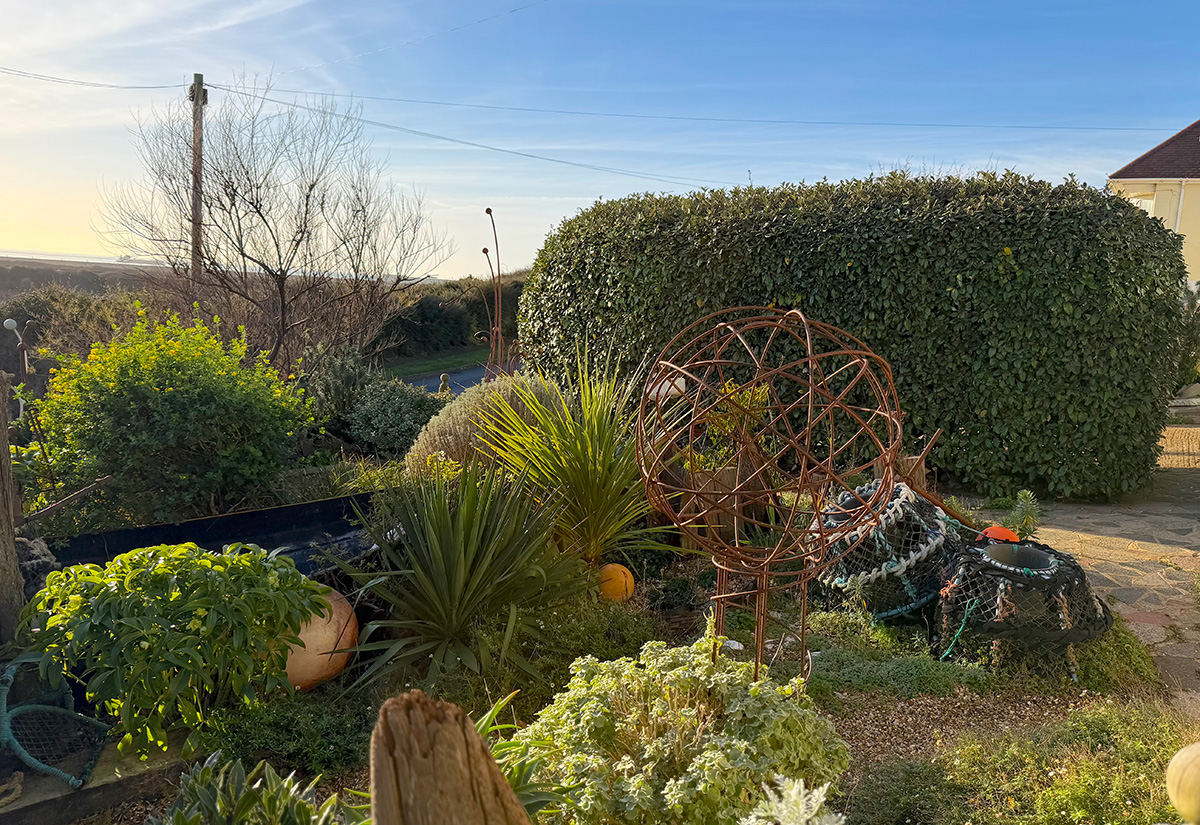
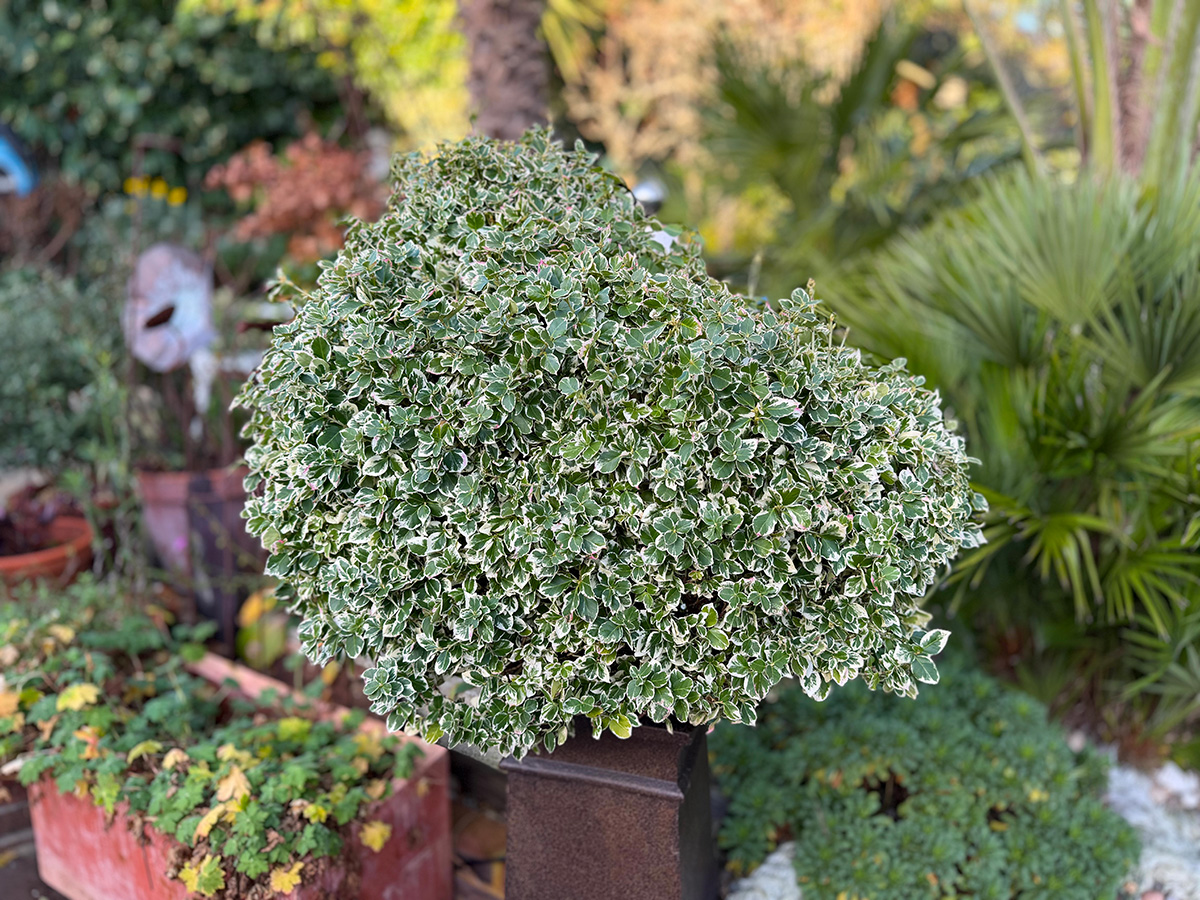
Another really good hedge plant is the popular euonymus. It is a large genus of tough, versatile shrubs and small trees, offering both evergreen varieties with year-round foliage (often variegated) and deciduous types prized for stunning autumn colours (reds/pinks). It’s a great hedging, ground cover, or specimen plant, that thrives in various soils (even chalky like my soil here at Driftwood) and light conditions and are low-maintenance, drought-tolerant once established, and provide winter interest for birds and pollinators. I have created a long, very low hedge at the very front of my beach garden, pictured with some Euonymus fortunei, known for its dense, evergreen foliage with vibrant green and gold or green and white variegation. This type is especially popular for creating low hedges or ground cover and at the back I have created a real feature of another, growing out of a chimney pot.
Lovely laurel
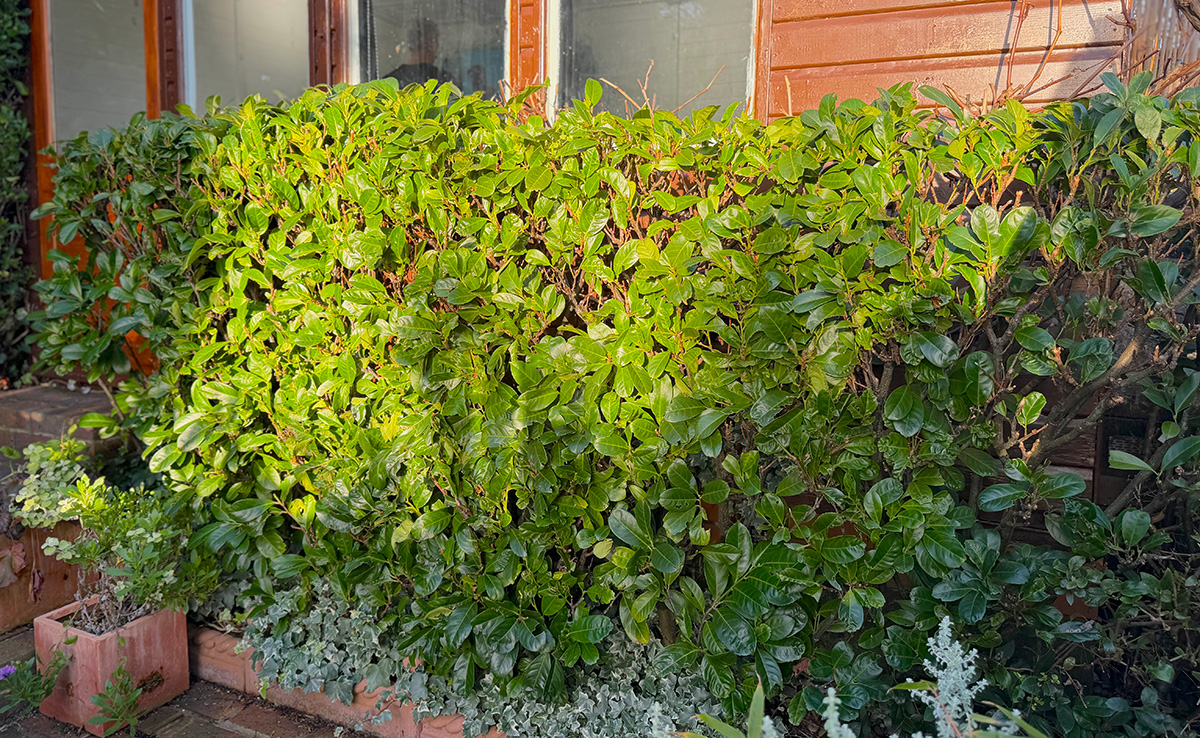
In front of the plinth on which our garden studio is located, I planted a laurel hedge that looks great. Laurel is an excellent hedging plant, prized for being fast-growing, evergreen, tough, and versatile, providing instant privacy, noise reduction, and wildlife benefits with its glossy foliage and flowers and berries, thriving in various soils and light conditions.
Whatever you choose to suit your needs there are plenty of hedging plants to choose from. The only pitfall I’ve experienced with hedging, here on the coast, is to plant a row of photinia which should have survived, but mine all died and had to be replaced the following year! A costly issue!
Hedge care
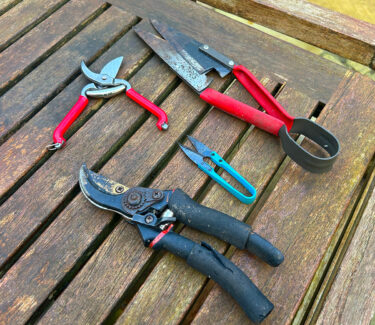
In my younger days, I’d maintain the hedges myself, with an extended hedge trimmer and an ordinary hand-held one, but the older I’ve become, I now rely on others paid to do it for me once a year. That said I do trim when the garden is open, especially the lower-level hedges, by hand with secateurs to keep them neat looking without creating too much mess.
Happy gardening.