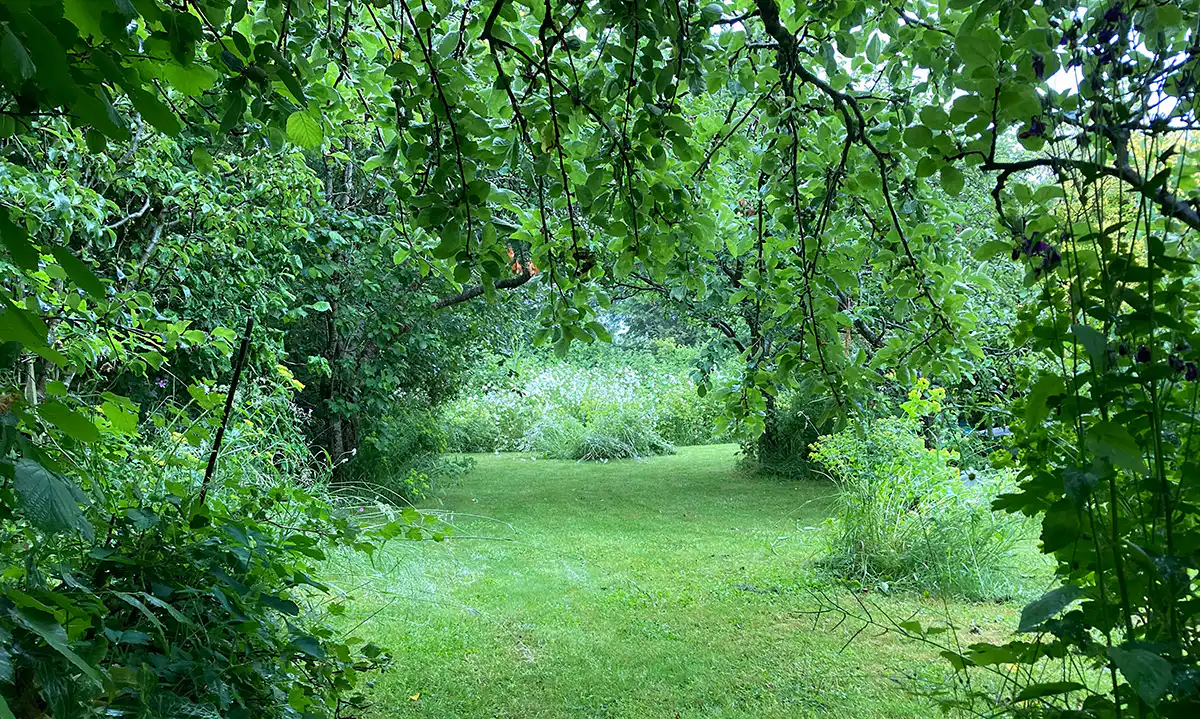
There is something magical about walking in woodland, surrounded by the earthy smell of leaves and soil, shrouded in a canopy of green, serenaded by the uplifting chatter of birdsong. I find it is the perfect way to clear my head. Spending time around trees has tremendous benefits for our mental health; restoring our connection with nature, allowing us to slow down, breathe and take in the forest sounds of wildlife, leaves crunching, twigs cracking and the breeze in branches.
Whether you have a patio, balcony or large country garden, there are plenty of ways you can introduce a woodland feel to your plot at home. With some carefully selected plants and trees, you can turn your garden into a green oasis for forest bathing and observing local wildlife. Even if you do not have a garden, you can plant up woodland-themed pots or create your own mini wood in a terrarium.
Plant fabulous foliage
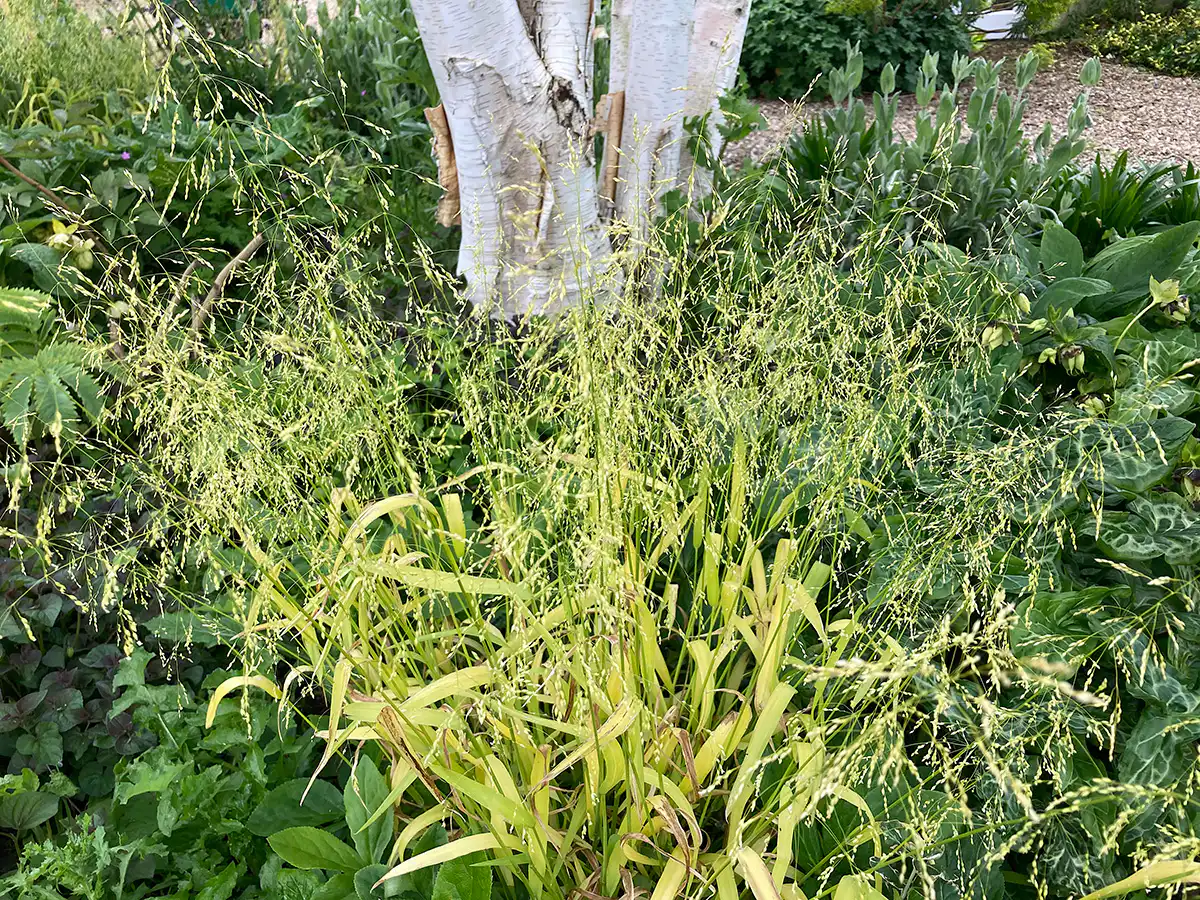
Swathes of leafy blades and fronds form the foundation of a woodland garden. I like to plant large-leafed hostas alongside narrow-leafed grasses and sedges like carex and Japanese forest grass for contrast through shape, colour and texture with a combination of evergreen and deciduous plants for all-year-round interest.
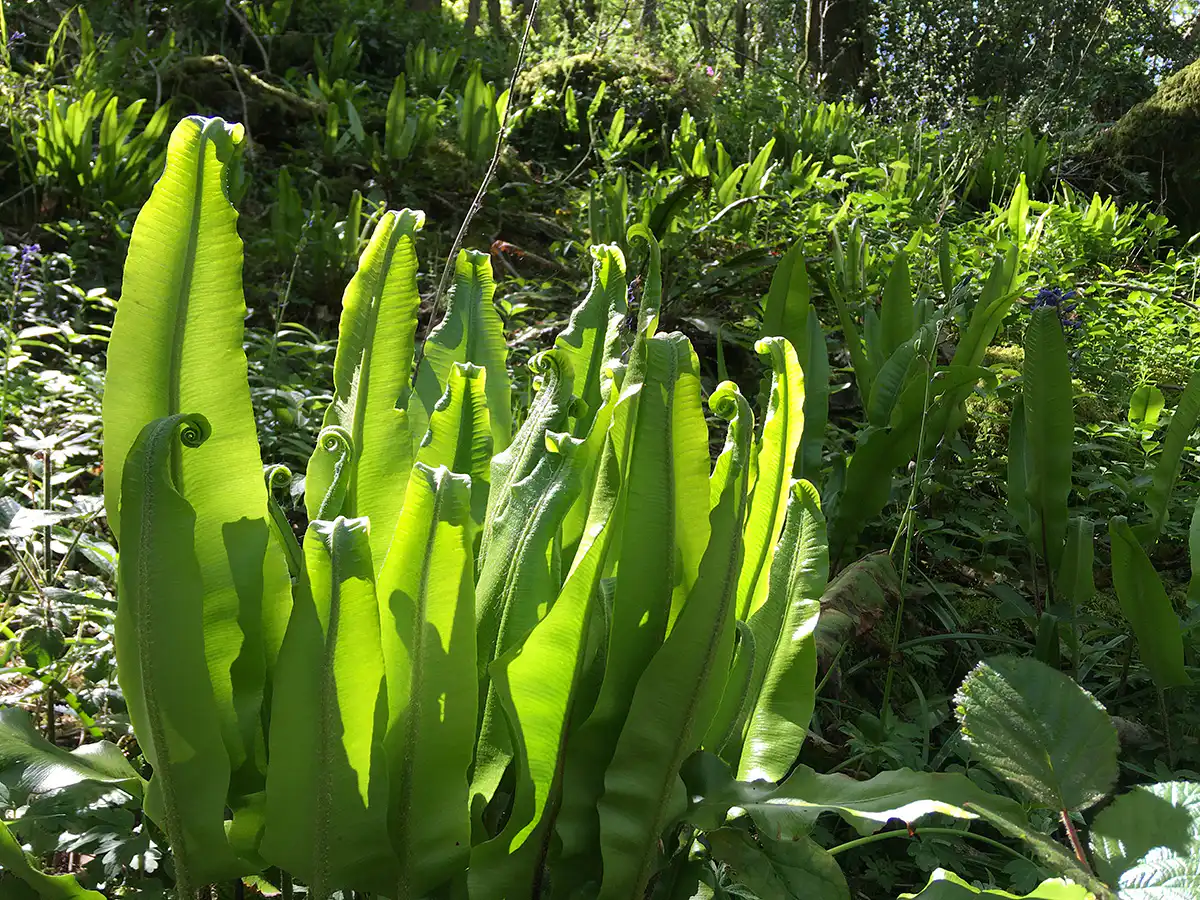
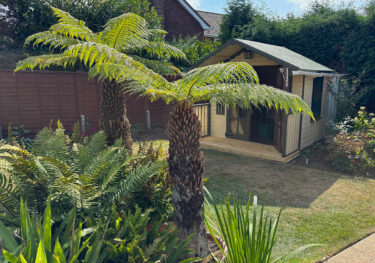
I am a big fan of ferns; they are a woodland staple. Plant evergreens like hart’s-tongue (Asplenium scolopendrium), Japanese tassel fern (Polystichum polyblepharum), hard fern, (Blechnum spicant), deciduous ferns such as alpine wood fern (Dryopteris wallichiana), and male fern (Dryopteris filix-mas). If planting around a pond or in boggy areas, try ‘Royal Fern’ (Osmunda regalis) and shuttlecock fern (Matteuccia struthiopteris). Mix it all up with the exquisite coloured fronds from Japanese painted fern (Athyrium niponicum), a personal favourite.
Plant woodland bulbs
Lots of bulbous plants thrive under trees, where dappled shade and light seep through branch boughs, offering protection from harsh weather, creating a microclimate.
I look forward to the dainty bell-like blooms of snowdrops bowing their heads like graceful swans. These demure flowers light up the dimmest of days, paving the way for spring, sprinkling gardens with hope. Snowdrops are shortly followed by wild daffodils, English bluebells, cyclamen, winter aconites, chionodoxa and camassia. Plant a succession of bulbs to ensure you have plants blooming for months.
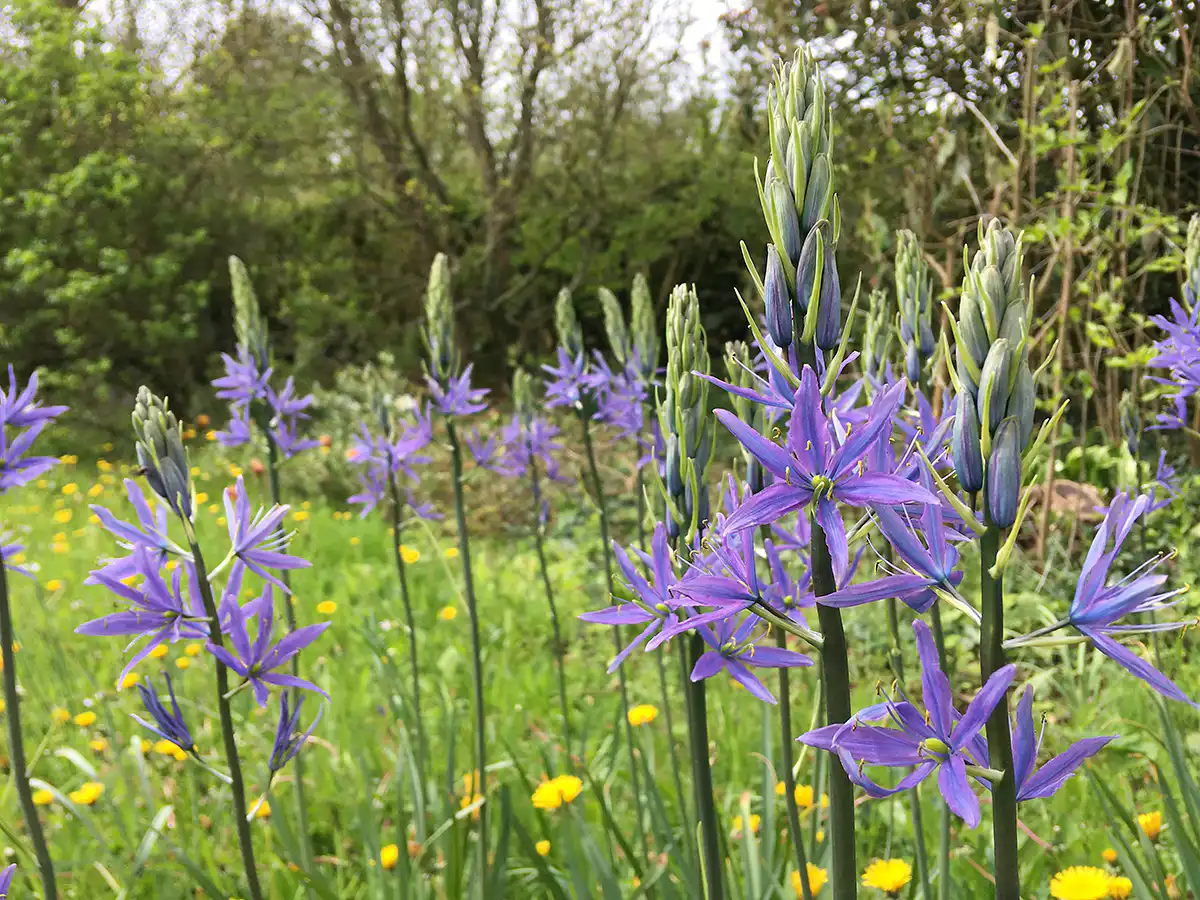
Don’t be too tidy; allow bulbs to naturalise and spread, and let plants grow where conditions are right for them or pot up in pots.
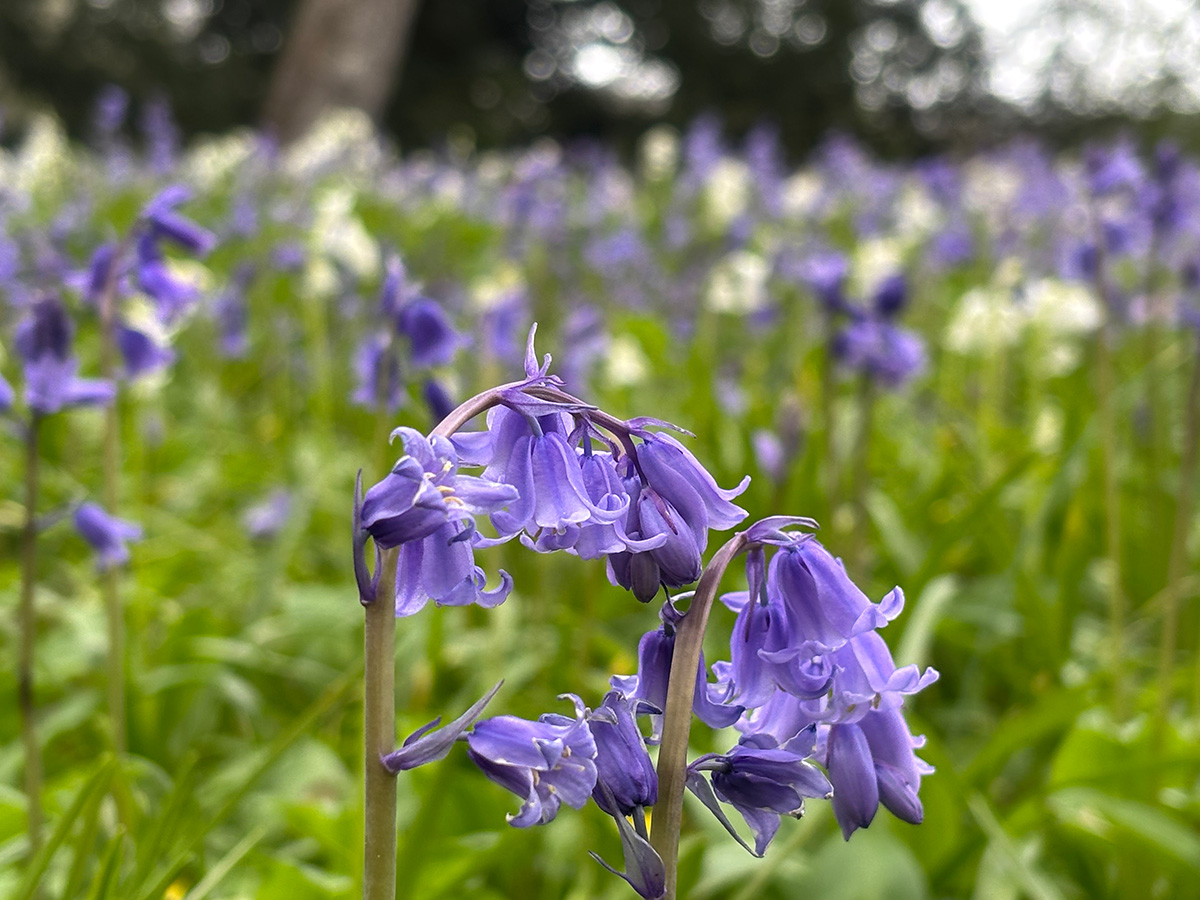
Our common bluebell (Hyacinthoides non-scripta), is one of the UK’s most cherished, iconic wild flowers to grace ancient woodland. Its breathtaking blue hues sweep across woody areas in vast swathes, emitting a sweet scent that epitomises spring. These violet-blue flowers are tremendously beneficial to wildlife, from bees and butterflies to hoverflies, which crave their nectar.
Avoid growing the vigorous Spanish bluebell, (Hyacinthoides hispanica), which is larger and lighter in colour, standing upright without the desirable, dainty droop of English bluebells. Classified as invasive, Spanish bluebells can cross-pollinate to create a hybrid, which threatens the native species’ survival.
Plant woodland flowers
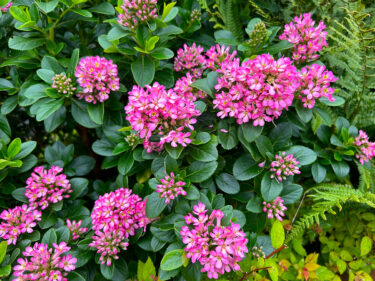
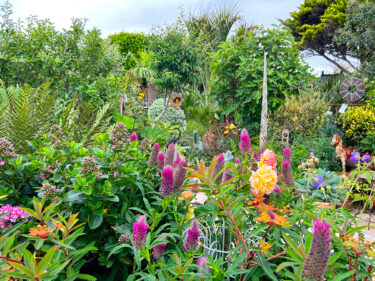
Foxgloves, primrose, wild garlic, wood anemone, brunnera, pulmonaria, vinca and cow parsley all thrive under the dappled canopy of trees, emitting months of colour, whether low to the ground or as tall, erect spires. There are many different types of shade and soil types, so research your plot before planting. There will be a plant to suit any garden conditions, from dry to damp, acid to alkaline, dappled to full shade.
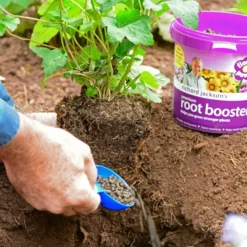
Prep the ground. Select the growing area, then weed. Add some moist, nutritious leaf mould or compost and get planting.
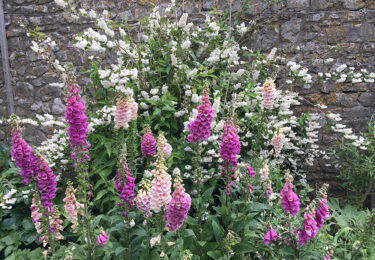
Foxgloves epitomise English country gardens, conjuring up thoughts of warm summer days, afternoon tea and the sound of plump bumblebees buzzing from flower to flower, gleefully gorging on nature’s banquet.
The UK’s native foxgloves are often pink and purple in the wild, but many colourful cultivars have been developed to suit every garden border scheme, from white, apricot, yellow to two-tone; their spotted tubular flower heads guide bumblebees in the same way as an aeroplane runway.
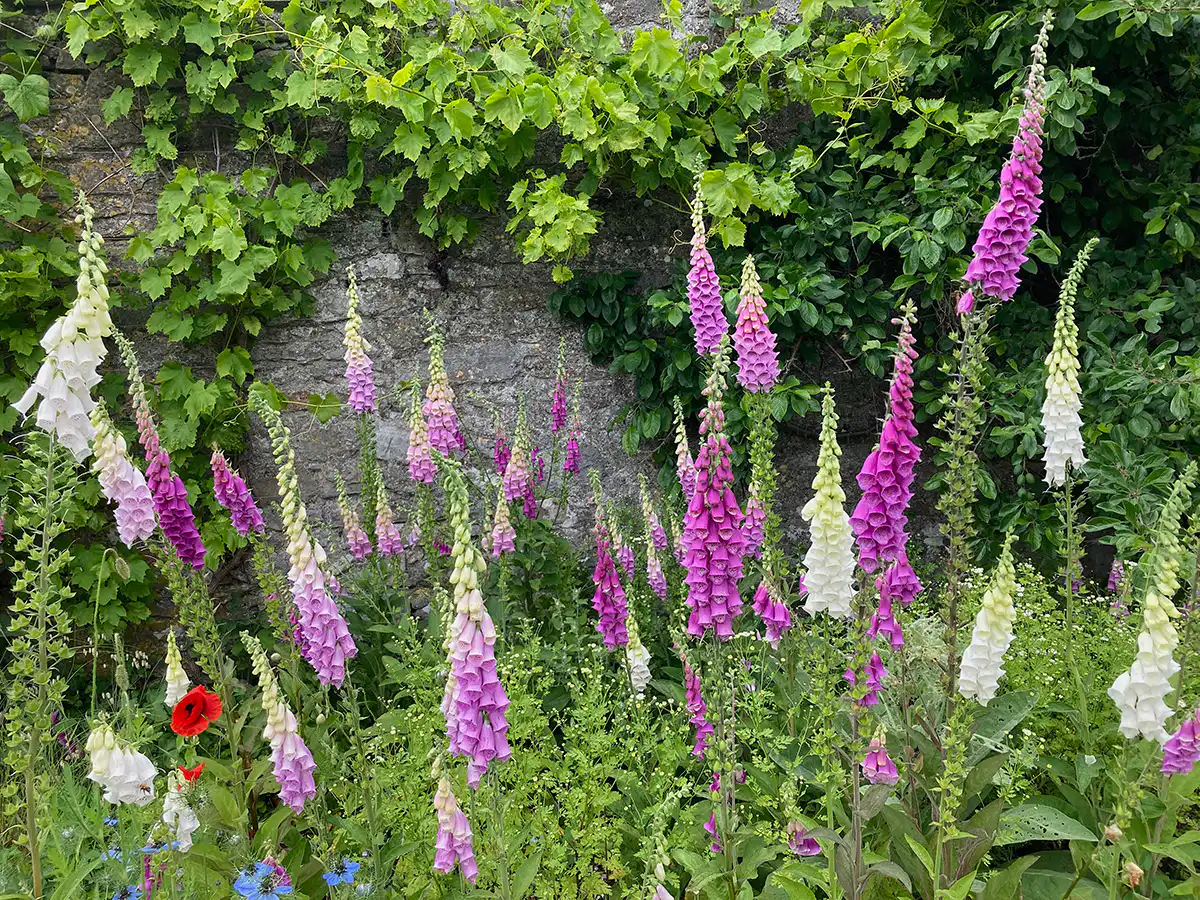
Many new hybrids are sterile, but native foxgloves are quick to self-seed. There are around 25 species in the digitalis genus. A few of my favourites include the common foxglove (Digitalis purpurea), Digitalis parviflora ‘Milk Chocolate’, Rusty foxglove (Digitalis ferruginea), the tall yellow perennial Digitalis grandiflora and small primrose-yellow herbaceous perennial Digitalis lutea.
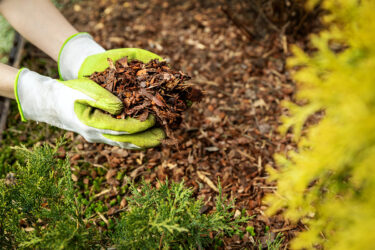
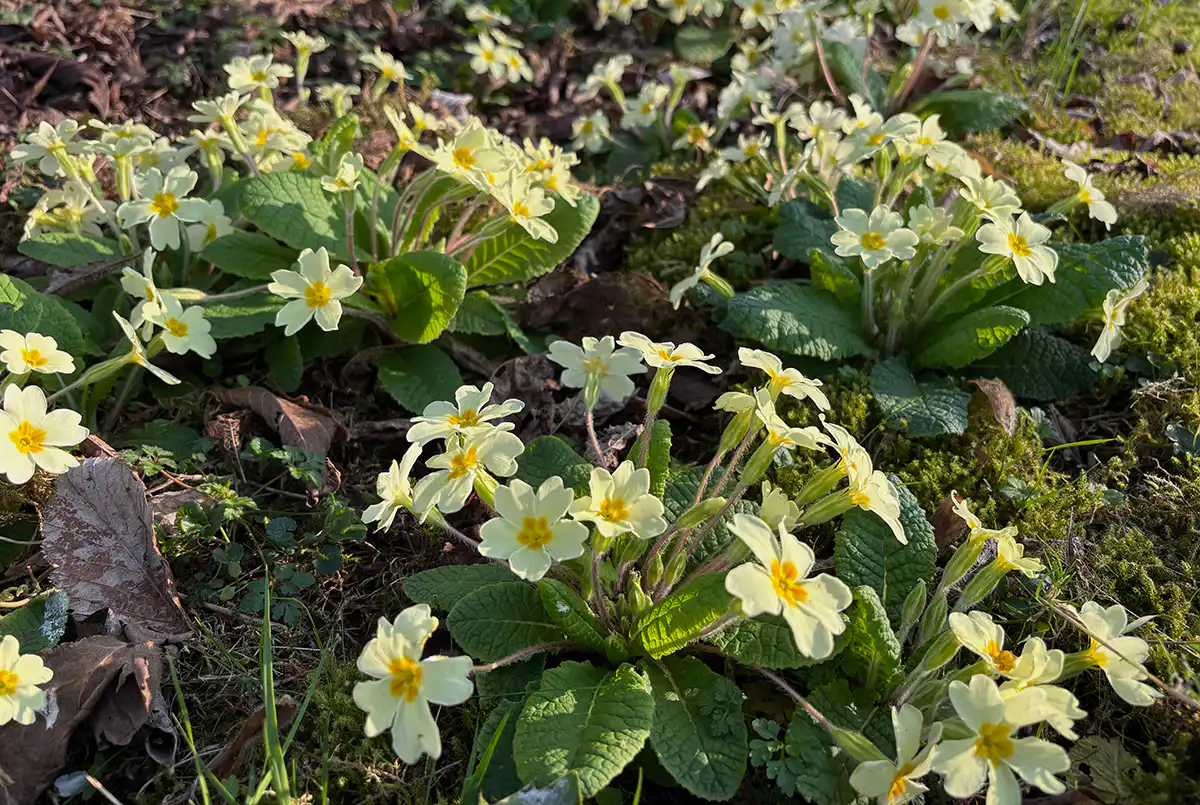
Primula vulgaris, better known as the common primrose, is a beautiful early-flowering spring flower in the Primulaceae family. This iconic British wildflower is naturally found under hedgerows and around verges and woodland, bringing hope to the emerging season. Favouring partial shade and moist, slightly acidic soil, they naturalise easily in swathes. Add a layer of mulch to help retain moisture. Once established, primroses need little attention, just plant and leave them to grow; simply snip off dead flowers and leaves and enjoy their blooms for weeks. As long as conditions are not too hot or dry, they will thrive.
Plant a tree or two
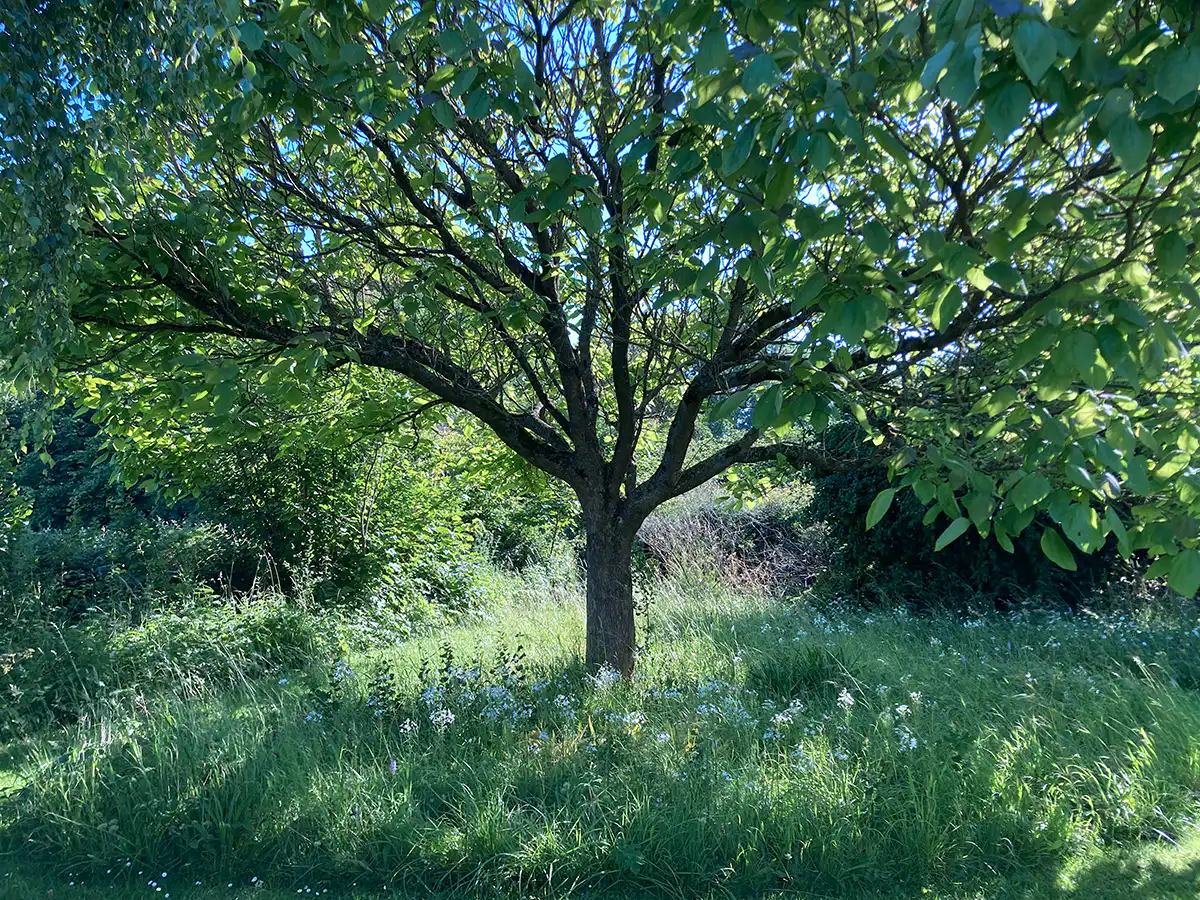
If you have space, plant a tree or plant two or three! Trees provide shade, improve air quality, reduce soil erosion and offer habitat for hundreds of insects, mammals and birds.
Trees emit wood essential oils called ‘phytocides’ that lower cortisol levels, our stress hormones and naturally enhance our moods; so that is why you always feel better after spending time around trees. Green is the easiest colour for our eyes to see, so our bodies relax in green spaces as our brains do not have to work so hard. Plant some trees in your garden and forest bathe.
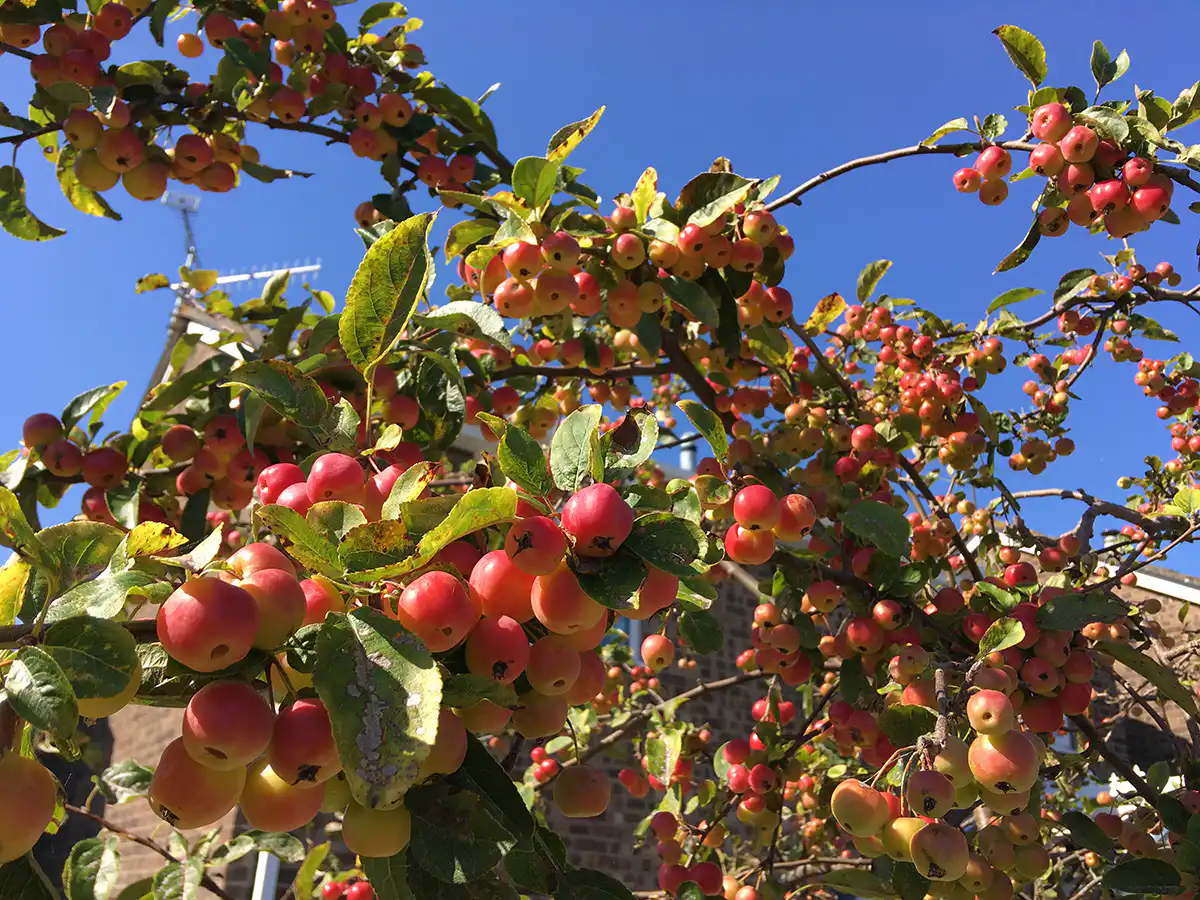
Choose trees that suit the size of your garden. Crab apple, silver birch, hazel, rowan and amelchancier all give all-year-round interest with flowers, berries, fruits and foliage and are well-suited for small gardens, and many fruit trees grow well in large pots. These trees have light canopies, so they add height and structure without smothering the plants underneath, but if space isn’t an issue and you have a large plot, then consider planting lime, beech or oak.
We have a large silver birch in our garden whose trunk is adorned in ivy, and over the years, it has become one of the most important elements in our garden. This combination provides a home to our resident wood pigeons and ring-collared doves, as well as ivy bees and small wild birds. I call the birch our avatar tree, as in the film, I like to think of this tree as a tree of souls that allows us to ‘see’ nature and connect.
Make a stumpery
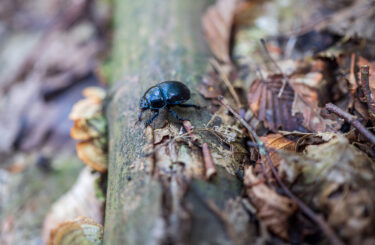
Stumperies are a great way to create shelter for insects and an environment for lichen, moss and ferns to grow. If you have an old stump or fallen tree, transform it into a biodiverse architectural garden feature. Dead wood provides microhabitat for solitary bees, woodlice, spiders and beetles as well as nurturing a natural food source for birds, bats, toads, and hedgehogs. Our front garden had the stump of a dead cherry tree poking out of the lawn for years; it was a big job, but after a lot of digging, the stump was removed from the earth to reveal a large, sculptural shape that was far too interesting to discard.
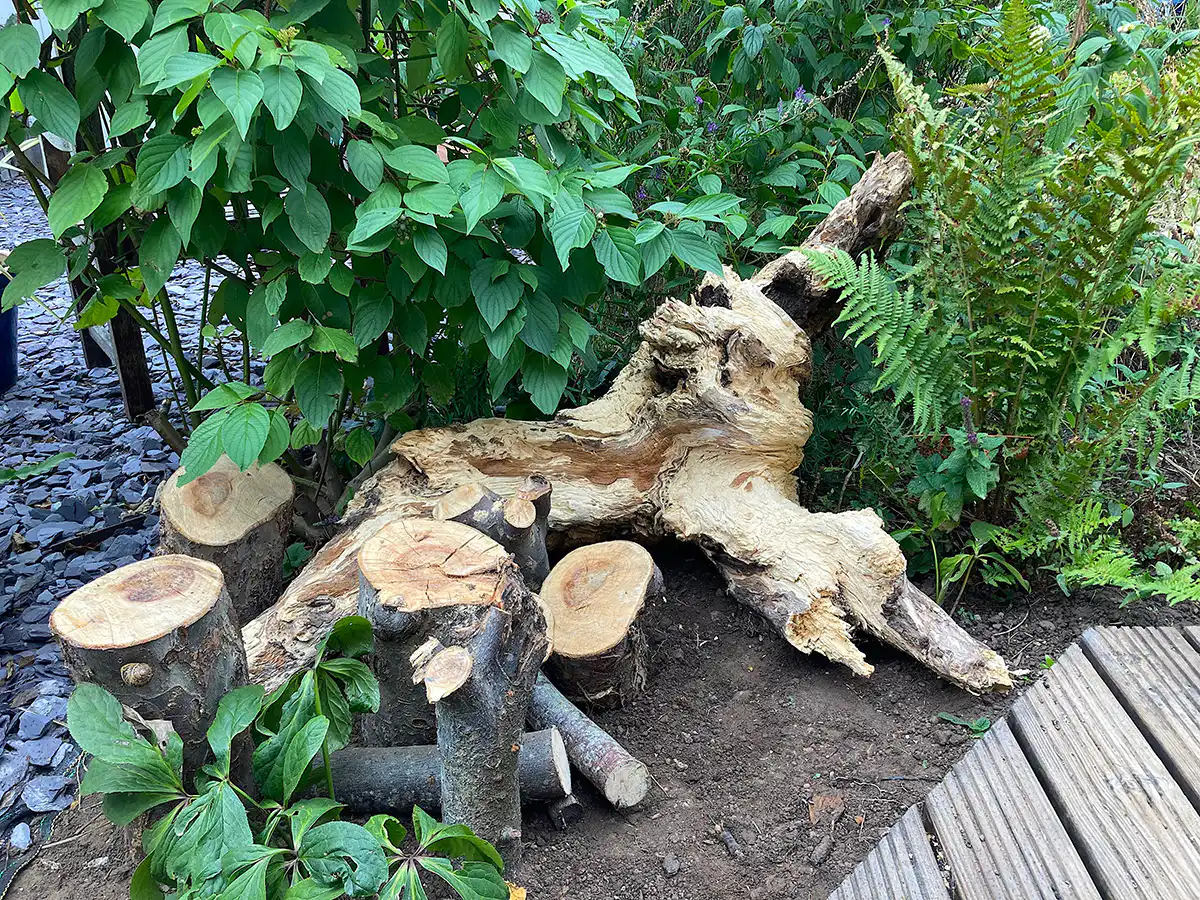
A hole was dug in the back garden to host the stump in the middle of our woodland border. It was positioned, then firmed in the ground and backfilled with soil to secure. We then planted ferns, hostas and hellebores around the stump to blend it into the garden for an authentic woodland feel.
Don’t worry if you do not have space for a stumpery; simply pile up logs and fallen or pruned branches, and this will provide excellent habitat for wildlife.
A place to sit and ponder
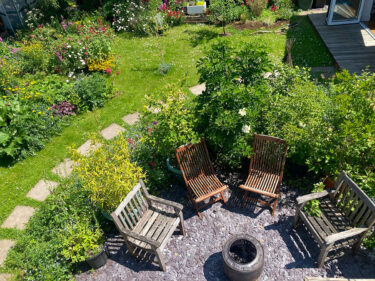
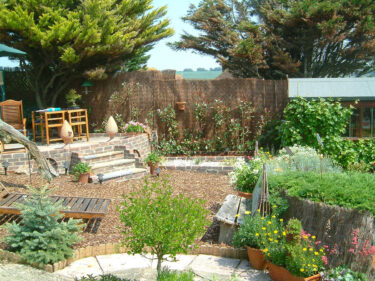
Complete your woodland retreat by adding a seating area nestled in the greenery. Take time to enjoy your surroundings. Sit, look, listen and relax.