As Christmas approaches, it can be easy to get swamped in tinsel and plastic, but this does not need to be the case; here are some easy ideas to decorate your home naturally for a more sustainable Christmas using plants from your garden. You can cut down on costs while helping to reduce landfill waste and boost your mood by bringing your garden inside.
Festive-forest table decoration
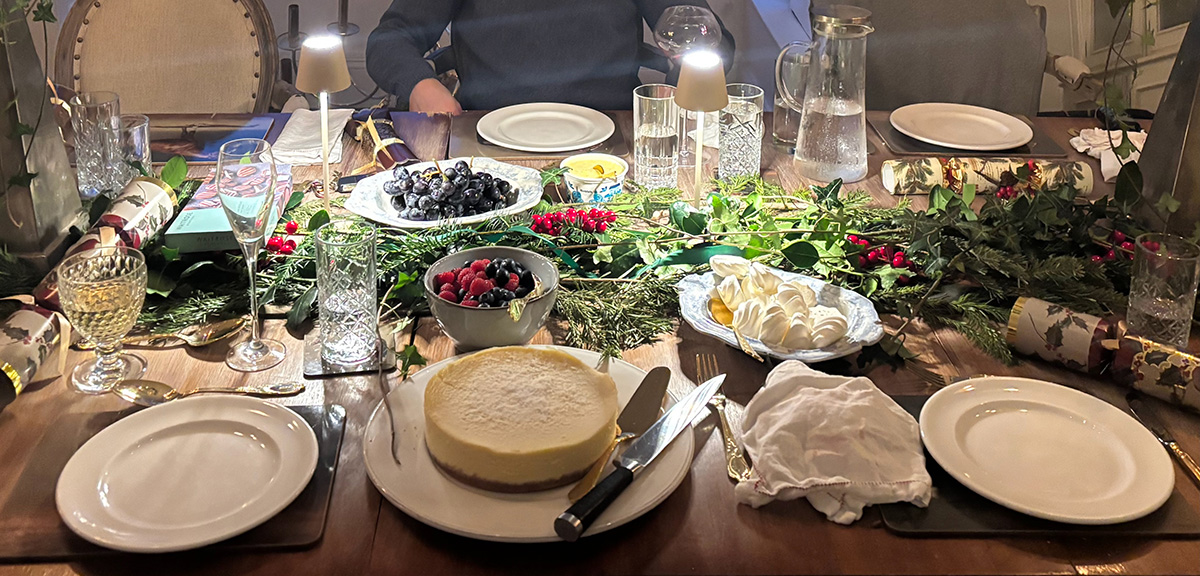
Christmas is a time for many families to come together and celebrate. This year, why not turn your dining table into an enchanting festive-forest. At a family gathering last Boxing Day the table was adorned with beautiful natural decorations foraged from the garden to create a table runner. Graceful long conifer stems divided the table centre, creating a forest feel contrasting against the razzmatazz of the table paraphernalia; reminding us to stay grounded in nature.
Have a forage around your garden for evergreen stems and drape them across the centre of your table. Select stems of berry-laden holly, ivy, conifer and sprigs of rosemary; not only will this look good but it will smell divine too. Finish off by adding some focal points along the runner like pine cones, twigs of larch and seed heads to complete the authentic, natural ambience.
Bright spark
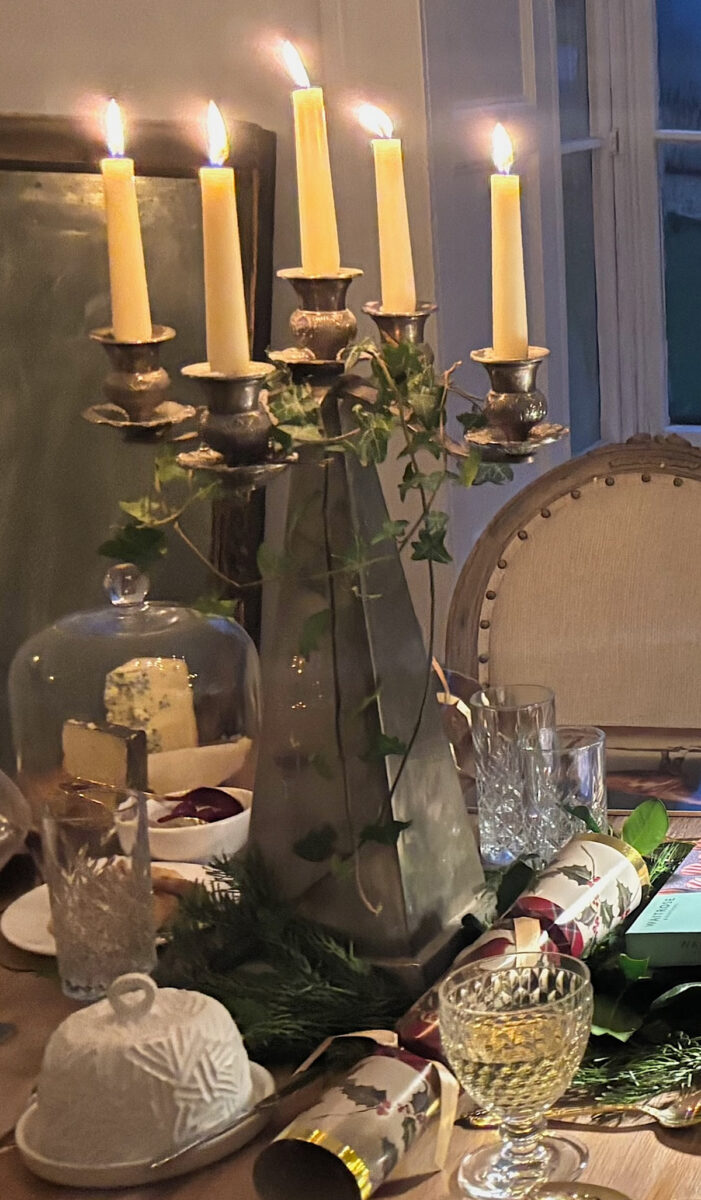
Candles and candlelight often go hand in hand with Christmas, representing hope, peace, love and joy, so why not create an illuminating display by draping a candlestick in garden foliage. Flexible, evergreen ivy vines will effortlessly entwine around your candle holder; usually growing in abundance you should not be short of material. Long stems of eucalyptus also offer attractive hues and scent.
If your lawn is more moss than fescue why not dig up a little moss and use this as a base to insert garden finds into like acorns, cypress seed pods, poppy and phlomis seed heads. If you are struggling to find material in your own garden then why not go on a nature walk.
I like nothing better than walking through woodland at the weekend and have been fascinated to discover this year was a mast year, where trees have produced an unusually large amount of nuts and seeds. This year the woodland floor has been covered in a carpet of not only leaves but thousands of fallen crunchy crops. Mast years happen every 3-5 years and the upside for us this year is that there is an excessive amount of natural material available.
When dressing your candle-creation just make sure none of the foliage dangles too close to a naked flame so it is not in danger of catching fire; if in doubt wrap foliage around the base of the candlestick. Never leave a burning candle unattended.
Keep it real
Christmas would not be Christmas without a tree and the woody aroma of needles to add a touch of authenticity and nostalgia, to the festivities. But trees can be expensive, so save money by cutting a fir, spruce or pine tree from your own garden but without digging up the entire tree.
For a few years I have been pruning the lowest branch from a Fraser Fir and placing it in a bucket of water; it can be surprising how large one branch can be once you get it indoors. In water the needles stay fresh for a few weeks, and will easily look lovely for the Christmas holidays.
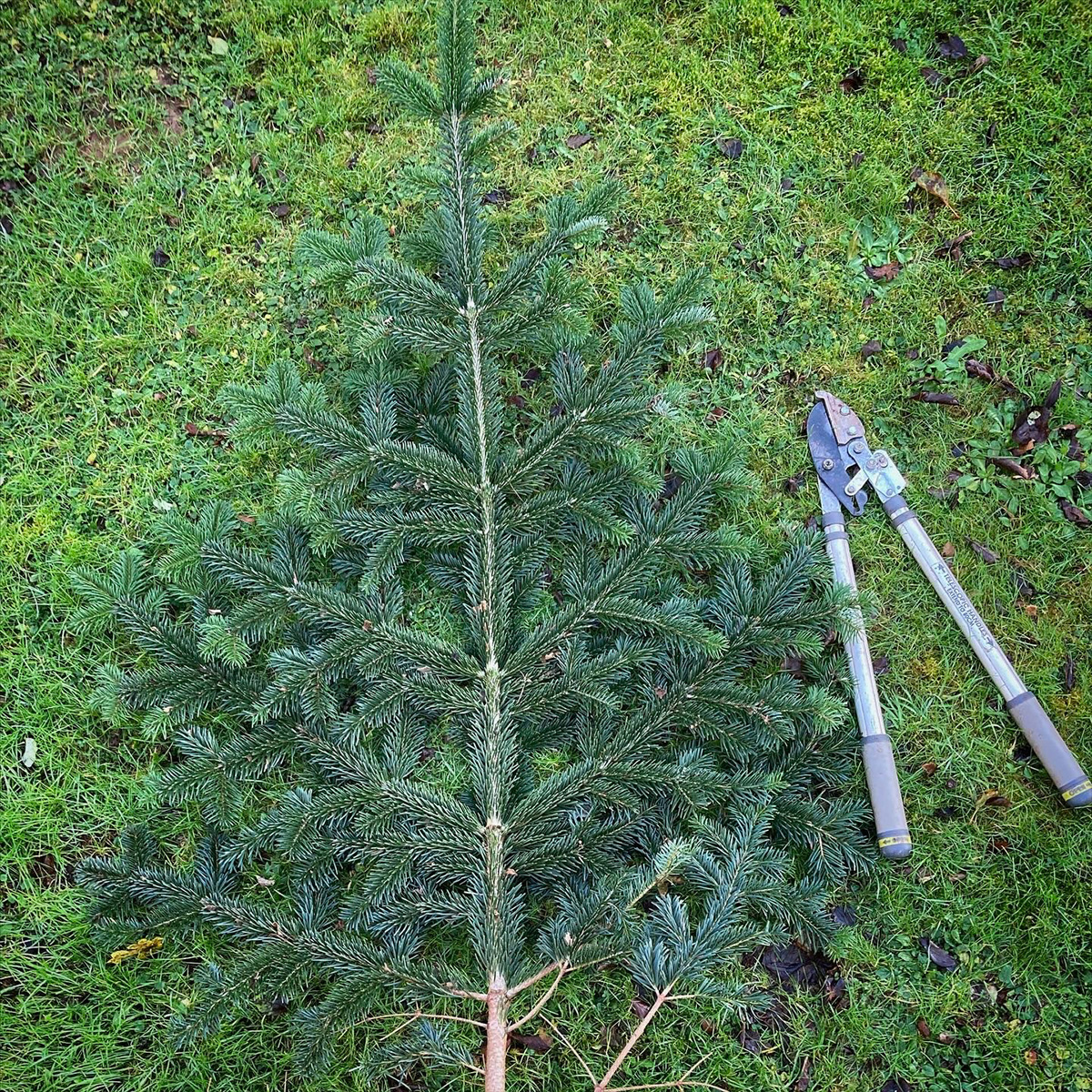
I always find it sad how many trees are grown and cut down to service Christmas, only to be discarded to the compost heap at the end of festivities a few weeks later like a broken toy. By simply removing one tree branch you get to have a real tree and get to keep your beautiful tree for the rest of the year… ready to give you another needle ladened branch next year. This is a super sustainable way to reduce waste and cost.
Adorn the branch with fairy lights and your favourite decs and you have transformed one branch into a completely free Christmas tree.
Wonder wall
With less time spent in the garden over winter you can satisfy that green itch by bringing the garden inside; create a winter wonder wall. We had a large blank wall in our lounge that was crying out for a bold planty statement.
You may already have shelving that you can adorn with your houseplant collection but if not why not give your living space a lift, rack it up and go green. It’s rather handy my husband makes light work of projects that would have me flummoxed, so he covered the wall with shelving and then I’ve had the pleasure of dressing those shelves with a jungle of houseplants. The overall effect is a living wall of calming greenery.
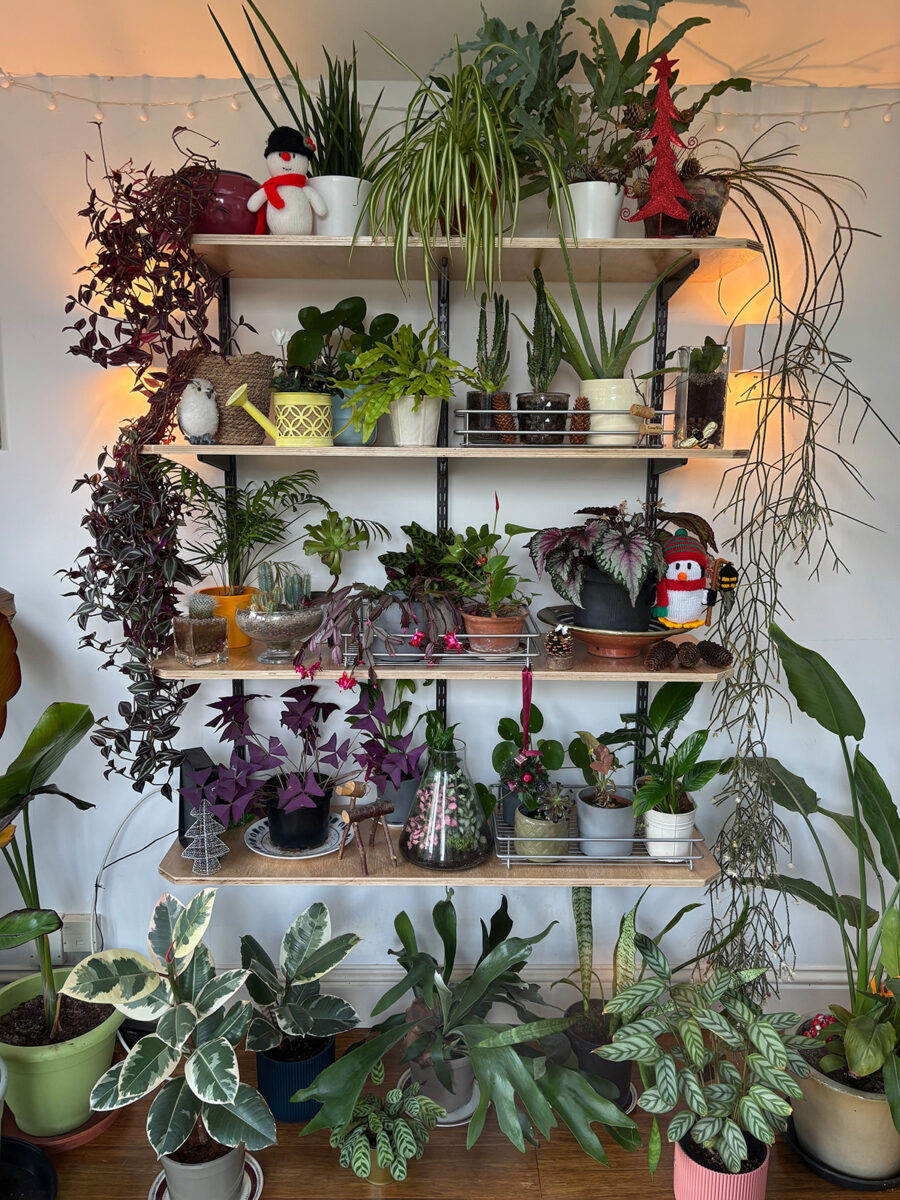
It has made a big difference having a communal hub for my houseplants; not only do they look striking rather than pots individually dotted around the house, but grouping plants together helps raise the humidity which many houseplants prefer. Push the Christmas vibe with festive potted plants like Christmas cactus (schlumbergera), poinsettia, African violets, Cape primroses (streptocarpus), cyclamen and stunning foliage for maximum impact.
Make a wreath
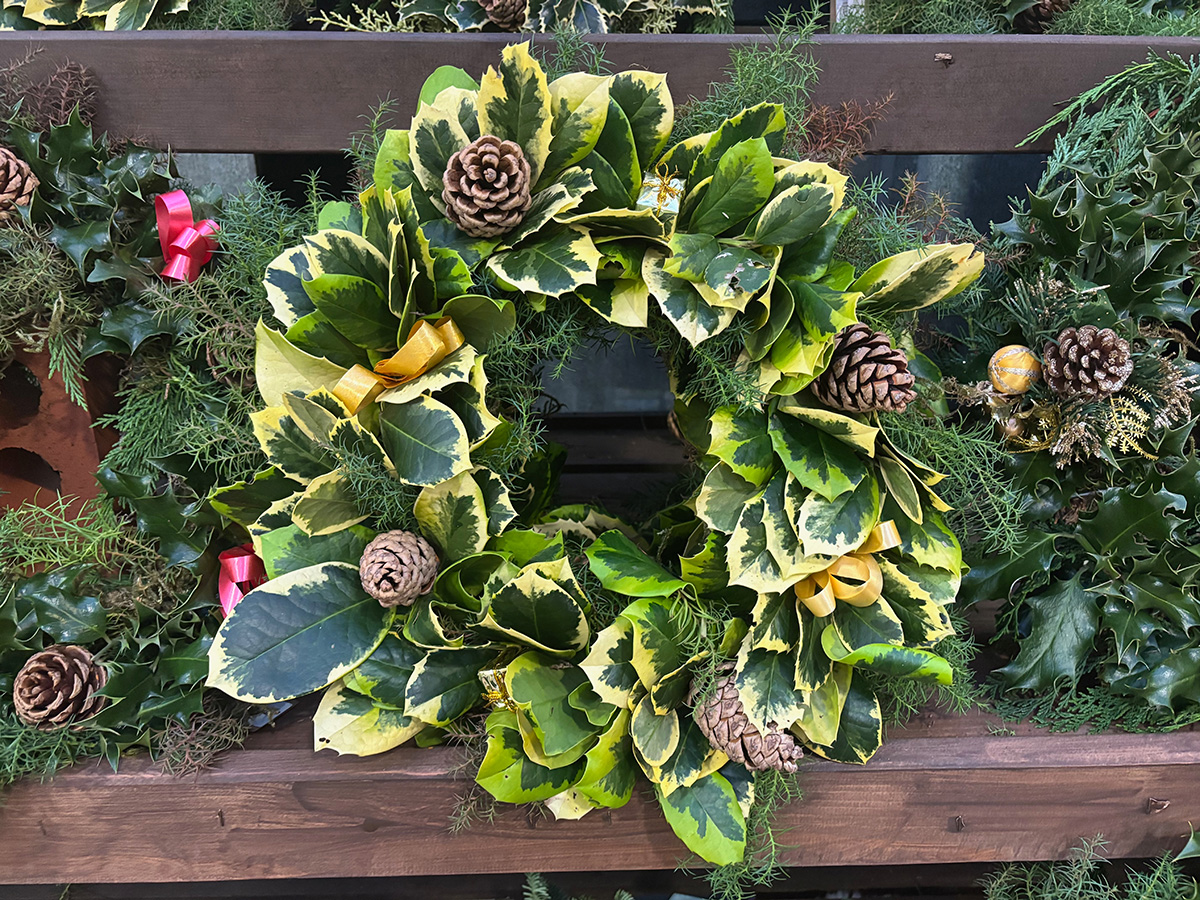
Let your creative juices flow and make your very own garden foliage foraged wreath. A Christmas wreath is such a welcoming addition to a home and I always take time to make one each year. Wreaths are steeped in symbolism; traditionally the circular ring of evergreen branches represents eternal life, love and hope; inviting good luck and prosperity to our homes.
When it comes to making your own, the possibilities are endless; tailor your design to what materials you have available. If you are a bit short of colourful evergreen stems perhaps a friendly neighbour might oblige!
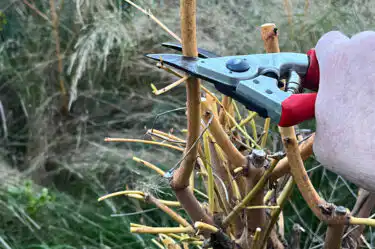
Cut about six lengths of dogwood, willow or silver birch and bend the stems into a hoop, wrapping the thin ends round and round the ring to fasten them off. A good tip is to start each cut stem, in a different place along the hoop to form a secure, strong, even circle.
Tidy up thick loose ends with a snip then get creative; forage evergreen foliage, berries and pine cones from the garden and thread them into your wreath to create your festive design. Keep building up the foliage until your wreath is densely packed. Thread eucalyptus, holly, ivy, griselinia and conifer stems through the hoop and then decorate with colourful pyracantha or holly berries, rose hips; poppy seed heads, larch cones and dried sea holly to add a touch of texture too.
Read Jean Vernon’s article on making a festive wreath.