An unexpected by-product of gardening has emerged over the years, its social aspect. When I first started my horticultural journey, I felt it was all about my own personal understanding and experience; I had no idea that gardening would have such a profound and positive influence on every aspect of my life through the people that I met.
Down the allotment
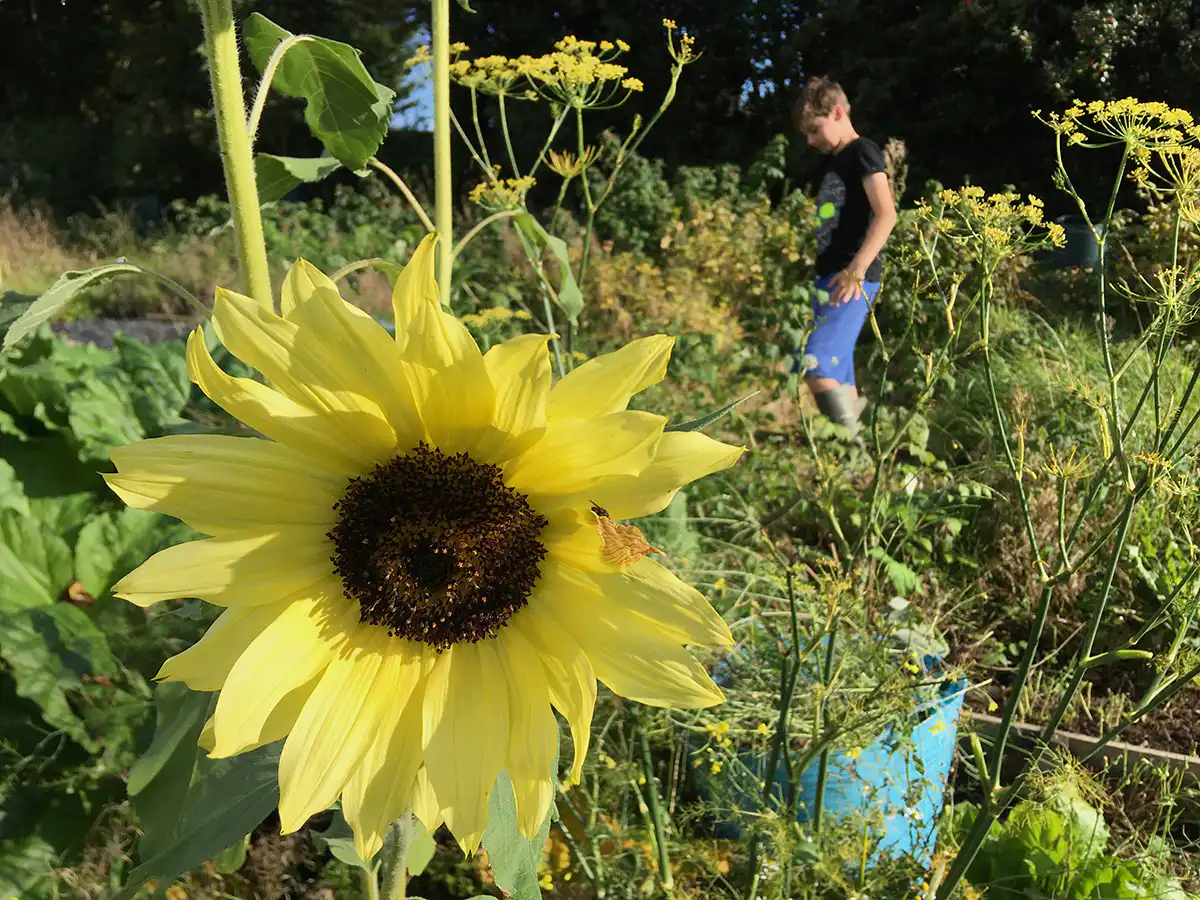
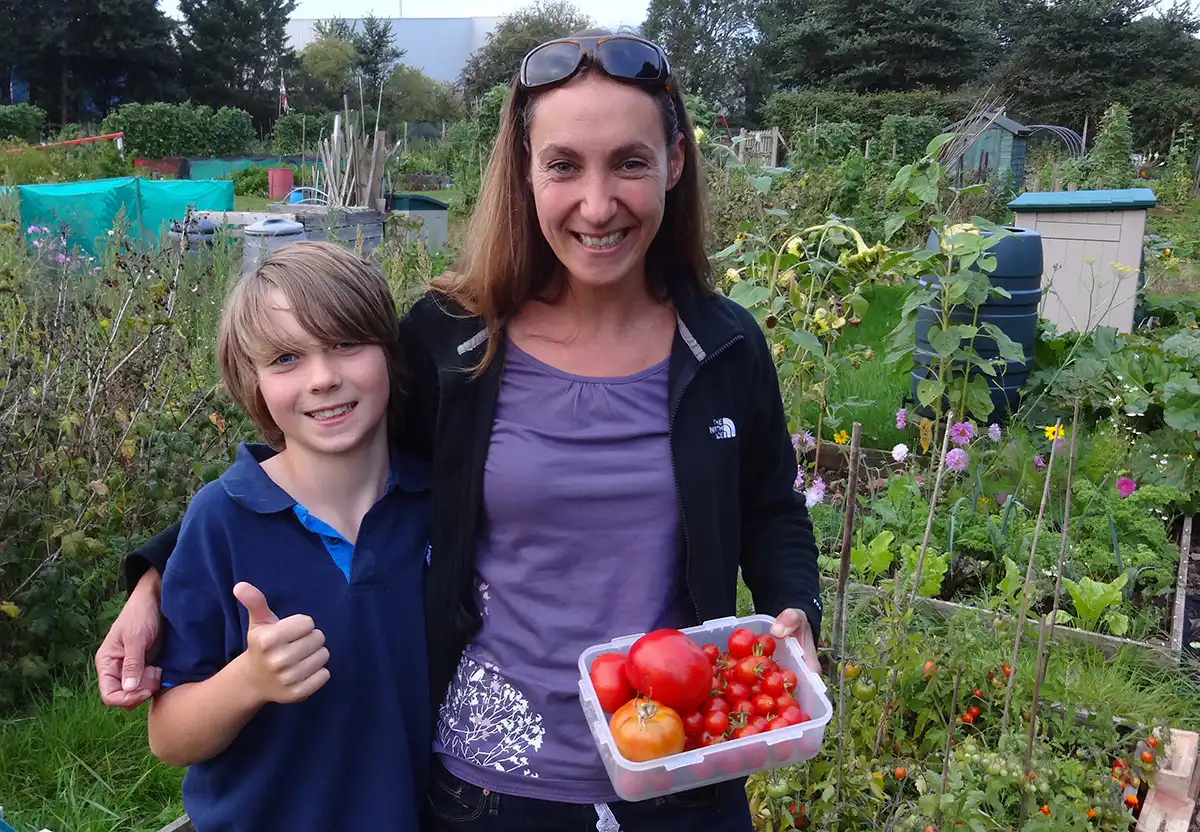
When my son was a toddler, I put my name on the council allotment list. I’d been warned it was a long wait, so I put that idea to bed until one October day, out-of-the-blue I received an official letter announcing a plot was available should I still wish to take it. I jumped at the chance; this proved to be life-changing.
I eagerly visited the allocated site and was unsurprisingly met with chaos; a mass of bindweed, brambles and out-of-control fruit bushes awaited. It had obviously been loved at some point, but fallen into decline. This plot became my sanctuary for the next few years.
The main difference between having an allotment and growing vegetables at home was the social aspect of visits; I always had to factor in chat time. Allotments are not just places to blast to in a bubble, ignoring all folk in the vicinity, then get out asap, they are hubs for friendship. They may perhaps even be some people’s only chance of social contact for the day.
Having an allotment was so much more than just paying an annual fee; it was a lifestyle; it was about sharing a space with others who care about growing.
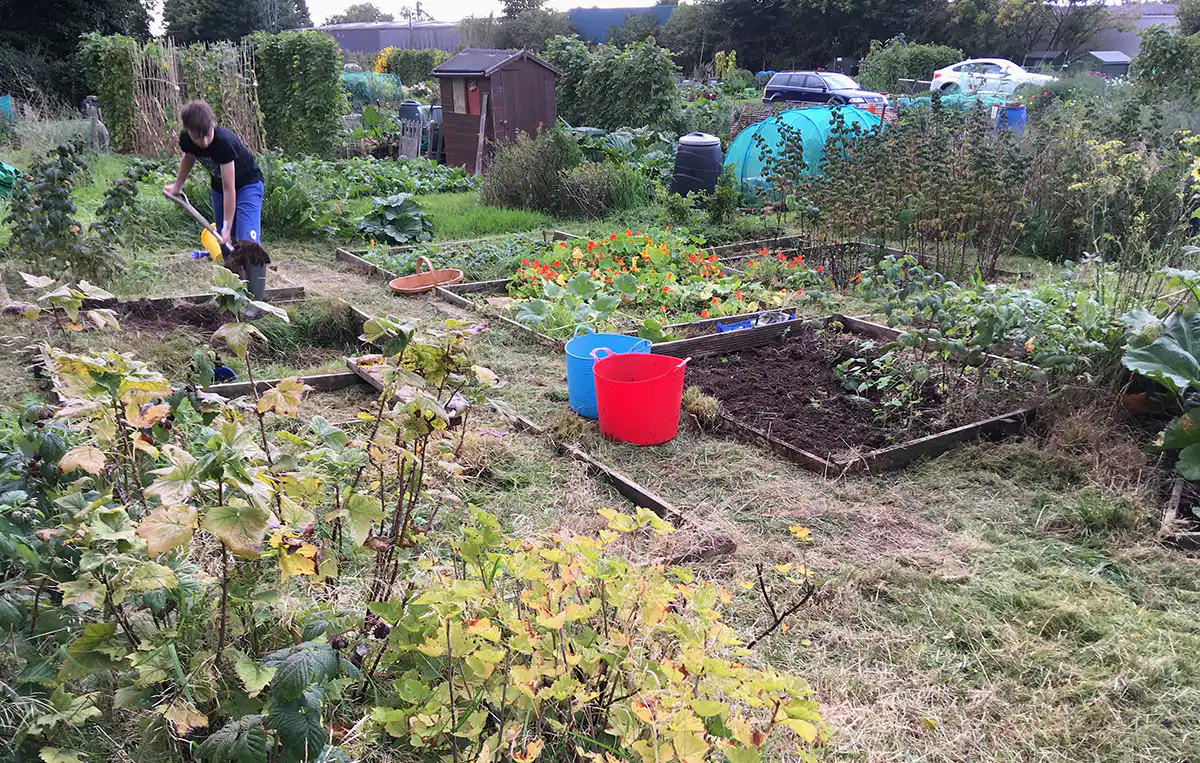
As the weeks progressed, my allotment companions grew as I was welcomed into this exclusive club. A trip to the allotment now included a jolly array of ‘hellos’ as I passed all the preceding plots on the way to my own. I never tired of seeing what people were growing, what flourished with gusto, and what ailed, and most of all, being part of the allotment scene was a wonderful lesson in sharing. Sharing gems of precious knowledge acquired over lifetimes of tilling the soil and, of course, gluts of overzealous crops; we were never without rhubarb or courgettes!
Local Talks
Local garden talks share a plethora of skills and knowledge, within a short drive from your door. But these talks need support; they can only continue if people attend them. For a few pounds you can listen to a vast range of topics, hosted by local specialists to national treasures surrounded by like-minded, friendly gardeners. Talks are a great social event.
Research online, search events on social media and keep your eyes peeled for posters on village hall notice boards. I have been to many local talks, some of which I only found out about whilst scanning noticeboards at local garden centres.
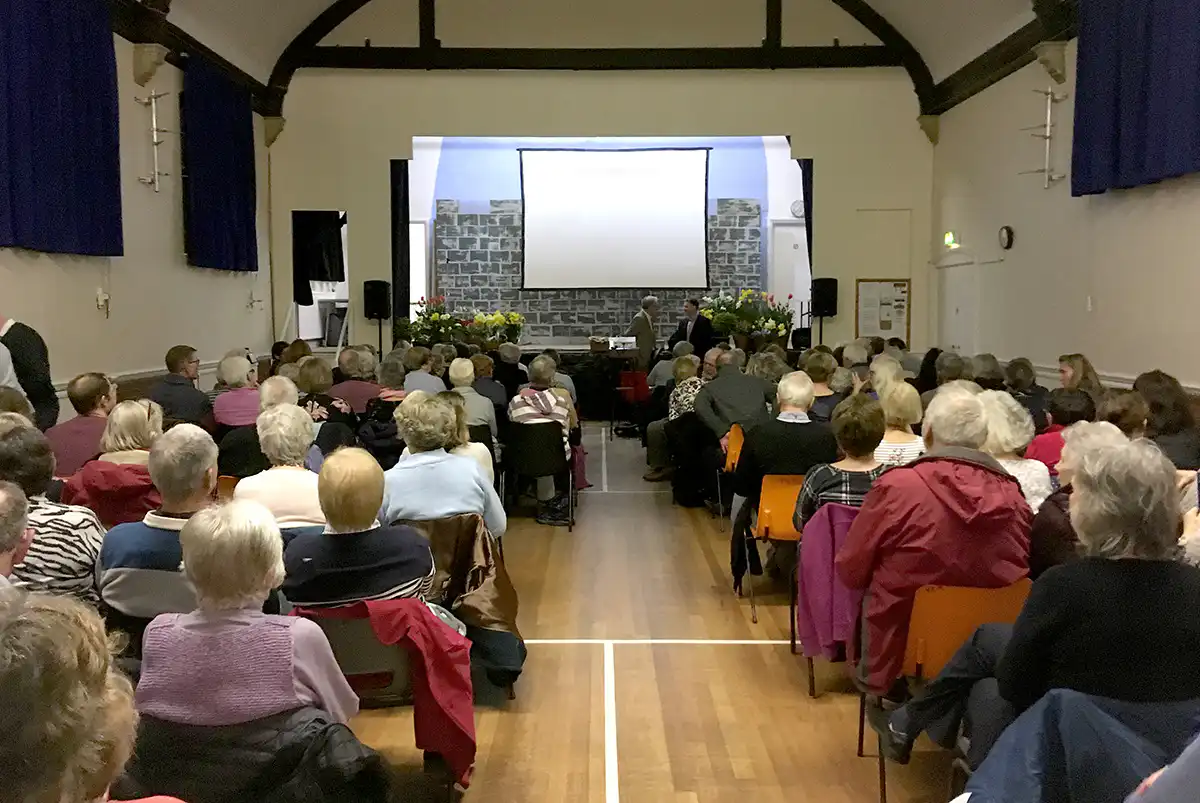
I will never forget, many years ago, our allotment association was holding a talk at the town’s Tithe Barn. There was a buzz at the allotment, posters adorned every flat space; a local celebrity was speaking that autumn. This was my first gardening talk since acquiring my allotment. The barn was bursting with attendees, and I was bursting with questions but too nervous to pipe up and ask!
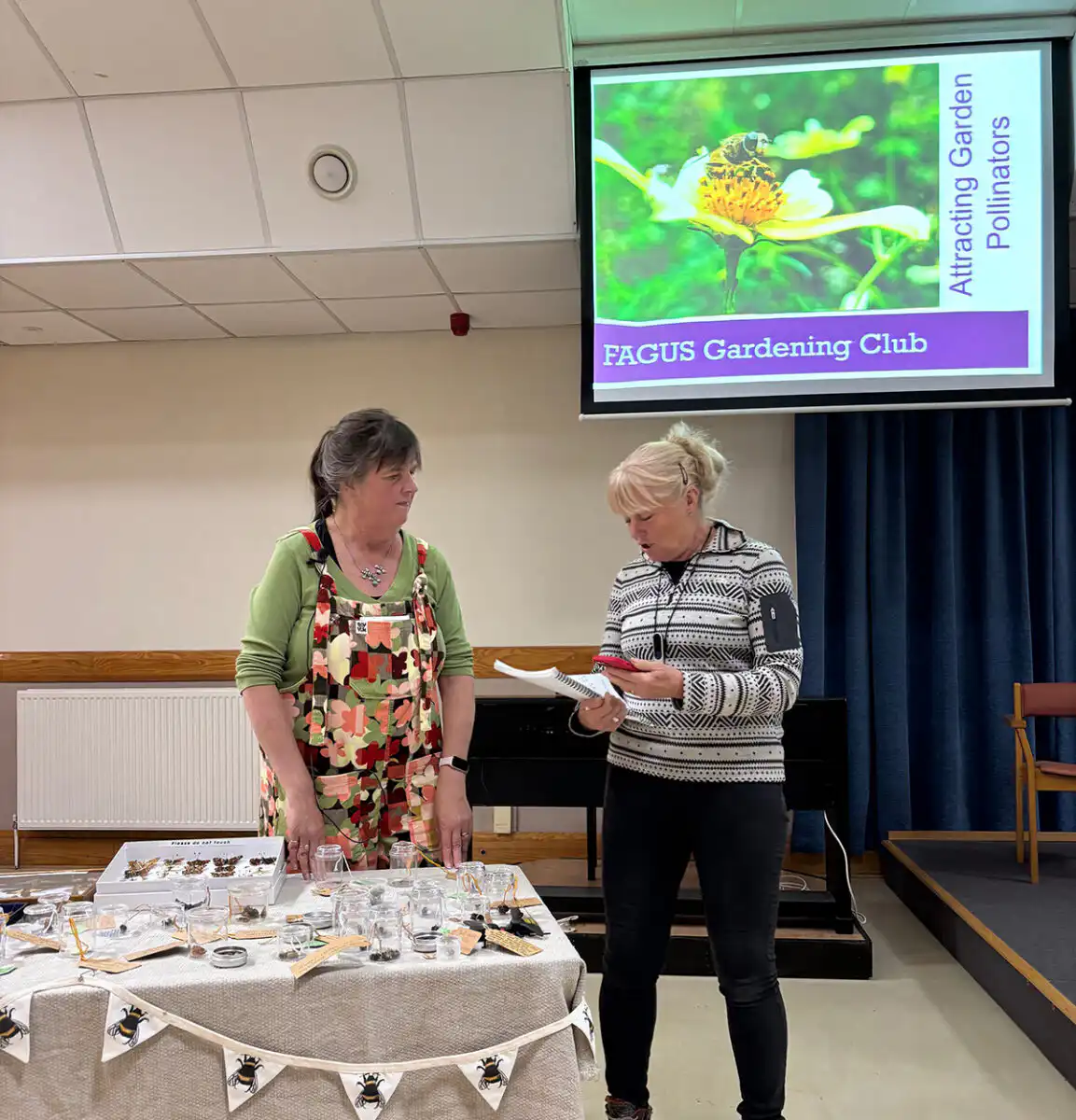
Many years later, the speaker became a good friend. I have the pleasure of her company and the privilege to pick her encyclopedic brain, but I always recall my nerves in the early days. What I have discovered is that gardening folk are a friendly bunch, and generally people are only too happy to share their knowledge, so my advice is always speak up! You never know where it may lead you.
Gardening Clubs
Gardening clubs can be the lifeblood of communities, from local allotment associations to well-known national organisations. They bring like-minded people together, but many gardening clubs are discovering their ageing members are dwindling, so if you are interested in plants and growing, sign up and join! Your club needs you.
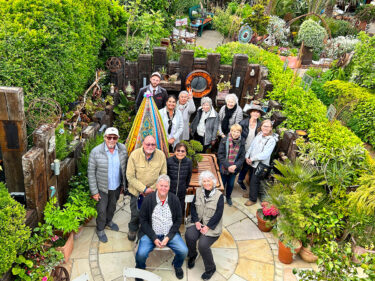
Gardening clubs are a wonderful way to make friends. I belong to a local, well-established club that has been running for over 40 years. Every month we come together to share stories, gossip, peruse the charity table or buy gardening gloves before we settle down to listen to this month’s speaker. In fact, sometimes we are all chatting so intently that we almost forget we have a speaker to listen to!
Everyone has busy lives, but it’s comforting to have this constant in the calendar to come together for monthly meetings and celebrate the joy of plants and friendship!
Seed Swaps and Plant Sales
Every year, I end up with a glut of unused seed packets from magazines and seeds I have collected from my garden. I hate waste, but I appear to be a bit of a hoarder! It is hard to relinquish seeds that hold the blueprint to new life, whether plants for pollinators or food. This is where seed swaps can solve a national problem.
Donate your surplus stash to a seed swap. Community groups, allotment associations, gardening clubs, and the WI periodically hold free events around the country where you can swap your seeds. Bristol holds a large annual event which also includes speakers and stalls. These social events celebrate the joy of growing and sharing.
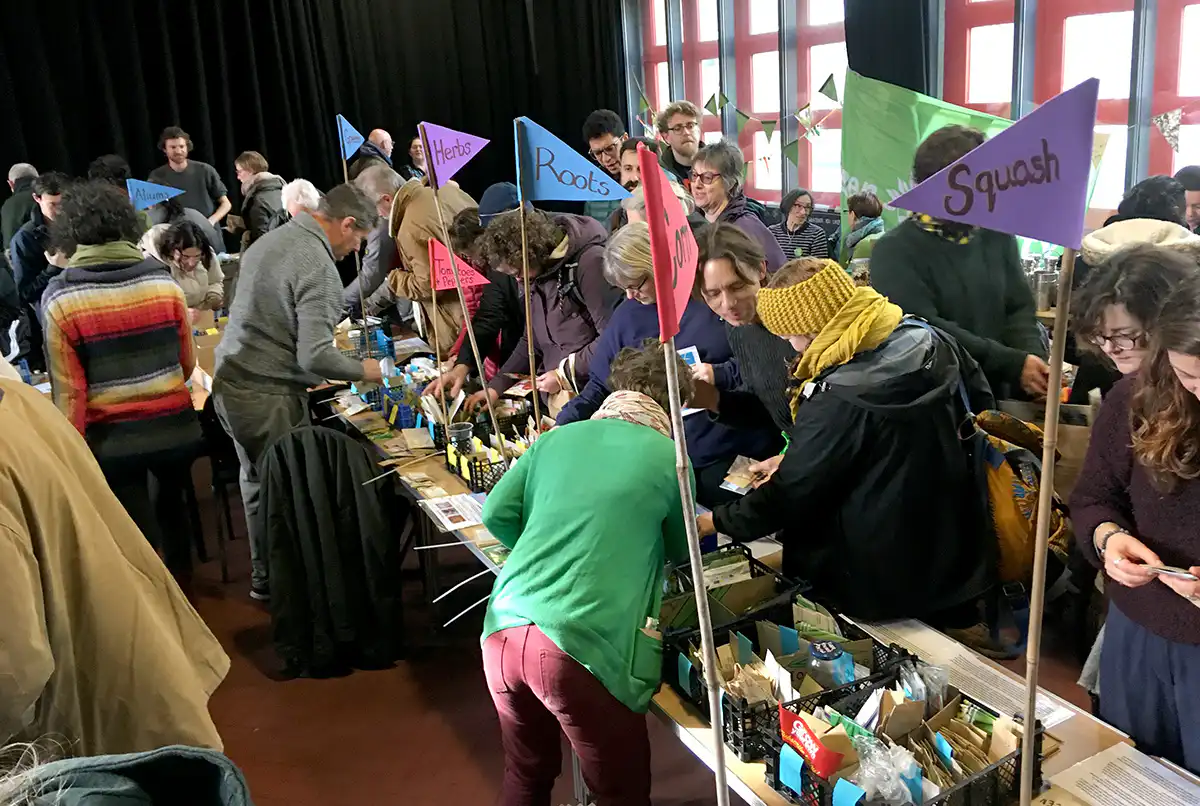
Look online to find out when and where a seed swap is in a location near you. Social media is also a good source of joining people together from all around the country; seed swaps can be found on Facebook, TikTok and Instagram.
The same can be said of plants; if you grow from seed, you invariably end up with enough seedlings to open your own nursery, so passing them on is a great way to spread the love of growing and perhaps even raise some money for charity or local schools whilst enjoying a slice of homemade cake.
Community Gardens
If you have a burning passion to grow but lack space at home, then participating in a community project is an ideal way to make new friends while getting your hands dirty. Projects vary from schools and communal spaces in villages and towns to rooftop and shared gardens.
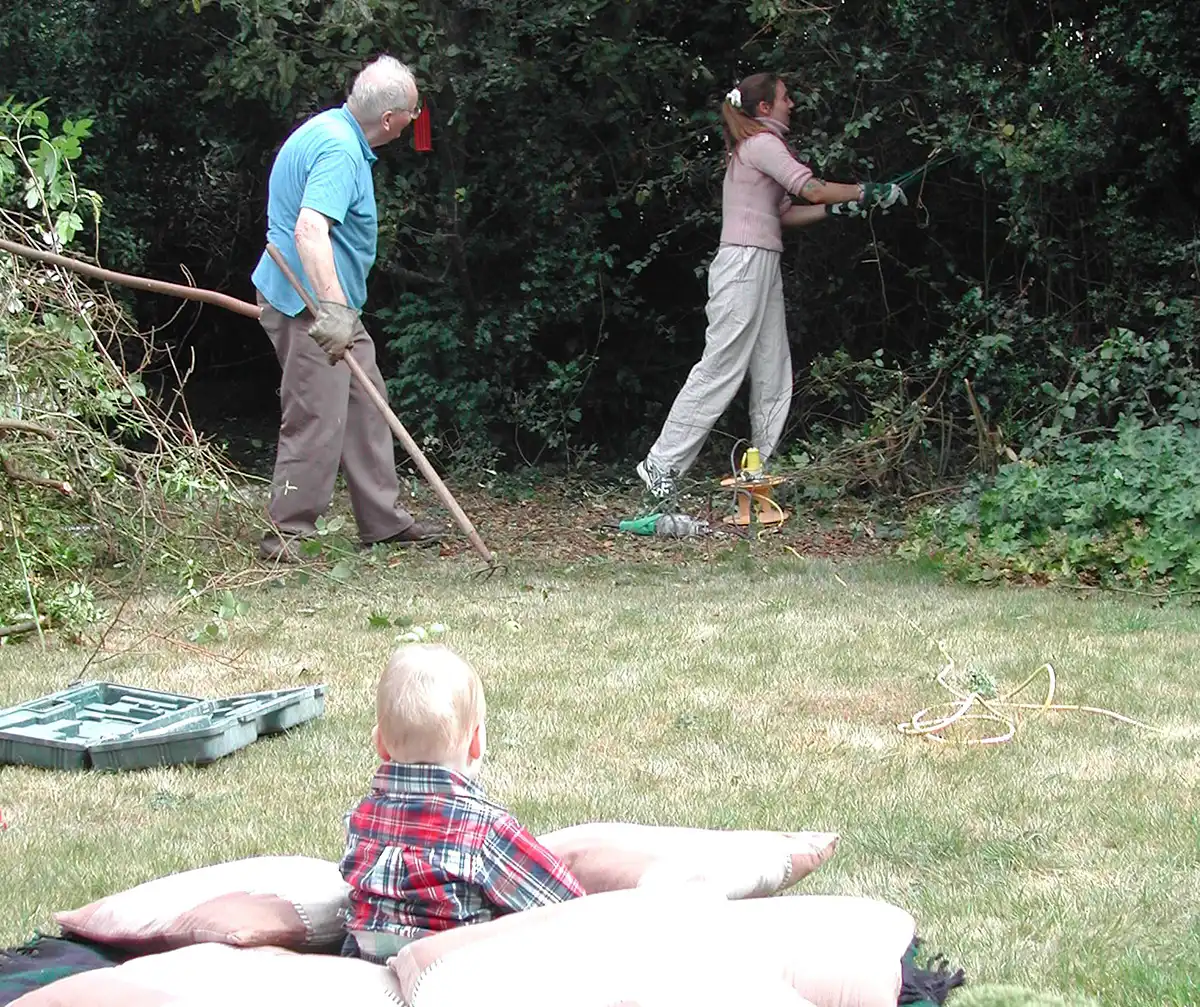
Locally to me, there is a beautiful country home with a spare plot of land used by the former owner as a vegetable garden; this land was superfluous to requirements so the current owners generously opened up this space to the village, inviting a gardener to head up a group of keen locals to use it as a collaborative community space for food growing, resulting in bringing people together to share their love of plants.
If you want to set up a project, make sure you have public liability insurance to protect it against the risk of possible public injury or issues. You will find lots of useful advice at RHS It’s Your Neighbourhood, and Britain in Bloom.