Join Debi as she shares her love of creating a peaceful woodland garden, inspired by nature and designed to thrive in even the smallest spaces. With layers of soft foliage, delicate seasonal flowers and dappled shade, a woodland garden brings a sense of calm and natural beauty to any setting, from patios and balconies to larger gardens.
How to create a woodland garden
Read the transcript
I’m going to share five tips for creating a woodland garden at home. Whether you’ve got a patio, a balcony or a large country garden, you can create a little woodland of your own.
- Plant woodland bulbs.
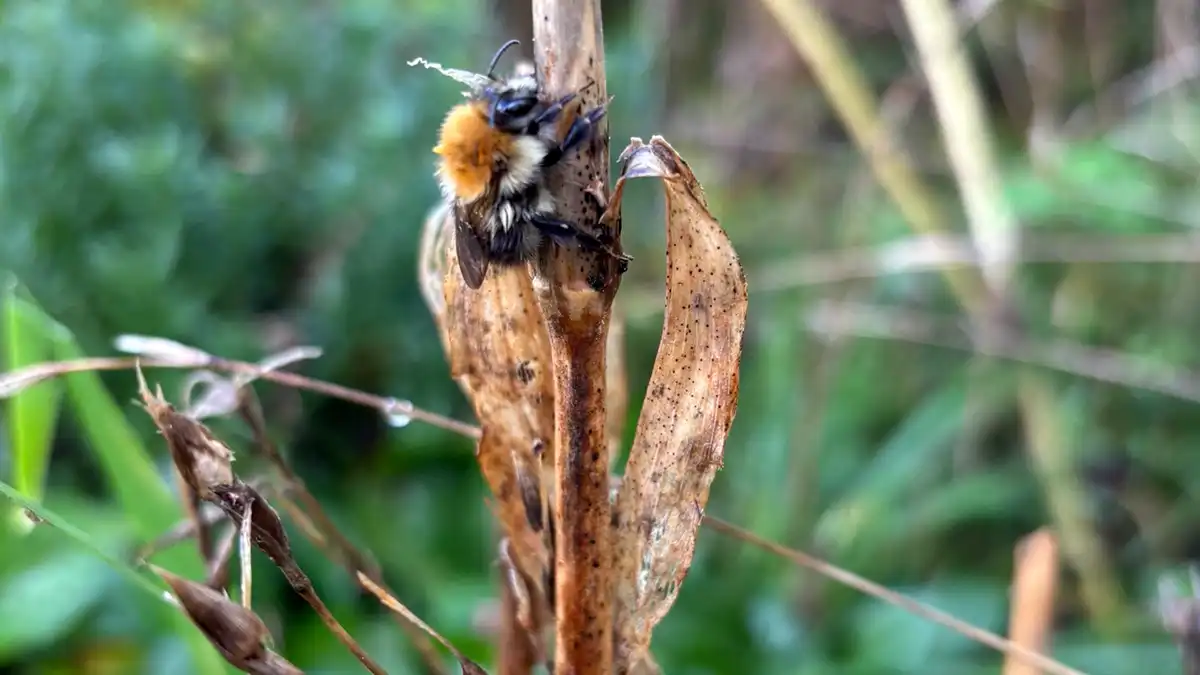
Bulbs are an easy way to create a woodland feel, and you can even plant them in pots. Snowdrops are one of the first signs of spring. Follow them with wild daffodils, English bluebells, cyclamen, winter aconites, chionodoxa and camassias. Plant them in dappled shade. These flowers are loved by pollinators and provide food for early-emerging bumblebees.
- Plant woodland flowers.
Foxgloves, primroses, wild garlic, wood anemones and pulmonarias thrive under a dappled canopy. Weed the area, add some moist leaf mould or compost, and get planting.
- Plant fabulous foliage.
Contrasting leafy foliage is the basis of a woodland garden. Hardy ferns such as hart’s tongue, soft shield, Japanese lace, ostrich and lady ferns are a great foundation for a green oasis. Contrast them with large-leaved hostas and grasses and sedges such as carex and Japanese forest grass. Combine evergreen and deciduous plants for interest throughout the year.
- Plant a tree.
Trees provide shade, reduce soil erosion and improve air quality. They also provide habitat for insects, mammals and birds. Spending time among trees can be relaxing, and research has linked woodland visits with lower levels of the stress hormone cortisol.
Choose trees that suit the size of your garden. Crab apple, silver birch, hazel, rowan and amelanchier offer interest through the year with flowers, berries, fruit and foliage. They can give you height and structure without smothering the plants underneath. If you have more space, consider a lime, beech or oak.
- Make a stumpery.
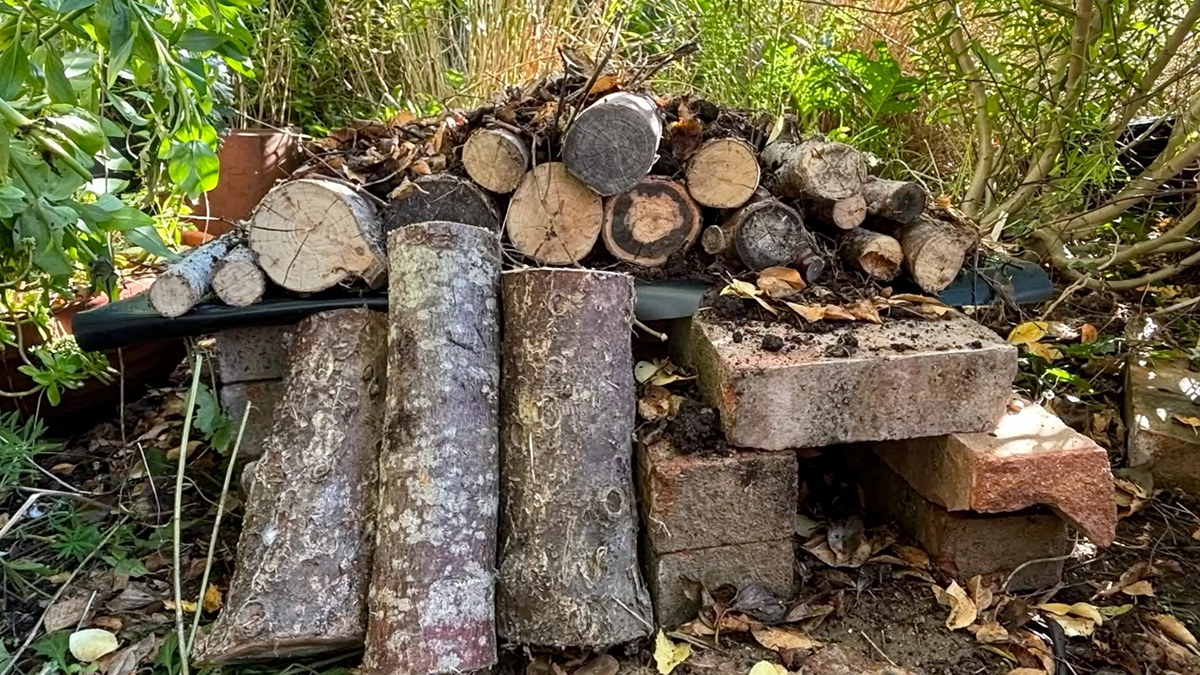
Deadwood creates habitat for bees, beetles and spiders and gives mosses, lichens, fungi and ferns somewhere to grow. Use old tree stumps and fallen branches. Dig a hole, position the stump, fill around it with soil and get planting. Before long the stumps will blend into the garden.
If you don’t have space for a stumpery, pile up logs or pruned and fallen branches to make a little woodland habitat. Finish by adding a seat so you can sit, look, listen and enjoy the garden.