Want to attract more birds to your garden while helping to keep them healthy? Debi shares five simple tips for feeding garden birds safely all year round. These include feeding seasonally, using hanging feeders to help keep food clean and dry, cleaning feeders thoroughly once a week, providing good-quality high-energy bird food and changing bird bath water every day. Small actions can make a big difference, helping to reduce the spread of germs and diseases and keep our garden birds healthy throughout the year.
Five tips to feed birds safely
Want to attract more birds to your garden while helping to keep them healthy? Debi shares five simple tips for feeding garden birds safely all year round. These include feeding seasonally, using hanging feeders to help keep food clean and dry, cleaning feeders thoroughly once a week, providing good-quality high-energy bird food and changing bird bath water every day. Small actions can make a big difference, helping to reduce the spread of germs and diseases and keep our garden birds healthy throughout the year.
Read the transcript
Wanting to attract more birds to your garden? I’ve got five tips to help feed birds safely all year round.
Trichomonosis is a highly contagious parasitic disease that has affected many bird species in the UK. So what can we do as wildlife lovers and gardeners to help feed birds this winter and throughout the year?
- Feed seasonally.
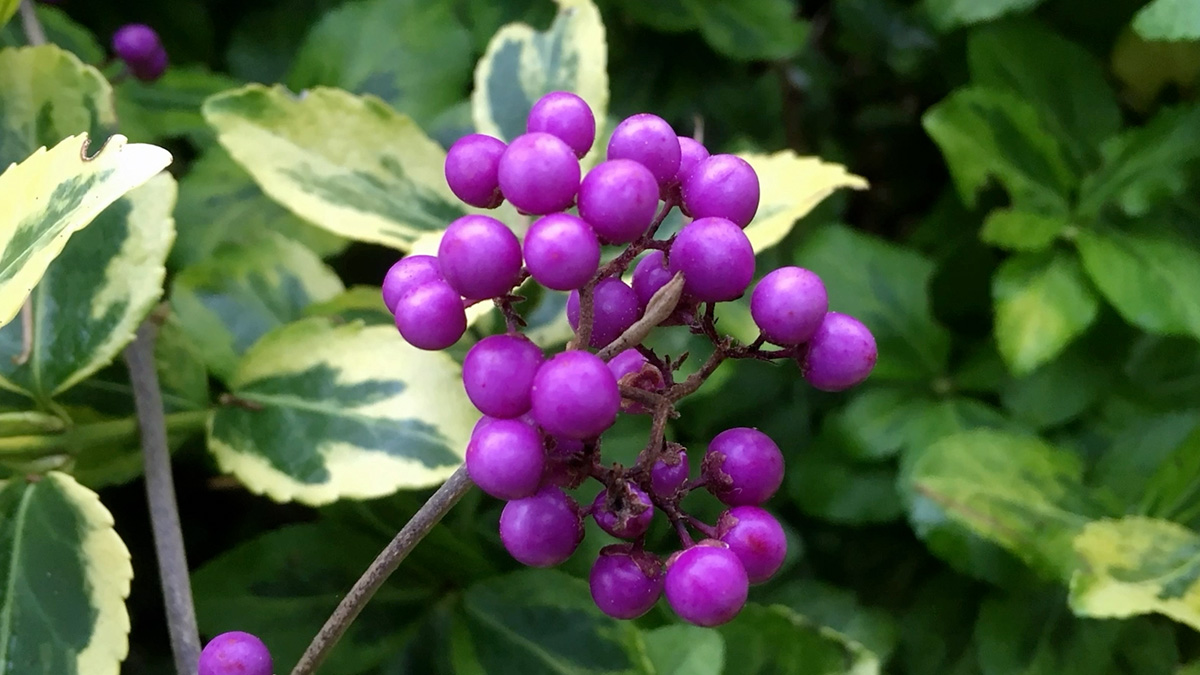
Summer and autumn are prime times for diseases to spread, so limit your bird feeders to fat balls and mealworms. During summer and autumn, fill your garden with bird-friendly plants like ivy, sunflowers, teasels, and berry-laden trees and shrubs so birds can forage for their own food. Come winter and spring, nuts will be very welcome to your garden birds.
- Use hanging feeders.
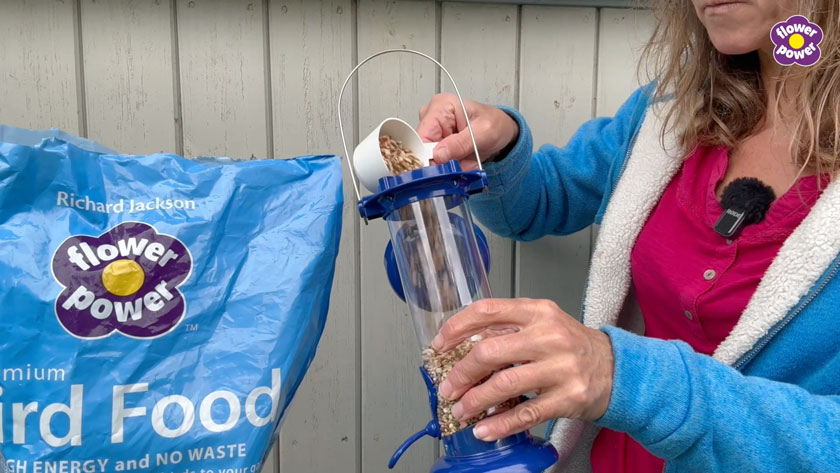
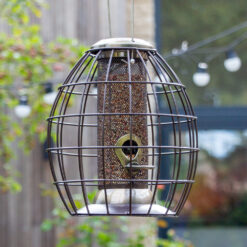
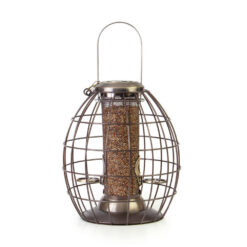
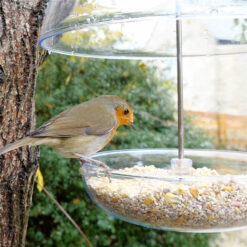
Hanging feeders will help keep food clean and dry, helping to reduce the spread of germs, which spread more easily on flat surfaces like bird tables. Hang feeders from a stand or tree. This also gives birds a good vantage point to spot predators like cats.
- Clean bird feeders once a week.
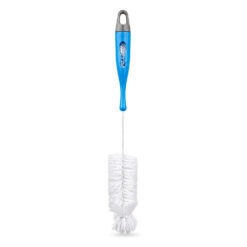
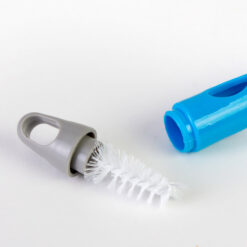
Empty and dismantle your bird feeders once a week. Give them a really good clean and scrub in warm, soapy water, or use Richard Jackson’s Bird Feeder Cleaning Spray to remove dirt and food residue. Then give them a rinse with tap water.
Always wear waterproof gloves and wash your hands afterwards. Make sure the feeders are completely dry before reassembling. Trichomonosis thrives in damp conditions.
- Provide birds with high-energy bird food.
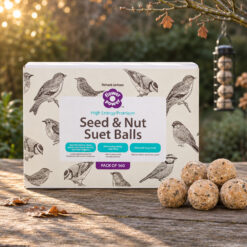
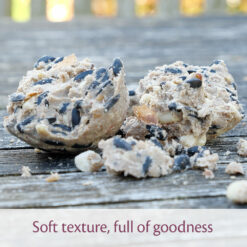
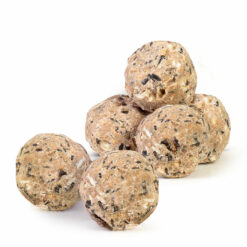
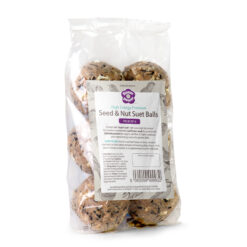
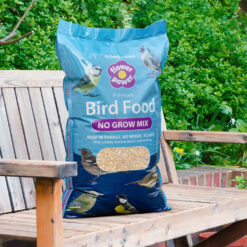
Birds burn a lot of calories trying to maintain their body temperature through cold winter nights. Give them the best chance with high-fat bird food like suet balls and fat balls, and a diverse range of seeds and nuts, including sunflower hearts, niger seeds, peanuts, millet and mealworms. Avoid bird food with cheap fillers like wheat flakes, as they offer little nutritional value.
Richard Jackson Garden has a range of high-energy bird food and suet balls to satisfy garden birds’ appetites. Check them out on the Richard Jackson Garden website.
- Change bird bath water every day.
Like us, birds need to drink and wash. Change the water every day to help reduce the spread of germs and diseases. Give your bird bath a good clean and scrub once a week too.
The RSPB advises using tap water to reduce the possibility of contamination, for example if water has been standing for a long time in a water butt. See the RSPB’s current guidance on seasonal feeding and bird bath water for details, including what to do if your tap water is treated with chloramine.
Small actions can make a big difference. If we all pull together, we can help wild birds stay healthy. And that’s my five tips on how to feed birds safely all year round.