Butterflies and moths are an integral part of our gardens’ ecosystems. Debi Holland shares five tips to help you create a butterfly- and moth-friendly garden.
Create a butterfly- and moth-friendly garden
Read the transcript
Here are five tips to create a butterfly- and moth-friendly garden. Butterflies and moths are an integral part of the garden ecosystem. As well as being fabulous pollinators, they’re a vital food source for birds, bats, small mammals and amphibians. They’re sensitive to temperature changes, pollution and changes in habitat, so what can we do as gardeners to help them flourish?
- Ease up on cutting back.
Old stems and seedheads provide places for caterpillars and chrysalises to take refuge over winter. Some moths, such as the thistle ermine, use plant stems, and orange-tip butterflies can overwinter as chrysalises attached to stems. Save the big cutback until spring. It helps wildlife and saves you time.
- Leave the leaves.
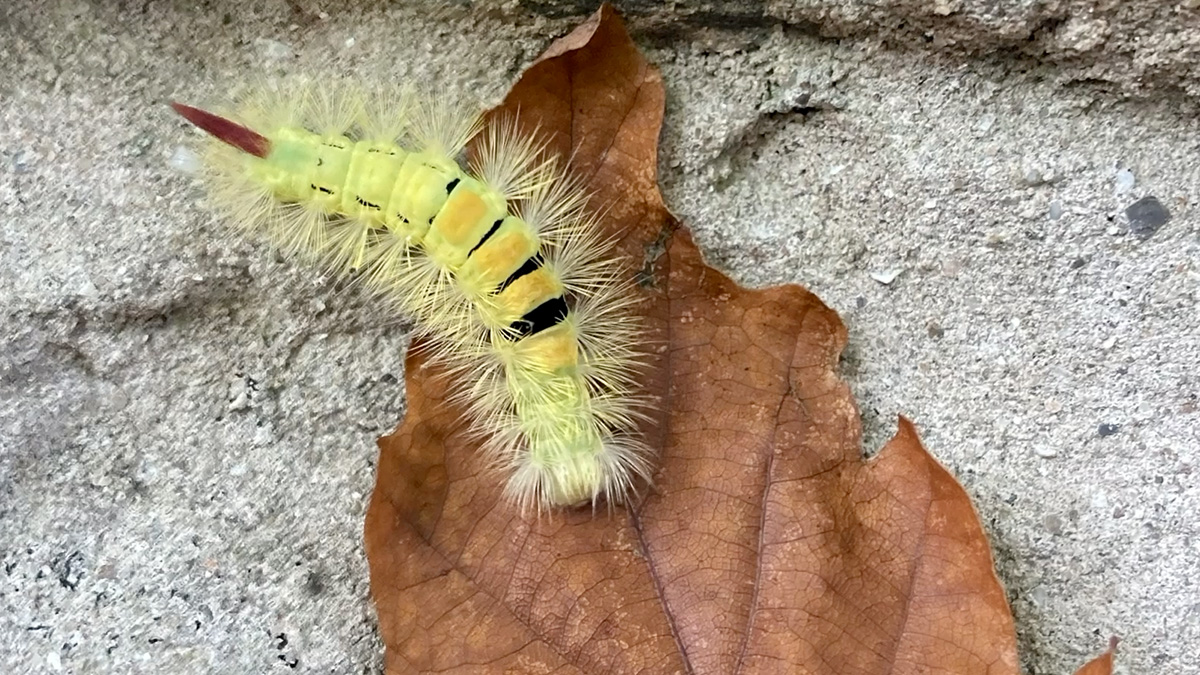
Fallen leaves provide an insulating blanket for insects over winter, a bit like wrapping ourselves in a duvet. Leaf litter gives butterflies and moths a stable, sheltered place through freezing temperatures. Caterpillars such as the elephant hawk-moth can pupate in a cocoon among the leaves.
If you need to clear leaves from paths and lawns, put a pile in a quiet corner so insects can take refuge.
- Hooray for hedges.
Hedges provide vital habitat for butterflies and moths. If you can delay pruning and shaping until early spring, it can make a real difference. If you need to prune, try rotating the work so one hedge is cut and another is left untouched.
- Pile up deadwood.
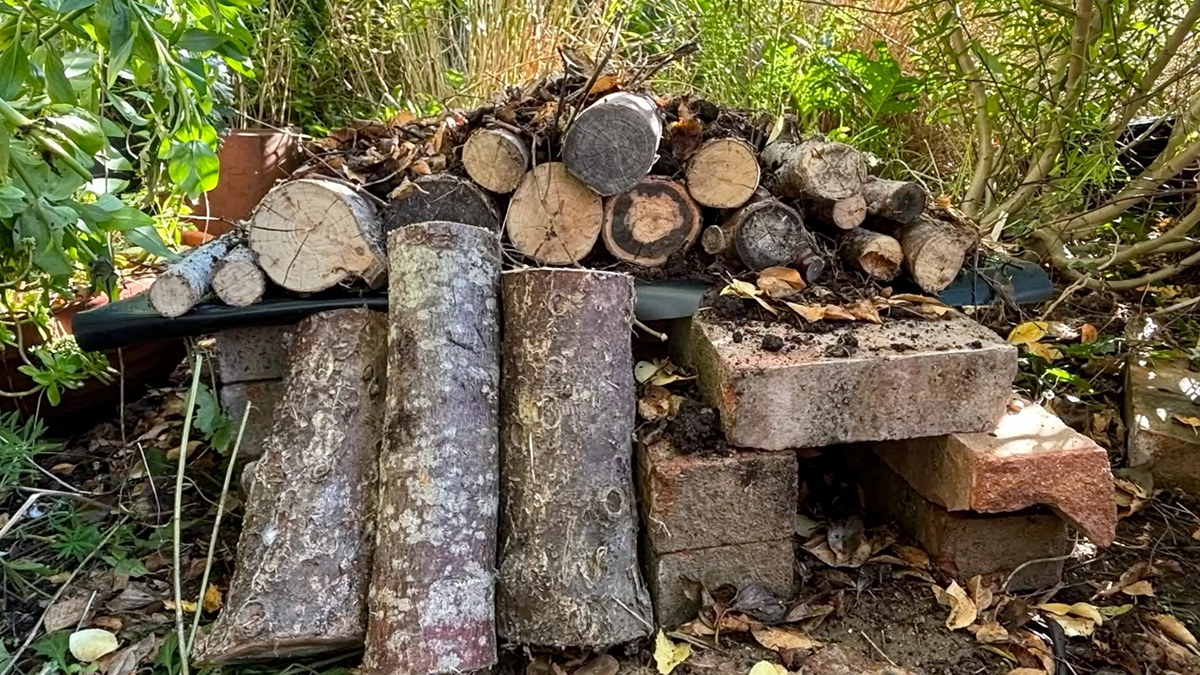
If you have fallen branches or twigs, or you’ve been pruning trees or shrubs, make a pile in a quiet spot such as under a hedge or at the back of a border. Gaps in wood and bark offer sheltered places to overwinter. They can also provide a safe space for cocoons and chrysalises.
- Plan for next year.
Plant spring bulbs in autumn that flower at different times, so butterflies and moths have a succession of nectar. Start with crocuses, snowdrops, winter aconites, hyacinths, scillas and chionodoxa, followed by bluebells. In April and May, look to muscari, snake’s-head fritillaries, camassias and alliums.
These plants also help early-emerging pollinators such as bumblebees fuel up after winter or a long migration. Once their energy is replenished, butterflies and moths can find mates and lay eggs. This is part of the garden food web, as newly hatched birds rely on caterpillars for food.
And that’s my five tips to create a butterfly- and moth-friendly garden.