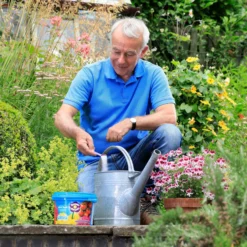
Want a healthier garden and a sanctuary for local wildlife? Watch Debi Holland as she shows you five simple garden tasks for autumn that will help to support wildlife through the colder months.
Five tips to help wildlife in autumn
Read the transcript
I’ve got five tips to help wildlife in autumn.
- Leave a section of your garden to grow wild.
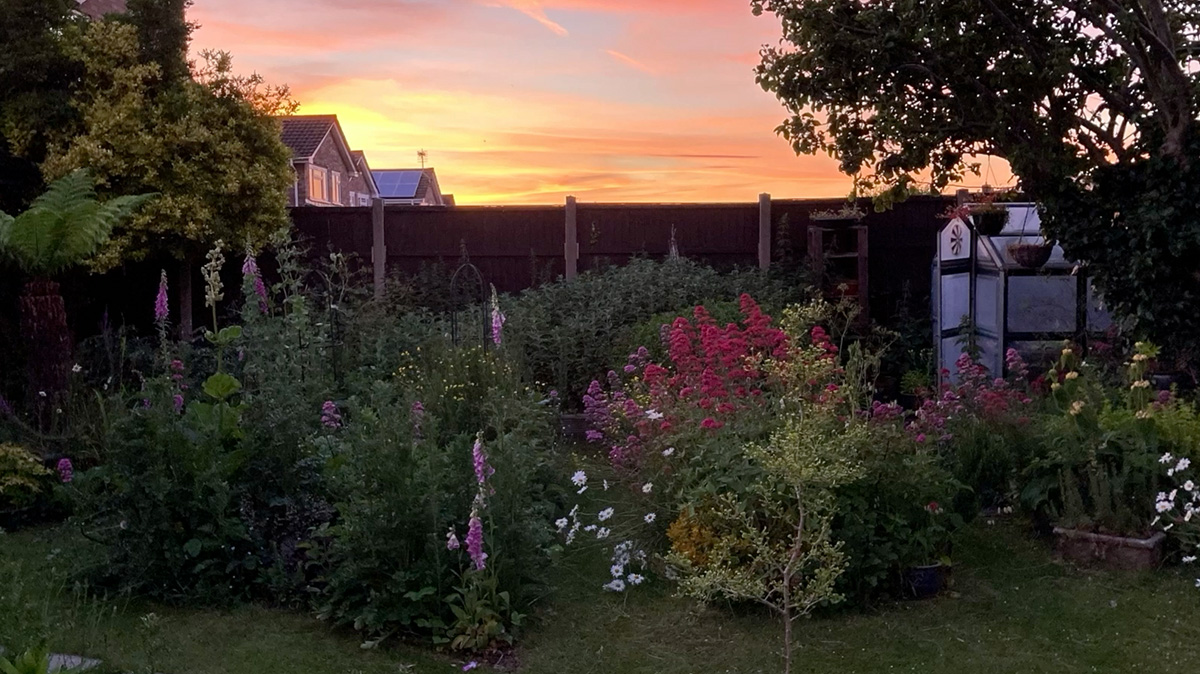
One of the easiest ways to provide habitat for wildlife is to leave a section of your garden to grow wild. Whether it’s a patch of nettles, leaving stems and branches where they fall, or just letting your plants grow without chopping them back, it will provide plenty of nooks and crannies for wildlife to forage and shelter.
- Pile up logs and leaves.
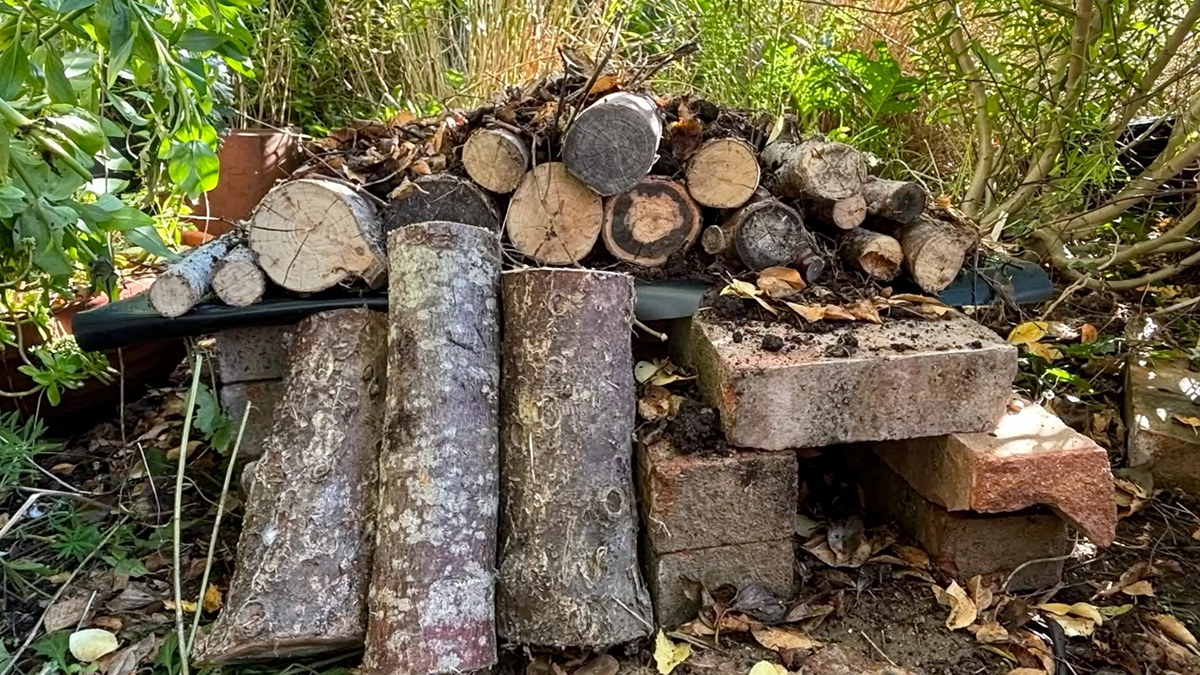
Rake up fallen leaves and pop them in a pile in a quiet spot, such as under a hedge. Pile up fallen branches, twigs and logs too. These give insects, toads and even hibernating hedgehogs a cosy space to hunker down and seek refuge.
- Leave hollow-stemmed plants and seedheads.
Hold fire on chopping everything back. If you’ve grown sunflowers, fennel, echinacea or cow parsley this year, leave them in the borders even after they’ve faded. Hollow stems provide sheltered tunnels for overwintering insects. The seedheads of sunflowers, teasels, verbena and sedum provide a natural food source for your garden birds.
- Leave some windfall fruit on the ground.
Fallen apples, pears, damsons and plums provide a natural food source for birds. The natural sugars give them energy as they prepare for winter. As the fruit breaks down, it attracts butterflies, ladybirds, hoverflies, flies, wasps and even earthworms, which can in turn attract hungry hedgehogs.
If you have a glut, put some fruit on the compost heap. Balance it with plenty of brown material such as leaves, paper, cardboard and straw to stop the compost turning to mush. If you’re worried about children getting stung, move some of the fruit away from paths and well-used lawns to a quieter spot. Scatter it rather than piling it up, since piles of rotting fruit can encourage fungal diseases such as brown rot.
- Grow ivy.
Hedera helix, or common ivy, is one of the most underrated garden plants. It has a reputation for rampant growth, but it provides a vital food source for late-flying pollinators and birds. It flowers from September to November and attracts bees, wasps, butterflies, hoverflies and flies. Its clusters of dark, fat-rich berries feed birds in winter, and the ivy offers shelter to a wide variety of wildlife.
We have this incredible ivy growing up our silver birch, and the tree has become an entire ecosystem of its own. Our resident woodpigeons and collared doves live there alongside hundreds, if not thousands, of insects. Plant some ivy and see what comes to visit your garden.
And that’s my five tips to help wildlife in autumn.