Boost your garden’s biodiversity! Debi Holland shares five pollinator-friendly plants and explains how they attract wildlife, and can benefit your garden’s ecosystem.
Five pollinator-friendly plants
Read the transcript
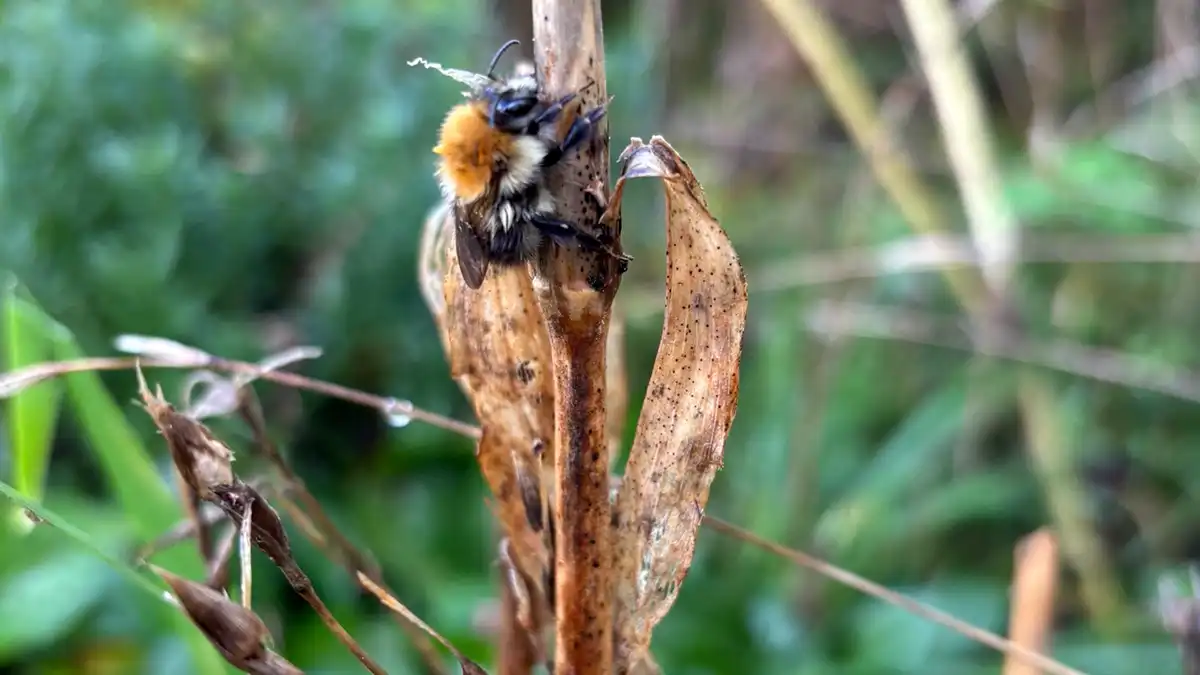
Pollinators such as bees, butterflies, moths and hoverflies are essential to the garden ecosystem. Through pollination, they help produce the next generation of plants. Here are five plants that’ll get insects buzzing in your garden.
- Ice plant.
Often known as sedum, the ice plant is now classified as Hylotelephium. This drought-tolerant plant has huge umbrella-shaped flowerheads made up of masses of tiny, nectar-rich, star-shaped flowers. They make ideal landing platforms for bees, butterflies and hoverflies. The blooms provide late-season nectar from summer until the first frost.
- Phacelia.
This pretty, fast-growing annual is often used as a green manure. It helps protect soil from erosion, suppresses weeds and can enrich the soil. Its lavender-coloured flowers draw in pollinators, and the plant replenishes its nectar, so insects can return several times a day. It’s easy to grow from seed and can flower for around eight weeks.
- Comfrey.
My back border is full of comfrey, and when I sit here, all I can hear is a constant buzz. The bell-shaped flowers are packed with nectar. Long-tongued bees can reach down inside the tubular flowers. Short-tongued bees sometimes make a hole at the base to get to the nectar, effectively robbing the plant.
Comfrey has another use. Chop up the leaves and steep them in water to make a potassium-rich liquid plant feed.
- Yarrow.
Achillea millefolium, or yarrow, is a hardy, clump-forming perennial with flat-topped flower clusters that bloom for months. It’s easy to grow and works well in cottage gardens, prairie-style planting and wildlife-friendly spaces. It likes full sun and free-draining soil, and tolerates drought once established.
- Viper’s bugloss.
Echium vulgare flowers from May to September, with nectar-rich violet-blue and pink blooms on upright stems with bristly leaves. It’s drought-tolerant and a magnet for pollinators. It’s a biennial, so sow it this year for flowers next year. For flowers in the same year, try the annual echium ‘Blue Bedder’.
The bristly leaves of viper’s bugloss also make it less appealing to slugs, snails, deer and rabbits.
And that’s my five pollinator-friendly plants. Happy sowing and growing.