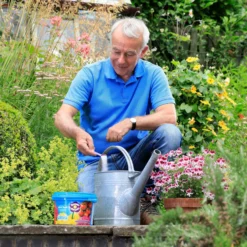
Learn five simple tips to make your garden a haven for birds! From feeders and baths to natural habitats and bird-friendly plants, Debi Holland shows how to attract and care for a variety of garden birds while keeping them healthy and safe.
Create a bird-friendly garden
Read the transcript
Here are five ways to create a bird-friendly garden, with places for birds to feed, drink, shelter and nest.
Editor’s note. The video predates the RSPB’s updated advice. The RSPB now recommends retiring bird tables and other flat feeding surfaces, pausing seeds and peanuts from May through October, and refreshing bird baths daily with tap water. See its current advice on feeding birds and providing water for details.
- Choose a sheltered spot for feeders
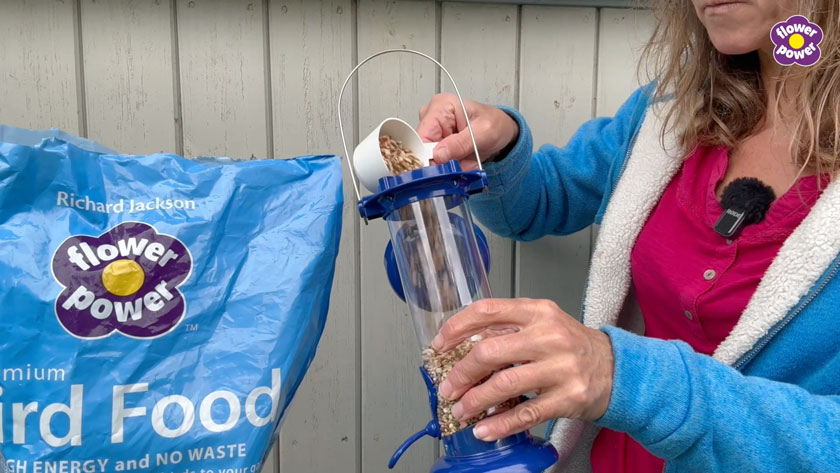
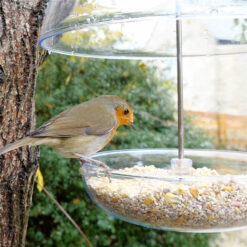
Place hanging feeders where birds can reach nearby cover but can also see predators approaching. Clean feeders regularly to help limit the spread of disease.
- Offer food suited to the season
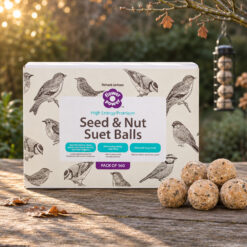
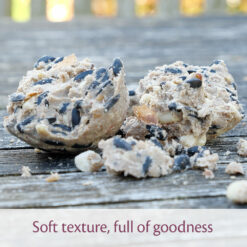
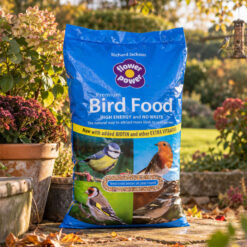
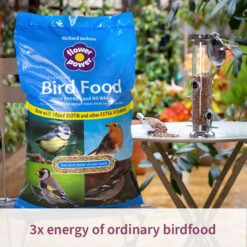
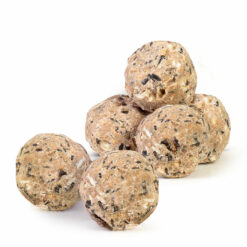
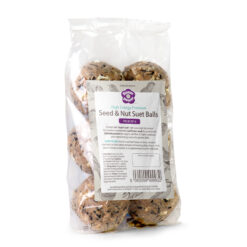
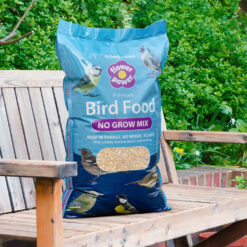
The video shows high-energy bird food, suet balls and bird-safe peanut butter. Follow the seasonal guidance above when deciding what to put out.
- Add a bird bath
A raised bird bath or shallow saucer gives birds a place to drink and bathe. Position it away from hiding places where cats can pounce. Scrub away algae, droppings and debris, and keep the water fresh.
- Create natural habitat
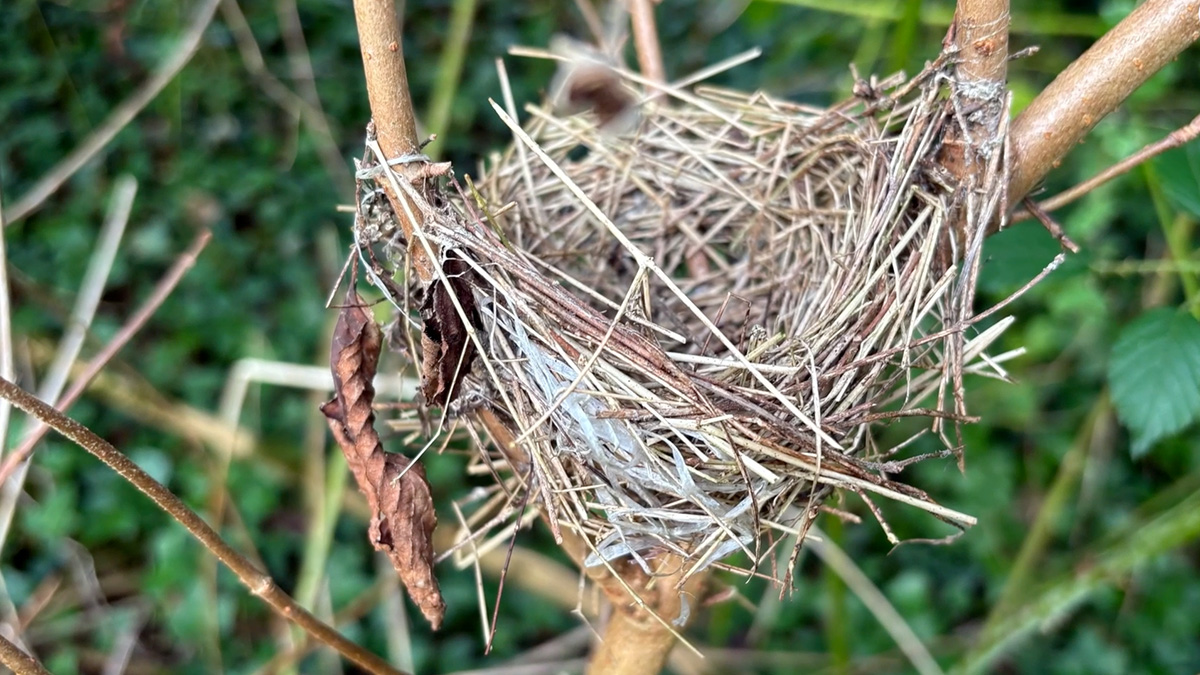
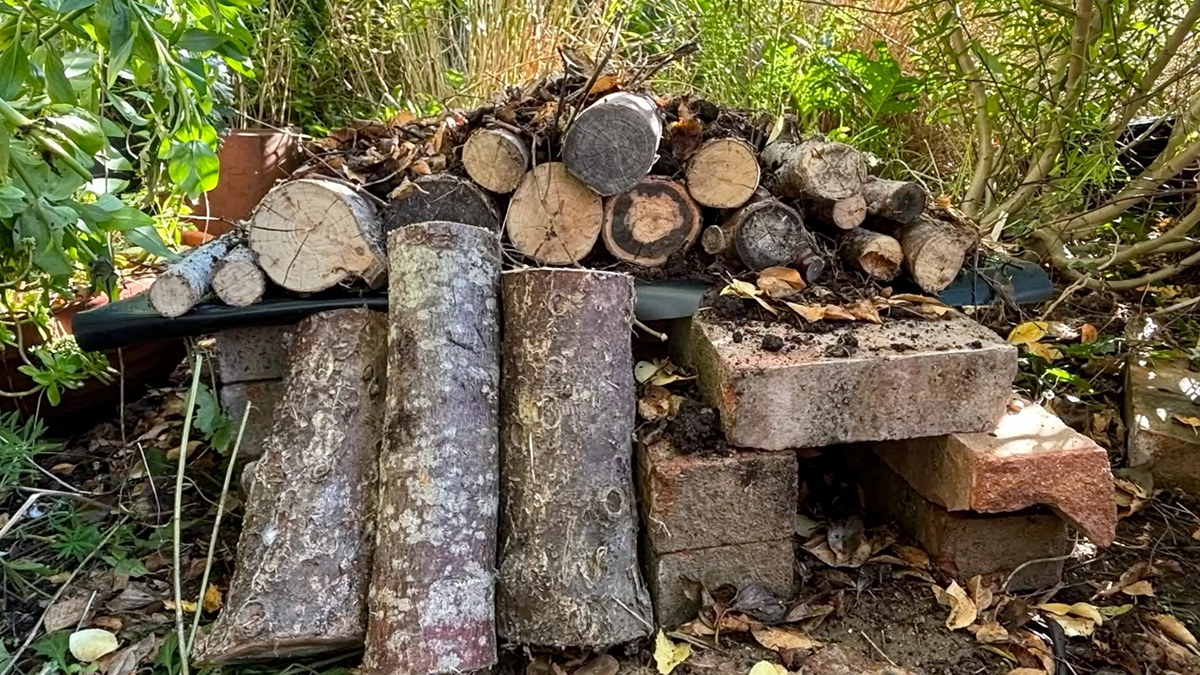
A log pile, pond or native hedge brings in insects for birds to forage. Trees and shrubs such as oak, beech and birch provide cover, nest sites and perches. Trees can also be a place to put a nest box.
- Grow bird-friendly plants
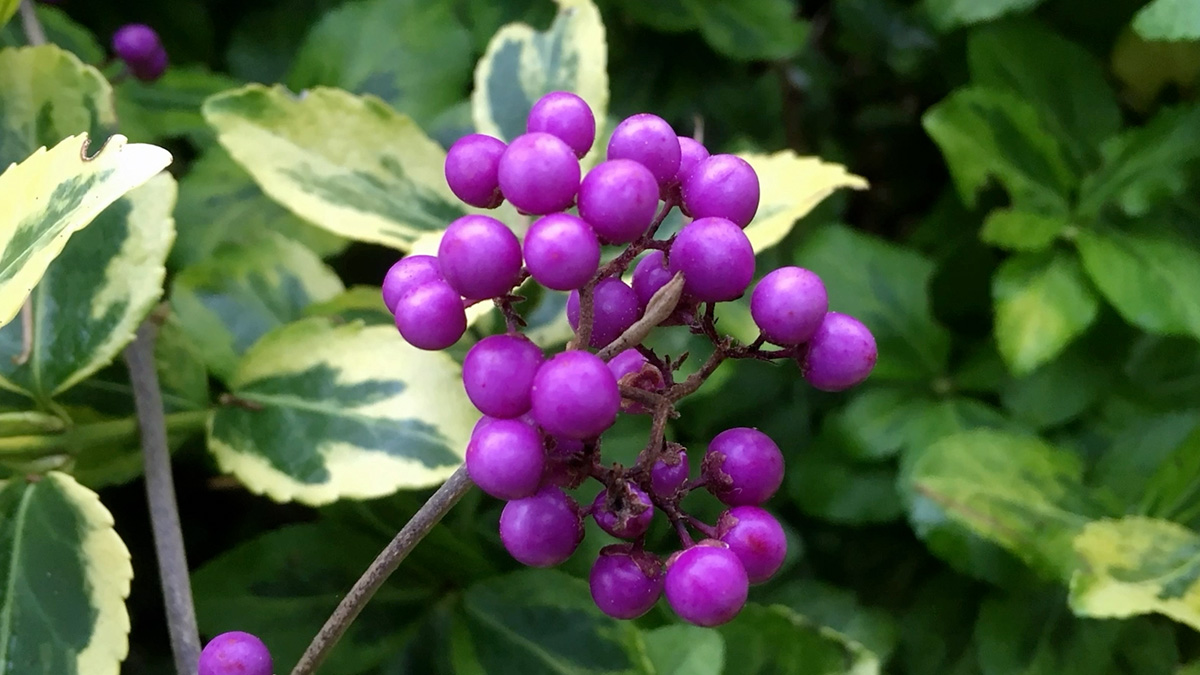
Avoid pesticides where you can and grow shrubs with berries, such as holly, hawthorn, pyracantha and dogwood. Leave seedheads on sunflowers, teasels, goldenrod and coneflowers, and grow ivy for shelter and food.
Follow these tips to make your garden a more welcoming place for birds.