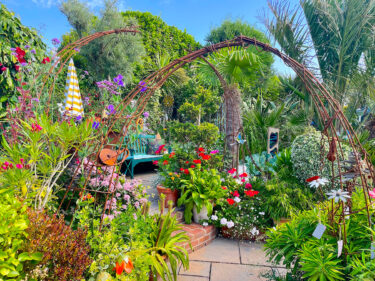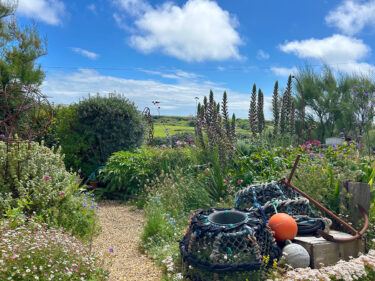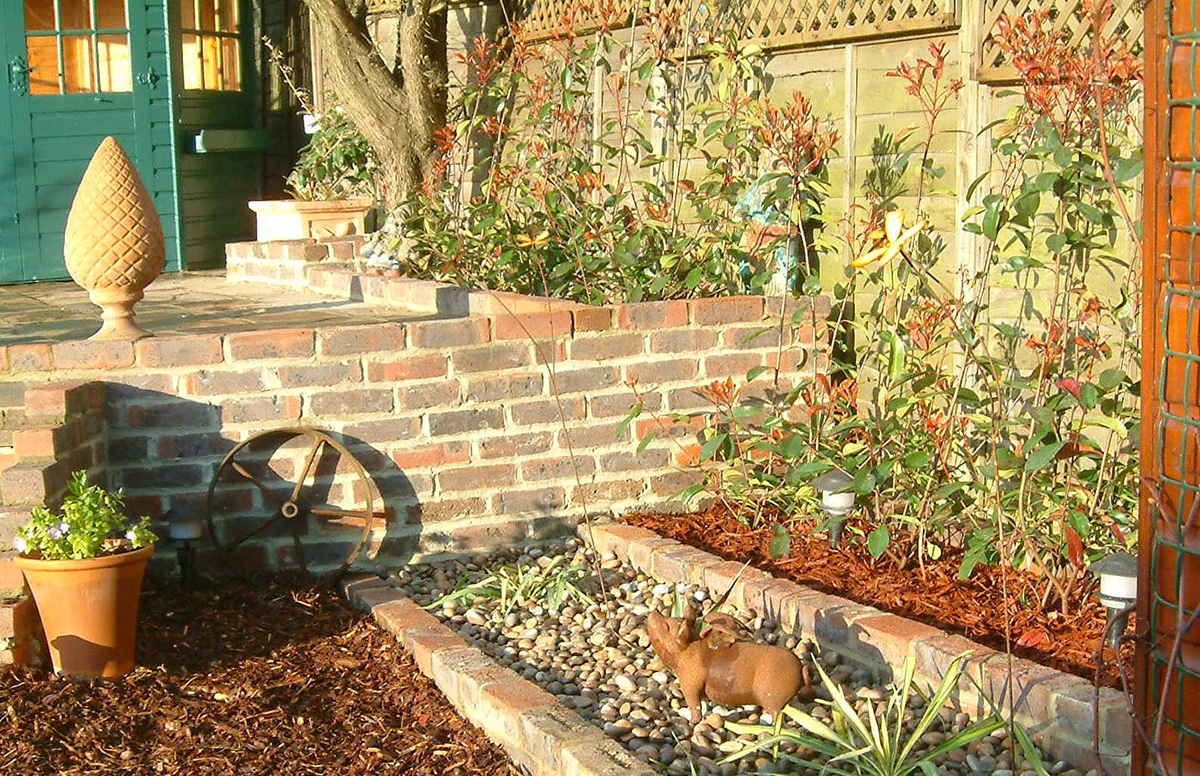
When we moved from a cosseted small garden in North London to Seaford in East Sussex, little did I know the dreadful mistakes I would end up making. Being totally ignorant of anything, garden related at the time, I made some foolish decisions without properly thinking through the impact of those decisions.
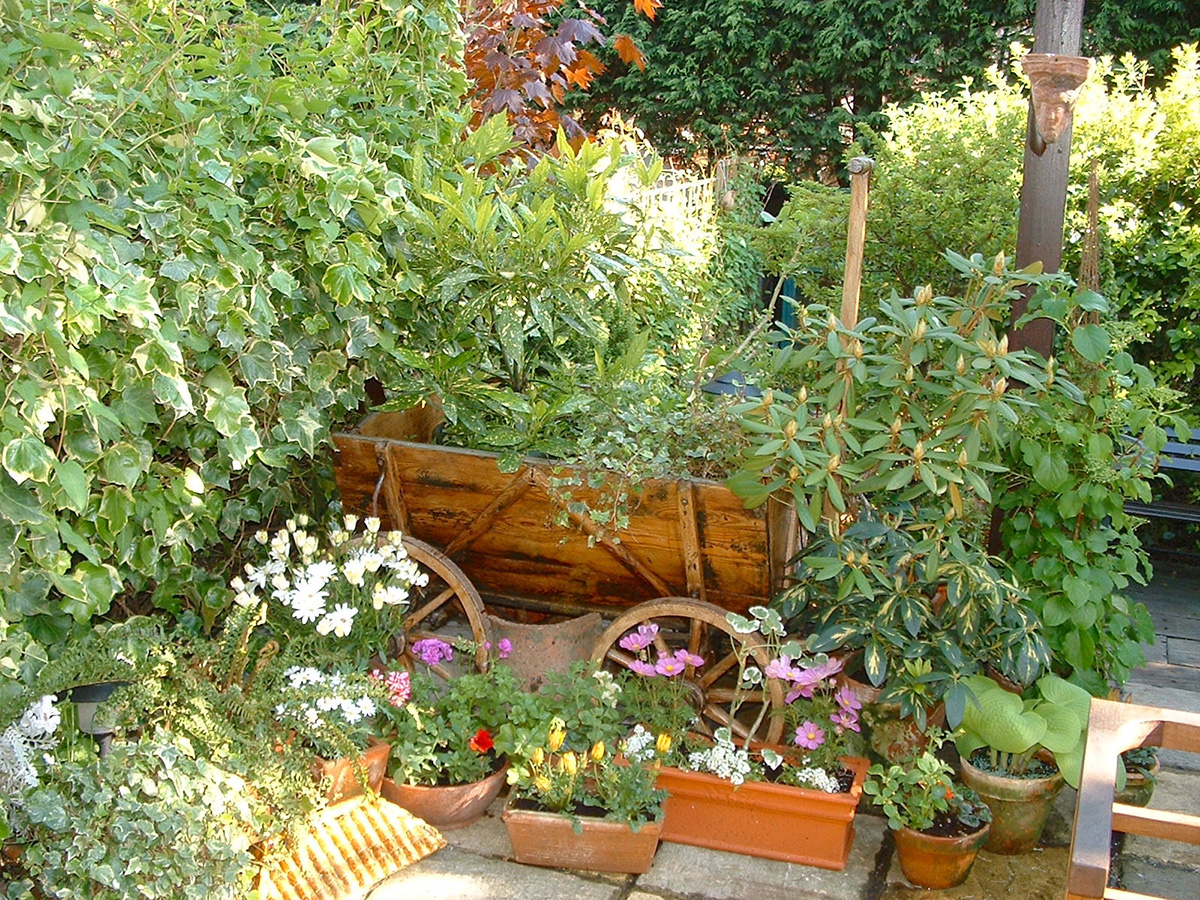
Our small semi-detached house in High Barnet had a pretty rear garden, that I confess had been created by a landscaper and I had simply maintained it. Over the years I got great enjoyment from sitting in the garden and just making it look its best through the summer months. It was full of containers, creating a really pretty courtyard style garden. I’d already begun buying items to dress the garden, including an old wooden cart. Plus, my eye for detail and the way each area looked was already evident. So, what did I do wrong?
My first mistake
The garden in High Barnet, was pretty protected from most of nature’s elements. So, in hindsight, me deciding to lift it all and take it to the south coast was really not a good idea. I did warn the new owner that the garden would be emptied, I kept my word and took everything I could with me.
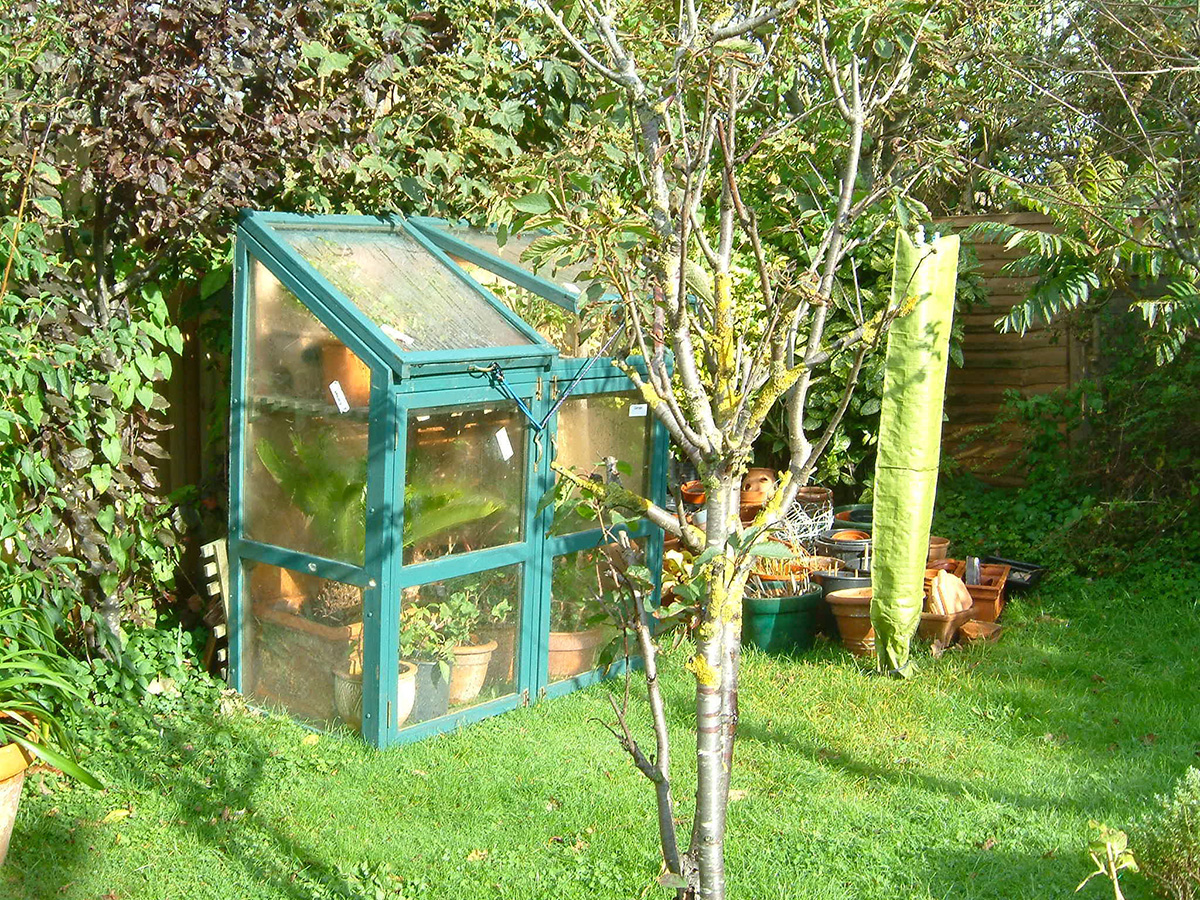
We moved in late September, which meant most plants were left out over the winter, as there were not really any plants among them that I had protected over winter in London. I had brought a small wooden greenhouse with me, which housed a few pots and the remainder were scattered around the plot until the spring.
Little did they know, nor indeed did I, that the strong salt-laden winds we experienced over that first winter were the death knell for many of them. If the salt didn’t get them, then the wind blowing over and breaking containers did! It was certainly probably the hardest lesson I have learnt since really starting gardening! There is nothing worse than seeing the lovely plants and shrubs you have tended over time being killed off.
Steep learning curve
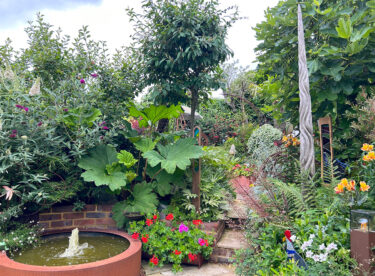
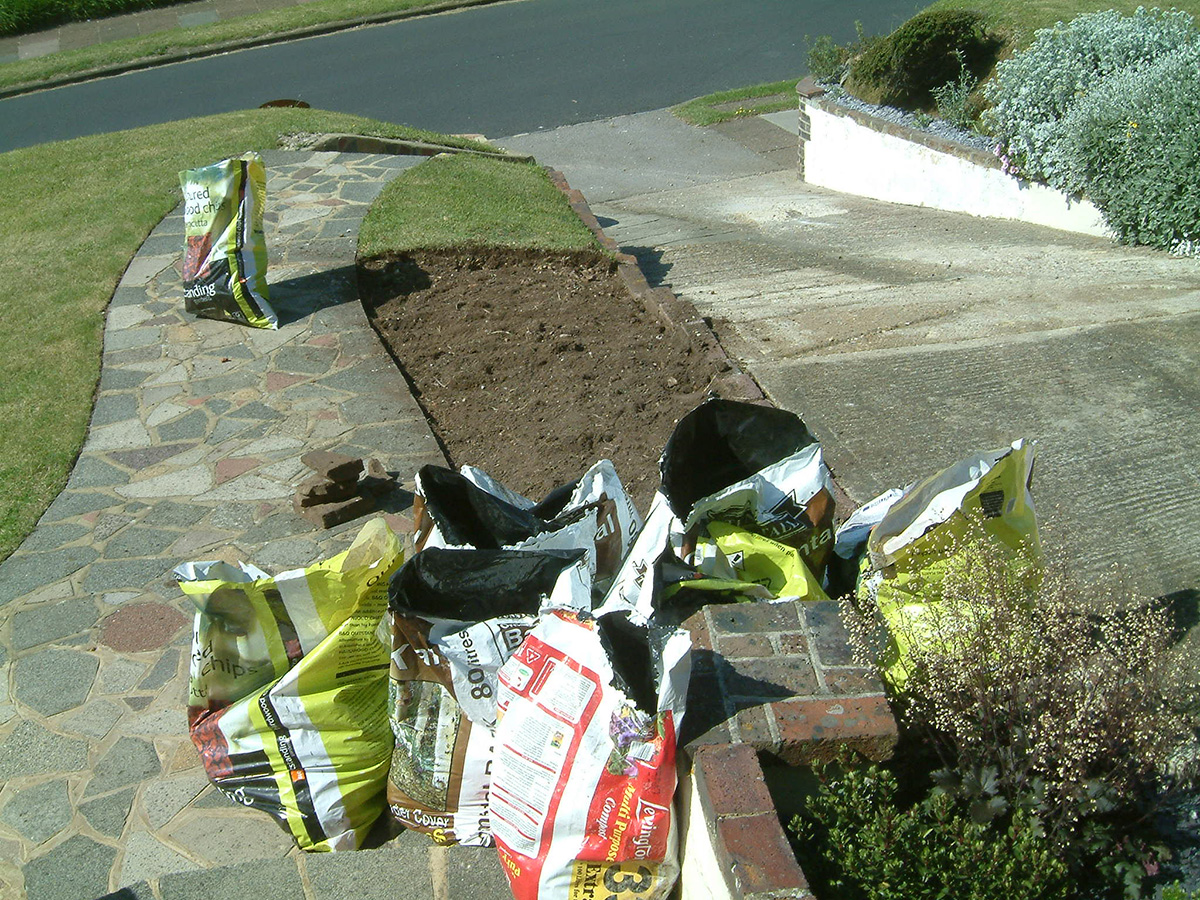
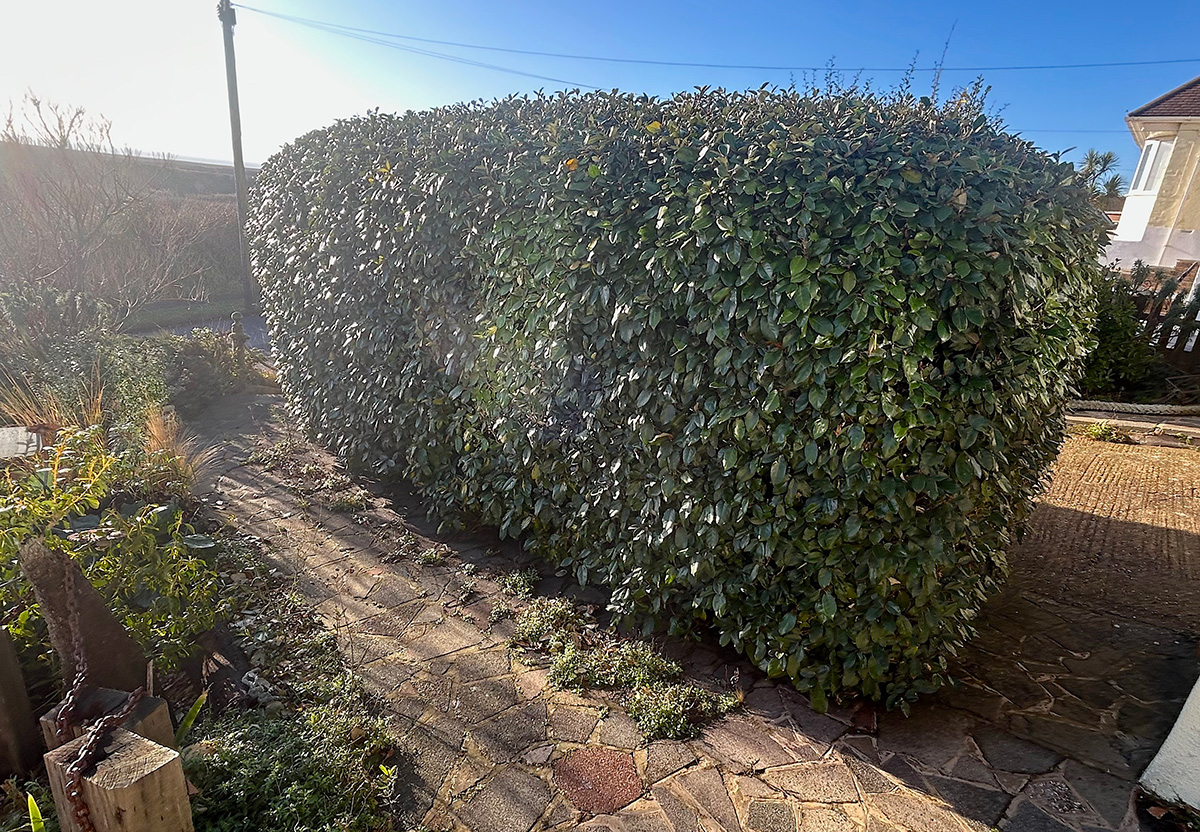
Thus, the following spring was a fast-learning curve on how to make sure the plants that survived could be protected in the future. One of the key ways forward was to create a number of different rooms with boundaries that would help hold back the salty winds. This created a number of different micro-climates that enabled some plants to survive the elements. In the beach garden, that meant digging up the strip of grass to the side of the sloping drive and planting a hedge of elaeagnus, which has become a protective screen from the bitter salt laden SW winds which tend to dominate through the winter and latterly the summer too.
Costly mistakes
A few years later, I wanted to start planting hedges to conceal the wooden fences on all three sides of the garden. After doing some research and asking for advice in our local garden centre I was told that Photinia ‘Red Robin’, would be a good option. Online experts said “Photinia is a popular choice for coastal gardens because it’s hardy, easy to care for, and produces striking colour”. So, I went ahead and bought quite a few plants, only to find within a year they were not doing at all well and several had died. A great deal of money was lost and I had to substitute with something even more robust like the mix of elaeagnus and olearia that I have now. This was a hard and costly lesson to learn.
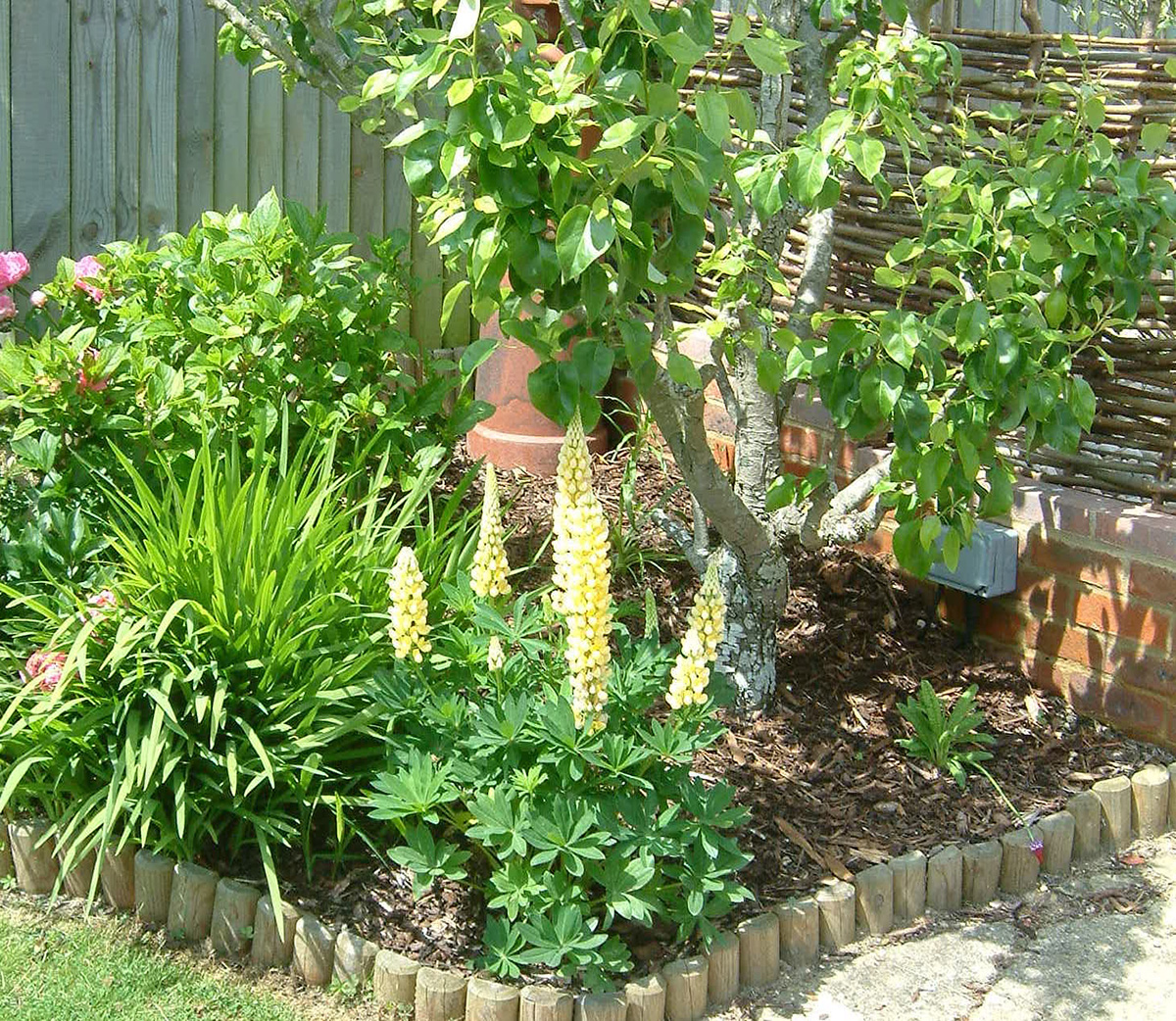
In terms of individual plants, other lessons have been learnt over the years too. Originally, I had had my heart set on creating a pretty cottage garden but the salt-laden winds prevented that. One of the plants I had always loved was lupins! They are such an elegant and striking plant. I initially tried them over several years and despite getting the occasional success, I decided to give up as I really was not having a great deal of success with them.
Learning experiences
To be honest though, in my book, gardening is something you learn by doing, which ultimately means making mistakes along the way. I certainly began my proper gardening years knowing nothing and learning by my mistakes, some big, some small.
People say, like cooking, gardening is a constant process of experimentation, repeating the successes and throwing out the failures. Well, if gardening is like cooking, I’m very sure that I’ve burnt the dinner many times now.
Making mistakes in your garden is inevitable but I’ve tried to treat them as learning experiences. After gardening at Driftwood for over twenty years now, I’ve discovered I’m still learning. So, whether you’re a newbie or an experienced professional, stuff happens. The most critical learning point for me over those two decades, has been, don’t always believe what the experts say! I can’t count the times I’ve had successes with plants that the experts say won’t grow under those conditions so for me it’s important to go with your gut feel and instinct!
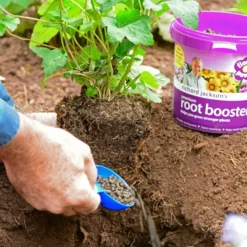
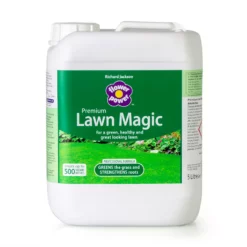
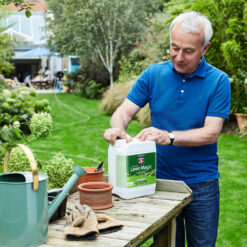
One thing I certainly learnt the hard way was not feeding plants. As a newbie I’m not sure I really thought about it too much! But, to get good results it’s essential, in my opinion now, to feed your plants and what better plant food to use than Richard Jackson’s Flower Power which has been my “go to” feed for almost 11 years now. The results speak for themselves.