
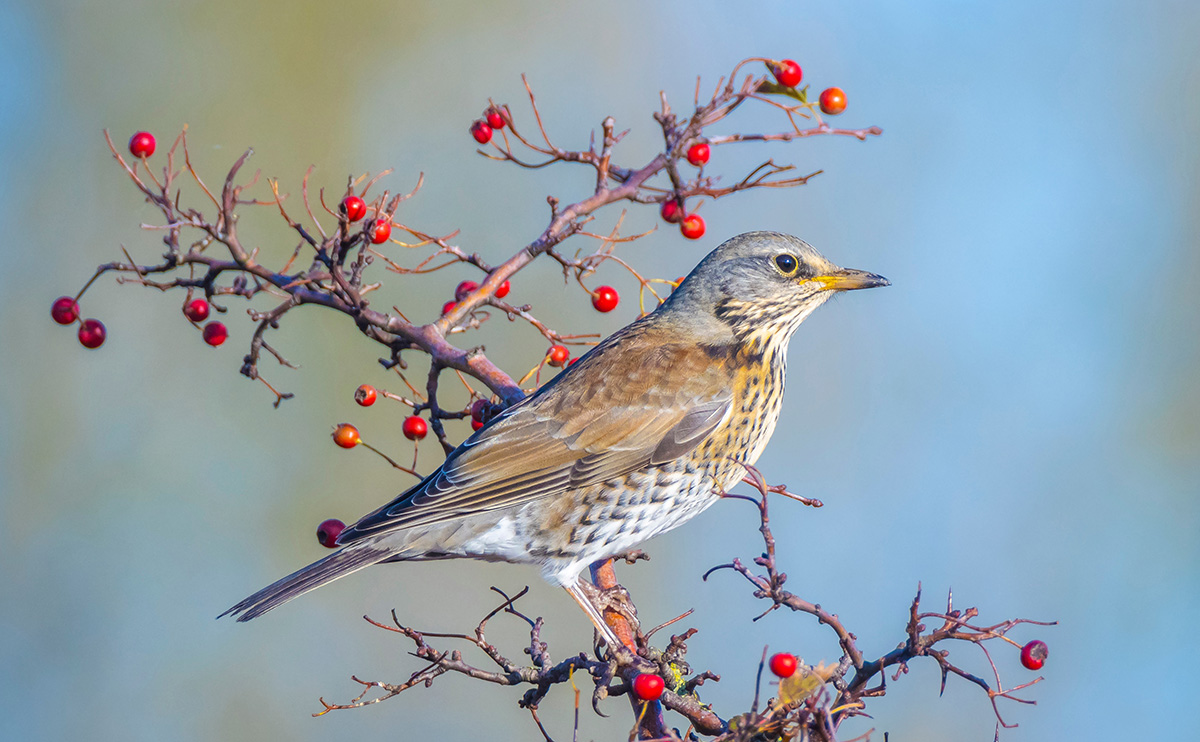
Grow some plants in the garden that bear berries to help birds through the winter. Pyracantha, ivy, holly and cotoneaster are all good choices.


Sign-up for 10% OFF first order »

0330 0582733 (9am – 5pm) »
Grow some plants in the garden that bear berries to help birds through the winter. Pyracantha, ivy, holly and cotoneaster are all good choices.
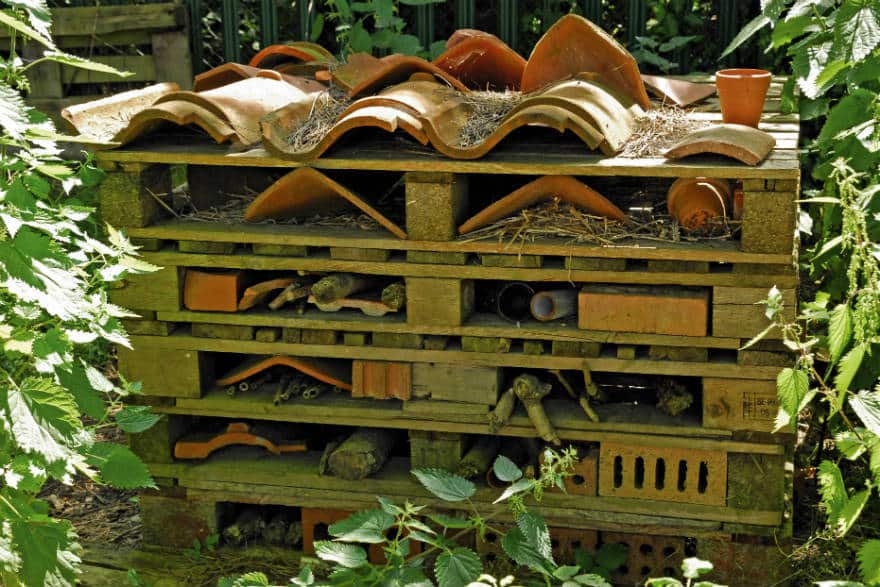
Add an insect house or bug box to your garden to support the wildlife; you might be amazed at what moves in. Jean Vernon has some easy ideas for making your own insect haven.
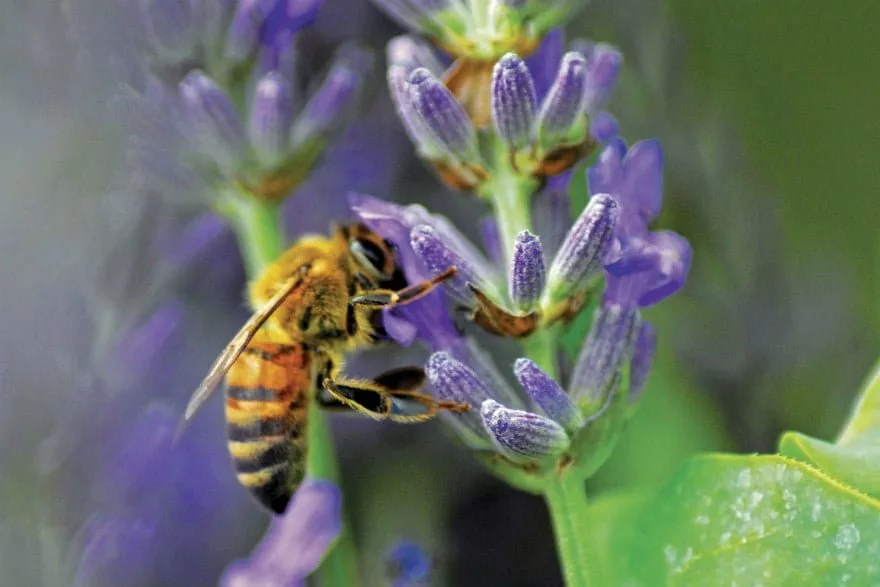
Take a closer look at that buzzing creature in your garden. There are dozens of species of solitary bees as well as our honeybees and bumblebees and they all do vital work in the garden.
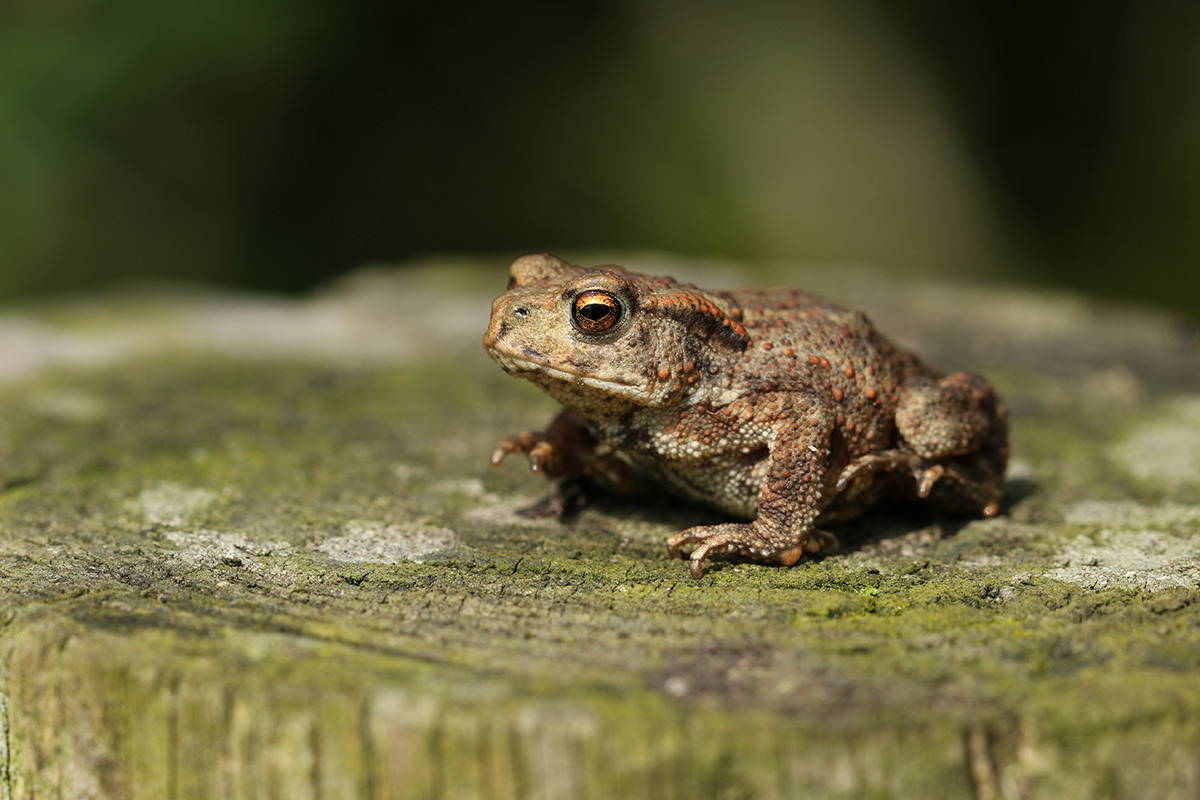
They might be warty, but garden toads are good for the garden, says Jean Vernon.
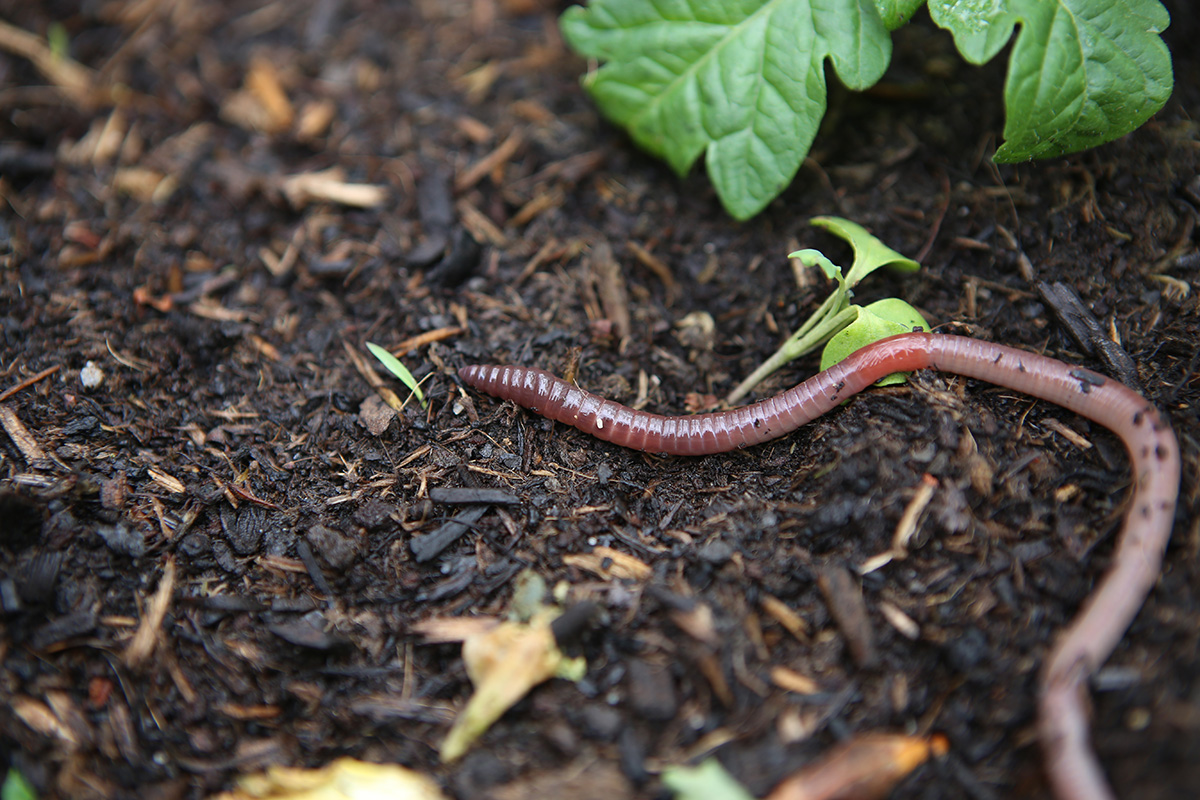
Where would we be without worms? These soil dwelling creatures are responsible for soil health in our gardens. Without these wiggling creatures our soil would be compacted, starved of oxygen and probably waterlogged.

Give your bird feeders and bird baths a health check over winter.

Gardens close to woodlands and countryside can offer ideal sites for owl boxes.
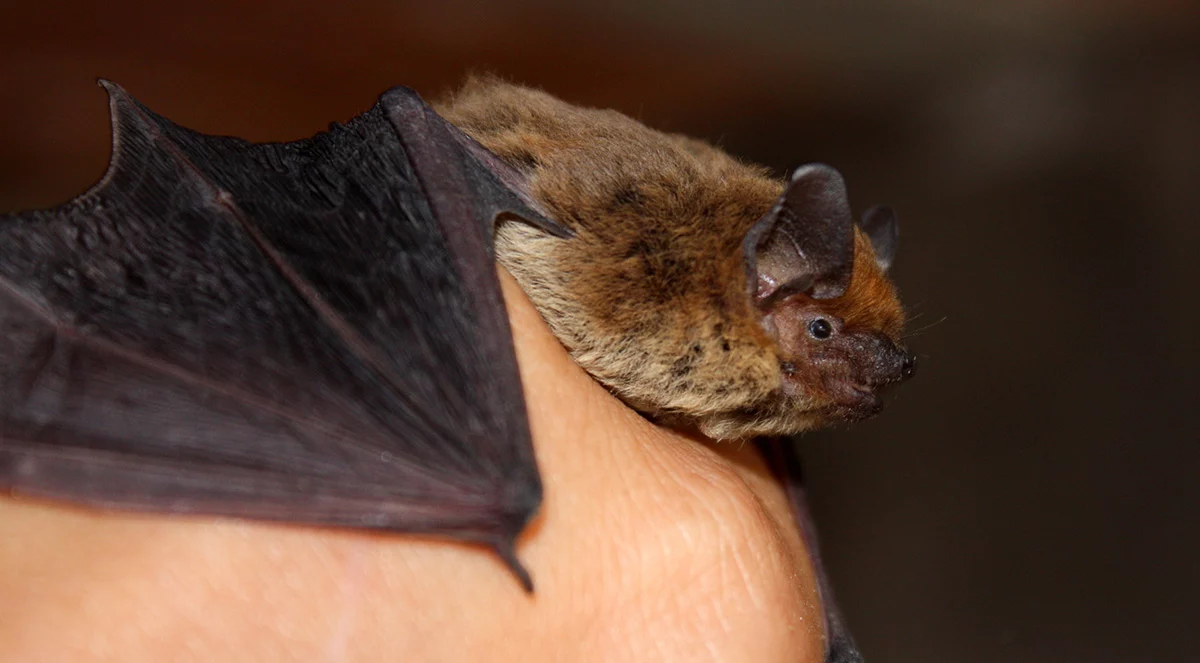
Don’t be scared, bats in the garden are a blessing not a curse. These little creatures mostly eat garden bugs as Bat expert Chantal Brown explains.
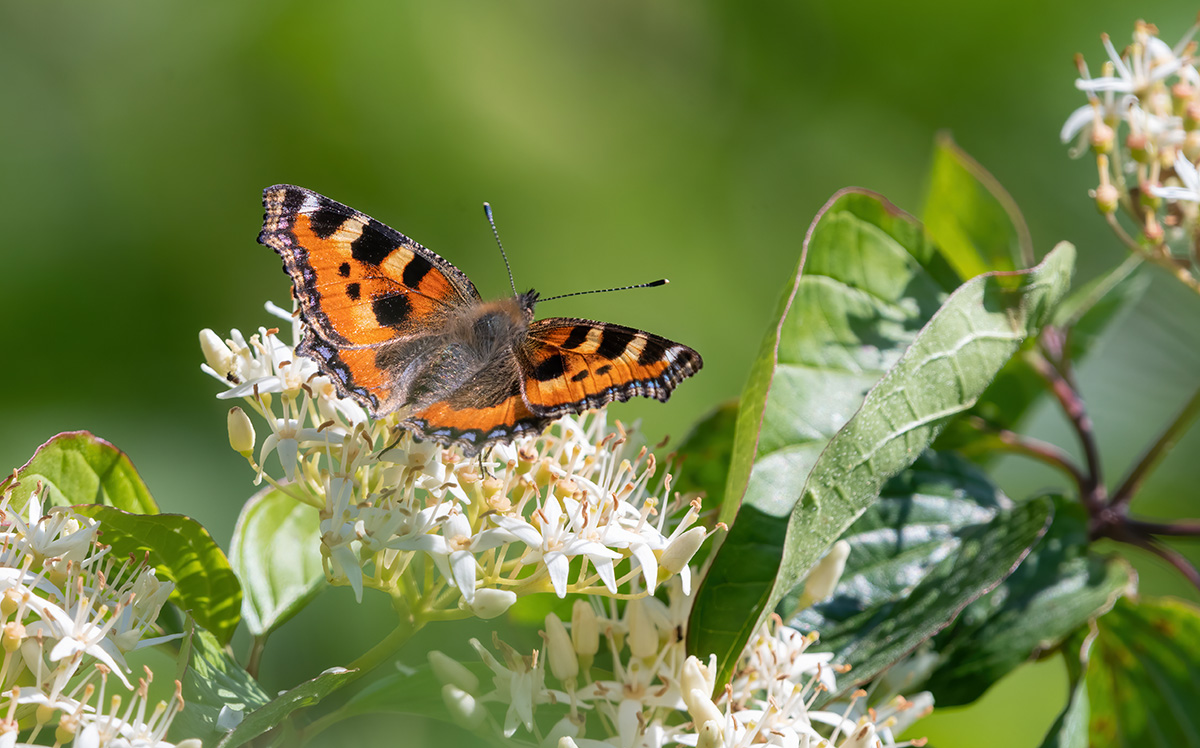
Bring your garden alive with the silent wings and elegant presence of beautiful butterflies. They are living ornaments to adorn your garden and enthrall young and old.
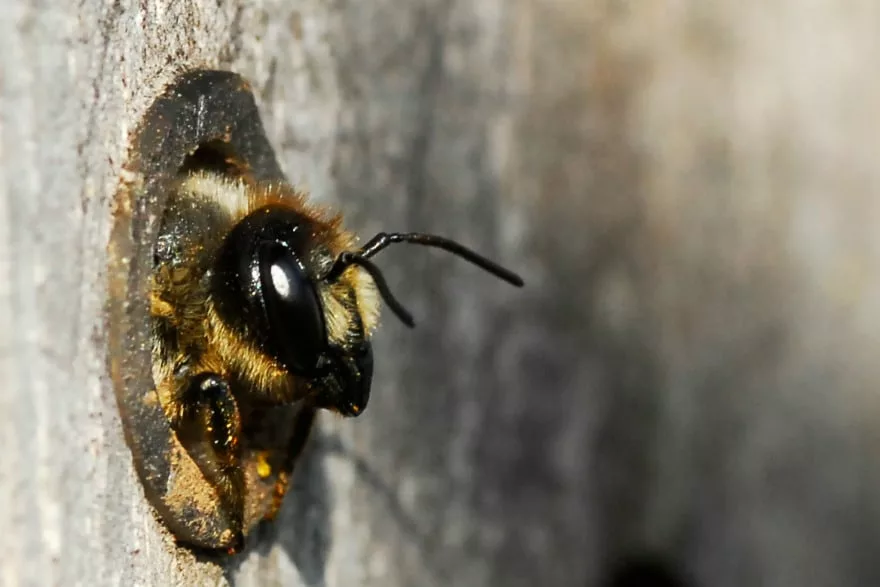
Leafcutter bees may leave unsightly holes in leaves as they cut small semi-circles to seal in their eggs; but these excellent pollinators are a true gardener’s friend.
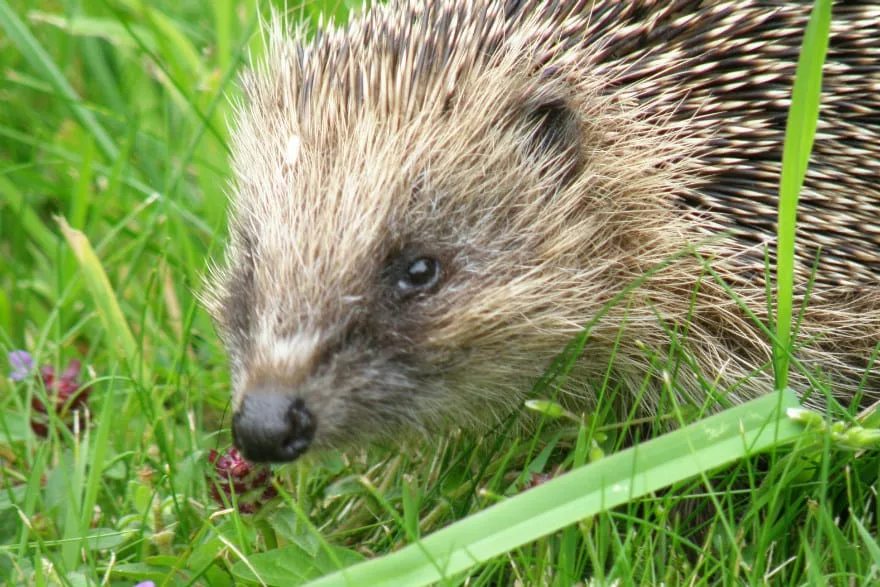
Hedgehogs are the gardeners’ friend, they are now in serious decline and need all the help that we can give them. As the weather warms up our prickly garden friends emerge from hibernation.
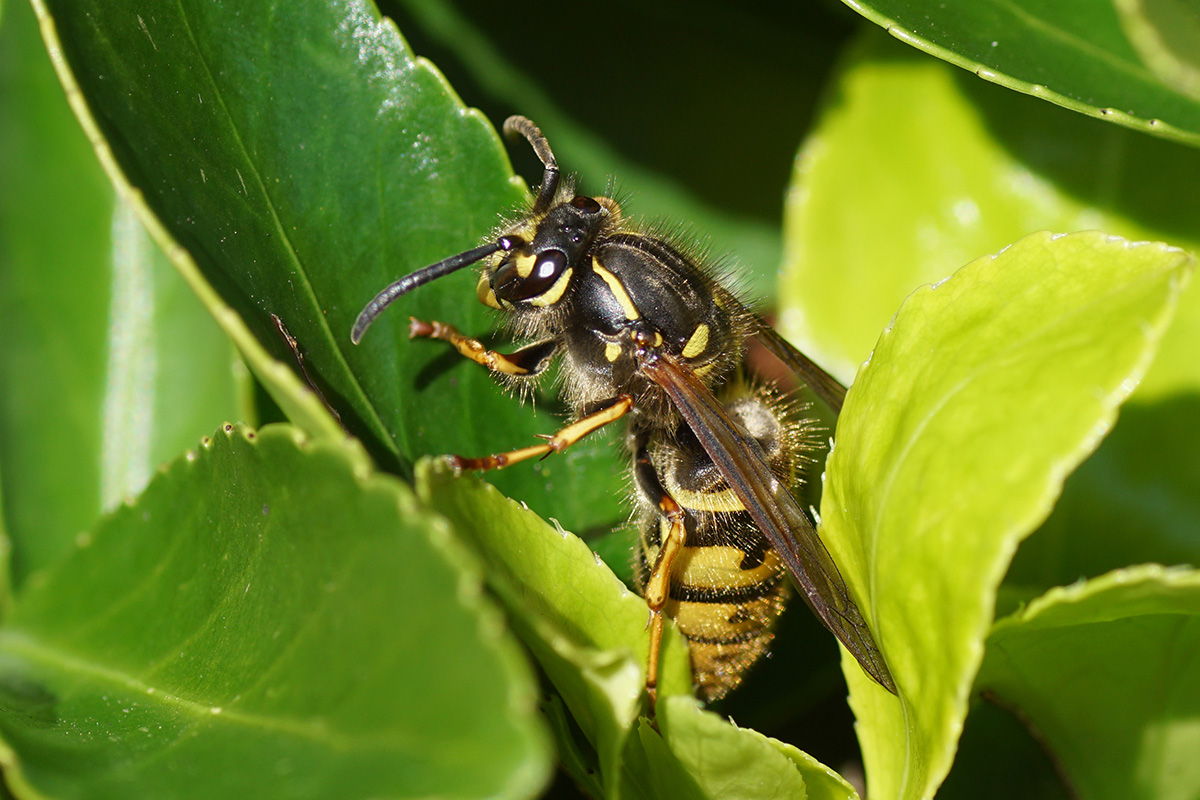
Garden wasps are important garden pollinators and surprisingly good pest control too, says Jean Vernon




The home of Flower Power
Over 1,000,000 sold worldwide

Tried, tested & trusted
Professional formulas made for all

Over 50 years experience
Tried, tested & trusted garden care

Used by award-winners!
Over 100 golds won at garden shows